
You know those moments when everything you thought you knew suddenly shifts? That’s what happened in paleontology several times over the past two centuries. Each groundbreaking fossil find didn’t just add another name to the dinosaur family tree. They completely rewrote the rulebook.
From the very first time scientists realized these ancient giants existed to discoveries that linked them to modern birds, certain fossils have left lasting marks on our understanding of prehistoric life. Some of these finds sparked decades of debate. Others answered questions we didn’t even know we should be asking. The really fascinating part? Each discovery came with its own dramatic story, whether it involved fierce rivalries, lucky accidents, or years of painstaking detective work.
Let’s explore five discoveries that didn’t just make headlines. They transformed the entire field of paleontology and changed how we visualize the Age of Dinosaurs.
Megalosaurus: The Discovery That Started Everything
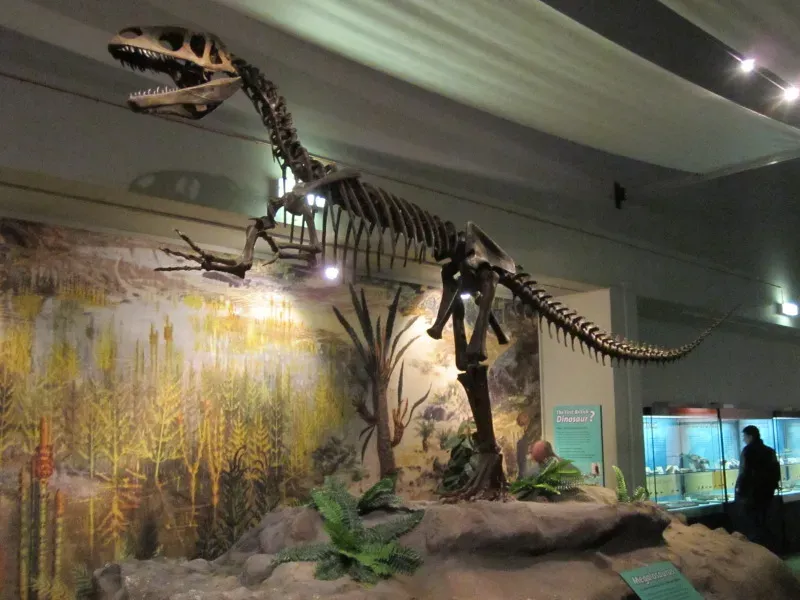
In February 1824, William Buckland formally introduced Megalosaurus during a meeting of the Geological Society of London, making it the first dinosaur to be described by scientists. Before this moment, people had been finding strange fossils for centuries without truly understanding what they represented.
Around 1818, Buckland, a cleric from the University of Oxford, decided to study in greater detail fossils that had been discovered around Oxfordshire, concluding that the fossils belonged to a type of giant lizard that walked on four legs. The name Megalosaurus literally means “great lizard,” which honestly makes sense when you consider nobody had any frame of reference for what these creatures actually were. This wasn’t just another fossil find – it was the moment humanity first acknowledged that gigantic reptiles once dominated Earth. It would be another 18 years before Richard Owen coined the word dinosaur.
The Bone Wars: Feuding Scientists and Complete Skeletons
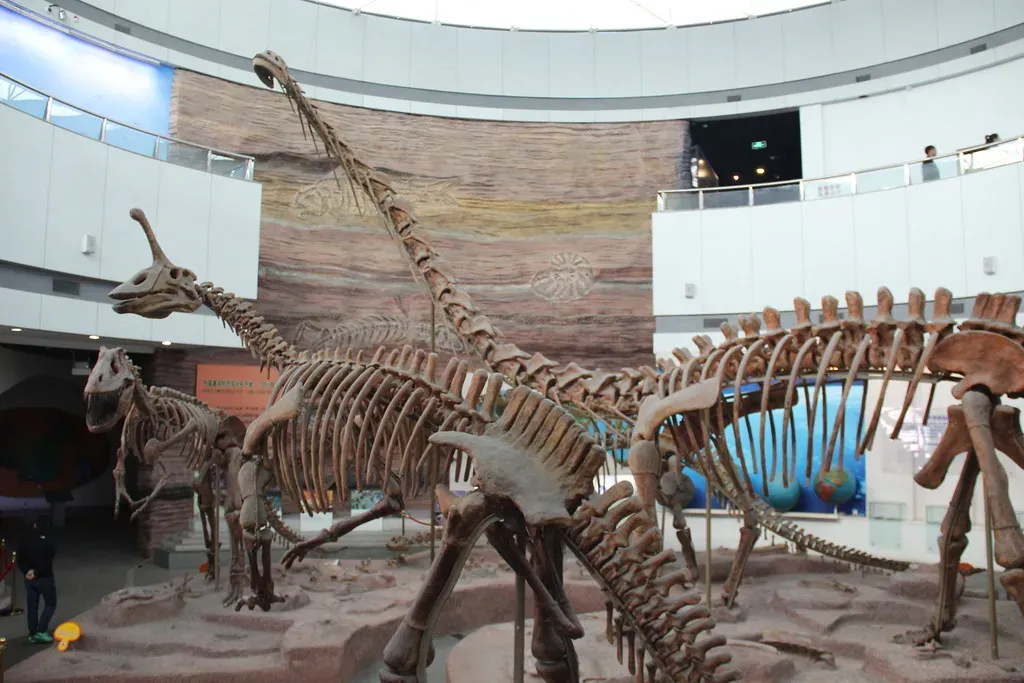
The Bone Wars stands out as one of the most significant and intense periods of fossil hunting in paleontology history, sparked by a fierce rivalry that emerged during the late 1800s between two palaeontologists, Othniel Charles Marsh and Edward Drinker Cope. These two brilliant men despised each other so intensely that their competition transformed American paleontology.
Here’s the thing – their methods were crude and sometimes destructive, but the results were undeniable. What came out of this period was a significant increase in knowledge of North American dinosaurs, including discovery of many near-complete specimens, with the two men describing 136 species of dinosaurs, including famous names such as Stegosaurus, Triceratops, Allosaurus, Diplodocus and Brontosaurus. The discoveries in the American West gave us, in many cases, the first examples of substantially complete dinosaur skeletons, providing a more complete view of what these animals looked like. Their rivalry nearly destroyed them both financially and professionally, yet it gifted the world with an unprecedented treasure trove of prehistoric knowledge.
Archaeopteryx: The Missing Link Between Dinosaurs and Birds
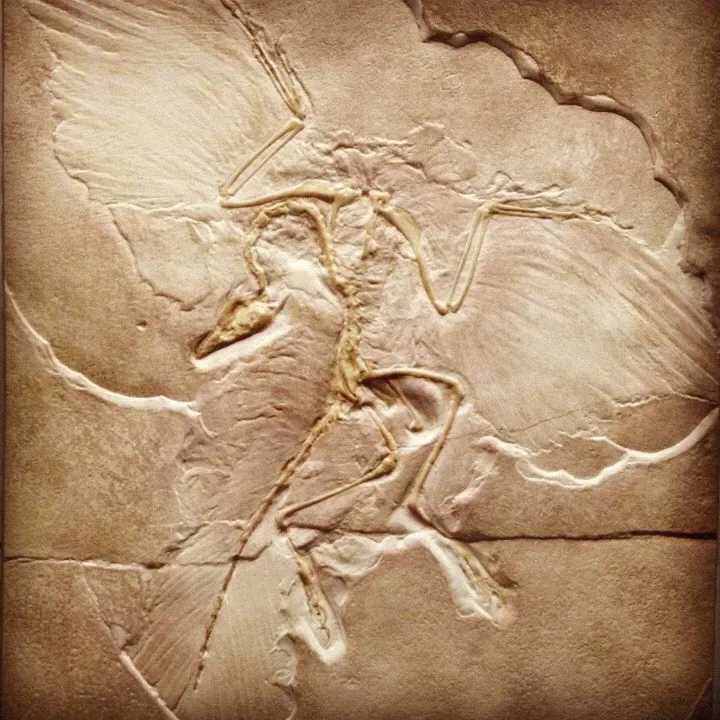
Archaeopteryx is one of the world’s most famous fossils, widely regarded as the missing link between dinosaurs and birds, displaying a perfect blend of avian and reptilian features. The first Archaeopteryx skeleton was uncovered in Germany in 1861, and this extraordinary find had clear impressions of feathers around its skeleton.
The timing couldn’t have been more perfect. Just two years earlier, Charles Darwin had published his revolutionary book On the Origin of Species. Suddenly, here was physical evidence of evolutionary transition. Thomas Huxley immediately grasped the significance and noticed similarities between Archaeopteryx and meat-eating dinosaur skeletons. Later specimens revealed that although it possessed feathers like a bird, it also had teeth, clawed fingers, and a long bony tail – features decidedly reptilian. This single fossil became one of the most powerful arguments for evolution and fundamentally changed how scientists viewed the relationship between ancient reptiles and modern birds.
Deinonychus and the Dinosaur Renaissance
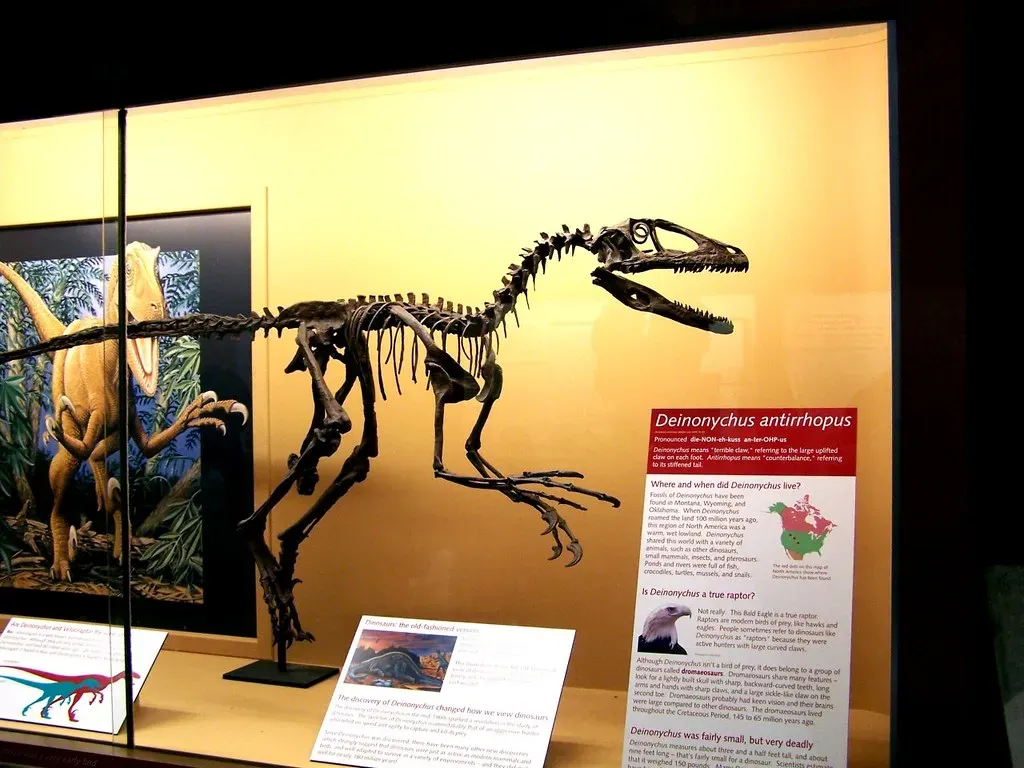
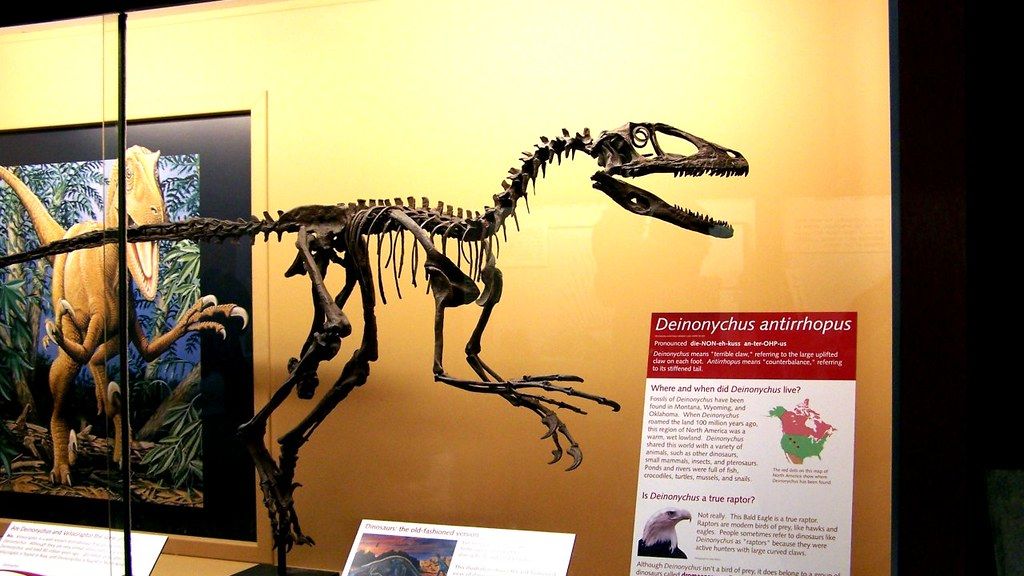
After initial dinosaur mania during the nineteenth century, interest began to die down throughout the early 1900s, but interest grew again in the 1960s when the link between dinosaurs and birds began to gather momentum, sparked by the discovery in 1964 of Deinonychus antirrhopus by palaeontologist John Ostrom. This wasn’t just another fossil – it was a paradigm shift wrapped in bones.
The agile Deinonychus helped to change the prevailing view that dinosaurs were large, lumbering lizards. Imagine thinking of dinosaurs as slow, cold-blooded reptiles dragging their tails through swamps, then suddenly discovering this swift, bird-like predator with a lethal sickle claw. Ostrom noticed the fossils were remarkably bird-like in appearance, particularly their hands and hips. This discovery ignited what paleontologists now call the Dinosaur Renaissance, fundamentally transforming public and scientific perception of these ancient creatures from sluggish monsters into dynamic, possibly warm-blooded animals.
Sinosauropteryx: The Feathered Dinosaur Revolution
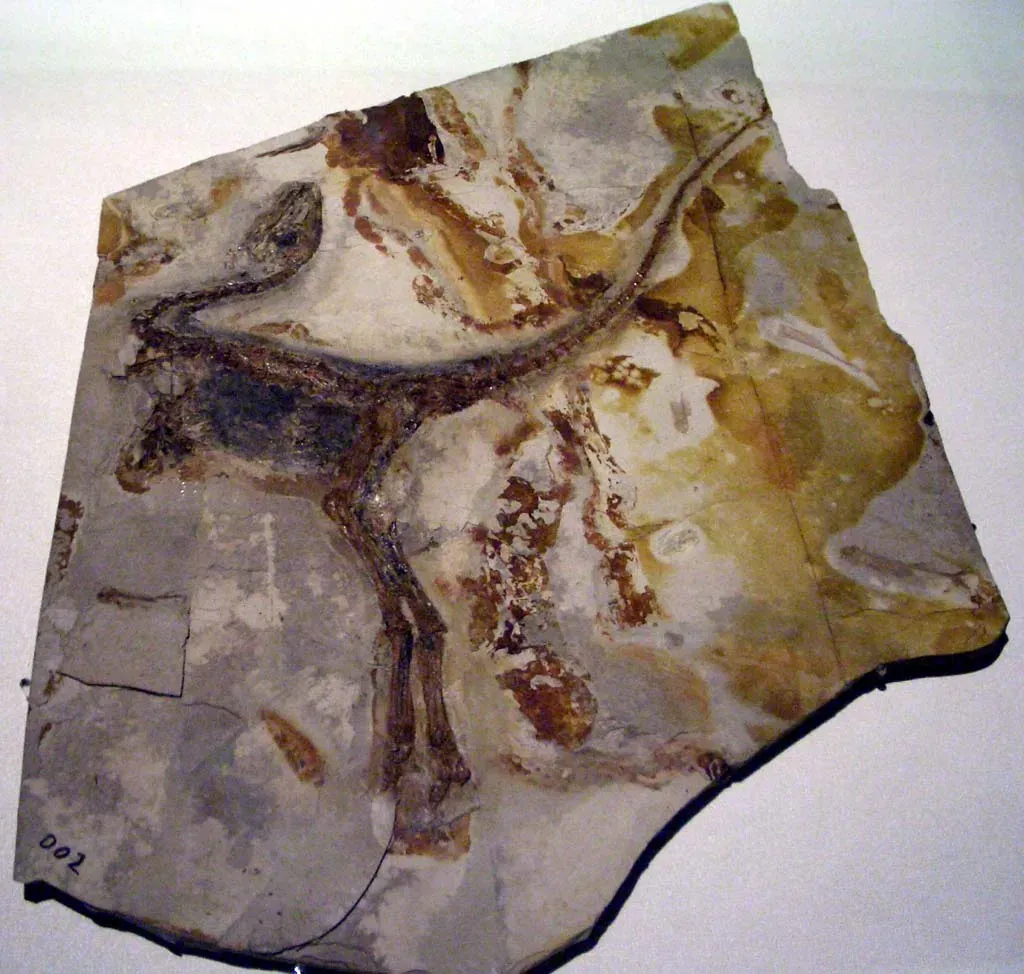
Sinosauropteryx is one of the most groundbreaking dinosaur discoveries in paleontology, found in China in 1996 as the first non-avian dinosaur discovered with evidence of feathers, revolutionizing our understanding of the connection between dinosaurs and modern birds. Let’s be real – before this discovery, most people imagined dinosaurs covered in scaly reptilian skin, not fluffy proto-feathers.
Sinosauropteryx was the first dinosaur discovered with feathers, confirming a link between birds and dinosaurs, and it was also the first dinosaur whose color patterns – orange and white stripes – were identified using pigment analysis. Think about that for a moment. Scientists could suddenly tell you what color a creature was that lived roughly 125 million years ago. The discovery led to the concept of “feathered dinosaurs”, changing how scientists visualize prehistoric life and capturing global attention. Museums worldwide had to rethink their displays, and suddenly those scaly movie monsters looked outdated. This small Chinese fossil fundamentally reshaped not just scientific understanding, but popular culture’s entire vision of the Mesozoic world.
Conclusion
These five discoveries didn’t just add chapters to paleontology textbooks. They completely rewrote them. From Buckland’s first formal description of a dinosaur to the feathered revelation from China, each find challenged existing assumptions and opened new avenues of research that continue to this day.
The beauty of paleontology lies in its capacity for surprise. Each fossil unearthed carries the potential to overturn decades of accepted wisdom. These discoveries remind us that science isn’t about having all the answers – it’s about asking better questions and remaining open to evidence that challenges what we think we know.
Which of these discoveries surprised you the most? Did you imagine dinosaurs differently before learning about these game-changing fossils?