
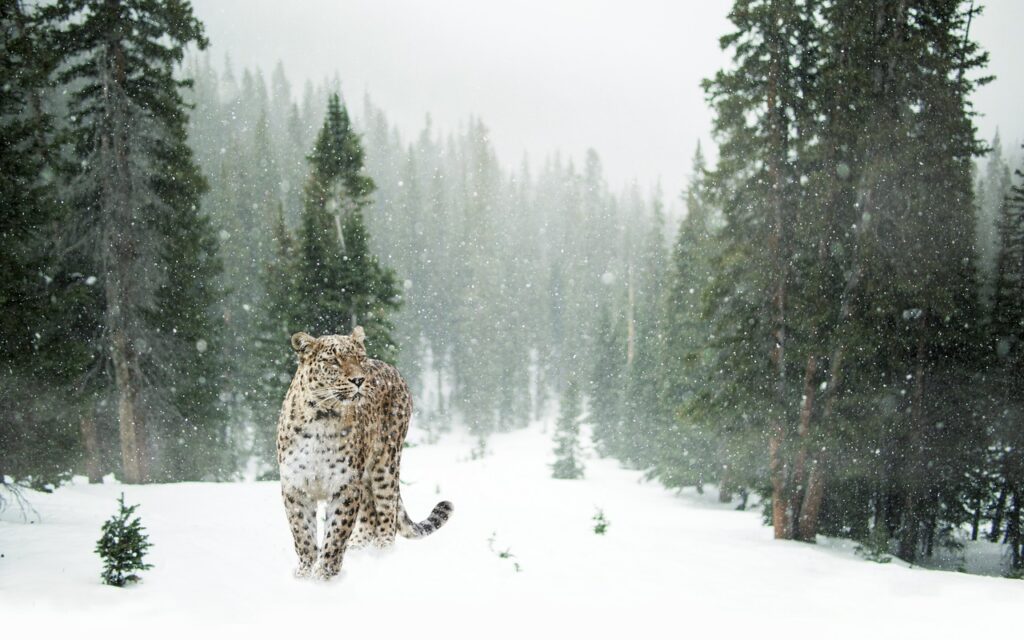
Zoo New England recently revealed the recipients of its latest Sabin Snow Leopard Grants, channeling resources into vital conservation work spanning Asia’s rugged mountains.
Snow Leopards Teeter on the Edge
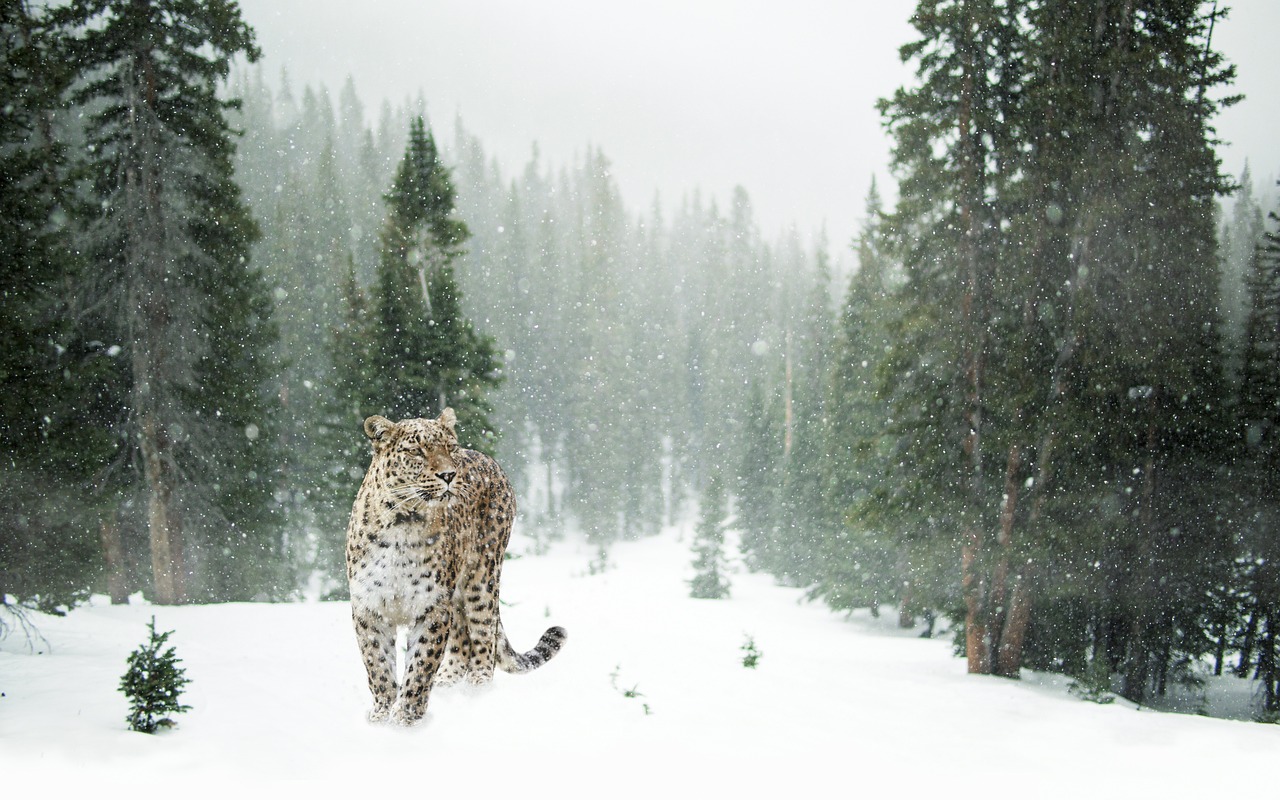
Snow Leopards Teeter on the Edge (Image Credits: Pixabay)
These majestic predators, often called the ghosts of the mountains, face mounting pressures that threaten their survival. Listed as Vulnerable by the International Union for Conservation of Nature, snow leopards inhabit remote high-altitude regions from the Himalayas to Central Asia. Poaching for their prized pelts remains a persistent danger.
Local herders frequently kill the cats in retaliation for livestock losses, while border fences disrupt their movements and prey migrations. Climate change further erodes their fragile habitats. Such challenges underscore the urgency of targeted interventions.
A Decade of Dedicated Support
Zoo New England has offered competitive grants annually to researchers and protectors working directly in snow leopard range countries. This year’s awards, backed by the Andrew Sabin Family Foundation, selected six standout proposals. The program emphasizes on-the-ground action in nations like Nepal, India, Mongolia, Afghanistan, and Kyrgyzstan.
Efforts focus on research, community engagement, and conflict mitigation. Zoo New England expressed pride in backing these scientists and their ambitious plans. Updates on progress will follow throughout the year.
Spotlight on the Winning Initiatives
Each project addresses unique aspects of snow leopard ecology and human-wildlife dynamics. Funded teams will deploy innovative strategies tailored to local contexts. Here are the six recipients:
- In Nepal’s Langu Valley, Mugu district, researchers will evaluate snow leopard populations and prey after four decades, revisiting the site of the species’ first radio-collar study by Dr. Rodney Jackson.
- Kibber, India, sees a push for ethical tourism, training youth in wildlife guiding, data collection, and waste management to counter tourism’s downsides.
- Western Mongolia’s Khork Serkh Mountains will involve herder families in monitoring carnivores, tracking depredation, and fostering stewardship.
- High Himalayas women in India gain skills to monitor snow leopards via camera traps, shifting community views and reducing conflicts.
- Afghanistan leverages AI for a local-language video tutorial on livestock protection, aiming to curb retaliatory killings.
- Kyrgyzstan’s Kyrgyz Tien Shan Mountains probe livestock losses, distinguishing snow leopard impacts from other predators and promoting mitigation tactics.
Forging Paths to Coexistence
Common threads unite these efforts: empowering locals, leveraging technology, and bridging gaps between people and predators. Community-led monitoring builds ownership and data accuracy. Training programs transform potential adversaries into allies.
In high-tourism zones, sustainable practices preserve both wildlife and livelihoods. Such grassroots approaches promise lasting impact beyond immediate threats.
Key Takeaways
- Six grants target diverse threats across five Asian countries.
- Focus areas include monitoring, community training, and conflict resolution.
- Backed by Zoo New England and the Andrew Sabin Family Foundation.
These grants signal renewed momentum in snow leopard conservation, blending science with community wisdom. As projects unfold, they could set precedents for protecting other elusive species. What steps can we take to support such vital work? Share your thoughts in the comments.