
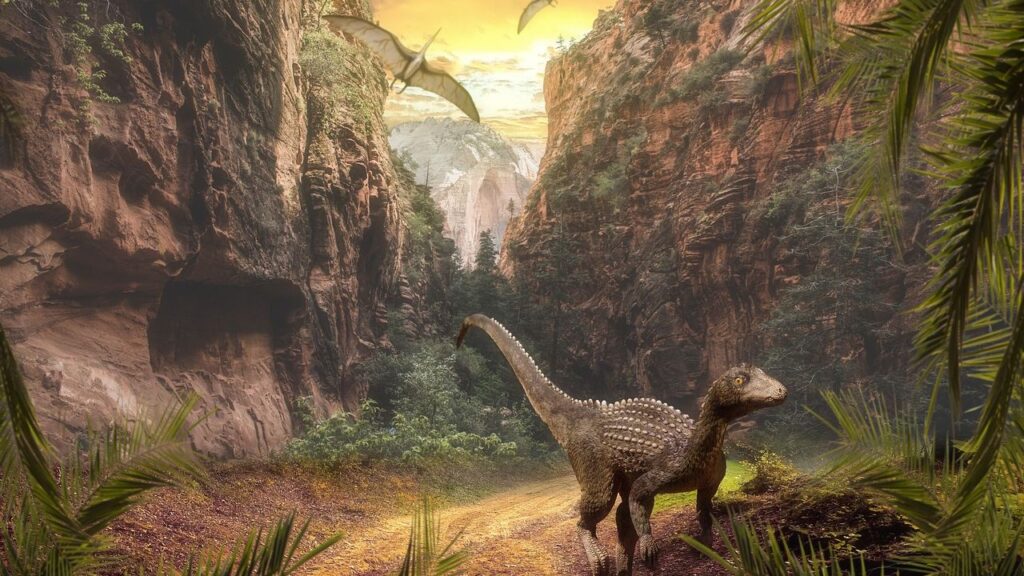
When you picture dinosaurs roaming ancient North America, what comes to mind? Maybe a lone T. rex stalking through a misty forest, or massive long-necks munching vegetation by a river. Yet the real story of how these creatures not only survived but thrived across this vast continent is far more intricate than most people realize. For over 160 million years, dinosaurs dominated North America through extraordinary adaptations, strategic behaviors, and remarkable resilience in the face of dramatic environmental shifts.
From the scorching deserts of the Triassic to the lush river valleys of the Late Cretaceous, dinosaurs conquered nearly every ecological niche imaginable. Their success wasn’t accidental. It was the result of evolutionary innovations, social strategies, and survival tactics that would make even modern species envious. Let’s dive in.
When Dinosaurs First Set Foot on North American Soil
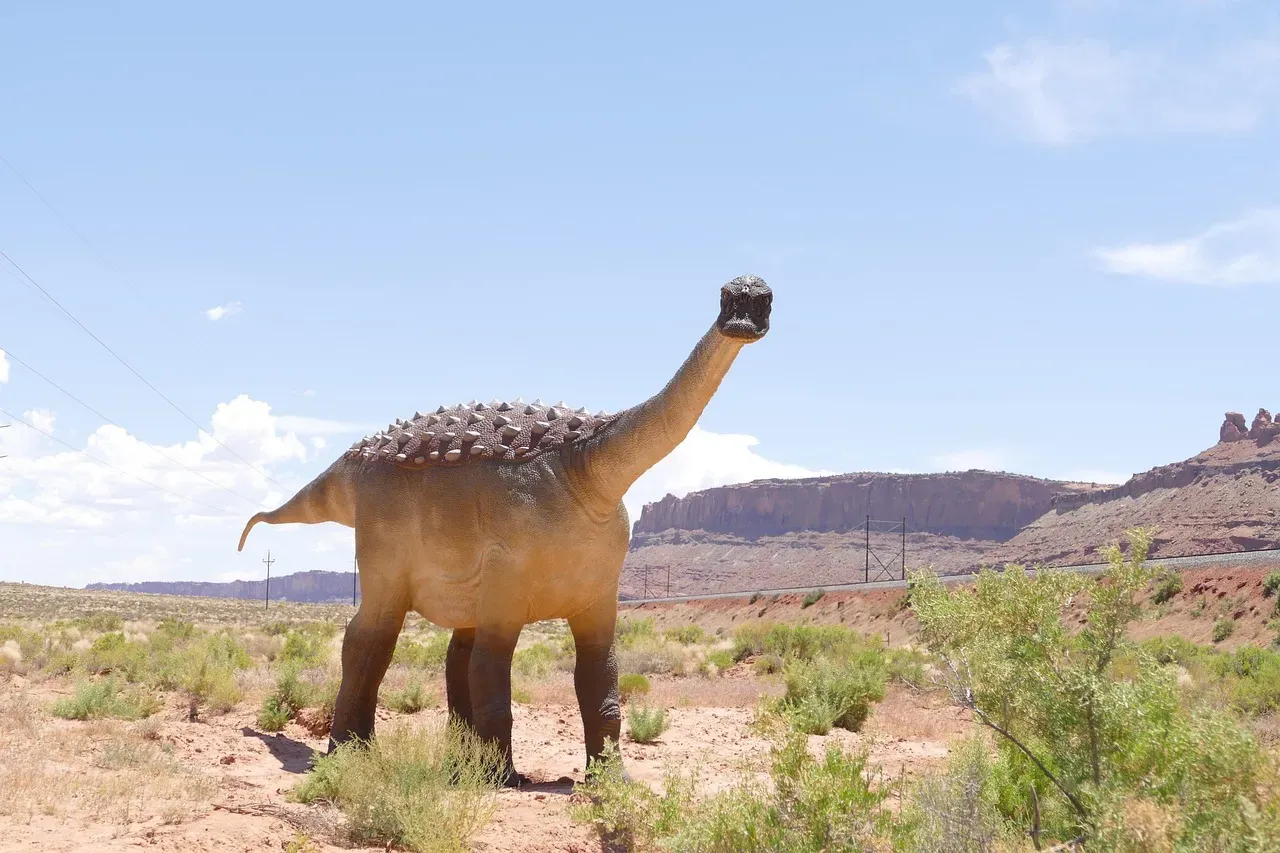
The earliest record of dinosaurs in North America comes from the Middle-Late Triassic, with fragmentary fossils unearthed from the Late Triassic Dockum Group of Texas. Think about that for a moment. These ancient pioneers were setting up shop on a continent that looked nothing like today’s North America. During the early Mesozoic Era, North America was joined with all other continents in one supercontinent known as Pangaea.
Later in the Triassic period, dinosaurs left more recognizable remains including Coelophysis, Chindesaurus, Gojirasaurus, and Tawa. These early forms weren’t the towering giants we often imagine. They were relatively modest in size, but their arrival marked the beginning of an era that would reshape terrestrial ecosystems forever. Honestly, it’s hard to imagine what those first few million years were like as these creatures began carving out their evolutionary destiny on this massive landmass.
The Continental Shuffle and Dinosaur Migration Routes
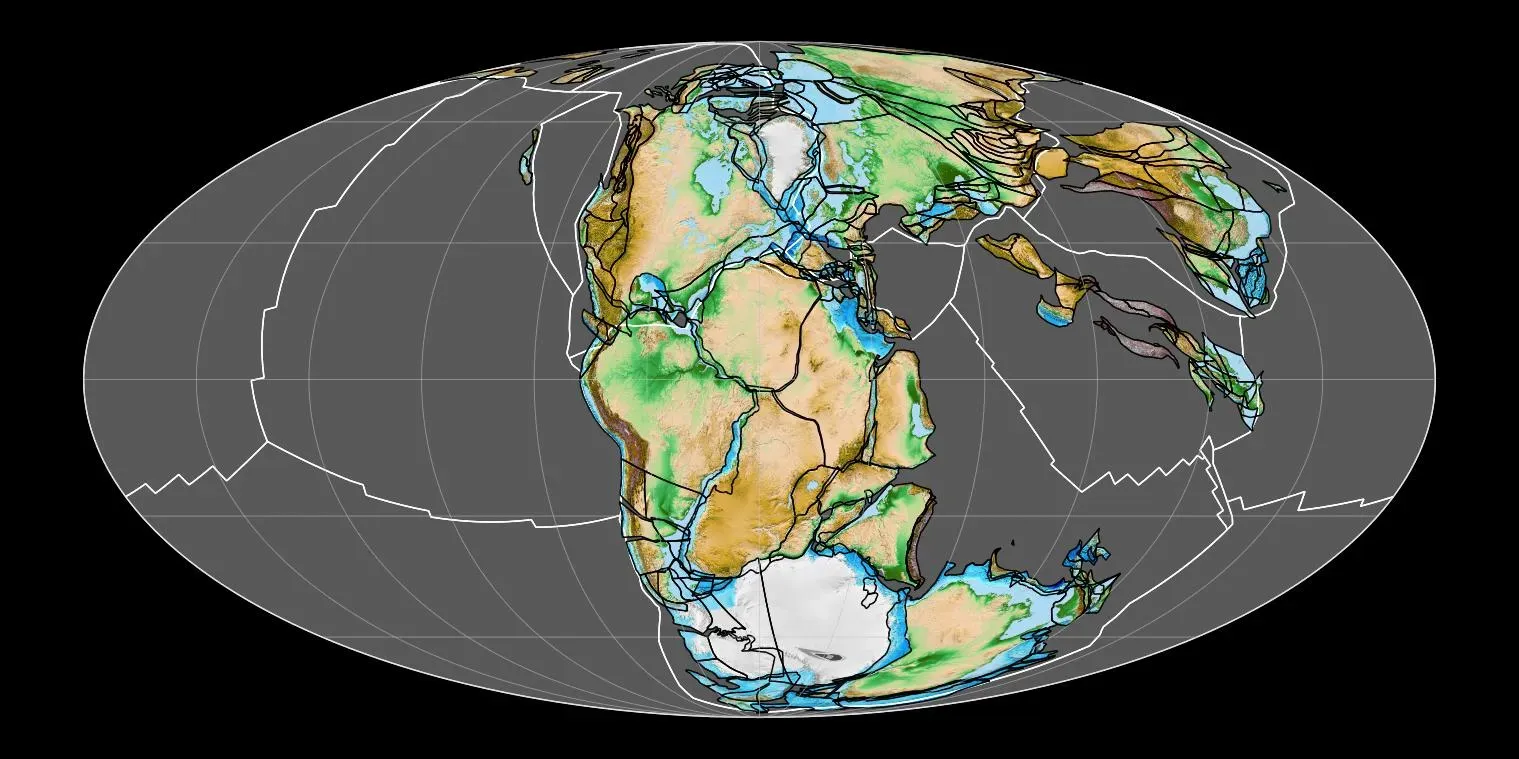
Ancient magnetism patterns in rock layers reveal that dinosaurs completed major migrations around 214 million years ago when all continents were still connected as part of Pangaea. Yet here’s the thing that baffles scientists: if there were no oceans or mountain barriers blocking their path, why did it take sauropodomorphs roughly 15 million years to migrate from South America to what would become Greenland?
A major shift in atmospheric CO2 levels may have helped remove climatic barriers, and when CO2 levels dipped between 215 and 212 million years ago, tropical regions became more mild and arid regions less dry. Climate change, it turns out, wasn’t always a threat. Sometimes it opened doors. T. rex ancestors arrived from Asia over 70 million years ago, crossing a land bridge, with the researchers confirming that ancestors crossed into North America via this connection. These migration patterns reveal how interconnected ancient continents really were.
Adapting to a World of Extremes
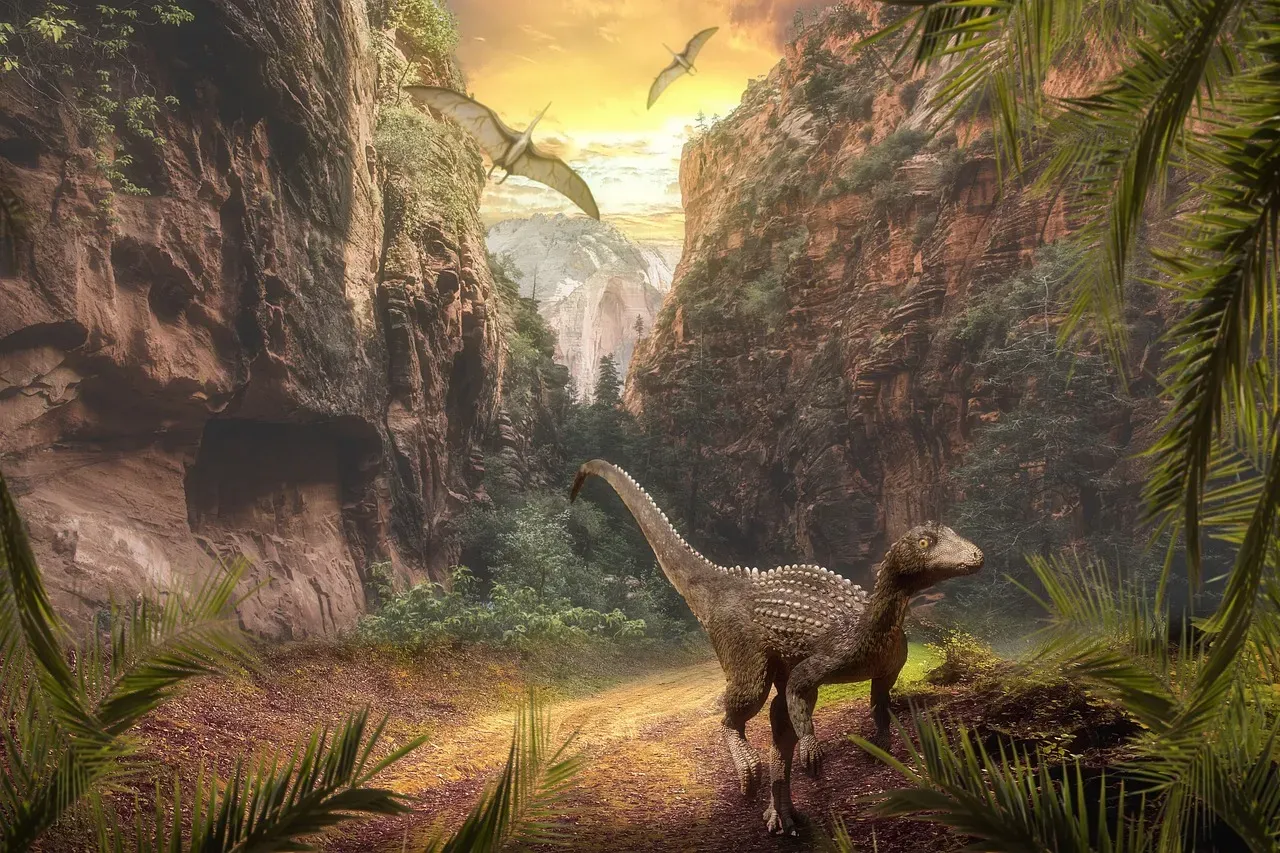
North America wasn’t always hospitable. Dinosaurs developed various behavioral and physical adaptations over millions of years, with natural selection favoring characteristics like long necks, sharp teeth, bony plates, and even feathers. Picture a Cretaceous landscape where temperatures could swing wildly, where coastlines were constantly shifting, and where competition for resources was fierce.
Cold adaptations granted dinosaurs a competitive advantage, with evidence from Arctic regions showing they endured freezing temperatures and thrived in icy environments. Wait, dinosaurs in the Arctic? Absolutely. The Prince Creek Formation near the Arctic Ocean had a climate similar to modern Seattle or Portland, where trees, ferns and mosses flourished along with plant-eating dinosaurs, and now contains the largest collection of polar dinosaurs in the world. Their ability to adapt to such diverse climates showcases evolutionary flexibility that few organisms have matched.
The Rise and Fall of Different Dinosaur Dynasties
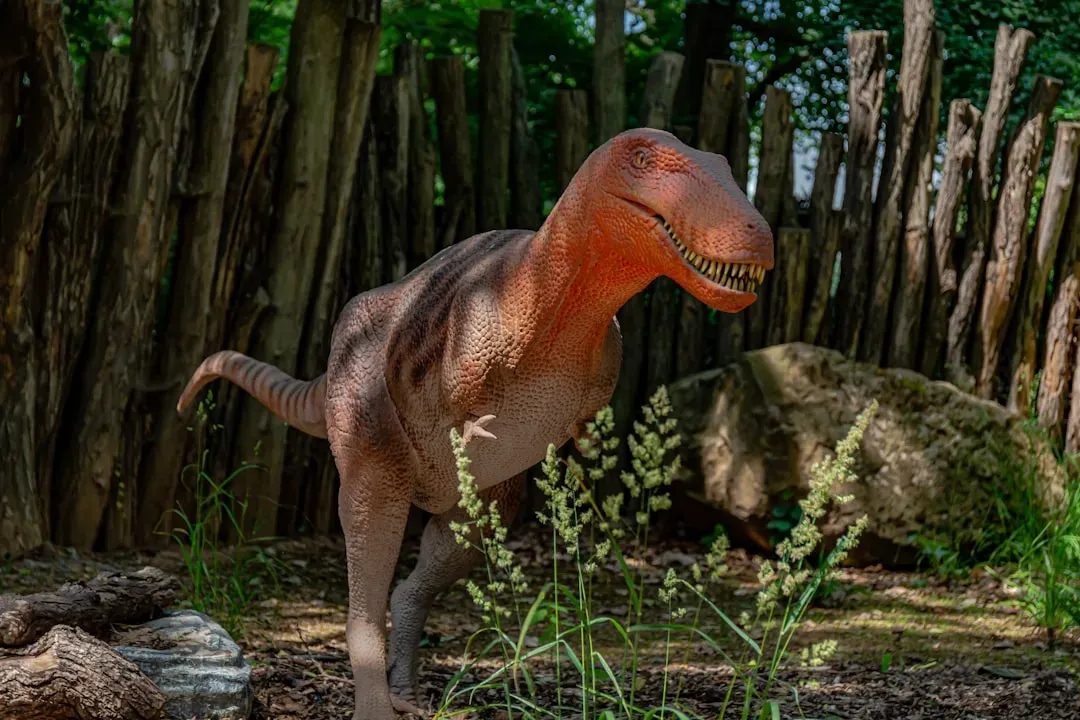
During the Late Jurassic, iconic dinosaurs like Stegosaurus and Diplodocus roamed vast areas of the western United States, but by the beginning of the Cretaceous Period, many had vanished and were replaced by other species. This wasn’t a gradual fade. Evidence suggests something relatively sudden happened at the end of the Jurassic in North America.
Late Jurassic assemblages contained a diverse community of medium to large-bodied predators, but apex predator guilds in the latest Cretaceous were dominated exclusively by one to three tyrannosaurid species. The landscape of competition had fundamentally shifted. Around 90 million years ago all carcharodontosaur species went extinct, leaving a vacancy in ecosystems for new predators, and tyrannosaurs evolved toward larger body size between 90 and 80 million years ago. Nature abhors a vacuum, especially one at the top of the food chain.
Hunting Strategies That Defined an Era
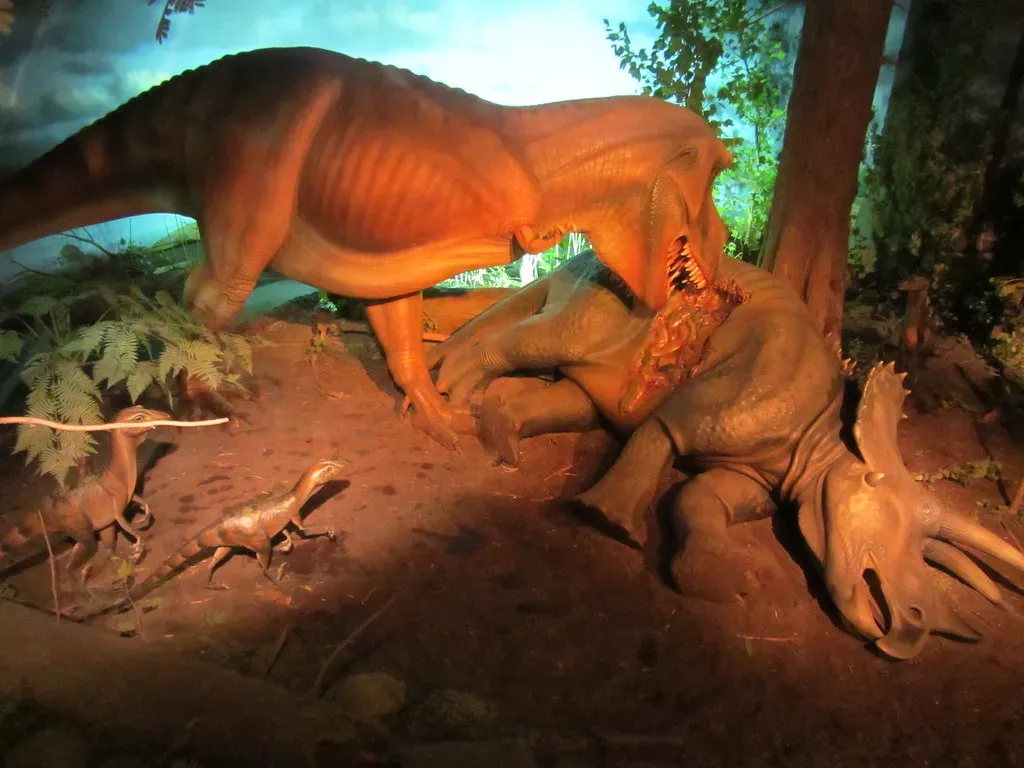
T. rex used pursuit predation, quickly chasing prey and attacking near the mid-caudal section similar to modern big cats, providing crucial insight into its diet and lifestyle. But let’s be real, there’s been endless debate about whether T. rex was primarily a hunter or scavenger. Recent evidence has settled much of that argument.
A tooth crown embedded in a hadrosaurid tail vertebra, surrounded by healed bone growth, indicates the prey escaped and lived after the injury, providing direct evidence of predatory behavior by T. rex. Tyrannosaurus could bite down with around 8,000 pounds force, and this adaptation allowed it to drive open cracks in bone during repetitive biting, giving it access to mineral salts and marrow that other carnivores couldn’t exploit. Think about what that means in practical terms. T. rex wasn’t just a predator. It was a bone-crushing specialist that could extract nutrients from carcasses in ways its competitors simply couldn’t.
The Social Lives of Ancient Giants
Multiple aggregations in the Early Jurassic breeding ground show the oldest skeletal evidence of structured age-segregated gregariousness among dinosaurs, with over 100 eggs and 80 individuals ranging from embryos to adults. The idea that dinosaurs were solitary creatures is outdated. Evidence increasingly points to complex social structures.
Different dinosaur species made annual treks to the same nesting ground, with particular species returning to the same site year after year, demonstrating that site fidelity was an instinctive part of reproductive strategy. Animals of similar age were buried together, with eggs and hatchlings in one spot and teenagers in another, indicating age segregation where young stayed close while adults protected the herd and foraged. This wasn’t random. It was organized, strategic, and remarkably sophisticated for creatures we once dismissed as simple-minded reptiles.
Geography as Destiny in the Cretaceous
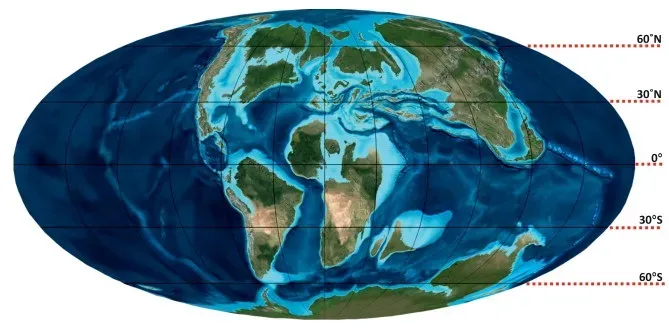
During the Cretaceous, North America was isolated from other continents, and the Western Interior Seaway separated elevated areas of Laramidia in the west and Appalachia in the east. This massive inland sea fundamentally changed how dinosaurs evolved and distributed themselves across the continent.
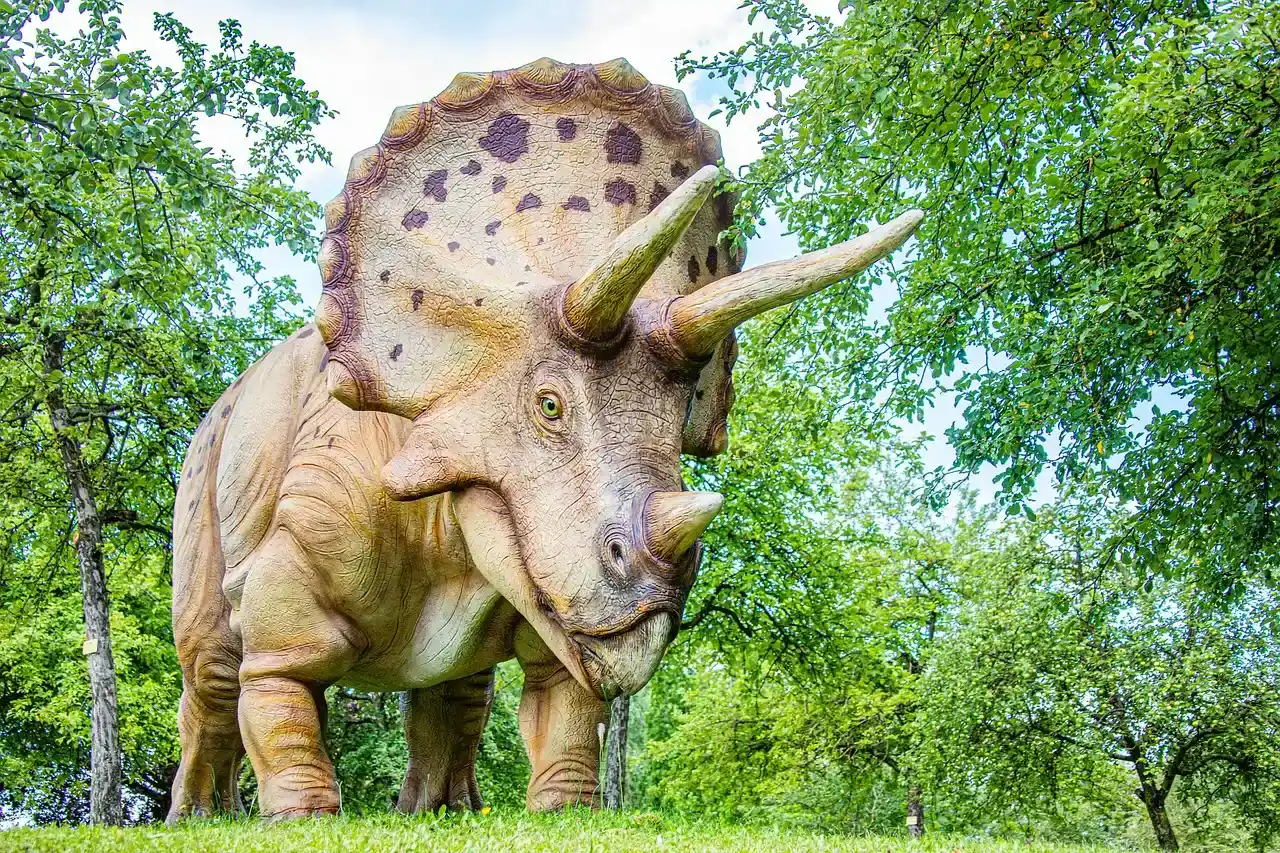
Specimens from eastern North America help fill a major gap in the Late Cretaceous fossil record and provide evidence that dinosaurs evolved distinctly from their counterparts in western North America and Asia due to geographic isolation. An eastern tyrannosaur had different hands and feet than T. rex including massive claws on its forelimbs, suggesting it represents a distinct family that evolved solely in Appalachia. The seaway didn’t just divide land. It created evolutionary laboratories on either side, producing unique lineages found nowhere else on Earth.
The Final Days Before the End
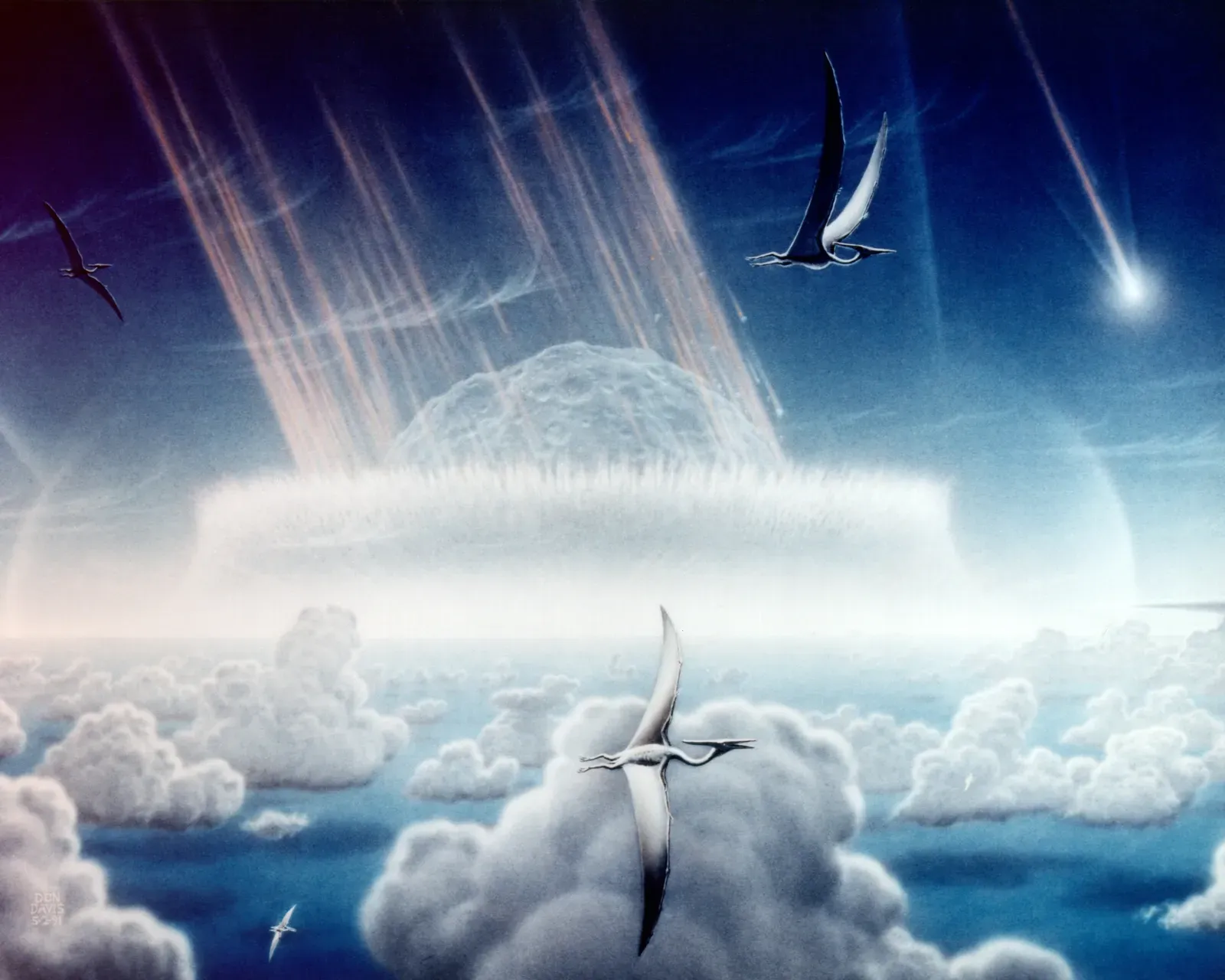
Apparent declines in occupancy generated from the raw fossil record do not match modeled occupancy probability, which generally remained stable throughout the latest Cretaceous. This is crucial. For years, scientists debated whether dinosaurs were already in decline before the asteroid impact, but newer analysis suggests they were actually doing quite well.
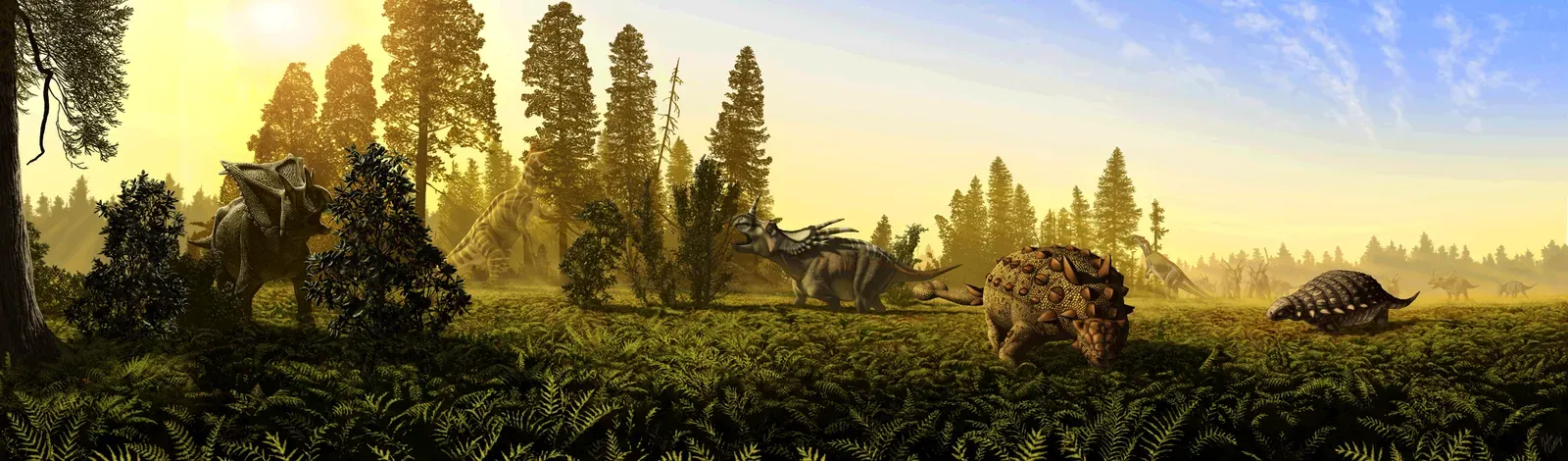
The dinosaurs of the last 10 million years of the Cretaceous in North America are some of the best known in the world, including tyrannosaurs like Tyrannosaurus, diverse small theropods, ankylosaurs, pachycephalosaurs, horned ceratopsians, and duckbilled hadrosaurs. Diversity was high. Populations were robust. The Cretaceous-Paleogene extinction event approximately 66 million years ago caused the extinction of all dinosaur groups except for neornithine birds. Their reign ended not with a whimper but with catastrophic finality.
Conclusion: Masters of Adaptation in an Ever-Changing World
The story of dinosaurs in North America is ultimately one of extraordinary resilience and adaptation. These weren’t dull-witted monsters stumbling through prehistoric landscapes. They were sophisticated organisms that developed complex social behaviors, specialized hunting strategies, and physiological adaptations that allowed them to dominate every major ecosystem from the Arctic to the tropics.
Scientists have pieced together a narrative of survival, adaptation, and eventual extinction, revealing a story not just about their end but about the marvels of evolution and the delicate balance of life on Earth. From their first tentative steps on Pangaean soil to their final days before the asteroid impact, dinosaurs mastered survival through innovation, flexibility, and sheer evolutionary prowess. Their legacy lives on not just in museums and movies but in the birds that descended from them, still thriving on the very continent their ancestors once ruled.
What do you think about these incredible survival strategies? Does it change how you picture these ancient giants? Tell us your thoughts.

