
Think you know dinosaurs? Sure, everyone’s heard about T. rex and Triceratops. They’re practically celebrities at this point. Those big names dominate museum halls and movie screens everywhere you look. Yet tucked away in fossil records around the world are creatures so strange, so magnificently peculiar, that they make the usual suspects look downright ordinary.
When evolution had millions of years to tinker and experiment, it came up with some truly wild solutions to the age-old problem of staying alive. These prehistoric beasts developed adaptations that seem almost too bizarre to be real. Some grew features that scientists still debate about today, while others managed survival strategies that sound like they came from a fever dream. So let’s dive in and meet the creatures that took evolutionary creativity to astonishing extremes.
Therizinosaurus: The Plant Eater With Nightmare Claws
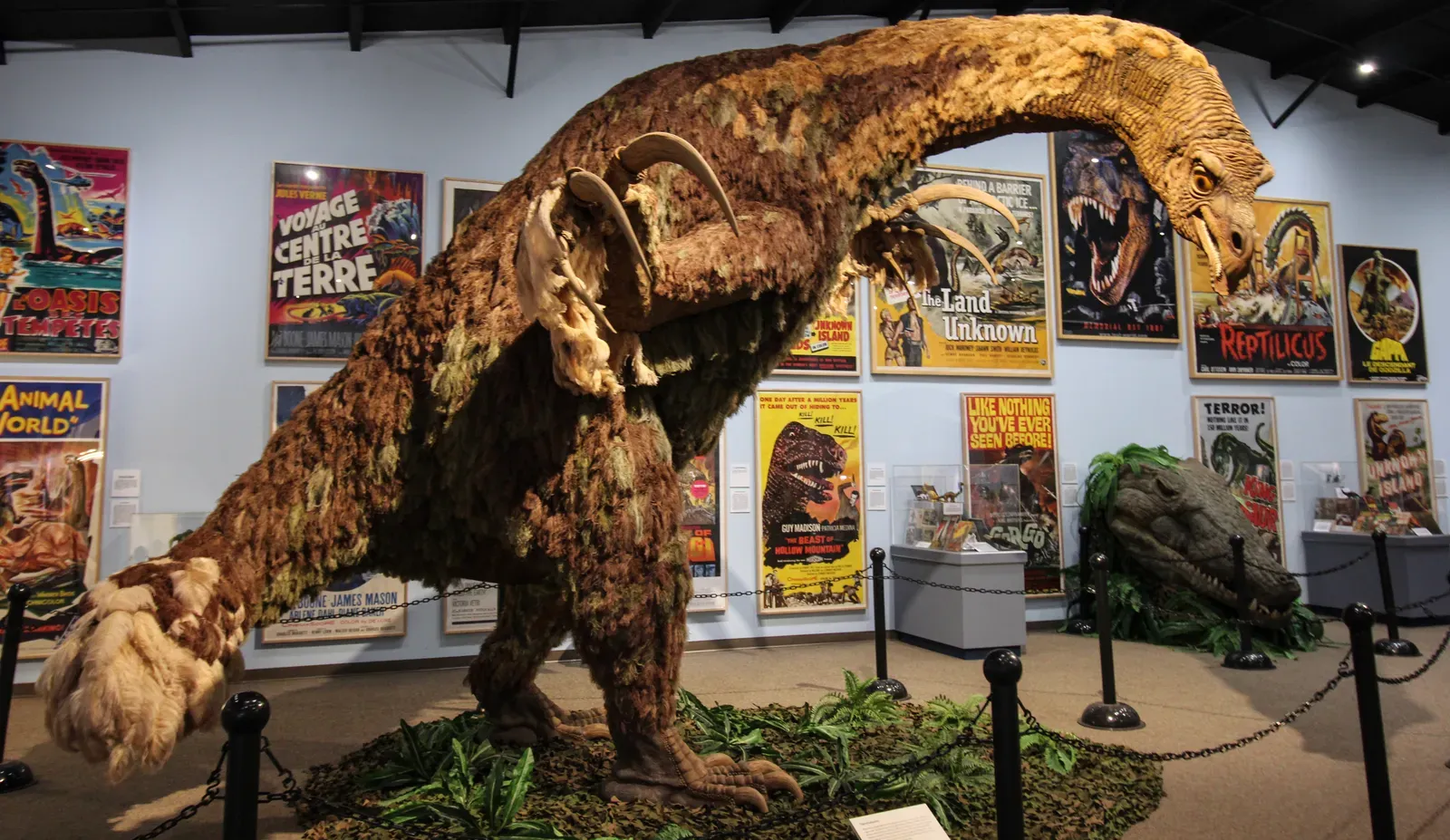
Imagine a dinosaur with claws longer than a baseball bat, standing up to 10 meters long. That’s Therizinosaurus for you, and honestly, it’s hard to believe this thing was real. Its pot-bellied stance and long neck made it one of the weirdest-looking dinosaurs ever.
Here’s where things get truly odd: those massive claws weren’t for slashing prey. This creature was a herbivore, using those absurd appendages to pull down branches and strip leaves. With a long neck, robust body, and a pot-bellied abdomen, this dinosaur was primarily herbivorous, employing its 12-inch long curved claws to forage vegetation. Talk about overkill for a salad bar. The claws reached lengths that would put any predator to shame, yet they served the peaceful purpose of gathering plant material. It’s like bringing a sword to a gardening party.
Yi Qi: The Bat-Winged Wonder
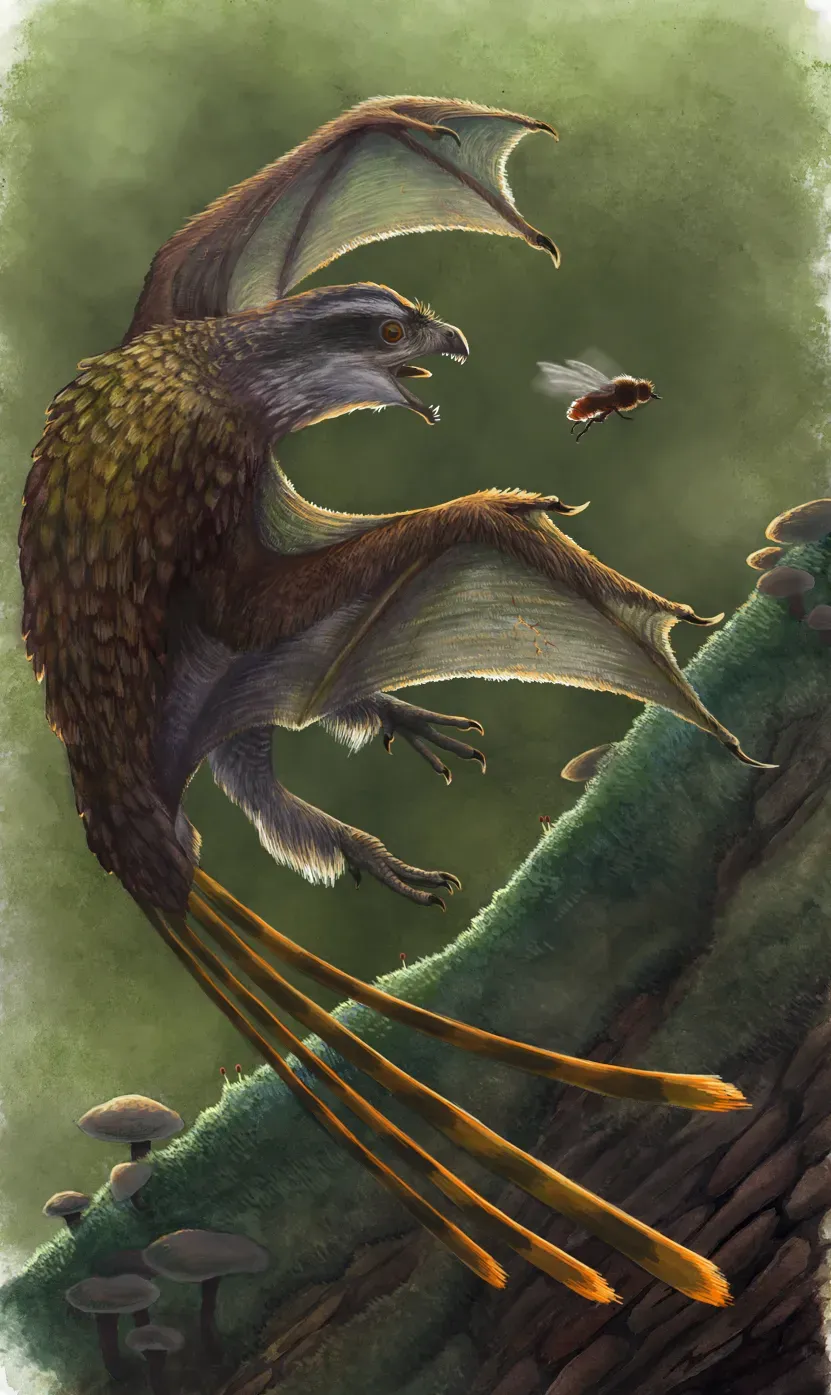
Evolution doesn’t always follow the rules, and Yi qi proves it spectacularly. This small, feathered dinosaur from China had membranous wings supported by a long rod-like bone extending from its wrist, with bat-like structures that may have allowed it to glide. Not feathered wings like most flying dinosaurs. Nope, this little oddball went full mammal mode.
This rare adaptation shows how experimental evolution could be among early flying dinosaurs. The creature’s name literally translates to strange wing in Chinese, which feels like the understatement of the Mesozoic era. It’s one thing to evolve wings. It’s quite another to evolve the wrong kind of wings and somehow make it work anyway. Scientists are still scratching their heads over how effective this flight system actually was.
Deinocheirus: The Duck-Camel-Sloth Mashup
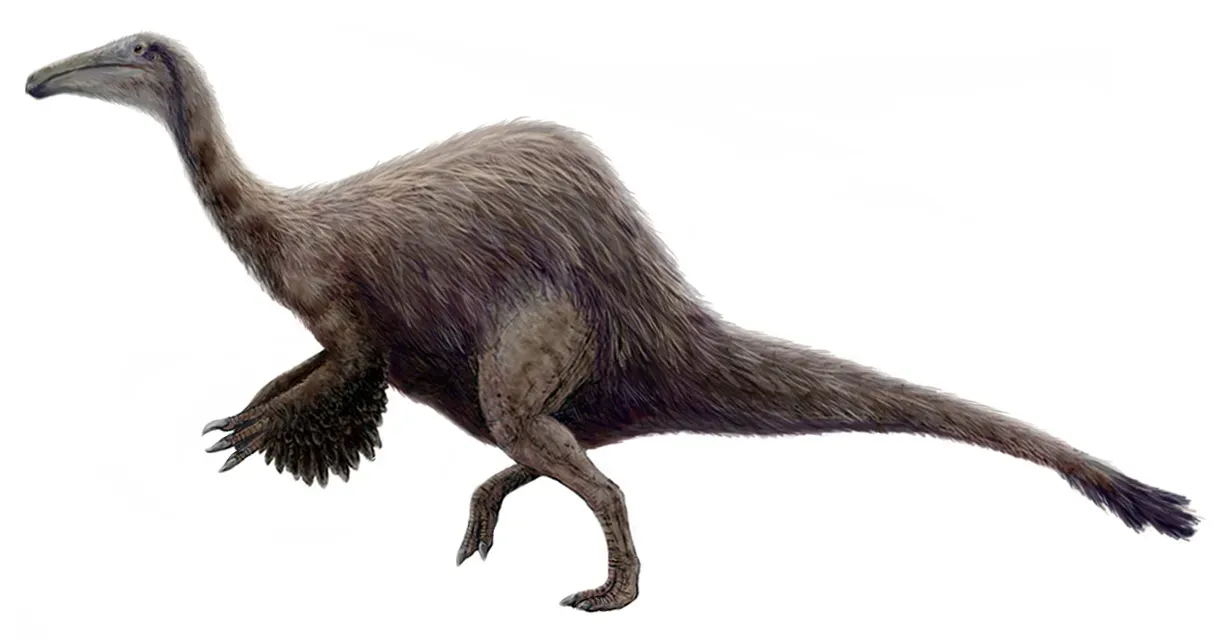
Looking like a cross between a duck, a camel, and an extinct ground sloth, Deinocheirus is a particularly peculiar dinosaur whose size and bizarre mix of features belies its somewhat mundane lifestyle. For decades, paleontologists only had massive arms to work with, leading to wild speculation. When the full skeleton was finally discovered, nobody could have predicted the result.
Instead of pursuing giant herbivorous dinosaurs across great plains like its meat-eating theropod cousins did, Deinocheirus spent most of its life wading in stagnant ponds, using its large, rake-like claws to dig and gather plants and its duck-like bill to filter any other small foodstuffs from water, including fish. No one could have predicted just how weird the anatomy of Deinocheirus really was. This towering creature, measuring roughly eleven meters long, basically spent its days mucking about in swamps. Those terrifying arms everyone obsessed over? Glorified gardening tools. Sometimes nature has a sense of humor.
Spinosaurus: The Aquatic Predator With a Sail
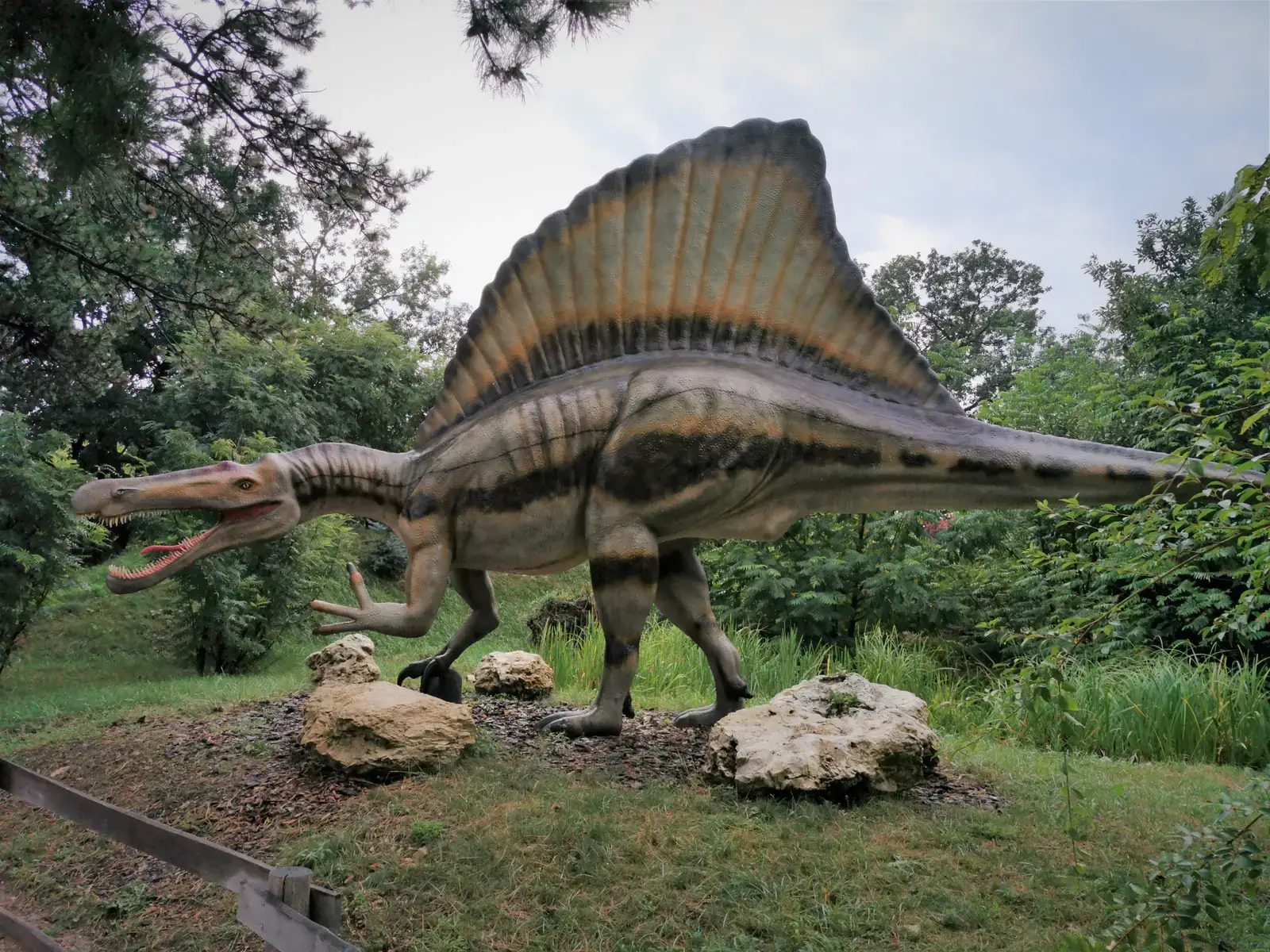
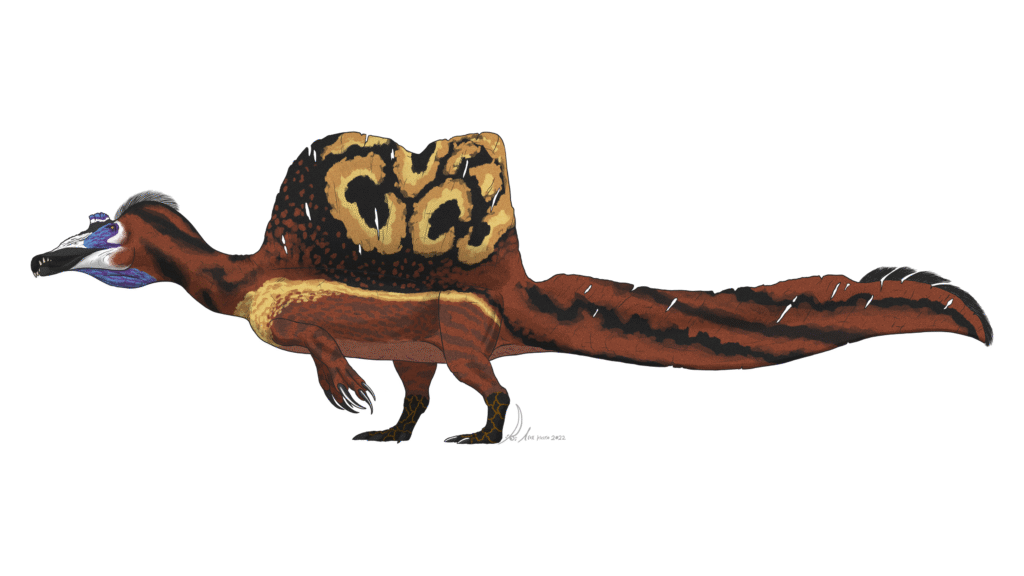
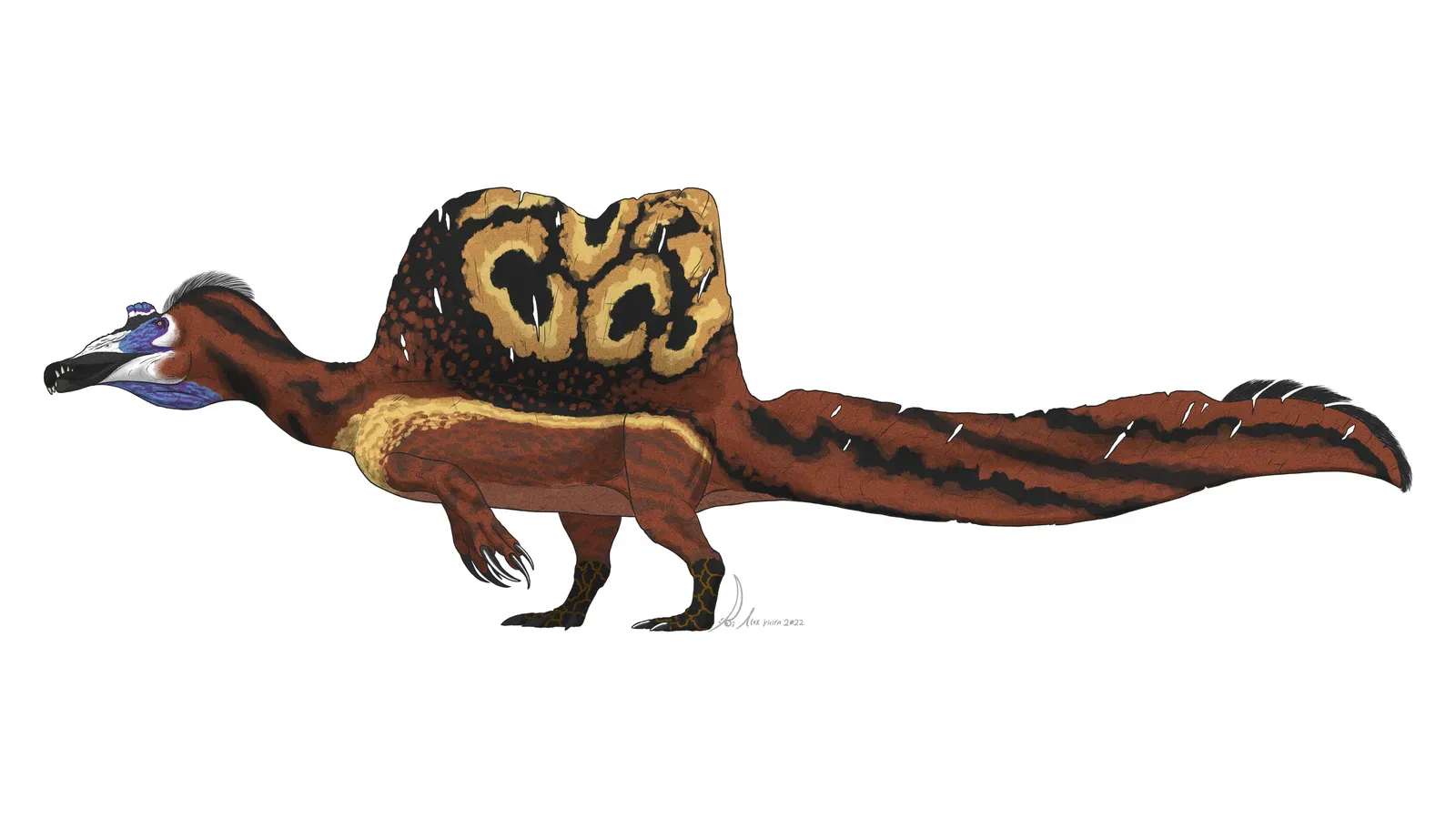
Spinosaurus, distinguished by its iconic sail-backed silhouette, is known to be the largest land carnivore ever discovered, surpassing even the Tyrannosaurus rex and was three times longer than an African elephant. That sail alone makes it unforgettable, but the real weirdness runs deeper.
Spinosaurus lived in the tidal flats of North Africa, and evolved an impressive sail on its back to support its semi-aquatic lifestyle. It featured a long, narrow skull and conical teeth ideal for catching slippery prey. This massive predator was basically a crocodile cosplaying as a dinosaur. The sail likely helped with temperature regulation in its watery habitat, acting like organic solar panels. While other giant predators stalked the plains, Spinosaurus was out there fishing, living its best amphibious life with a fashion statement nobody else could match.
Ankylosaurus: The Walking Fortress
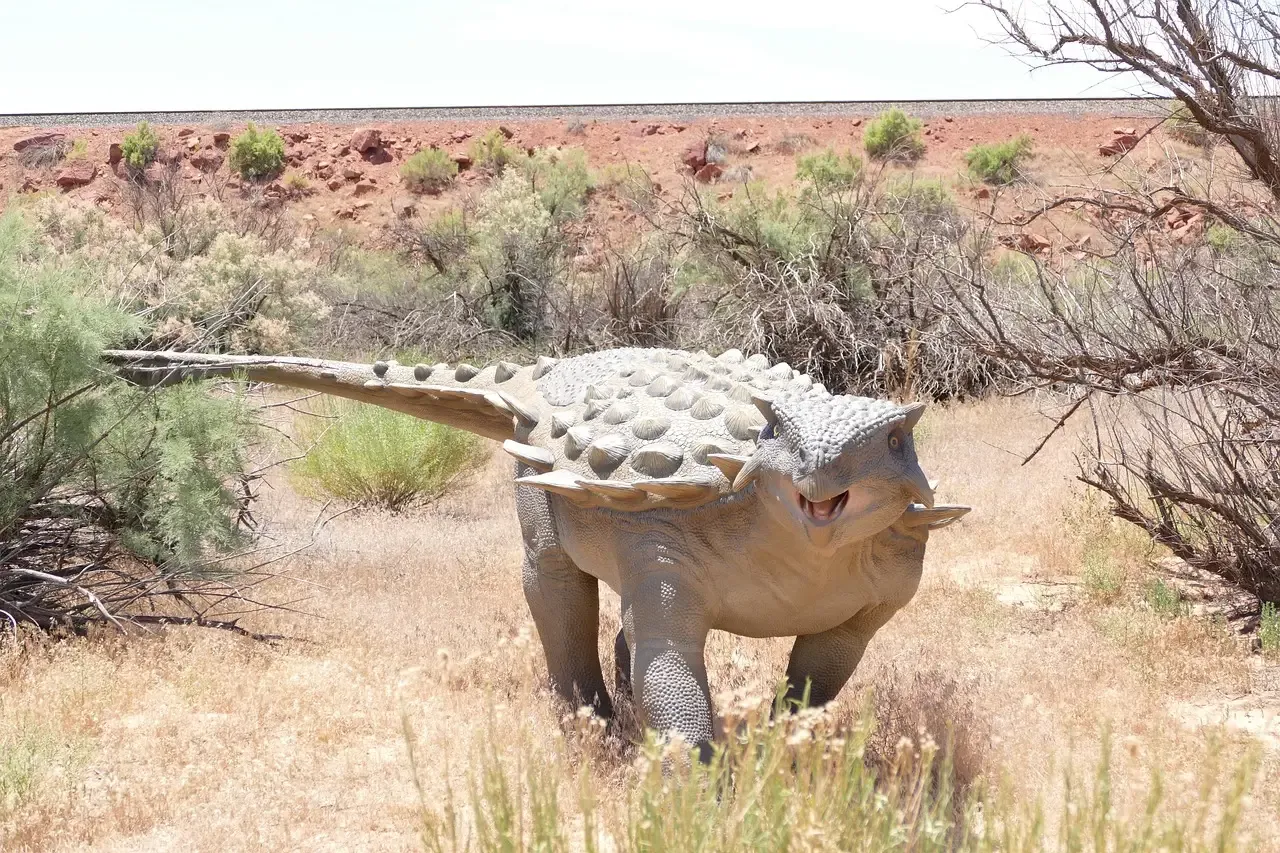
Picture a dinosaur that took the concept of personal security to absolutely ludicrous extremes. Having dimensions of 1.7 m height at the hips, 6-8 m in length, and a weight of 4.8-8 metric tons, Ankylosaurus was one of the largest and heavily armored dinosaurs of its time with its broad, low-slung body covered in thick, bony osteoderms, providing extensive protection from predators.
The tail was equipped with a large, fused club of osteoderms that could deliver powerful defensive strikes. Even its eyelids had armor plating. Let that sink in for a moment. This creature was so thoroughly protected that it armored its eyelids. These osteoderms not only provided physical protection but also played a role in intraspecific combat and display, suggesting that Ankylosaurus faced substantial predation pressures and competition within its species. The tail club alone could shatter bone with a well-aimed swing, turning defense into a devastating counterattack.
Nigersaurus: The Mesozoic Lawn Mower
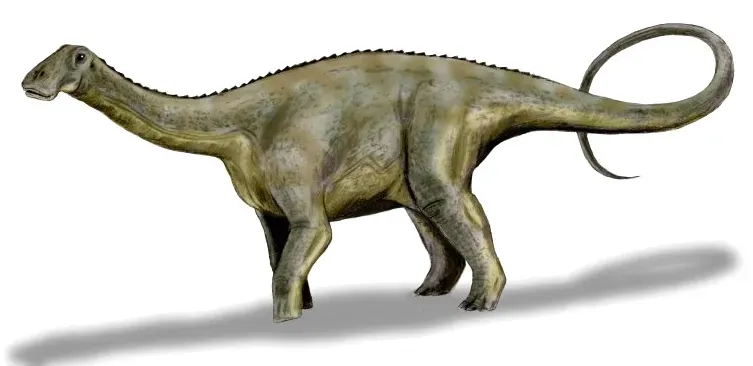
Nigersaurus, known as the Mesozoic cow, was a peculiar sauropod from the Middle Cretaceous Niger with a broad snout and over 500 active and replacement teeth, famed for its grazing specialization, feeding close to the ground akin to modern cattle. Five hundred teeth. Think about that number for a second.
Its skull was unusually delicate and lightweight, with large fenestrae and a mouth packed with tightly arranged teeth. The creature’s entire head was essentially a sophisticated plant-processing machine, perfectly adapted for continuous grazing. Its straight, flat mouth and crowded set of over 500 teeth give this seemingly ugly dinosaur its unusual body plan and fearsome appearance. It looked perpetually surprised and slightly ridiculous, but that face was a masterpiece of evolutionary engineering designed for one purpose: eating plants more efficiently than anything else around.
Pachycephalosaurus: The Dome-Headed Mystery
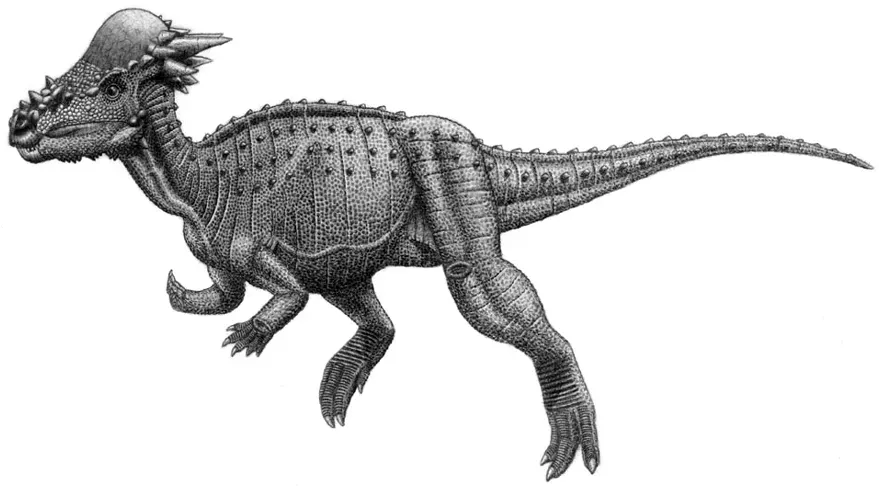
Pachycephalosaurus is the largest-known pachycephalosaur, known for having an extremely thick, slightly domed skull roof that suggests a battering ram function in life, evolved for use as a defensive mechanism or intra-species combat, estimated to have reached 4.5 m long and weighed 370-450 kg. That dome could reach up to ten inches thick. Ten inches of solid bone on top of your head.
Scientists have debated for years whether these creatures actually head-butted each other or if the dome served another purpose. Paleontologist Mark Goodwin has analyzed many pachycephalosaur skulls, finding no evidence of healed scars, and under close analysis, the thick skull bone is not rigid and solid, but porous and fragile when put under extreme pressure. So maybe they didn’t ram heads after all. Maybe that ridiculous dome was for display, intimidation, or something else entirely. The mystery continues, making this dinosaur one of paleontology’s most persistent puzzles.
Amargasaurus: The Double-Spined Showstopper
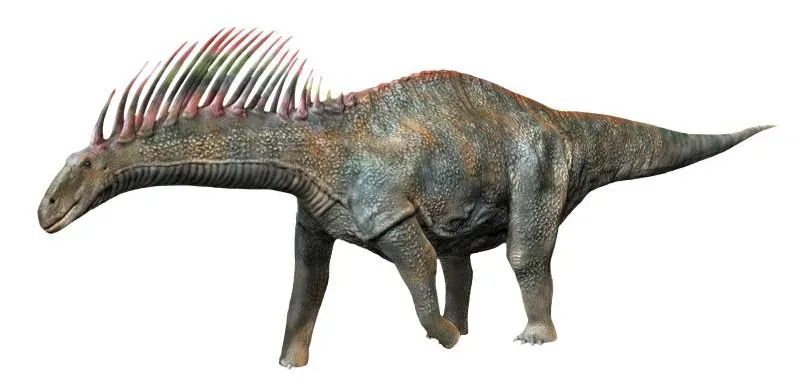
Amargasaurus was a sauropod from Early Cretaceous Argentina that stood out for its double row of tall spines running along its neck and back. Not one row. Two rows. Because apparently one wasn’t dramatic enough.
Some paleontologists think these spines supported a sail; others believe they were for defense or display. The distinct features of the Amargasaurus are its long spines at the back of its neck and its short height. These structures could have been covered in skin to form sails, or they might have stood exposed as intimidating spikes. Either way, Amargasaurus looked absolutely spectacular walking around with what amounted to twin mohawks running down its entire neck. Form, function, or both? We may never know for certain, but it definitely made this dinosaur impossible to ignore.
Carnotaurus: The Horned Speedster
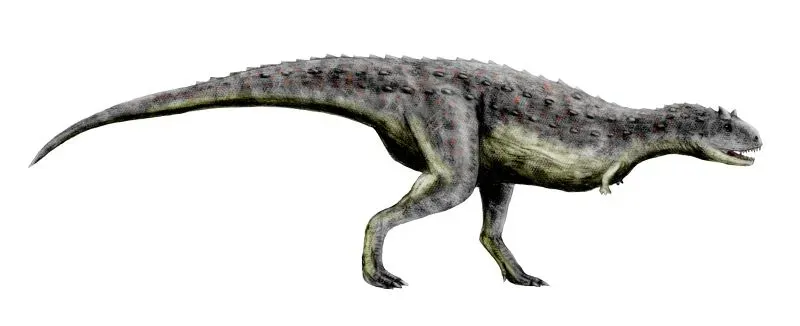
This bipedal dinosaur had unique thick horizontal horns across the top of its head above the eyes, with a name that means meat-eating bull. Despite its looks, this Late Cretaceous beast was a meat-eating dinosaur that hunted large sauropods and could run as fast as 48 kilometers per hour.
Its anatomy was baffling, including vestigial forelimbs even smaller than a T-rex’s, a strangely-shaped head and small teeth. The arms were essentially useless, the horns seemed better suited for a herbivore, and yet somehow this configuration worked brilliantly for an active predator. Carnotaurus relied on speed and its powerful bite rather than grappling with prey. Those bizarre bull horns likely played a role in display or combat with rivals. Everything about this dinosaur screams evolutionary experiment, and somehow the experiment succeeded spectacularly.
Parasaurolophus: The Prehistoric Trumpeter
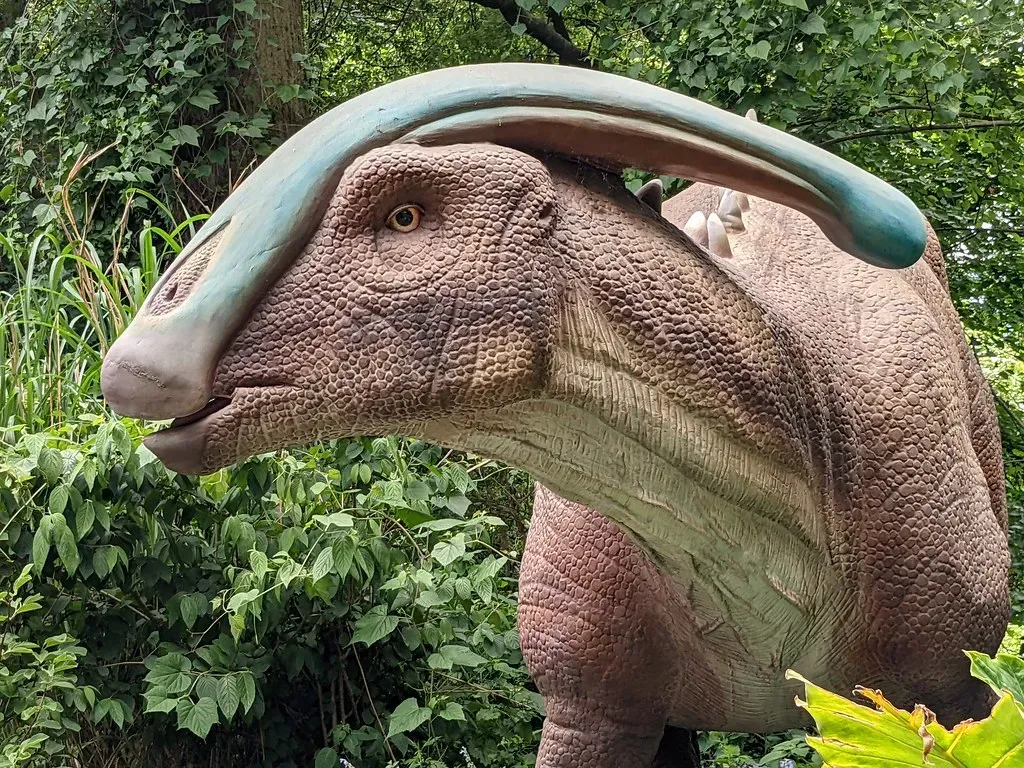
Parasaurolophus possessed tube-like extensions to the back of its skull which had acoustic properties and was thought to be a means of trumpeting calls over large distances. This wasn’t just a decorative crest. It was a built-in musical instrument.
Think of Triceratops’ frill or Parasaurolophus’ head crest; these odd structures weren’t just decorative, they may have helped with everything from attracting mates to regulating temperature to amplifying sounds. The hollow tubes inside the crest created a resonating chamber that could produce low-frequency calls capable of traveling through dense forests. Imagine herds of these creatures communicating across miles with haunting, horn-like calls. Some could’ve acted like natural speakers, sending calls across vast distances. In a world without cell phones, Parasaurolophus basically evolved its own PA system right on its head.
Conclusion: Nature’s Endless Imagination
These ten dinosaurs represent just a fraction of the extraordinary diversity that once walked, swam, and glided across our planet. From claws designed for peaceful gardening to heads built like bowling balls, evolution produced solutions that continue to baffle and amaze scientists today. Each bizarre feature tells a story of survival, adaptation, and the endless creativity of natural selection working over millions of years.
The prehistoric world was far stranger and more wonderful than any movie or museum display can fully capture. These creatures weren’t just monsters or curiosities. They were living, breathing testaments to life’s remarkable ability to find solutions to survival challenges, no matter how unconventional those solutions might seem. What other bizarre adaptations are still waiting to be discovered in rock formations around the world? What did you find most surprising about these remarkable survivors? The prehistoric world still has secrets to reveal.