

You probably don’t walk around thinking you’re changing the world. You’re not standing on a stage accepting a humanitarian award or organizing charity marathons. Most days, you’re just trying to get through your to-do list without spilling coffee on yourself.
Yet here’s the surprising part. You’re spreading kindness in ways you completely overlook. Those tiny gestures you dismiss as nothing? They might be the very thing someone else remembers when the day gets rough.
You Hold the Door Just a Little Longer

Think about when you’re entering a store and you see someone coming behind you, maybe a parent juggling a toddler and grocery bags. While many people walk by without noticing, or perhaps notice but don’t think to help, you naturally pause. Just holding the door open for a few seconds so they can make their way through is all you need to do.
This isn’t something you planned or rehearsed. Your body just stops moving forward when you sense someone needs an extra moment. It’s automatic, like breathing. Shifting your expression from neutral to a smile is a small action that can have a huge impact on someone else’s day.
You Remember the Little Details About People

The subtlest sign of a kind person is how much they notice. They remember tiny details others forget. They notice when someone’s posture changes. You might ask a coworker how their kid’s soccer game went, or remember that your neighbor’s cat has been sick. These aren’t grand gestures.
Most people don’t realize they’re doing this. You’re not keeping a mental spreadsheet of everyone’s life events. Yet somehow, when you see that person again, the memory surfaces. Taking time to get to know people, not just their work life but their entire life, what makes them laugh, is simple as long as you are curious and caring.
You Give People Permission to Take Their Time

When someone tells you to take your time, they’re giving you permission to be human, to move at your own rhythm instead of the world’s. You do this without thinking. When someone’s fumbling with change at the checkout line, you don’t huff or tap your foot. When a friend is struggling to explain something, you wait patiently instead of finishing their sentences.
In Buddhist psychology, patience is an act of compassion. It’s an acknowledgment that growth and healing can’t be rushed. You might not realize it, but this simple act of not rushing someone can ease their anxiety in ways you’ll never see.
You Notice When Someone’s Energy Shifts

You notice when someone’s posture changes. When someone’s usual humor goes quiet. You offer water without being asked. Maybe a usually chatty colleague has gone silent during lunch. Perhaps your friend who normally texts back immediately has gone radio silent for days. You pick up on these changes.
What happens next is the kindness part. You send a quick message checking in. Nothing pushy, just a simple “Hey, you doing okay?” When you see someone struggling, you don’t ignore it hoping it will go away. You ask them how they are, and sometimes just having someone notice that you are not ok is what someone needs you to know.
You Share Genuine Encouragement Without Being Asked
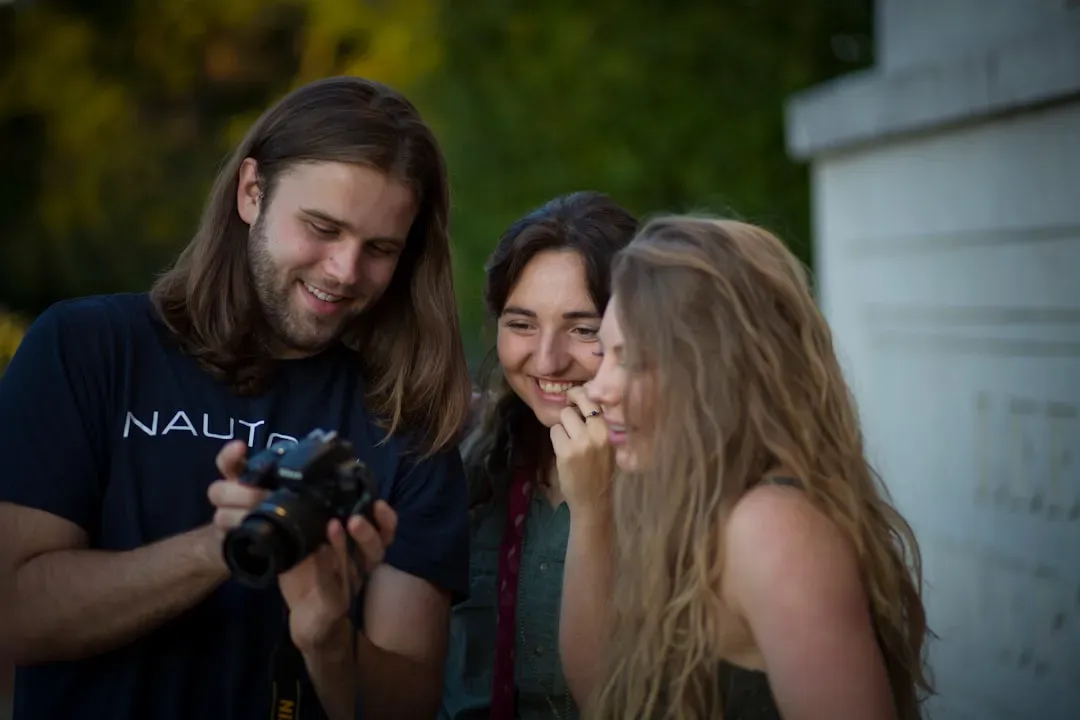
With support from others, encouraging words, and positivity, you can lift someone’s spirits. Try using key phrases like “You did it!” and “How do you feel about that?” You’re that person who tells someone they did a great job on something, even when nobody else noticed. When a friend mentions they’re nervous about an interview, you remind them how capable they are.
Self-criticism blinds us to our progress. Compassionate people often see what we can’t: that we’re already growing in quiet ways. This statement reminds us that healing isn’t always visible. It’s in the small acts, getting out of bed, answering that message, showing up again after disappointment. You offer this perspective naturally, without making it a big production.
You Listen Without Trying to Fix Everything

Listen. Listen. Listen. Give people space and time to talk to you about what is troubling them. Do not try to solve their problem just listen without judgement. This one’s surprisingly hard for most people. When someone vents to you, your instinct isn’t to immediately jump in with advice or share your own similar story.
You just let them talk. When you see someone who’s not having an easy time, you take the initiative to let them know you want to listen with the intent of understanding them. People need others to understand them more than they need them to do something about their situation. Sometimes all someone needs is to feel heard, not fixed.
You Offer Help Before Anyone Has to Ask

You offer water without being asked. You make sure everyone has a seat at the table. When you’re making coffee, you ask if anyone else wants one. When you’re running to the store, you check if your roommate needs anything. These micro-offers happen dozens of times throughout your week.
You don’t have to wait for something to happen to show compassion. Offer to babysit for a friend or pick up a coffee for a coworker to bring more kindness and compassion into your life. You’re anticipating needs before they become burdens for others. It’s a quiet form of generosity that often goes unacknowledged, including by you.
You Give People the Benefit of the Doubt

If you’ve ever given someone the benefit of the doubt, even after being hurt before, you’ve chosen compassion. When someone snaps at you, your first thought isn’t always “What a jerk.” Sometimes you wonder if they’re having a rough day. When a friend cancels plans last minute, you consider that maybe something came up rather than assuming they don’t value your time.
Understanding what someone is going through helps eliminate judgment and helps us take the right steps. When you see someone who’s not having an easy time, take the initiative with the intent of understanding them. This compassionate instinct to consider what might be happening beneath the surface? That’s kindness you’re practicing without keeping score.
Conclusion

The people who question their kindness are usually the ones living it most deeply. Because real compassion isn’t a grand gesture. It’s a quiet presence. It’s a way of being that doesn’t ask to be seen, but always sees.
It’s often the smallest acts of kindness that can have the most impact. You’re not going to remember every door you held, every time you listened patiently, or every moment you offered help without fanfare. That’s exactly what makes these gestures so powerful. They’re woven into who you are, not performed for applause.
So the next time you think you’re not doing enough to make the world better, remember this. Kindness doesn’t always announce itself with trumpets. Sometimes it whispers through the smallest, most forgettable moments of your day. What small act of kindness have you overlooked in yourself today?