
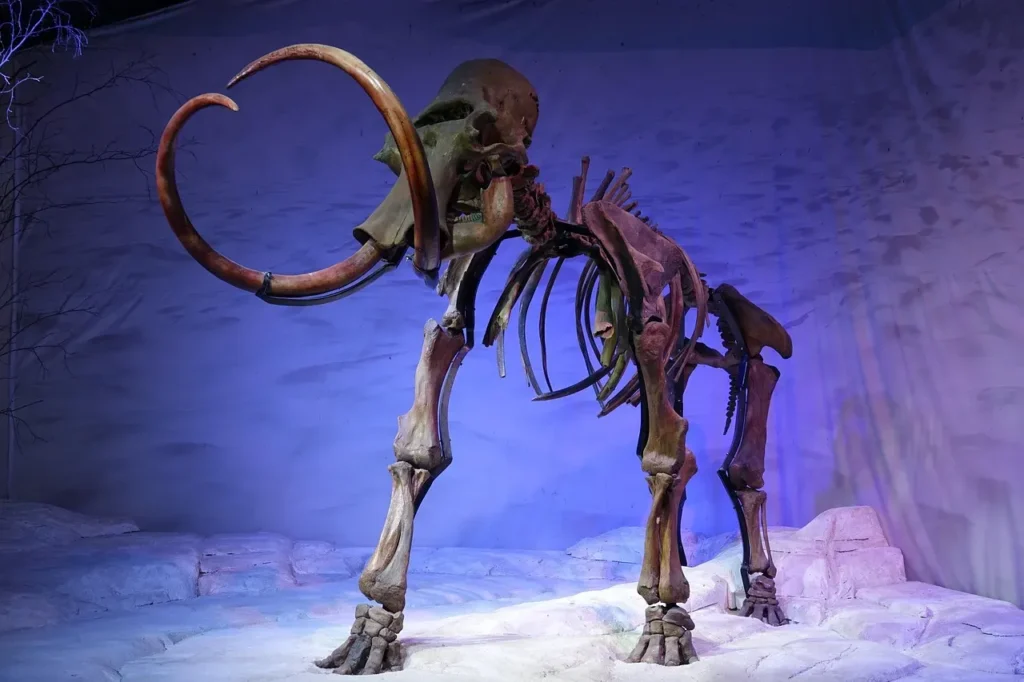
Picture this: you’re standing on the frozen tundra of what is now New England, roughly thirteen thousand years ago. The wind cuts through your fur clothing as you scan the horizon. Suddenly, a massive shape emerges from the mist. A woolly mammoth, its curved tusks glinting in the pale light, moves slowly across the landscape. You grip your stone-tipped spear tighter. This isn’t a scene from a movie. This might have actually happened.
For decades, scientists have debated whether early humans and these massive Ice Age creatures actually crossed paths in North America, or if they missed each other by centuries or even millennia. The question isn’t just about satisfying curiosity. It has profound implications for understanding both human migration patterns and what ultimately caused these giants to vanish from Earth. Let’s dive into what recent discoveries are revealing about this fascinating chapter of prehistoric life.
When the Great Beasts Roamed
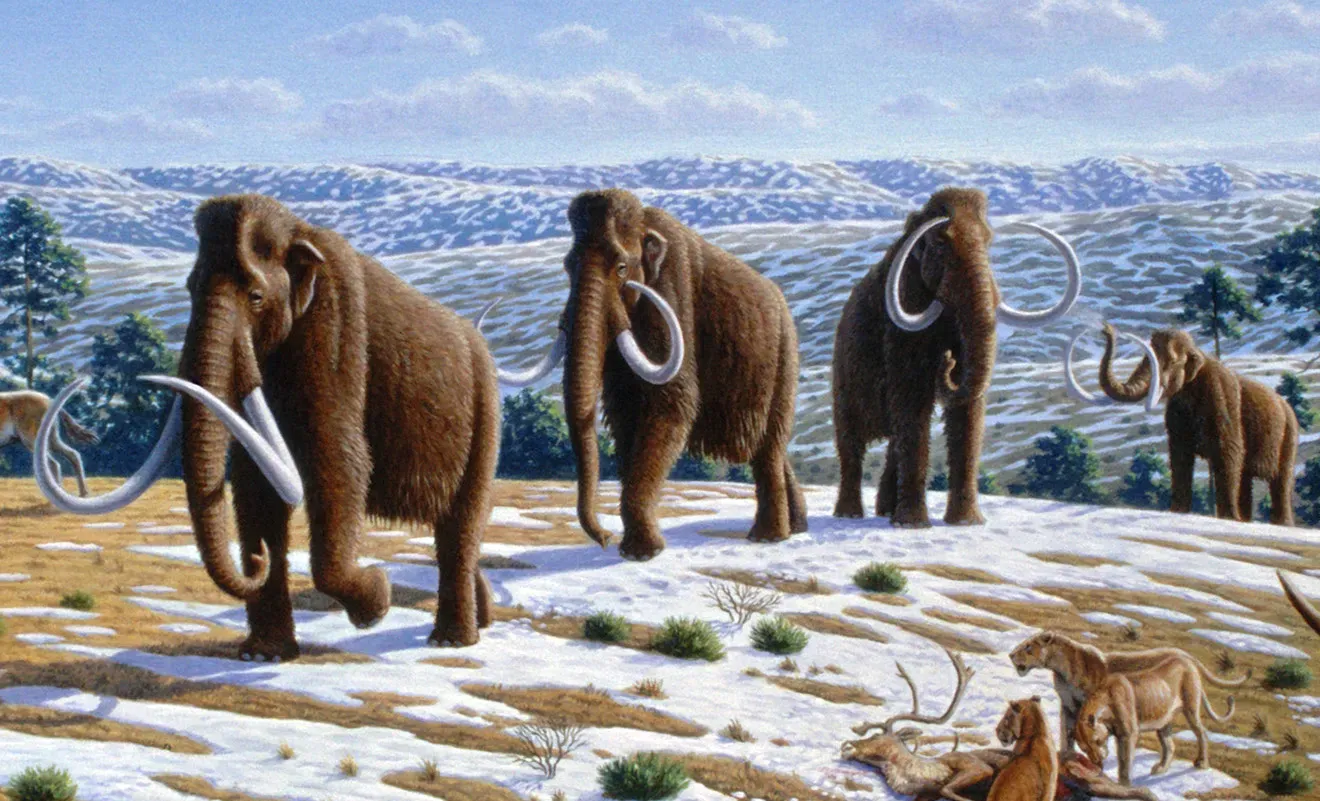
Mammoths didn’t disappear from North America all at once, but the Columbian mammoth’s last reliable dates cluster around twelve thousand five hundred years ago. That’s the end of an era, really. Think about it: these animals had thrived on the continent for over a million years, adapting to countless climate shifts and environmental changes. Yet something happened during that narrow window of time that pushed them over the edge into extinction.
The woolly mammoth populations on mainland Siberia persisted until around ten thousand years ago, though isolated populations survived much longer on remote islands. Here’s where it gets wild: on Wrangel Island in the Arctic Ocean, mammoths survived until approximately four thousand years ago. Let that sink in. These creatures were still walking around when the pyramids of Egypt were already ancient history.
The New England Connection
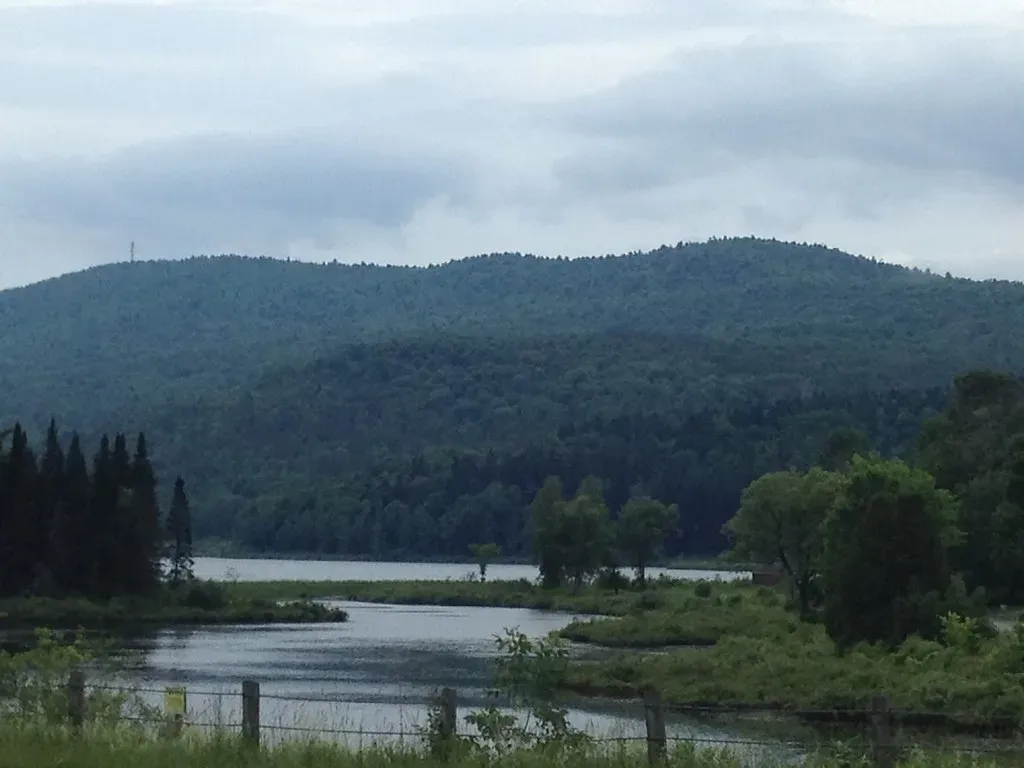
New England is probably the last place you’d imagine mammoths roaming, but prepare to be surprised. Through radiocarbon dating of a rib fragment from the Mount Holly mammoth in Vermont, researchers discovered this individual existed approximately twelve thousand eight hundred years ago. That date is significant. Really significant.
This timing overlaps with when the first humans are thought to have arrived in the Northeast, which occurred during the start of the Younger Dryas period. The Younger Dryas was essentially a final blast of glacial cold before temperatures warmed dramatically. So both species were dealing with massive environmental upheaval at the same time.
While the findings show temporal overlap between mammoths and humans, this doesn’t necessarily mean people saw these animals or had anything to do with their death, but it raises the possibility. Let’s be real: the absence of evidence isn’t evidence of absence. While research on mammoths in the Midwest suggests humans hunted and buried these animals in lakes and bogs to preserve meat, there’s little evidence that early humans in New England hunted or scavenged them.
The Hunters of the Ice Age Plains
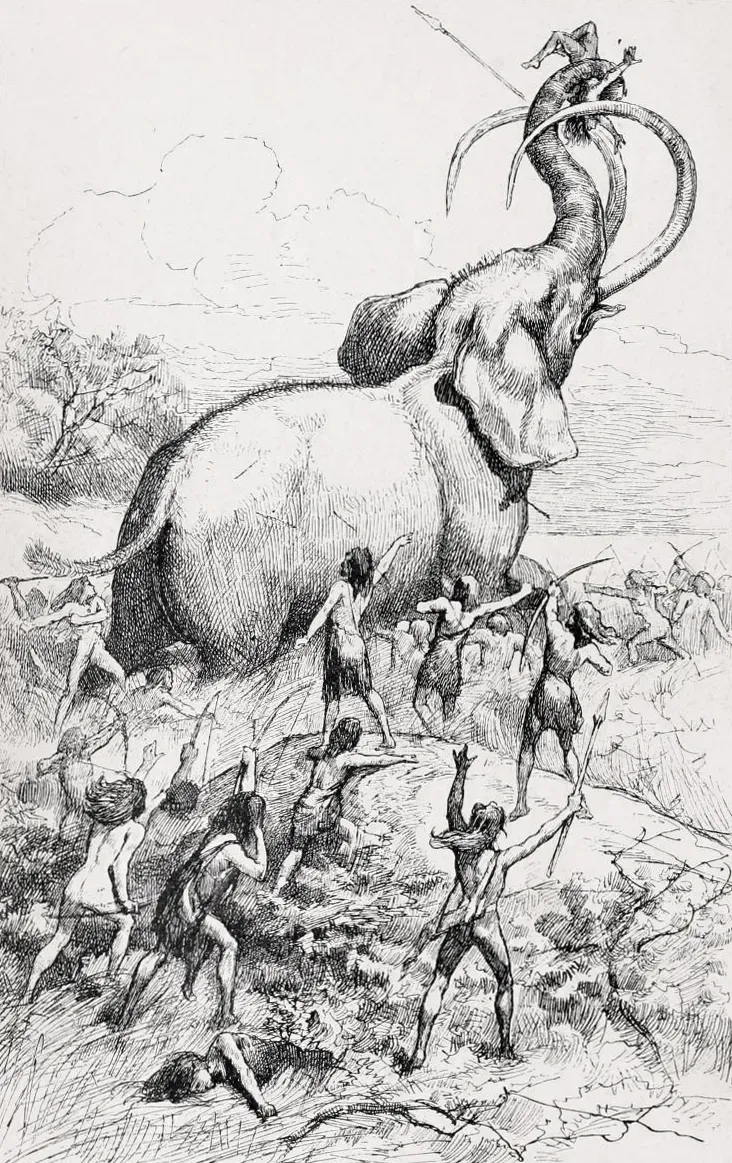
Head west to the Great Plains and the story changes dramatically. The Clovis culture existed from around thirteen thousand to twelve thousand seven hundred and fifty years ago, and stone tools were found alongside Columbian mammoth remains. These weren’t accidental associations either. Ancient stone tools contained the first direct evidence of extinct mammoth or mastodon blood and extinct North American horse blood on artifacts in eastern North America.
The Clovis people developed incredibly sophisticated technology. Their signature points are works of art, honestly. Isotope analysis of the only known Clovis burial, the young child Anzick-1 from Montana, suggests that mammoths made up roughly thirty-five to forty percent of this group’s total diet. That’s massive. These people weren’t just opportunistic scavengers. They were specialized hunters.
Clovis peoples were skilled hunters well-versed in mammoth herd behavior, using that knowledge and their technology to confront, contain, and kill small family units of three to five animals. Imagine the courage and coordination required to take down an animal that could weigh several tons and stood taller than most modern vehicles.
Evidence That Keeps Mounting
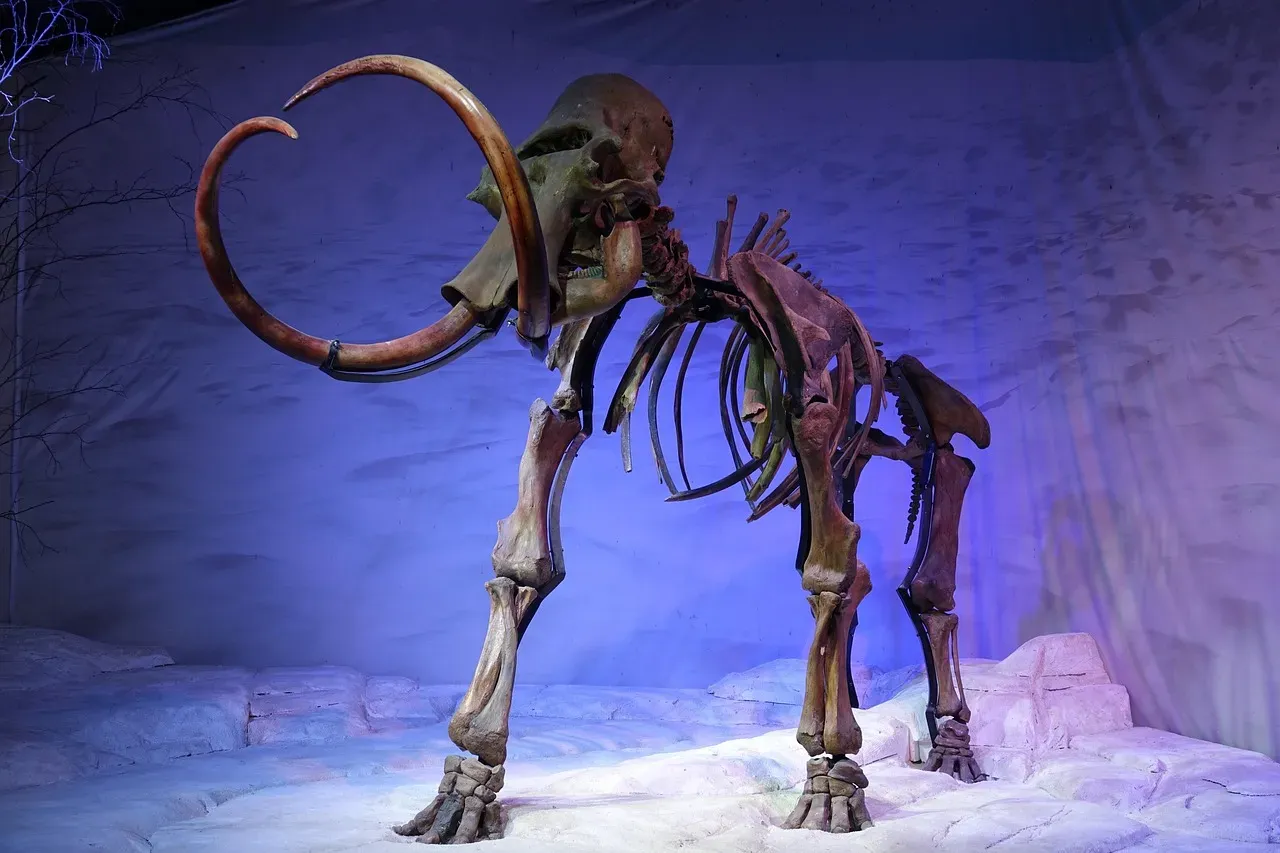
Sometimes the most remarkable discoveries come from the most unexpected places. About thirty-seven thousand years ago in New Mexico, a mother mammoth and her calf met their end, with carbon dating analysis on collagen extracted from mammoth bones placing the site between thirty-six thousand two hundred fifty and thirty-eight thousand nine hundred years old. This makes it among the oldest known sites left behind by ancient humans in North America.
Evidence includes fossils with blunt-force fractures, bone flake knives with worn edges, and signs of controlled fire. The bones tell a story. They weren’t just scattered randomly. When researchers investigated, they found a bashed-in mammoth skull and other bones that looked deliberately broken, appearing to be a butchering site.
Ancient DNA reveals that woolly mammoths coexisted with humans in North America for five thousand years longer than previously believed. Technology is constantly rewriting our understanding of this period. DNA preserved in sediments and bones continues to push back the timeline of human-mammoth interaction.
The Last Refuge
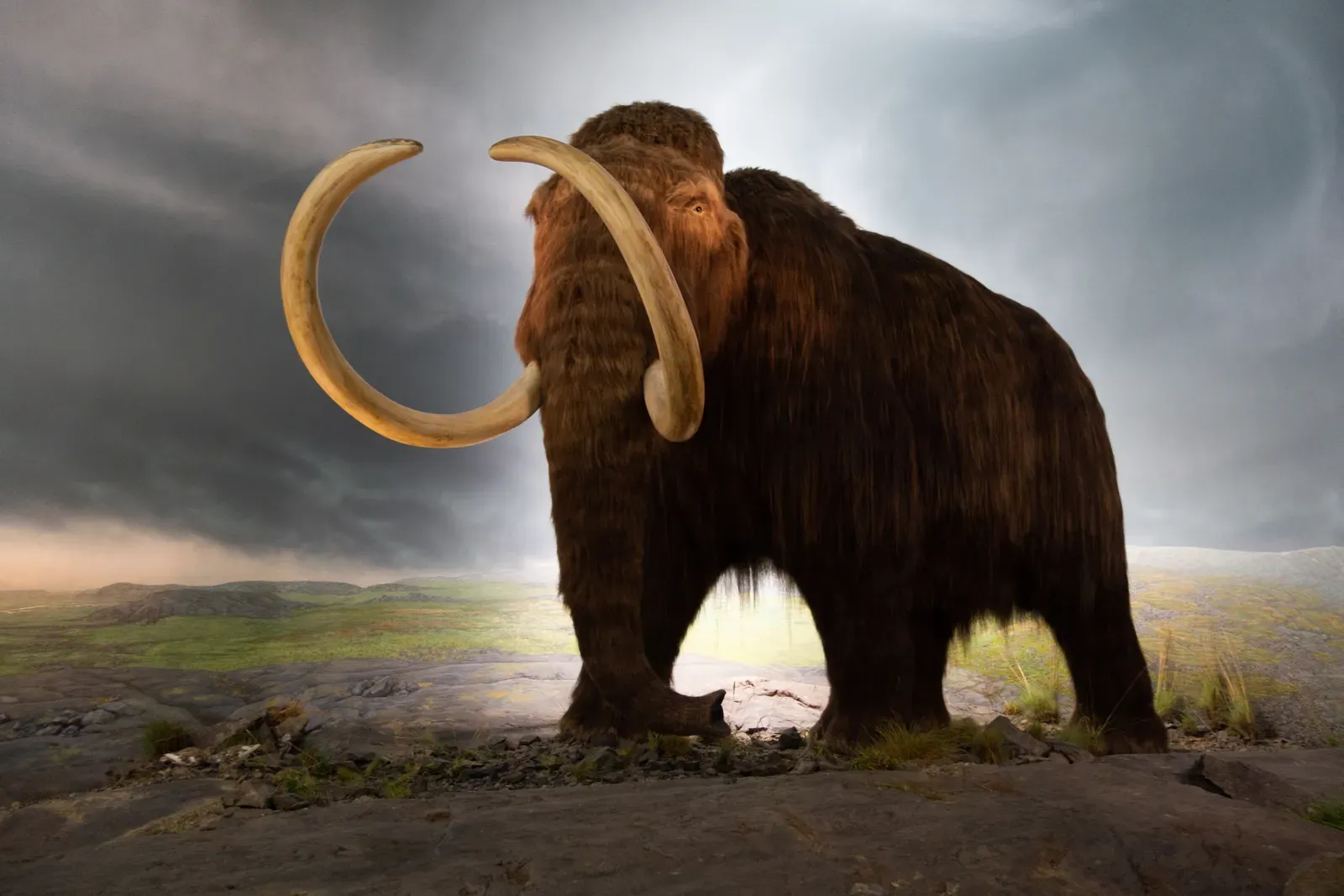
Wrangel Island is one of the most fascinating places in this entire story. While most mammoth populations disappeared from the mainland around ten thousand years ago, a small group managed to survive on Wrangel until about four thousand years ago, making them contemporaries of the Egyptian pyramids. Just stop and think about that for a moment. Somewhere on a remote Arctic island, the last mammoths were grazing while ancient civilizations were building monuments that still stand today.
Humans didn’t arrive on Wrangel Island until four centuries after the last mammoths died. So whatever killed them, it wasn’t hunting. The population’s genetic diversity continued to decline throughout the six thousand years that mammoths inhabited Wrangel Island, though at a very slow pace, suggesting population size was stable until the very end, and although the island’s mammoth population gradually accumulated moderately harmful mutations, they were slowly purging the most harmful ones.
The end came suddenly. The mammoths were able to survive for about two hundred generations before they went extinct, and rather than dwindling, the animals were hanging on when they suddenly plummeted into extinction. Something catastrophic happened, but what exactly remains a mystery.
The Great Debate Continues
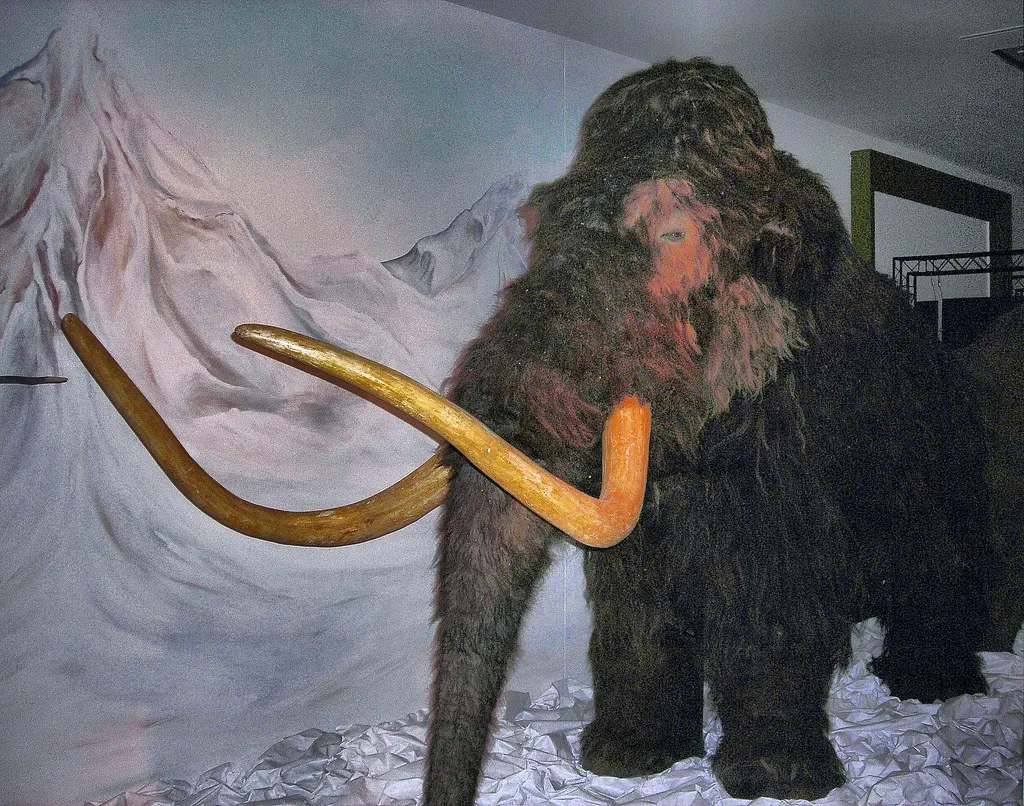
So what actually killed the mammoths? Honestly, it’s complicated. The final extinction might have been the result of combined effects of climate change and human impacts, with climate change posing serious challenges for survival and areas with suitable climate conditions becoming severely reduced. It’s not a simple story with a single villain.
Scientists are divided over whether hunting or climate change was the main factor that contributed to extinction, or whether it was due to a combination of the two. The reality is probably messy. The mammoth suffered a catastrophic loss of adequate habitat, with the species six thousand years ago relegated to just ten percent of the habitat available forty-two thousand years ago.
For an optimistic estimate of mammoth numbers six thousand years ago, humans would only have had to kill one mammoth each every three years to push the species to extinction, or if conditions were worse, that figure reaches one mammoth per human every two hundred years. When a species is already on the brink, it doesn’t take much to push them over the edge.
What This Means for Us Today
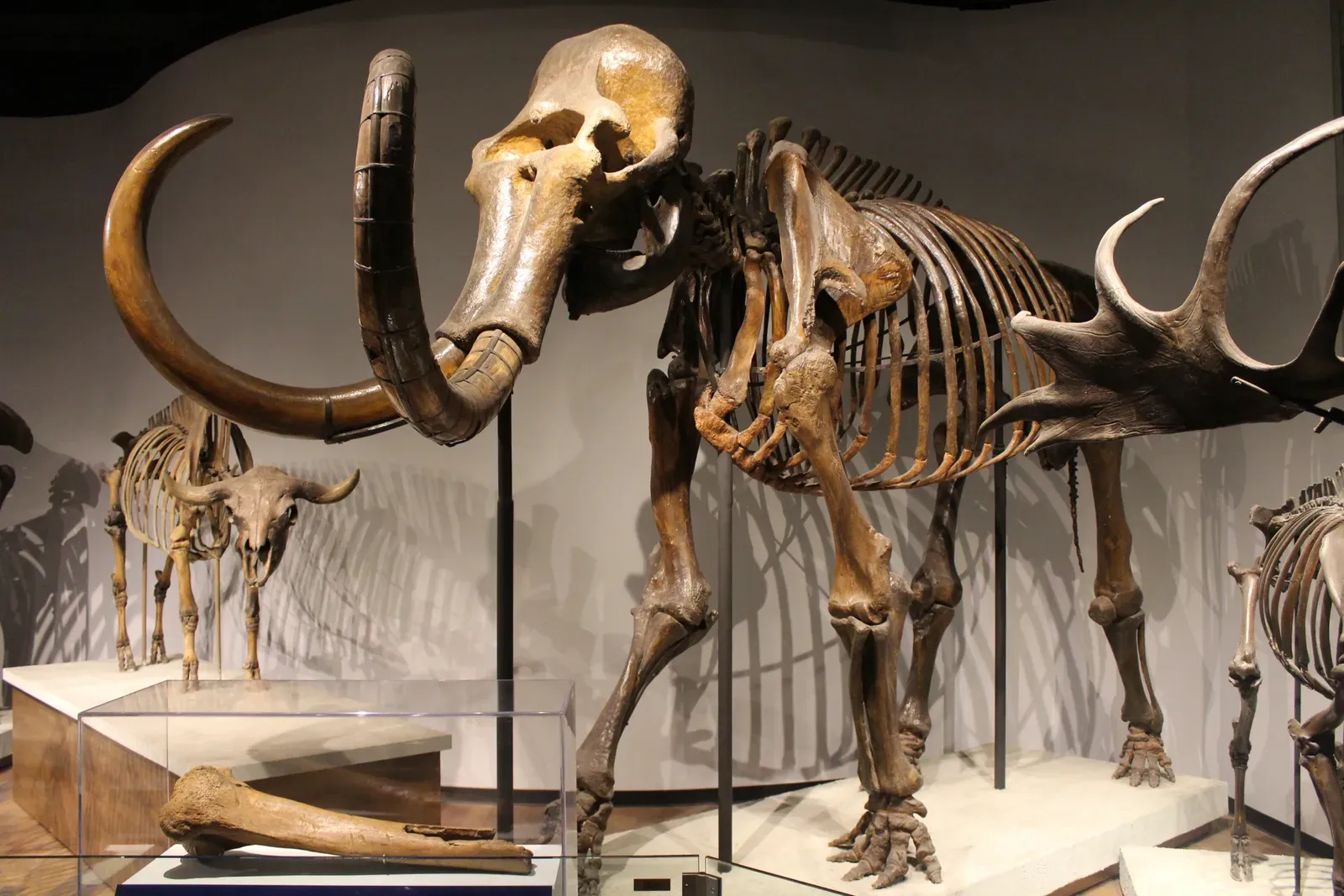
The mammoth story is a cautionary tale for our own time. The study shows how isolated small populations of large mammals are particularly at risk of extinction due to extreme environmental influences and human behavior, and we can help preserve species by protecting populations that are not isolated from one another. That lesson resonates powerfully in 2026 as we face our own biodiversity crisis.
These weren’t just big hairy elephants. They shaped entire ecosystems. Think of them as architects of the Ice Age landscape, maintaining grasslands through their feeding habits and creating pathways through forests. When they vanished, the world changed in ways we’re still trying to understand.
Did early humans in North America witness the last mammoths? The answer is complicated, nuanced, and varies by region. In some places like the Great Plains, the evidence is overwhelming that humans and mammoths not only coexisted but that humans actively hunted them. In other regions like New England, the evidence suggests they might have overlapped in time but perhaps never actually encountered each other. And on remote islands like Wrangel, the last mammoths died thousands of years after humans could have possibly reached them.
The mammoth extinction teaches us that even species that survived millions of years of climate fluctuations can vanish when faced with the perfect storm of environmental change and additional pressures. It reminds us that extinction is forever, and that our actions today are writing the next chapter in Earth’s story. What do you think about it? Could humans have done more to prevent their extinction, or was it inevitable?