
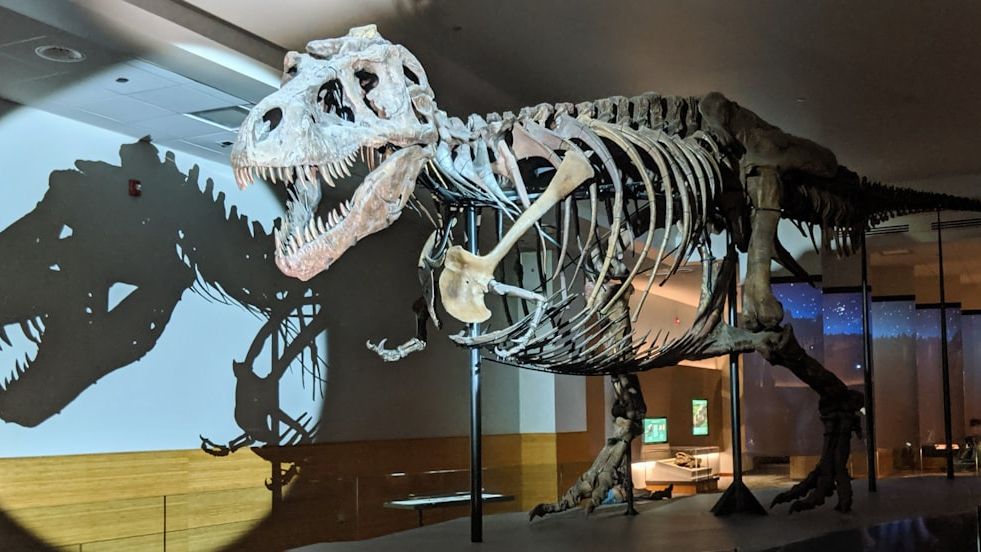
When you think of dinosaurs, one name dominates: Tyrannosaurus rex. The mere mention conjures images of thundering footsteps and bone-shattering jaws. Yet despite being one of the most studied creatures in paleontology, this prehistoric giant still holds surprises that challenge everything you thought you knew.
Scientists have been piecing together the T. rex puzzle for more than a century, but fresh discoveries keep rewriting the rulebook. Recent research has revealed details about this apex predator that would seem impossible if we didn’t have the fossil evidence to back them up. From shocking revelations about its growth rate to jaw-dropping bite force measurements, these facts paint a picture far more fascinating than any movie ever could.
A Bite Force That Could Crush a Car
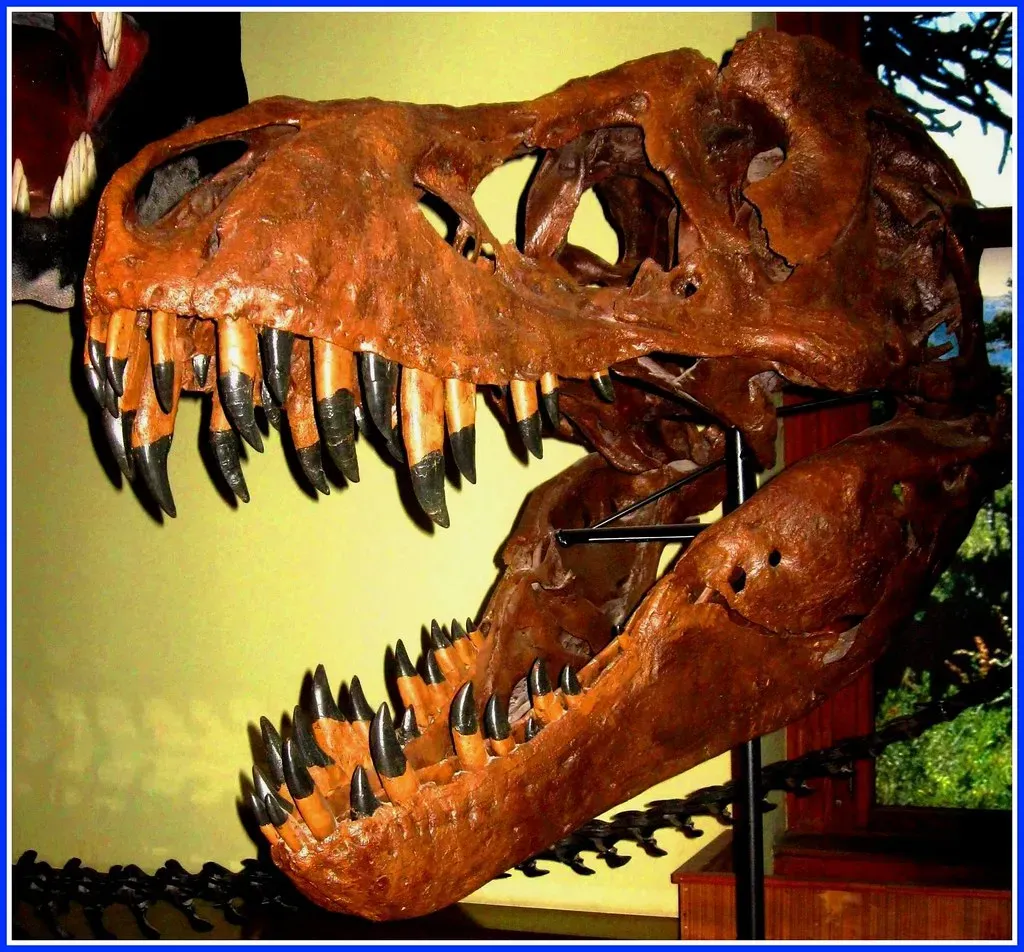
The Tyrannosaurus rex possessed a jaw capable of exerting roughly eight thousand pounds of force, which researchers compare to setting three small cars on top of its jaws. Let’s be real, that’s not just impressive. It’s terrifying.
Studies indicate that bite forces at posterior tooth positions reached between 35,640 and 57,158 Newtons in adult specimens. This represents by far the highest bite forces estimated for any terrestrial animal. To put that in perspective, humans bite with a measly two hundred pounds of force. Even modern crocodiles can’t compete with what this ancient predator could deliver.
It Couldn’t Actually Run Fast Enough to Chase You Down
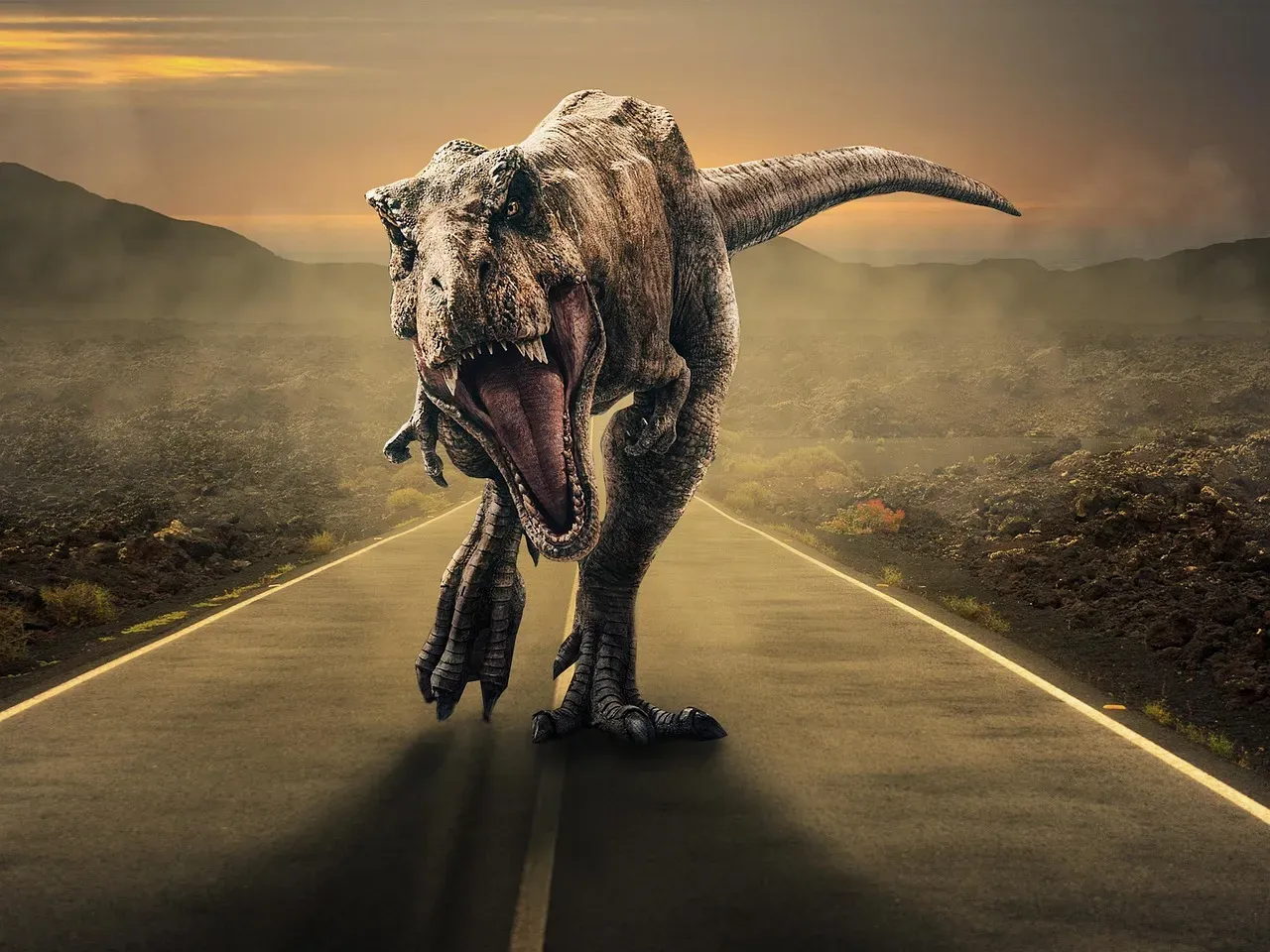
Here’s where Hollywood got it spectacularly wrong. Research combining biomechanical analysis and skeletal stress analysis demonstrates that true running gaits would probably lead to unacceptably high skeletal loads in T. rex, and the relatively long limb segments would actually have mechanically limited this species to walking gaits. So much for those Jurassic Park chase scenes.
The size and sheer mass of the T. rex would render it physically impossible to move at any speed higher than roughly eight miles per hour, which is slower than the average person’s running speed. Think about that for a moment. You could probably outrun one of the most fearsome predators ever to walk the Earth. Previous suggestions that T. rex clocked a top speed of thirty miles per hour appear to have been wildly optimistic.
They Grew Much Slower Than Scientists Thought
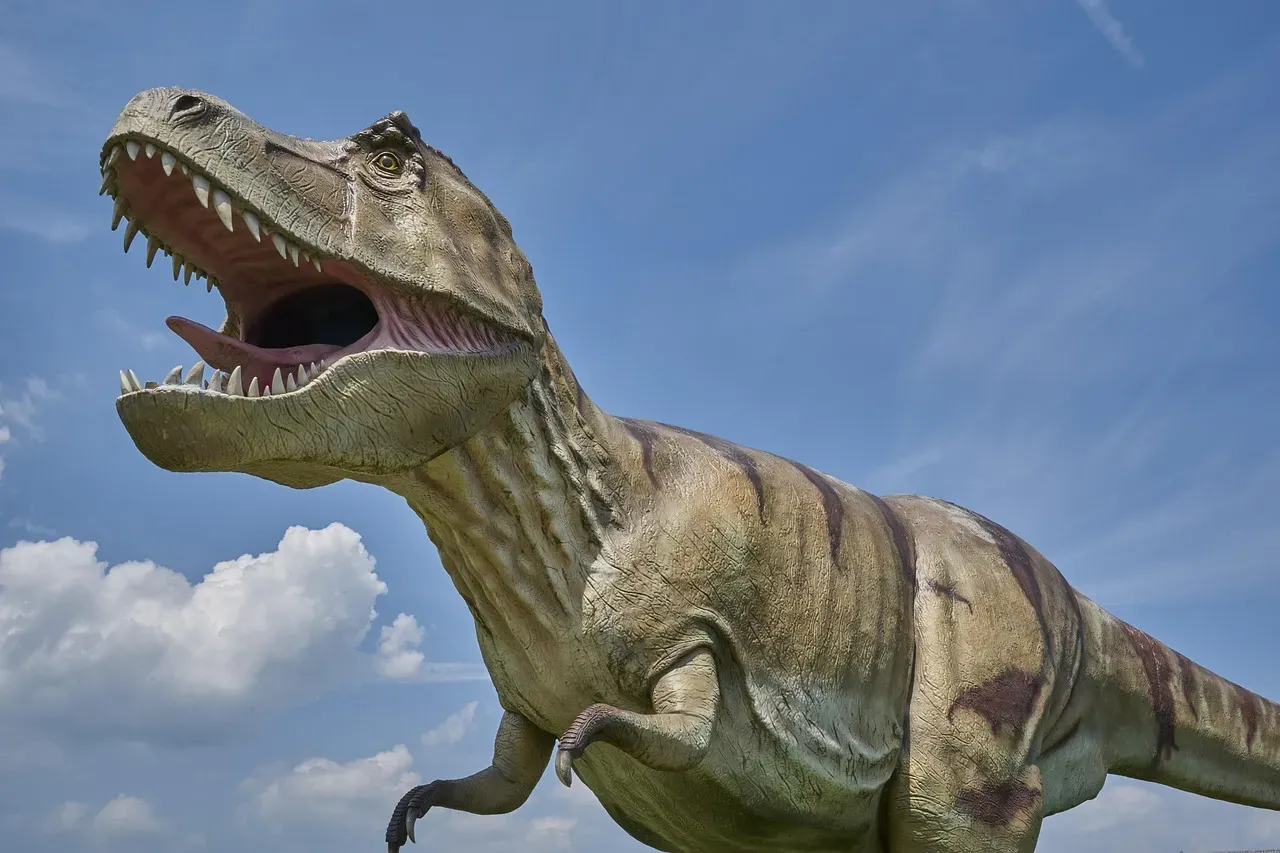
Previous estimates put T. rex’s lifespan at about thirty years with full size reached around age twenty to twenty-five, but bones from seventeen specimens indicate these hulking predators actually stopped growing sometime between thirty-five and forty years old. That’s a substantial difference that fundamentally changes our understanding of their life history.
Instead of growing quickly, T. rex spent most of its life in the mid-body size range rather than achieving a total body length of forty feet quickly, and growth ring spacing varied within individuals, with some years showing substantial growth and others very little. This variability suggests that growth was flexible and likely influenced by resource availability and possibly environmental conditions. It makes you wonder what challenges these creatures faced year to year.
The King Might Actually Be Several Different Species
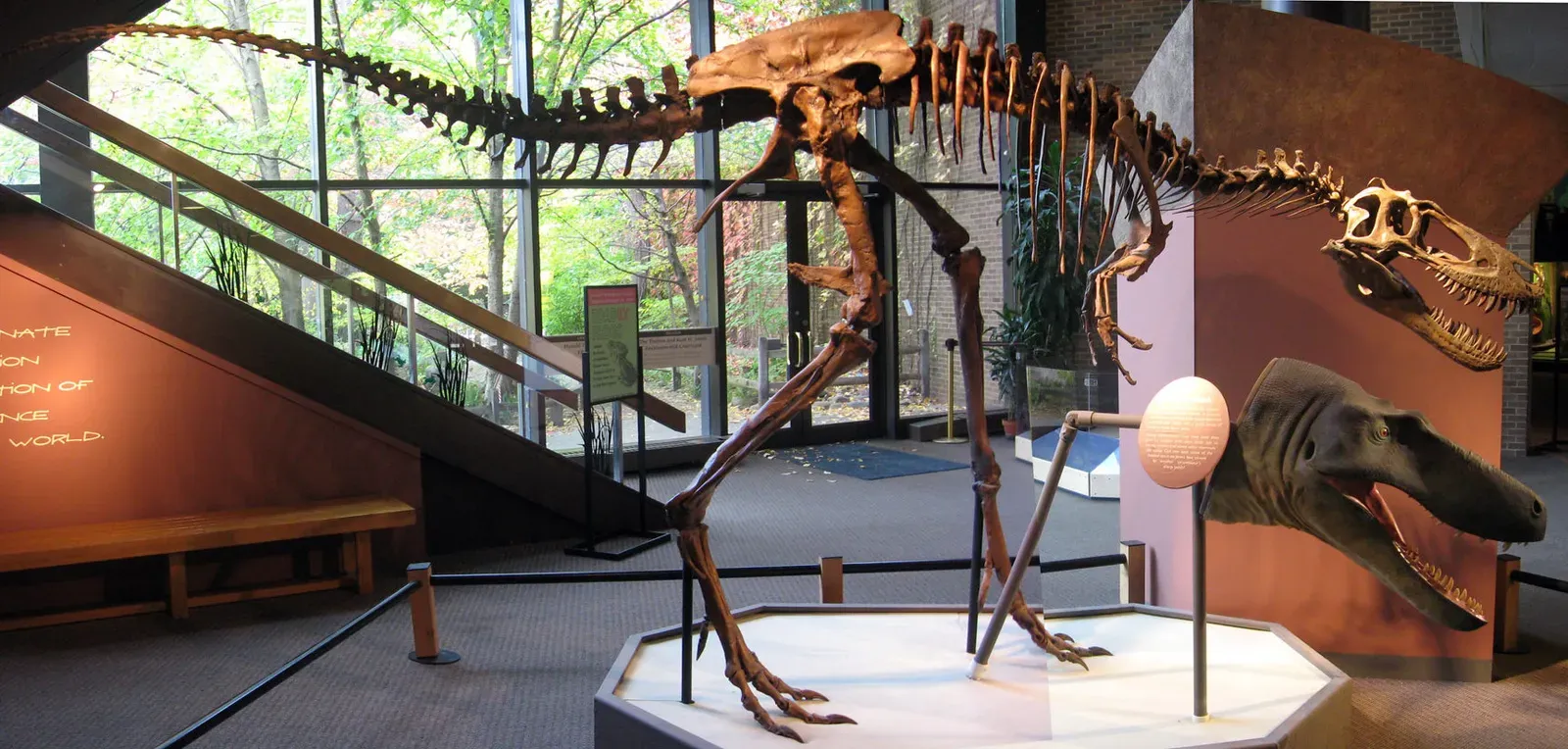
For decades paleontologists believed that the dinosaur discovered in the nineteen forties – Nanotyrannus – was a juvenile Tyrannosaurus rex, but research published in Nature has revealed this dinosaur was its own species, not a young T. rex. This finding completely upends what scientists have suspected about T. rex evolution.
The skeleton’s fusing spinal sutures and growth rings show it was fully grown when it died at approximately twenty years of age. Growth curves of two famous specimens known by their nicknames “Jane” and “Petey” are statistically incompatible with the others, and although growth records alone cannot establish whether they were separate species, the evidence suggests that intriguing possibility.
Teenage T. Rex Could Already Puncture Bone
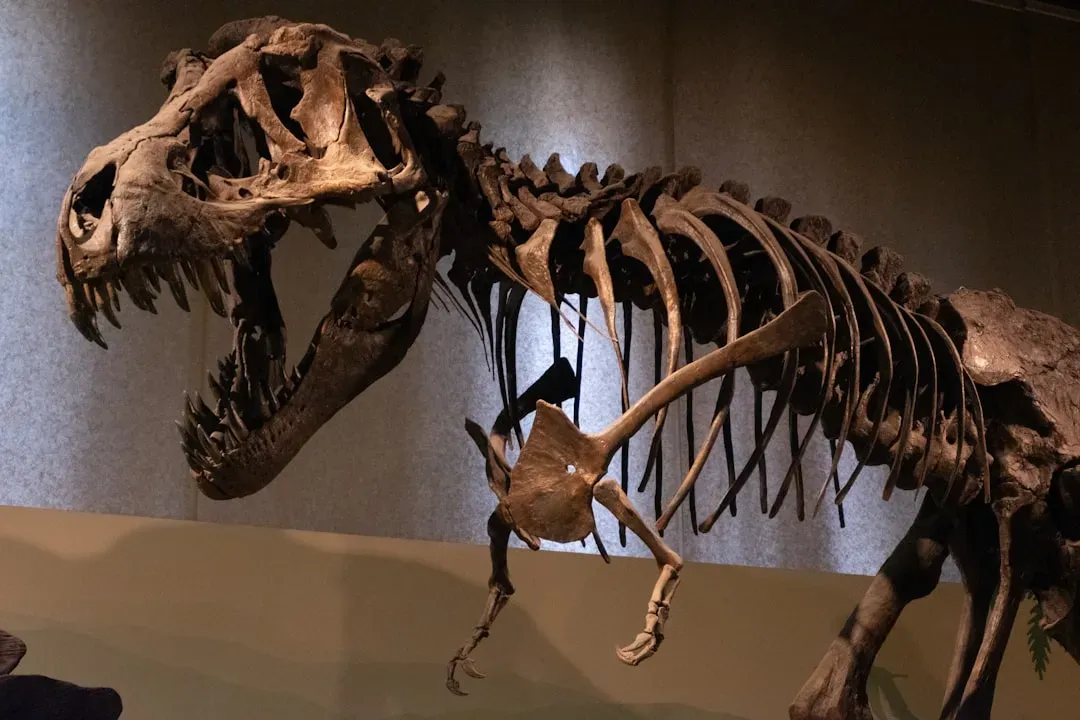
Experimental reconstructions suggest bite forces up to 5,641 Newtons from cortical bone thickness estimated from puncture marks attributed to juvenile specimens. That’s somewhere between the jaw force of a hyena and a crocodile. Not too shabby for a teenager.
At thirteen years old, they weren’t capable of crushing bone yet, but they were already trying, puncturing bone pretty deep, probably building up their strength as they got older. Juvenile Tyrannosaurus rex were fleet-footed with knife-like teeth, dominating the mid-carnivore niche before growing up to become the giant, bone-crushing King of Dinosaurs. It’s hard to say for sure, but this suggests young T. rex occupied very different ecological roles than their massive parents.
They Were Probably Scaly, Not Feathered
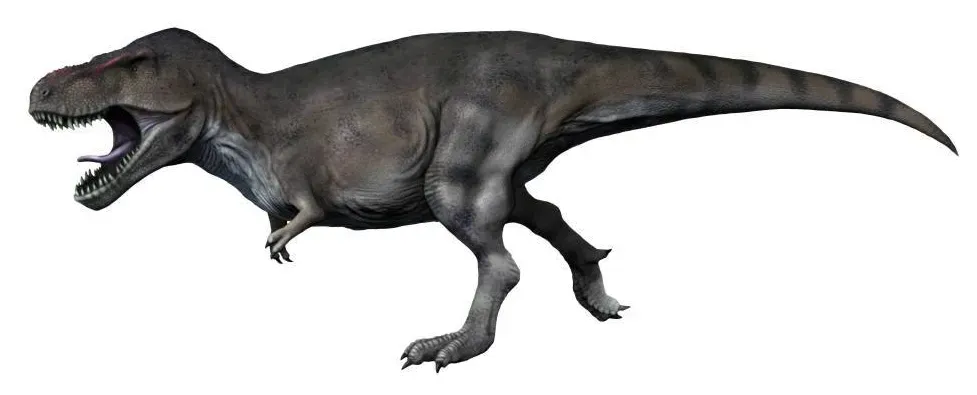
Scientists found no sign of feathers in skin impressions, just smooth, scaly skin, when analyzing skin impressions from large tyrannosaurs that lived around the same time, such as Albertosaurus and Gorgosaurus. Sorry to anyone who loved the fluffy T. rex concept art.
The team found a pattern among tyrannosaur kin where they all had skin textured with small, pebbly scales and not fuzzy plumage, and multiple patches of preserved tyrannosaur hide from multiple places across the body make it pretty clear that at least the majority of the T. rex was not covered in feathers. It’s possible that the giants didn’t need feathery thermal insulation, as their bodies were better able to retain heat. Size matters when it comes to staying warm.
Only About One in Every Five T. Rex Ever Lived Has Been Found
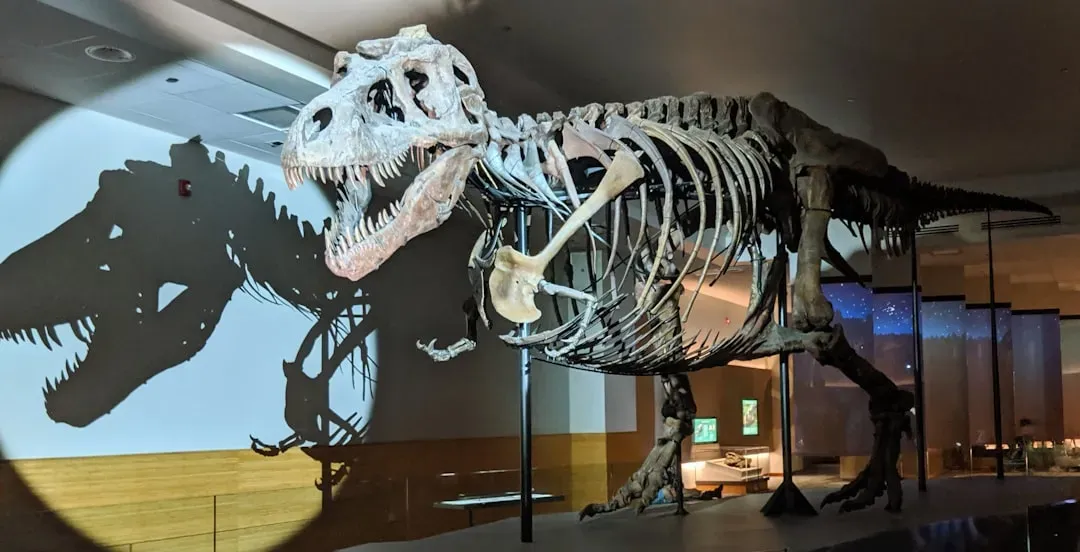
About one hundred thirty T. rex fossils have been found so far, and most of them have less than twenty-five percent of their bones. SUE is not just the most complete T. rex fossil ever found at ninety percent, but also one of the largest.
Since scientists have so few examples of T. rex, they reason that even larger ones than we’ve found probably existed, and a mathematical analysis estimates that the largest one possible may have been fifteen tons. Imagine stumbling across a specimen that massive. The fossil record is frustratingly incomplete, which means there are almost certainly bigger, older, and stranger T. rex specimens still buried somewhere in the ground.
Conclusion
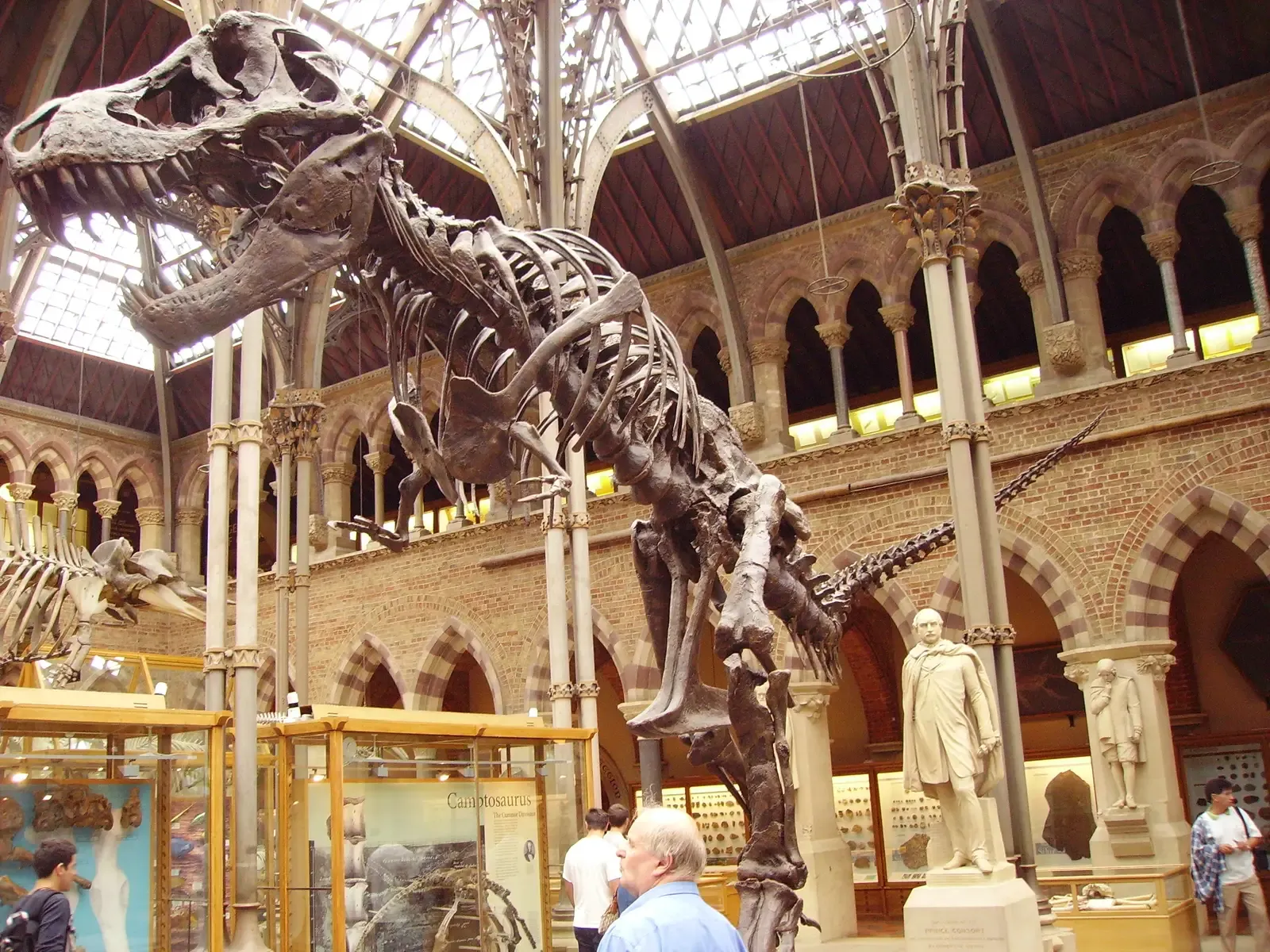
The Tyrannosaurus rex remains one of paleontology’s most captivating subjects precisely because it keeps surprising us. Each new discovery adds another layer to our understanding of how these magnificent predators lived, grew, hunted, and ultimately dominated their ecosystems for millions of years. The more we learn, the more we realize how much we still don’t know.
What’s remarkable is that cutting-edge technology continues to unlock secrets from bones that have been sitting in museum collections for decades. Hidden growth rings revealed by polarized light, biomechanical simulations requiring thousands of hours of computing power, and microscopic analysis of fossilized skin impressions all contribute to a richer, more accurate portrait of this iconic dinosaur. Did you ever imagine that the most fearsome predator in history might have walked slower than you can run?