
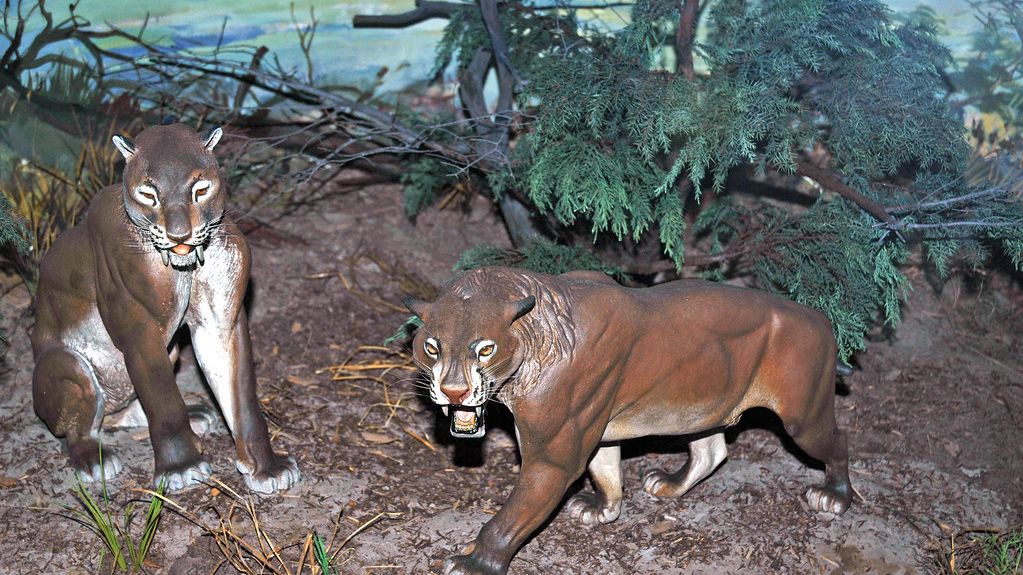
Think about stepping into a time machine and landing in Ice Age America. You’d probably want to turn right around and head back home. Why? Because the continent was teeming with fearsome predators that would make your average grizzly bear look downright gentle. These weren’t just bigger versions of today’s animals either. They were evolutionary masterpieces, perfectly sculpted by nature to dominate their environments in ways we can barely imagine now.
The landscape of ancient North America hosted predators that vanished roughly ten thousand to twenty thousand years ago, leaving behind only fossils and tantalizing mysteries. What were these creatures really like in the flesh? Let’s dive in and meet five of the most formidable hunters that once ruled these lands.
The Saber-Toothed Cat: Nature’s Most Iconic Killer
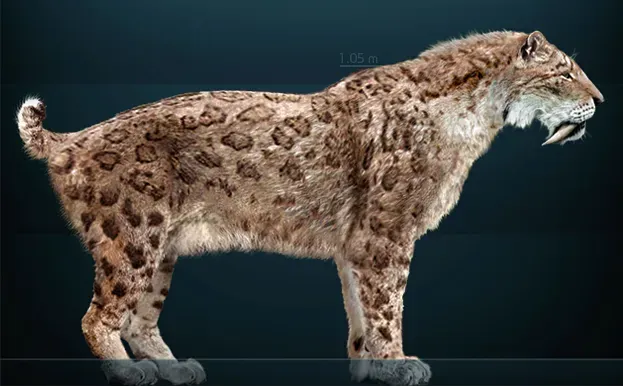
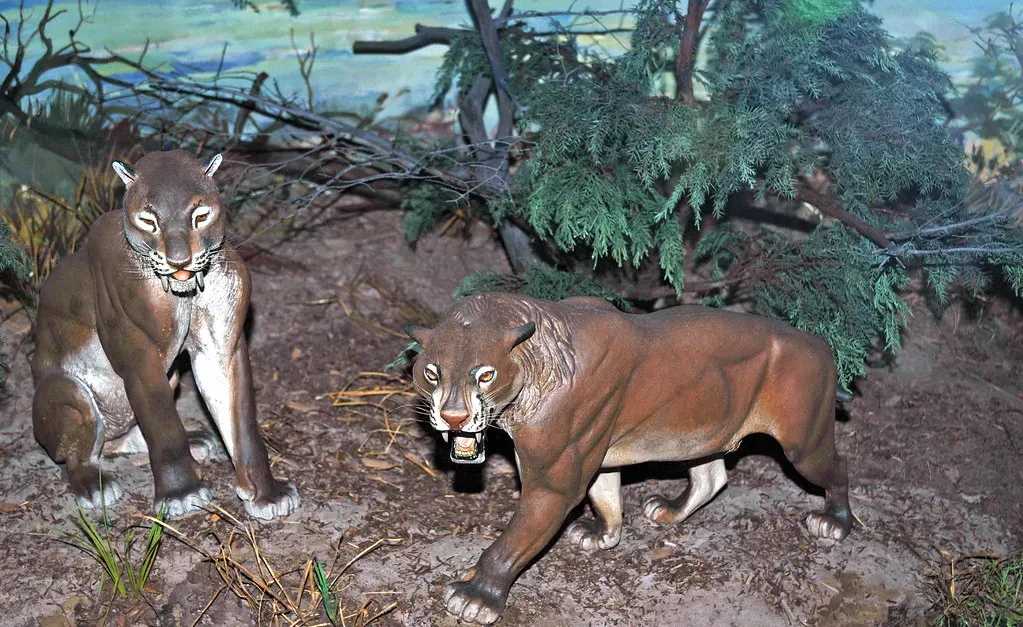
This apex predator primarily hunted large mammals across habitats that supported enormous herbivores such as horses, bison, antelope, deer, camels, mammoths, mastodons, and ground sloths. Imagine encountering a cat roughly the size of an African lion, only this one sports canine teeth stretching up to eight inches long. That’s the Smilodon fatalis for you.
Recent research provides evidence that Smilodon may have been a forest dweller that primarily feasted on creatures like tapirs and deer. Unlike the chase-you-down predators you might expect, these cats were ambush specialists. The baby canine tooth stayed in place to protect the developing saber while young cats learned hunting techniques, eventually falling out once the animal mastered using its deadly weapons. Pretty clever evolutionary strategy, right?
Evidence from fossils shows that more than five thousand Smilodon bones display marks of injury or illness that occurred before the animals died in tar pits. Here’s the thing though: many of these injuries were severe enough that the cats shouldn’t have survived alone. This tells us something remarkable about their social structure. The findings suggest these cats lived in groups and allowed injured pack members access to food when they couldn’t hunt.
The American Lion: A Colossal Cat With Brains to Match
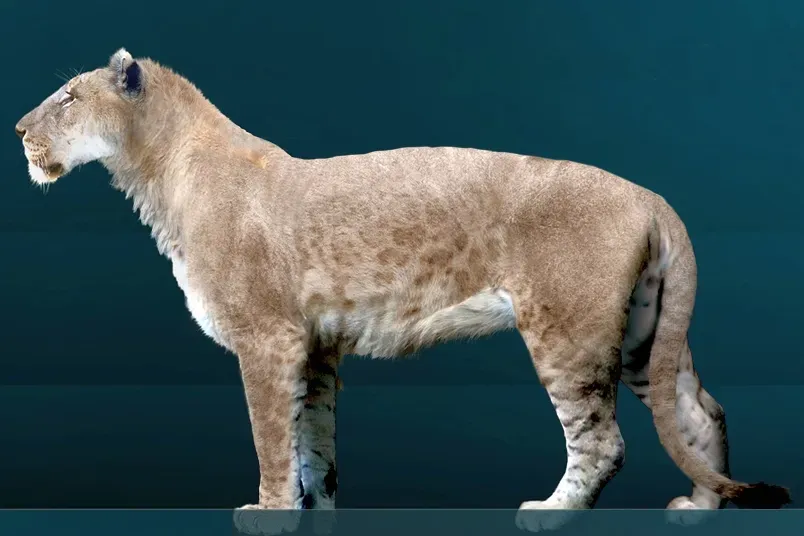
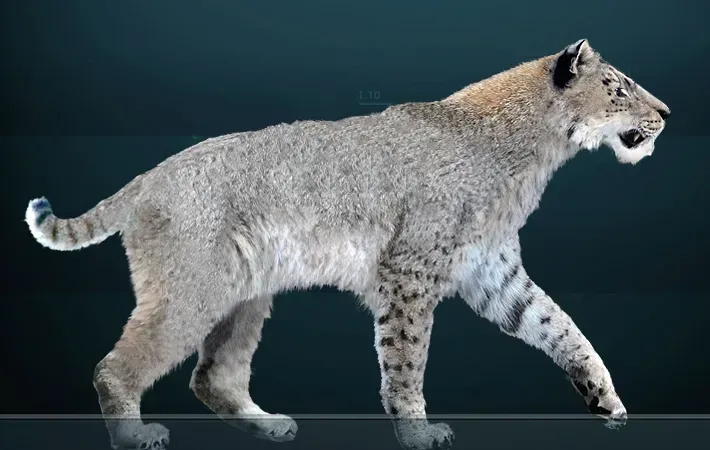
Standing at shoulder height of roughly four feet and measuring up to more than eight feet from nose to tail base, males weighed between five hundred and over eleven hundred pounds. Let’s be real, if you thought African lions were impressive, the American lion would blow your mind. This cat was about a quarter larger than modern lions, making it one of the largest known felids to ever exist.
CT scans reveal these lions had the largest brains of any member of the cat family, which could indicate greater mental capacity for navigating social structures. A gray wolf femur fragment from La Brea Tar Pits shows evidence of a violent bite that possibly amputated the leg, with researchers identifying Panthera atrox as the prime candidate due to its bite force and bone shearing ability. That’s not just powerful, that’s terrifying.
The relationship between American lions and modern African lions remains fascinating to scientists. Genetic evidence suggests its closest living relative is the lion, with the American lion representing an offshoot from the Eurasian cave lion lineage from which it split around 165,000 years ago. Their fossils have turned up everywhere from Canada down to Mexico, showing just how successfully these predators adapted across diverse environments.
The Dire Wolf: Not Your Typical Wolf Pack
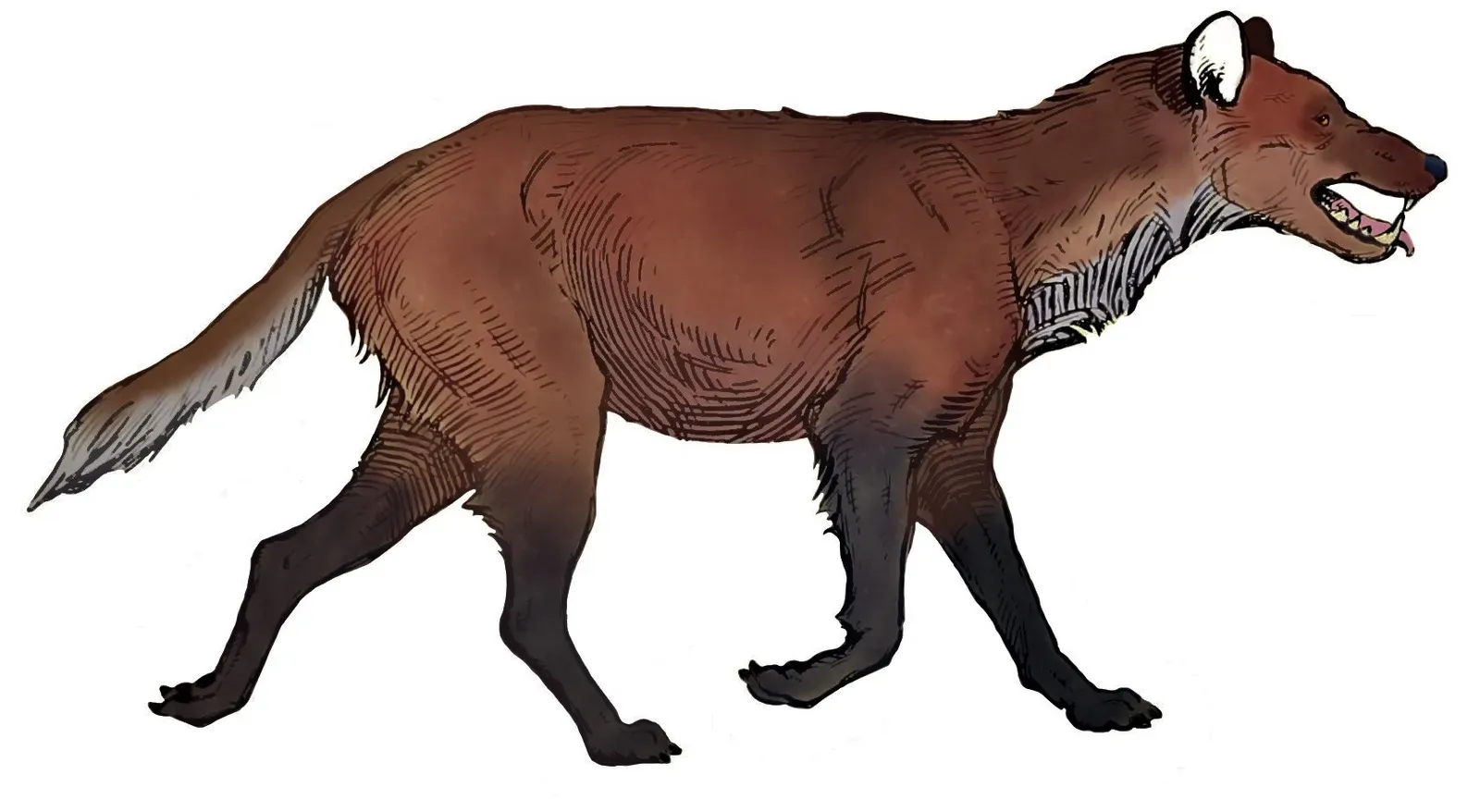
Honestly, Game of Thrones didn’t even come close to capturing how unique these animals really were. Dire wolves roamed the Americas for at least 250,000 years until extinction around 13,000 years ago, and contrary to popular belief, scientists now agree they weren’t very close cousins of grey wolves. Recent DNA analysis dropped a bombshell on everything we thought we knew.
The first analysis of dire wolf DNA finds they traveled a lonely evolutionary path, so different from other wolves, coyotes, and dogs that they need an entirely new scientific classification. About the same size as the largest modern grey wolves at around 150 pounds, dire wolves had larger teeth with greater shearing ability and stronger bite force at the canine tooth than any known Canis species. Their build was stockier too, with shorter, sturdier legs.
Despite sharing environments with grey wolves for thousands of years, genetic data revealed they did not interbreed, suggesting dire wolves had been geographically isolated long enough to build up such pronounced biological differences. Scientists agree dire wolves specialized in hunting large herbivores, and the disappearance of their prey almost certainly drove them extinct. Meanwhile, the more adaptable grey wolf survived by switching up its menu.
The Short-Faced Bear: Speed Demon in Bear Form
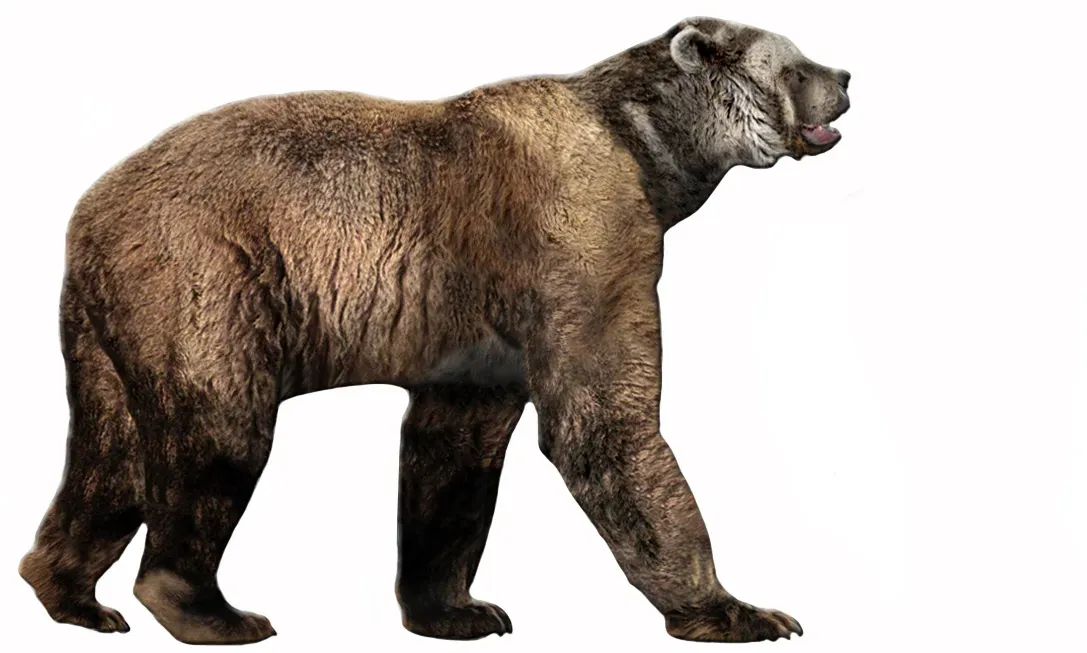
The giant short-faced bear, Arctodus simus, was an enormous animal that occupied much of North America throughout the Pleistocene, larger than modern grizzly or polar bears, with very long legs and a relatively short body given its height. Picture a bear standing over ten feet tall on its hind legs. Now picture that same bear running at highway speeds.
Standing an astonishing 3.3 meters tall on its hind legs, this extinct predator is recognized as one of the largest mammalian carnivores to have ever existed on the continent. The short-faced bear could probably run faster than you could drive through a school zone. Modern scholars mostly conclude that A. simus was a colossal, opportunistic omnivore with a flexible, locally adapted diet similar to brown bears, likely scavenging megaherbivore carcasses and making occasional predatory kills while consuming large amounts of vegetation.
One theory suggests the bear was primarily a scavenger, using its speed and size to chase away smaller predators like dire wolves or American lions from carcasses, with fossil evidence showing wear consistent with scavenging activities. Its long limbs weren’t just for show. They gave this bear an edge in covering vast distances to find food, whether that meant hunting, scavenging, or just searching for the next berry patch. Analysis confirms these animals went extinct roughly 11,000 years ago and most likely coexisted with groups of humans from the Clovis culture.
The Predator Guild: When Competition Was Everything
What made Ice Age America truly remarkable wasn’t just individual predators. It was how they all existed together in this incredible, dangerous ecosystem. Dire wolves were part of a vast carnivore guild that more closely resembled the diversity of carnivores seen in eastern Africa today than modern North America, competing with sabertoothed cats like Smilodon, American lions, ancient hyenas, and larger individuals of familiar species.
Competition shaped every aspect of these predators’ lives. Results suggest there was actually much less competition for prey among the region’s largest Pleistocene carnivores, particularly between saber-tooth cats and dire wolves, because they were doing something different in terms of prey choices. The cats hunted in forests while the wolves prowled open grasslands. Smart, right?
Stable isotope analysis provides evidence that the dire wolf, Smilodon fatalis, and the American lion competed for the same prey. Yet somehow they all managed to coexist for thousands of years. Unfortunately, shifting climate at the end of the ice age, combined with competition with humans for food, led to the demise of dire wolves and many other ancient predators. The survivors were the flexible ones, the generalists who could adapt when their specialized prey disappeared.
Conclusion
The prehistoric predators of ancient America weren’t just impressive because of their size or strength. They represented millions of years of evolutionary refinement, each perfectly adapted to exploit specific niches in a world vastly different from our own. From the bone-crushing jaws of dire wolves to the precision killing tools of saber-toothed cats, these animals shaped the ecosystems they inhabited in profound ways.
Their disappearance marks one of the most significant losses of biodiversity in recent planetary history. We’re left with fossils, educated guesses, and the humbling realization that nature once produced predators far more formidable than anything walking North America today. These weren’t monsters from mythology, they were real creatures that lived, hunted, and eventually vanished from a changing world.
What do you think life would be like if these magnificent predators still roamed our wilderness areas today?