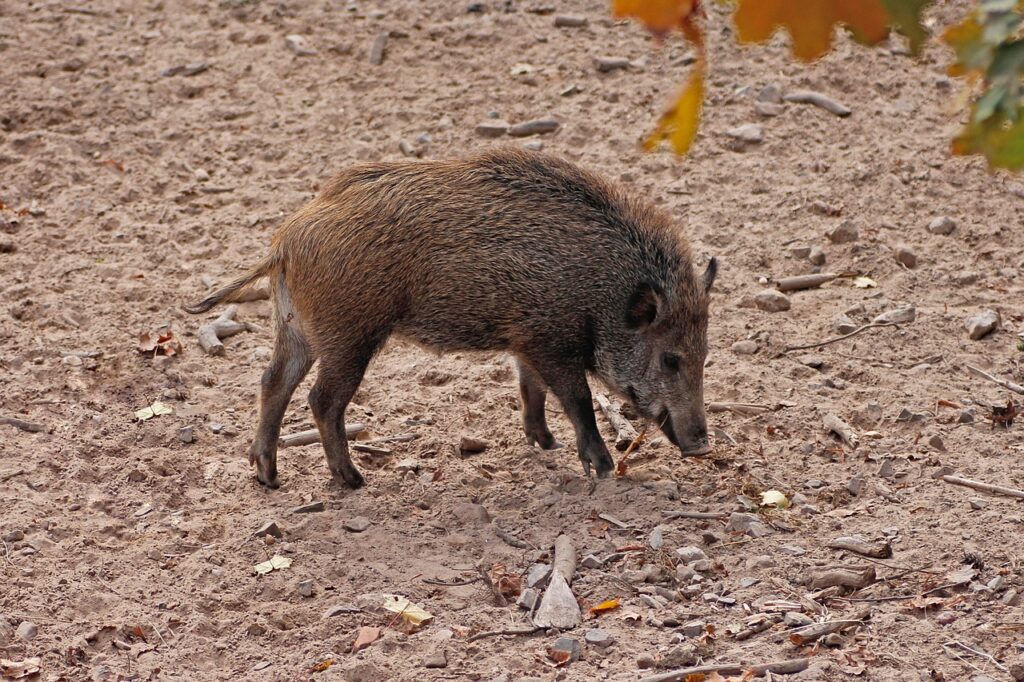
Southern Tunisia’s deserts now host frequent wild boar encounters, as expanding irrigated farmlands in oases provide an unexpected lifeline for these adaptable animals.
Boars Break New Ground in the South
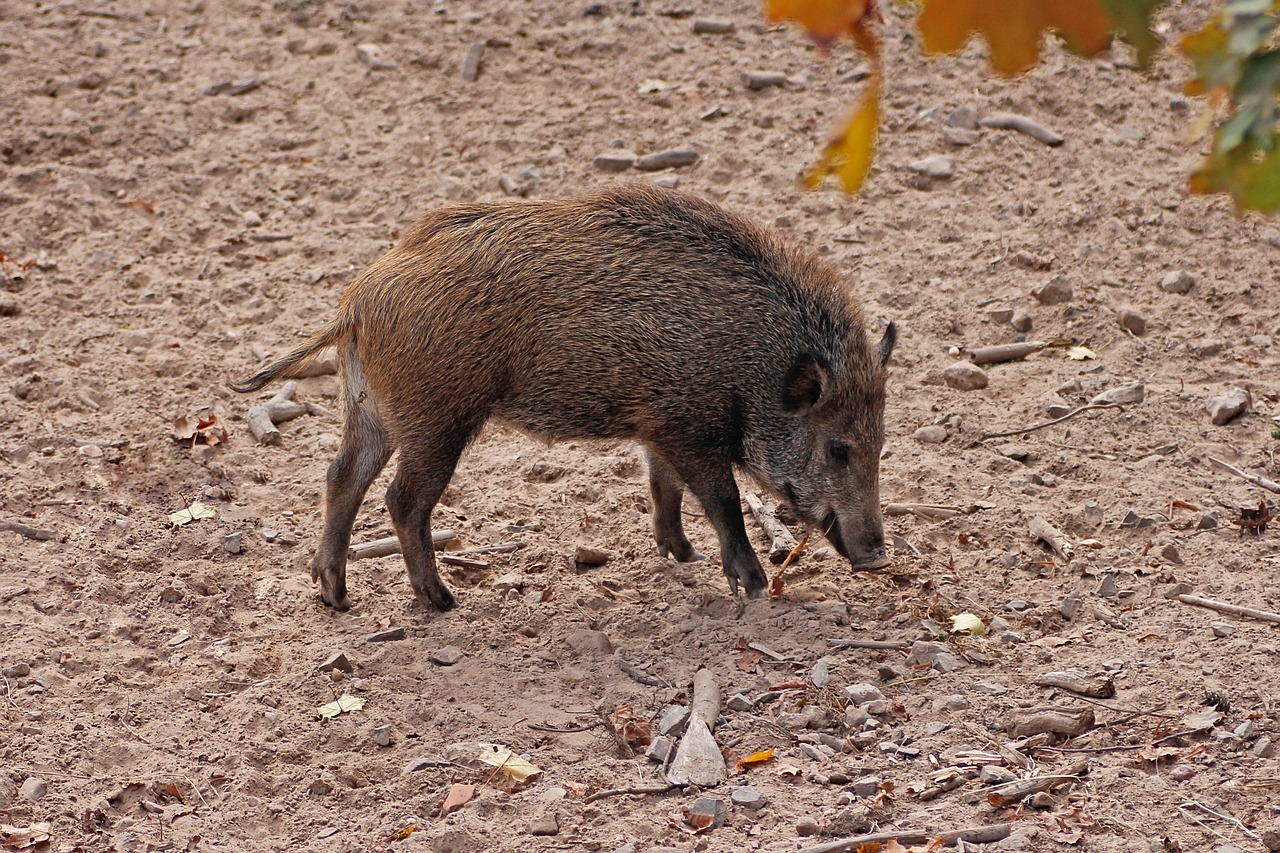
Boars Break New Ground in the South (Image Credits: Pixabay)
Wild boars have ventured far beyond their traditional northern habitats in Tunisia. Native to the country’s humid and coastal zones, the species began shifting southward during the late 20th century. Oasis agriculture accelerated this movement into arid landscapes. Ecologist Mandohsen Chammem of the Arid Regions Institute at the University of Gabès highlighted the scale of the issue. “It has become a really big problem in our agricultural areas,” he said.
Researchers documented this expansion through targeted fieldwork. The animals now thrive where water and crops converge. Such changes signal broader ecological shifts driven by human activity.
Oases: Green Islands in a Sea of Sand
These vital patches of vegetation rely on surface water or pumped groundwater. Farmers cultivate date palms, potatoes, tubers, tomatoes, and cereals within them. Some oases boast high plant diversity, while others focus on dense crops or blend both. Tunisia exports many of these products, underscoring their economic importance.
Proximity to roads and palm tree heights further shape these micro-environments. Wild boar refuges nearby influence visitation patterns. Organic fertilization enhances appeal for foraging animals. Together, these features create prime foraging territory.
Field Data Exposes Presence and Damage
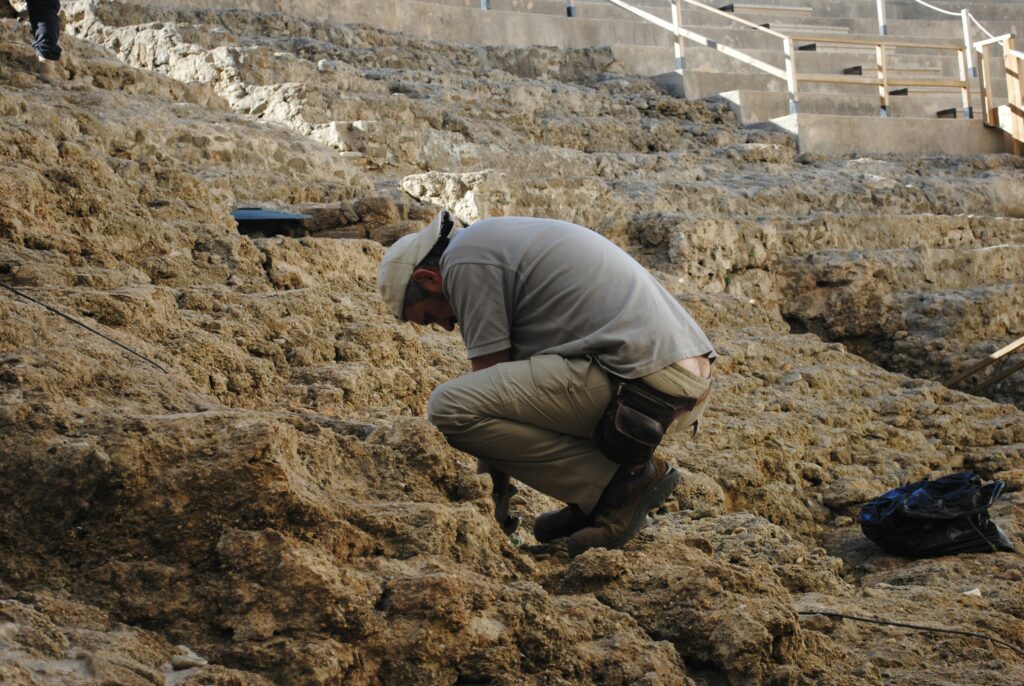
A study in the Journal of Wildlife Management examined oases in the Gabès and Kébili regions. Teams recorded signs like tracks, scat, rooting, and direct sightings across sampled plots. Presence appeared in 66.7% of Gabès sites and 49% in Kébili.
Crop damage affected nearly a third of Gabès plots and just over a quarter in Kébili. Boars favored complex crop mixes and less human-disturbed areas. Diet samples showed 90% plant-based crops and 10% animal matter. Taller palms farther from refuges saw heavier impacts, as boars lingered longer.
| Region | Boar Signs (%) | Damage (%) |
|---|---|---|
| Gabès | 66.7 | <33 |
| Kébili | 49 | >25 |
- Oasis size
- Irrigation method
- Plant and crop diversity
- Crop density
- Road proximity
- Palm height
- Distance to boar refuges
Management Hurdles in a Cultural Context
Hunting curbs numbers in some areas, yet participation remains low. Cultural taboos against pork in Muslim communities dampen enthusiasm. Natural predators offer limited checks. Wolves hunt boars along northern coasts but seldom reach the south. Striped hyenas, however, show upticks near oases, possibly drawn by the boars.
Ongoing adaptation poses risks to fragile ecosystems. Rooting disrupts soil, while heavy crop reliance alters food webs. Farmers face direct losses to vital exports like dates and olives.
- Wild boars exploit oasis crops, with 90% of their diet now agricultural.
- Damage correlates with crop diversity and distance from human activity.
- Cultural factors limit hunting, leaving room for predators like hyenas to fill gaps.
This boar surge underscores how agriculture reshapes desert wildlife dynamics. Balanced strategies could protect both crops and ecosystems. What steps should Tunisia take next? Share your thoughts in the comments.