
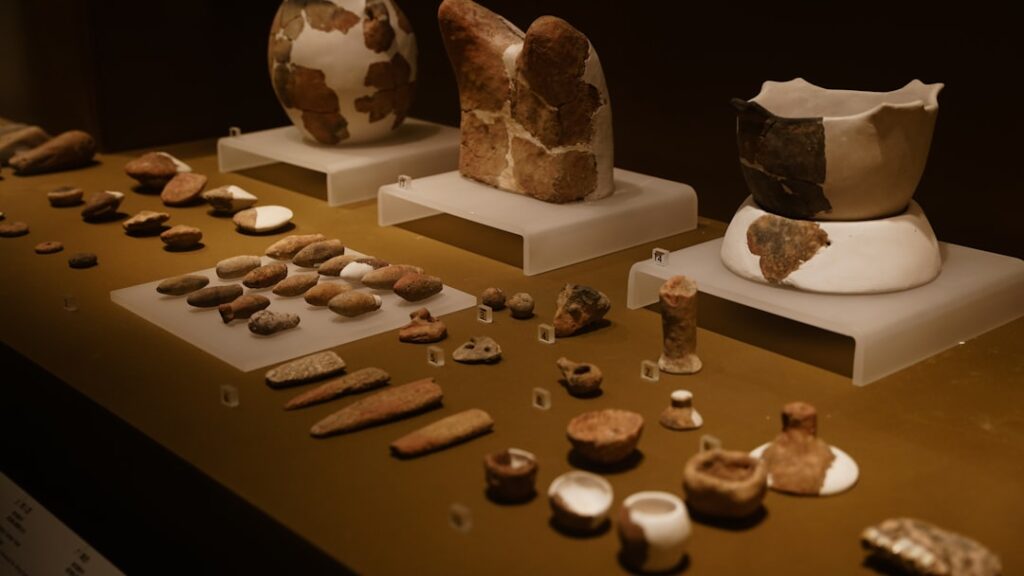
You’ve probably walked past history without even realizing it. Across the American landscape, there are countless puzzles scattered beneath our feet, hidden in caves, and sometimes sitting right under parking lots. From mysterious stone structures to ancient coins that shouldn’t exist, these artifacts challenge everything we thought we knew about early American history. The thing is, every time archaeologists think they’ve figured something out, another discovery turns the story upside down.
What makes these finds truly fascinating isn’t just their age or origin. It’s that they refuse to fit neatly into our established timelines. Some artifacts suggest contact between cultures that supposedly never met. Others point to advanced engineering knowledge that seems impossible for their time. Let’s dive into why so many of these historical mysteries remain unsolved, even in 2026.
The Problem With Dating Ancient American Objects
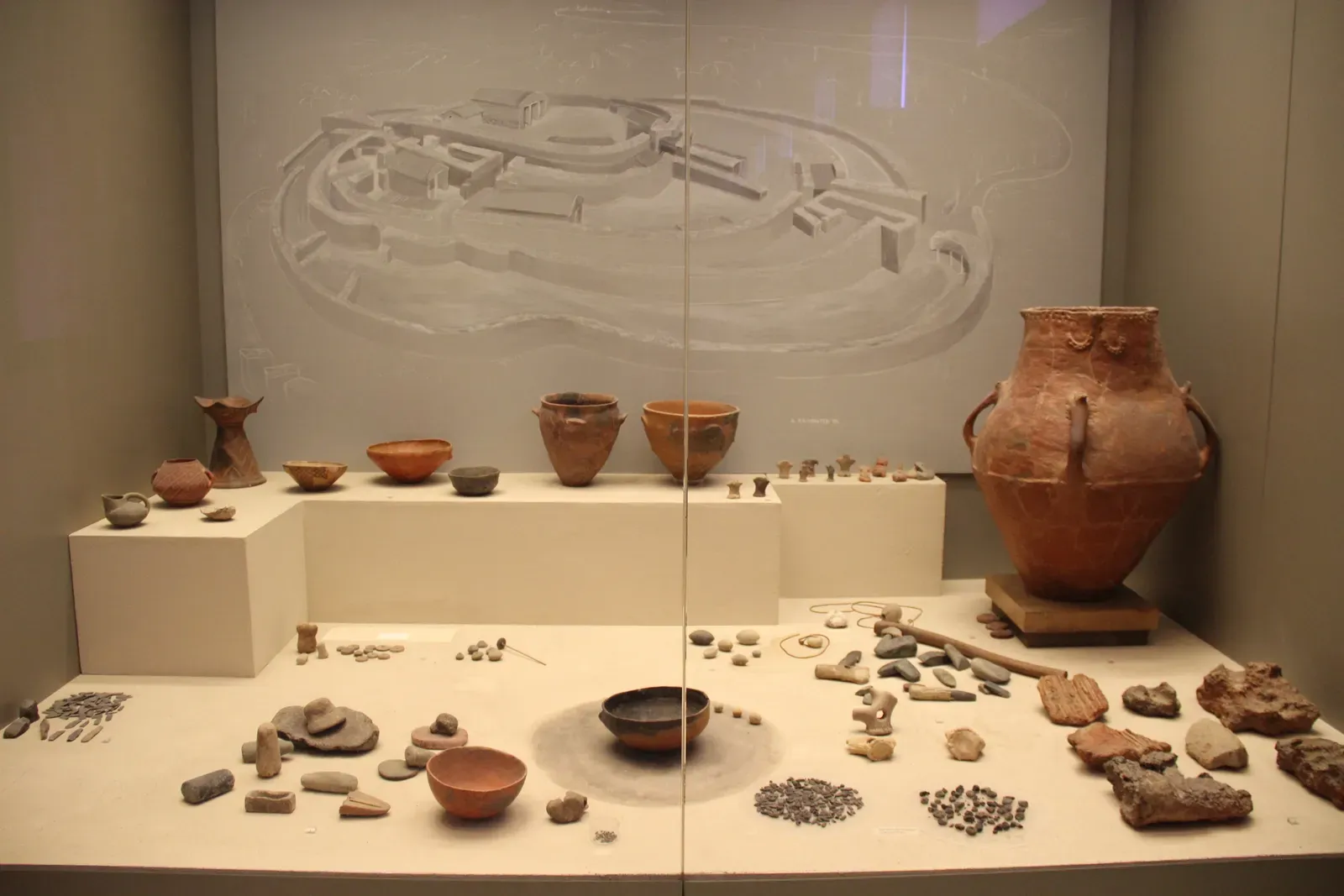
Between 1933 and 1973, more than 500 archaeological sites in North and South America were claimed to be older than the Clovis horizon, but many were later exposed for real or imagined flaws in their stratigraphy or dating methods. The challenge with early American artifacts often comes down to how we measure their age. Carbon dating works brilliantly for organic materials like seeds or wood, yet many stone artifacts simply can’t be dated directly.
The discovery of fossilized footprints at White Sands National Park initially suggested humans roamed North America 21,000 to 23,000 years ago, but a 2022 study disputed this, claiming the footprints were only 15,000 to 13,000 years old, before a third 2023 study reaffirmed the original findings. This back and forth perfectly illustrates the fundamental problem. When scientists can’t agree on dating techniques themselves, it’s no wonder artifacts remain unexplained.
Hoaxes and Frauds Complicate Everything
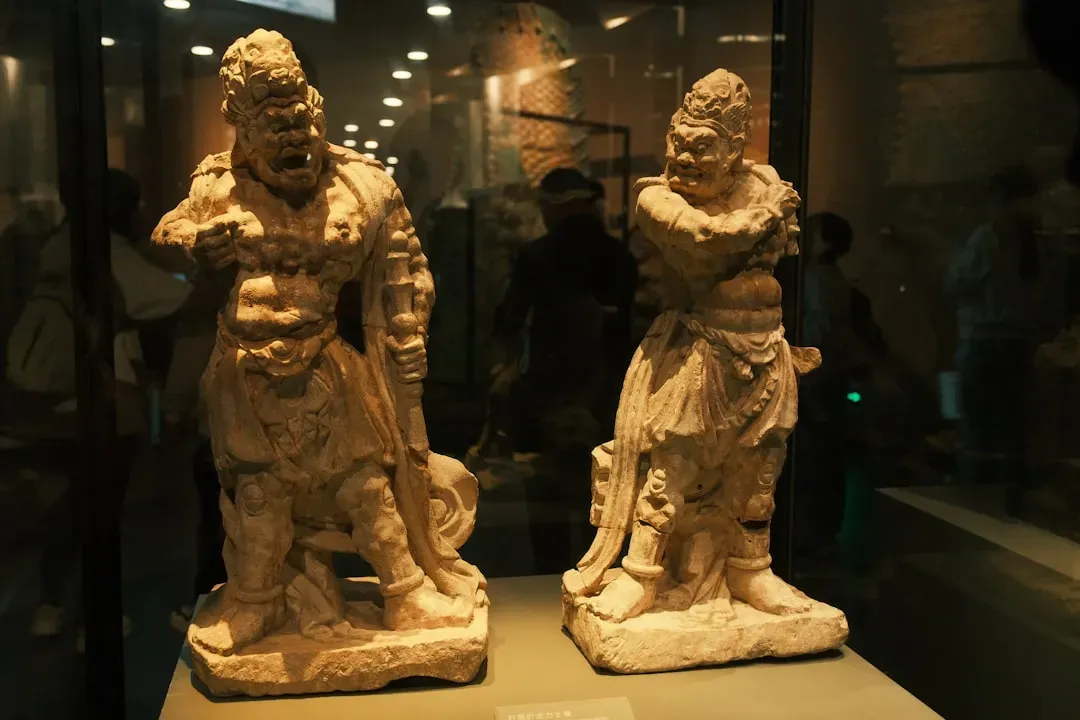
Here’s the thing that drives archaeologists absolutely mad: deliberate fakes. The Michigan Relics were declared elaborate frauds by archaeologists, likely crafted and buried by their discoverer James Scotford, as the hieroglyphs were gibberish and many items disintegrated in water. When one person creates a convincing fraud, it casts doubt on genuine discoveries for decades.
The Kensington Runestone, found in Minnesota in 1898 with Scandinavian letters dated to 1362, was near unanimously determined to be a 19th-century production by linguists and experts, and that consensus remains today. The problem isn’t just that hoaxes exist. It’s that they muddy the waters so thoroughly that legitimate artifacts get dismissed alongside the fakes. Honestly, you can’t blame scientists for being skeptical when they’ve been burned so many times before.
Stone Chambers Nobody Can Explain
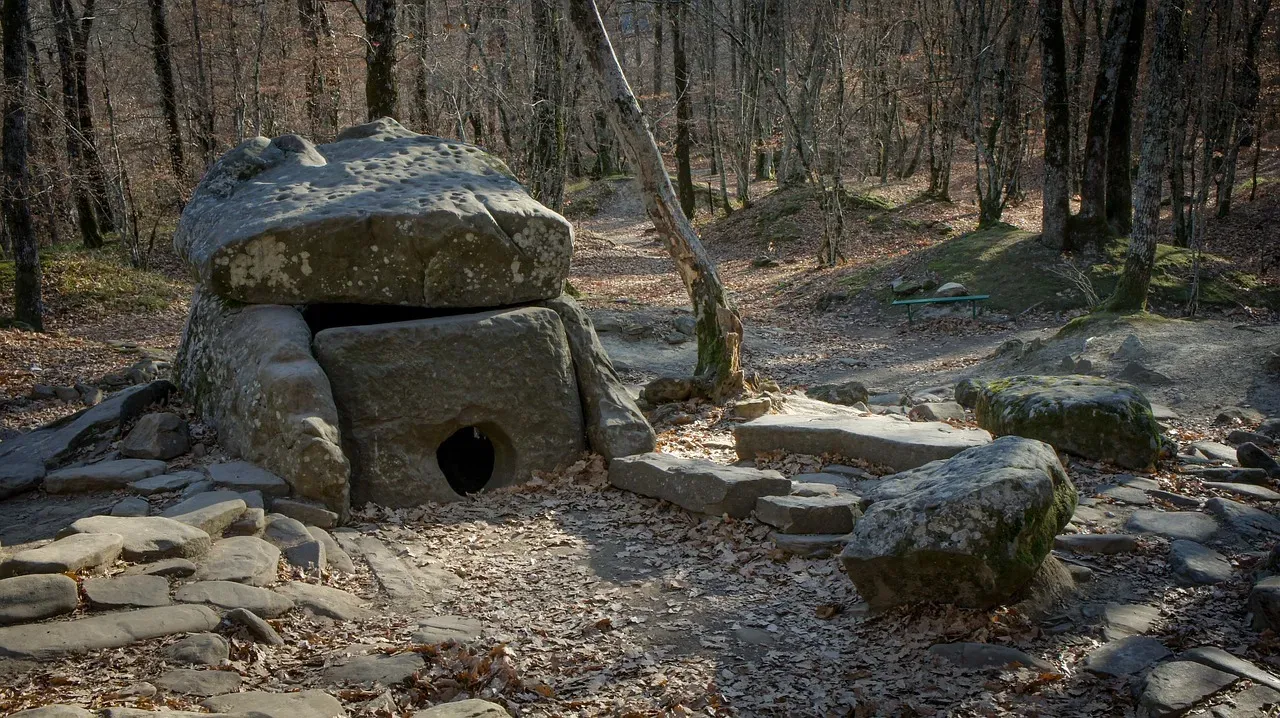
Throughout New England’s forests and fields, particularly in Vermont and New Hampshire, stand hundreds of mysterious stone chambers, with some experts claiming there may be over 250,000 miles of stone walls under the region, featuring advanced engineering and orientation to solar events. These aren’t your typical colonial root cellars either. The construction techniques and astronomical alignments suggest something far more sophisticated.
Throughout New England there are hundreds of mysterious stone chambers and structures, with theories ranging from Native Americans and early settlers to Norsemen and Irish Monks, and the Upton Chamber features a beehive-like dome with fundamental stonework knowledge and astronomical alignment. Yet nobody can definitively say who built them or why. The structures predate European settlement in some cases, but lack the typical markers of Indigenous American construction. It’s hard to say for sure, but they might represent a chapter of American history we’ve completely overlooked.
That Norse Penny That Changes Everything
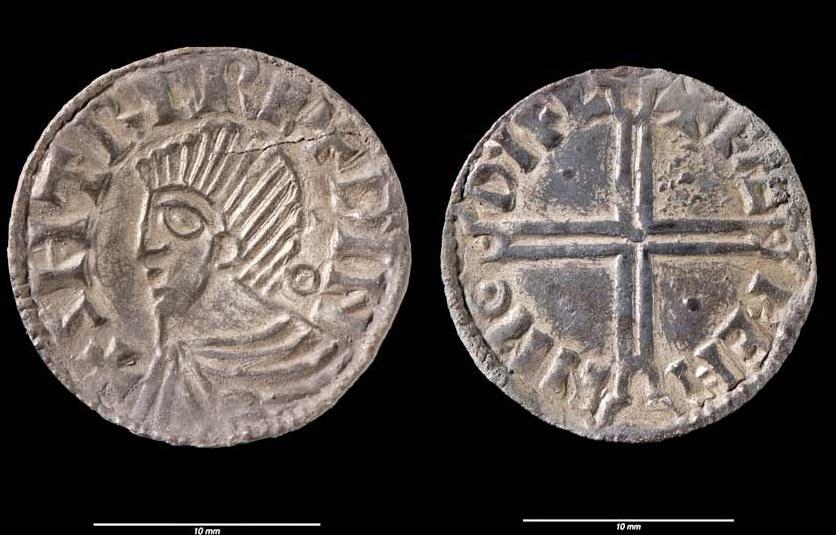
While excavating a Native American settlement in Maine in 1957, archaeologists found a small coin that was later identified as Norse, minted between 1065 and 1080, making it the only pre-Columbian Norse artifact ever found in the US. Just one coin might not sound like much, yet think about what it represents. Vikings in Maine centuries before Columbus.
The really puzzling part? Of the nearly 20,000 objects found over a 15-year period at the Goddard Site, the coin was the sole non-native artifact. If Vikings had truly explored Maine extensively, you’d expect to find more evidence scattered around. Some researchers believe the coin traveled through Indigenous trade networks from Newfoundland. Others see it as proof of direct contact. Either way, that single penny has sparked decades of debate and remains unexplained in terms of how exactly it arrived at that specific location.
Structures Abandoned Before Columbus Ever Sailed
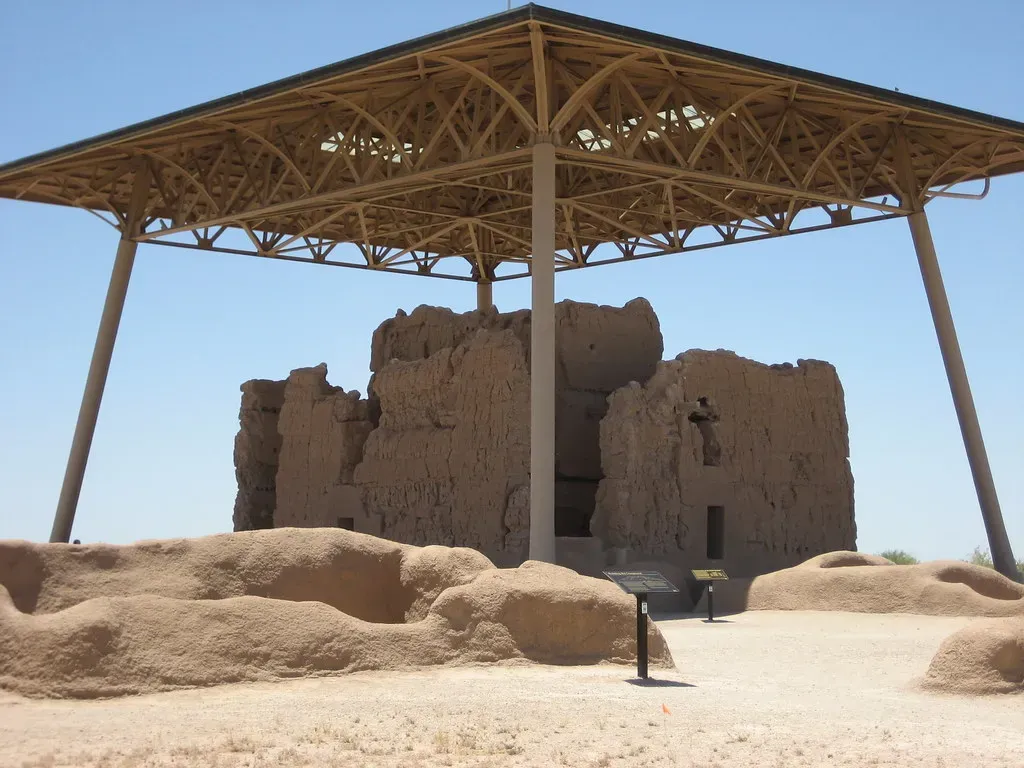
Archaeologists know Casa Grande in Arizona was probably constructed in the early 13th century using adobe, but they don’t know what the four-story central building was for, and the site was abandoned nearly half a century before Columbus’s voyage. This pattern repeats across America: sophisticated settlements simply deserted with no clear explanation.
The Cahokia Mounds in Illinois are the remains of the largest pre-Columbian settlement north of Mexico, more populous than London in the twelfth century, with downtown Cahokia’s population estimated at 10,000 to 15,000 during its wettest period between 1050 and 1100. Then it collapsed. Climate change likely played a role, but the scale of these civilizations constantly surprises researchers who underestimated the complexity of pre-Columbian American societies.
Petroglyphs With No Translation
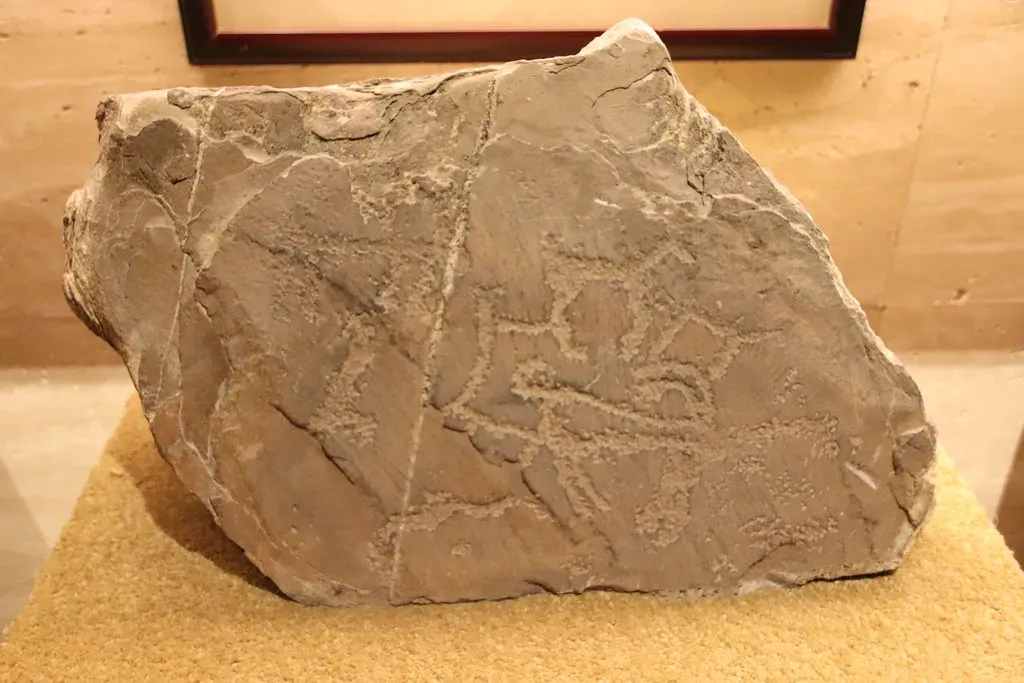
Carved rocks are scattered throughout North America, telling stories we can’t quite read. The Hemet Maze stone has a single three-foot square carving with an intricate interlocking maze pattern, and archaeologists have found only a handful of other instances of this particular design in California, with no idea about their origin, meaning, or significance. Some patterns appear nowhere else on the continent.
The Hagood Creek Petroglyphs, excavated in 2003 after lying hidden beneath a dirt road, show 32 distinct petroglyphs thought to be 1,000 to 2,000 years old, but experts haven’t been able to pinpoint a specific era or decipher what the carvings were communicating. Without a Rosetta Stone for these ancient messages, we’re left guessing. The symbols could represent territorial markers, spiritual ceremonies, astronomical observations, or something we haven’t even considered.
Why Modern Development Destroys Evidence

Preconstruction digs at Miami sites have uncovered hundreds of human burials and archaeological features related to Tequesta, but preservation advocates complain that the city did relatively little to protect or publicize these finds, with Miami having a troubling history of allowing developers to pave over indigenous history. This isn’t unique to Miami. Across America, construction projects unearth artifacts that get briefly documented, then vanish under concrete.
In West Virginia, everything unearthed near a 2,000-year-old Adena mound during a federally funded excavation was given up for reburial within a year, including not only cremated bones but artifacts like chipping waste, food refuse, pollen samples, and soil samples. The tension between cultural sensitivity, scientific study, and economic development creates a situation where we’re actively losing chances to understand our past. Some artifacts remain unexplained simply because they were destroyed before anyone could properly study them.
Conclusion
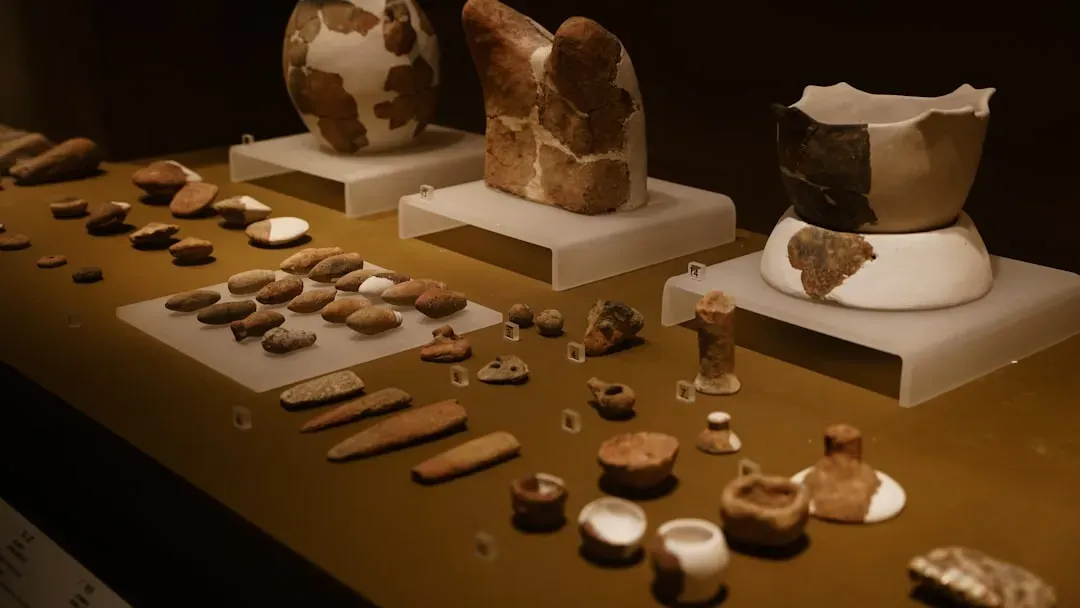
The abundance of unexplained artifacts from early American history reflects a perfect storm of challenges. Dating methods remain imperfect and contested. Historical hoaxes have made scientists justifiably skeptical of extraordinary claims. Many structures and objects simply don’t fit our established narratives about who was here and when. Modern development continues to pave over potential evidence before it can be properly examined.
Perhaps the most humbling realization is that these mysteries persist because American history is far deeper and more complex than we once believed. Every genuine artifact that defies explanation reminds us how much we still don’t know about the people who lived here thousands of years before European contact. As archaeological techniques improve and new discoveries emerge, some of these puzzles might finally get solved. Yet honestly, many will likely remain mysteries for generations to come.
What’s your take on these unexplained artifacts? Do you think we’re missing obvious explanations, or is American prehistory hiding even bigger surprises?