The ancient continent of North America was once a colossal hunting ground ruled by some of the most terrifying creatures ever to shake the ground beneath their feet. Long before humans walked these lands, titanic predators stalked forests, floodplains, and river valleys with tools that make modern weapons look pedestrian. We’re talking teeth like railroad spikes, claws that could slice through bone like butter, and jaws powerful enough to crush a car.
You might think you know these monsters from movies and museum dioramas. Truth is, what science has uncovered about them keeps getting more fascinating with every fossil discovery. These weren’t mindless killing machines, but sophisticated hunters that evolved over millions of years to dominate their environments in ways that still boggle the minds of paleontologists working today.
The Thunder Lizard King: Tyrannosaurus Rex
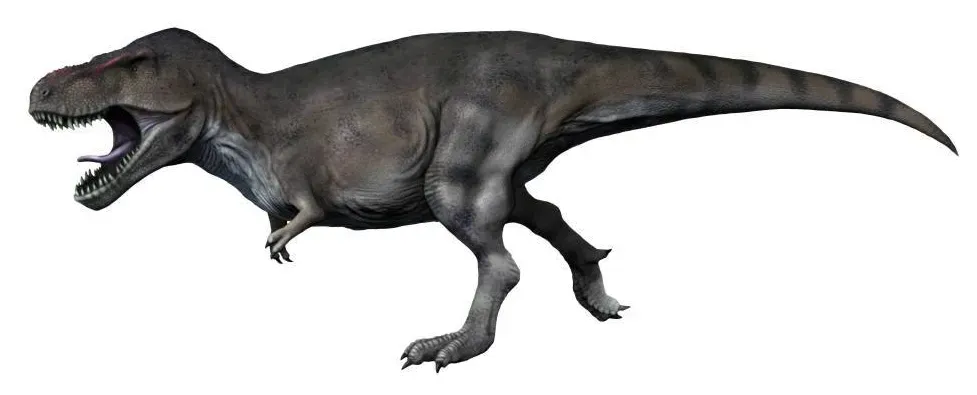
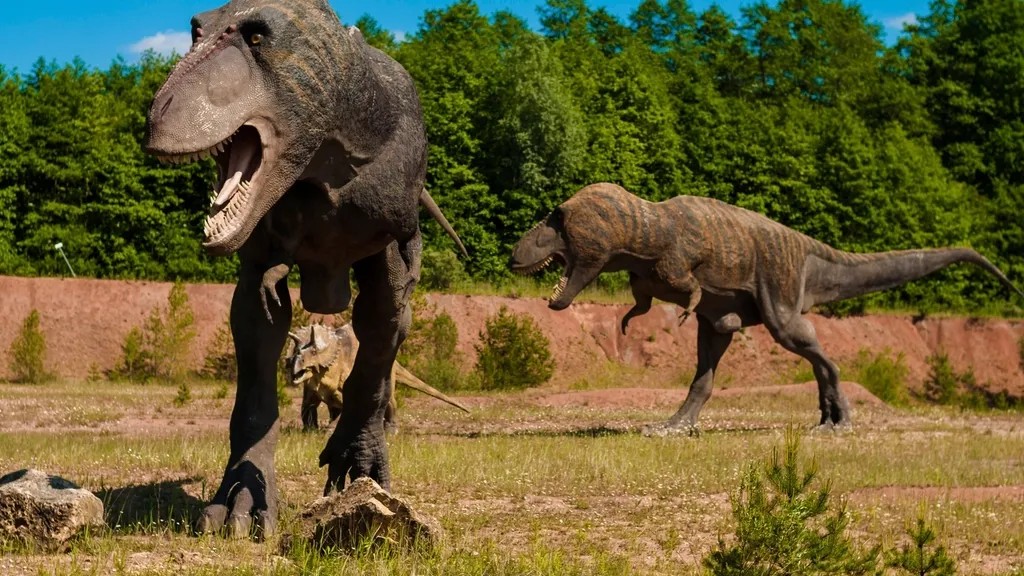
Tyrannosaurus rex lived throughout what is now western North America on the island continent known as Laramidia, roaming the land between 69 and 66 million years ago during the late Cretaceous period. This dinosaur’s muscular body stretched as long as 40 feet from its snout to the tip of its powerful tail, weighing up to eight tons. Let me tell you, that’s roughly the size of a school bus with the weight of six cars stacked on top.
The head of T. rex featured a stiff skull that allowed it to channel all muscle force into one bite, delivering up to six tons of pressure, and used its 60 serrated teeth, each about eight inches long, to pierce and grip flesh. Evidence of predatory behavior includes a tooth crown embedded in a hadrosaurid caudal centrum surrounded by healed bone growth, indicating the prey escaped and lived for some time after the injury. This wasn’t some lazy scavenger. Recent analyses suggest that Tyrannosaurus, while slower than large modern terrestrial predators, may well have been fast enough to prey on large hadrosaurs and ceratopsians.
The High-Spined Terror: Acrocanthosaurus
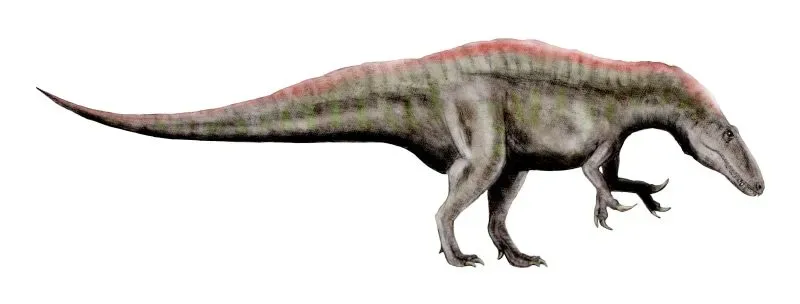
This massive carnivorous dinosaur weighed up to seven tons and roamed North America over 155 million years ago, measuring 36 feet in length, with first remains discovered in 1940 in Oklahoma, and later fossils found in Texas, Utah, and Arizona. The name literally translates to “high-spined lizard.” This theropod grew to a size comparable to the later Tyrannosaurus, suggesting that Acrocanthosaurus was the apex predator of North America after Allosaurus and before the tyrannosaurs.
What made this beast truly intimidating was its distinctive spinal ridge. Arcrocanthosaurus had a high-spine feature, which is a defense mechanism to make it look larger when there is danger and probably regulate its body temperature. Think about encountering something that size that could make itself look even bigger. The study focuses on alpha predators during the Cretaceous, including Acrocanthosaurus atokensis, and how they superseded each other in the changing environment.
The Gap-Filler Giant: Siats Meekerorum
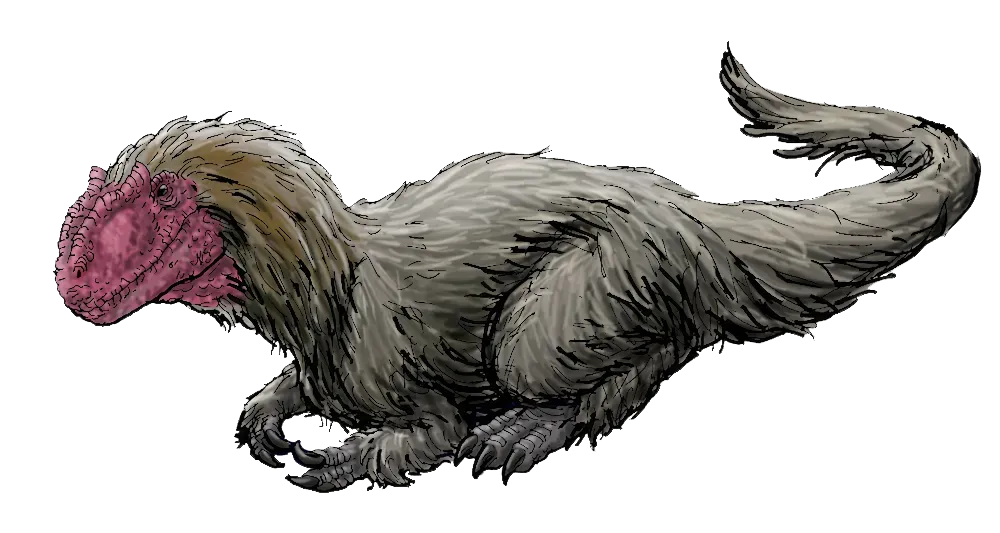
This newly discovered species, Siats meekerorum, pronounced see-atch, was the apex predator of its time and kept tyrannosaurs from assuming top predator roles for millions of years. Honestly, the name comes from a cannibalistic man-eating monster from Ute tribal legend, which tells you everything about how paleontologists felt when they found this thing. The recovered specimen belonged to an individual that would have been more than 30 feet long and weighed at least four tons, yet these bones are from a juvenile, with theorization that an adult might have reached the size of Acrocanthosaurus.
Siats fills a gap of more than 30 million years in the fossil record, during which time the top predator role changed hands from carcharodontosaurs in the Early Cretaceous to tyrannosaurs in the Late Cretaceous. Here’s the thing that makes this discovery so important. In the rock beds that contain the colossal bones of Siats, we also find the teeth of relatively tiny tyrannosaurs about the size of a large dog, and early tyrannosaurs lived in the shadow of gigantic allosaurid carnivores like Siats.
The Jurassic Apex: Allosaurus
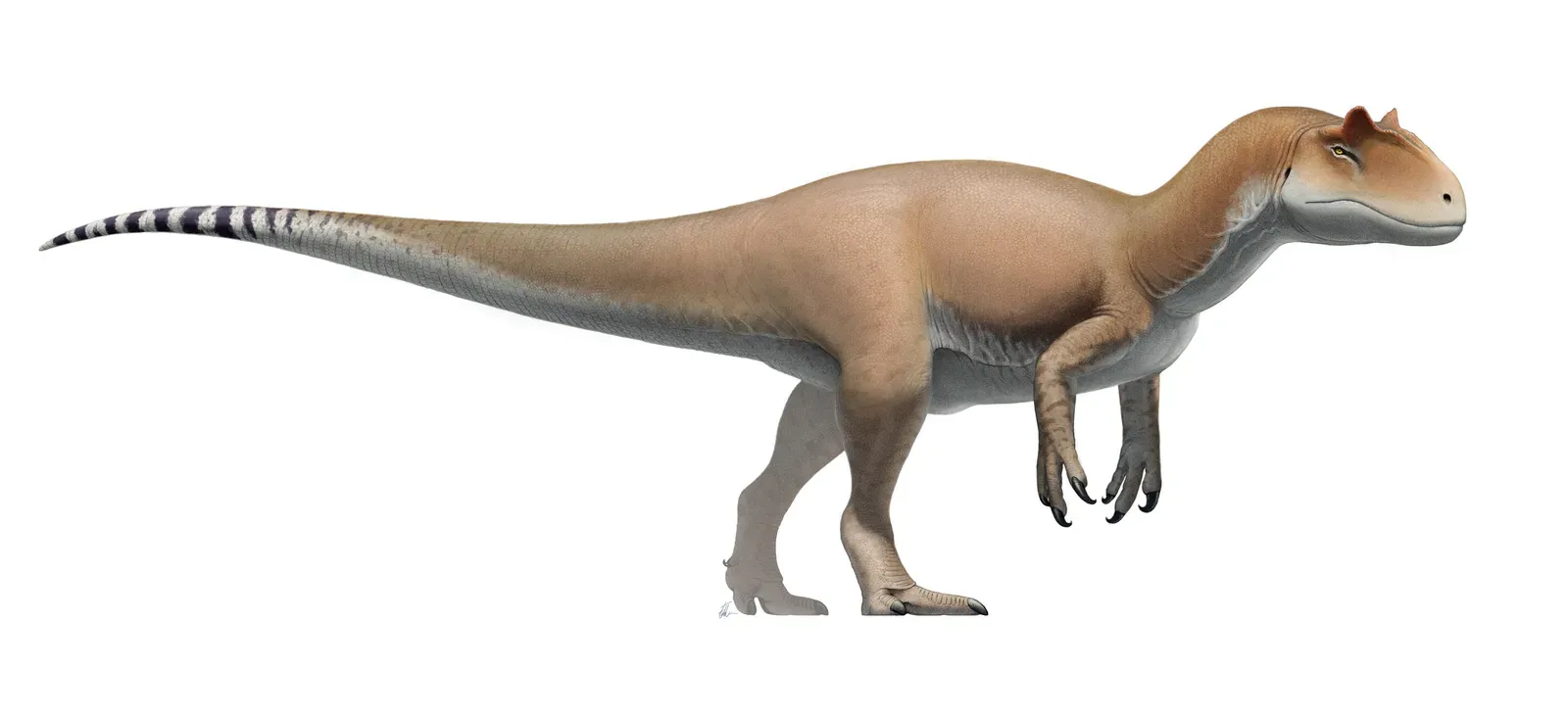
Allosaurus is a genus of theropod dinosaur that lived 155 to 145 million years ago during the Late Jurassic period, with the best known species being A. fragilis, and the bulk of remains coming from North America’s Morrison Formation. It averaged 8.5 meters in length for A. fragilis, with the largest specimens estimated at being 9.7 meters long, and had three-fingered hands that were small relative to the large and powerful legs. This wasn’t the biggest predator ever, but it was everywhere.
Allosaurus is the best represented large theropod dinosaur in the fossil record and seems to have been the predator design of the late Jurassic. What fascinates me about this creature is the debate over its hunting strategy. As the most abundant large predator of the Morrison Formation, Allosaurus was at the top of the food chain and probably preyed on large herbivorous dinosaurs such as ornithopods, stegosaurids, and sauropods, with scientists debating whether Allosaurus had cooperative social behavior and hunted in packs or was a solitary predator.
The Intelligent Hunters: Deinonychus
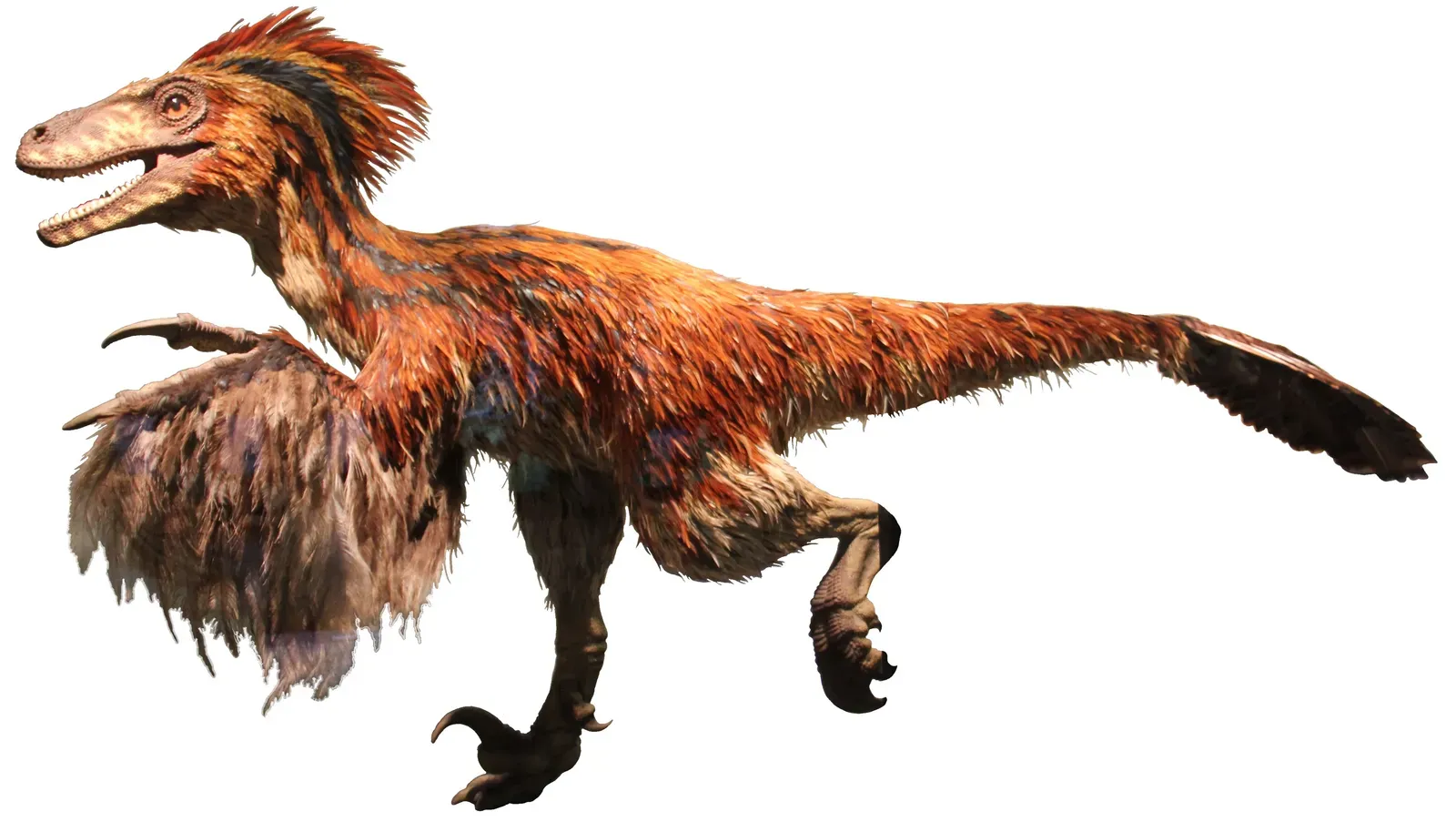
This dinosaur would have been the terror of North America towards the end of the early Cretaceous, not just because of the long sickle-shaped claws on its feet, but because Deinonychus is one of the main inspirations about dinosaurs hunting in packs. Roughly the size of a wolf, these creatures captured public imagination like few others. They’re actually the real-life inspiration for the raptors in Jurassic Park, which were called Velociraptors but sized more like Deinonychus.
Recent discoveries have complicated our understanding of their behavior, though. It was discovered in 2020 that Deinonychus may not have practiced mammal-like pack hunting, based on differing dietary preferences in adults and juveniles, despite this, the authors stated that gregariousness was still possible for Deinonychus. Several studies undertaken in the 2010s found great similarity between Deinonychus claws, particularly on the second toe, and modern birds of prey, suggesting that like modern predatory birds, Deinonychus likely used its claws to immobilize prey smaller than itself and to consume it live.
The Giant Raptor: Utahraptor
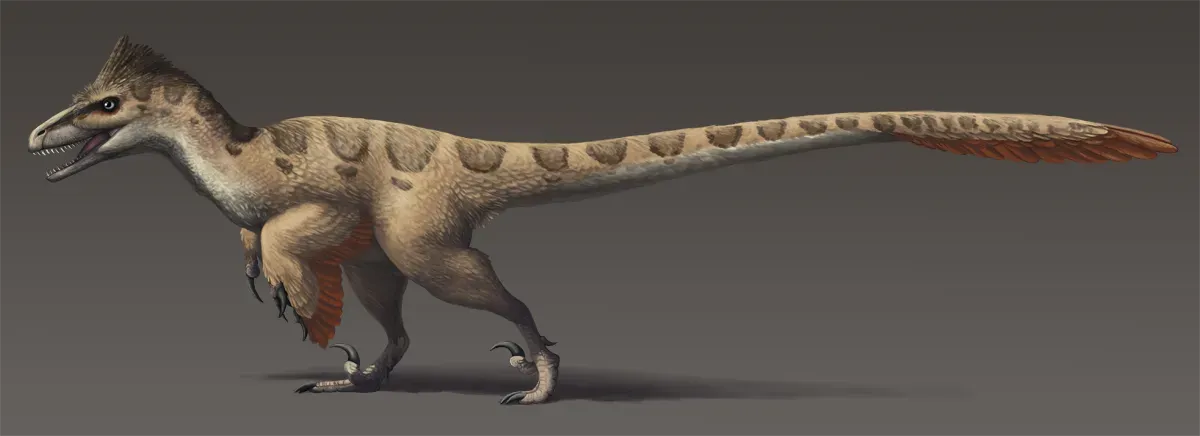
Utahraptor was the largest and most massively built dromaeosaur, with an estimated weight of 617 to 800 pounds, rivaling a large black bear or small grizzly in size. In typical dromaeosaur fashion, Utahraptor had an outsized, sickle-shaped claw on each foot, which were held upright as the animal walked, with both claws including a core of bone measuring up to 8.7 inches long. Imagine claws nearly nine inches of solid bone core, not counting the keratin sheath that would have covered them in life.
A site was determined to contain the bones of at least seven individuals, including an adult measuring about 4.8 meters, four juveniles, and a hatchling about 1 meter long, also fossilized with the Utahraptor pack are the remains of at least one possible iguanodont, with speculation that the Utahraptor pack attempted to scavenge carrion or attack helpless prey mired in quicksand. According to Gregory S. Paul, Utahraptor was not particularly fast and would have been an ambush hunter that preyed on large dinosaurs such as the contemporary iguanodonts and therizinosaurs, with its robust build and large sickle claw indicating it was well suited to hunting such prey.
The Early Predator Gap: Utahraptor’s Dominance
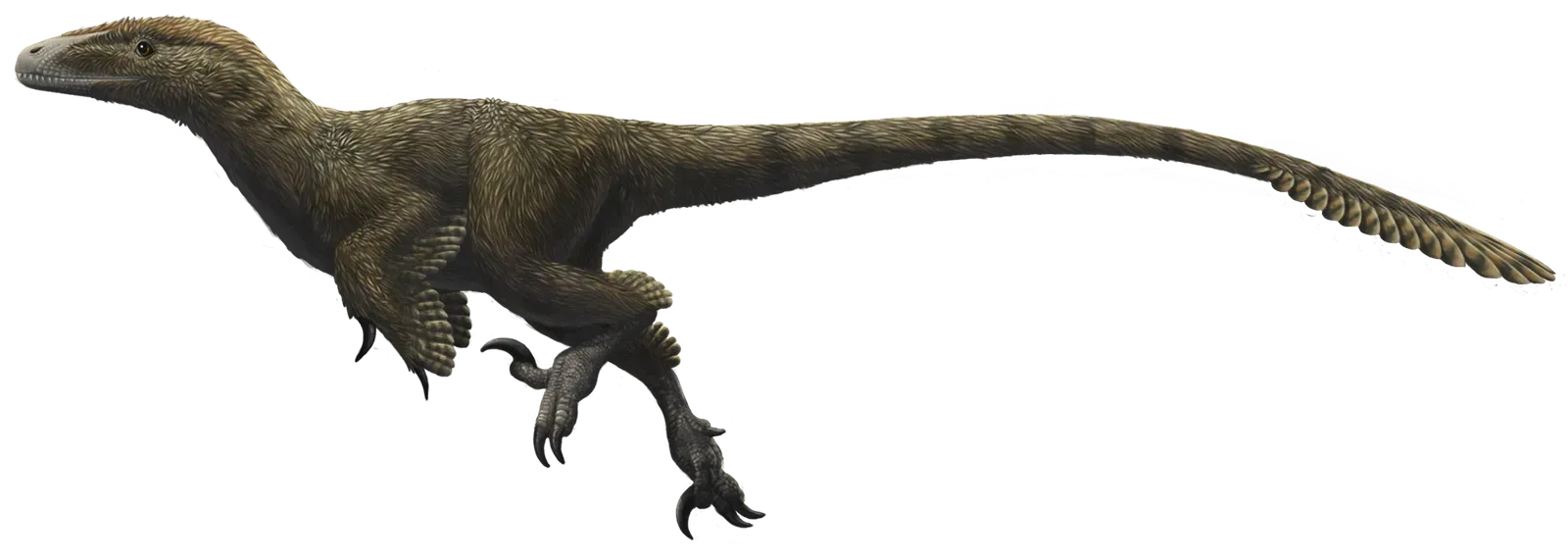
The end of the Jurassic saw the extinction of a number of large theropods, and it appears to have taken some time for a new large theropod to arise after the Jurassic period ended roughly 145 million years ago, with the first fairly large theropod to appear in North America at the start of the Cretaceous being the large dromaeosaur Utahraptor ostrommaysorum, with adult specimens estimated at 5-7 meters long and close to 450-700 kilograms, however Utahraptor didn’t appear until some 126 million years ago. This created a fascinating window in time when raptors, not giant carnosaurs or tyrannosaurs, ruled the continent.
Utahraptor lived in the lower part of the Cedar Mountain Formation, a bed known as the Yellow Cat Member, and according to the authors of its description, Utahraptor had an important ecological role as a major carnivore of the paleofauna of the present-day Arches region during the Early Cretaceous. About 135 million years ago, local subsidence in Grand County uniquely preserved a series of lakes and ponds teeming with lungfish, chainmail covered bony fish, and spiny sharks, and Utahraptor stalked iguanodonts and young sauropods.
The Eastern Mystery: Appalachiosaurus
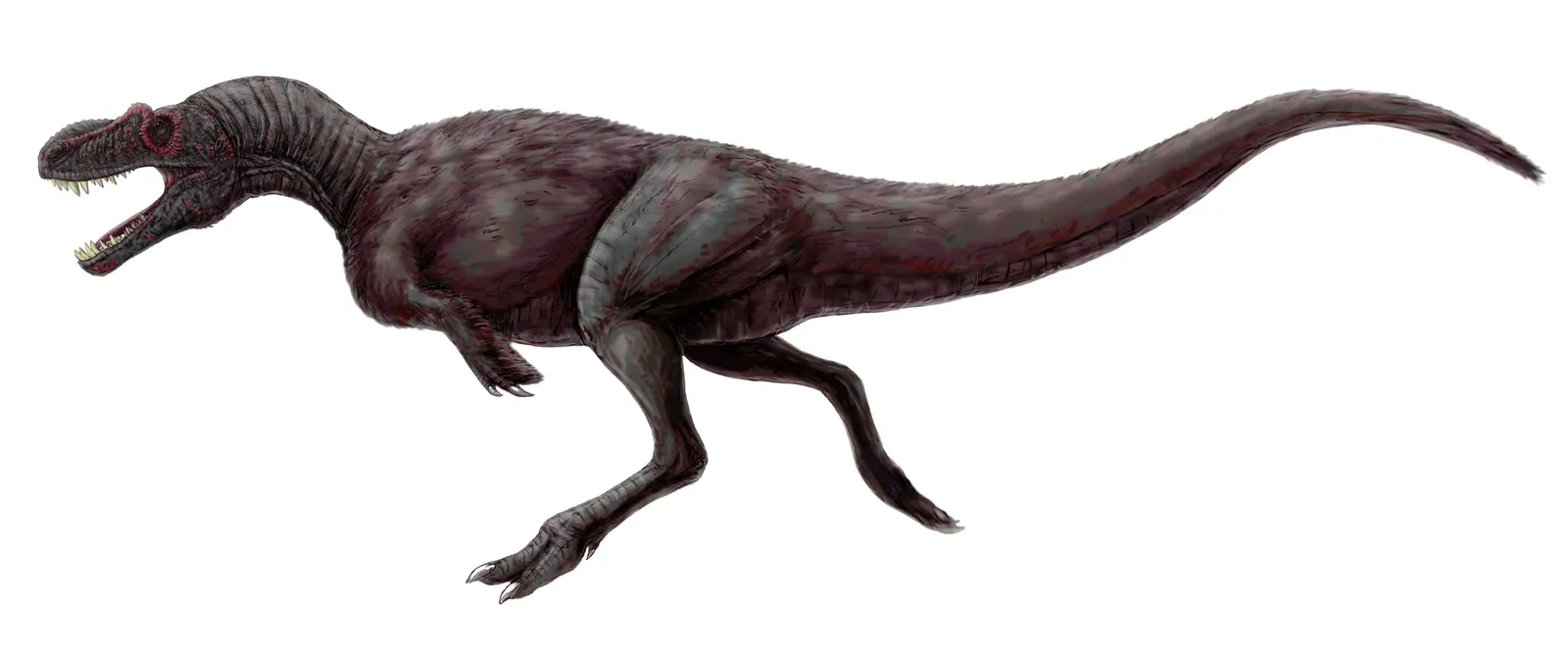
Appalachiosaurus was a dinosaur that lived during the Late Cretaceous period, and in the Late Cretaceous, North America was still divided into the western paleocontinent Laramidia and the eastern paleocontinent Appalachia. Appalachiosaurus was a huge theropod that roamed modern day Eastern USA in the Late Cretaceous. The eastern half of North America remains far more mysterious than the western fossil beds, making every discovery precious.
In this world, Appalachiosaurus was a top predator, and as a carnivore, it would have hunted other Appalachian dinosaurs and possibly smaller animals, with its strong jaws and sharp teeth well suited for this task, and speed and agility would have allowed it to chase down and capture its prey. Appalachiosaurus inhabited an area known as Appalachia, stretching from what is now northern Canada to Alabama, and was isolated from the rest of North America for nearly 30 million years, leading to the development of unique flora and fauna.
The Continental Shift and Tyrannosaur Rise
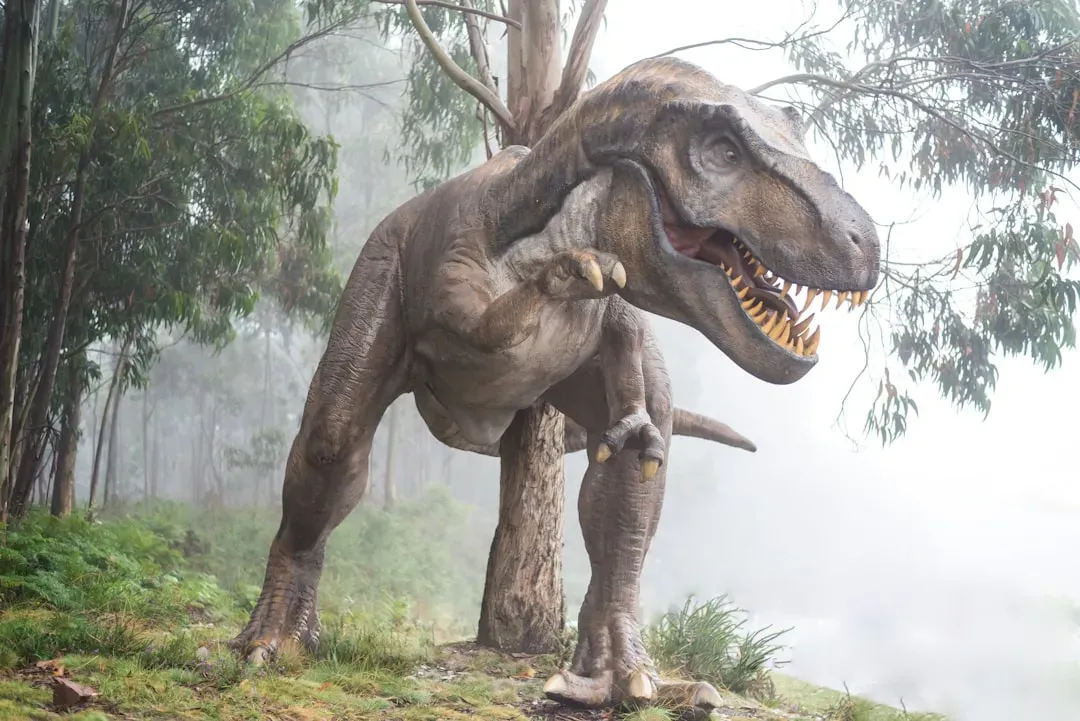
Originating in Asia and spreading across the northern hemisphere, the tyrannosauroids were quickly establishing dominance throughout their range, and as carnosaurs like Siats continued to decline, tyrannosauroids grew in both size and number. By 80 million years ago, North American variants were large enough to officially dethrone the local carnosaurs. This represents one of the most dramatic shifts in ecological dominance ever documented in the fossil record.
These distinct windows into North American dinosaur evolution stand in marked contrast to each other in taxonomic content, degree of endemism and body mass composition, and together bracket a dramatic faunal reorganization of apex predatory guilds on the continent, whereas Late Jurassic assemblages contain a diverse community of medium to large-bodied predators including piatnitzkysaurids, megalosaurids, allosaurids, ceratosaurids and basal tyrannosauroids, apex predator guilds in the latest Cretaceous were taxonomically depauperate, being dominated exclusively by one to three tyrannosaurid species. At the end of the Cretaceous period, only one mega-predatory dinosaur ruled North America: Tyrannosaurus rex.
The Legacy of North America’s Prehistoric Predators
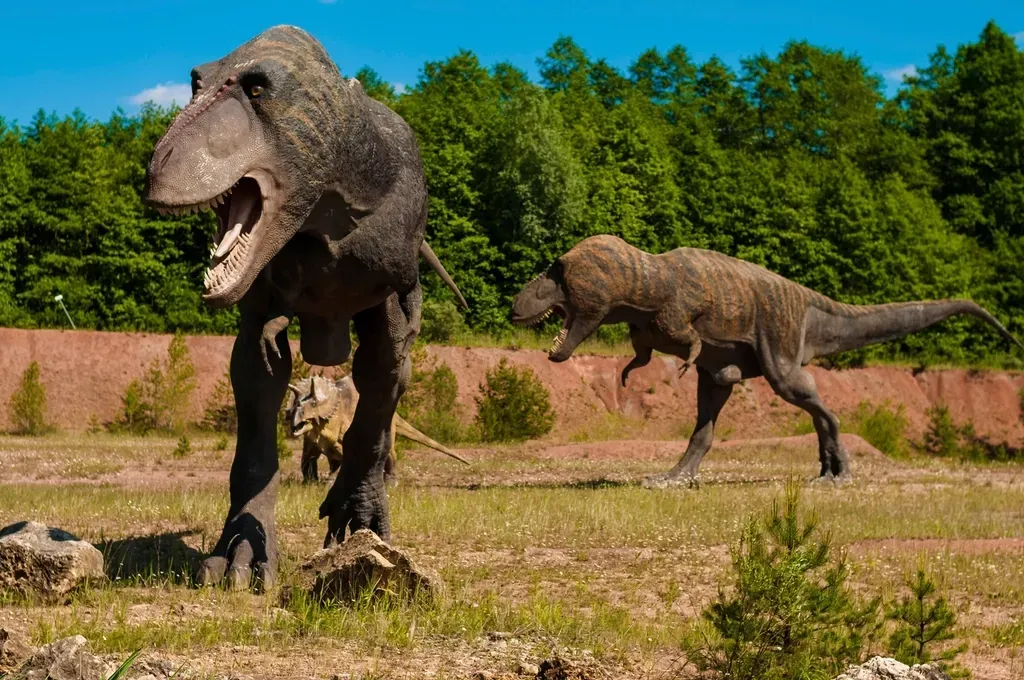
North America has a rich dinosaur fossil record with great diversity of dinosaurs. What makes North American predators particularly fascinating is how they document evolutionary changes over tens of millions of years. Achieving some of the largest body sizes among theropod dinosaurs, these colossal hunters dominated terrestrial ecosystems until a faunal turnover redefined apex predator guild occupancy during the final 20 million years of the Cretaceous.
These giants shaped their ecosystems in profound ways that scientists are still unraveling today. Despite all its advantages, T. rex was no match for the mass extinction event that claimed three quarters of life on Earth 66 million years ago, when an asteroid or comet the size of a mountain slammed into Earth, wiping out Tyrannosaurus rex along with the rest of the non-avian dinosaurs. Their extinction paved the way for mammals to rise, eventually leading to creatures curious enough to dig up their bones and piece together their remarkable stories. What do you think it would have been like to witness these titans in their prime? The thought alone sends shivers down the spine.