
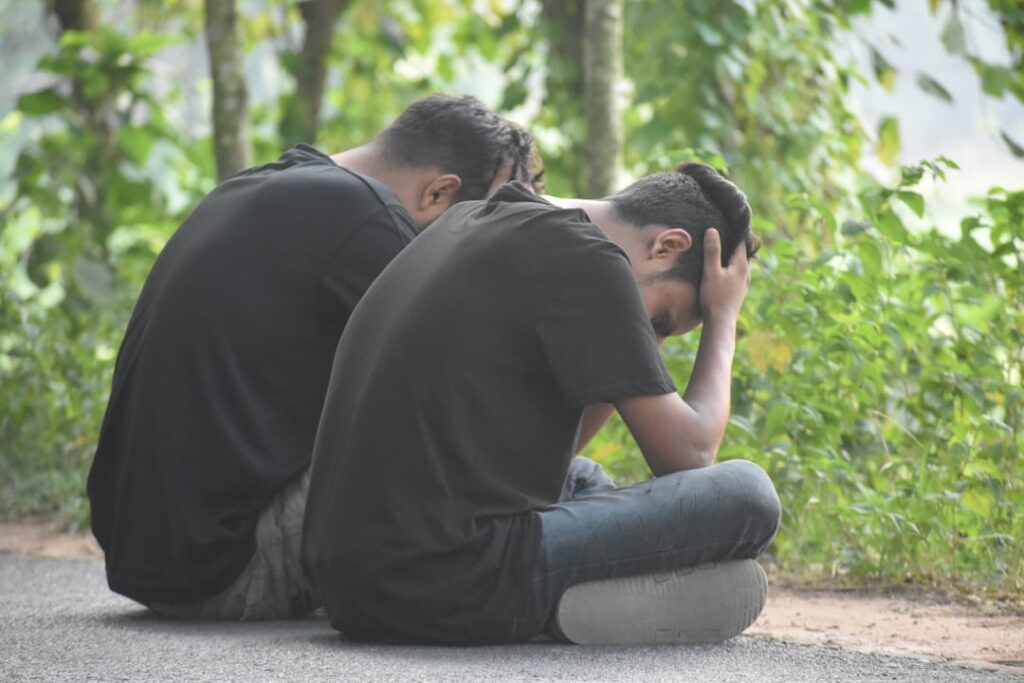
South Africa – Teenage boys in urban townships faced mounting emotional pressures that rigid ideals of manhood often concealed as everyday struggles.
Unspoken Distress Shapes Young Lives
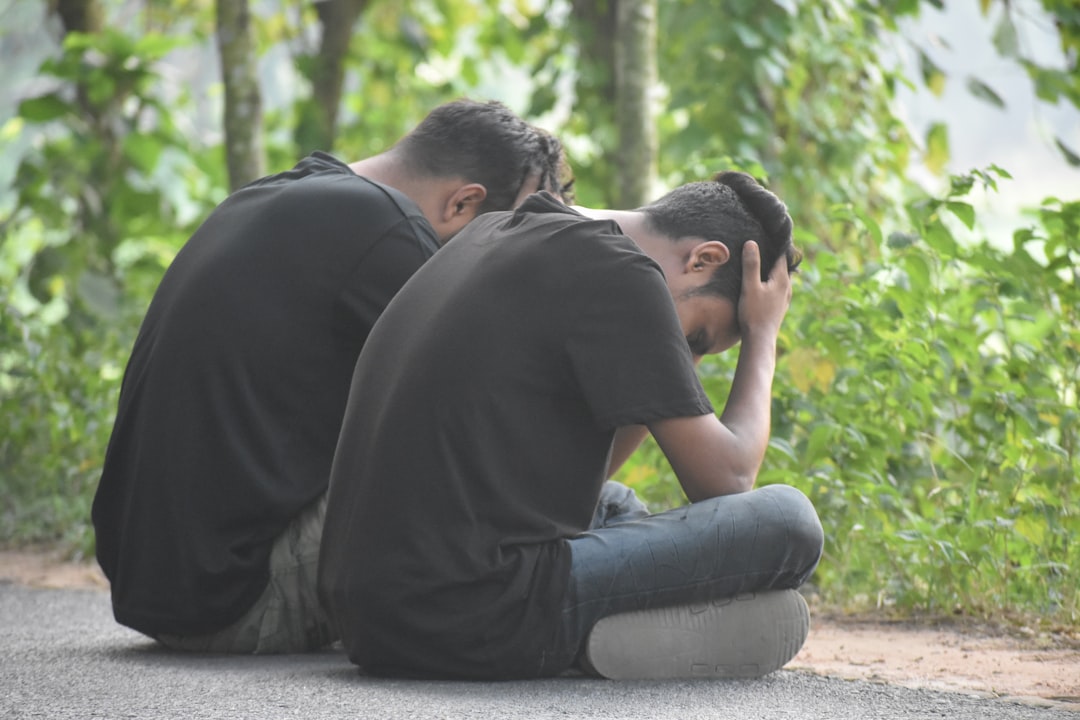
Unspoken Distress Shapes Young Lives (Image Credits: Unsplash)
Researchers examined how adolescent boys in Alexandra, a crowded Johannesburg township marked by poverty and violence, perceived their inner turmoil. Emotional strain emerged frequently, yet participants rarely framed it in clinical terms like anxiety or depression. Instead, they spoke of overwhelming pressure, persistent overthinking, or a sense of being trapped.
These experiences intertwined with daily realities such as family duties, academic demands, and community hardships. Mental health concepts felt remote when survival needs dominated. The study, published in PLOS Mental Health, highlighted this disconnect through in-depth interviews.
Masculinity Norms Enforce Emotional Armor
Traditional expectations portrayed manhood as synonymous with toughness, emotional restraint, and financial provision. Boys learned early that vulnerability invited judgment, pushing them to project strength even amid personal crises. School success or athletic prowess became markers of worth, amplifying the stakes.
Still, subtle pushback appeared. Many participants challenged these strictures privately, embracing ideas of openness and honest expression with trusted figures. This quiet defiance suggested potential for change within communities.
Diverse Ways Boys Cope with Strain
Participants turned to varied outlets for relief. Positive channels included sports, music, and creative pursuits that channeled energy constructively. Informal networks – family members, mentors, or peers – offered solace when trust bridged the gap.
Harmful escapes like alcohol or drugs provided fleeting numbness, underscoring the urgency for healthier alternatives. The research cataloged these approaches:
- Sports and physical activity to release tension.
- Music or art as emotional outlets.
- Conversations with reliable friends or adults.
- Substance use for temporary distraction.
- Community or spiritual practices for guidance.
Stumbling Blocks to Professional Support
Several factors deterred boys from formal mental health services. Stigma painted help-seeking as a sign of extreme breakdown or cultural mismatch, especially in Black communities. Confusion over where to turn compounded the issue, alongside scarce youth-oriented options.
Spiritual explanations often took precedence, delaying recognition of psychological roots. Economic barriers and clinic-based models further alienated potential users. These hurdles reinforced cycles of silent suffering.
Toward Tailored Mental Health Solutions
The findings urged shifts toward culturally attuned, gender-aware interventions. Services should employ familiar language and integrate into trusted settings like schools, sports fields, or youth groups. Such embedding could normalize support and curb stigma early.
By honoring boys’ own narratives, programs might foster environments where emotional honesty thrives. This approach promised broader reach in high-need areas.
Key Takeaways
- Rigid masculinity silences emotional distress, framing it as weakness.
- Boys resist norms quietly, valuing openness with trusted allies.
- Community-based services using everyday terms could bridge access gaps.
These insights from Alexandra point to actionable steps for South Africa’s townships, where young lives hang in the balance. What steps should communities take next? Share your thoughts in the comments.