Ever stood at the edge of a mountain range and wondered how it got there? Those towering peaks weren’t just sitting around since the dawn of time. They’re monuments to violent tectonic encounters that happened millions of years ago, when entire continents smashed into each other with unfathomable force. Think of it as Earth’s own demolition derby, except the crashes happened in ultra-slow motion over tens of millions of years, and the wreckage was pushed upward into mountain chains that scraped the sky.
Here’s the thing. The ground beneath your feet isn’t as stable as you might imagine. Our planet’s surface is broken into massive slabs called tectonic plates, and they’re constantly on the move, albeit at a pace slower than your fingernails grow. When these continental giants collide, the results are nothing short of spectacular, carving the very face of our world and creating the landscapes we see today.
The Architecture of Planetary Violence
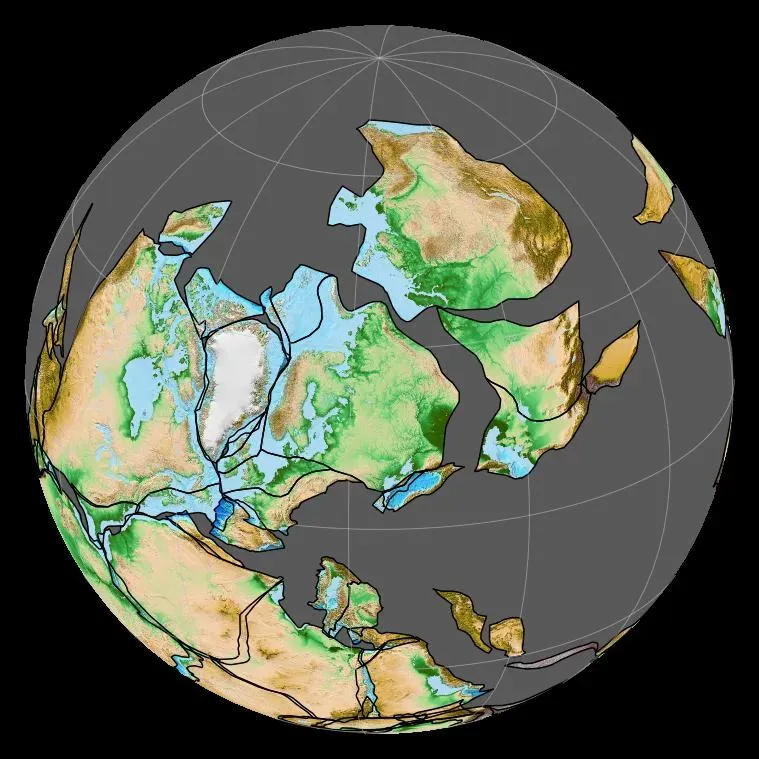
Continental collision happens at convergent boundaries where tectonic plates smash together, destroying subduction zones, building mountains, and suturing two continents into one landmass. Picture two massive ships approaching each other on the ocean. Now replace those ships with continent-sized chunks of rock and imagine the impact happening over millions of years instead of seconds.
This process isn’t instantaneous but can take several tens of millions of years before the faulting and folding caused by collisions finally stops. Continental crust is thick and buoyant, composed mostly of granitic rocks, making it resistant to being subducted into the denser mantle. When two continental plates meet, neither wants to sink, so instead they buckle and crumple upward like a slow-motion car crash where the metal keeps folding higher and higher.
Mountains Rising From Oceanic Graves
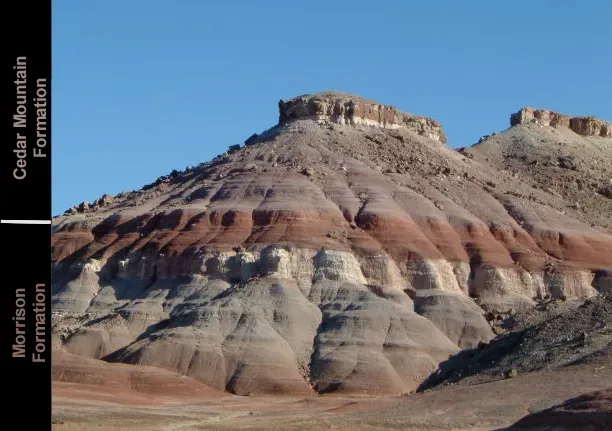
The story usually begins long before the actual collision. As two continents separated by ocean approach each other, the oceanic crust between them is slowly consumed at a subduction zone along the edge of one continent. This sets the stage for what’s coming next, like the calm before a geological storm.
When continental crust buckles under the pressure, mountains rise where a trench used to be. Mountain formation in these collision zones largely results from crustal thickening, where compressive forces from plate convergence cause pervasive deformation and the principle of isostasy raises the mountains. It’s hard to say for sure, but the forces involved are staggering, pushing rock layers that formed at sea level thousands of meters into the air.
The Himalayan Laboratory
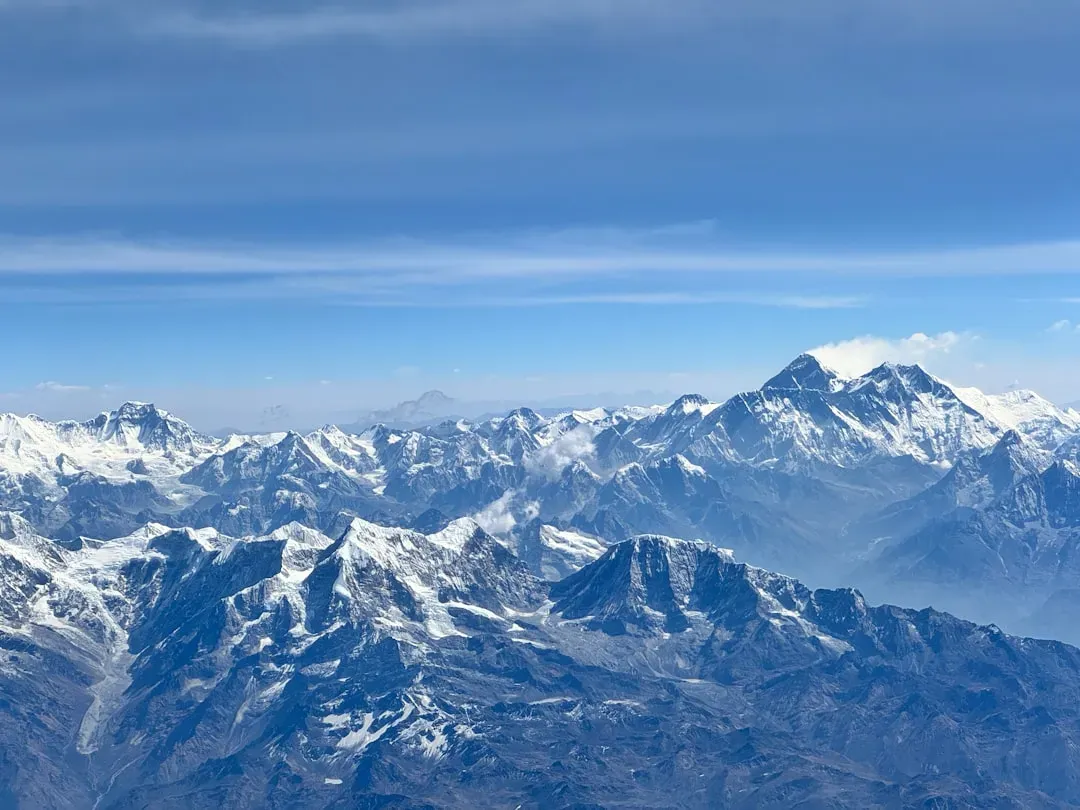
If you want to see continental collision in action, look no further than the Himalayas. The Himalayan mountain range began forming between 40 and 50 million years ago when India and Eurasia collided, and because both landmasses had similar rock density, neither could be subducted beneath the other. India rapidly marched northward toward Asia at roughly 20 centimeters per year, a velocity exceeding any modern example, then slowed to about 5 centimeters per year following the collision, yet continued protruding into Asia for more than 2000 kilometers.
The drama continues today. The Himalayas continue to rise more than 1 centimeter per year, a growth rate that would produce 10 kilometers of elevation in a million years. Let’s be real, that’s astonishing when you think about it. Mount Everest isn’t finished growing yet.
When Pangaea Assembled Its Pieces
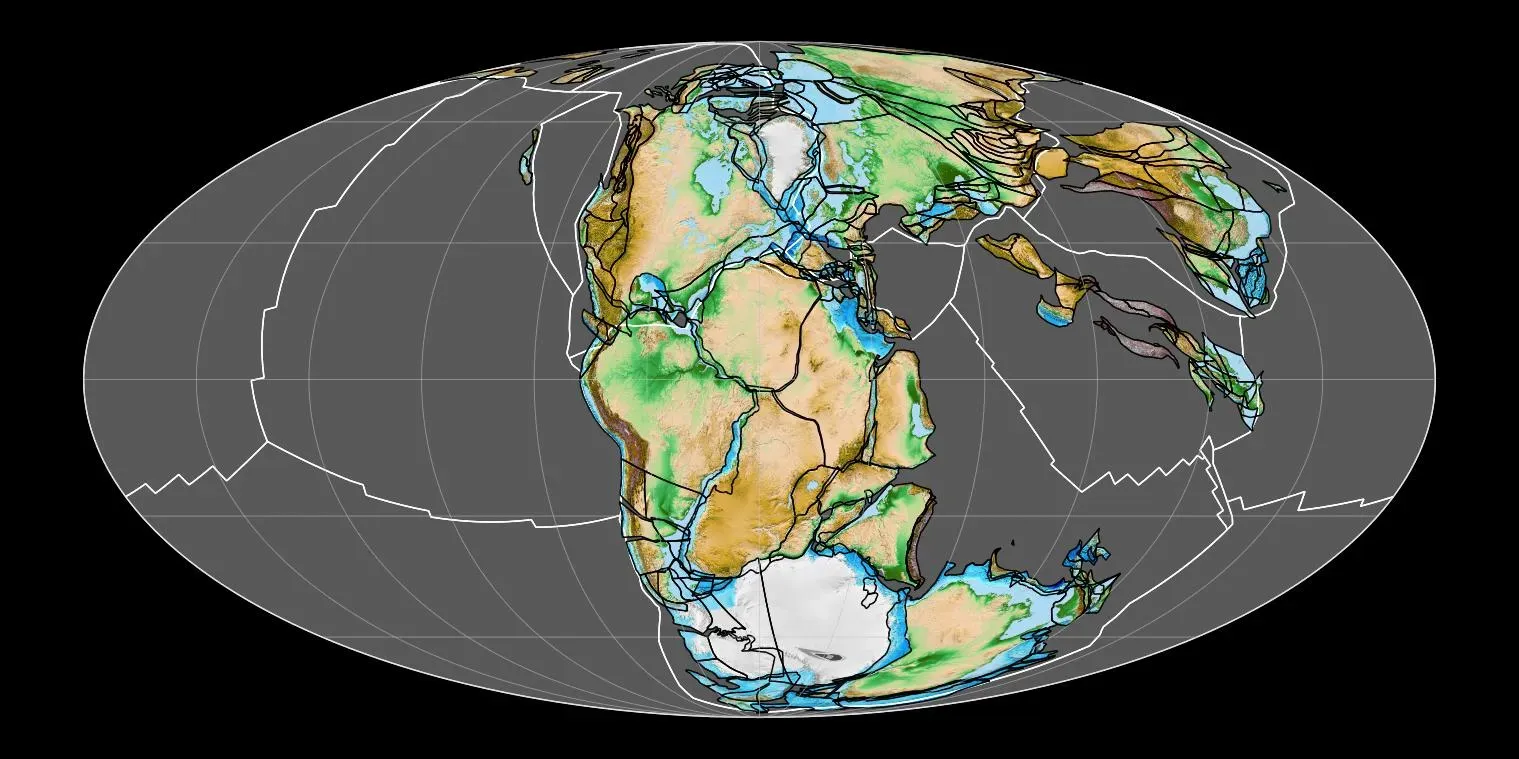
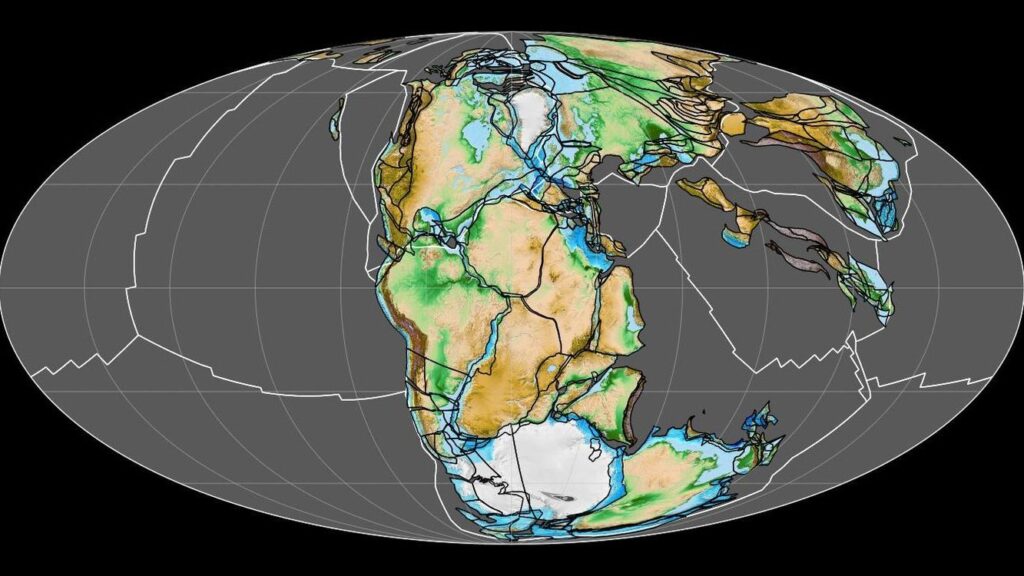
Pangaea was a supercontinent that existed during the late Paleozoic and early Mesozoic eras, assembling from Gondwana, Euramerica and Siberia during the Carboniferous period approximately 335 million years ago. Near the end of the Permian period, Gondwanaland and Euramerica collided to form Pangaea through millions of years involving prolonged periods of intense volcanic and seismic disturbances.
This wasn’t just one collision but a series of massive tectonic encounters. Extensive mountain-building events occurred where continents collided with one another, and the newly created high mountain ranges strongly influenced local and regional terrestrial climates. Honestly, it’s mind-boggling to imagine the scale of geological chaos that unfolded as these landmasses came together, crushing everything between them and thrusting rock formations kilometers into the sky.
The Appalachian Testament
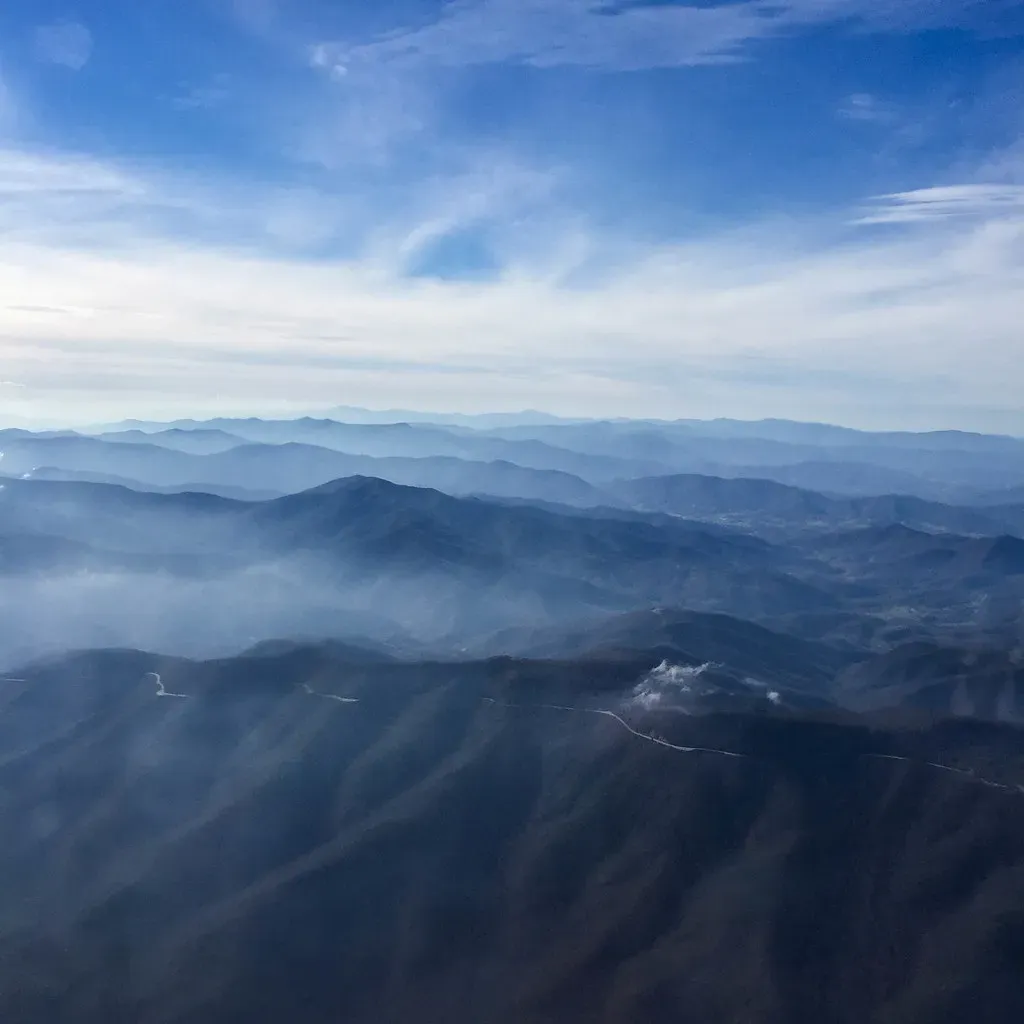
The Appalachian Mountains formed during a collision of continents 500 to 300 million years ago, and in their prime they probably had peaks as high as those in the modern Himalayas, but over the past 300 million years they have eroded to more modest heights. Eventually, the entire Iapetus Ocean closed and the continents collided to form the supercontinent of Pangea, with the Appalachian Mountains forming from terrane accretion and the collision of Gondwanaland with ancient North America.
Around 300 million years ago, the landmass that is now North America collided with Gondwana, a supercontinent comprised of present-day Africa and South America. What remains today are just weathered stumps of what were once towering giants. Some rocks were buried more than 10 miles during the continental collision, then uplifted and exposed by thrust faulting, erosion, and isostatic rebound.
The Hidden Mechanics of Crustal Crumpling
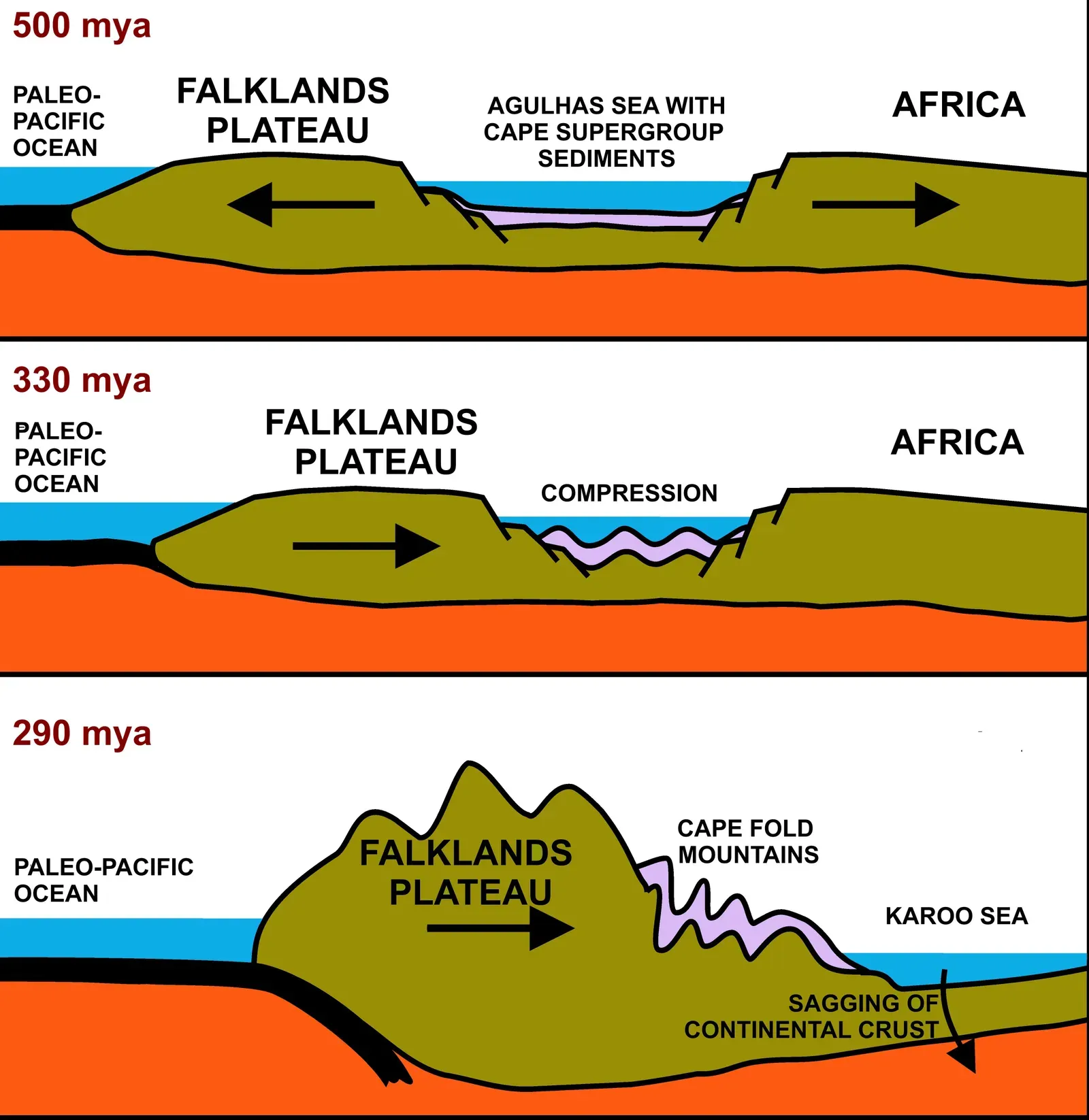
Orogeny is a mountain-building process occurring at convergent plate margins when plate motion compresses the margin, developing an orogenic belt as the compressed plate crumples and uplifts to form mountain ranges. Compressive forces from plate convergence result in pervasive deformation of continental margins, taking the form of folding in the ductile deeper crust and thrust faulting in the upper brittle crust.
Think of it like pushing a rug across a floor. The fabric bunches up and creates folds and wrinkles. Now imagine that rug is made of solid rock and the forces pushing it could move continents. An orogeny begins when mountains start to grow in the collision zone, and rainfall and snowfall increase on the rising mountains, perhaps at a rate of a few millimeters per year. Over geologic time, those millimeters add up to Everest.
Echoes of Ancient Supercontinents
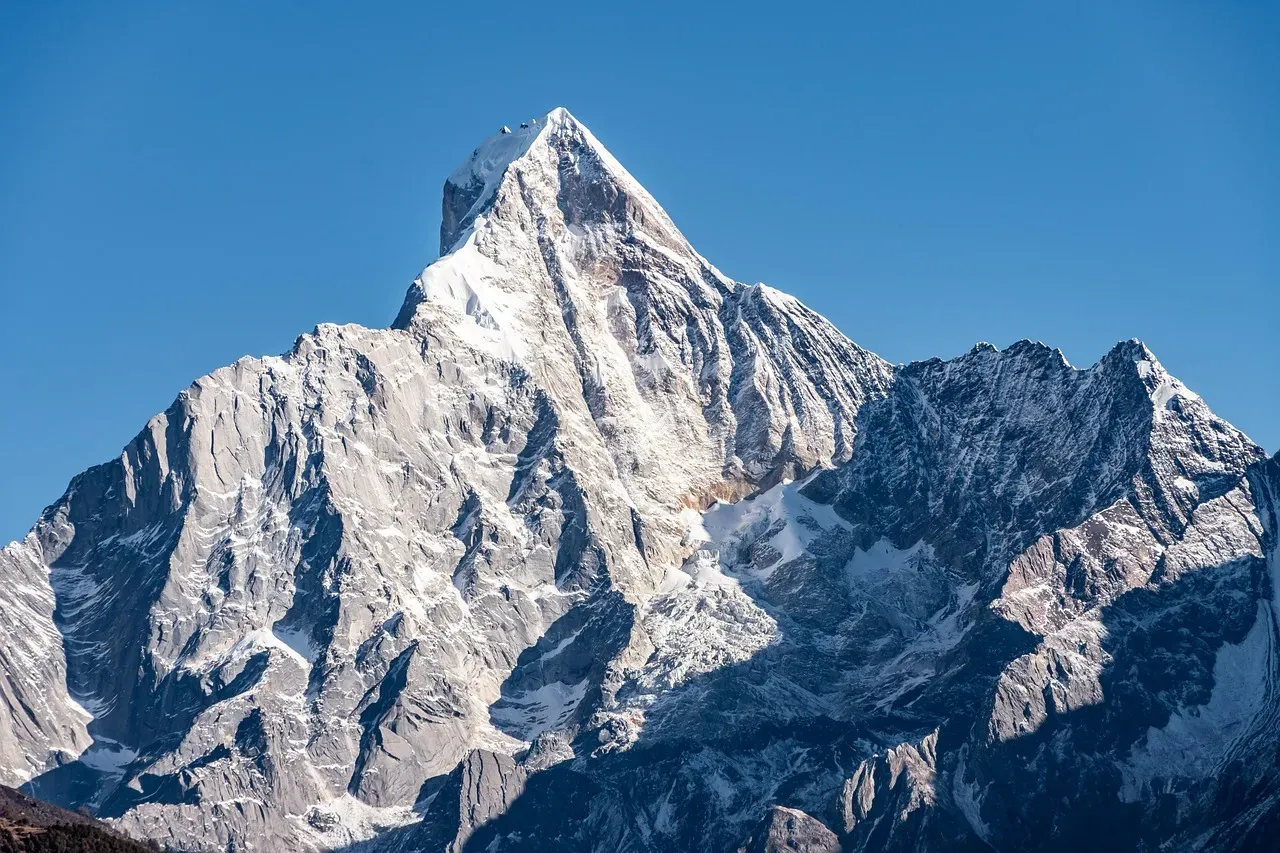
Continental collisions are a critical part of the supercontinent cycle and have happened many times in the past. Fossil examples of continental collisions provide critical insights into the geological processes that shaped ancient supercontinents, preserved through rock records such as metamorphic complexes, suture zones, and sedimentary basins. These zones tell stories written in stone, tales of continents that drifted, collided, and eventually tore apart again.
Coal beds and plant fossils of West Virginia were preserved along deltas at sea level below the slopes of a mountain range created by continental collision 300 million years ago, and although this ancient mountain range has been subsequently reduced to nothing by wind and rain, its height and extent are believed to have equaled or exceeded the Himalayas of today. It’s almost impossible to wrap your head around that kind of transformation. Mountains taller than Everest once stood where we now find gentle hills and valleys.
The through continental collision remain active today. Our planet continues its slow dance of drifting plates and crushing impacts, sculpting terrain that future generations will puzzle over just as we marvel at the Himalayas and wonder at the weathered Appalachians. These geologic processes remind us that Earth is anything but static. It’s a dynamic, ever-changing world where even the most solid ground beneath our feet is just a temporary arrangement of rocks caught between the next great collision. What do you think about these enormous forces shaping our world? Tell us in the comments.