You’ve probably walked across ancient rock formations without ever really thinking about what’s beneath your feet. Here’s the thing, though: North America harbors some of the oldest stories ever told. Not in words, obviously. In stone, in fossils, in those silent markers of unimaginably distant times when the very idea of a human being didn’t even exist yet.
The continent you know today is actually a patchwork quilt stitched together over billions of years, pieced from fragments that drifted, collided, and fused under conditions that would seem utterly alien to you now. Long before towering forests darkened the skies, long before animals with backbones crawled onto land, the stage was being set by organisms so small you’d need a microscope to see them. Let’s be real, the journey from microscopic bacteria to hundred-foot trees is one of the most dramatic transformations in Earth’s history, and North America has the receipts.
When the Continent Was Young: Ancient Rocks and the Birth of a Landmass
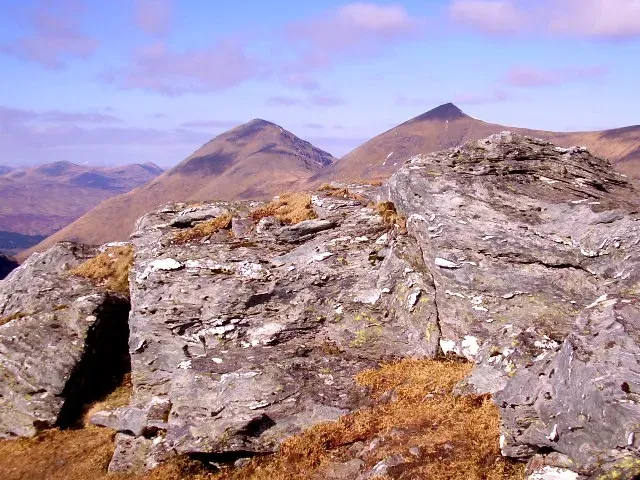
The heart of North America came together between about two billion and one point eight billion years ago when several continental fragments coalesced. Picture this: enormous landmasses grinding together like tectonic puzzle pieces, fusing into what geologists call the North American Craton. This stable core is the North American Craton, much of which was also the core of an earlier continent called Laurentia, with the exposed portion called the Canadian Shield.
The oldest rocks known on Earth are four point three billion year old rocks found along the eastern shore of Hudson Bay in northern Quebec, part of the Canadian Shield, the ancient core of the North American continental landmass. Think about that for a second. These rocks predate almost everything else we can touch on this planet. Rocks in the craton are more than two billion years old in places and were assembled through time as smaller microcontinents and terranes crashed together. I know it sounds crazy, but the ground beneath your feet is basically a graveyard of ancient continents.
The First Whispers of Life: Bacteria, Stromatolites, and Ancient Seas
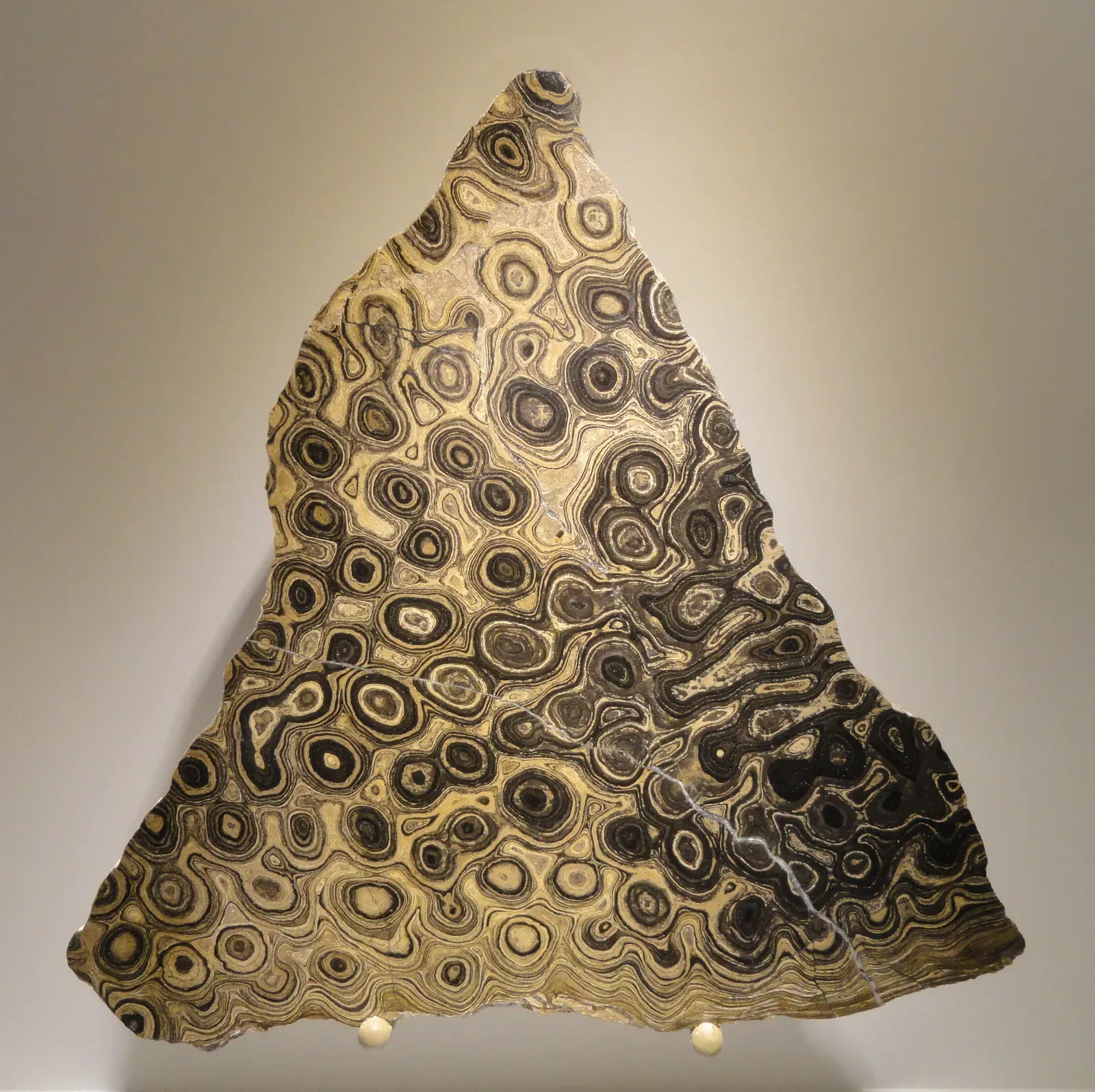
Life didn’t wait for things to get pretty before showing up. It was early in the Archaean Eon, roughly three point nine to two point five billion years ago, that life first appeared on Earth, with the oldest fossils dating to roughly three point five billion years ago consisting of bacteria microfossils. These weren’t exactly glamorous organisms. We’re talking single-celled bacteria, photosynthetic microbes that formed layered structures called stromatolites.
The earliest solid evidence for life is found in stromatolitic formations in Western Australia and South Africa, dated as three point five billion years old. Honestly, stromatolites might not look like much, just rocky mounds and domes. Yet these are the oldest fossils on earth, dating back to more than three billion years ago, and they were the dominant life form on earth for over two billion years, thought to be primarily responsible for the oxygenation of the atmosphere. Precambrian cyanobacteria remains from this age were preserved between Copper Harbor and Eagle Harbor on the shoreline of Lake Superior in the Upper Peninsula of Michigan, offering North America its own ancient biological record etched in stone.
Building a Habitable World: Oxygen and the Great Transformation
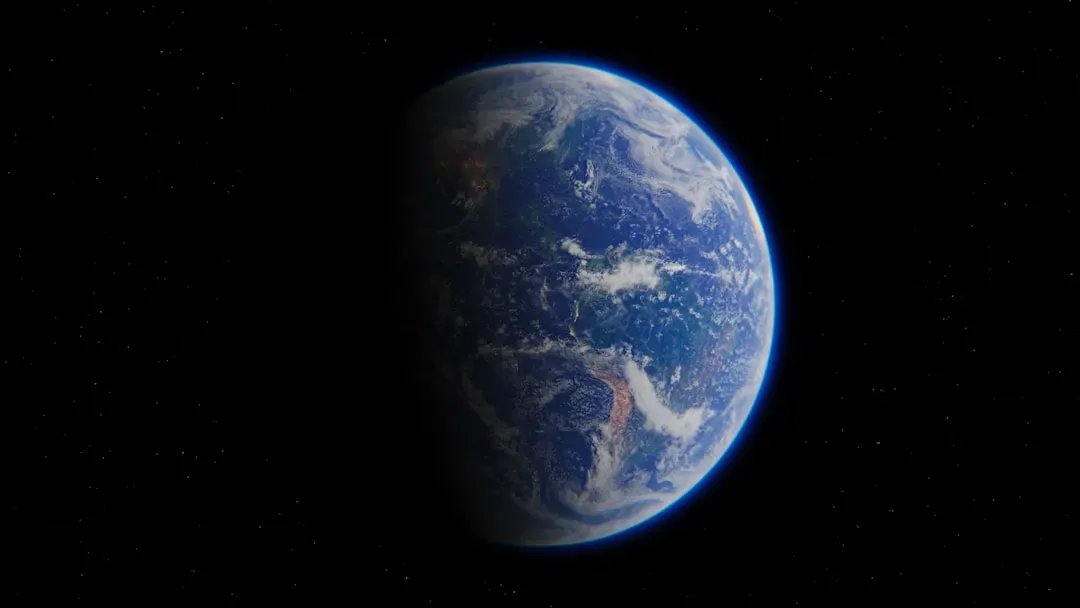
While stromatolites are rare today, fossil evidence suggests the ancestors of the microbes that build them were the dominant form of life for most of Earth’s history, using gases in Earth’s early atmosphere to their advantage, taking in carbon dioxide and water and releasing oxygen into the atmosphere, helping create the conditions that would later support life as we know it. Let’s pause on that. Tiny bacteria fundamentally changed the planet’s chemistry. They turned a suffocating, oxygen-poor world into one where complex life could eventually breathe.
It’s hard to say for sure, but without these ancient microbes doing their slow, patient work over billions of years, you wouldn’t be here reading this. The appearance of the first eukaryotic cells in the fossil record was relatively followed by evidence of complex multicellular life. Those eukaryotic cells, with their complex internal structures, opened the door to organisms that were bigger, more sophisticated, and ultimately more diverse.
When Forests Were Born: The Devonian Revolution
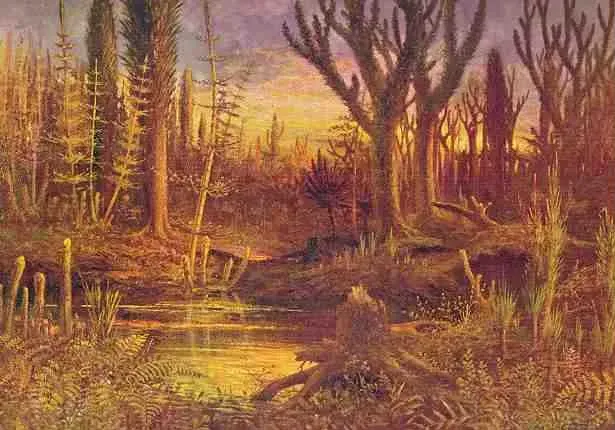
Fast forward to the Devonian Period, roughly four hundred million years ago, and something extraordinary was happening. The first significant evolutionary radiation of life on land occurred during the Devonian, as free-sporing land plants began to spread across dry land, forming extensive coal forests which covered the continents. Before this, the land was essentially barren. Now it was getting crowded.
The development of roots, seeds, leaves, and woody tissues provided the means for species diversification, growth into large trees, and finally the development of the first forests, with roots improving water and nutrient absorption and the ability of plants to anchor into soil, which also appeared during the Devonian. Soil itself was a new invention, if you think about it. Dead plants decaying into nutrient-rich earth created a foundation for even more plant growth. Toward the end of the Devonian the first forests arose as stemmed plants evolved strong, woody structures capable of supporting raised branches and leaves, with some Devonian trees known to have grown one hundred feet tall. Picture trees as tall as a ten-story building rising from newly formed soils. That’s the Devonian for you.
North America’s Swampy Giants: The Carboniferous Coal Forests
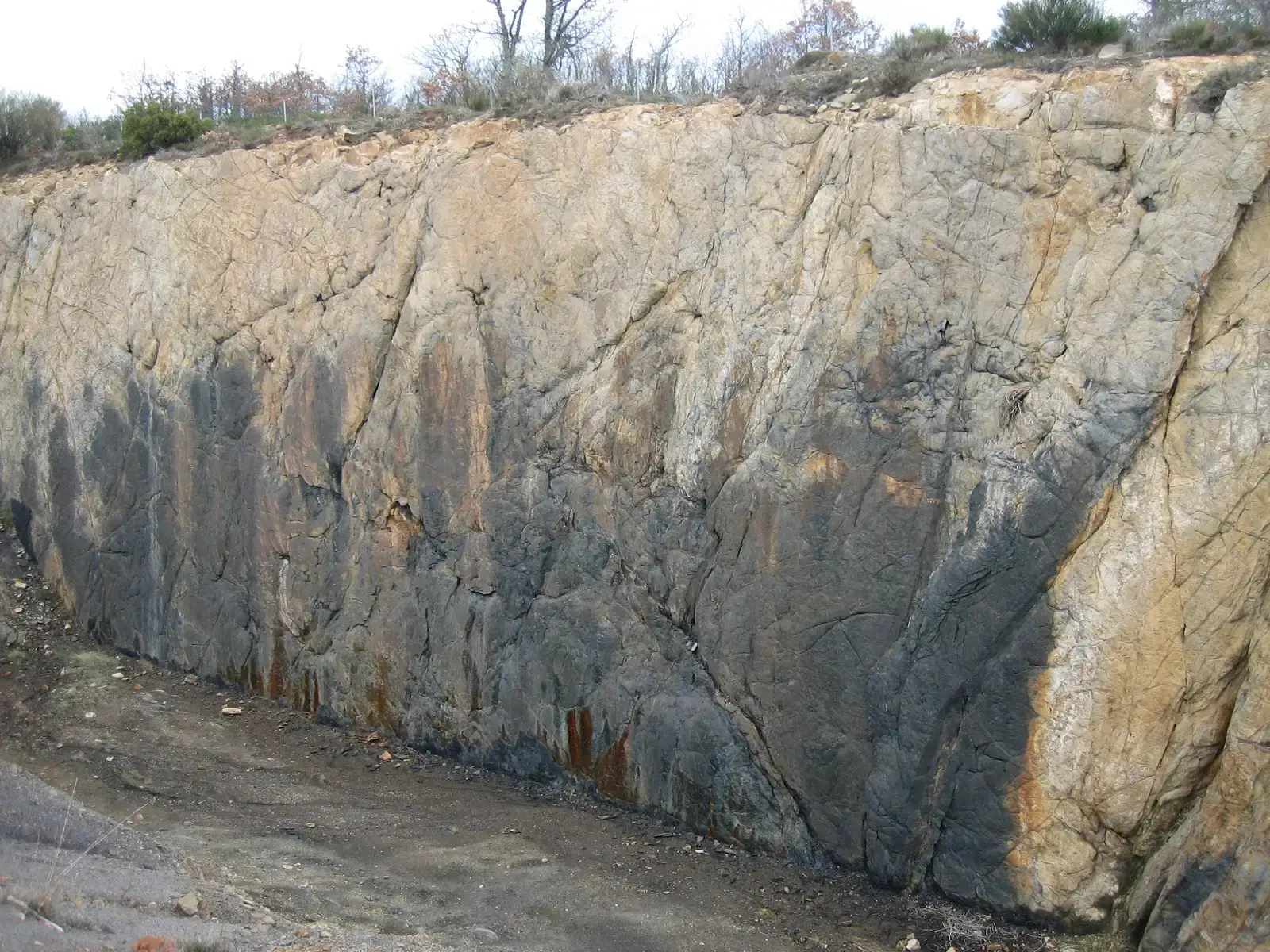
If the Devonian introduced forests, the Carboniferous Period turned the volume up to eleven. Coal forests or coal swamps were vast swathes of freshwater swamp and riparian forests that covered much of the lands on Earth’s tropical regions during the late Carboniferous and Permian periods, and as plant matter from these wetland forests decayed, enormous deposits of peat accumulated, which later became buried and converted into coal. North America, along with Europe and Asia, was draped in these steamy, swampy forests.
During the ensuing Pennsylvanian, the northward drift of Gondwanaland finally joined the southeastern United States to North America as Pangaea began to form, mountain building raised the Ancestral Rockies in Colorado, Utah, and Wyoming, seawaters left the interior of the country, and densely vegetated swamps were widespread. The air was thick, the vegetation dense. Carboniferous coal was produced by bark-bearing trees that grew in vast lowland swamp forests, with vegetation that included giant club mosses, tree ferns, great horsetails, and towering trees with strap-shaped leaves, and over millions of years the organic deposits of this plant debris formed the world’s first extensive coal deposits. The coal you might burn today for heat? It’s the compressed remains of those ancient forests.
Giants of the Swamps: Strange Trees and Colossal Arthropods
The trees themselves were bizarre by modern standards. The Equisetales included the common giant form Calamites, with a trunk diameter of thirty to sixty centimeters and a height of up to twenty meters, while Sphenophyllum was a slender climbing plant with whorls of leaves. Imagine bamboo-like giants towering overhead, their segmented trunks casting strange shadows.
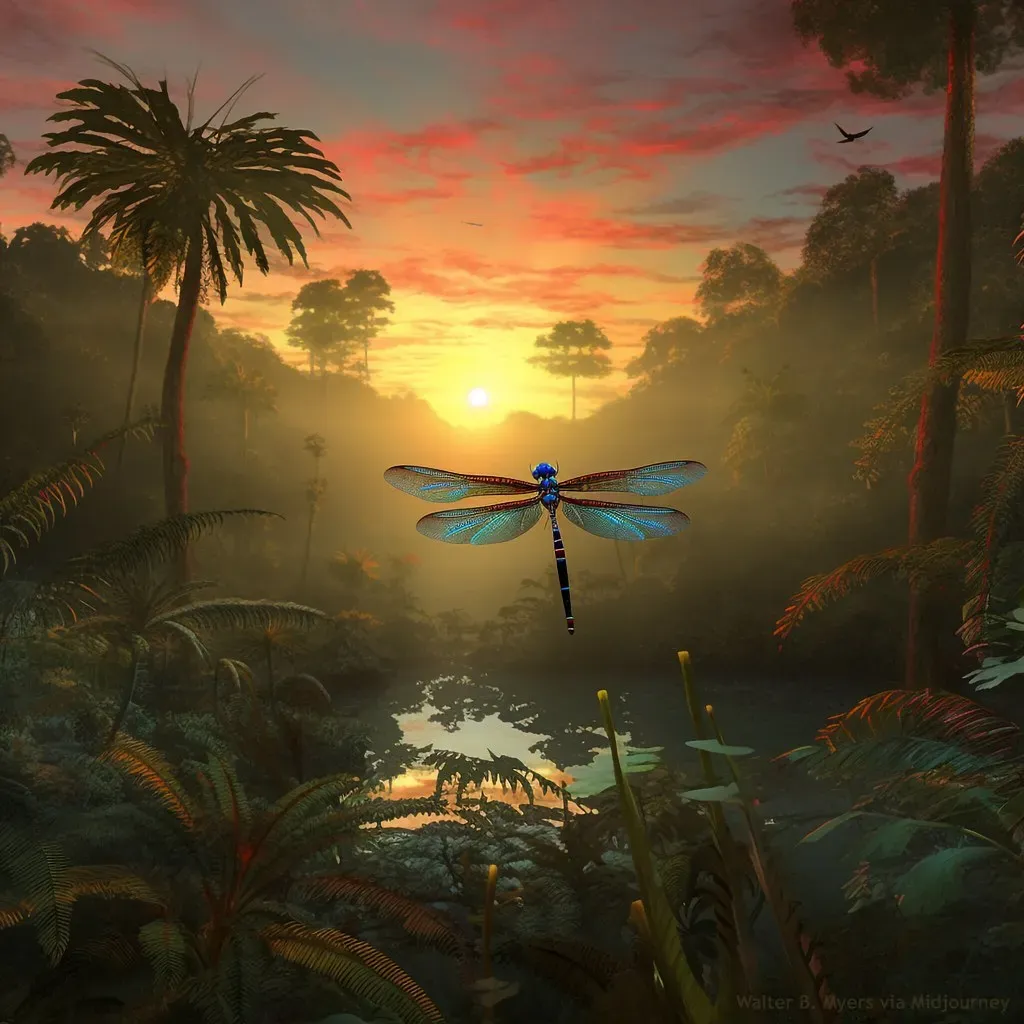
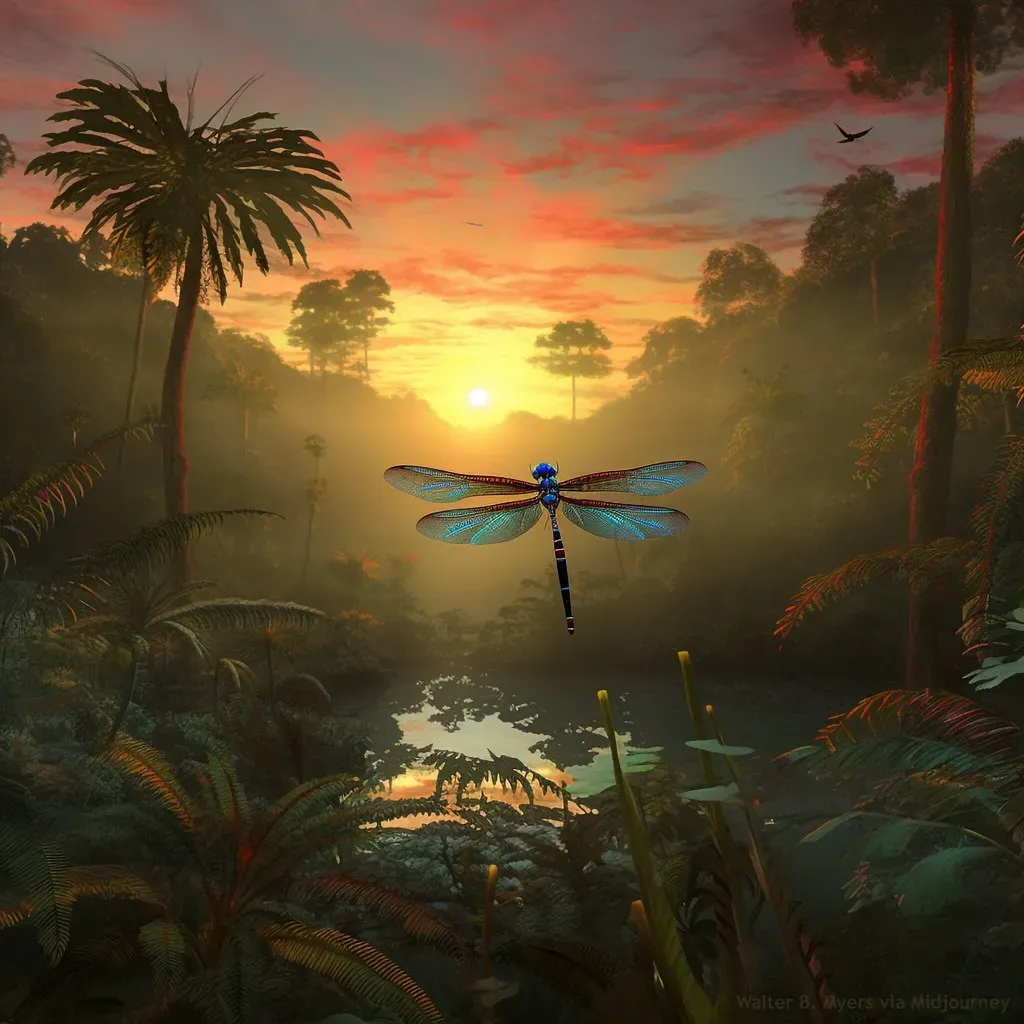
Then there were the animals. The largest insects in geologic history lived during the Pennsylvanian. We’re talking dragonflies with wingspans approaching two and a half feet. This process may have greatly increased the atmospheric concentration of oxygen to possibly as high as about thirty-five percent, making the air more breathable by animals with inefficient respiratory systems. Higher oxygen levels meant arthropods could grow to sizes that would be impossible today. Maybe they’re waiting for something that only happens thousands of years later, but honestly, those oxygen-rich skies allowed life to experiment in ways we’ll never see again.
The Legacy Beneath Our Feet: Coal, Climate, and Consequences
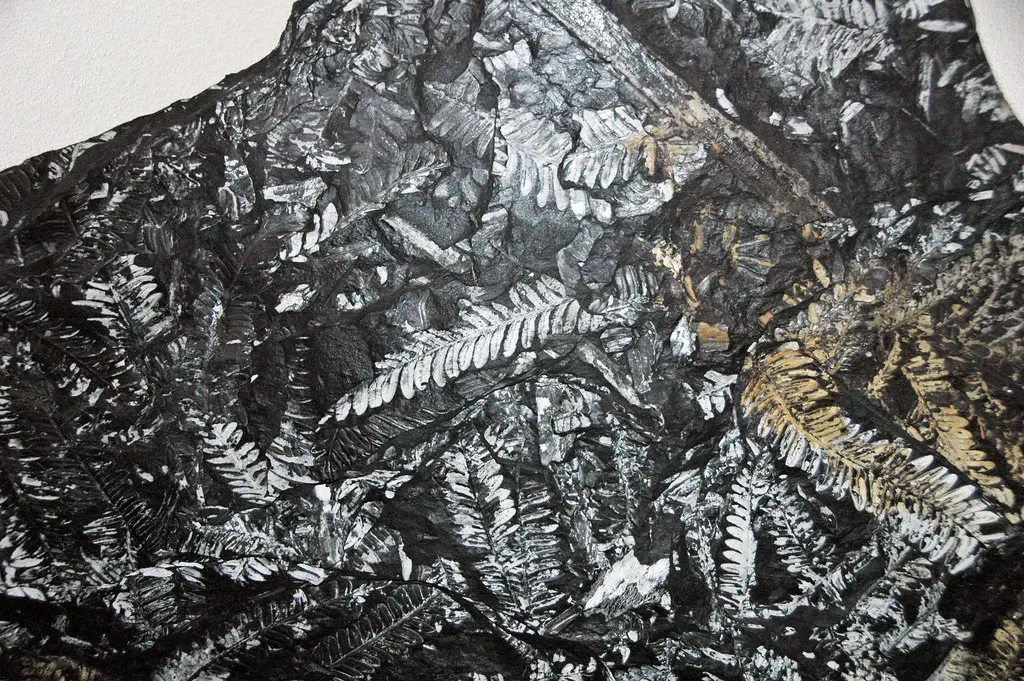
The forests of seedless vascular plants that existed in the tropical swamp forests of Europe and North America provided the organic material that became coal, as dead plants did not completely decay and were turned to peat in these swamp forests, and when the sea covered the swamps, marine sediments covered the peat, and eventually heat and pressure transformed these organic remains into coal. Those vast carbon sinks locked away carbon for hundreds of millions of years.
Until we started burning them. The burning of fossil fuel during the nineteenth and twentieth centuries has already consumed a substantial fraction of the fossil fuel laid down during the seventy million years of the Carboniferous Period, and this combustion has significantly raised the carbon dioxide content of the atmosphere, risking greenhouse warming of Earth. It’s a strange irony, really. Ancient forests that once helped oxygenate the planet are now, in their fossilized form, contributing to its warming. The deep past and the present are more connected than we often realize.
North America’s geological journey is a testament to how profoundly life and landscape shape one another over unimaginable spans of time. From microscopic bacteria to hundred-foot trees, from barren rock to coal-rich swamps, the continent’s history is written in layers of stone and fossil. What do you think about it? Can you imagine standing in those ancient forests, breathing air thick with oxygen, watching dragonflies the size of hawks dart between towering ferns? Tell us in the comments.