You know what’s genuinely wild? Our planet has been through temperature swings that would make today’s climate debates look like quibbles over a thermostat setting. Think global ice coverage versus steamy tropical forests at the poles. Earth has experienced both extremes, sometimes flipping between them in what geologists consider the blink of an eye. Life didn’t just endure these shifts. It transformed, evolved, and somehow found ways to thrive in conditions that seem almost unimaginable.
Scientists have uncovered evidence that Earth’s climate continued to fluctuate during its most extreme ice age, known as Snowball Earth, and during blistering hothouse periods when tropical temperatures ranged between 22° and 42°C. The organisms that survived these planetary mood swings developed remarkable strategies. Let’s explore how ancient life navigated these extreme environmental challenges.
When Earth Became a Giant Snowball
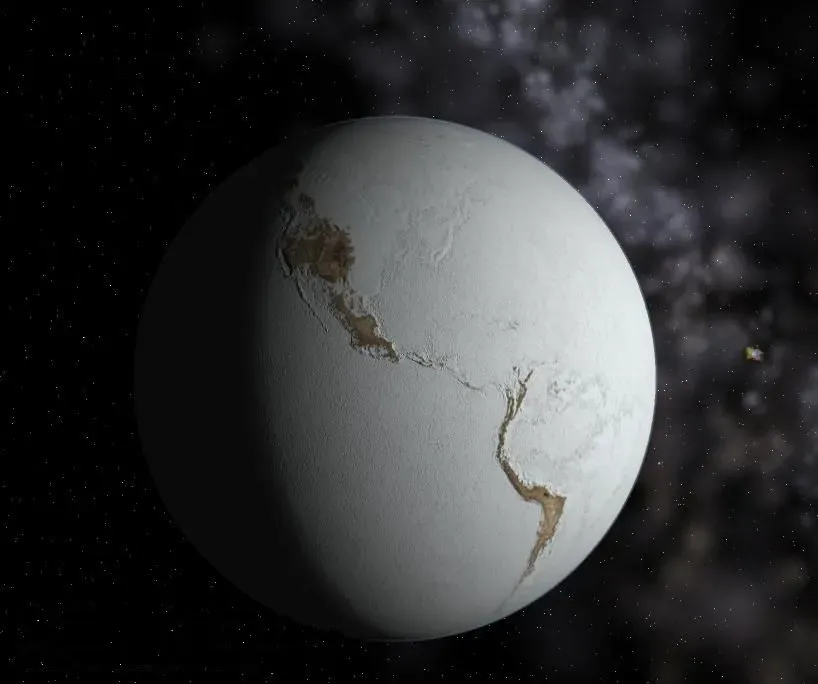
During the Cryogenian Period, between 720 and 635 million years ago, the planet experienced its most severe glaciations, with ice sheets reaching the tropics. Picture this: you’re floating in space looking down at Earth, expecting to see blue oceans and green continents. Instead, you’d see a massive white sphere, frozen from pole to equator. The planet was covered in half-kilometer-thick ice sheets that darkened every ocean.
Here’s the thing that baffles scientists even today. How did anything survive? Many early organisms, especially early animals, needed oxygen-rich marine habitats to survive, but during Snowball Earth, the oceans are thought to have been anoxic, as the global ice cover sealed off the oceans from sunlight and the atmosphere. Yet we know life persisted because, well, we’re here. Recent research suggests meltwater coming from the base of the ice sheet provided oxygen to the seawater, because glacial ice contains trapped air bubbles that eventually melt and enrich the water, creating vital oxygen oases needed for emerging complex life forms to survive.
Life’s Clever Survival Strategies in Frozen Seas
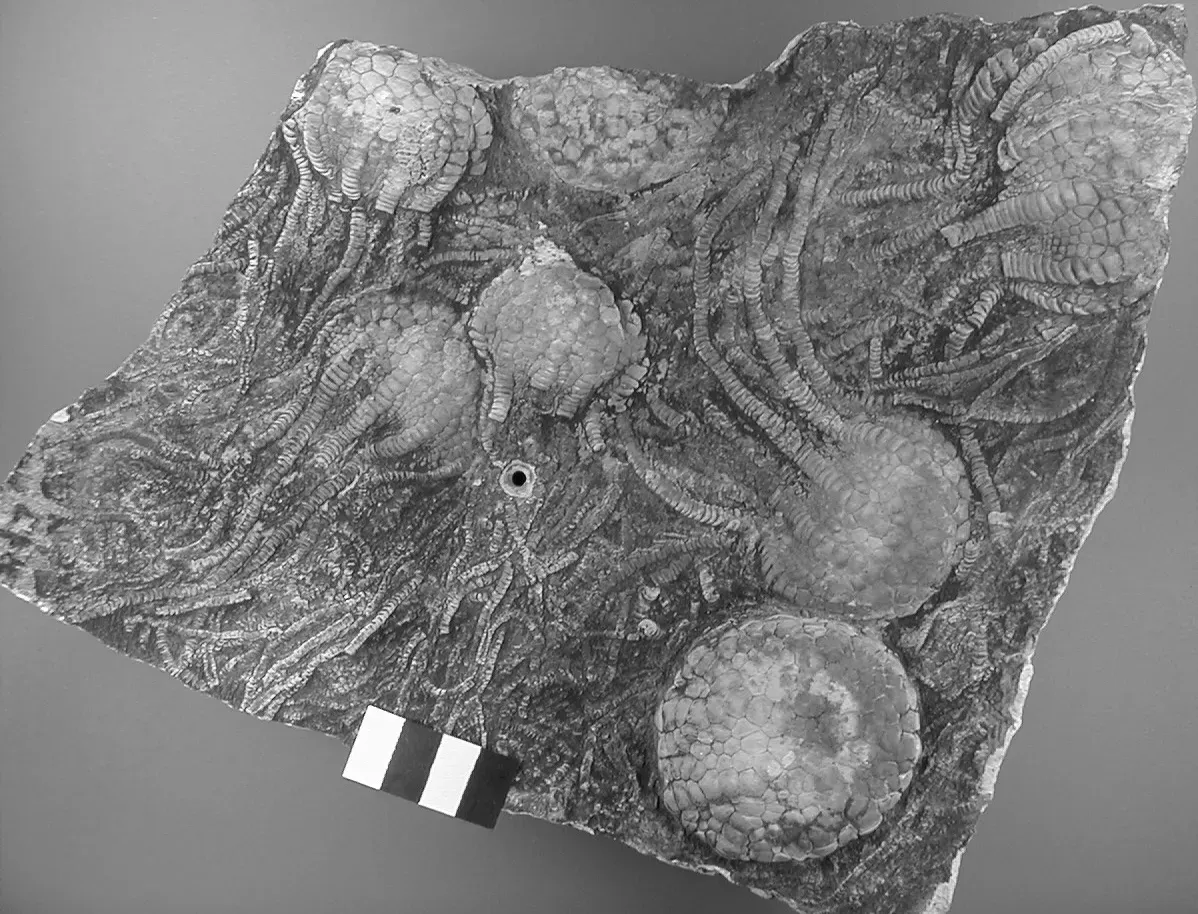
The organisms that made it through Snowball Earth weren’t just lucky. They were resourceful. Researchers discovered hundreds of microscopic fossils dating back nearly 710 million years, remnants of tiny, amoeba-like organisms that likely survived by building armor and reaching out with microscopic “feet” to grab minerals from the environment, cobbling particles together to make protective shells. Think about that for a moment: while their world froze solid, these microbes basically invented construction technology.
Anaerobic bacteria survived and flourished near hydrothermal vents deep within Earth’s oceans, with adaptations required for living in such an environment including the ability to convert heat into energy. Others may have clung to life in pools of water that formed on top of the relatively shallow ice sheets near the Earth’s equator. Life found the cracks, literally and figuratively.
The Great Dying: Earth’s Most Catastrophic Climate Shift
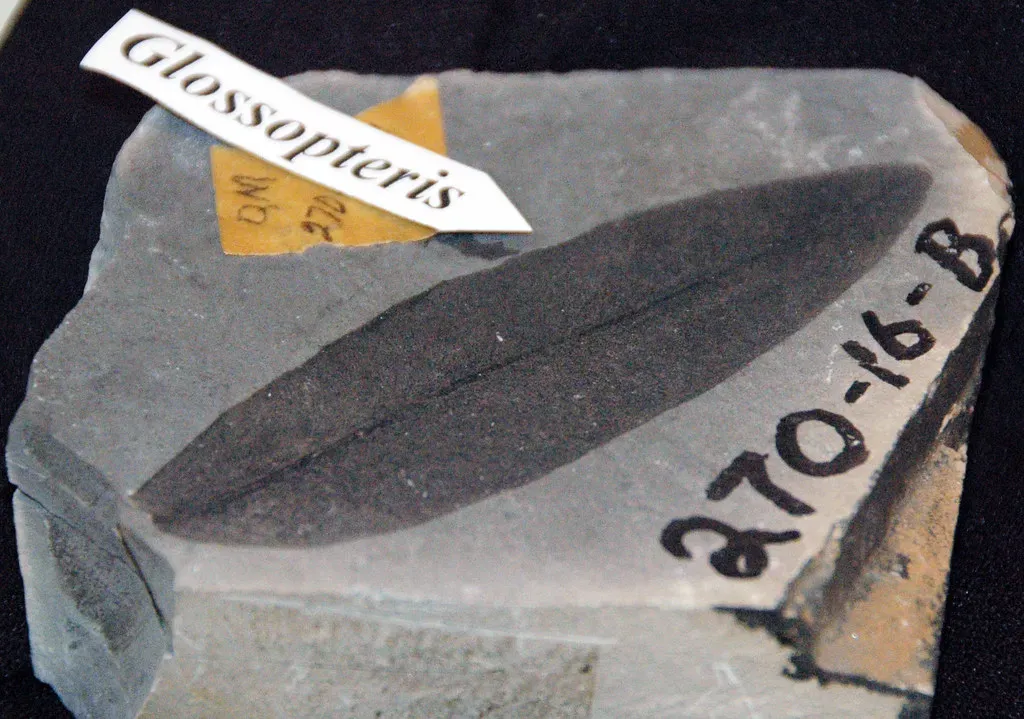
Fast forward to roughly 252 million years ago, and Earth faced what scientists call the Permian extinction, often nicknamed “The Great Dying” for good reason. The episode profoundly affected life on Earth by eliminating about half of all families, some 95 percent of marine species, and about 70 percent of land species. This wasn’t a freeze. It was the opposite.
During the latest Permian before the extinction, global average surface temperatures were about 18.2 °C, which shot up to as much as 35 °C, with tropical sea surface temperatures jumping to over 35 °C. Let’s be real, those numbers don’t just represent warmth. They represent lethality. The fossil record confirms that species far from the equator suffered most during the event, with the signature being this geographic pattern of climate warming and oxygen loss.
Adapting to a Low-Oxygen Nightmare
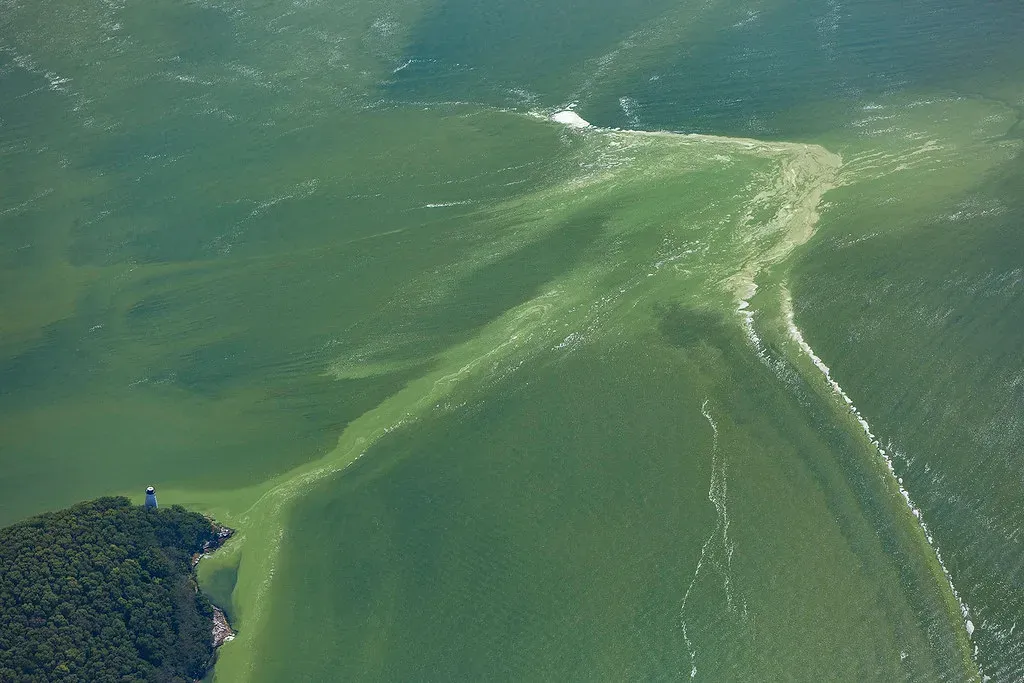
What exactly killed so many species during the Permian extinction? Ocean warming increased the metabolic demand for oxygen while lowering the ocean’s oxygen content, with aerobic habitat lost wherever the local oxygen supply fell below the physiological demand for a species. Imagine trying to run a marathon while someone slowly reduces the air pressure around you. That’s essentially what marine life faced.
The survivors? They had something special. Adaptations for oxygen-poor and warm environments, such as increased lophophoral cavity surface, shell width/length ratio, and shell miniaturization, are observed in post-extinction linguliforms. Some creatures actually got smaller, reducing their oxygen needs. Tropical organisms’ metabolisms were already adapted to fairly warm, lower-oxygen conditions, so they could move away from the tropics and find the same conditions somewhere else, but if an organism was adapted for a cold, oxygen-rich environment, then those conditions ceased to exist in the shallow oceans.
When Reptiles Ruled Through Climate Chaos
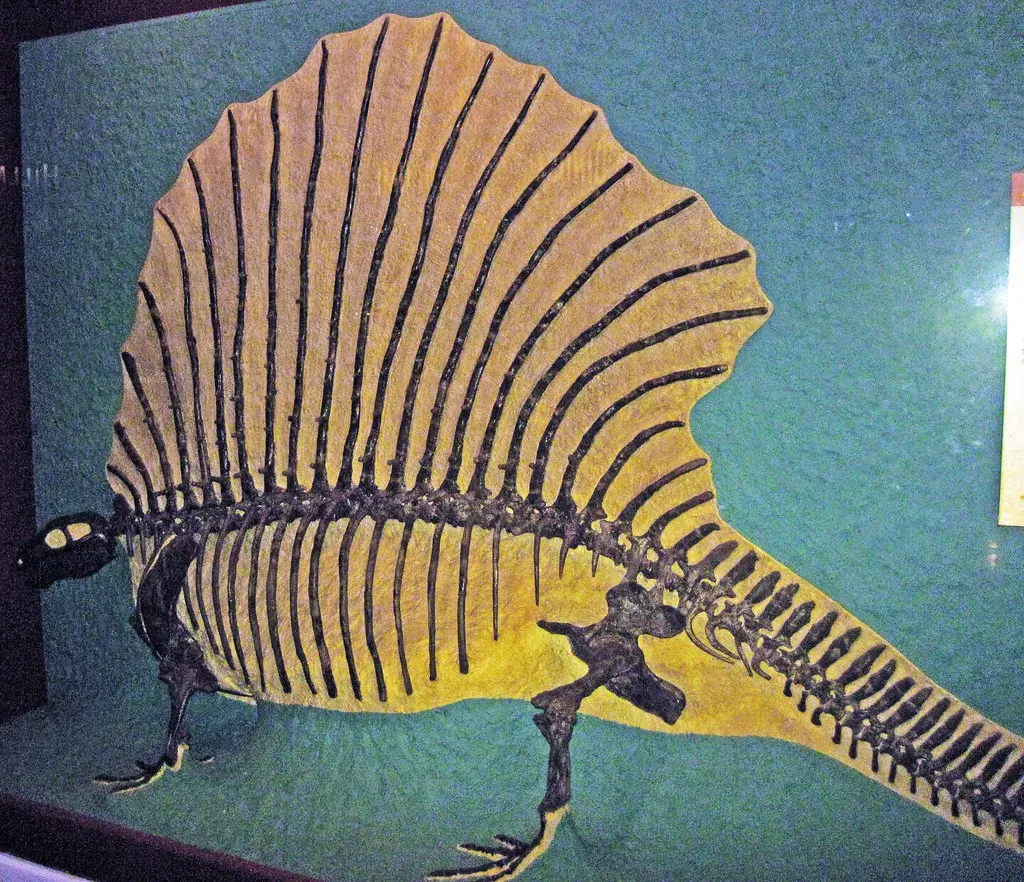
Here’s where it gets interesting. The Permian extinctions wiped out most of the dominant land animals, but they opened up opportunities. Periods of fast climatic shifts and global warming are associated with exceptionally high rates of anatomical change in most groups of reptiles, with the rapid evolution and radiation of reptiles beginning much earlier than previously thought, in connection to steadily increasing global temperatures through almost 60 million years.
Lystrosaurus, a pig-sized herbivorous dicynodont therapsid, constituted as much as 90% of some earliest Triassic land vertebrate fauna, with the evolutionary success believed to be attributable to the dicynodont taxon’s grouping behaviour and tolerance for extreme and highly variable climatic conditions. Honestly, if there was a survivor’s hall of fame for ancient creatures, Lystrosaurus would have its own wing. These tough little herbivores thrived in an environment that had just killed nearly everything else.
The Cretaceous Hothouse: A World of Fire and Flora
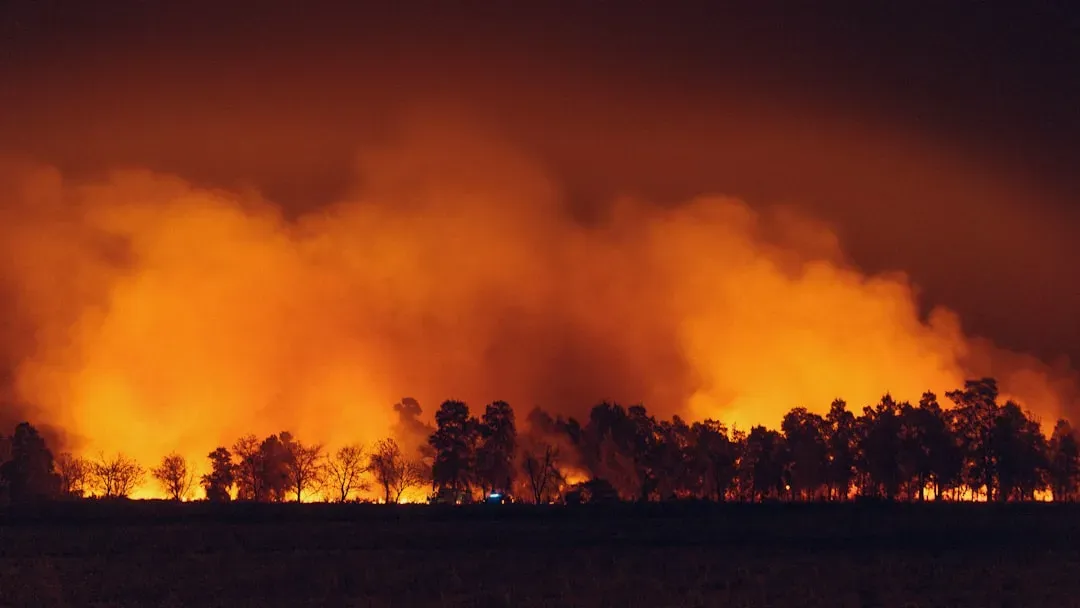
Now let’s jump to a completely different extreme. During the Cretaceous period some 100 million years ago, Earth was a greenhouse, with no ice caps and sea level up to 200 meters higher than it is now. Palm trees and reptiles were present in the interior of the continents north of the Arctic Circle, with CO2 levels significantly elevated relative to today. Try to picture palm trees in Alaska. That’s how different this world was.
Major geological events affected the global environment during mid-Cretaceous, with rapid temperature increases, terrestrial deposits changing from coal-bearing to red beds and evaporites, rapid aridification, and seasonally dry and hot conditions creating a fiery hothouse world. The landscape wasn’t just warm. Wildfires were frequently spread all over the earth, evidenced by numerous charcoal remains.
Flowering Plants Seize Their Moment
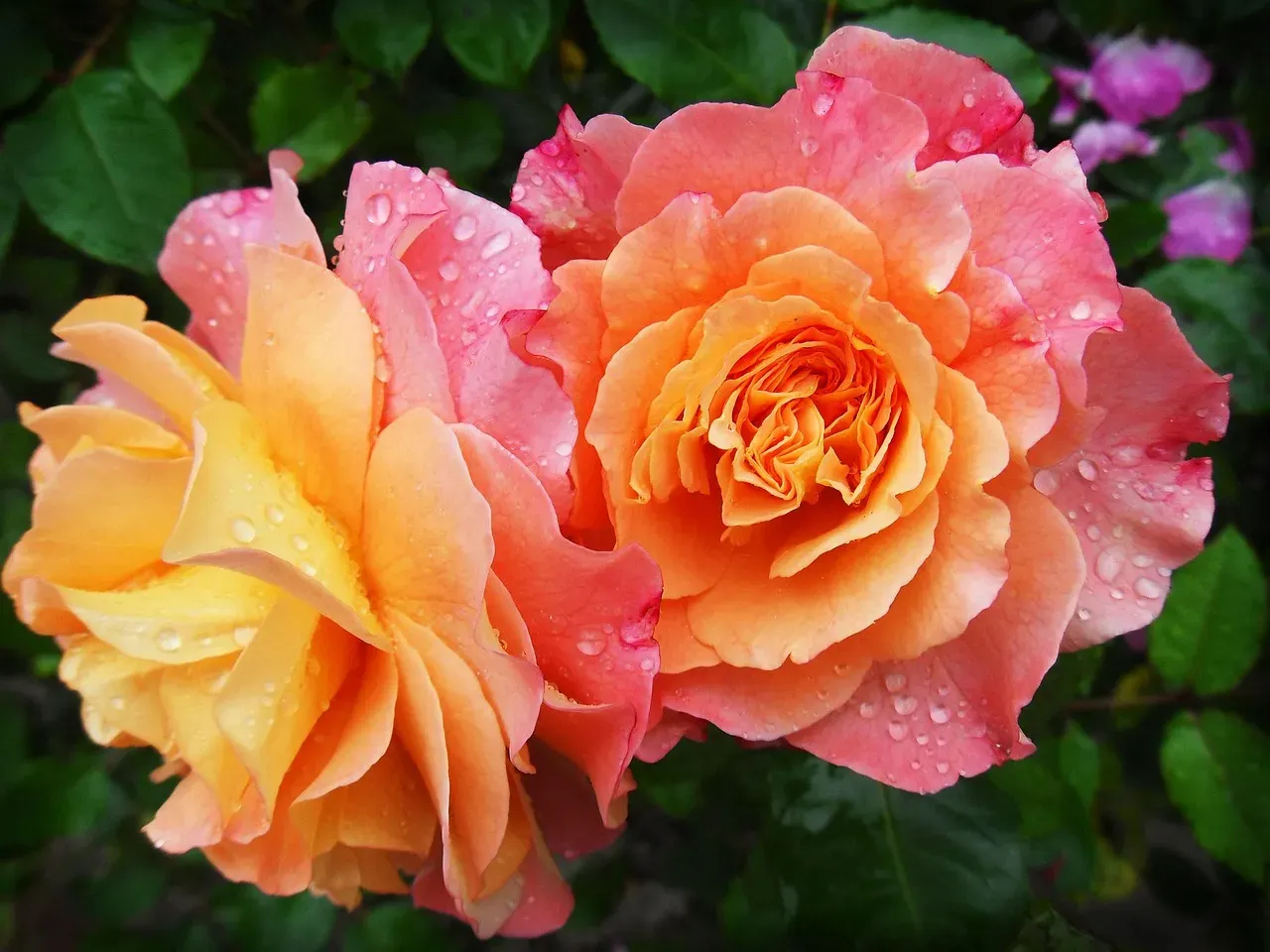
You might wonder what thrived in this blazing Cretaceous world. Flowering plants, that’s what. Early angiosperms increased in abundance and diversity, evolving from a few aquatic species to terrestrial herbaceous forms, showing rapid physiological evolution in vein density and leaf structures, making them well adapted to the hot and dry environment. These plants essentially developed better plumbing systems, increasing their vein density to transport water more efficiently.
These physiological changes facilitated the fire–angiosperm cycles in mid-Cretaceous that likely further stimulated the early angiosperm evolution. Think about that: wildfires weren’t destroying these plants. They were helping them evolve. The flowering plants we see dominating landscapes today owe their success to their ancestors’ ability to not just survive extreme heat, but to actually use it as an evolutionary advantage. It’s hard to say for sure, but the hothouse Cretaceous might have been the crucible that forged modern plant diversity.
Conclusion: Lessons from Ancient Survival
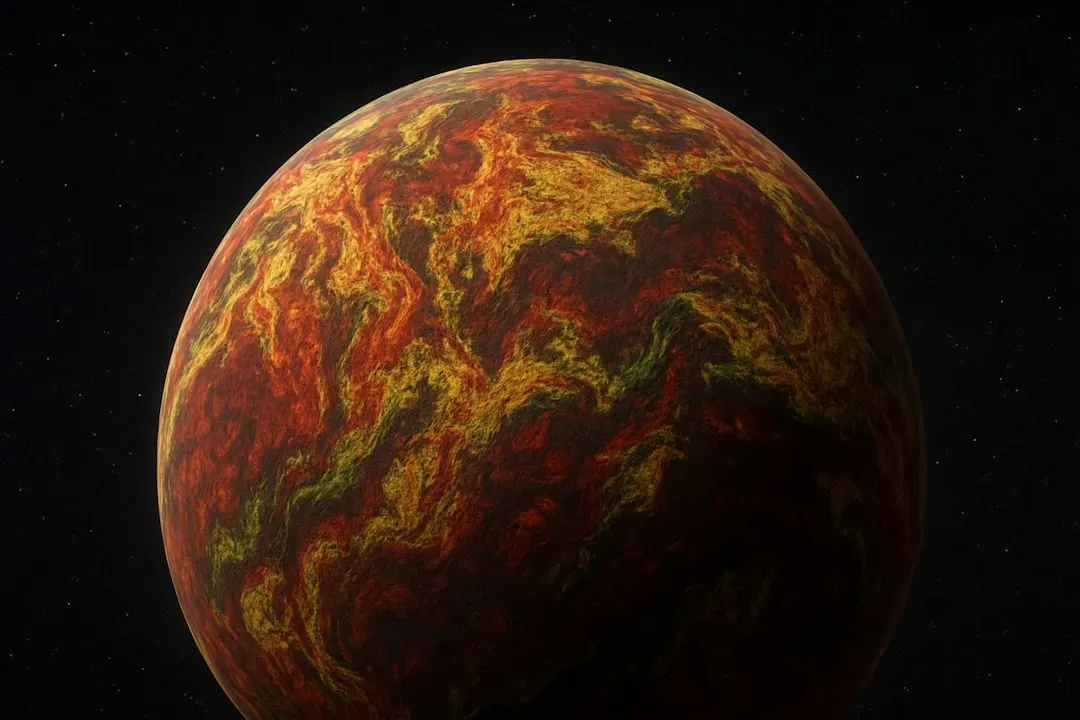
Earth’s climate history reads like a survival manual written in stone and fossils. From frozen oceans to baking continents, life found pathways through every extreme. Understanding how Earth behaved during extreme climatic events shows how resilient, and how sensitive, the climate system really is, revealing that even in the most extreme conditions Earth has ever seen, the system could be kicked into motion.
The organisms that survived these ancient climate shifts shared common traits: physiological flexibility, behavioral adaptability, and sometimes just being in the right place with the right body plan. The need to survive in variable environments would favor organisms with genetic changes that made them more adaptable and better able to survive in a wide range of conditions, with climate-driven ecological changes helping drive evolution. Looking at these ancient responses gives you perspective. Life is remarkably stubborn, but it’s also remarkably fragile when pushed beyond certain thresholds.
What do you think our own era’s climate shifts will reveal to future geologists? Will they find evidence of adaptation, migration, or something else entirely in the fossil record we’re creating right now?