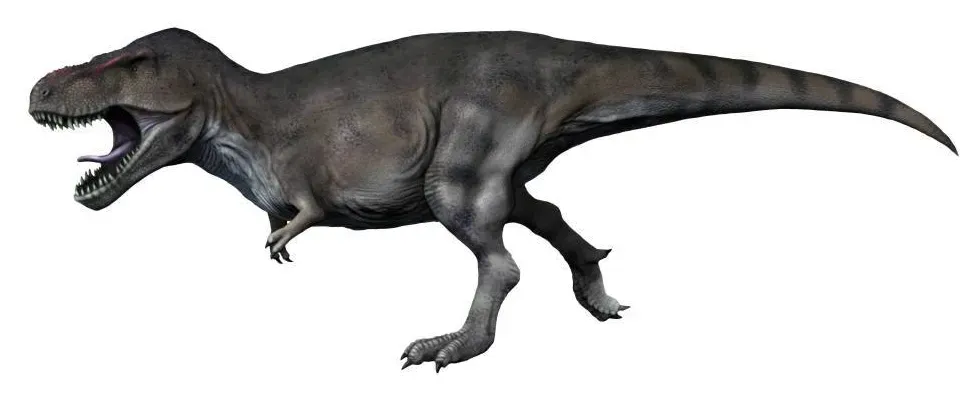
You’re standing in the present, looking backward across millions of years. Think of dinosaurs and you might picture towering Tyrannosaurus rex or the massive Brachiosaurus. Those titans came much, much later. The real story, the one that often gets overlooked, is about the small, scrappy creatures that started it all.
It was around 240 million years ago that the first dinosaurs appear in the fossil record. The Triassic Period was an era of recovery and experimentation, where life on Earth was rebuilding itself after the worst extinction event the planet had ever seen. The stage was set for something revolutionary, though nobody watching at the time would have predicted dinosaurs would eventually rule the world for over 160 million years.
A World Rebuilt from Ashes
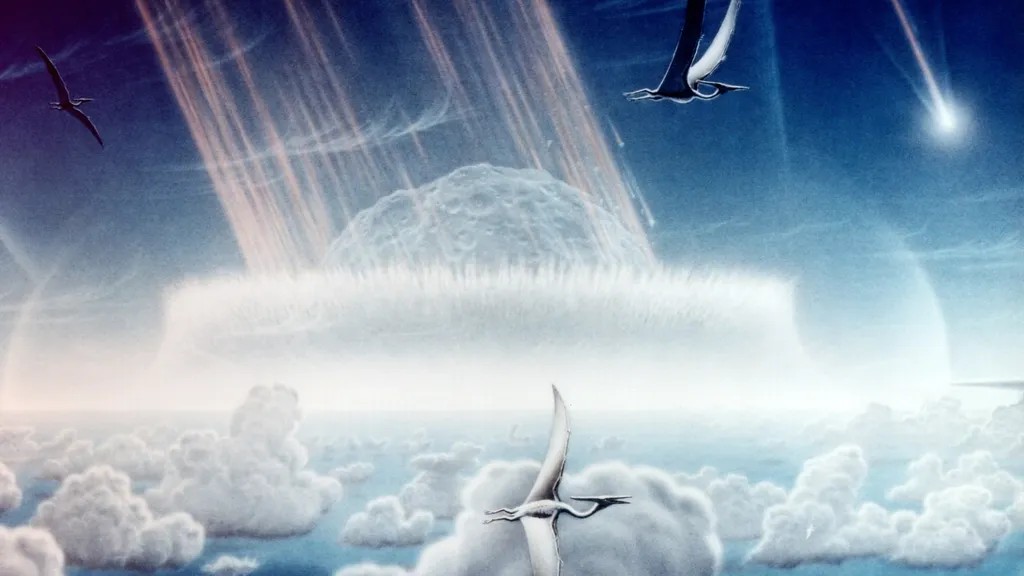
Let’s be real: the beginning of the Triassic was a nightmare. The Permian-Triassic extinction event, also known as the Great Dying, took place roughly 252 million years ago and was one of the most significant events in the history of our planet. More than ninety percent of all species vanished. The planet was effectively emptied.
What emerged afterward was a blank canvas. The start of the Triassic period was a desolate time in Earth’s history, but it was also a time of tremendous change and rejuvenation. Life clawed its way back, diversifying into freshly available ecological spaces. Among the survivors were the archosaurs, the broader group that would give rise to dinosaurs.
The Archosaurs: Dinosaurs’ Ancient Lineage
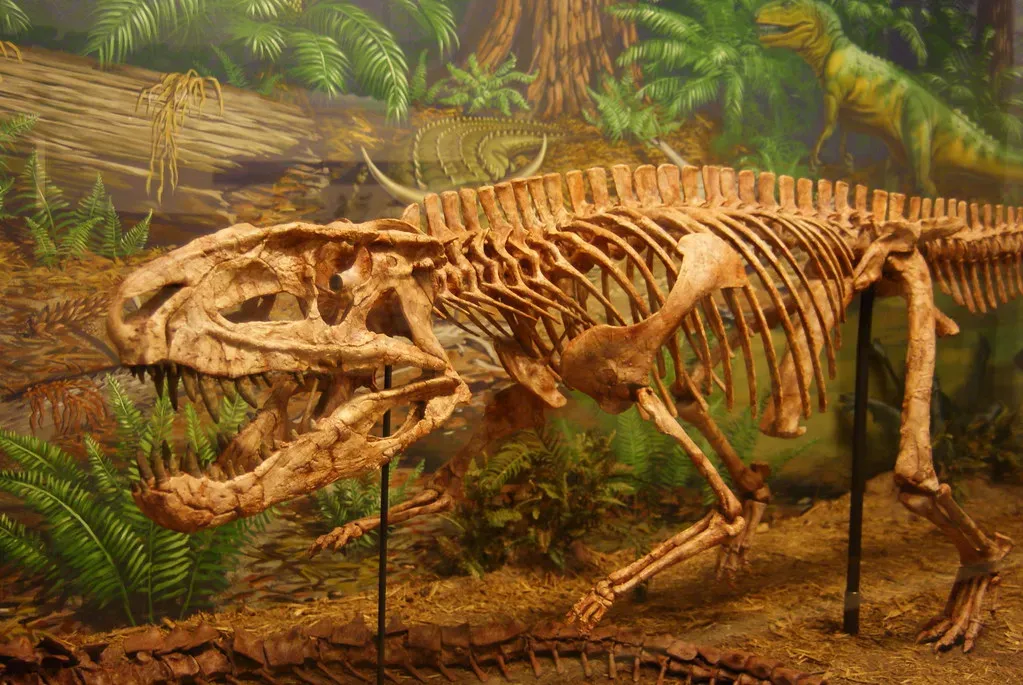
Before we get to dinosaurs themselves, we need to talk about where they came from. The first known archosaurs appeared in the Middle Triassic Period, about 246 million to 229 million years ago, and they evolved from an earlier group of diapsid reptiles. Archosaurs were not one unified group but a sprawling evolutionary experiment.
The true archosaurs are divided into two branches: the Pseudosuchia branch includes crocodiles and all other archosaurs more closely related to crocodiles than to birds, comprising mostly extinct Triassic groups such as phytosaurs, aetosaurs, prestosuchids, rauisuchids, and poposaurs. The other branch, the one that eventually led to dinosaurs, included much smaller and less dominant creatures initially. Honestly, you wouldn’t have put money on them at the time.
When Dinosaurs Were Nobody Special
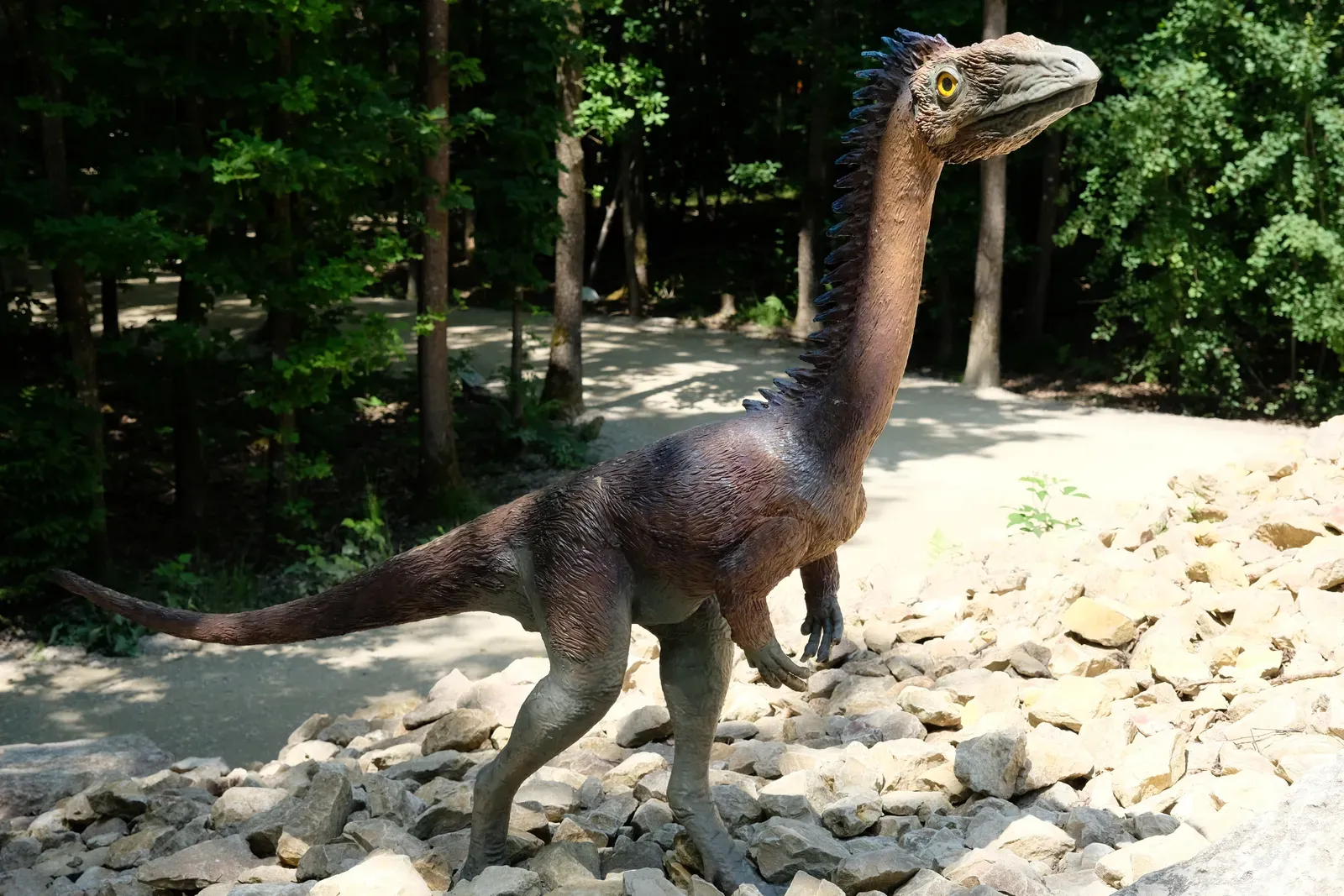
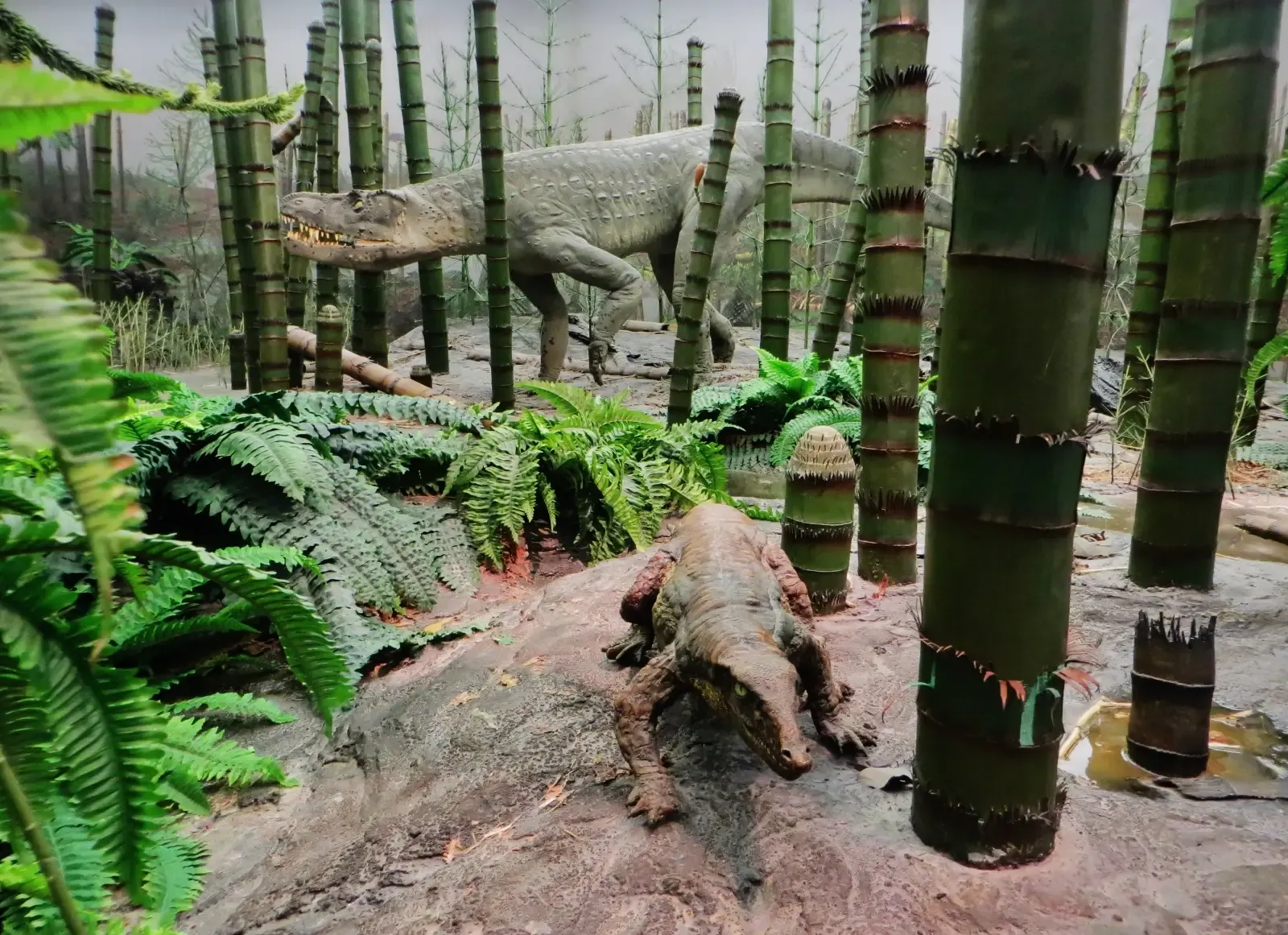
Here’s the thing: dinosaurs didn’t burst onto the scene as apex predators. Their main competitors were the pseudosuchians, such as aetosaurs, ornithosuchids and rauisuchians, which were more successful than the dinosaurs. During most of the Triassic, dinosaurs were supporting actors in ecosystems dominated by other archosaurs and mammal-like reptiles.
These dinosaurs were small, bipedal creatures that would have darted across the variable landscape. They weren’t the monsters of later eras. Think more chicken-sized hunters, nimble and opportunistic, rather than the colossal beasts that would come millions of years later. The world they inhabited was strange too: a single supercontinent called Pangaea, with intensely arid interiors and monsoon-drenched coasts.
Meet the Pioneers: Herrerasaurus
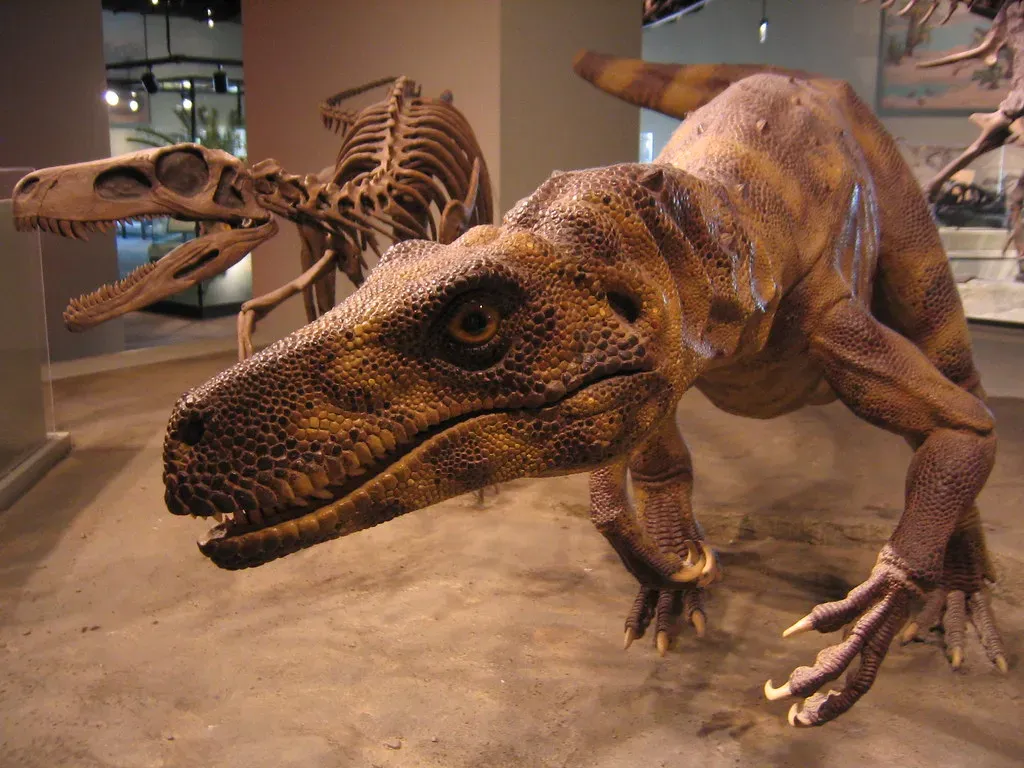
One of the earliest known dinosaurs was Herrerasaurus. Measuring 6 m long and weighing around 350 kg, this genus was one of the earliest dinosaurs from the fossil record, with all known fossils discovered in the Ischigualasto Formation of Carnian age dated to 231.4 million years ago in northwestern Argentina. It was a carnivore, built for speed and hunting.
Herrerasaurus was a lightly built bipedal carnivore with a long tail and a relatively small head. For years, paleontologists debated exactly where it fit in the dinosaur family tree. Was it a true dinosaur or just a very close relative? Eventually, most agreed it belonged to the earliest radiation of dinosaurs, showing that these animals were already diversifying early on.
The Tiny Titan: Eoraptor
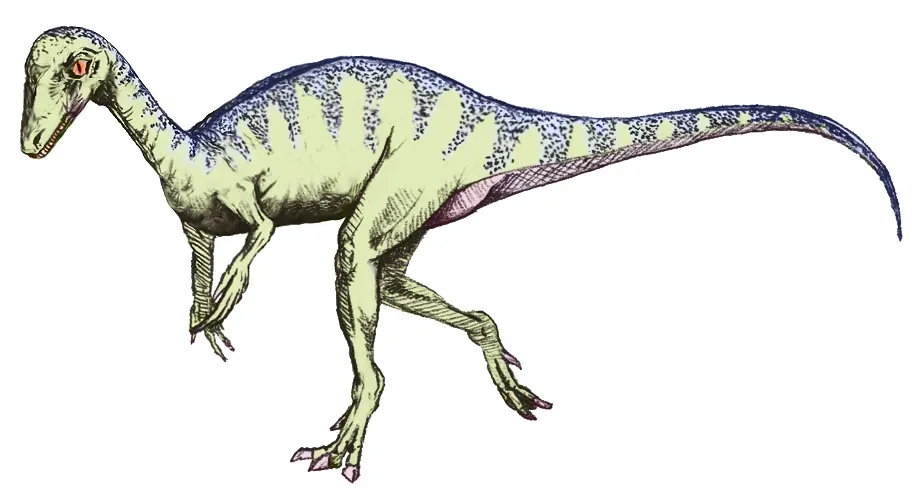
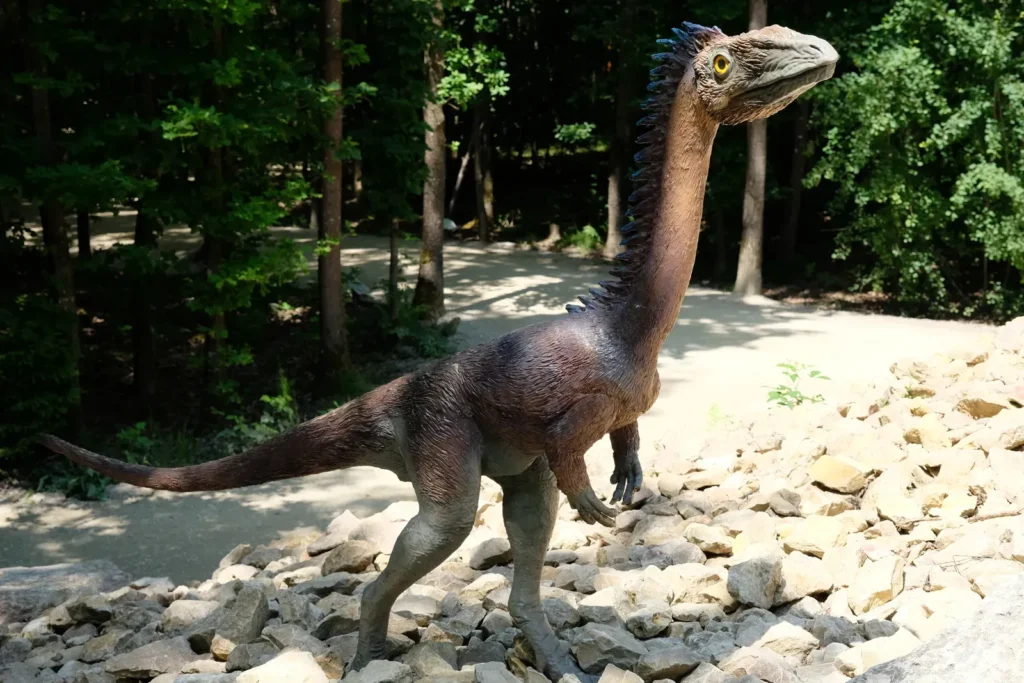
Even more intriguing is Eoraptor. Eoraptor is a genus of small, lightly built, basal sauropodomorph dinosaur that lived approximately 231 to 228 million years ago, during the Late Triassic in Western Gondwana, in the region that is now northwestern Argentina. This little creature was about the size of a large dog, weighing around twenty pounds.
The name Eoraptor literally means “dawn plunderer,” and it’s fitting. Eoraptor had multiple tooth shapes, which suggests that it was omnivorous. Unlike later specialized predators with rows of sharp, serrated teeth, Eoraptor had a mixed dentition that hints at a varied diet. It was an evolutionary jack-of-all-trades, which might explain why it was able to thrive when so many other creatures couldn’t.
The Anatomy of a Revolution
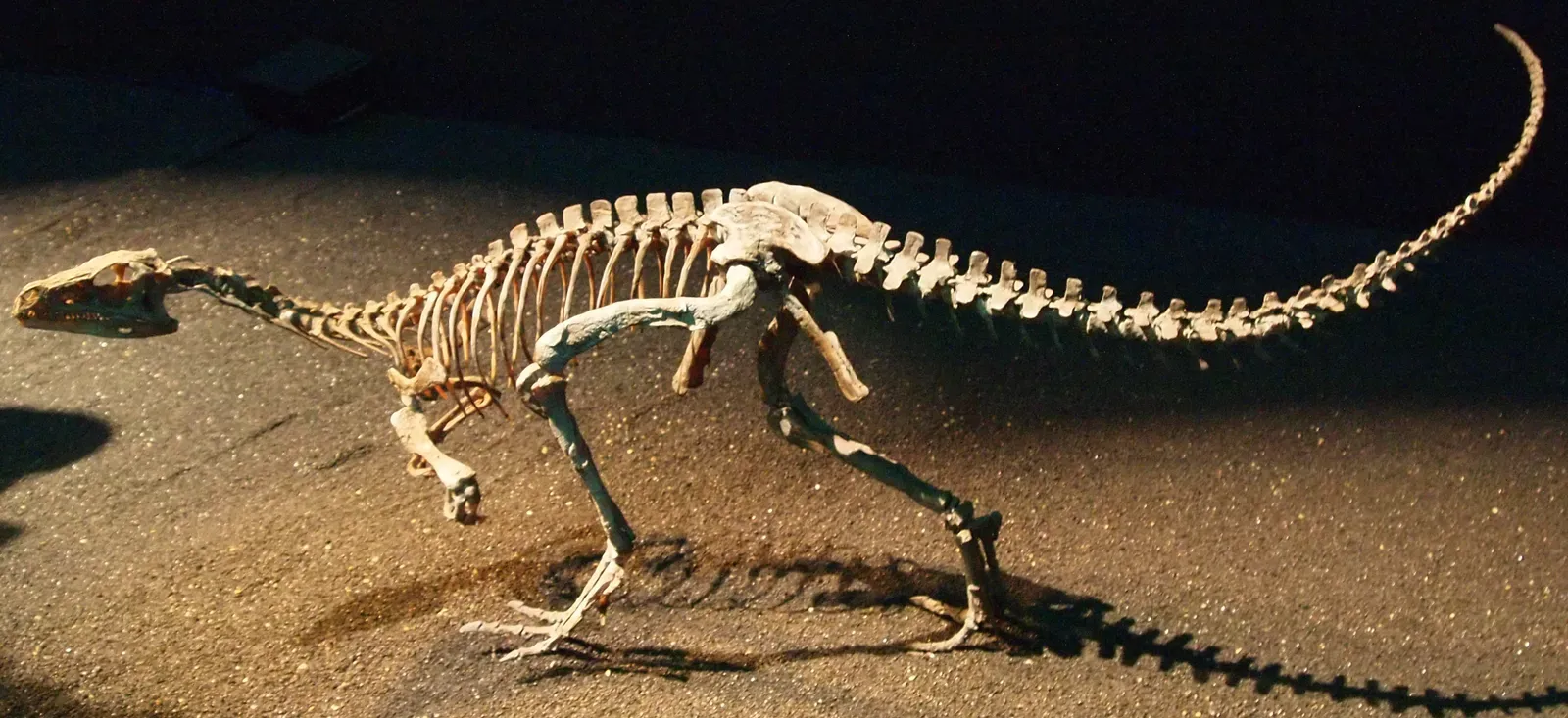
What made dinosaurs dinosaurs? It’s hard to say for sure, which is part of what makes these early forms so fascinating. As diapsids, dinosaurs ancestrally had two pairs of Infratemporal fenestrae in the skull behind the eyes, and as members of the diapsid group Archosauria, had additional openings in the snout and lower jaw, though several characteristics once thought to be synapomorphies are now known to have appeared before dinosaurs, or were absent in the earliest dinosaurs and independently evolved by different dinosaur groups.
One key innovation, though, was their stance. Dinosaurs had straight back legs, perpendicular to their bodies, which allowed them to use less energy to move than other reptiles that had a sprawling stance, and their weight was also better supported. This upright posture was a game changer. It meant dinosaurs could move more efficiently, run faster, and sustain activity longer than their competitors.
The Carnian Pluvial Episode: A Turning Point
Around 234 to 232 million years ago, something unusual happened. The emergence of the first dinosaurs came at about the same time as the Carnian pluvial episode, a humid interval in the generally arid Triassic, marked by high extinction rates in marine organisms, but it may have opened niches for the radiation of the dinosaurs. Climate patterns shifted dramatically, bringing intense rainfall to regions that had been bone dry.
Scientists postulate that the rise of the dinosaurs to dominance might have been a direct consequence of the Carnian Pluvial Episode. Many of the dinosaurs’ competitors died out during this time, clearing ecological space. When the climate stabilized again, dinosaurs were poised to fill the gaps. It’s hard to say for sure, but timing is everything in evolution.
Living Among Giants (That Weren’t Dinosaurs)
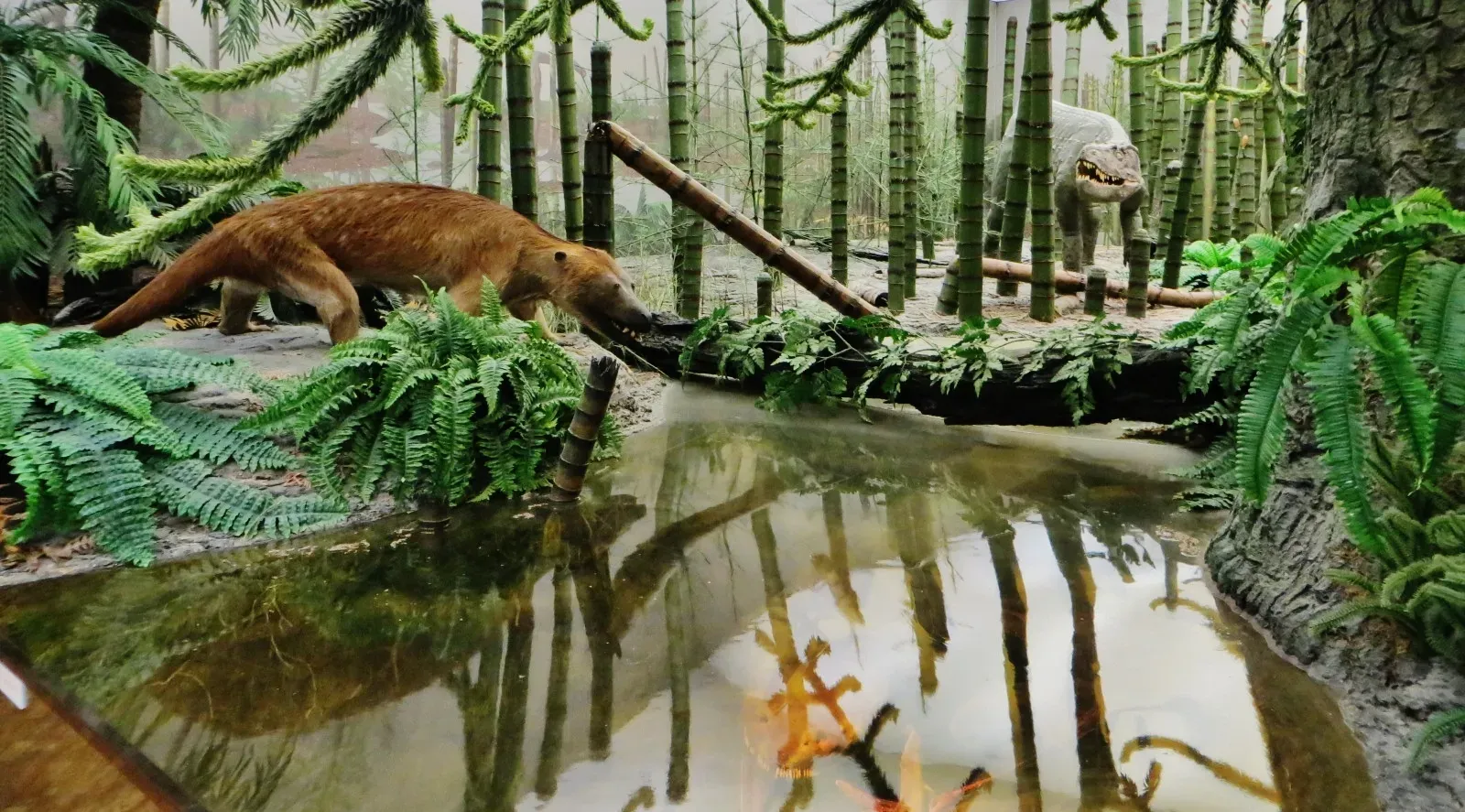
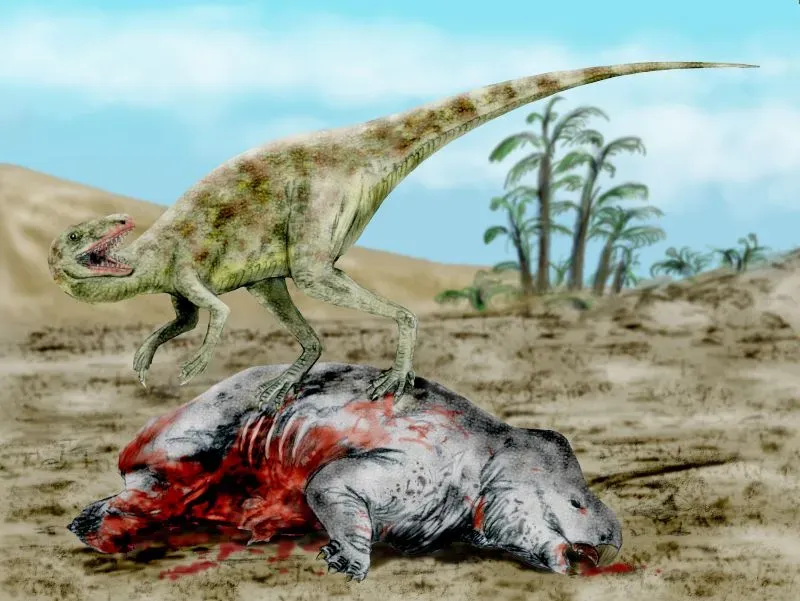
I think it’s important to remember that early dinosaurs were not the dominant animals of their ecosystems. The park’s Triassic dinosaurs were “supporting players” in an ecosystem dominated by crocodile-like phytosaurs, armored aetosaurs, and giant amphibians. These other archosaurs were larger, more diverse, and seemingly better adapted.
Herrerasaurus remains appear to have been the most common among the carnivores of the Ischigualasto Formation, and these non-dinosaurian herbivores were much more abundant than early dinosaurs. Dinosaurs were minor players, eking out a living in the shadows of more successful lineages. Yet they persisted, adapted, and waited for their moment.
The End-Triassic Extinction: Opportunity Knocks
These extinctions within the Triassic and at its end allowed the dinosaurs to expand into many niches that had become unoccupied, and dinosaurs became increasingly dominant, abundant and diverse, remaining that way for the next 150 million years. Another massive extinction event roughly 201 million years ago wiped out most of the dinosaurs’ competitors. Suddenly, the survivors found themselves in a world with far less competition.
This wasn’t just luck. Dinosaurs had certain advantages: their efficient locomotion, adaptable body plans, and perhaps even their metabolism gave them an edge in the recovery period. Dinosaurs survived and went on to dominate the Jurassic. The Age of Dinosaurs truly began not in the Triassic, but in the aftermath of its final catastrophe.
The Legacy of the Dawn
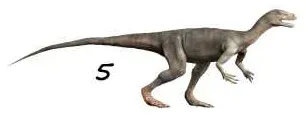
The earliest dinosaurs don’t look like much compared to their descendants. There’s no T. rex-level terror, no Brachiosaurus-scale grandeur. These were small, agile, opportunistic creatures navigating a volatile world. Yet their legacy is immense.
They became the dominant terrestrial vertebrates after the Triassic–Jurassic extinction event 201.3 mya and their dominance continued throughout the Jurassic and Cretaceous periods. Every massive sauropod, every fearsome theropod, every armored ankylosaur traces its lineage back to those humble beginnings. Birds, which are living dinosaurs, carry that ancient heritage forward into the present day. The little creatures that scurried through Triassic forests are still with us, in a sense, singing outside your window every morning.
When you think about dinosaurs, don’t just picture the giants. Remember the pioneers: Herrerasaurus stalking through ancient floodplains, Eoraptor snapping up insects and small prey, nameless ancestors experimenting with new ways to survive. They were the first, the originals, the dawn of something magnificent. What do you think gave them the edge? Tell us your thoughts in the comments.