You might think we’ve already dug up all the major historical revelations by now. Yet beneath dense jungles, desert sands, and ocean waves, entire lost worlds continue to surface with startling regularity. Each new season brings excavations that challenge long-held beliefs and reveal just how sophisticated our ancestors truly were.
These aren’t dusty relics gathering cobwebs in forgotten archives. We’re talking about recent discoveries that are happening right now, reshaping everything we thought we knew about human history. From underwater ports that may finally reveal Cleopatra’s resting place to mysterious structures that predate agriculture itself, archaeologists are racing against time to decode what these ancient peoples left behind. So let’s get started.
The Maya Civilization: Royal Tombs and Climate Catastrophes
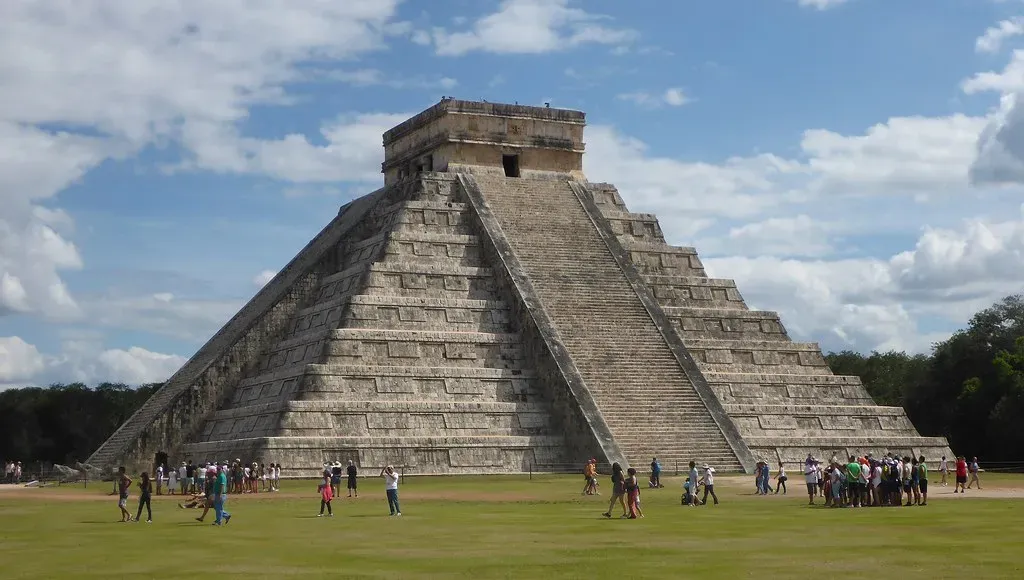
A mosaic death mask believed to have belonged to the Maya ruler Te K’ab Chaak was discovered at Caracol in the jungles of Belize, and it’s honestly one of the most stunning finds to emerge recently. The grave contained an ornate death mask made from dozens of pieces of jade, carved bones, jade jewelry and rare Spondylus shells from the Pacific Ocean, revealing the extraordinary wealth and trade networks this civilization commanded. Think about it: you’re moving precious shells hundreds of miles inland through treacherous terrain.
Recent research is also answering why the Classic Maya seemed to vanish so abruptly. Chemical evidence from a stalagmite in Mexico has revealed that the Classic Maya civilization’s decline coincided with repeated severe wet-season droughts, including one that lasted 13 years. That’s not just a bad year or two; that’s multiple generations watching their world literally dry up. It makes you wonder how modern societies would cope with similar prolonged climate disasters.
Ancient Egypt: DNA Revelations and Lost Tombs
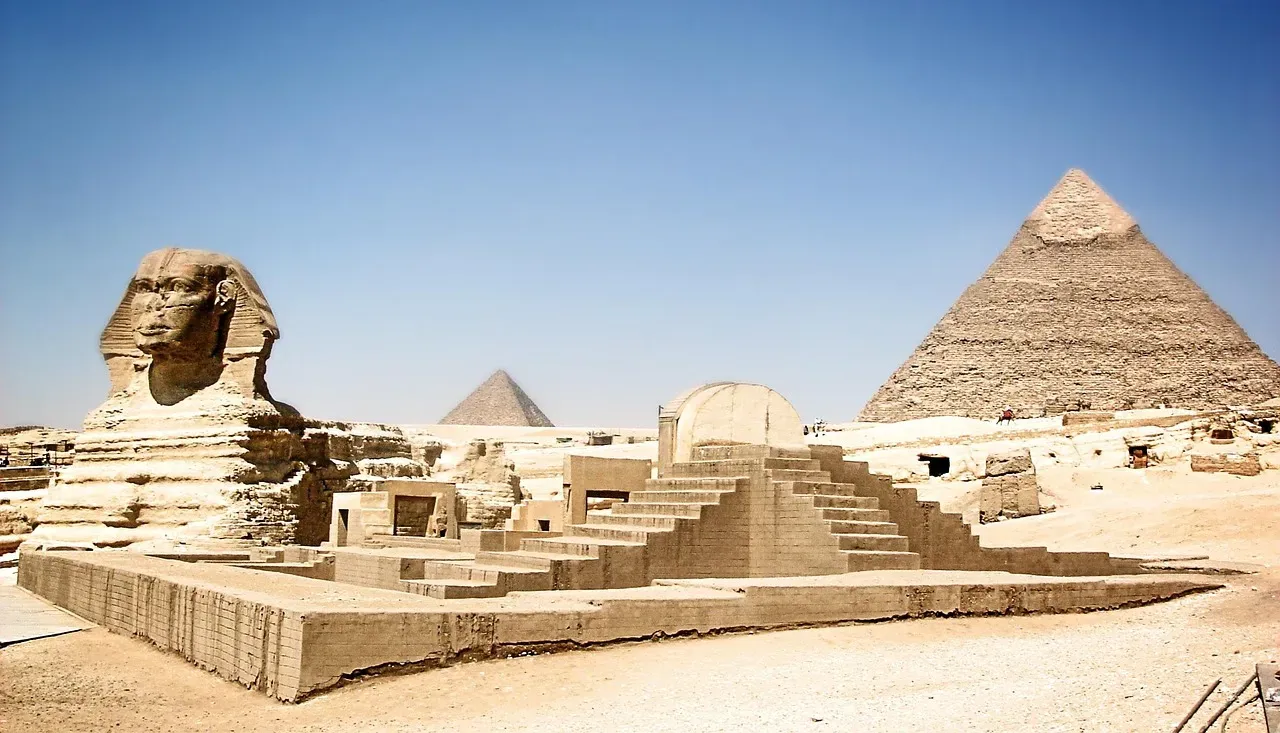
Within a tomb cut into a limestone hill at the Nuwyat necropolis in Egypt, archaeologists found a ceramic pot curled inside with the skeleton of a man from the Old Kingdom Period, some 4,500 years ago, and inside one of that man’s teeth, scientists recovered a genetic time capsule. This marks the first time researchers have sequenced an entire genome from ancient Egypt, giving us unprecedented insight into who these pyramid builders actually were. The analysis showed that 80 percent of the man’s DNA came from Neolithic North African groups, and 20 percent from populations located in West Asia.
Meanwhile, the tomb of the Egyptian pharaoh Thutmose II was unearthed in the Valley of the Kings, a vast royal necropolis near ancient Thebes and modern Luxor, who ruled about 3,500 years ago, and was the great-great-great-great-great grandfather of Tutankhamun, marking the first pharaonic tomb found at the Valley of the Kings since Tut’s. There’s something electrifying about realizing that even in one of the most excavated sites on Earth, major discoveries are still waiting just beneath the surface. The secrets of ancient Egypt clearly haven’t finished revealing themselves.
Pompeii: Frozen Moments of Mystery Cults
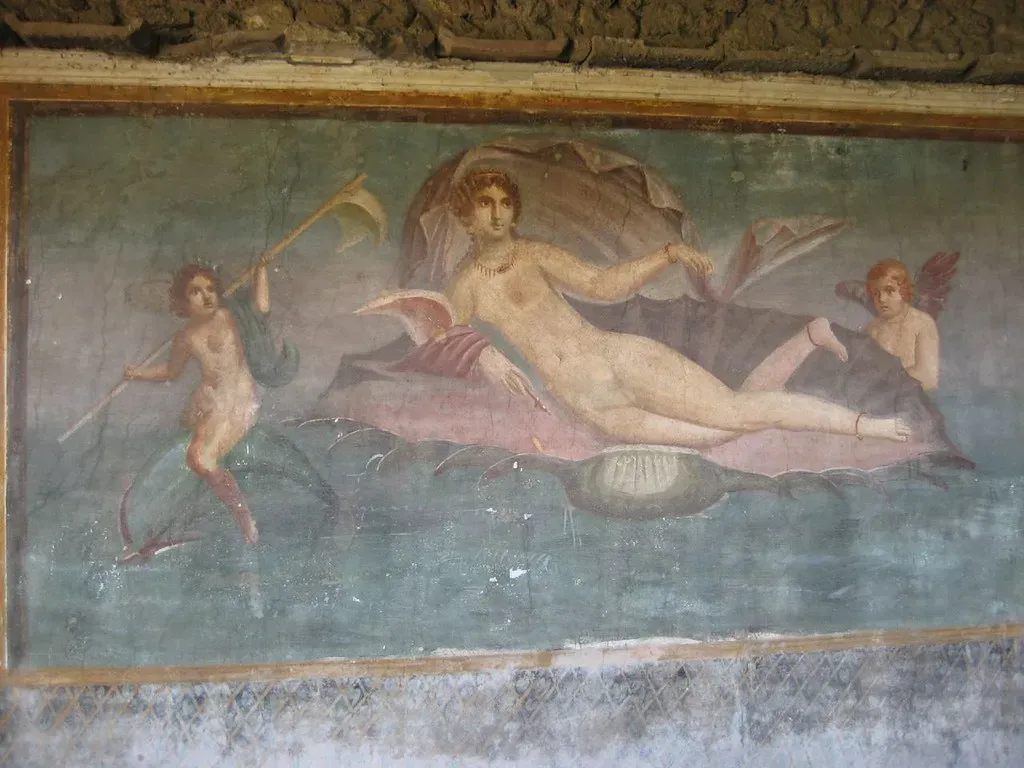
A spacious banqueting room decorated with almost life-sized paintings of sacred revelers was unearthed in a central part of the ancient Roman city of Pompeii, depicting a divine procession of dancers, hunters and satyrs for Dionysus. These aren’t your typical dinner party decorations. Archaeologists think the paintings represented secret initiation rituals into his mystery cult, offering a rare window into religious practices that were deliberately kept hidden from outsiders.
The city destroyed in 79 CE continues to be archaeology’s gift that keeps on giving. Every excavation season seems to uncover something that changes our understanding of Roman daily life. Here’s the thing: Pompeii wasn’t even a major city by Roman standards, yet the sheer volume of preserved detail makes it invaluable for understanding ancient Mediterranean culture. Imagine what still lies buried in Rome itself.
Göbekli Tepe: Rewriting Civilization’s Timeline
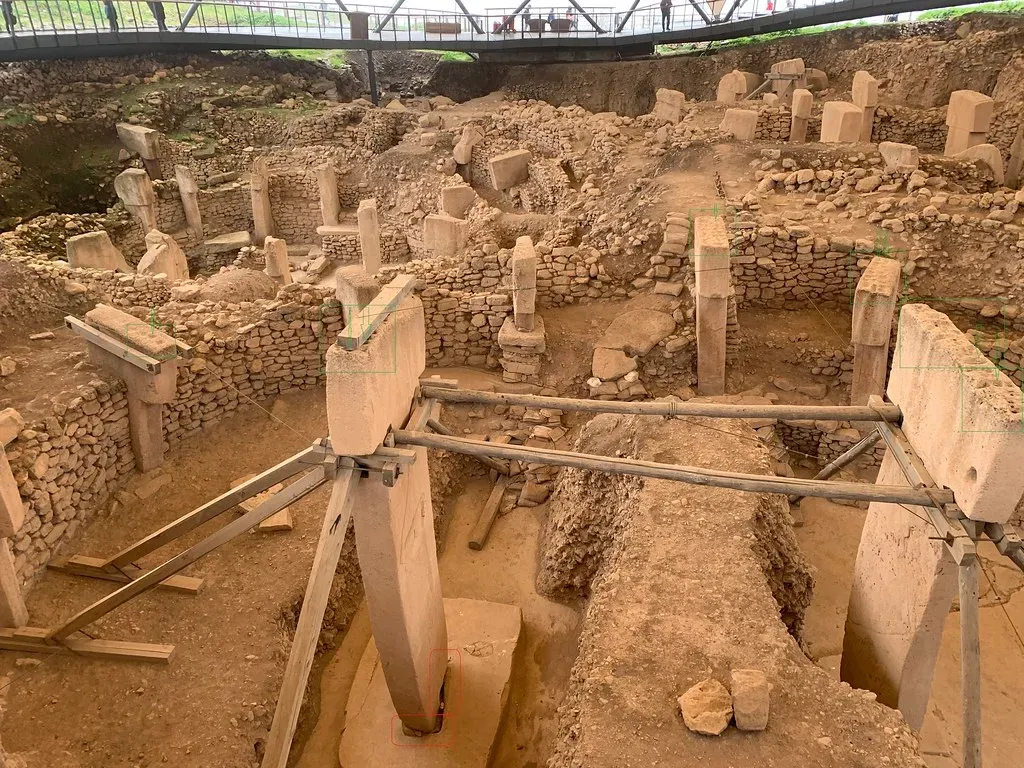
Göbekli Tepe, an archaeological site situated in southeastern Turkey, dates back to the Pre-Pottery Neolithic period, around 9600 BCE, composed of multiple circular enclosures, each containing large T-shaped limestone pillars that reach up to 19 feet in height, adorned with intricate carvings of animals and abstract symbols. Let’s be real: this discovery completely upended everything archaeologists thought they knew about early human societies.
The discovery of this site challenges conventional theories about the development of complex societies, as it predates the establishment of agriculture and the rise of early civilizations, indicating that religion and communal efforts may have played a crucial role in the early stages of human societal development. Hunter-gatherers supposedly didn’t have the time or social organization for monumental architecture. Yet here it stands, defying those assumptions. It’s hard to say for sure, but this might suggest that spiritual needs drove early civilization even more than practical ones.
The Indus Valley: Challenging Technological Monopolies
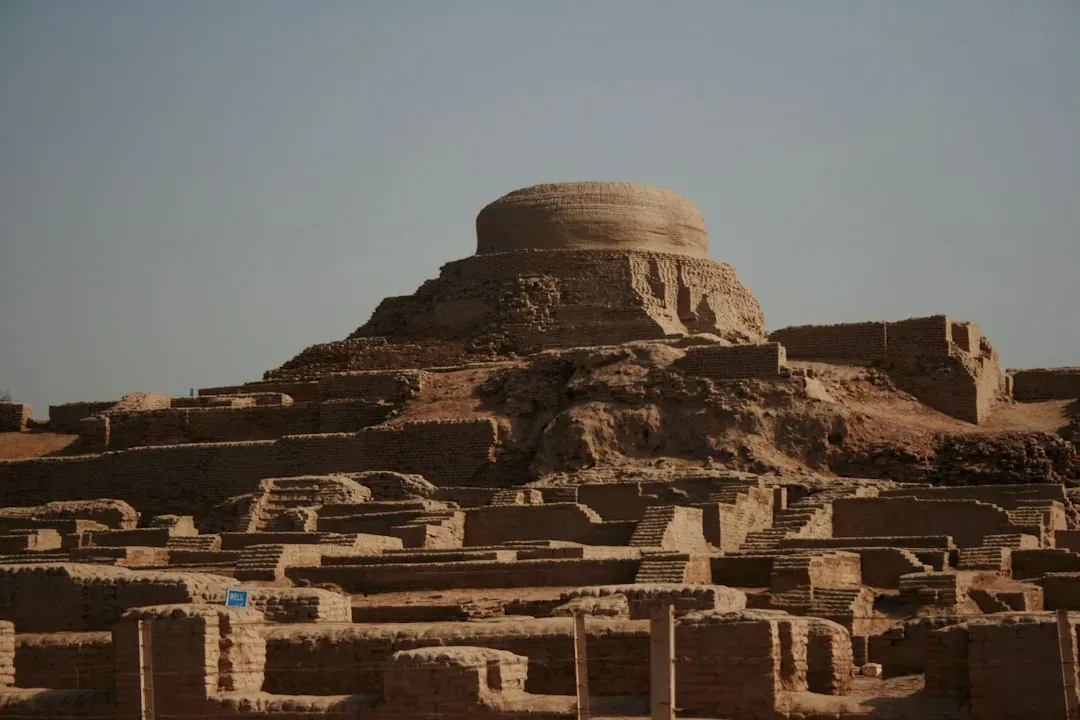
The Indus Valley Civilization has long been considered the technological powerhouse of ancient South Asia, yet new discoveries are complicating that narrative. The findings call into question the long-held belief that the Indus Valley Civilization was the sole source of technological improvement in the Indian subcontinent during the third millennium. The Indus civilization, also known as the Harappan civilization, was one of the largest in ancient history, extending over parts of India, Pakistan, and Afghanistan and containing as many as five million people, boasting some of the world’s most impressive architecture.
What makes these ongoing excavations so fascinating is how they keep revealing parallel developments across different regions. Trade networks were far more extensive than previously imagined, with goods and ideas flowing in multiple directions. The notion of isolated civilizations developing in complete independence from one another is increasingly looking like a myth we invented to simplify a much messier, more interconnected past.
Cleopatra’s Egypt: Underwater Mysteries
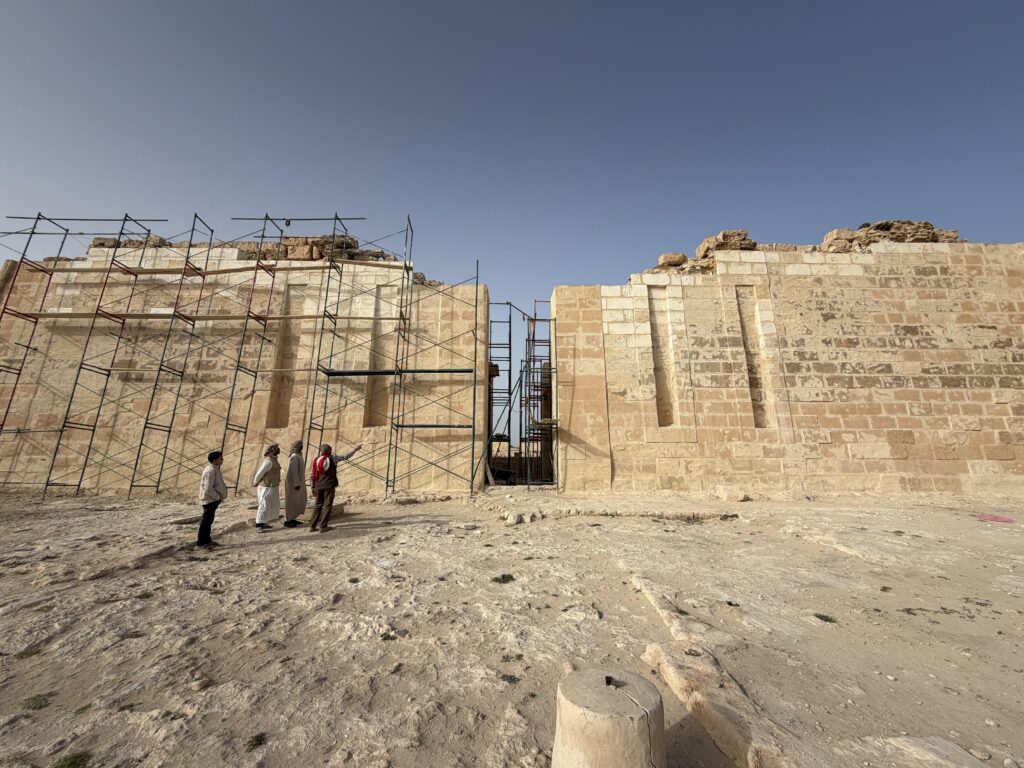
Archaeologist Kathleen Martínez and famed Titanic discoverer Bob Ballard uncovered the sunken landscape near the ruins of Taposiris Magna, believed to be a crucial development in solving the 2,000-year-old mystery of Queen Cleopatra VII of Egypt’s Tomb. With the discoveries of amphora, multiple anchors, a polished floor and towering columns, the team believe they have uncovered an ancient port, lost to the sea at Taposiris Magna. This isn’t just another random underwater site; it could potentially lead to one of archaeology’s most sought-after prizes.
The port city of Thonis-Heracleion was once a thriving port city in Ancient Egypt, but the city mysteriously vanished from any written records for thousands of years until historians found it underwater, and what was so remarkable about the city was how relatively intact it was, still having its bridges, large 16 ft stone statues, and other notable points of interest. Walking through a preserved ancient city on the seafloor must feel like stepping into a time machine. These submerged ruins are offering completely new perspectives on Egyptian maritime trade and culture.
Neolithic Turkey: Amphitheaters Before Cities
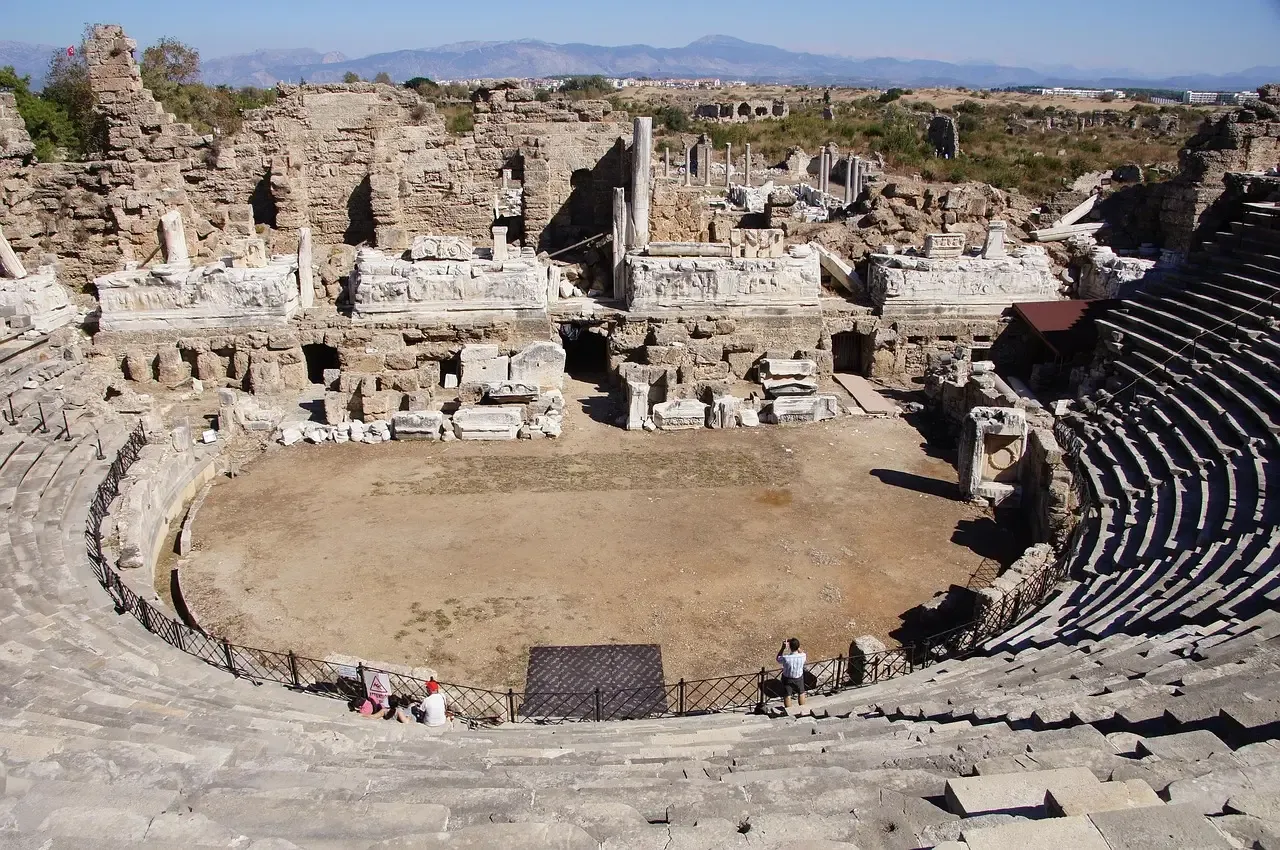
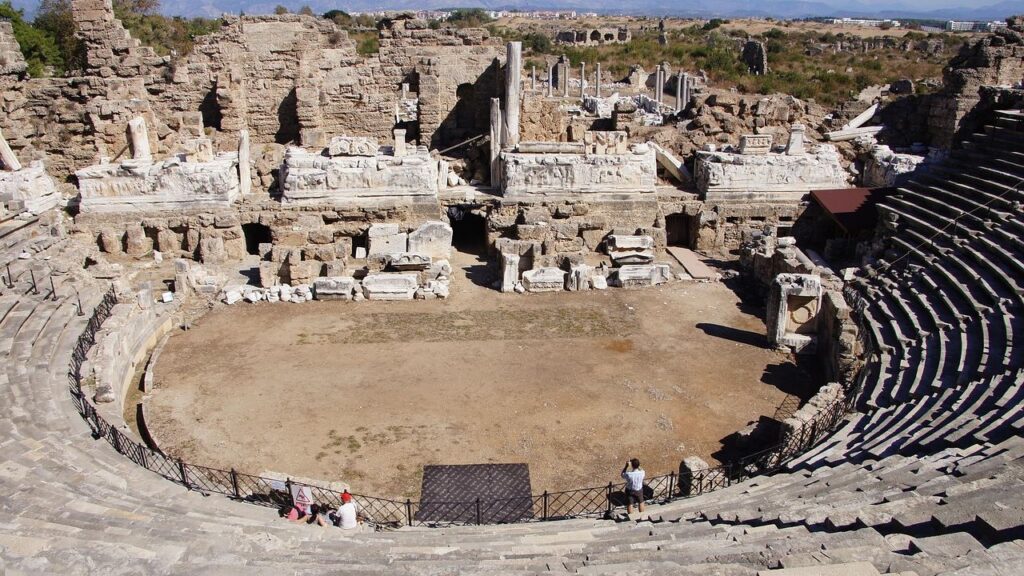
Excavations led by Istanbul University have revealed a large structure resembling an amphitheatre at Karahantepe, a Neolithic site located near Şanlıurfa in southeastern Türkiye that was inhabited from ca. 9400 to 8000 BCE, with the circular structure measuring almost 17 meters in diameter and featuring tiers of stone benches, human and animal sculptures, and carved heads embedded in the walls. I know it sounds crazy, but people were building elaborate gathering spaces thousands of years before they even invented pottery.
This discovery sits in the same mysterious cluster as Göbekli Tepe, suggesting this region of Turkey was some kind of cultural hotspot during the transition from nomadic to settled life. The level of coordination required to construct these monuments implies social structures far more complex than we typically associate with pre-agricultural societies. What drove these communities to invest such enormous effort into ceremonial structures rather than focusing solely on survival?
The Plague of Justinian: Ancient Pandemic Evidence
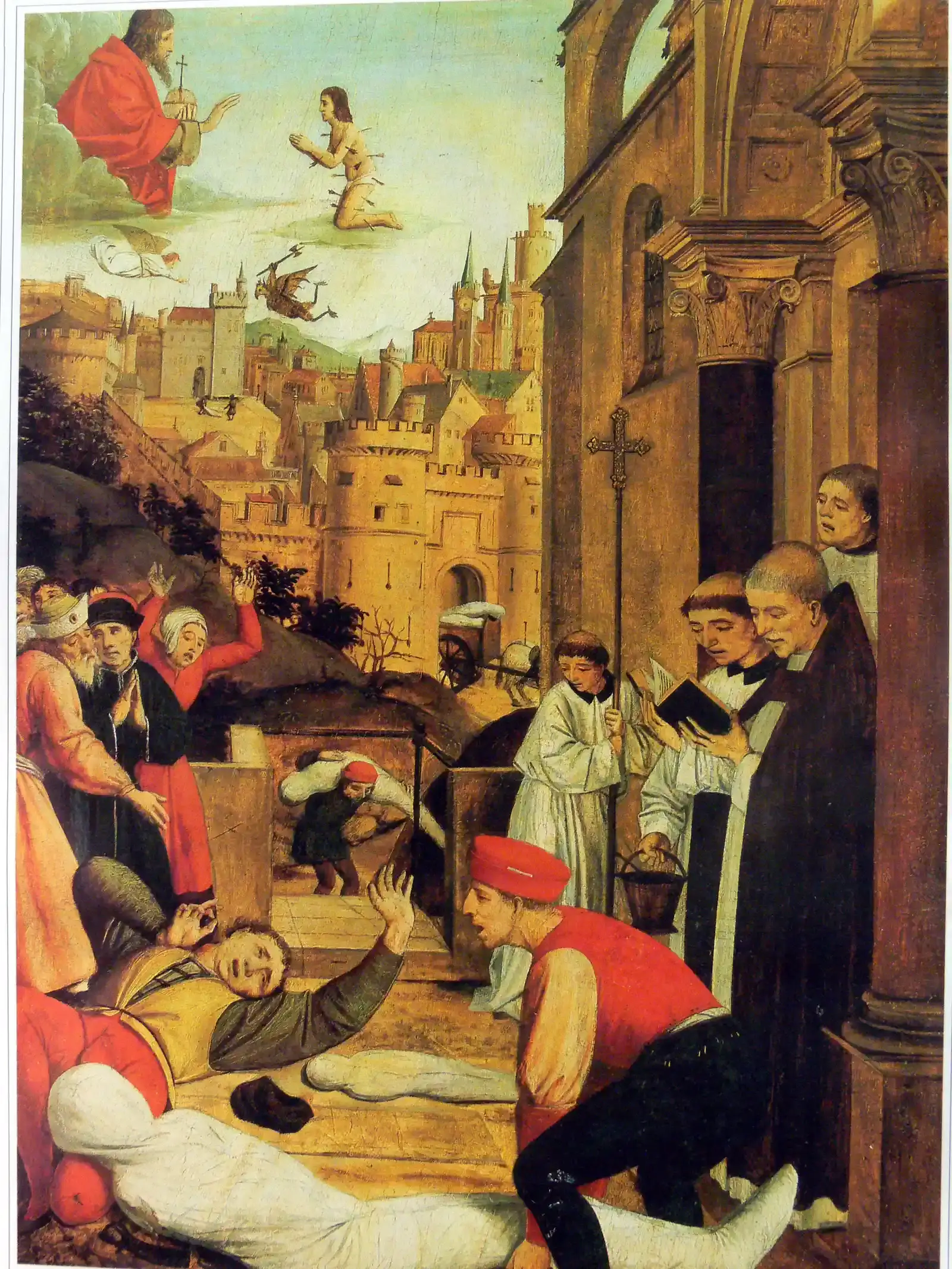
A global research team led by researchers from the University of South Florida and Florida Atlantic University identified Yersinia pestis, the microbe that causes plague, in teeth from a mass grave at Jerash, Jordan, providing the first definitive biological evidence of the devastating pandemic, with researchers finding nearly identical strains from multiple individuals buried in a grave dated to the mid 6th to mid 7th centuries CE. This conclusively proves what historical texts had been describing for centuries.
The Plague of Justinian first appeared in records from Pelusium in Egypt in 541 CE, before spreading throughout the Byzantine Empire and recurring in waves. Ancient pandemics weren’t just vague historical abstractions; they were biological realities that we can now trace through DNA analysis. The parallels to modern disease outbreaks make these findings feel uncomfortably relevant. Studying how past civilizations weathered catastrophic plagues might offer lessons we desperately need.
Conclusion
The ancient world refuses to stay buried. Every year brings discoveries that force us to rethink timelines, challenge assumptions, and acknowledge that our ancestors were far more sophisticated than we gave them credit for. From DNA locked in 4,500-year-old teeth to lost ports hiding Cleopatra’s secrets, from hunter-gatherers building megalithic temples to plague victims revealing pandemic histories, the past keeps speaking to us in surprising ways.
Modern technology is finally catching up to the mysteries these civilizations left behind. Satellite imaging, underwater mapping, ancient DNA sequencing, and countless other tools are revealing what traditional excavation alone could never uncover. Yet for every answer we find, a dozen new questions emerge. What would you guess: will we ever truly understand these ancient peoples, or will some secrets remain forever out of reach?