Have you ever held a rock and wondered what stories it could tell if it could talk? Beneath your feet lies a planet that has been writing its history in stone for billions of years. The rocks scattered across our world are not just random chunks of minerals. They are time capsules, ancient witnesses to events that unfolded long before dinosaurs, before forests, before even the simplest forms of life. Some geological formations on our planet are so incredibly old that they formed when Earth was barely recognizable, when the surface was molten and the atmosphere was toxic. Let’s dive into seven spectacular geological wonders that open windows into Earth’s most ancient past.
Jack Hills Zircon Crystals: Earth’s Oldest Survivors
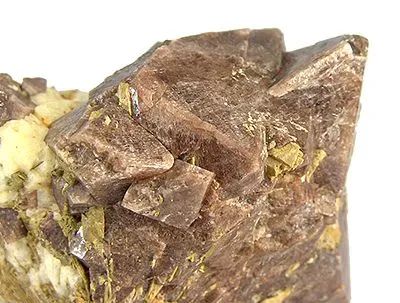
When you think about the oldest things on our planet, you might imagine towering mountains or vast canyons. Yet the most ancient Earth material ever discovered is actually microscopic. The Jack Hills zircon crystals from Western Australia date back an astonishing 4.4 billion years, making them older than almost everything else you can touch on this planet.
What makes these tiny crystals so remarkable isn’t just their age. The oxygen isotopic composition of these zircons has been interpreted to indicate that more than 4.4 billion years ago there was already water on the surface of Earth. This discovery completely changed what scientists thought about our planet’s early days. Instead of a hellish, completely molten world, Earth apparently cooled down much faster than anyone expected, with oceans forming surprisingly early in its history.
Nuvvuagittuq Greenstone Belt: A Controversial Contender
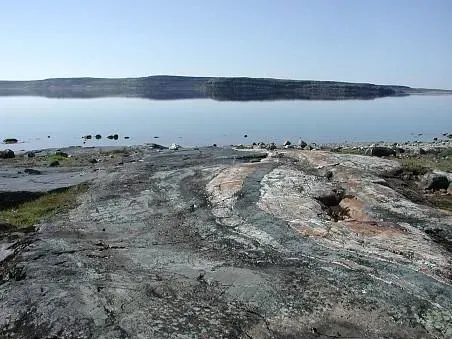
Tucked away on the coast of Hudson Bay in northern Quebec lies one of the most debated geological sites on Earth. New research suggests that the Nuvvuagittuq Greenstone Belt harbors the oldest known surviving fragments of Earth’s crust, dating back to 4.16 billion years ago. It’s the only rock determined to be from the Hadean eon, which began 4.6 billion years ago when the world was hot, turbulent and hell-like.
The controversy surrounding this site makes it even more fascinating. The Nuvvuagittuq Greenstone Belt has been dated several times by different research groups, with widely divergent results, though most agree the rock is at least 3.75 billion years old. Some studies have pushed its age much further back, sparking fierce debates among geologists. A report published in March 2017 provides evidence that fossils of microorganisms have been found in the Nuvvuagittuq rocks, which would be the oldest trace of life yet discovered on Earth. If that’s true, it would completely rewrite what we know about when and how life began.
Acasta Gneiss: The Undisputed Ancient Champion
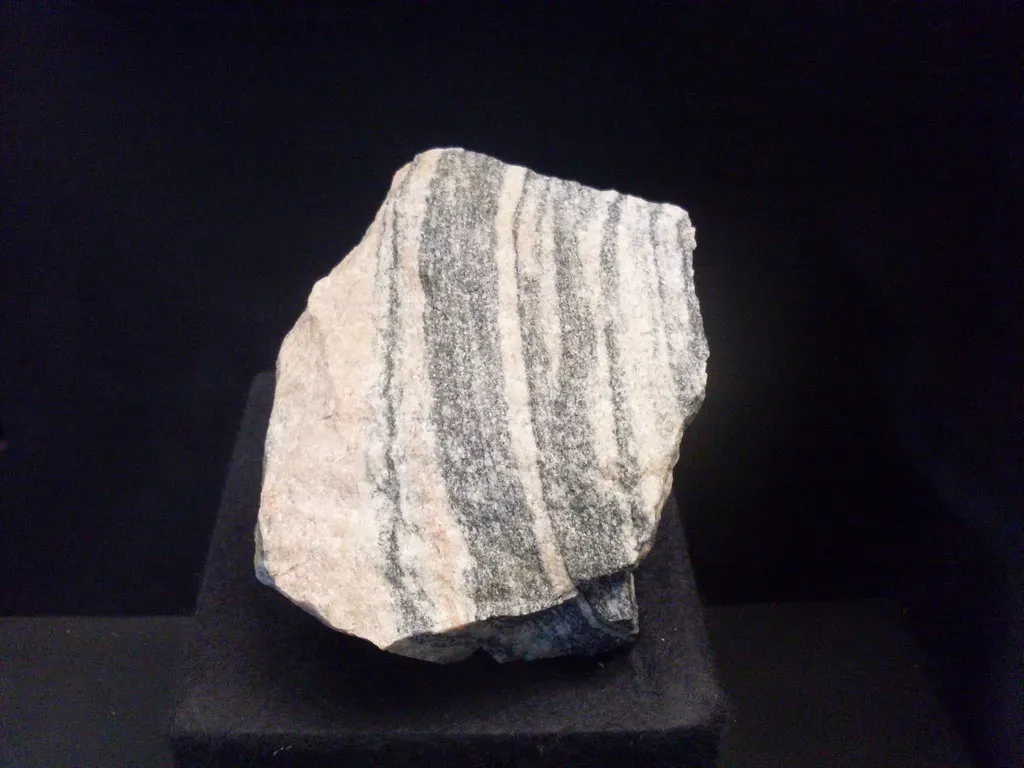
If you want to stand on some of the oldest confirmed rock on Earth, you need to travel to the remote Northwest Territories of Canada. In 1999, the oldest known rock on Earth was dated to 4.031 billion years, and is part of the Acasta Gneiss of the Slave Craton in northwestern Canada. The Acasta Gneiss Complex is more widely agreed to be the planet’s oldest geological formation, with these rocks unambiguously dated at 4.03 billion years old.
What’s particularly striking about the Acasta Gneiss is its twisted, banded appearance. These ancient rocks originated as igneous formations that underwent intense metamorphic processes, transforming them into the banded gneiss we see today. They have been squeezed, heated, folded, and contorted countless times over billions of years, yet somehow they’ve survived. Walking among these rocks is like stepping into a time machine set to the earliest chapters of Earth’s story.
Isua Greenstone Belt: Where Life Might Have Begun
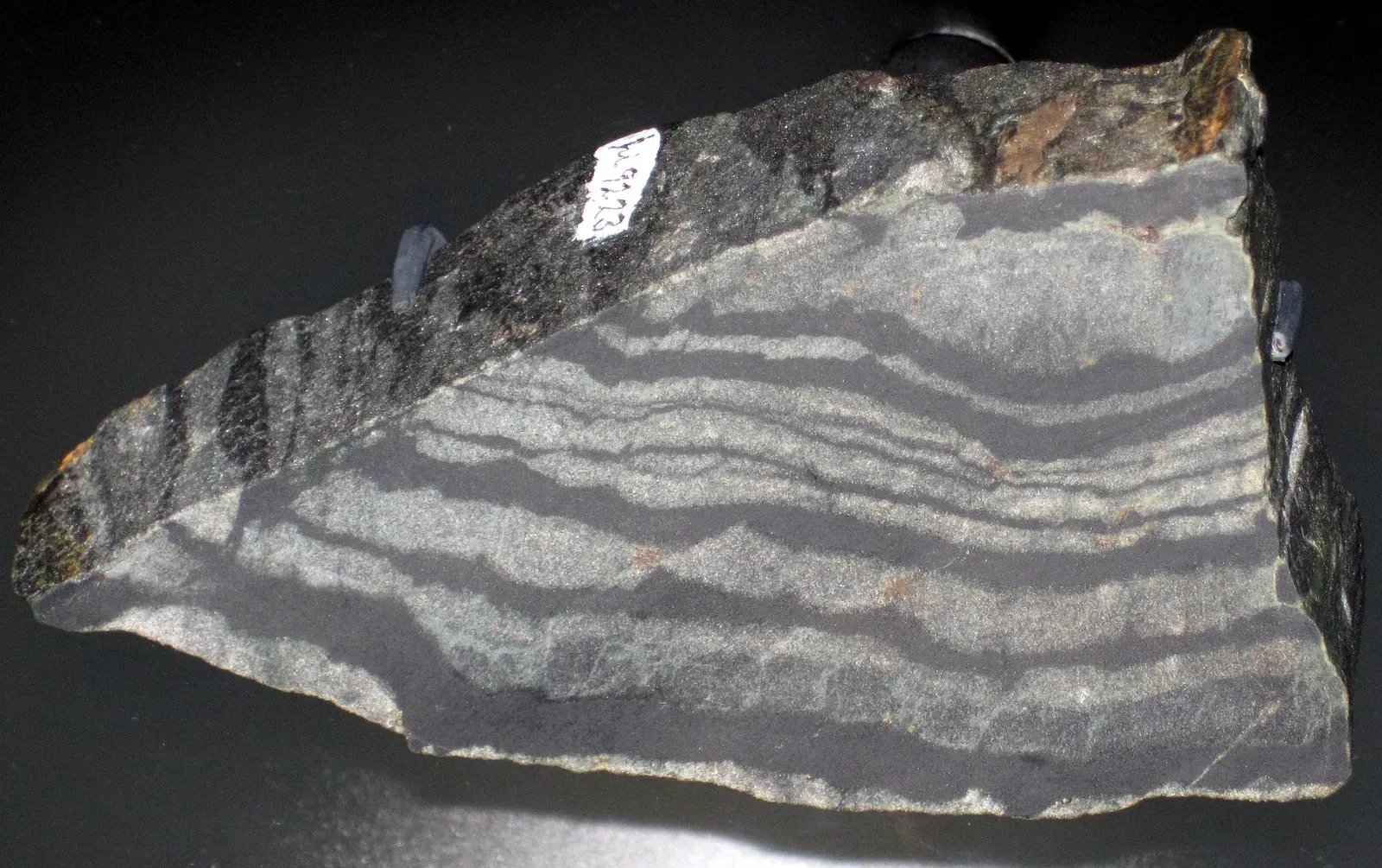
The barren, icy landscape of southwestern Greenland seems like an unlikely place to search for the origins of life. Yet that’s exactly what makes the Isua Greenstone Belt so compelling. The Isua Greenstone Belt is one of the oldest rock formations on Earth, aged between 3.7 and 3.8 billion years. The greenstone belt comprises two major sequences of metamorphosed mafic volcanic and sedimentary rocks, with the southern terrane having an age of approximately 3800 million years.
Here’s the thing that gets scientists really excited about Isua. The Isua Greenstone Belt in western Greenland contains some of the oldest rocks on Earth, and some researchers have argued it holds the earliest evidence of life on Earth, dating to 3.7 billion years ago. The mafic metavolcanics include pillow lavas and pillow breccias, which indicate that the lavas erupted subaqueously and requires the presence of surface water during the Eoarchaean. This means Earth had oceans way back then, creating the perfect conditions for the first stirrings of life.
Pilbara Craton: Australia’s Ancient Cradle of Life
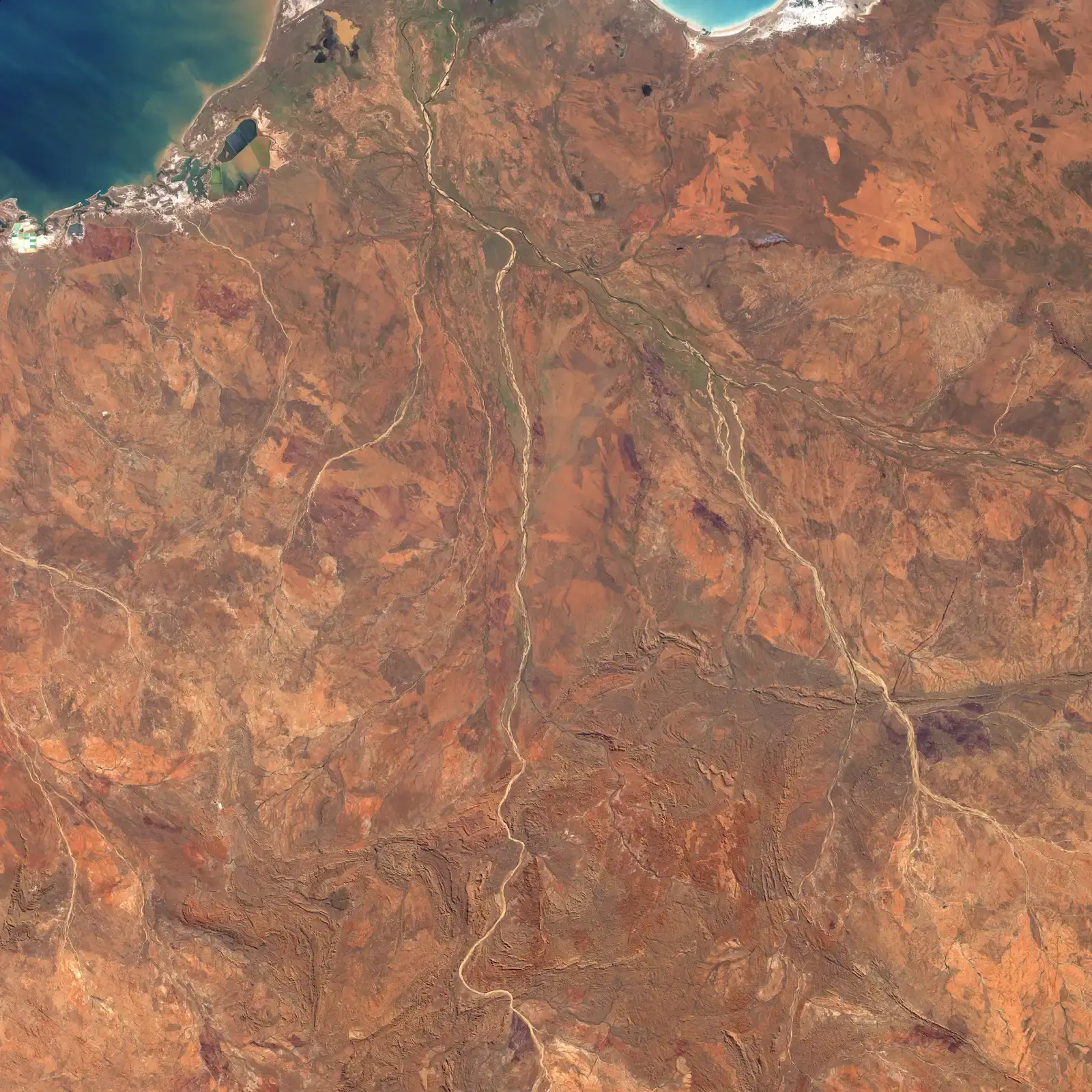
Western Australia’s Pilbara region might look like a desolate stretch of red earth and rocky outcrops, yet it’s one of the most scientifically valuable places on the planet. The Pilbara Craton is one of only two pristine Archaean 3.8 to 2.7 billion year old crusts identified on the Earth, along with the Kaapvaal Craton in South Africa. The Pilbara Craton along with the Kaapvaal Craton are the only remaining areas of the Earth with pristine 3.6 to 2.5 billion year old crust, making this crustal region extremely valuable in understanding the evolution of the Archean Earth.
The Pilbara is famous for something beyond its age. Evidence of the earliest known life on land may have been found in 3.48 billion year old geyserite and other related mineral deposits uncovered in the Dresser Formation in the Pilbara Craton. In 2025 the discovery of shatter cones near Marble Bar was announced, confirming the 3.47 billion year old North Pole Dome as the oldest dated impact structure in the world. The region preserves evidence not just of ancient life, but of ancient cosmic impacts that shaped the early Earth.
Barberton Greenstone Belt: South Africa’s Time Portal
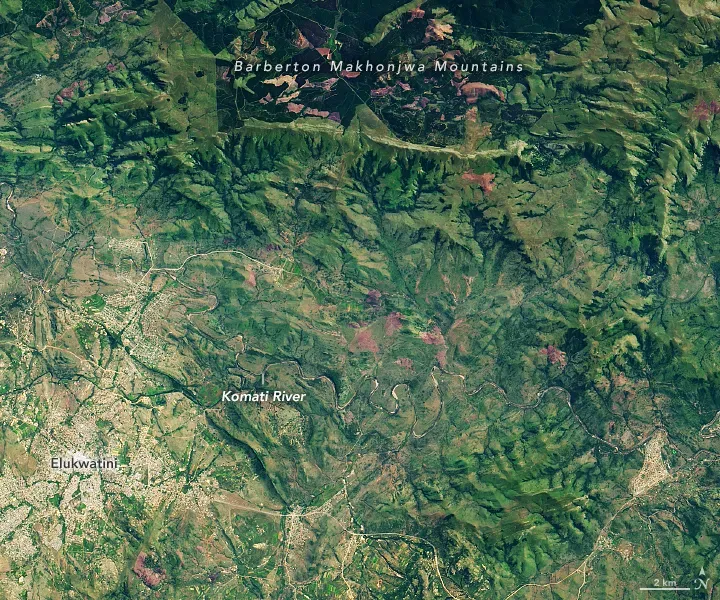
In the mountainous terrain of South Africa lies another window into the deep past. The Barberton belt in the Kaapvaal craton is 3.5 billion years old, placing it among the oldest and best-preserved rock formations on our planet. What sets Barberton apart is the incredible variety of rock types found there, from volcanic layers to sedimentary deposits, all squeezed together like pages in an ancient book.
The Barberton Greenstone Belt in South Africa has been found to contain evidence of the earliest known earthquakes, which occurred around 3.3 billion years ago. Think about that for a moment. These rocks preserve evidence of the planet literally shaking itself apart more than three billion years before humans appeared. Komatiite is named for the Komati Valley of South Africa in the area of the Barberton Greenstone Belt, and is often cited as an example of an extinct rock since it hardly ever forms on Earth anymore. This ultramafic volcanic rock only formed when Earth’s interior was much hotter than today.
Richat Structure: The Eye That Watches Through Time
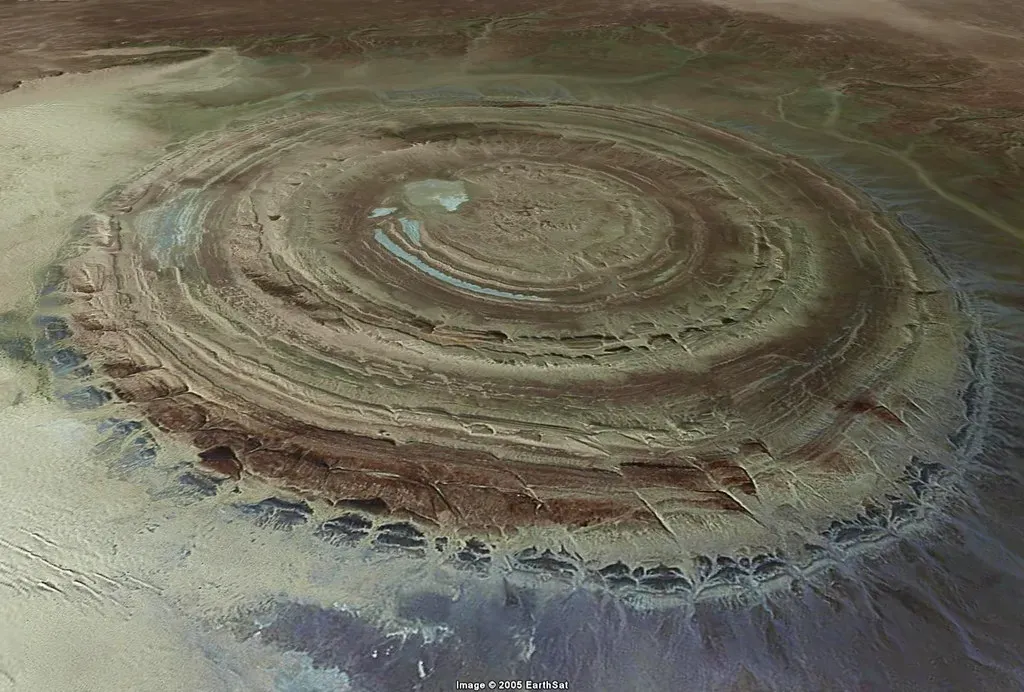
Sometimes called the “Eye of the Sahara,” the Richat Structure in Mauritania offers a different kind of ancient wonder. The Eye of the Sahara is best seen from space, measuring 45 km across and located in Mauritania in the Sahara Desert in Africa. The rocks in the centre are the oldest, roughly 1 billion years old, and the outer rings are younger, approximately 480 million years old.
What makes the Richat Structure so mesmerizing is how it allows you to literally walk through time. Geologically it is a formation known as a dome or domed anticline, with time having eroded the original topography, exposing the stratigraphic rock layers. As you move from the center outward through the concentric circles, you’re traveling forward through hundreds of millions of years of Earth’s history. The structure is so distinctive that astronauts use it as a landmark from space, a billion-year-old bull’s-eye in the desert sands.
Conclusion
These seven geological wonders are far more than just old rocks. They are Earth’s memory, preserved in mineral form. Each formation tells us something profound about our planet’s infancy, from when liquid water first appeared, to when life took its first tentative steps, to when continents began forming and colliding. Standing before these ancient stones, you realize that Earth has been changing, evolving, and writing its own story for billions of years.
The rocks beneath our feet connect us to an almost incomprehensibly distant past, yet they’re also surprisingly accessible. Some of these sites can be visited, touched, and explored. What do you think it would feel like to hold a piece of rock that’s older than the sun’s light takes to reach us? Tell us your thoughts in the comments.