
When you think of dinosaurs, the image that probably comes to mind first is something fierce and solitary. A massive tyrannosaur stalking through a misty forest. A lone predator sizing up its next meal. For decades, our popular imagination has painted these creatures as loners, relying solely on individual strength and cunning to survive.
Yet the evidence buried in rock formations around the world is telling a remarkably different story. Fossils aren’t just revealing what dinosaurs looked like or how big they grew. They’re showing us something far more intriguing: these ancient giants cooperated with one another in ways that challenge everything we thought we knew about prehistoric life.
Ancient Nurseries Tell Stories of Shared Parenting
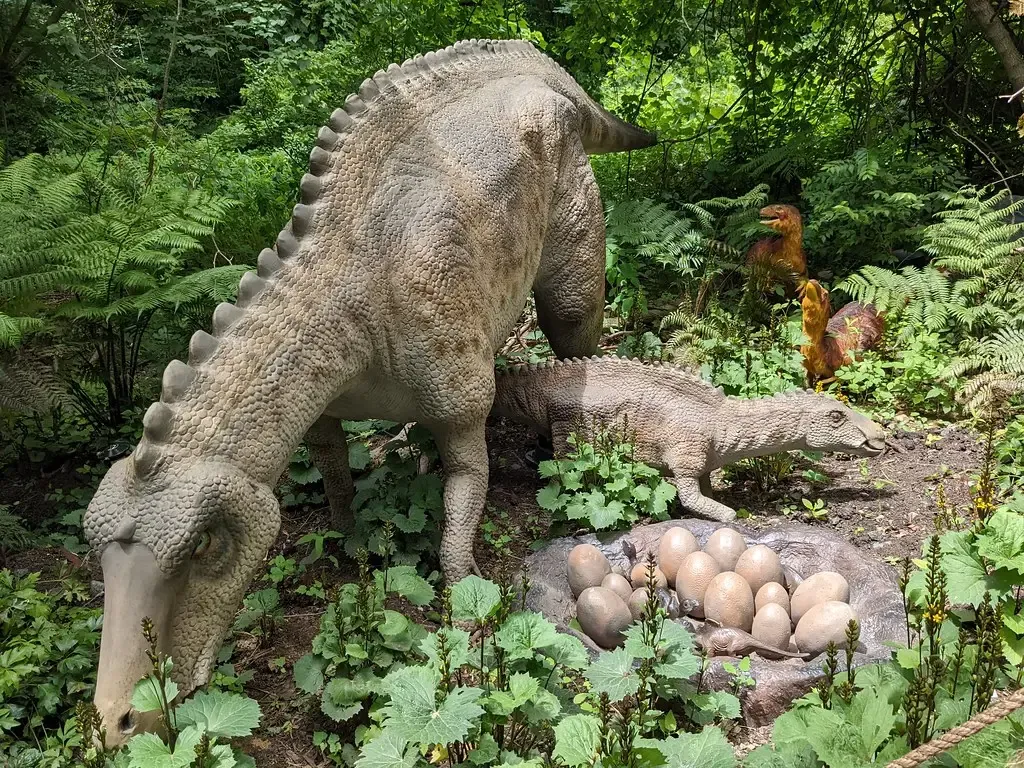
The discovery in the 1980s of nests belonging to the duck-billed dinosaur Maiasaura in Montana, alongside fossils of eggs, hatchlings and adult dinosaurs, provided the first strong evidence of how dinosaurs fed and cared for their offspring. This wasn’t just a random pile of bones. As many as 14 nests were found in a single area of the site, known as Egg Mountain, leading some scientists to believe that Maiasaura may have nested in colonies.
Let’s be real, this changes everything. The idea that these massive creatures gathered together specifically to raise their young suggests a level of social complexity nobody expected. Think about it: returning to the same breeding grounds year after year requires not just instinct but possibly even memory and planning. The dinosaurs likely worked as a community, laying their eggs in a common nesting ground, with juveniles congregating in “schools,” while adults roamed and foraged for the herd.
Herds That Traveled Together Through Deep Time
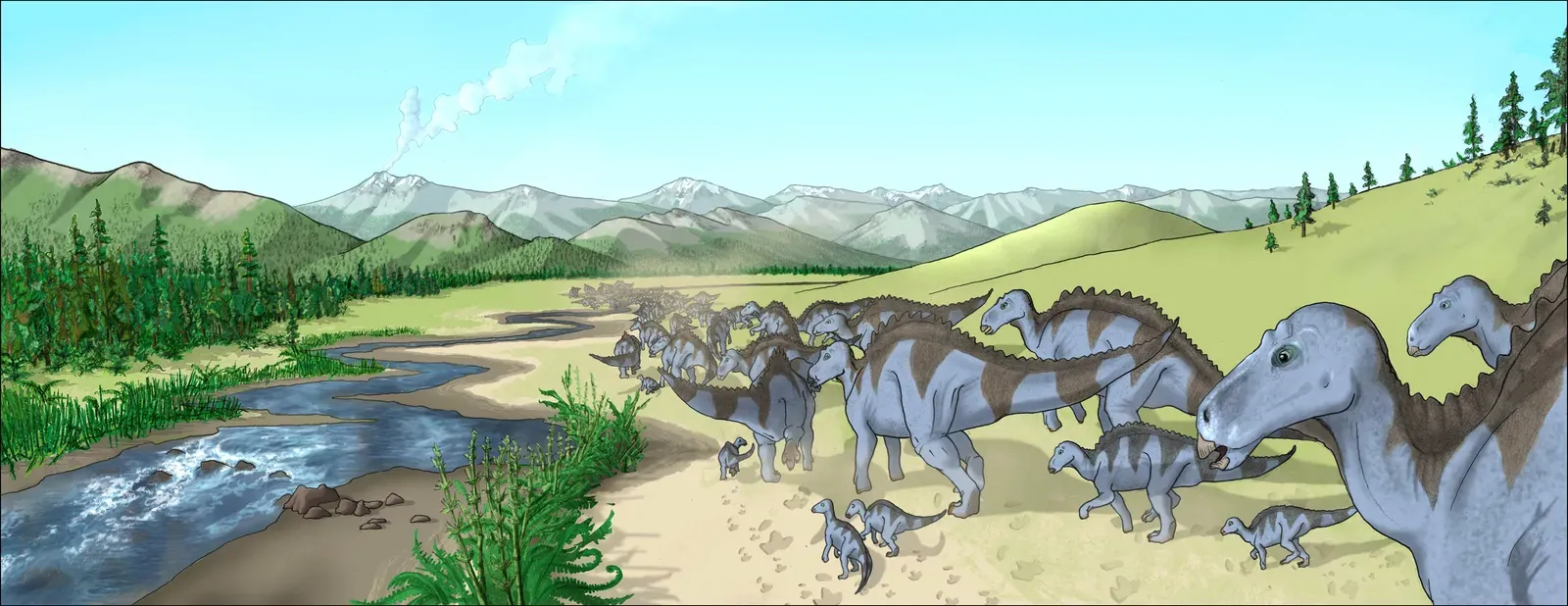
Ancient sediments among the fossils of a group of Mussaurus patagonicus dinosaurs dated back to around 193 million years ago, during the early Jurassic period, representing the earliest evidence of social herding among dinosaurs. What makes this finding absolutely stunning is what researchers found when they examined the site more carefully.
Among the fossils, the team discovered a group of 11 articulated juvenile skeletons, intertwined and overlapping each other, as if they had been suddenly thrown together, with the entire herd appearing to have died synchronously, perhaps quickly buried by sediments. Here’s the thing that makes you wonder: these weren’t adults protecting young. These were juveniles hanging out together, possibly without parental supervision. The team’s results show that Mussaurus and possibly other dinosaurs evolved to live in complex social herds as early as 193 million years ago, around the dawn of the Jurassic period.
The Age Segregation Mystery
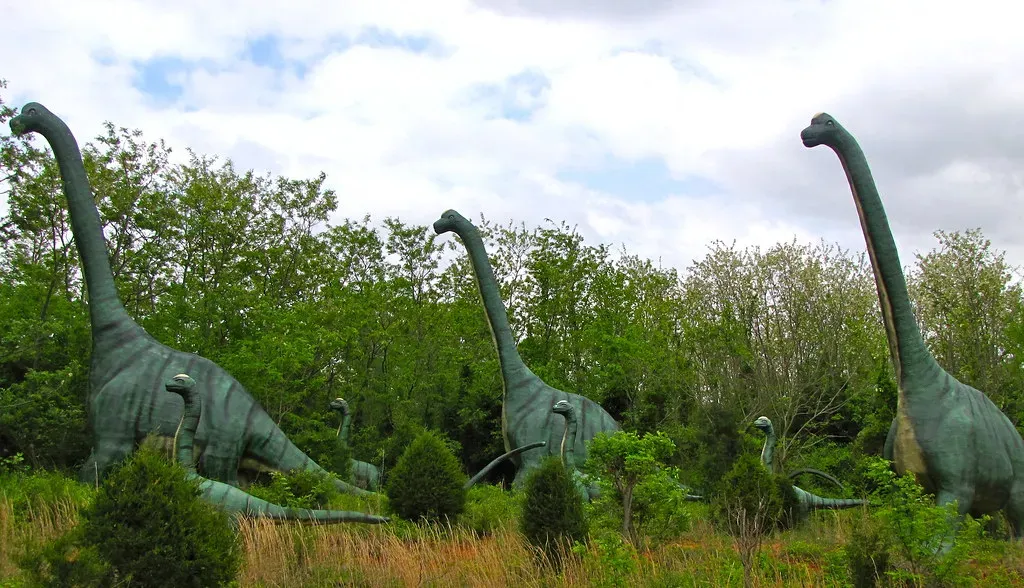
Something really fascinating emerges when you look at how these ancient herds were organized. Fossils were grouped by age: Dinosaur eggs and hatchlings were found in one area, while skeletons of juveniles were grouped in a nearby location, and remains of adult dinosaurs were found alone or in pairs throughout the field site. Honestly, this sounds eerily similar to how some modern animals behave.
This “age segregation” is a strong sign of a complex, herd-like social structure, where the dinosaurs likely worked as a community, laying their eggs in a common nesting ground, with juveniles congregating in “schools,” while adults roamed and foraged for the herd. The implications are wild. You probably wouldn’t expect ancient reptiles to display the kind of social sophistication we see in modern elephants or dolphins, yet the fossil record keeps surprising us.
Multi-Species Herding: Nature’s Earliest Alliances
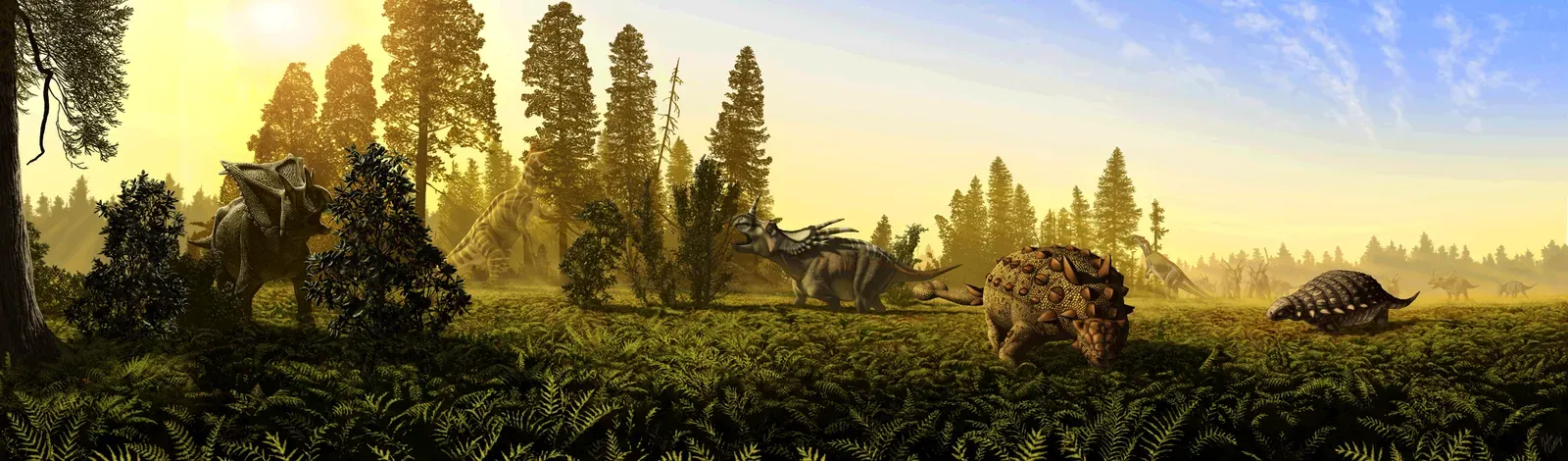
The preserved trackways of several ceratopsians walking together in a group provide rare evidence for these animals living together, representing the first evidence of mixed-species herding behavior in dinosaurs, similar to how modern wildebeest and zebra travel together on the African plains. Now that’s unexpected. Imagine different species of massive dinosaurs deliberately choosing to travel side by side.
The presence of two T. rex footprints raises the prospect that multispecies herding may have been a defence strategy against common apex predators, although more evidence is needed to confirm this. The tracks from Dinosaur Provincial Park in Alberta suggest something that makes your imagination run wild. Were herbivore dinosaurs forming defensive alliances against tyrannosaurs? It’s hard to say for sure, but the evidence is certainly suggestive.
Brooding Behavior and Protective Instincts
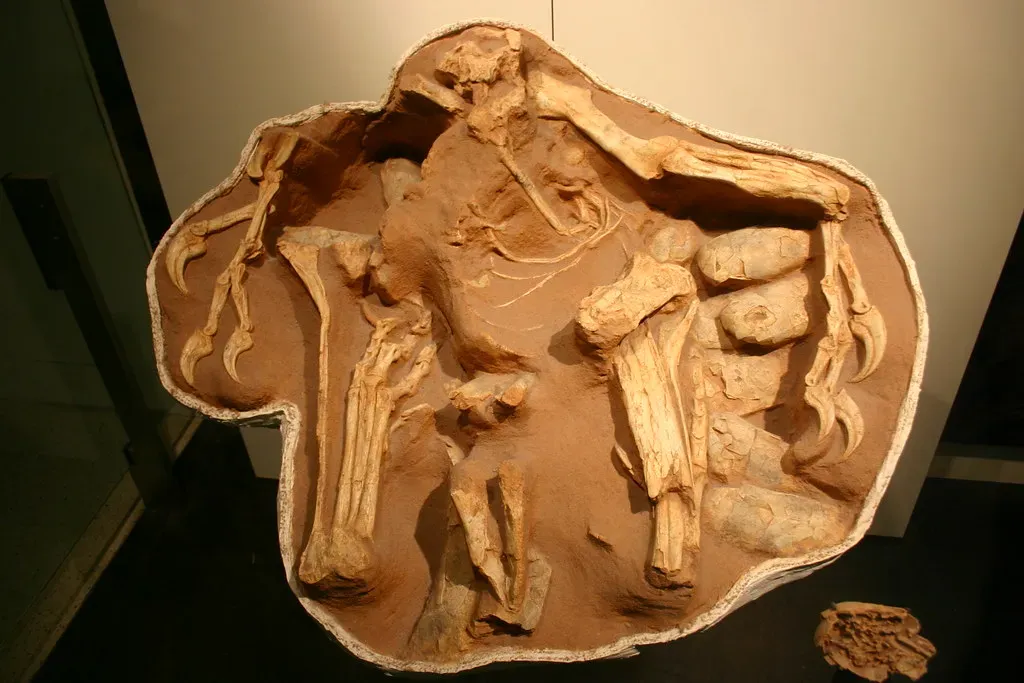
Oviraptorids, like the Citipati osmolskae or “Big Mama,” have been found brooding on their nests, indicating protective behavior, though further research has revealed that Oviraptorids were actually caring parents, with one remarkable discovery being the fossilized remains of a 75-million-year-old Oviraptorid. These fossils show dinosaurs literally sitting atop their nests in protective positions.
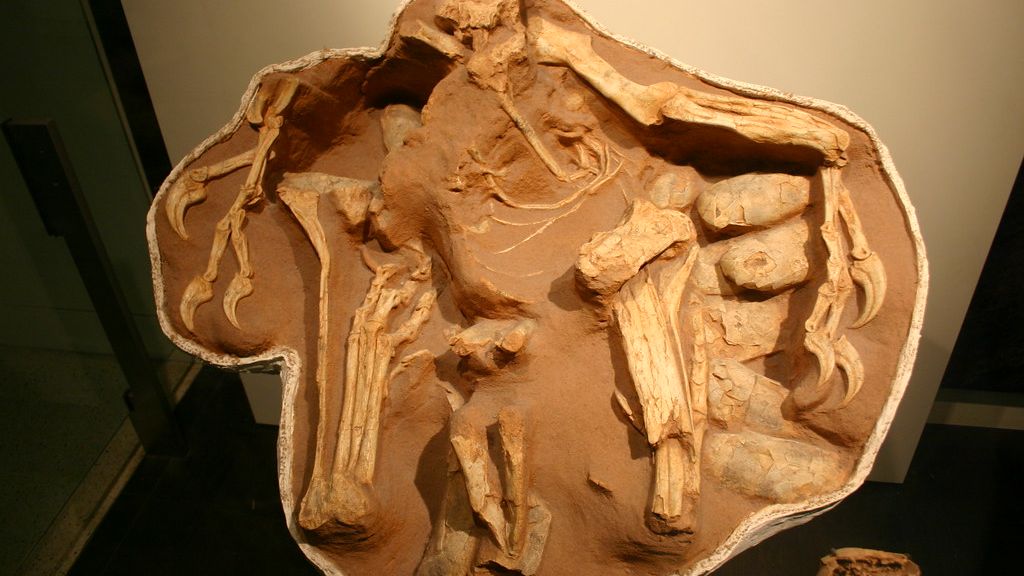
There’s something almost touching about these discoveries. In the fossilized group of horned dinosaurs called Psittacosaurus, a fully grown individual is surrounded by 34 youngsters, all huddled within an area of 0.5 square metres, which is almost certainly a family group rather than a happenstance collection of dead dinosaurs. The scene captured in stone millions of years ago depicts what appears to be a parent dinosaur with dozens of offspring at the moment disaster struck.
Chemical Evidence of Feeding and Care Strategies
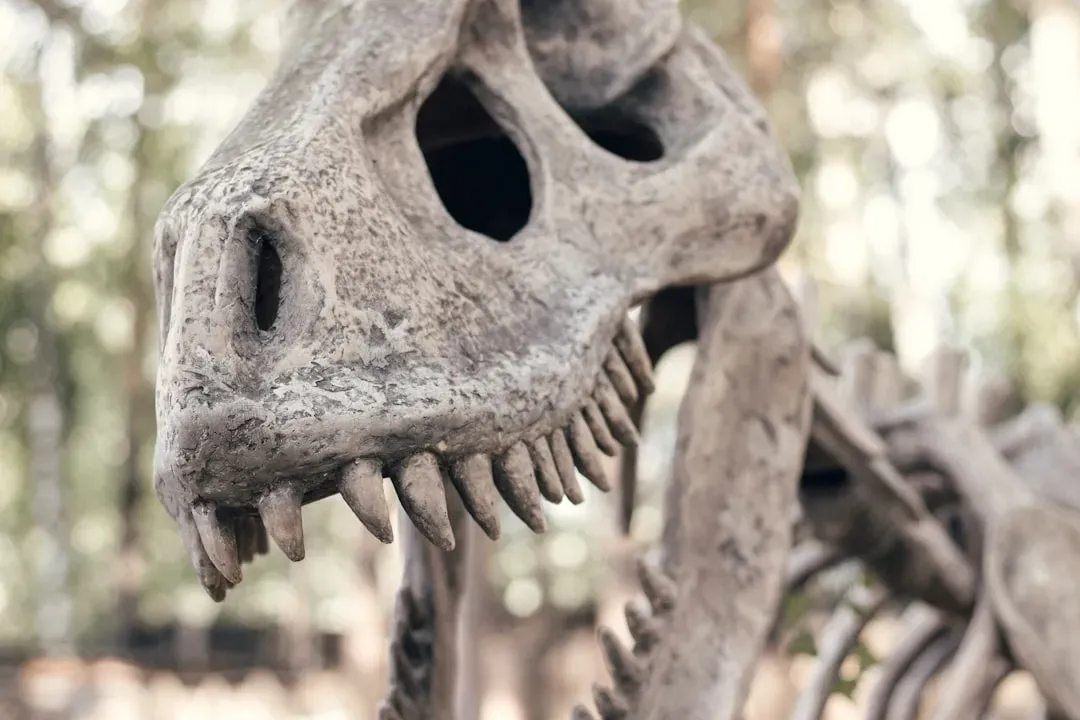
Not all cooperation stories come from obvious groupings of skeletons. Analysis of stable isotopes of carbon and oxygen in teeth from Deinonychus antirrhopus provided an idea of diet and water sources for these animals, with researchers also looking at a crocodilian and an herbivorous dinosaur from the same geologic formation, finding that Cretaceous crocodilians show a difference in diet between the smallest and largest teeth.
What’s the big deal about tooth chemistry? Well, it tells us whether young dinosaurs ate the same food as adults or had different diets. Animals that hunt in packs do not generally show dietary diversity, so if researchers can look at the diet of young raptors versus old raptors, they can come up with a hypothesis for whether they hunted in groups. Though the evidence for pack hunting remains controversial, the chemical fingerprints preserved in fossilized teeth continue to provide fresh insights into how these animals may have cooperated, or not.
Colonial Nesting: Safety in Numbers
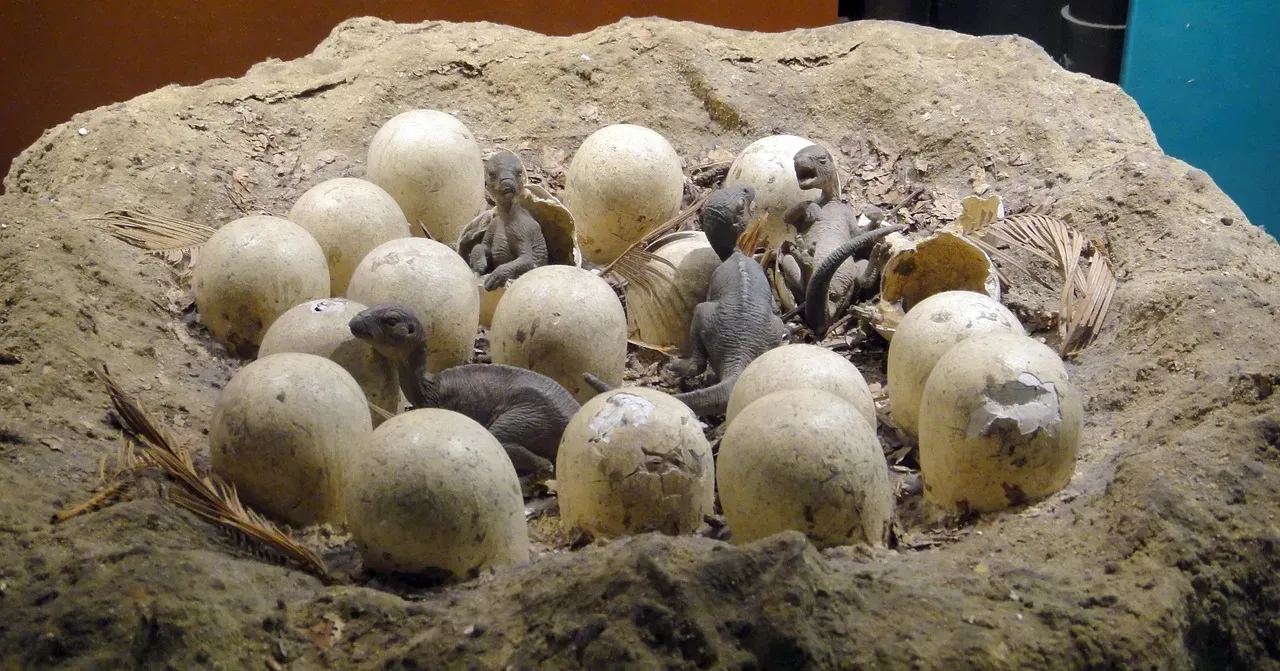
Fossils indicated that all the eggs were laid and hatched in the same nesting season, providing evidence that the dinosaurs nested in colonies, with about 60% of them hatching successfully, a relatively high hatching rate similar to that of modern birds and crocodilians that protect their eggs, supporting the argument that these dinosaurs also looked after their nests. That’s a surprisingly successful hatching rate for animals that supposedly didn’t care for their young.
The numbers don’t lie. When you’ve got multiple nests clustered together and a majority of eggs successfully hatching, you’re looking at coordinated behavior. Nesting sites discovered establish herding among dinosaurs, with nests and eggs numbering from dozens to thousands preserved at sites that were possibly used for thousands of years by the same evolving populations of dinosaurs. Generation after generation returning to the same spot. That’s not random chance; that’s tradition encoded in behavior.
The fossil record continues to chip away at our preconceptions about dinosaurs as simple, brutish creatures. From communal nurseries to age-segregated herds, from multi-species traveling groups to protective parents brooding over nests, these ancient animals displayed cooperative behaviors that rival those of modern mammals and birds. Each new discovery reminds us that the past is far stranger and more wonderful than we ever imagined. What other secrets are waiting in the rocks? What would you have guessed about dinosaur behavior before reading this?