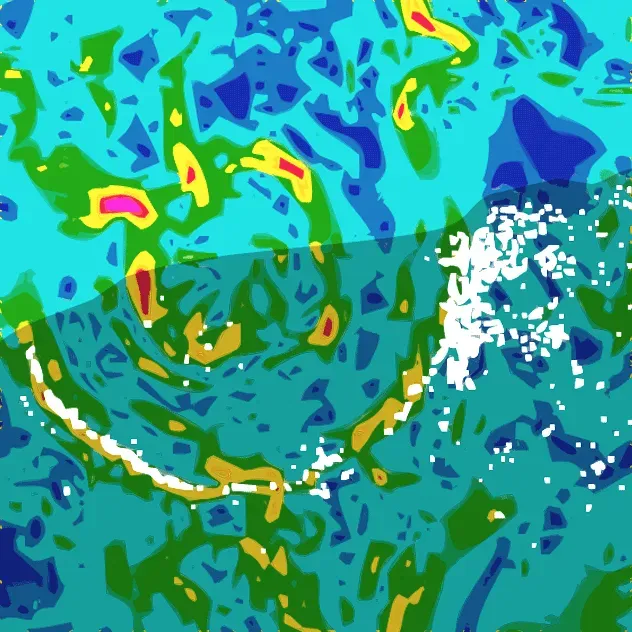
Imagine a moment frozen in time, roughly sixty six million years ago, when a massive space rock hurtled toward our planet at unimaginable speeds. That asteroid, about ten kilometers wide, slammed into what we now know as the Yucatan Peninsula in Mexico, creating the Chicxulub crater and triggering one of the most catastrophic extinction events in Earth’s history. But here’s something that’ll keep you up at night: what if that cosmic projectile had struck somewhere else entirely?
You might not realize it, but the location of that impact wasn’t just bad luck for the dinosaurs. It was actually one of the worst possible scenarios. The asteroid hit a region uniquely rich in specific geological materials that amplified its devastating effects far beyond what the raw energy alone could have caused. Had the trajectory shifted by even a few degrees, or had Earth been rotating at a slightly different position during those final moments, the course of life on our planet could have taken a dramatically different path. Let’s dive into these alternate scenarios and explore what might have been.
The Deadly Chemistry of the Yucatan Impact
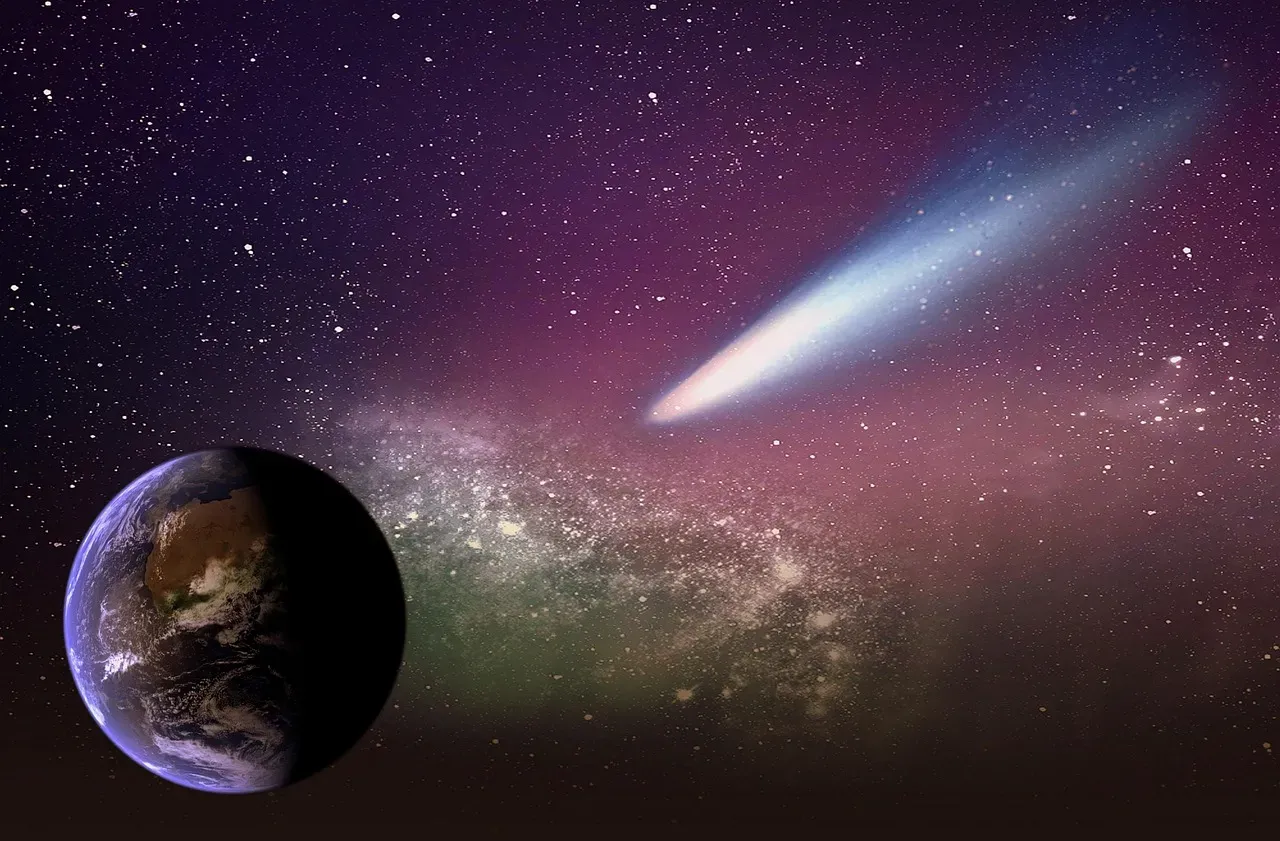
The Chicxulub impact site contained rocks composed of the mineral anhydrite, a calcium sulphate mineral, and the asteroid struck deposits on the Yucatan Peninsula that were exceptionally rich in these materials. This wasn’t just any random patch of Earth’s crust. The amount of hydrocarbon and sulfur in rocks varies widely depending on location, and this significant event could have occurred only if the asteroid hit hydrocarbon rich areas occupying approximately thirteen percent of the Earth’s surface.
When the space rock vaporized these sulfur bearing rocks, it injected massive quantities of sulfate aerosols into the stratosphere. Sulfur vapor was injected into the stratosphere, and reacting with water vapor, produced sulphate aerosols and eventually sulfuric acid rain. Think of it like the worst industrial pollution imaginable, but on a planetary scale. The chemistry was brutal, and honestly, the dinosaurs never stood a chance once those toxic clouds began circling the globe.
If the Asteroid Had Struck the Deep Ocean
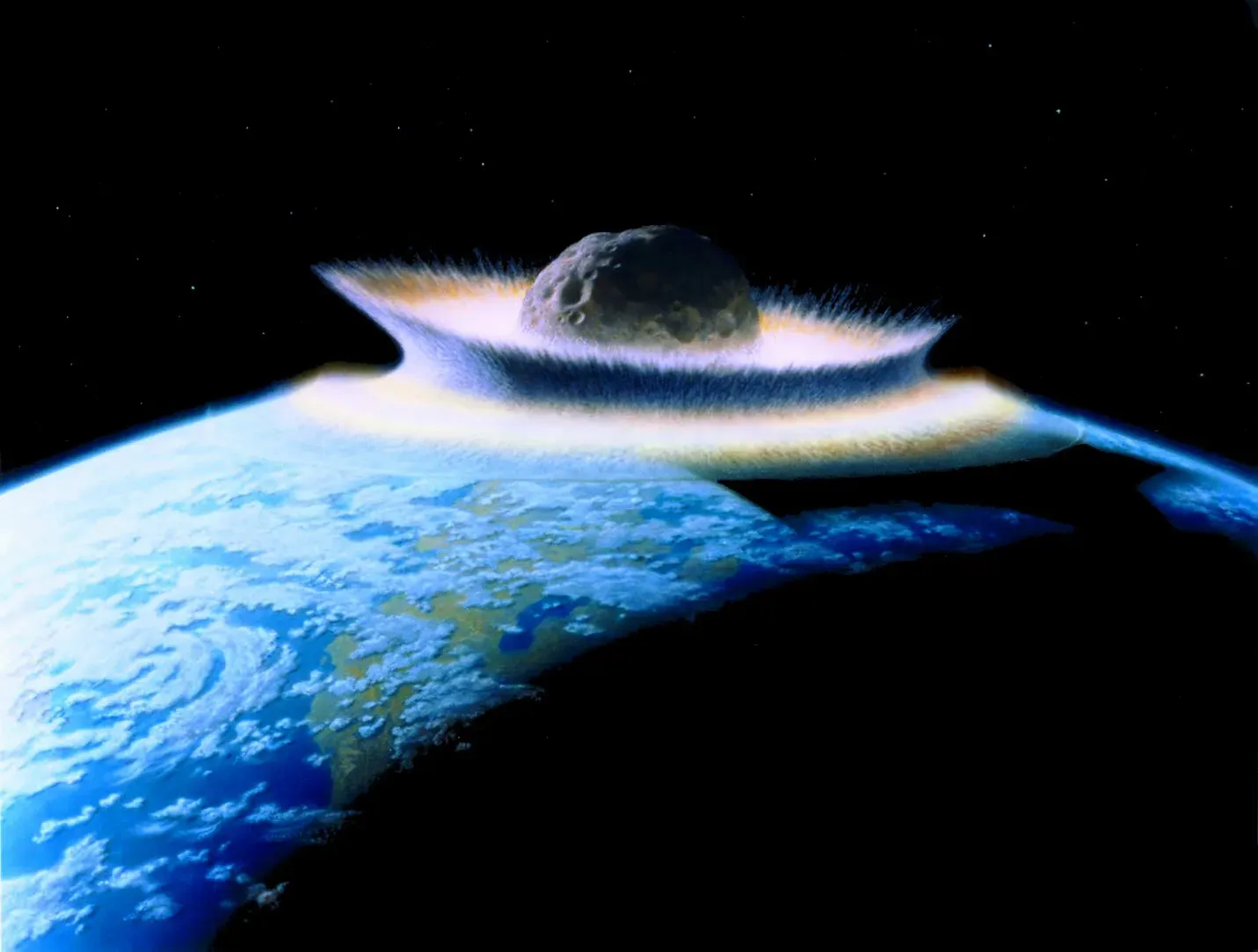
You might assume that an ocean impact would somehow be safer, cushioned by all that water. Let’s be real though, that’s not how physics works. Sub five hundred meter asteroid deep water impacts pose less hazard on average than land impacts. Recent research has shown something surprising here.
While local marine disturbances would occur, the overall damage would be far less severe than if the asteroid struck land. The deep ocean would absorb tremendous amounts of energy through vaporization and dispersion. Only about one percent of an asteroid’s kinetic energy is actually transferred into a tsunami wave. Still, you’d see massive water vapor injection into the atmosphere, creating greenhouse effects that could persist for years. The most significant effect of an impact into the ocean is the injection of water vapor into the stratosphere, with possible climate effects, and large rocks could vaporize up to two hundred fifty metric megatons of water. It’s hard to say for sure, but this scenario might have given more species a fighting chance at survival.
A Strike on Barren Continental Rock
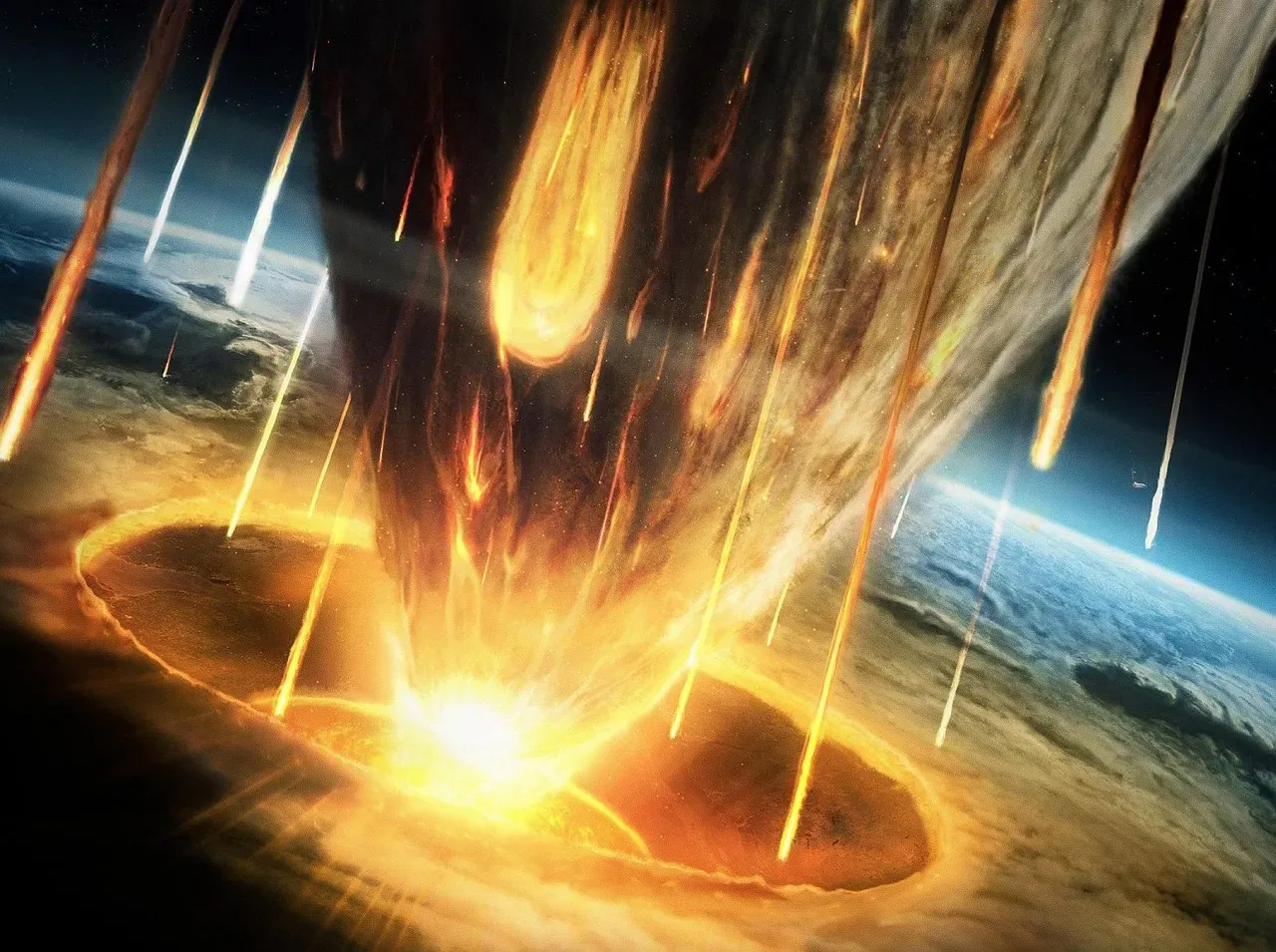
Picture the asteroid hitting a geologically quiet region, maybe something like the ancient shields of Canada or Siberia. These areas lack the sulfur rich sediments that made Chicxulub so catastrophic. The probability of significant global cooling, mass extinction, and the subsequent appearance of mammals was quite low after an asteroid impact on the Earth’s surface, as this could have occurred if the asteroid hit hydrocarbon rich areas occupying approximately thirteen percent of the Earth’s surface.
Without those sulfur compounds, you’d still get the immediate devastation from the impact itself. The blast would create earthquakes, wildfires, and a massive dust cloud. As much as twenty five trillion metric tons of excavated material would be ejected into the atmosphere by the blast, and the rock would heat Earth’s surface and ignite wildfires estimated to have enveloped nearly seventy percent of the planet’s forests. The difference? The atmospheric poisoning would be dramatically reduced. Many species might have weathered the initial storm and survived the following decades of climate disruption. The dinosaurs might not have gone completely extinct, or at least their decline would have been more gradual.
What About a Shallow Coastal Impact
Here’s where things get interesting in a terrifying way. Asteroids over the ocean pose less of a danger to humans than asteroids over the land, but there’s one big exception, and that’s asteroids that strike near a coastline. If Chicxulub had hit shallow continental shelf waters instead of where it actually landed, the tsunami effects would have been far more pronounced regionally.
If an asteroid splashes down in deep water, the resulting waves would resemble a storm surge creating floods but avoiding a dangerously looming wall of water, and for coastal communities these impact tsunami waves would not be much more hazardous than storm surges if the impact happens far off shore in the deep ocean, restricting the danger zones to impacts on the continental shelves. A shallow water strike would create devastating local tsunamis that could wipe out entire coastlines within hours. The global effects, however, might have been somewhat mitigated without the unique sulfur chemistry of the Yucatan site. It’s a trade off between immediate regional annihilation and reduced worldwide catastrophe.
The Possibility of Multiple Smaller Craters
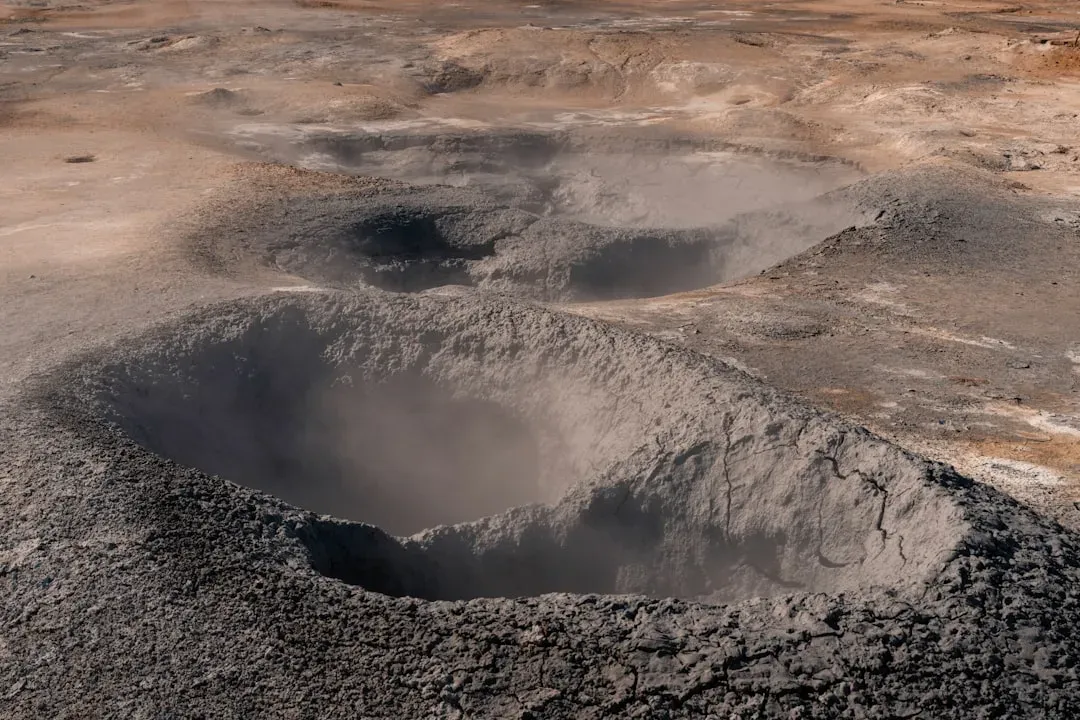
What if the asteroid had fractured during its approach, creating multiple impact sites across the planet? Other crater like topographic features have been proposed as impact craters formed in connection with Cretaceous Paleogene extinction, suggesting the possibility of near simultaneous multiple impacts perhaps from a fragmented asteroidal object. This scenario would distribute the energy across several locations rather than concentrating it in one catastrophic strike.
Multiple smaller impacts might sound worse, but the physics tells a different story. Each individual crater would release less localized energy, potentially reducing the immediate devastation at any single point. The atmospheric effects would still accumulate globally, creating worldwide dust and temperature changes. The critical difference lies in the geological composition at each impact site. If none of these strikes hit sulfur rich regions, the extinction might have been less severe. Conversely, if several impacts occurred in chemically reactive zones, the combined effect could have been even more devastating than what actually happened.
The Long Term Evolutionary Consequences
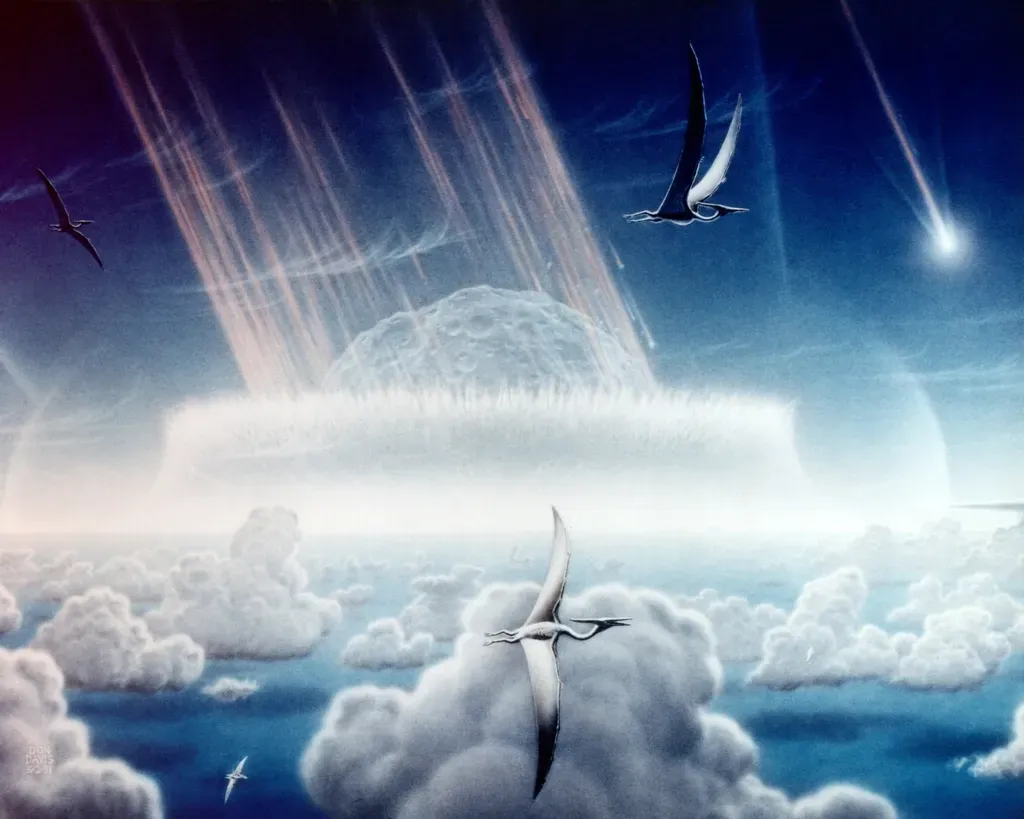
It is now widely accepted that the devastation and climate disruption resulting from the impact was the primary cause of the Cretaceous Paleogene extinction event, a mass extinction of seventy five percent of plant and animal species on Earth including all non avian dinosaurs. This extinction cleared ecological niches that mammals eventually filled. Had the impact been less severe or struck a different location, dinosaurs might have continued dominating terrestrial ecosystems.
Think about what that means for a moment. You and I probably wouldn’t exist. These events triggered a mass extinction including dinosaurs and led to the subsequent macroevolution of mammals, and the probability of the subsequent appearance of mammals was quite low after an asteroid impact on the Earth’s surface. A less catastrophic impact might have allowed dinosaurs to recover and adapt, potentially preventing the rise of mammals to dominance. Perhaps intelligent dinosaur descendants would have eventually evolved instead of primates. It sounds crazy, but the contingency of evolution depends heavily on these catastrophic reset buttons. The Chicxulub impact didn’t just kill the dinosaurs; it fundamentally rewired the possibilities for future life on Earth.
Conclusion
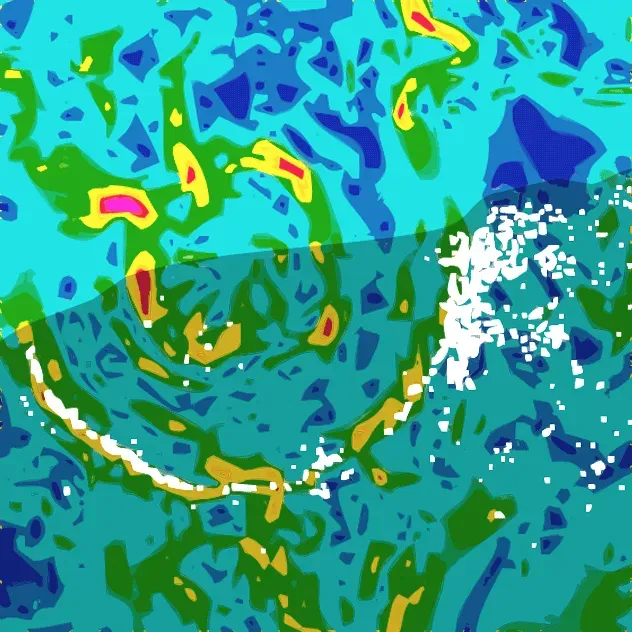
The location of the Chicxulub impact was catastrophically perfect, if you can call planetary devastation perfect. The site of asteroid impact therefore changed the history of life on Earth. That particular patch of sulfur rich sedimentary rock in the Yucatan amplified what would have been a terrible disaster into an extinction level event that reset the evolutionary clock.
Had the asteroid struck almost anywhere else on the planet, life might have survived more intact. Dinosaurs could have persisted, mammals might never have risen to dominance, and you wouldn’t be reading these words right now. The randomness of cosmic impacts combined with the specific chemistry of our planet’s crust determined not just who died that day sixty six million years ago, but who would inherit the Earth for millions of years to come. Pretty wild to think that the fate of our entire lineage hinged on a space rock hitting one specific spot on a spinning planet, isn’t it? Makes you wonder what other cosmic near misses might be waiting in our future.