
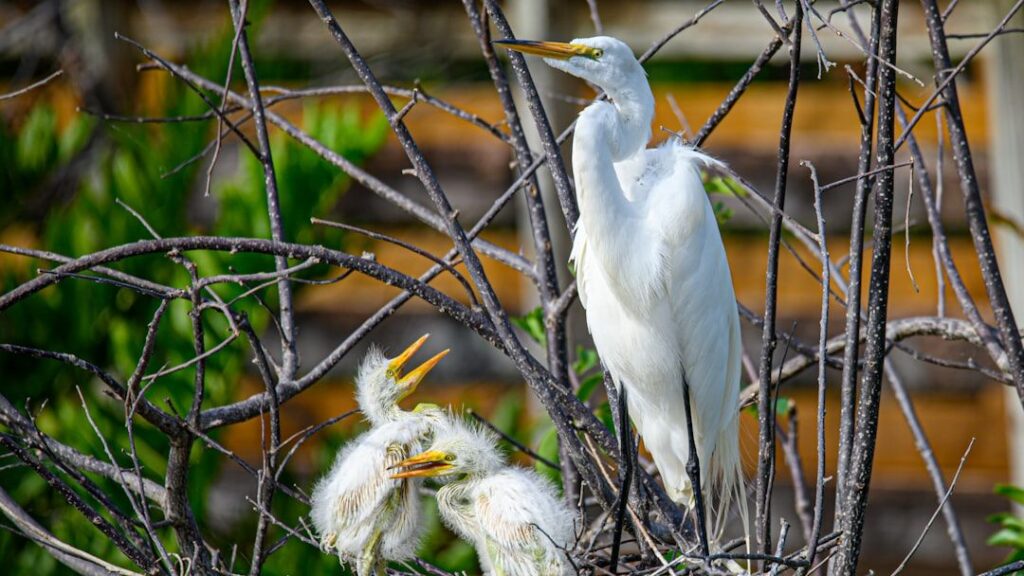
Have you ever watched a robin feeding its chirping chicks and wondered if dinosaurs might have done the same thing? It’s a fascinating thought, honestly. The connection between modern birds and their ancient ancestors has become more than just a curiosity. It’s transformed into a serious field of scientific inquiry. Researchers are discovering that studying the way birds behave today might actually unlock secrets about how dinosaurs cared for their young millions of years ago. This isn’t just about feathers and hollow bones anymore. We’re talking about behaviors, instincts, and parental strategies that might have been passed down through countless generations. Let’s dive into this remarkable journey through time and behavior.
The Living Dinosaur Connection
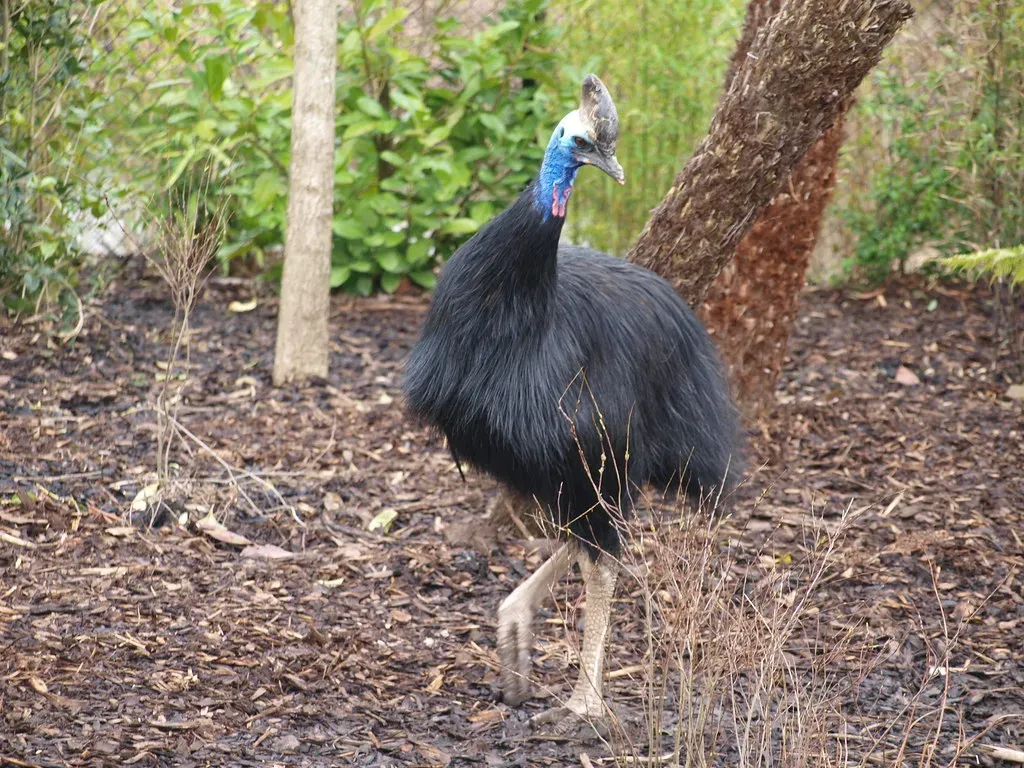
Modern birds are a group of maniraptoran theropod dinosaurs that originated during the Mesozoic era. This isn’t some wild speculation. It’s backed by overwhelming scientific evidence. Think about it this way: when you see a sparrow hopping across your lawn, you’re essentially watching a living dinosaur. The evolutionary link between birds and dinosaurs has become so well established that scientists now classify birds within the dinosaur family tree itself.
Birds are formally recognized as a group nested within theropod dinosaurs, making them no less dinosaurian than Tyrannosaurus or Velociraptor from a taxonomic perspective, and acknowledging that dinosaurs never truly went extinct – one highly specialized lineage survives today as the approximately 10,000 species of modern birds. What makes this relationship particularly valuable for researchers is that birds represent a living laboratory. They’re not just distant relatives of extinct creatures. They’re the direct descendants, carrying forward behaviors and traits that may stretch back to the age of dinosaurs.
Brooding Behaviors Frozen in Time
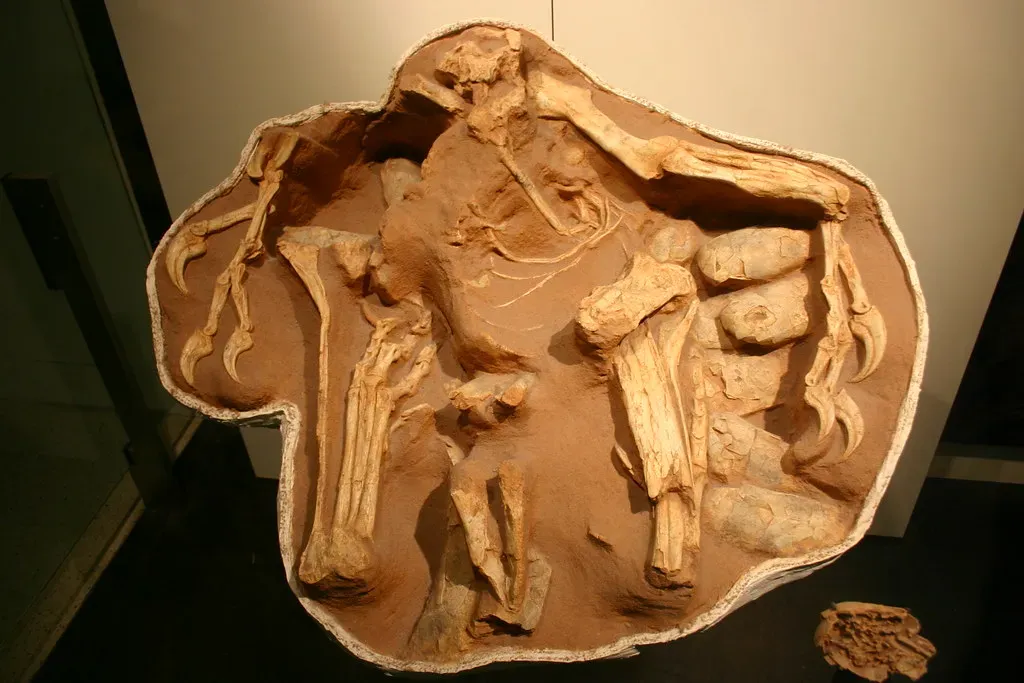
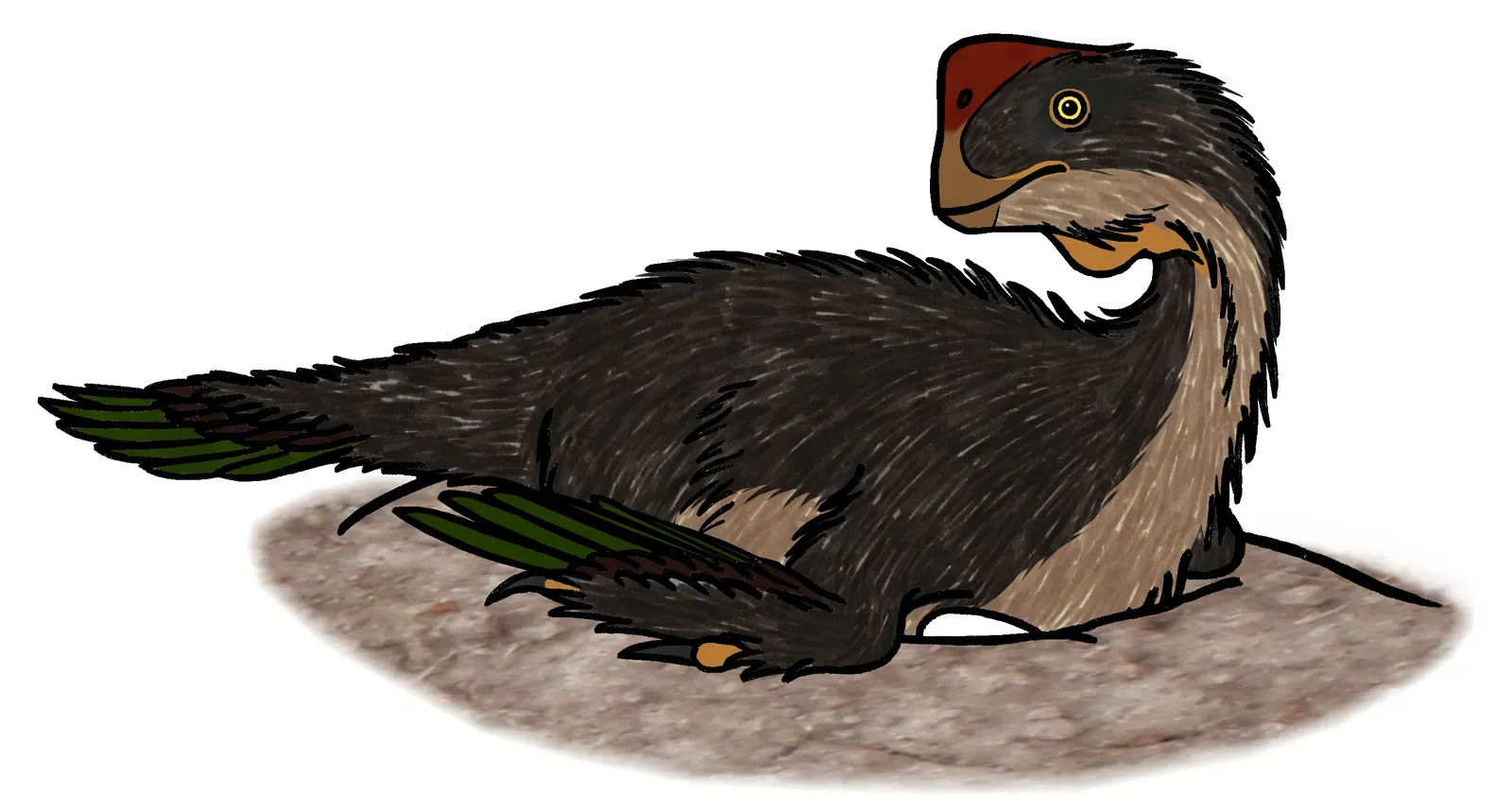
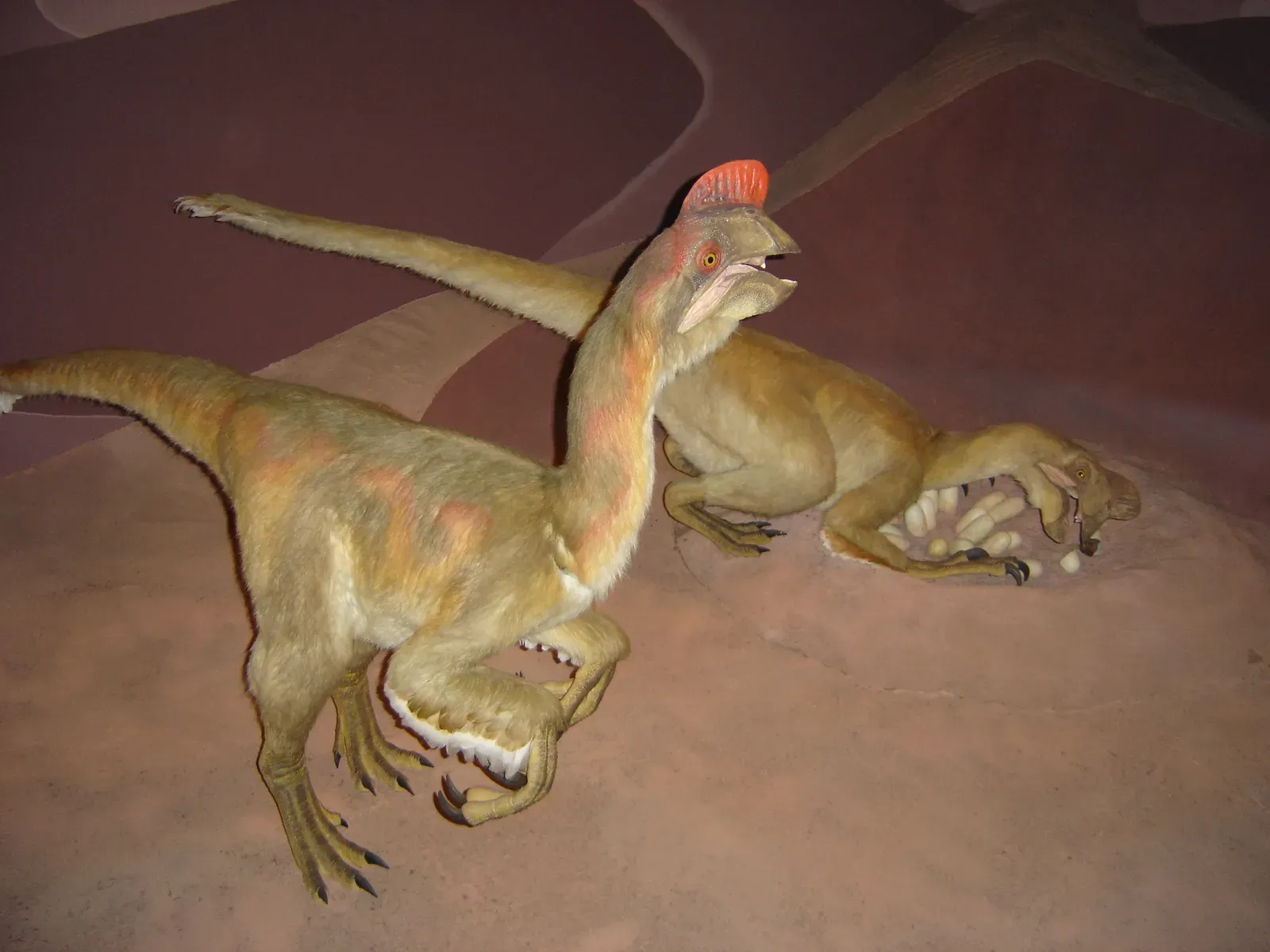
Some of the most compelling evidence for dinosaur parenting comes from extraordinary fossil discoveries. Emu-sized Citipati appears, based on the ‘Big Mama’ fossil, to have incubated its eggs by brooding. These fossils show dinosaurs positioned exactly as modern birds sit on their nests today.
In oviraptorids, the adult tucked its legs inside an open space at the center of the egg-clutch and hugged the periphery of the clutch with its long forelimbs, and these discoveries suggest that typical avian nesting behaviors were widespread among nonavian maniraptorans. The similarity is striking. Scientists found these creatures died while protecting their eggs, preserved in postures identical to brooding chickens or ostriches. It’s one of those moments where the fossil record captures behavior with startling clarity, showing us that parental care didn’t suddenly appear in birds. It evolved gradually over millions of years.
Nest Architecture Tells a Story
Here’s where things get really interesting. Some dinosaurs buried their eggs crocodile-style, while other dinosaurs built open nests on the ground, foreshadowing the nests of birds, and some dinosaur species in one group laid low-porosity eggs, which suggests they incubated their eggs in open nests. This variation in nesting strategies reveals that dinosaurs weren’t all following the same playbook.
The earliest dinosaurs probably buried eggs below ground and covered them with soil so that heat from the substrate fuelled embryo development, while some later dinosaurs laid partially exposed clutches where adults incubated them and protected them from predators and parasites, and the nests of euornithine birds were probably partially open and the neornithine birds were probably the first to build fully exposed nests. The evolution of nest design shows a gradual shift from reptilian burial methods to active parental incubation, with modern birds representing the endpoint of this transition.
The Challenge of Giant Parents
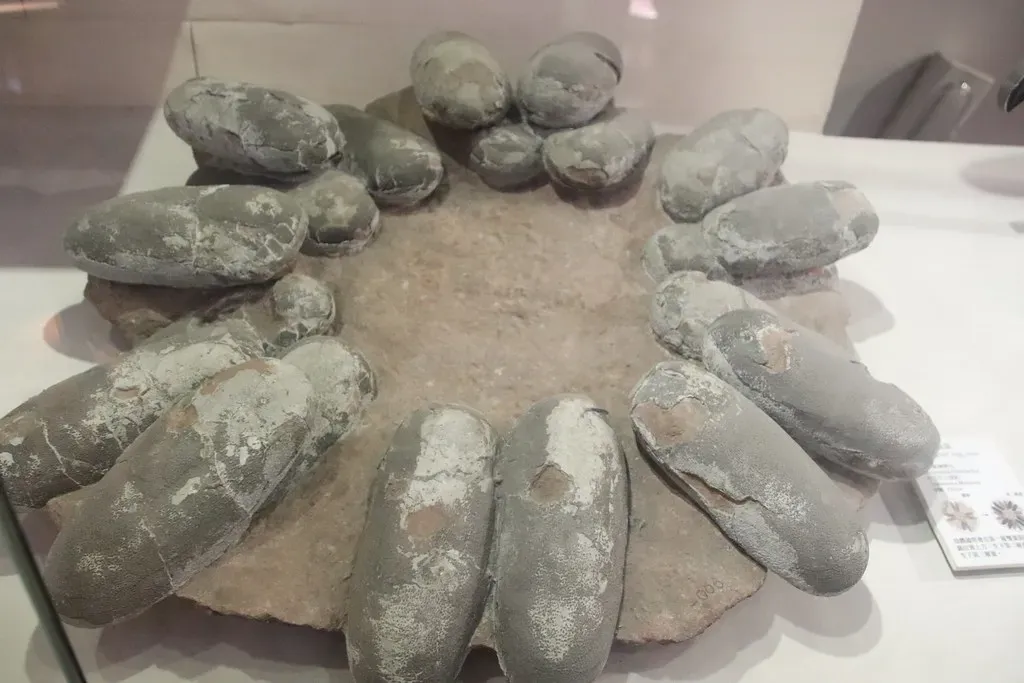
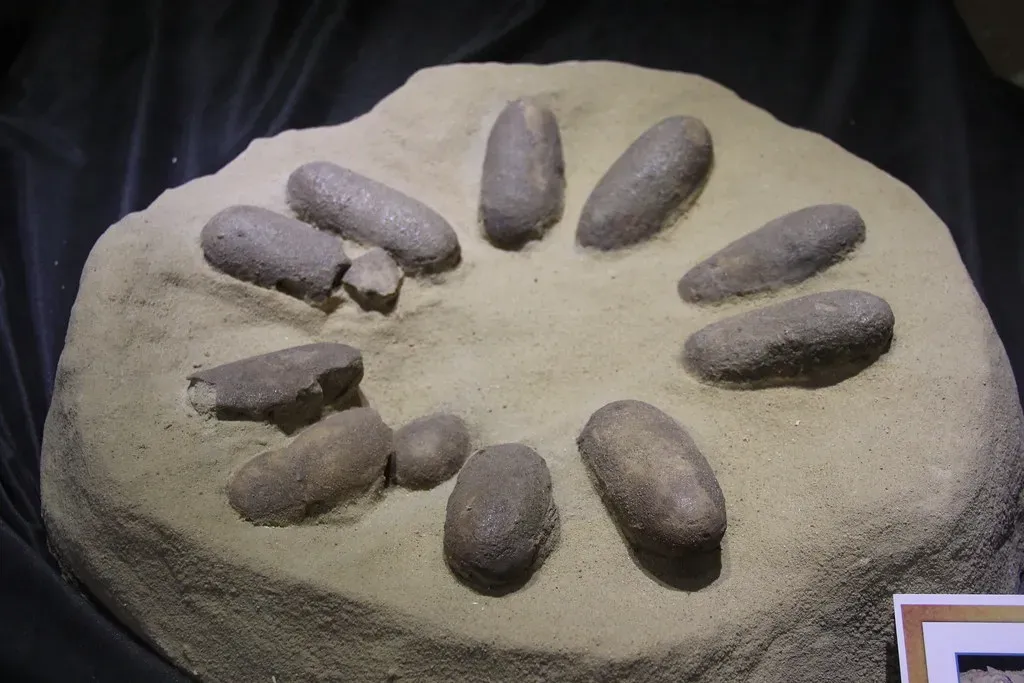
Let’s be real – how did massive dinosaurs avoid crushing their eggs? Heftier dinosaurs had a strategy to avoid squashing their young by carefully stacking their eggs in a ring around themselves in the nest, and as the dinosaurs and their nests got bigger, the creatures left more and more space in the middle to sit, creating elaborate piles of eggs. This clever engineering solution allowed even rhinoceros-sized dinosaurs to care for their clutches.
Clutch morphology varies in that the central opening is small or absent in the smallest species, becomes significantly larger in larger species, and occupies most of the nest area in giant species, and the smallest oviraptorosaurs probably sat directly on the eggs, whereas with increasing body size more weight was likely carried by the central opening, reducing or eliminating the load on the eggs. Modern birds don’t face this problem because they’re relatively small, making the dinosaur solution all the more ingenious.
Evidence of Parental Feeding
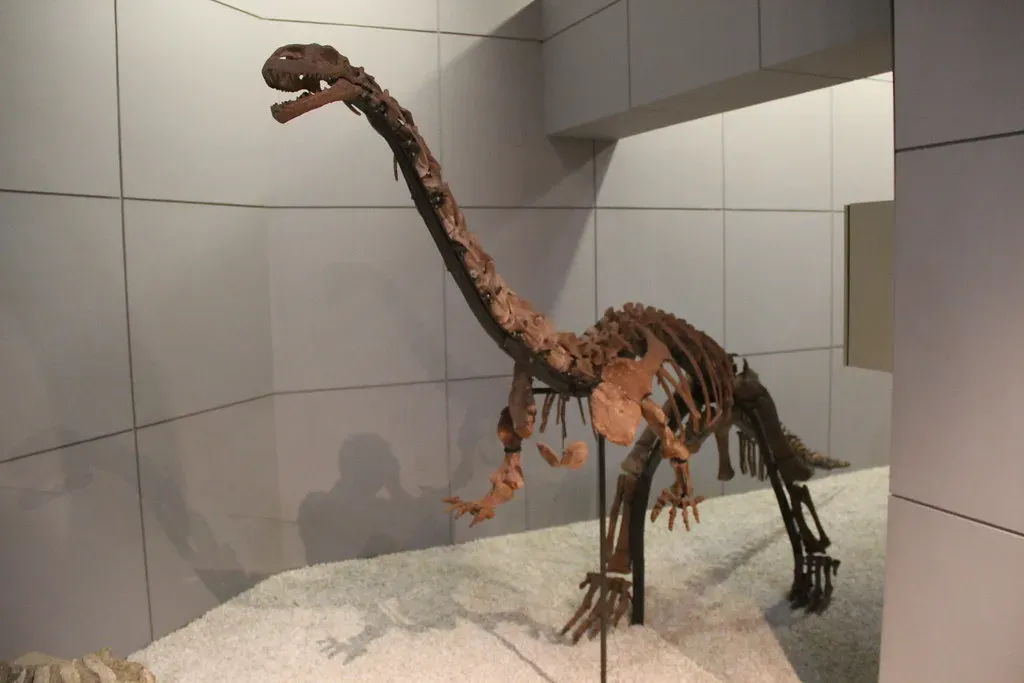
The rate and degree of bone development in Lufengosaurus is closer to that of the highly altricial pigeon than the precocious chicken, providing strong support for the hypothesis that Lufengosaurus was fully altricial, and the limb bones of Lufengosaurus hatchlings were not strong enough to forage for themselves and would likely need parental feeding. This discovery from 2024 research shows that some dinosaur babies were helpless after hatching, requiring active care from adults.
A dinosaur embryo was found without teeth, which suggests some parental care was required to feed the young dinosaur, possibly the adult dinosaur regurgitated food into the young dinosaur’s mouth, and this behaviour is seen in numerous bird species. The parallels with modern bird behavior are unmistakable. Parent birds today routinely regurgitate food for their chicks, a behavior that apparently has deep evolutionary roots.
Colonial Nesting and Social Structures
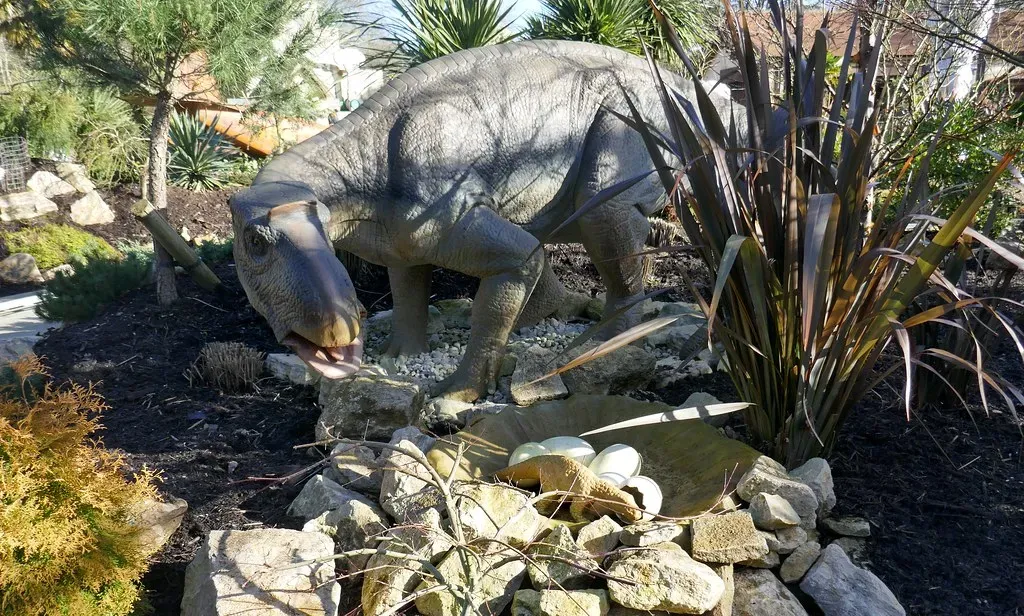
The fossils indicated that all the eggs were laid and hatched in the same nesting season, providing evidence that the dinosaurs nested in colonies, and about sixty percent of them hatched successfully, a relatively high hatching rate similar to that of modern birds and crocodilians that protect their eggs, supporting the argument that these dinosaurs also looked after their nests. Colonial nesting offers multiple advantages: protection from predators, shared vigilance, and possibly even cooperative care.
Fossil evidence suggests that Maiasaura parents nested in large colonies, creating a social structure similar to modern-day birds, and this communal nesting behavior provided several advantages in terms of protection and care for their hatchlings. Modern seabirds like gulls and penguins nest colonially for similar reasons, suggesting this strategy has proven effective across millions of years.
Incubation Temperature and Timing
Oxygen isotope analysis showed that the eggs were incubated at high, bird-like temperatures around ninety-seven to one hundred degrees. This 2021 finding provided direct evidence that some dinosaurs maintained their eggs at temperatures consistent with warm-blooded metabolism. The implications are profound.
In the new specimen, the babies were almost ready to hatch, which tells us beyond a doubt that this oviraptorid had tended its nest for quite a long time. The fossil record captured a parent dinosaur that died while actively caring for eggs on the verge of hatching. This level of commitment mirrors what we see in modern birds, where parents invest weeks or even months incubating their clutches.
Male Versus Female Care Patterns
Biparental care and cooperative breeding are common practices in avian species, and ninety percent of birds require this type of nursing where, generally, females incubate and brood while the male provides food. Modern birds show remarkable diversity in parenting arrangements. Some species feature devoted male care, others rely primarily on females, and many share responsibilities.
Male care may have been the ancestral form of parental care, with birds evolving from theropod dinosaurs. The fossil evidence suggests that male dinosaurs may have done much of the nest sitting, similar to modern ratites like ostriches and emus. This challenges traditional assumptions about parenting roles and shows that dinosaur family structures may have been more complex than we imagined.
What Modern Birds Teach Us About Ancient Behavior
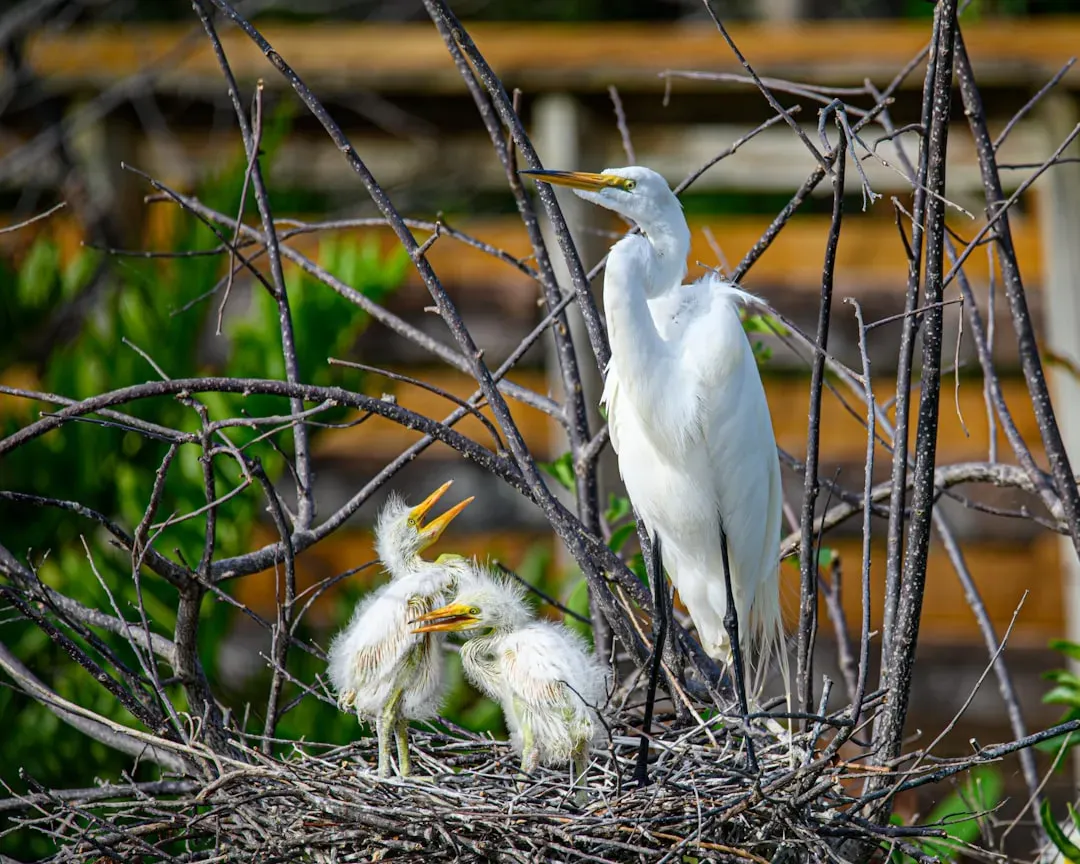
Palaeontologists can look at dinosaurs’ modern-day relatives – birds – for theories on ancient reptile behaviour, using modern ecology and the nest sites of modern ground-nesting birds like pelicans and gulls to inform about dinosaur eggs and give insight into dinosaur behaviour, and if there are prey items near the nest, that suggests adults would have been bringing food back to the nest to feed the babies. This comparative approach has become invaluable.
Our understanding will be informed, not only by the fossils themselves, but by interpretation of the behaviour of modern species. By observing how contemporary birds handle challenges like predation, weather, and feeding demands, researchers can develop testable hypotheses about dinosaur behavior. It’s not perfect, of course. Yet it provides a framework that’s far better than pure speculation.
Did you expect that dinosaur parenting could be so complex and sophisticated? The evidence keeps mounting that these ancient creatures weren’t the cold, indifferent reptiles of old assumptions. Instead, they were caring parents whose behaviors laid the groundwork for the remarkable diversity of bird parenting we see today. What do you think about it? Tell us in the comments.