Have you ever wondered what it would have been like to breathe the same air as a Tyrannosaurus rex? The atmosphere during the reign of dinosaurs wasn’t quite like the air you’re breathing right now. Scientists have discovered that the composition of Earth’s ancient atmosphere played a fundamental role in shaping how these magnificent creatures evolved to breathe, move, and ultimately dominate the planet for over 160 million years. Recent discoveries from fossilized teeth and ancient amber reveal astonishing secrets about oxygen levels, carbon dioxide concentrations, and the remarkable respiratory adaptations that allowed dinosaurs to thrive in conditions vastly different from today.
The story of dinosaur breathing is far more complex and fascinating than most people realize. It’s a tale written in bones, preserved in amber, and decoded through cutting-edge scientific techniques that let us peer back through millions of years. Let’s dive in.
Oxygen Levels Were Far Different Than You’d Expect
Research suggests that atmospheric oxygen was considerably lower in the Earth’s geological past than previously assumed. When dinosaurs first appeared during the late Triassic period, they emerged into a world where oxygen levels hovered around just 15 percent of the atmosphere. Over roughly three million years, oxygen levels jumped from around 15 percent to nearly 19 percent.
Here’s the thing that surprised researchers most. During the Mesozoic era, the air was only 10% to 15% oxygen, compared with 20% today. This means dinosaurs evolved and dominated Earth while breathing significantly thinner air than modern mammals would find comfortable. Yet somehow, they not only survived but became the most successful land vertebrates of their time, growing to sizes that dwarf anything walking the planet today.
Carbon Dioxide Created a Greenhouse World
Fossilized dinosaur teeth show that the atmosphere during the Mesozoic era, between 252 and 66 million years ago, contained far more carbon dioxide than it does today. The levels were staggering by modern standards. In the late Jurassic period, around 150 million years ago, the air contained around four times as much carbon dioxide as it did before industrialization.
This wasn’t just a minor variation. Researchers say dinosaurs that roamed Earth 250 million years ago had to endure a smoggy atmosphere with five times more carbon dioxide than is present on Earth. Think about that for a moment. The volcanic activity from splitting continents pumped massive amounts of CO2 into the atmosphere, creating a warm, humid planet where forests grew thick and lush, providing endless food for herbivorous giants.
Revolutionary Air Sac Systems Set Dinosaurs Apart
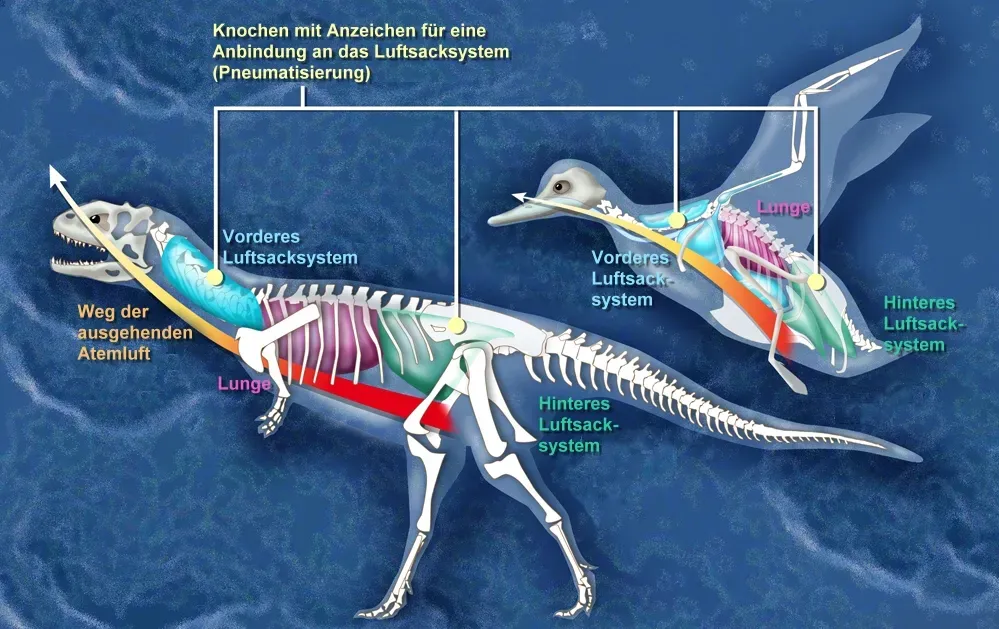
Dinosaurs possessed something truly special that gave them an edge in challenging atmospheric conditions. Through upright posture and an evolving air sac system, they developed respiratory efficiency superior to any other then-extant animal. This wasn’t just slightly better than their competitors. It was revolutionary.
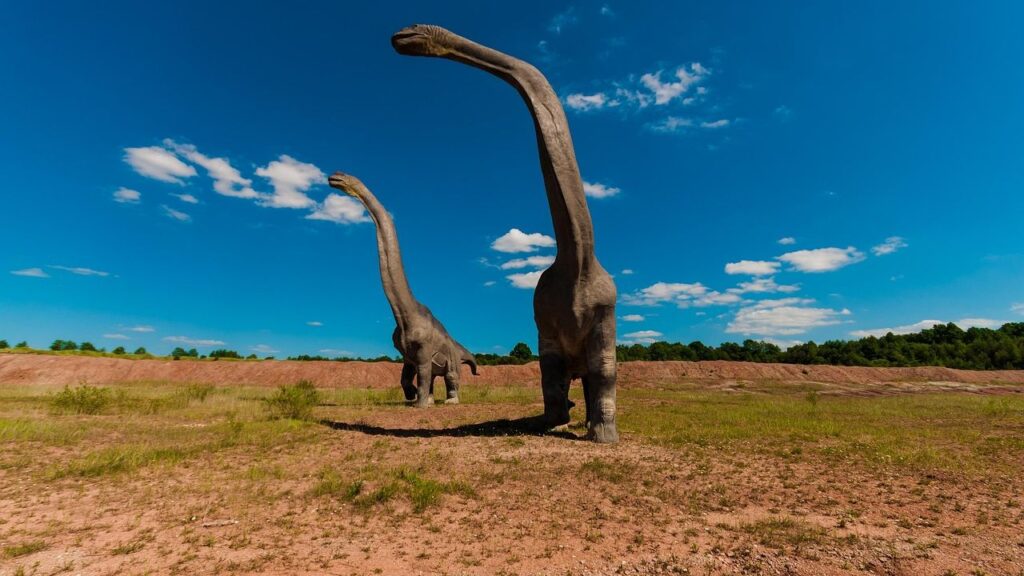
Apatosaurus must have had either a system unknown in the modern world or one like birds’, with multiple air sacs and a flow-through lung. These air sacs worked like bellows, pumping air through rigid lungs rather than expanding and contracting the lungs themselves. Special air sacs alongside the lungs do the heavy lifting, pumping air through the lungs, where the oxygen diffuses into the bloodstream. This meant oxygen extraction was far more efficient than in mammals, allowing continuous airflow during both inhalation and exhalation.
Bone Structure Reveals Breathing Secrets Millions of Years Old
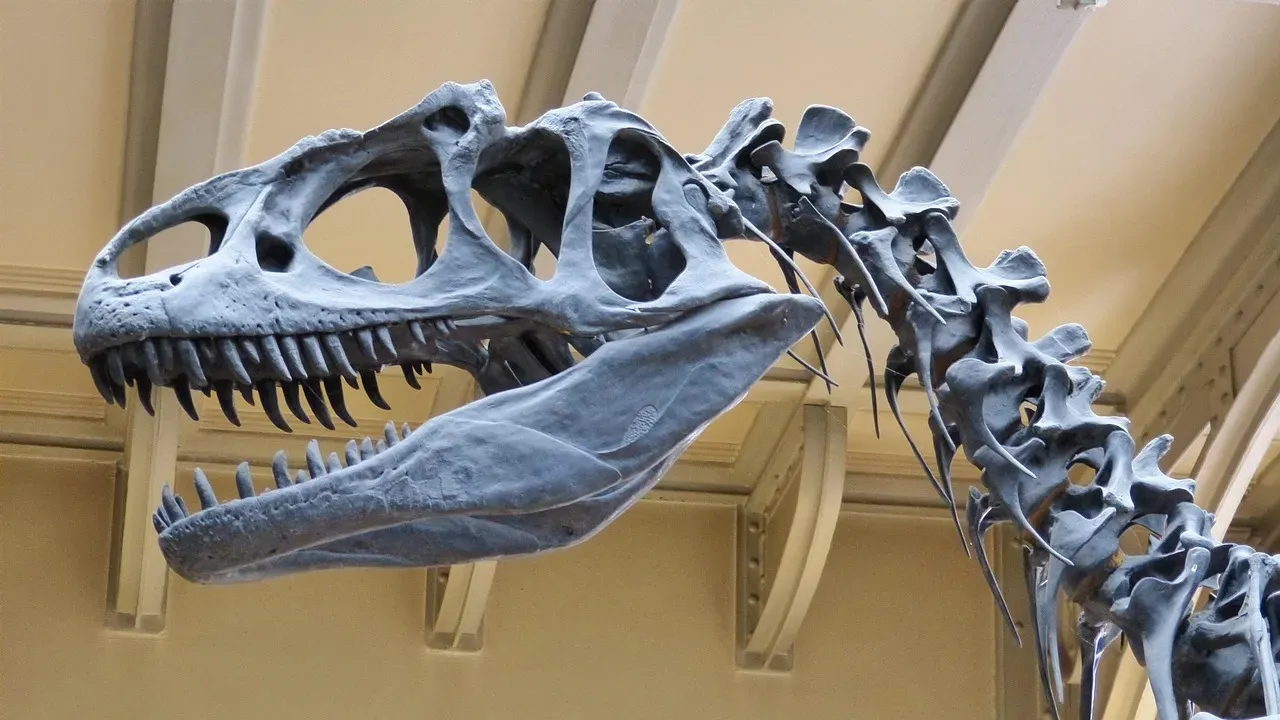
Researchers found a remarkable network of pneumatic chambers in the vertebrae of the neck and chest, a detail never seen previously. These weren’t just empty spaces for weight reduction. They were part of an integrated breathing system that extended throughout the body.
CT scanning technology has transformed our understanding. Aerosteon riocoloradensis exhibits extreme pneumatization of skeletal bone, including pneumatic hollowing of the furcula and ilium. The presence of these air-filled bones in locations that match modern bird anatomy provides compelling evidence. In living birds, these two bones are pneumatized by diverticulae of air sacs that are involved in pulmonary ventilation. Dinosaurs essentially carried their breathing apparatus throughout their skeleton, making their entire body part of an integrated respiratory machine.
Superior Lungs Allowed Dinosaurs to Conquer Low-Oxygen Environments
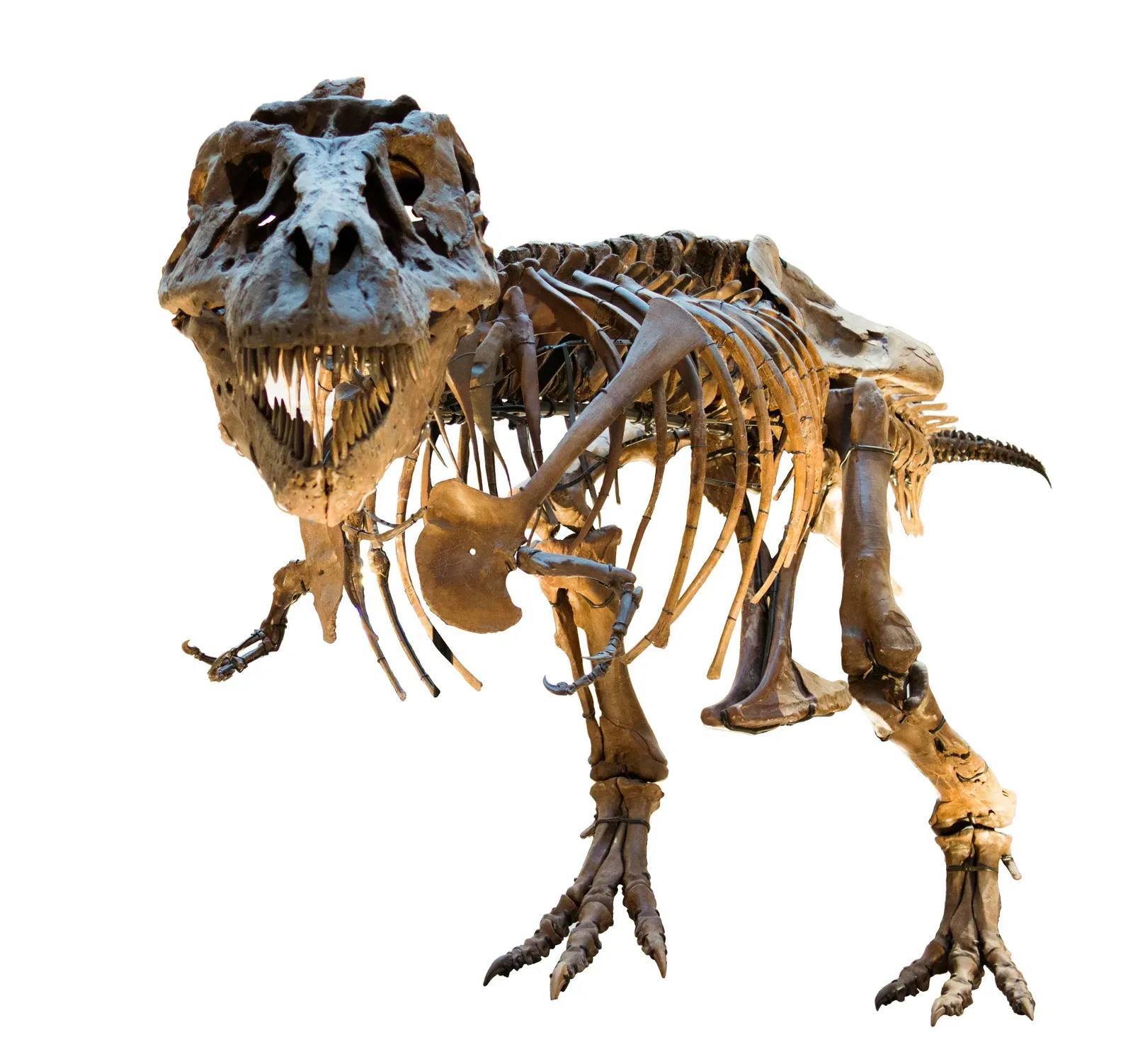
The efficiency of gave them an incredible competitive advantage. Dinosaurs were able to adapt to low atmospheric oxygen content relatively easily, and when oxygen levels rose the dinosaurs developed into giant creatures that dominated the Earth. It’s almost like they were the high-altitude athletes of the Mesozoic.
These superlungs may help explain why dinosaurs were able to dominate and spread, despite the rarified air of the Mesozoic. Think of it this way: while other animals struggled with lower oxygen levels, dinosaurs thrived. The evolution of the air sac system may have been in response to the very low (11%) atmospheric oxygen of the Carnian and Norian ages of the Triassic Period. They literally evolved breathing systems perfectly adapted to thin air, giving them access to ecological niches that competitors couldn’t exploit.
The Gigantism Puzzle Isn’t Just About Oxygen
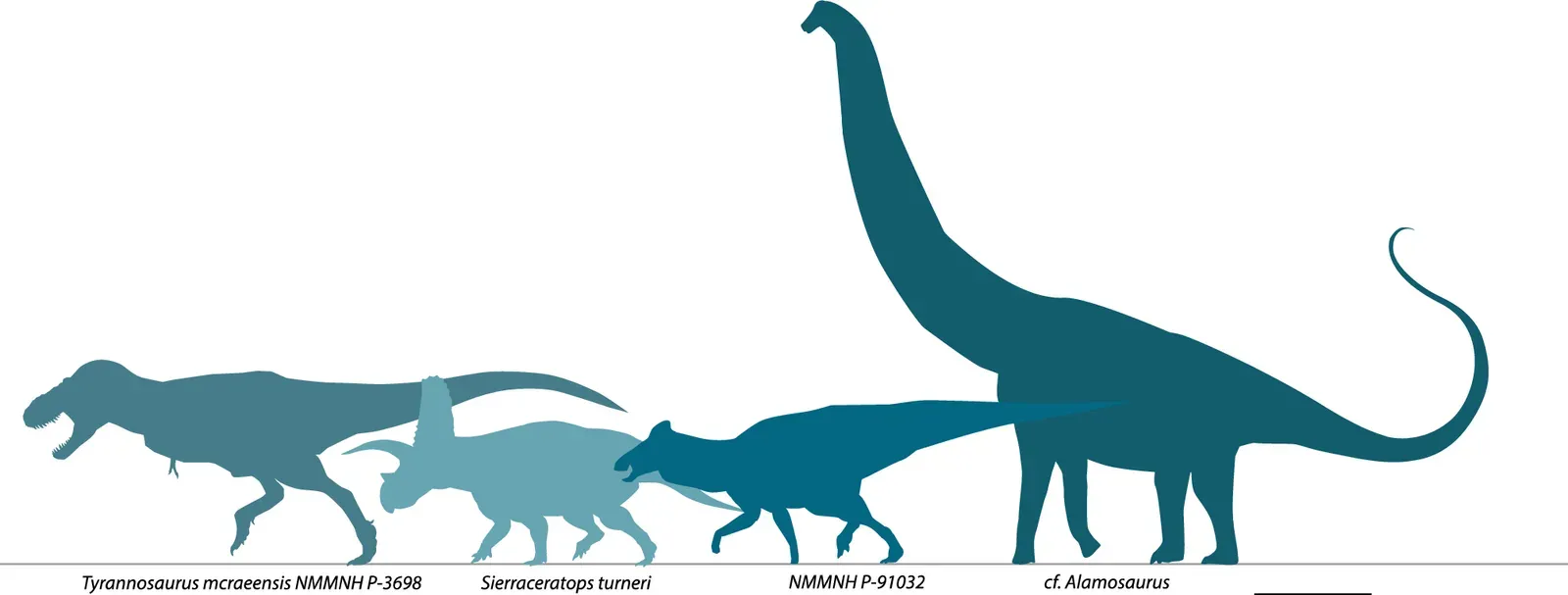
Higher oxygen levels could have had a profound impact on dinosaur life, potentially linked to their gigantism, though factors like metabolism, skeletal structure, and ample food sources also played a role. The relationship between size and atmosphere remains hotly debated among scientists.
This new study questions some of the current theories about the evolution of climate and life, including the causes for the gigantism of dinosaurs. Some researchers now believe the story is more complex than simply high oxygen equals big animals. Air sacs invaded the bone multiple times independently, as the reptiles became larger and more diverse, suggesting that part of what made dinosaurs so successful was this repeated development of key traits. It wasn’t one single factor but rather a perfect storm of respiratory innovation, skeletal adaptations, and environmental conditions.
Ancient Air Shaped Evolution in Unexpected Ways
Total photosynthesis from plants around the world was twice as high as it is today, probably contributing to the dynamic climate during the time of the dinosaurs. This created ecosystems bursting with plant life, supporting massive food chains. The entire biosphere operated differently.
In such an atmosphere many of the constraints of metabolism are relaxed, and creatures of the cretaceous may have been literally turbo-charged like race cars by the oxygen enriched atmosphere. The ancient atmosphere wasn’t just background scenery. It actively shaped every aspect of dinosaur physiology, from how they breathed to how large they could grow, from how fast they could run to how their entire cardiovascular systems functioned. The air itself was a driving force of evolution, pushing life in directions impossible in today’s atmosphere.
Conclusion
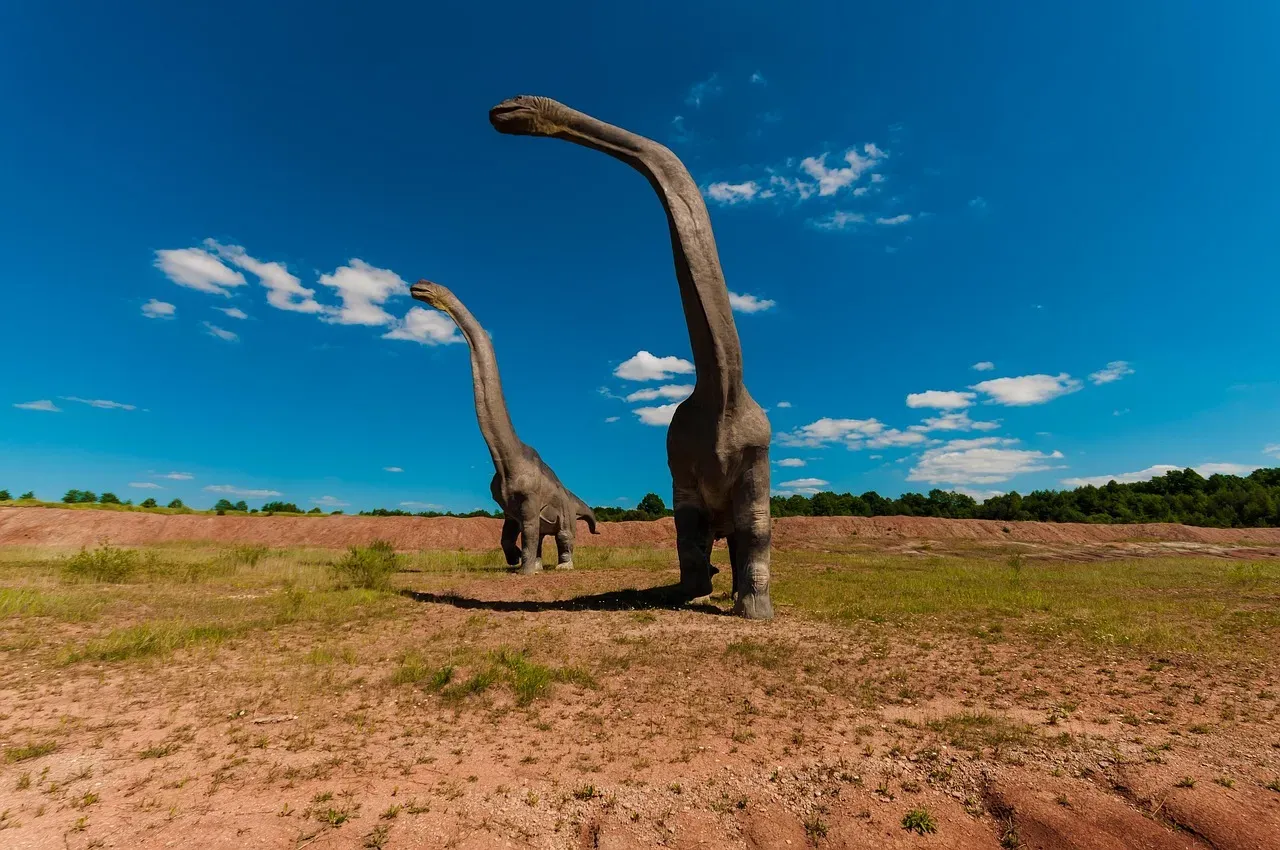
The ancient atmosphere did far more than simply provide dinosaurs with oxygen to breathe. It fundamentally shaped their entire respiratory architecture, drove the evolution of unprecedented air sac systems, and created conditions that allowed these magnificent creatures to dominate terrestrial ecosystems for an unimaginable span of time. From the remarkably low oxygen levels of the Triassic to the carbon dioxide-rich greenhouse world of the Jurassic and Cretaceous, atmospheric conditions pushed dinosaurs to develop breathing systems so efficient that they remain unmatched by modern mammals.
The story written in fossilized bones, preserved amber, and ancient tooth enamel tells us that understanding dinosaurs means understanding the very air they breathed. These creatures weren’t just adapted to their environment – they were masterpieces of respiratory engineering, perfectly tuned to atmospheric conditions that no longer exist. What do you think about breathing the same air as a T. rex? Would you have survived in their world?