You’ve seen the colossal skeletons hanging in museum halls, heard tales of their fierce reign, and wondered what made them disappear. The age of dinosaurs stretched across more than 160 million years, yet their story isn’t just one of dominance and eventual doom. It’s far more nuanced than that. Throughout their incredible reign across the Mesozoic Era, some dinosaur groups exploded into breathtaking diversity while their close relatives withered into oblivion long before the infamous asteroid hit.
What forces drove certain lineages to spectacular success while others quietly faded from Earth’s stage? The answers lie buried in volcanic ash, coded in fossilized bones, and hidden within the very air they breathed. Let’s explore the fascinating mechanisms that separated the winners from the losers in prehistory’s most dramatic evolutionary contest.
The Aftermath of Earth’s Greatest Catastrophe Set the Stage
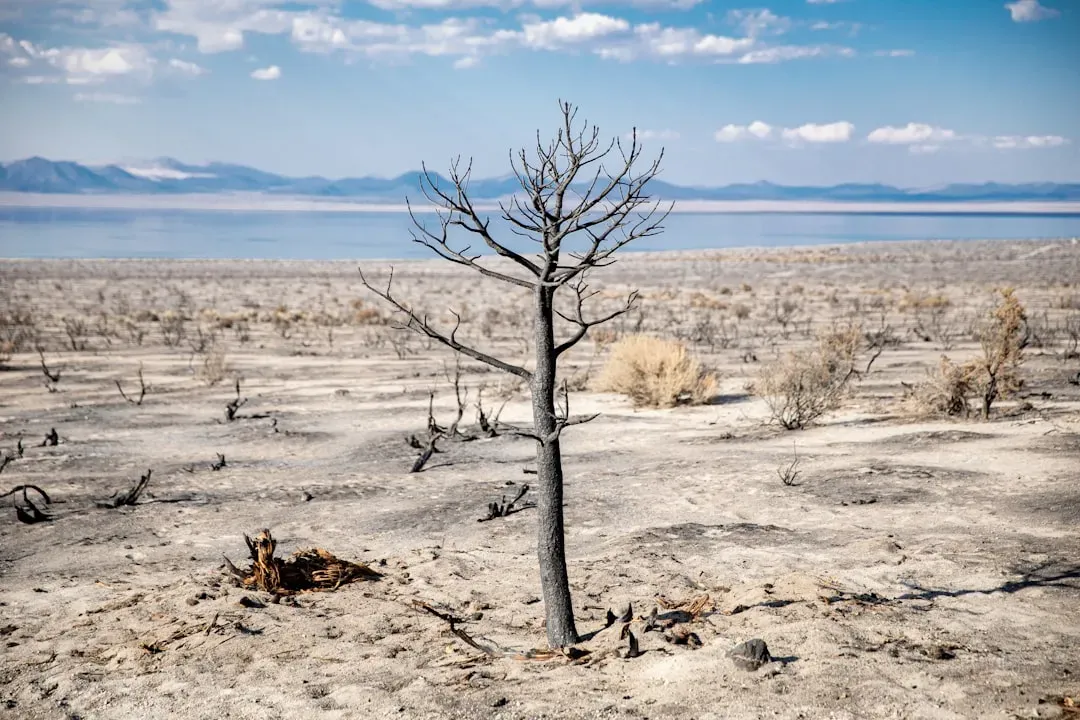
The predecessors of dinosaurs rose from the ashes of Earth’s worst extinction roughly 251 million years ago, when the dominant land animals were therapsids, early forerunners to mammals, and rampant global warming and drastic drops in the atmosphere’s oxygen content wiped out almost 90 percent of the planet’s species. Imagine the desolation, the emptiness. The surviving world resembled a blank canvas waiting for new life to paint its story across barren landscapes.
The few, diminutive therapsid lineages that survived faced competition from a different sort of creature – the archosauromorphs, reptiles that were the precursors of dinosaurs, crocodiles, and their closest relatives, which would quickly rise to dominance. This wasn’t just luck. These early dinosaur ancestors possessed something special, adaptations that would prove absolutely critical in the harsh, unpredictable world left behind by mass extinction.
Superior Breathing Systems Gave Dinosaurs an Evolutionary Edge
Here’s something you probably didn’t know: reptiles, including the ancestors of dinosaurs, breathed in a different way where one part of the lung pumped while the other part took up oxygen, and this anatomical setup has allowed reptiles – including species today, from snakes to birds – to breathe more efficiently at high altitudes or in other low-oxygen conditions. Think about that for a second. While their competitors struggled to draw breath, dinosaurs were practically built for survival.
The reptiles were therefore better suited to withstand the atmospheric changes that played out for millions of years after the extinction event, and drops in oxygen levels would have put protomammals at a disadvantage while doing little to hold back the reptiles. This biological superiority wasn’t flashy or obvious, yet it fundamentally determined who would inherit the Earth.
Faster Growth Rates Allowed Dinosaurs to Dominate Ecological Space
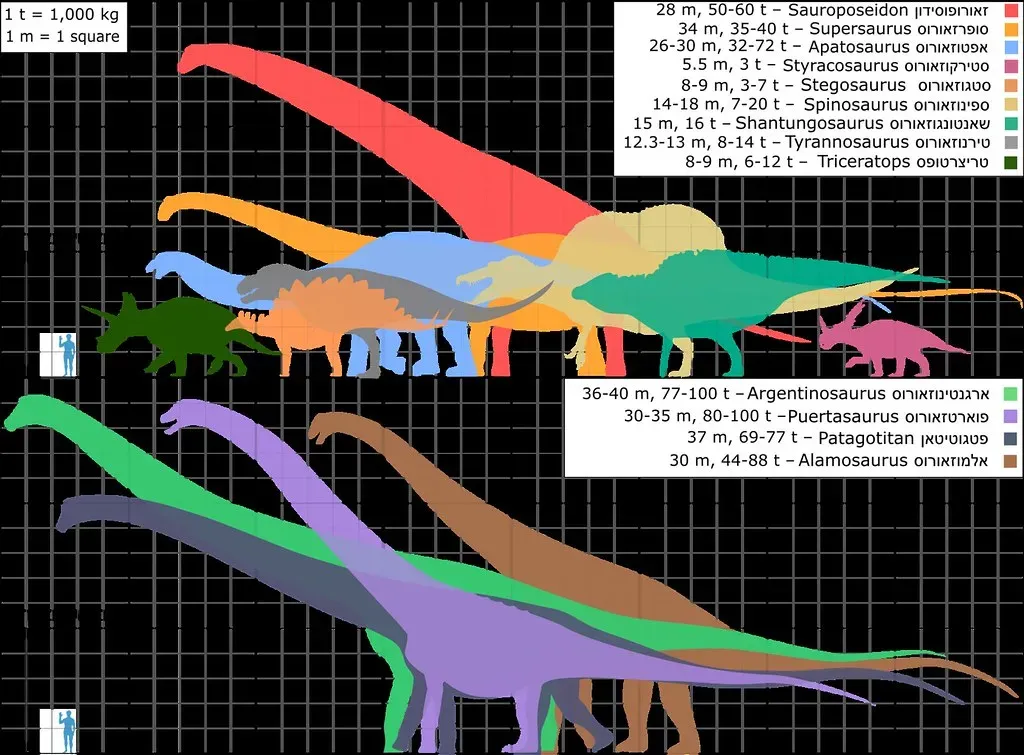
Archosauromorphs grew into a wider range of sizes – including the largest animals on land – while the therapsids remained small, and one reason may be that archosauromorphs simply grew and bred faster. Speed matters in evolution. Getting big quickly meant claiming resources before anyone else could, establishing territories, and producing more offspring to carry on successful traits.
Faster growth and breeding meant that the archosauromorphs quickly spread and adapted to overtake available habitats and the ecological roles of large herbivores and big predators before the smaller, slower-growing therapsids had a chance to put up a fight, and after the Permian extinction, the archosauromorphs grew faster than the therapsids and effectively shut out the mammal precursors. The race wasn’t always to the swift, but in this case, it absolutely was to the rapidly growing. Mammals would have to wait another 150 million years for their chance.
Warm-Blooded Metabolism and Insulation Ensured Survival
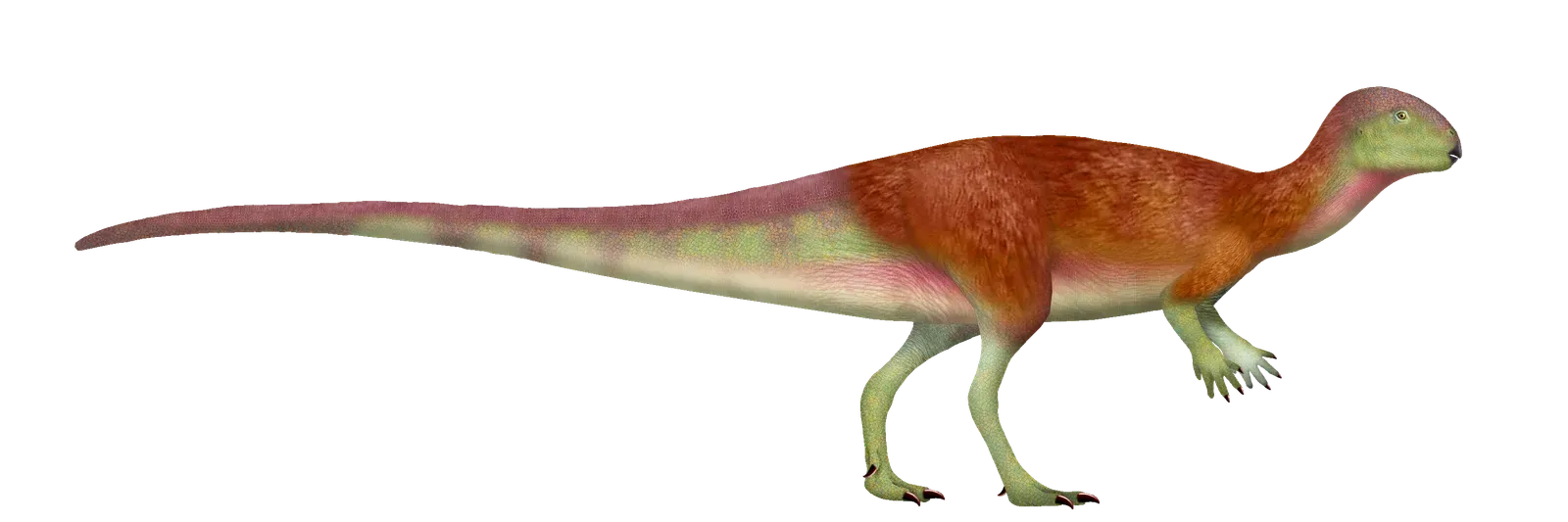
Climate swings could kill entire ecosystems in the Late Triassic world. The dinosaurs and early pterosaurs that thrived during the Triassic likely retained the warm-running metabolisms and fuzzy coats of their ancestors. Yes, fuzzy dinosaurs. Many early dinosaurs weren’t the scaly monsters of Hollywood imagination but were covered in primitive feathers or other insulating structures.
Paired together, warm body temperatures and insulating coats allowed dinosaurs to better survive the swings between warm and cold climates at the end of the Triassic, while other reptiles that lacked such insulation, such as the many crocodile relatives, were more vulnerable to the shifts and the environmental changes that came with them. When volcanic eruptions around 201 million years ago triggered another mass extinction at the Triassic-Jurassic boundary, these adaptations proved lifesaving. Dinosaurs walked through environmental chaos relatively unscathed while their competitors perished.
Diverse Feeding Mechanisms Drove Ecological Success
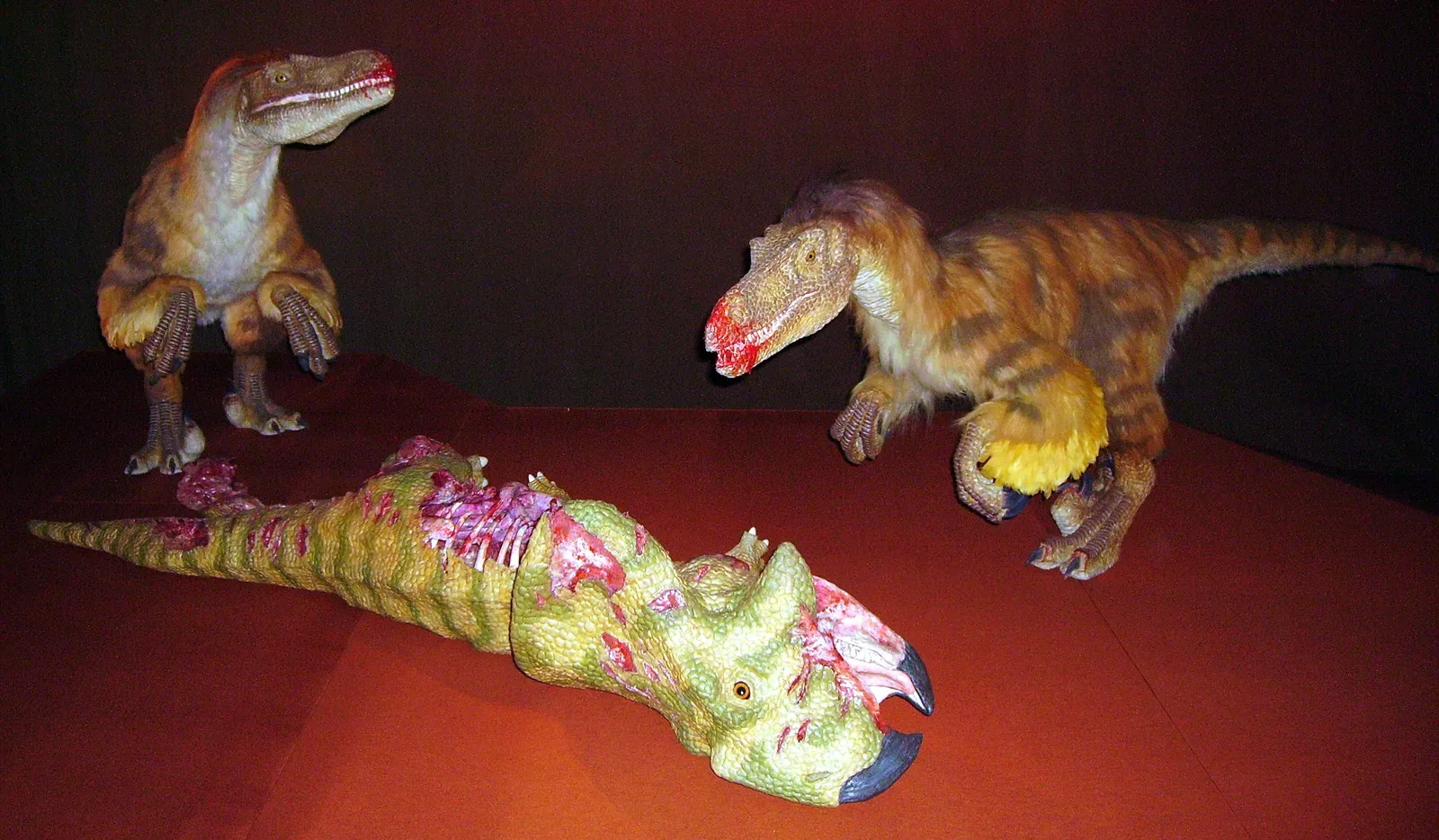
One major reason for the ecological and evolutionary success of the dinosaurs during the Mesozoic is likely to have been their diverse feeding mechanisms, which would have promoted niche partitioning and subsequent cladogenesis. In simpler terms, different dinosaur groups figured out how to eat different things in different ways, which meant they weren’t all fighting over the same meals. Brilliant evolutionary strategy, really.
From razor-sharp teeth designed for tearing flesh to batteries of hundreds of grinding teeth for processing tough plant material, dinosaurs became feeding specialists extraordinaire. Feeding behaviour strongly influences most aspects of animal biology, from obvious energetic requirements to reproductive biology, life-history strategies, behavioural ecology, habitat preferences and population ecology. Those groups that innovated new ways to exploit food resources flourished, while those that couldn’t adapt found themselves pushed aside by more efficient competitors.
Sustained Evolutionary Innovation on the Bird Lineage
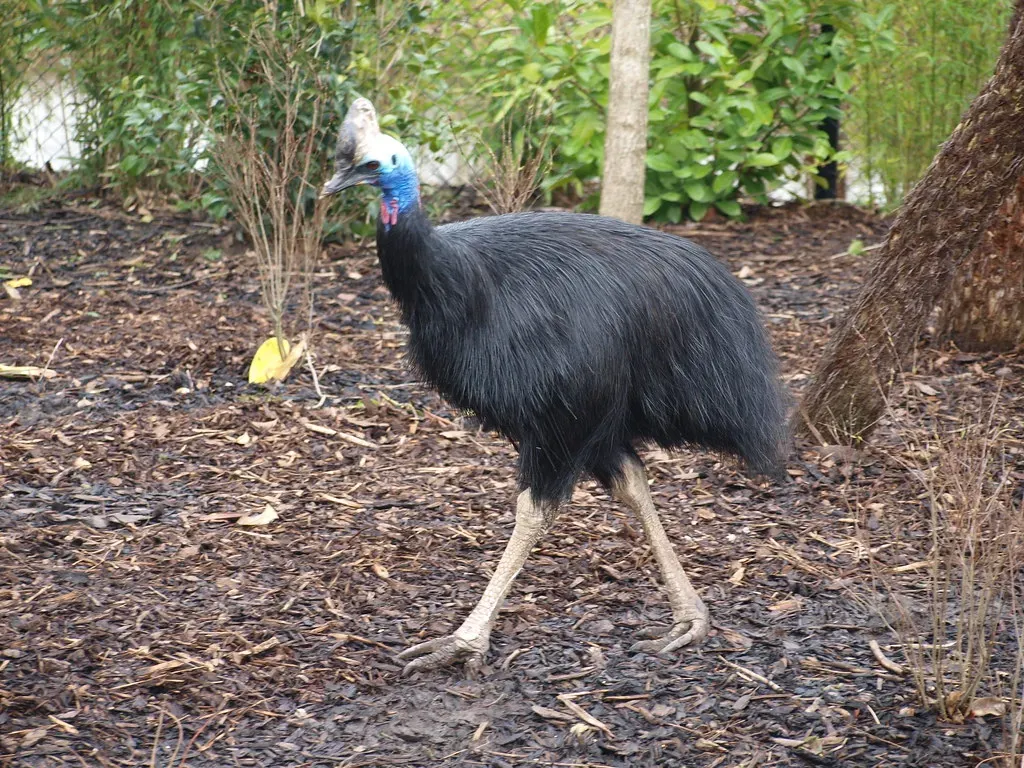
Not all dinosaur groups experienced the same evolutionary trajectory. The most striking finding is of sustained, rapid evolutionary rates on the line leading to birds for more than 150 million years, from the origin of dinosaurs until at least the end of the Mesozoic, while rates of evolution declined through time in most dinosaurs. Think about that pattern. Most dinosaur lineages experienced an initial burst of innovation and then slowed down, settling into stable forms.
The recovered pattern of sustained evolutionary rates, and the repeated generation of novel ecotypes, suggests a key role for the maintenance of evolvability, the capacity for organisms to evolve, in the evolutionary success of this lineage. The ancestors of modern birds just kept experimenting, kept changing, kept adapting. This relentless innovation allowed them to survive the asteroid impact that doomed their larger relatives. Sometimes in evolution, those who remain flexible ultimately outlast the specialists.
Mass Extinction Events Repeatedly Reset the Playing Field
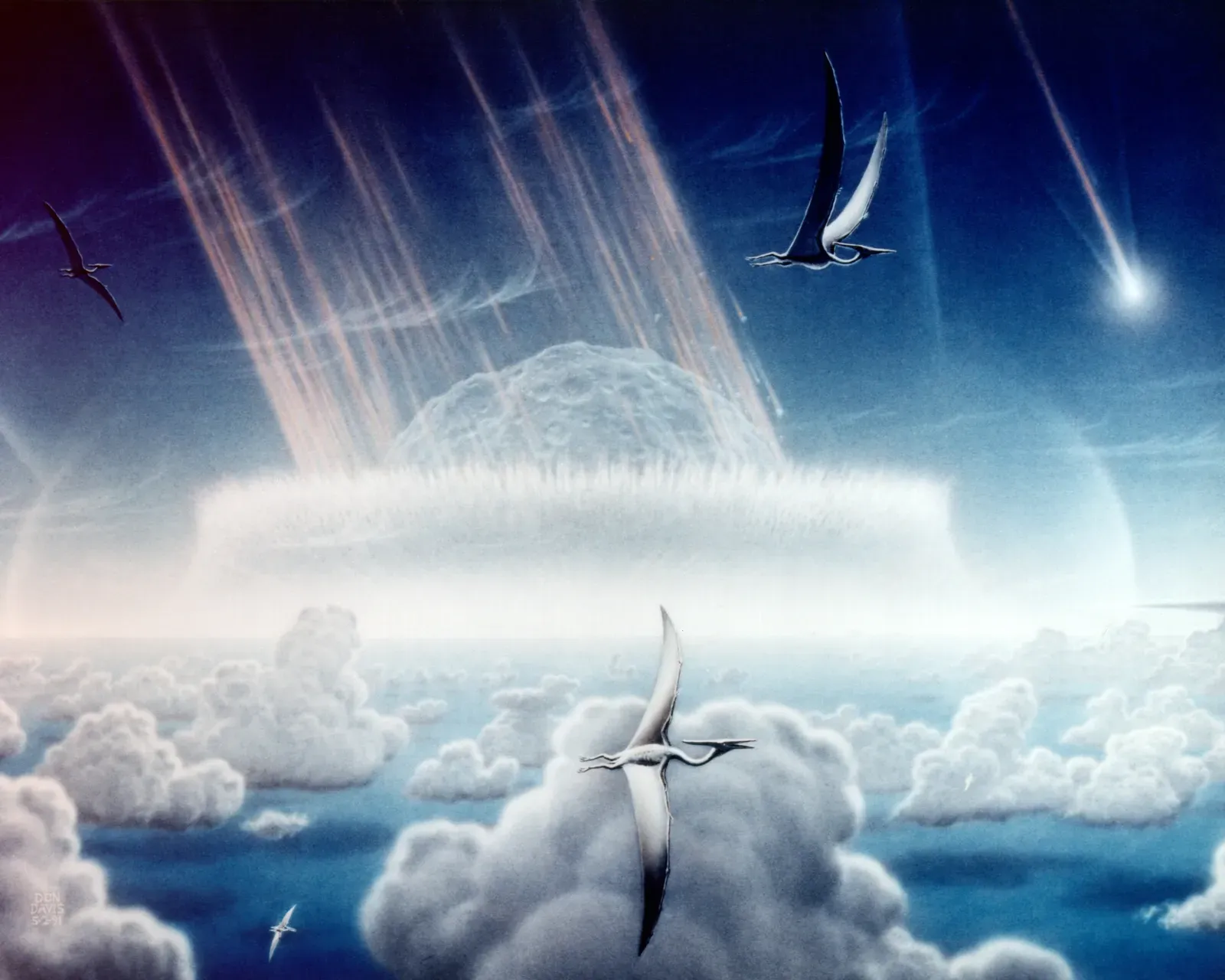
Crurotarsan archosaurs, the primary dinosaur ‘competitors’, were significantly more disparate than dinosaurs throughout the Triassic, but underwent a devastating extinction at the Triassic–Jurassic boundary. Here’s the thing about mass extinctions: they don’t follow fair rules. Superior adaptations mean nothing when volcanic eruptions block out the sun or asteroid impacts trigger global firestorms. Survival often comes down to being in the right place with the right set of survival traits at precisely the right moment.
Some groups disappear, while others, which might have seemed rare or in the background, seem to become more abundant after an extinction, and groups of life that may have been struggling or flying under the radar since the Paleozoic suddenly make a comeback because the board has been reset. Dinosaurs benefited enormously from extinction events that cleared away their competition. They were opportunists in the best evolutionary sense, seizing chances that catastrophes provided.
Why Birds Survived When Giants Perished
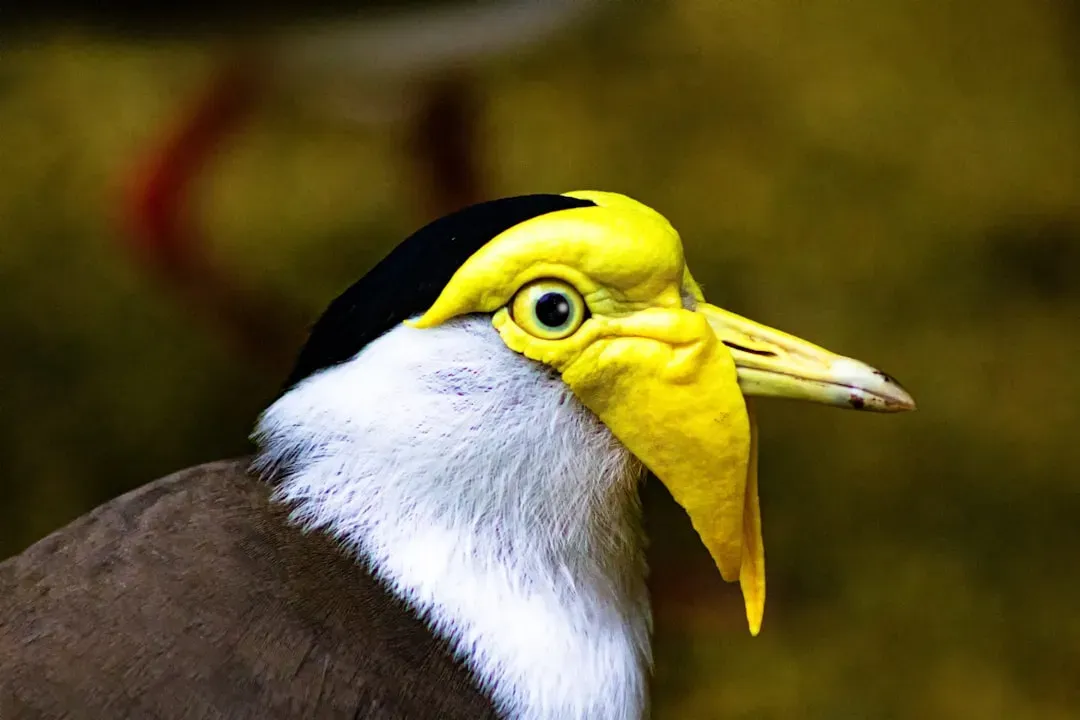
Of the groups of birds and bird-like reptiles at the end of the Cretaceous, it was only the beaked birds that survived, and the happenstances of evolution had given birds a lucky break, the key events set in motion long before the asteroid struck. Beaks proved essential. They required less energy to maintain than tooth-filled jaws and allowed birds to crack open seeds that survived the post-impact darkness when plants couldn’t photosynthesize.
Freshwater environments lost a mere 10 to 22 percent of species, and only about 10 percent of the major groups of bony fish died out, but species from all six groups of turtles alive at the time – and from most if not all groups of amphibians – survived the impact. Small size mattered too. Creatures weighing less than roughly 25 kilograms had a much better chance of surviving the asteroid’s aftermath. They could hide in burrows, needed less food, and could exploit resources that larger animals couldn’t access. The giant dinosaurs that once ruled the Earth found their very success had become their downfall.
The story of dinosaur evolution isn’t a simple tale of rise and fall. It’s a complex saga spanning over 160 million years, filled with innovations, adaptations, lucky breaks, and catastrophic setbacks. Some lineages thrived because they evolved superior respiratory systems, grew faster, adapted diverse feeding strategies, or maintained remarkable evolutionary flexibility. Others vanished not because they were inferior, but because changing climates, volcanic eruptions, or asteroid impacts created conditions they simply couldn’t survive. Understanding why some dinosaurs succeeded while others failed teaches us profound lessons about evolution, adaptation, and the unpredictable nature of life on Earth. What do you think was the most important factor in determining which dinosaurs thrived and which ones disappeared?