The enduring slogan “Think globally, act locally” reminds environmental advocates that worldwide challenges demand grassroots solutions rooted in everyday places.
Communities Rally to Build Habitats
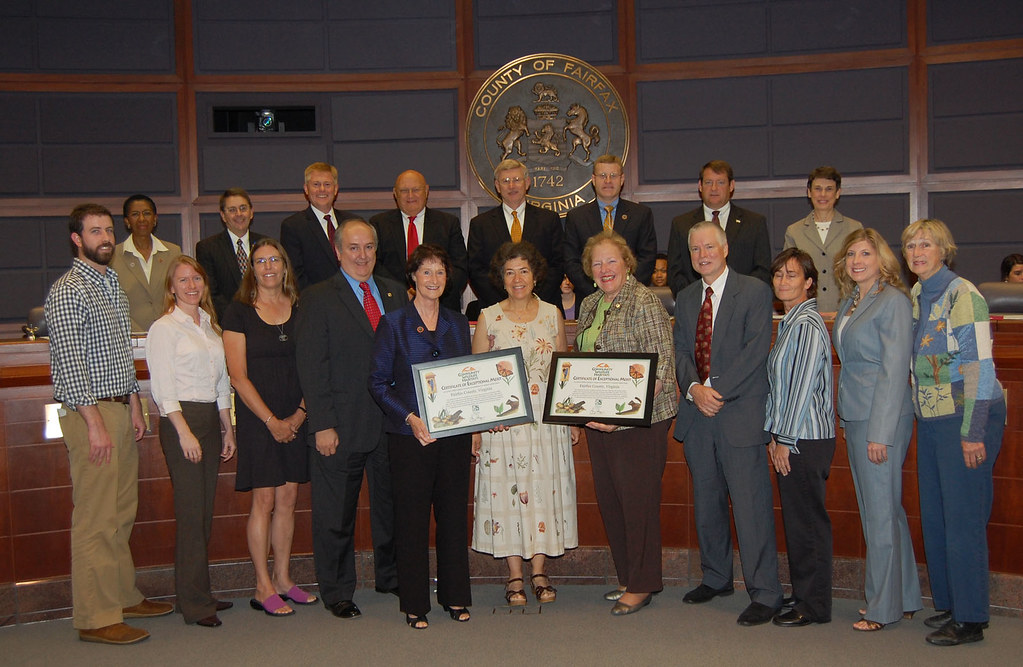
Communities Rally to Build Habitats (Image Credits: Flickr)
Volunteers in Irving, Texas, demonstrated remarkable dedication by investing more than 400 hours over three years to convert a four-acre Bermuda grass field into a native wildflower prairie along the Trinity River Elm Fork spillway.
The Valley Ranch Homeowners Association earned certification for this project in 2024 through the National Wildlife Federation’s Community Wildlife Habitat program, launched in 1998.
This effort highlights a fundamental truth: residents actively participate when opportunities arise to enhance local wildlife spaces. The program certifies neighborhoods, towns, and cities that commit to sustainable practices, such as native plantings and habitat connectivity.
Workshops and events draw crowds eager to learn about wildlife-friendly gardening, proving that collective action transforms ordinary landscapes into vital ecosystems.
Habitats Strengthen Community Bonds
Montclair, New Jersey, set a precedent as the first certified community in its state back in 2009, where eight community gardens yielded over 1,450 pounds of fresh produce for a local soup kitchen in 2023 alone.
Leaders like those from the Northeast Earth Coalition distributed groceries to food-insecure families and organized sustainability conferences, culminating in the 2022 Jose German-Gomez Native Species Act. That legislation requires 70 percent native plants and trees on town property.
Similarly, Wilmington, North Carolina, achieved certification in 2024 by planting native trees such as Brandywine Red Maple, Serviceberry, and River Birch at Eden Village, a site supporting unhoused individuals. Arbor Day events there fostered volunteerism and educational projects.
These initiatives reveal how wildlife habitats address broader needs, from food security to urban greening, reinforcing that “healthy habitats and healthy communities go hand in hand.”
One Success Ignites Many More
Elm Grove, Wisconsin, secured certification in 2023 and sparked a chain reaction with its “Tag, You’re It!” program during a single meeting. Six nearby communities – New Berlin, Pewaukee, Brookfield, Greenfield, Wauwatosa, and Menomonee Falls – registered by 2025, while Waukesha County pursues statewide firsts through nonprofit partnerships.
In Northwest Indiana, four counties – Lake, Porter, LaPorte, and Starke – became the nation’s first multi-county certified region in 2023. They mentored neighbors and shared insights at the Indiana Wildlife Federation’s annual conference.
Such stories underscore the program’s ripple effect. Nearly 380 communities participate nationwide, with 197 registered toward certification and 182 recertifying each year. Local leaders connect individual yards to larger networks like parks and urban forests, sustaining pollinators, birds, and more.
Key Takeaways
- Local projects draw committed volunteers ready to invest time and effort.
- Wildlife habitats tackle community issues like food deserts and social isolation.
- One certified area’s momentum inspires neighboring regions to follow suit.
Originating from urban planner Patrick Geddes more than a century ago, the “think global, act local” philosophy powers the Community Wildlife Habitat program to combat biodiversity loss, urban heat, and flooding through partnerships and certifications.
These examples prove individuals and groups create lasting planetary benefits without waiting for distant policy shifts. How might your community embrace similar actions? Share your thoughts in the comments.