
Suriname – Government officials scrambled to dismantle a disputed agribusiness partnership that endangers more than 113,000 hectares of Amazon rainforest in the country’s northwest.
Clearing Begins Without Permits in Nickerie
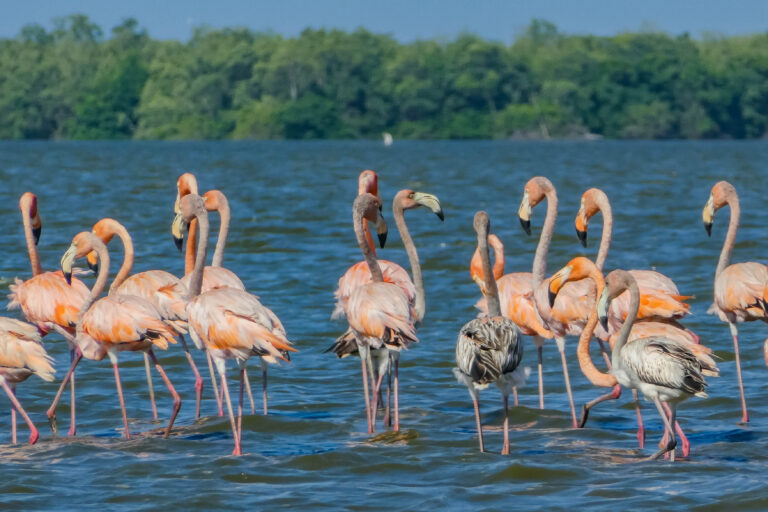
Clearing Begins Without Permits in Nickerie (Image Credits: Imgs.mongabay.com)
Workers associated with Suriname Green Energy Agriculture N.V. started removing trees in the Nickerie district despite missing approvals from the National Environmental Authority.
The 2024 public-private arrangement with the agriculture ministry targeted 113,465 hectares, or 280,378 acres, for large-scale farming and bioenergy production. This vast tract largely overlaps areas designated for sustainable logging under strict protections for primary forest. Internal government communications revealed surprise among forestry overseers, who claimed exclusion from the approval process.
One senior official from the Foundation for Forest Management and Production Control described the oversight as deliberate, noting that the agency would have blocked agriculture on untouched woodlands. Plenty of degraded secondary forests exist elsewhere for such projects, the official added. The firm also enlisted Mennonite farmers, raising specters of rapid expansion seen in neighboring countries.
Historical Echoes of Abandoned Plans
Suriname faced similar backlash in 2023 when authorities shifted over 500,000 hectares from forestry control to the agriculture ministry for commercial ventures.
That year, another proposal allocated 30,000 hectares to Mennonite settlers from Bolivia, but public outcry halted it. Former President Chan Santokhi championed these moves amid economic pressures like inflation, yet none advanced amid concerns for the nation’s 93% forest coverage. His successor, Jennifer Geerlings-Simons, an anti-deforestation advocate, inherited the unrevoked frameworks without prompt action.
| Land Initiative | Size (hectares) | Status |
|---|---|---|
| 2023 Ministry Transfer | 500,000+ | Not executed |
| Mennonite Pilot | 30,000 | Canceled |
| Current Agribusiness | 113,465 | Cancellation efforts underway |
Carbon-Negative Status Hangs in Balance
Full implementation of the deal could strip away Suriname’s rare carbon-negative standing, where forests absorb more emissions than the nation produces.
Climate advisor John Goedschalk warned that such losses would forfeit valuable carbon credits and disrupt the Guiana Shield’s water cycles, affecting distant regions like Argentina. “You can forget the carbon-negative status,” Goedschalk stated bluntly. Illegal gold mining already strains ecosystems; experts fear industrial farming as a new deforestation force.
Biologist Erlan Sleur of NGO ProBios highlighted bureaucratic confusion plaguing even the current administration. WWF-Guianas echoed past cautions that freshwater habitats cannot withstand additional pressures.
Path to Cancellation Takes Shape
Multiple agencies now coordinated on procedural violations, particularly the premature land clearing, as grounds for termination.
Goedschalk indicated optimism that permit lapses alone could void the contract. Critics urged transparency and adherence to protocols like SBB reviews for any forest projects. The episode underscores tensions between economic ambitions and ecological imperatives in one of the world’s greenest nations.
Key Takeaways
- Suriname’s 93% forest cover underpins its carbon-negative economy, vulnerable to large-scale clearing.
- Bypassing environmental agencies fueled the controversy and ongoing reversal push.
- Past deals collapsed under scrutiny, signaling potential for swift action here.
As officials race against further tree loss, Suriname stands at a crossroads where preserving its Amazon legacy could redefine global climate hopes. What steps should governments take to balance development and forests? Tell us in the comments.