
Buenos Aires, Argentina — Researchers determined that human-induced global warming significantly intensified the conditions behind early 2026 wildfires that scorched southern South America.
Blazes Claim Lives and Vast Landscapes
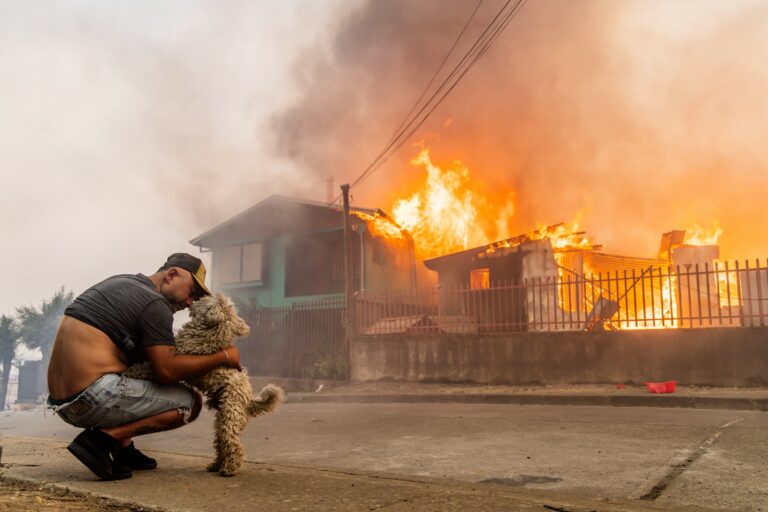
Blazes Claim Lives and Vast Landscapes (Image Credits: Imgs.mongabay.com)
Fires erupted across central-southern Chile and northern Patagonia in Argentina starting in early January, leaving a trail of destruction. In Chile, the flames killed 23 people, destroyed more than 1,000 homes, and forced over 52,000 residents to evacuate in regions like Biobío and Ñuble. Argentine Patagonia saw over 45,000 hectares of native forest burn, displacing at least 3,000 people including tourists near Los Alerces National Park.
All ignitions in Chile stemmed from human activity, such as arson or negligence, while lightning sparked some in Argentina. The blazes spread rapidly through grasslands and dense forests, forming pyrocumulus clouds in some areas. Communities along the Chile-Argentina border, including Cholila and El Bolsón, faced evacuations as flames advanced along Andean slopes. Officials declared states of emergency, but containment proved challenging amid ongoing dry conditions.
Human Fingerprint on Fire Weather
A World Weather Attribution analysis pinpointed climate change as a key amplifier. The study examined the hot-dry-windy index, which measures high temperatures, low humidity, and strong winds conducive to fire spread. Such extreme conditions became 2.5 to three times more likely due to greenhouse gas emissions.
Seasonal rainfall from November to January dropped 20 to 25 percent below levels in a pre-industrial climate, exacerbating droughts. Temperatures soared, with El Bolsón recording 38.4 degrees Celsius, its hottest January day on record. Researchers from multiple countries used climate models and observations to compare current risks against a cooler counterfactual world. Natural factors like La Niña played a minor role, but warming dominated the shift.
Ecosystems in Peril: Ancient Trees at Risk
The fires threatened irreplaceable biodiversity, particularly in Argentina’s UNESCO-listed Los Alerces National Park. Ancient alerce trees, some over 2,600 years old, faced devastation alongside vulnerable species like the huemul deer and Patagonian black woodpecker. Non-native pine plantations fueled the spread, replacing fire-resistant native vegetation with highly flammable stands.
Wildlife habitats shrank as native forests and grasslands turned to ash. Soil moisture deficits stressed vegetation, providing ample fuel. Park rangers noted limited monitoring hindered early response. Recovery for these old-growth ecosystems could span centuries.
| Region | Area Burned (hectares) | Deaths | Evacuations |
|---|---|---|---|
| Chile | 64,000+ | 23 | 52,000+ |
| Argentina Patagonia | 45,000+ | 0 reported | 3,000+ |
Policy Responses and Projections
Chile boosted its wildfire budget by 110 percent over four years, funding better forecasting and equipment. Argentina faced criticism for austerity cuts under President Javier Milei, reducing firefighting resources and park regulations. Juan Antonio Rivera, a study author, noted: “Unfortunately, with a government that does not understand climate change and its connection to human activities… wildfires end up having greater impacts than they should.”
Experts project worsening fire weather without fossil fuel reductions. Clair Barnes of World Weather Attribution stated: “We’re confident in saying that the main driver of this increased fire risk is human-caused warming.” Recommendations include removing invasive pines, enhancing urban-rural buffers, and improving monitoring.
Key Takeaways
- Climate change made fire-prone weather 2.5-3x more likely in affected areas.[2]
- Rainfall declined 20-25%, fueling record droughts.
- Ancient alerce forests and biodiversity suffered irreversible losses.
These wildfires underscore the urgent need for global emission cuts and localized risk management. As trends accelerate, southern South America’s landscapes hang in the balance. What steps should governments prioritize next? Share your thoughts in the comments.