
Dominican Republic – Conservationists expressed alarm after the country withdrew its proposal to monitor international trade in American eels under the CITES wildlife treaty, removing a key layer of oversight for the endangered species.
A Mysterious Life Cycle Under Siege
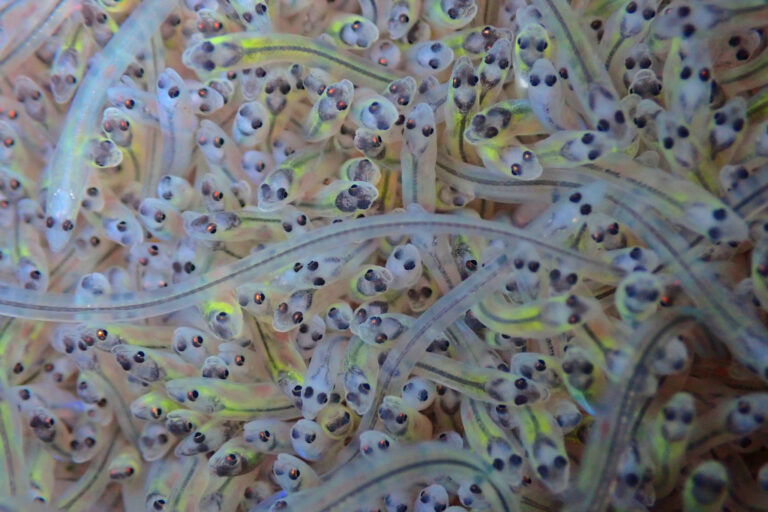
A Mysterious Life Cycle Under Siege (Image Credits: Imgs.mongabay.com)
American eels, known scientifically as Anguilla rostrata, undertake an extraordinary journey that begins in the Sargasso Sea. Larvae drift on ocean currents to freshwater rivers and estuaries across North America and the Caribbean, where they mature over 10 to 25 years before returning to spawn once and die.
Females produce up to 20 million eggs, but survival rates hover around 40% to adulthood. Dams, pollution, and habitat loss compound pressures from overfishing, stalling population recovery. In the Caribbean, including the Dominican Republic, glass eels – tiny, transparent juveniles – now fuel a lucrative export market.
Explosive Trade Fuels Black Market Boom
Global demand for eels, prized in East Asian cuisines like Japanese unagi, has skyrocketed. Aquaculture farms, mainly in China, rely entirely on wild-caught glass eels since captive breeding remains unviable. Exports of Anguilla products reached 80,000 to 110,000 tonnes annually from 2014 to 2023.
Prices soared to $3,492 per kilogram for Canadian elvers in 2023 and $15,000 per kilogram in Japan in 2024. Illegal trade, valued at over $3.4 billion yearly, outpaces legal fisheries, drawing armed gangs in Haiti and leading to seizures like 66,000 eels from a Dominican vessel in 2024. In the Dominican Republic, exports boomed, prompting initial conservation steps that later unraveled.
- Glass eel imports to East Asia from the Americas jumped from 2 tonnes in 2004 to 157 tonnes in 2022.
- Canada’s 2022 exports exceeded quotas fourfold, with prices at 5,000 CAD per kilogram.
- Caribbean hotspots like the Dominican Republic shipped 12 tonnes of glass eels from 2016-2021.
- U.S. quotas limit Maine glass eels to 4.4 tonnes yearly.
CITES Proposals Crumble at Critical Juncture
At the CITES CoP20 in Uzbekistan last November, delegates rejected an EU-Panama push to list all freshwater eels under Appendix II by a vote of 100-35, with eight abstentions. Japan, the U.S., China, and others cited domestic regulations as sufficient.
The Dominican Republic then pursued Appendix III listing in October 2025 to track its exports, a unilateral step requiring origin certificates. Yet in January 2026, officials pulled back days before implementation, citing economic risks from booming trade. Susan Liberman of the Wildlife Conservation Society called the move disappointing, noting it failed to curb illegal flows.
“It’s so lucrative that the legal fishery can’t meet demand,” said Sheldon Jordan of the Sustainable Eel Group.
Experts Warn of Irreversible Damage
American eels joined European and Japanese counterparts on the endangered list, with U.S. Atlantic stocks near historic lows. The single panmictic population means Caribbean harvests deplete shared spawning stocks. Conservationists fear the withdrawal invites a “free-for-all,” emboldening traffickers.
Japan’s lobbying and aquaculture interests reportedly swayed outcomes, echoing past blocks on tuna protections. Range states must now pursue joint management, as CITES reconvenes only in 2028.
Key Takeaways
- Dominican Republic’s reversal eliminates trade monitoring, heightening extinction risks.
- Illegal trade rivals drug smuggling in profitability, evading weak Caribbean enforcement.
- Panmictic biology demands global cooperation beyond national quotas.
The Dominican Republic’s decision underscores the clash between short-term economic gains and long-term ecological health. Without renewed international resolve, American eels risk following European kin toward collapse – what steps should range states take next? Share your thoughts in the comments.