You probably grew up thinking you knew dinosaurs pretty well. Maybe you had toy figures scattered across your bedroom floor or watched them stomp across movie screens with wonder. Thing is, a lot of what you’ve been told about these prehistoric creatures is just plain wrong. Hollywood deserves some of the blame, sure, but so do outdated museum displays and those well-meaning books from decades ago. Let’s be real, dinosaurs have been gone for millions of years, which means scientists have had to piece together their story from fragments, bones, and educated guesses.
Some myths refuse to die, no matter how much evidence piles up against them. They linger in your imagination, shaping the way you picture the ancient world. It’s not entirely your fault. These misconceptions have been repeated so many times they’ve become accepted facts in popular culture. What’s fascinating is how recent discoveries keep reshaping our understanding of these magnificent animals. So let’s dive in and unpack five stubborn dinosaur myths that you might still believe.
T. Rex Could Only See You If You Moved
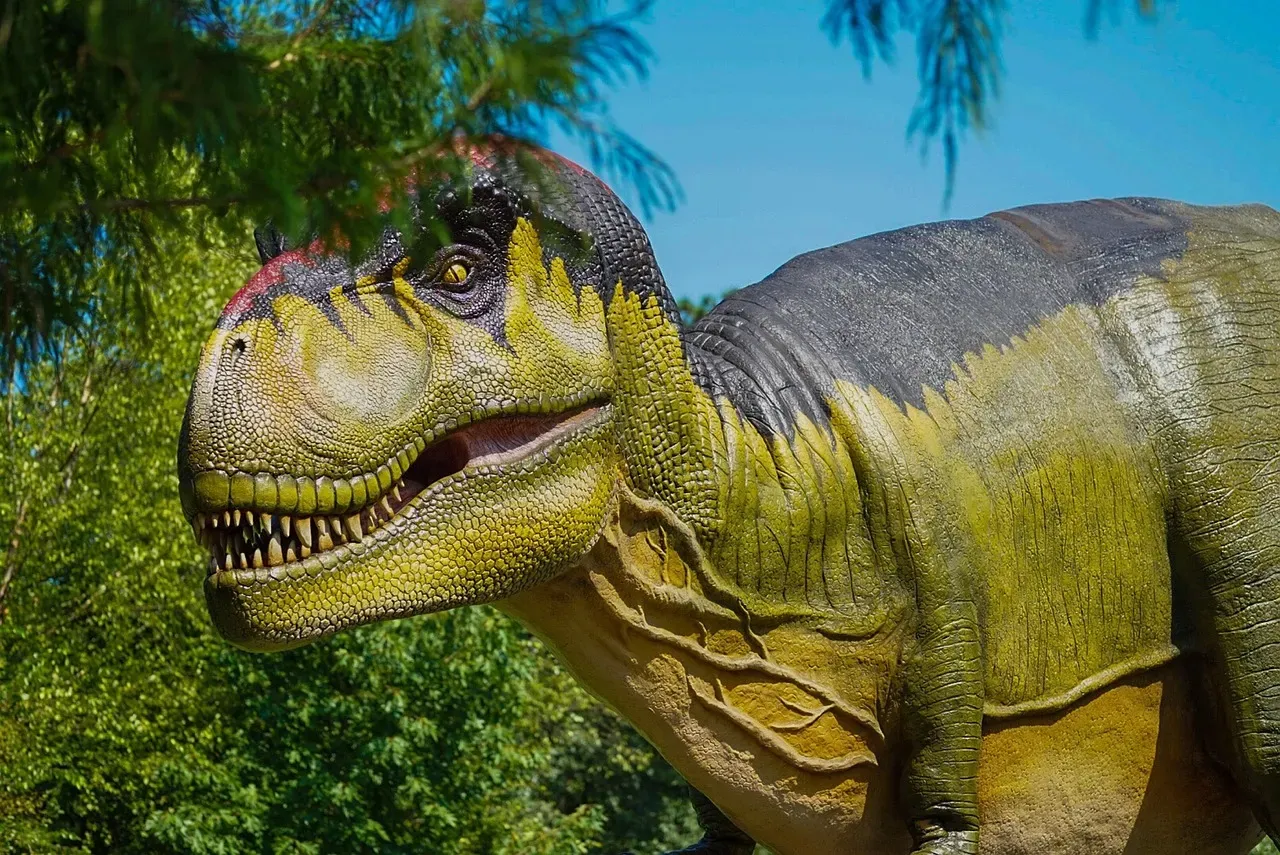
Remember that heart-stopping scene in Jurassic Park where Dr. Alan Grant tells everyone to stay perfectly still because the T. rex supposedly can’t see them if they don’t move? Yeah, that’s complete nonsense. T. rex actually had excellent vision comparable to that of hawks, which means standing still would do absolutely nothing to save you from becoming lunch.
Research shows T. rex had a binocular range of around 55 degrees, better than that of modern hawks and eagles. In fact, their eyes were massive, positioned forward on their skulls, giving them exceptional depth perception. Studies suggest T. rex might have had visual acuity as much as 13 times that of people. That’s absolutely terrifying when you think about it. These predators could spot prey from incredible distances and track movement with precision that would make any modern bird of prey jealous. The whole movement-based vision thing? That was just a creative plot device from the original Jurassic Park novel, loosely explained by fictional genetic tampering involving frog DNA.
All Dinosaurs Went Completely Extinct
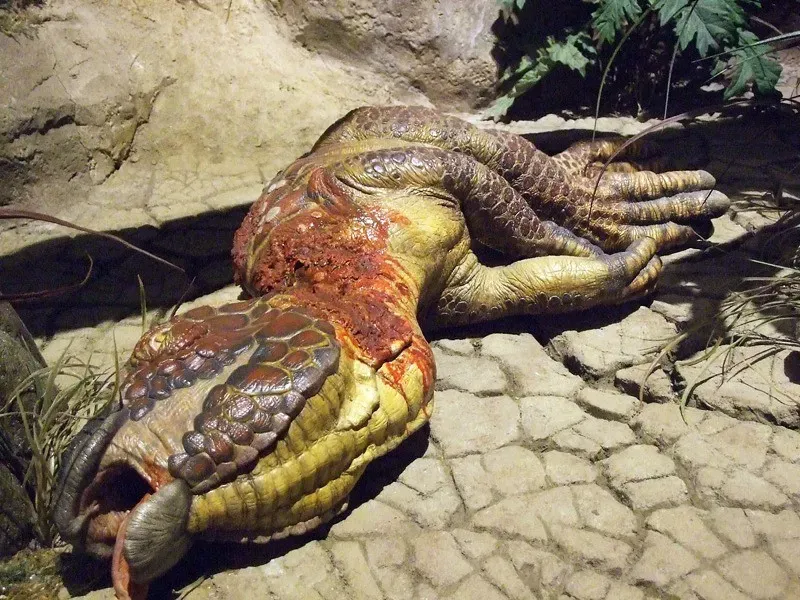
Here’s something that might blow your mind: dinosaurs didn’t actually go extinct. Well, not all of them anyway. All non-bird dinosaurs died out, but dinosaurs survived as birds following the asteroid impact roughly 66 million years ago. Every time you see a pigeon waddling through a city square or hear a crow cawing from a tree branch, you’re looking at a living dinosaur.
Birds are reptiles that descended from theropods, a diverse group of dinosaurs including the infamous Tyrannosaurus Rex. Though it’s worth noting that modern birds didn’t descend directly from T. rex itself, but rather from smaller, feathered theropod lineages. Smaller, ground-dwelling avian dinosaurs were able to evade the forest fires and catastrophic disruptions, shifting to a plant-based diet, and in the millennia following, they diversified to the varieties of birds we know today. So technically, when you’re feeding ducks at the park, you’re interacting with dinosaur descendants that somehow survived one of Earth’s worst catastrophes.
Dinosaurs Were All Gray, Green, or Brown
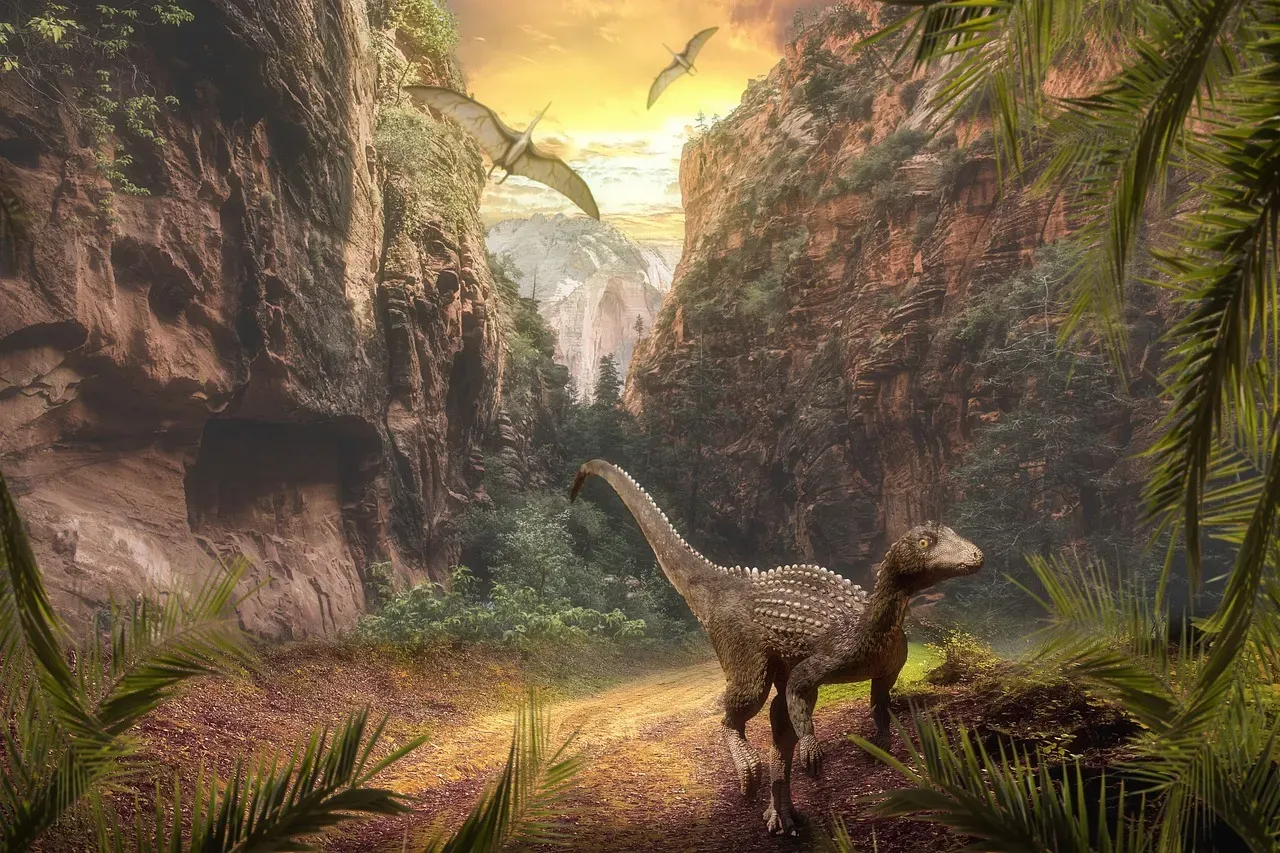
For decades, artists painted dinosaurs in dull, muddy colors because, well, how could anyone possibly know what color they really were? Turns out, scientists figured it out. Studies of feathered dinosaurs have shown that color can be inferred through analysis of melanosomes, color-determining organelles preserved in fossilized skin and feathers. This breakthrough has revealed a prehistoric world far more colorful than anyone imagined.
Research shows that complicated patterns of reddish brown, black, gray, and white feathers covered some fossilized dinosaurs, suggesting these creatures used their vibrant plumage for attracting mates or communication. Some feathered dinosaurs wore dark, iridescent sheens like ravens, others had red and white striped tails, and some wore rainbow shades, not all that different from some birds. Scientists have even discovered that certain species had specialized features like the Microraptor’s glossy black iridescent feathers. The idea of dinosaurs as drab, colorless beasts is officially dead. They were probably just as visually striking as modern tropical birds.
The Asteroid Killed Everything Instantly
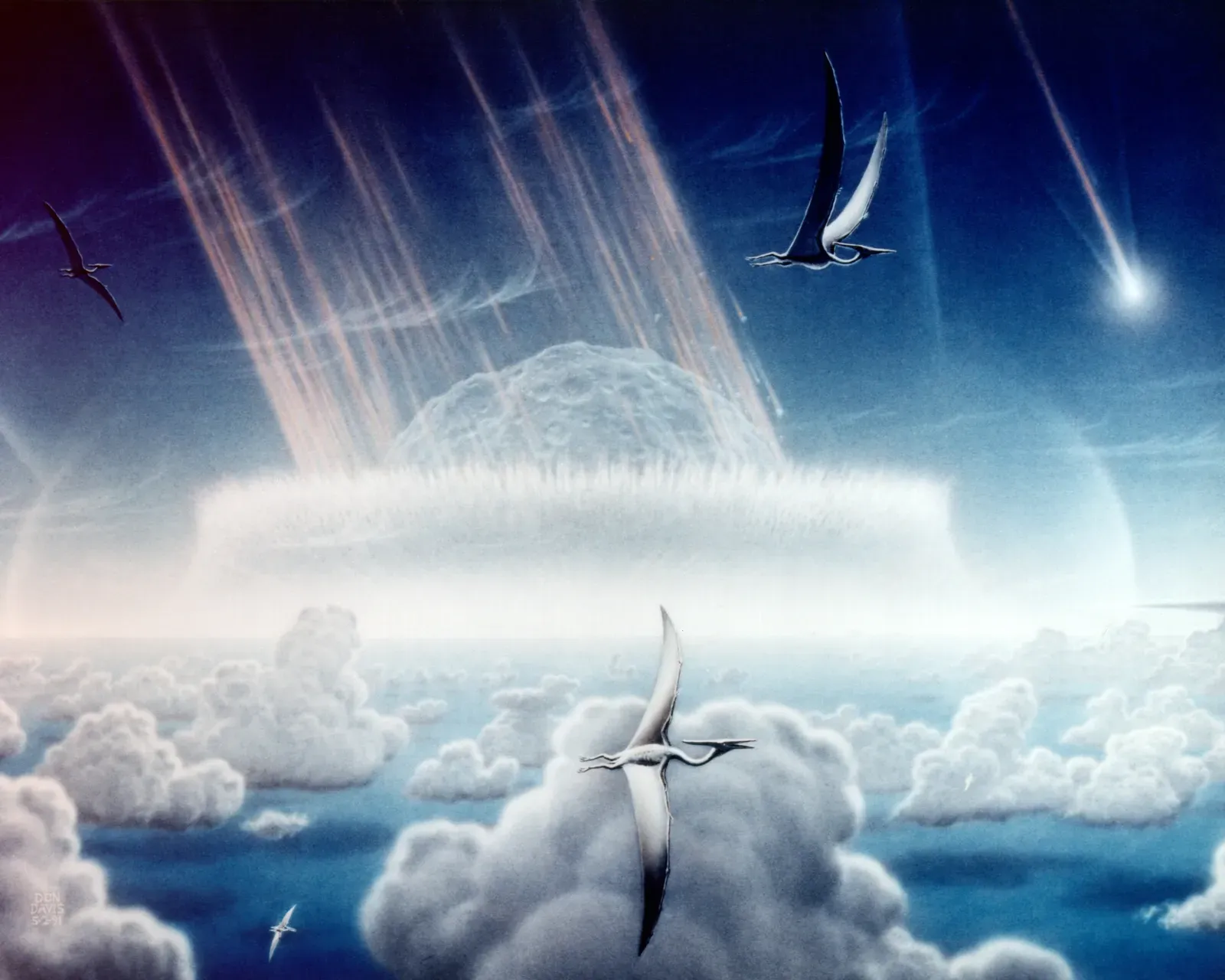
You might picture the asteroid impact as an immediate, universal death sentence for all dinosaurs everywhere. Reality was messier and slower. New fossil evidence suggests some dinosaurs survived for up to half a million years after the impact in remote parts of New Mexico and Colorado. The extinction wasn’t a light switch flipping off; it was a gradual, agonizing collapse of ecosystems worldwide.
Around 75 percent of Earth’s animals, including dinosaurs, suddenly died out, caused by the asteroid hurtling into the coast of Central America. The immediate devastation near ground zero was absolute, but distant regions experienced the effects differently. The asteroid sent soot traveling all around the world, reducing the amount of light that reached Earth’s surface and impacting plant growth. This triggered cascading ecosystem failures that took time to fully unfold. Some pockets of dinosaurs clung to survival for thousands of years before finally succumbing to the hostile new world. Honestly, the slow burn might have been worse than instant oblivion.
Brontosaurus Never Existed
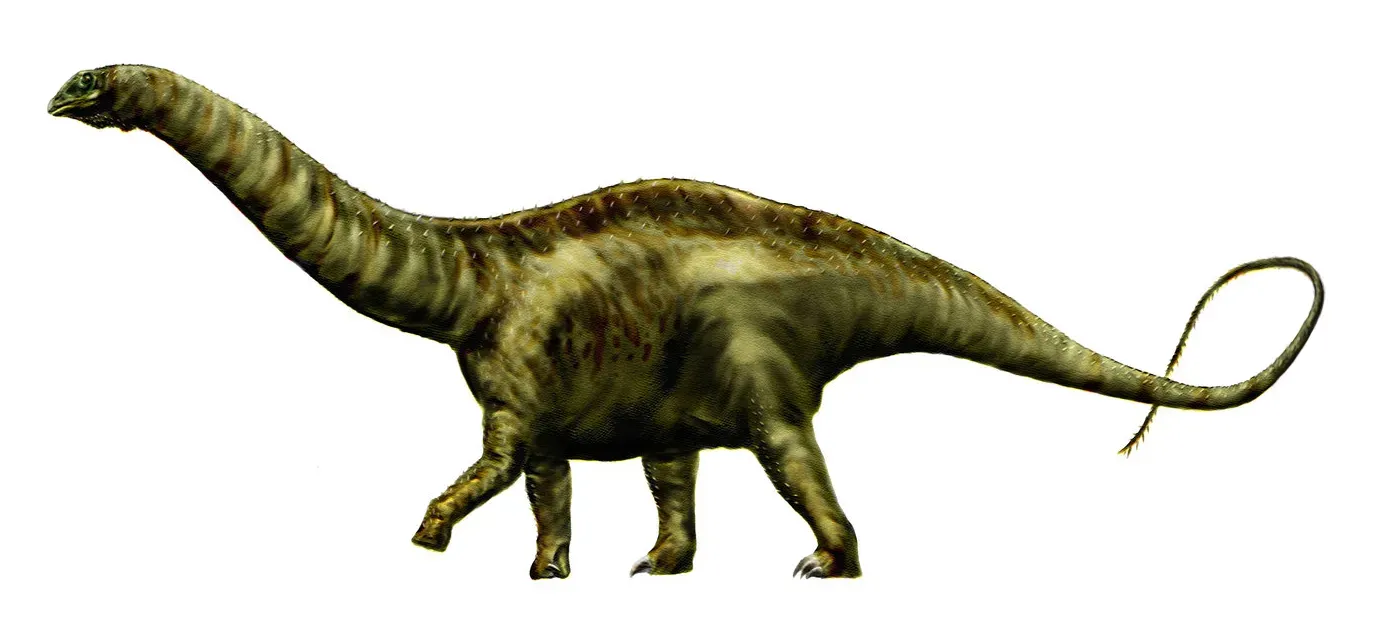
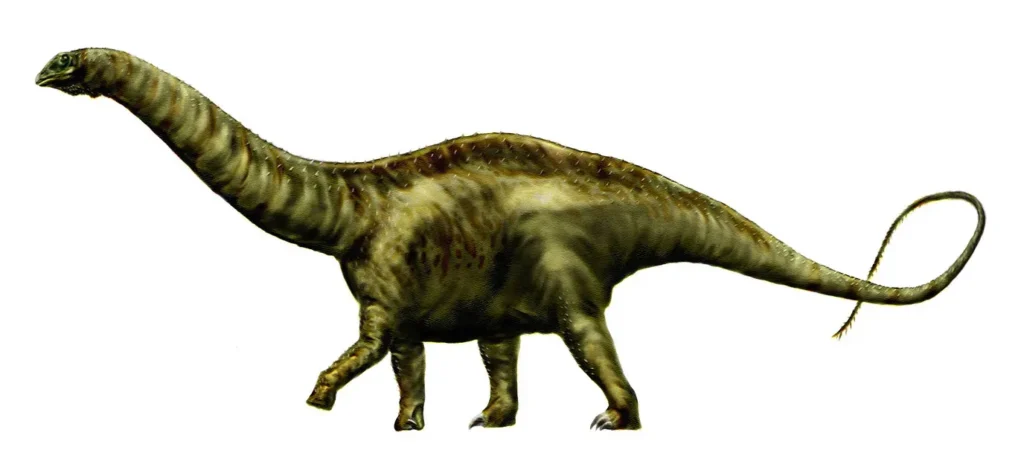
For over a century, you were told that Brontosaurus was a fake dinosaur, a mistake made by overeager paleontologists during the infamous Bone Wars. Due to the rules of scientific naming, Brontosaurus was relegated to scientific history and the fossils reassigned to Apatosaurus after scientists determined the two were essentially the same animal. Museums quietly changed their signs, and Brontosaurus became the dinosaur that never was.
Then, something surprising happened. A study in 2015 unexpectedly found evidence that Brontosaurus was distinct from Apatosaurus all along, signalling the reinstated status of this iconic dinosaur. Research ultimately showed that Brontosaurus was distinct from Apatosaurus, with one of the main differences being that Apatosaurus was more massive and robust with a thicker and lower-set neck than Brontosaurus. The “thunder lizard” was back from the dead, proving that even scientific certainty can be overturned when researchers take a closer, more detailed look at the evidence. It’s a reminder that paleontology is constantly evolving, just like the creatures it studies.
The dinosaurs you thought you knew were likely quite different from the real animals that once dominated Earth. These misconceptions remind us that science isn’t static. Every fossil discovery, every technological advancement in analysis brings us closer to understanding what these creatures were truly like. Pretty wild to think that our picture of the prehistoric world is still being rewritten, isn’t it? What other dinosaur “facts” from your childhood might turn out to be myths? It’s worth questioning everything you think you know.