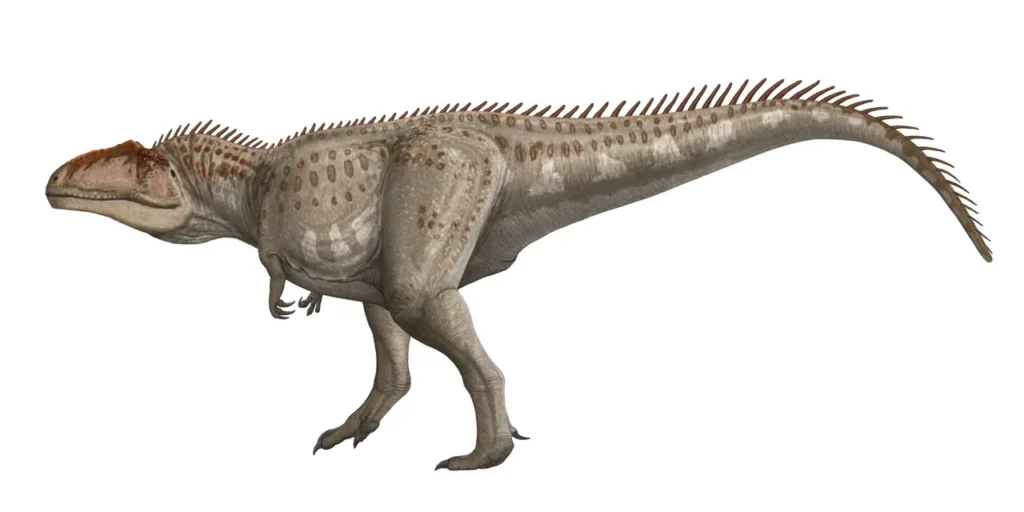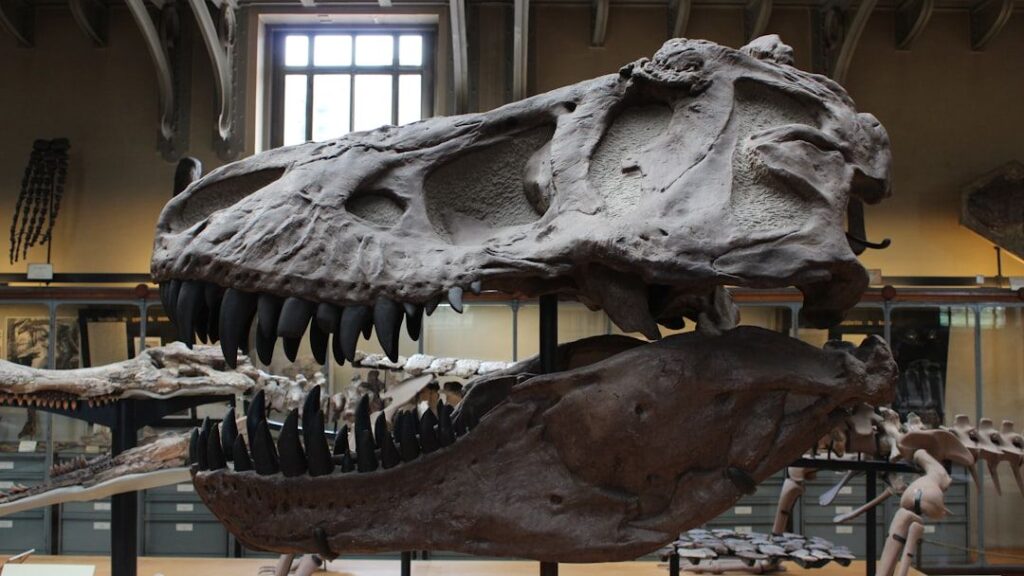
When you think about dinosaurs, what comes to mind? Colossal beasts with tiny brains lumbering across prehistoric landscapes, right? For decades, that was pretty much the accepted view. Scientists assumed these ancient reptiles were slow, dim-witted creatures whose lack of smarts might have even contributed to their extinction. Here’s the thing though. Recent discoveries have thrown that old stereotype completely out the window, and what researchers are uncovering about dinosaur brains is challenging everything we thought we knew.
The debate about dinosaur intelligence has heated up considerably in recent years. Some scientists now argue that certain dinosaurs possessed cognitive abilities we never imagined possible. Others remain skeptical, pointing to flawed methodologies and overconfident interpretations. So what’s the truth? Were these magnificent creatures actually brainy problem-solvers, or are we projecting too much onto fossilized remnants? Let’s dive into this fascinating controversy and see what the evidence really tells us.
The Breakthrough That Changed Everything
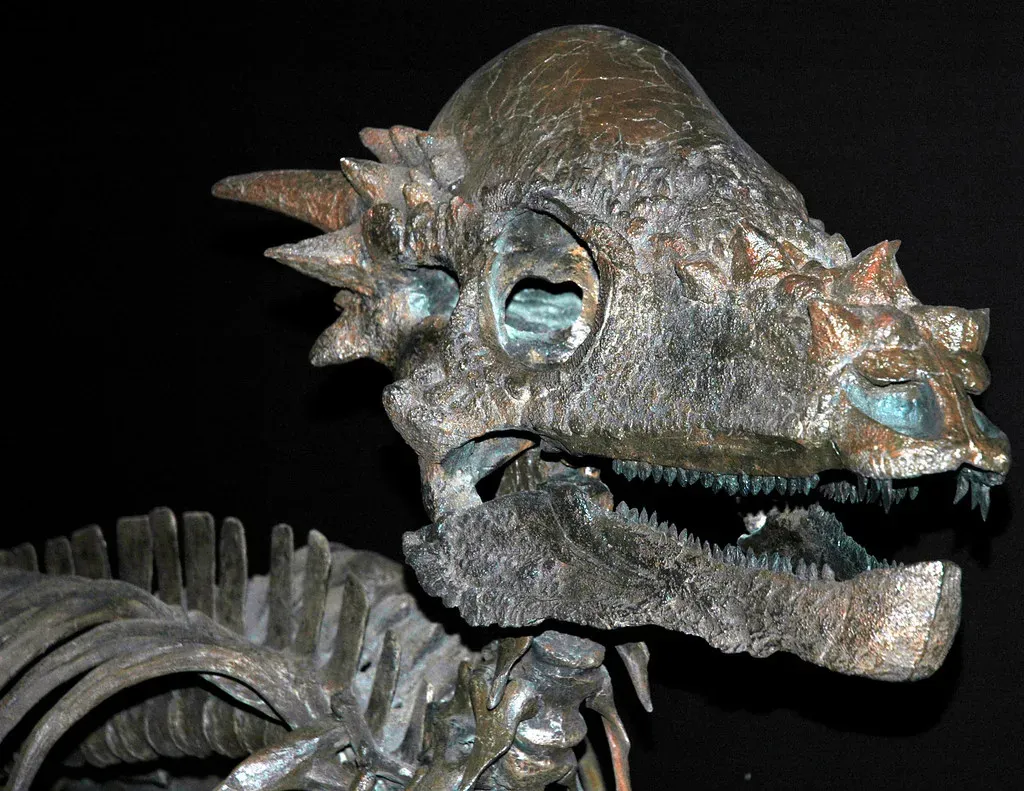
For years, paleontologists relied on something called the encephalization quotient to estimate dinosaur smarts. This metric compares brain size to body mass, and by that measure, dinosaurs always seemed underwhelming. A T. rex had an EQ of about 2.4, compared with 3.1 for a German shepherd dog and 7.8 for a human, which suggested these predators weren’t particularly clever.
Then everything shifted when researchers started looking at neuron density instead. Suzana Herculano-Houzel, a neuroanatomist at Vanderbilt University, turned to a different measure: the density of neurons in the cortex, the brain region critical to intelligence-related tasks. Her groundbreaking research suggested that some theropod dinosaurs might have packed billions of neurons into their skulls, comparable to modern primates like baboons. That’s legitimately terrifying when you think about it – an elephant-sized predator with primate-level cognition stalking through Cretaceous forests.
Fossil Brains Tell Surprising Stories
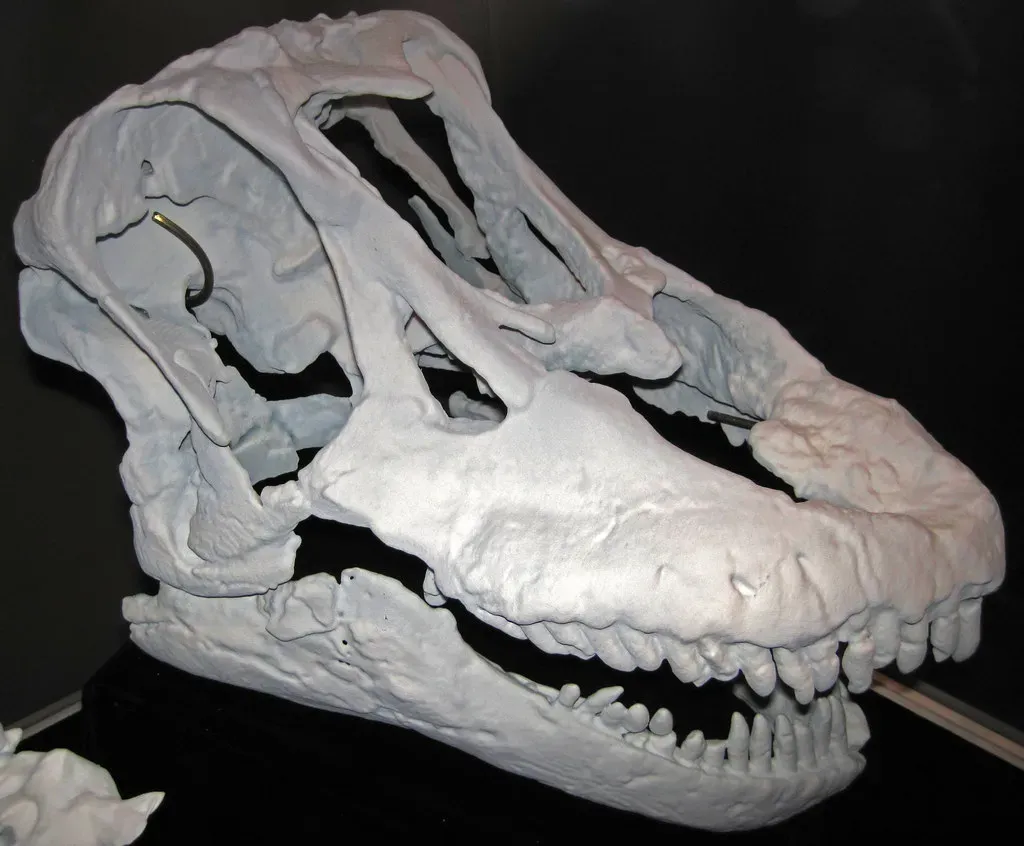
Honestly, finding fossilized brain tissue sounds impossible. Brains are soft, squishy organs that decompose rapidly after death. Yet in a truly remarkable discovery, researchers identified the first known example of fossilised brain tissue in a dinosaur from Sussex, an unassuming brown pebble found more than a decade ago that turned out to be something extraordinary.
Meninges, the tough tissues surrounding the actual brain, as well as tiny capillaries and portions of adjacent cortical tissues were preserved, and the structure shows similarities with the brains of modern-day descendants of dinosaurs, namely birds and crocodiles. This fossil gives scientists a rare glimpse into the actual neural architecture of these extinct animals. In most mammals and archosaurs (birds, dinosaurs, and alligators), the brain takes up a larger portion of the endocranial cavity, meaning endocasts can serve as reliable proxies for understanding brain structure.
The Great Neuron Controversy
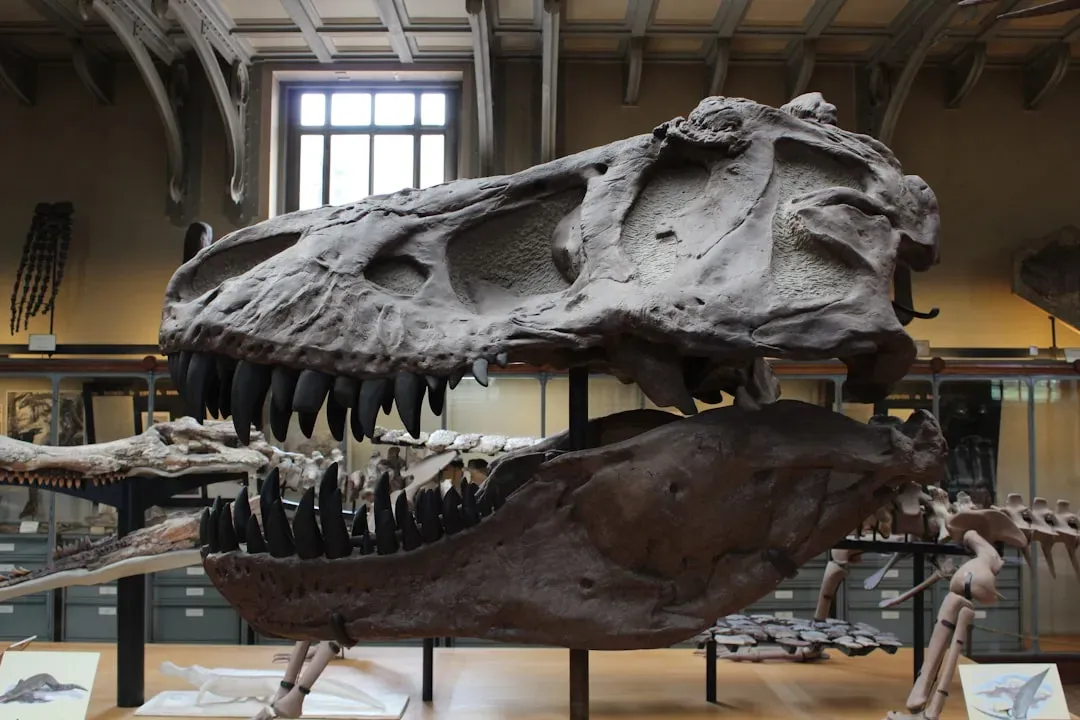
Let’s be real – the scientific community is seriously divided on this issue. Herculano-Houzel reported that T. rex, with its brain weighing one-third of 1 kilogram, had an estimated 3.3 billion cortical neurons – a higher density than baboons. She speculated these dinosaurs might have been capable of tool use, cultural transmission, and complex problem-solving.
However, other researchers immediately pushed back hard. An international team found that brain size had been overestimated, especially that of the forebrain, and thus neuron counts as well, and they show that neuron count estimates are not a reliable guide to intelligence. The debate centers on fundamental questions about brain architecture. For intelligence, brain architecture also matters, and according to Anton Reiner of the University of Tennessee Health Science Center, it is unlikely that dinosaurs could have ever evolved cognitive abilities comparable to ours.
What Fossil Footprints Reveal

You don’t need brain tissue to understand behavior. Sometimes the most telling evidence comes from the tracks these animals left behind millions of years ago. These ancient tracks tell researchers that predatory dinosaurs were cognitively and behaviorally very much like birds, not like crocodiles or other reptiles, and these dinosaurs must have had bird-like cognitive abilities for complex social behaviors, parenting, and even cooperative hunting strategies.
Fossil trackways reveal herding behavior and adult care of juveniles. The discovery and study of dinosaur nesting sites indicated that theropod, sauropod and ornithopod dinosaur species nested in groups and engaged in maternal care of hatchling dinosaurs, with some evidence suggesting bi-parental care. These aren’t behaviors you’d expect from dim-witted reptiles. They suggest planning, social coordination, and emotional bonds – all hallmarks of sophisticated cognition.
Birds Hold The Key To Understanding

Modern birds are living dinosaurs, which gives scientists a powerful comparative tool. Despite having a very small head, birds have more densely packed brain cells than many mammals and so can possess roughly as many neurons as primates, and some birds, such as parrots and corvids, show great cognitive abilities, comparable to the smartest non-human mammals.
The connection runs deep. Certain bird species possess cognitive abilities that suggest avian dinosaurs have remarkable neurocognition that predates the emergence of similar skills in mammals, and visual perspective taking originated in the dinosaur lineage about 60 million years before appearing in mammals, challenging the notion that complex cognition evolved primarily in mammals. This fundamentally reshapes how we think about the evolution of intelligence itself. Maybe mammals aren’t the gold standard after all.
The Smartest Dinosaurs In The Room
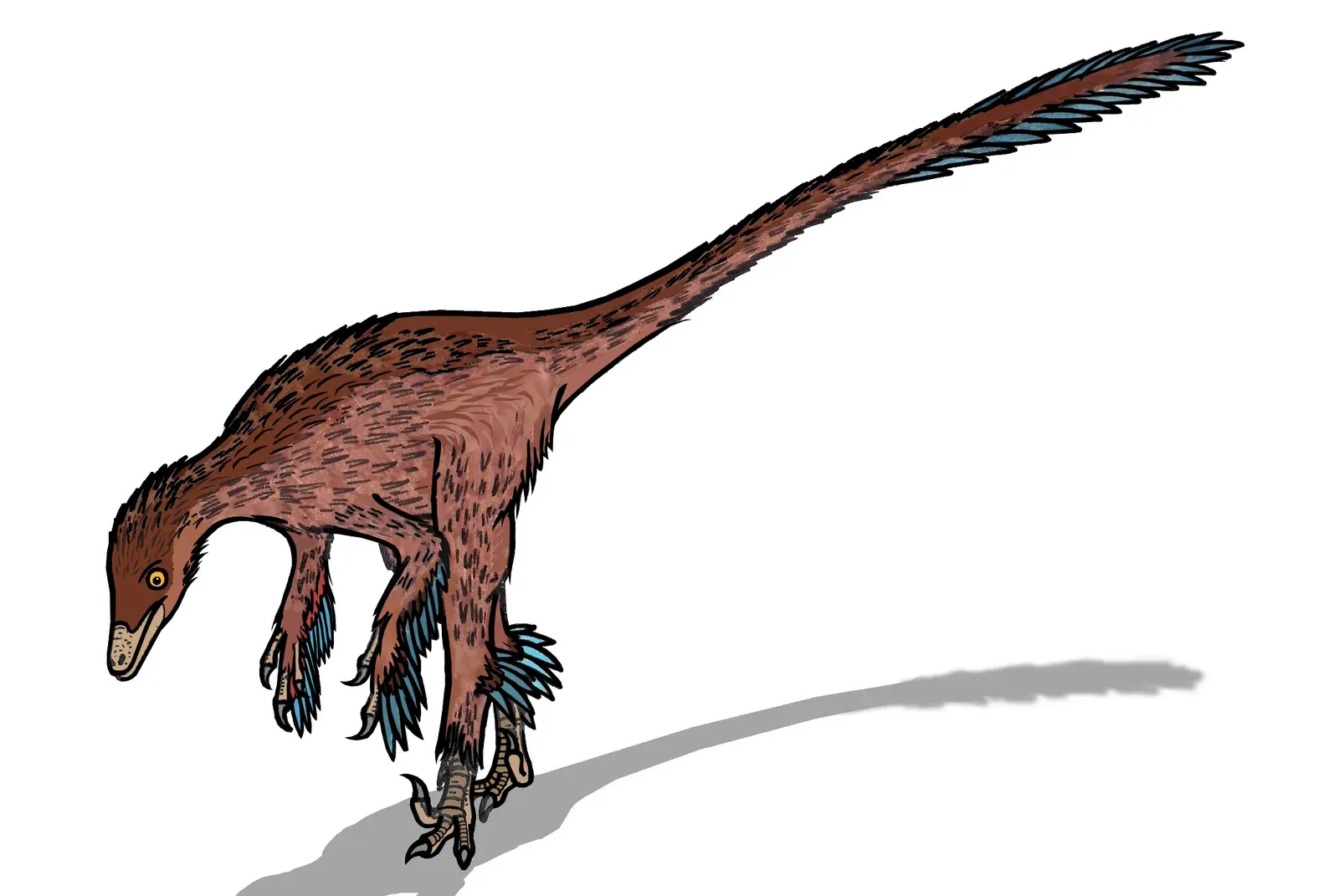
Not all dinosaurs were created equal when it comes to brainpower. Paleontologist Dale Russell studied the small theropod Troodon formosus, the species with the highest EQ value so far calculated for a dinosaur, and according to Russell, Troodon had an EQ similar to ratites and may have been similar in intelligence. Troodontid and maniraptoran theropod dinosaurs have been documented as having especially large brains for their body size.
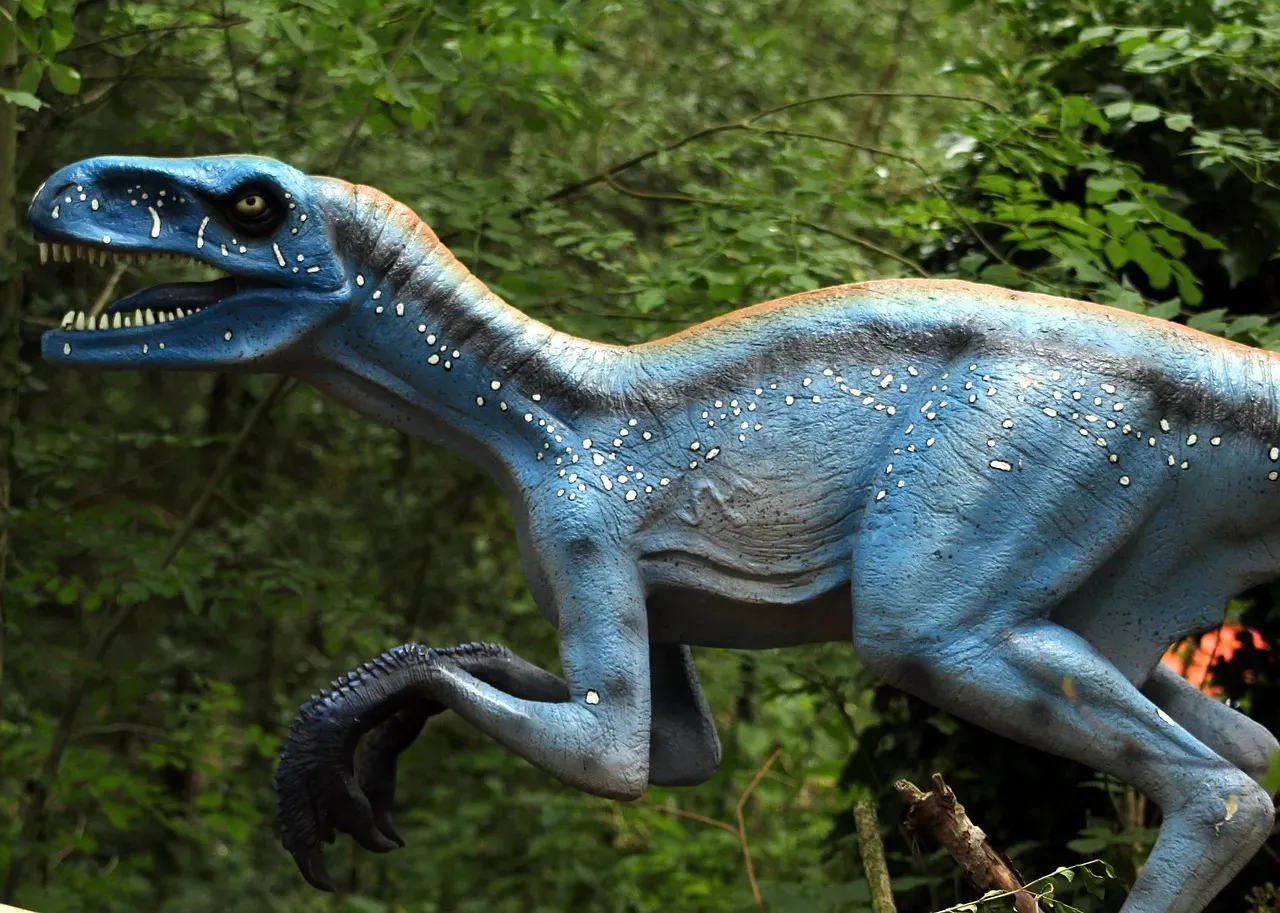
These weren’t the lumbering giants we typically picture. The behavior Troodon exhibited likely included keen hunting strategies and possibly social interaction, and fossil evidence suggests it had large, forward-facing eyes, giving it excellent depth perception. Smaller theropods like Deinonychus showed similar sophistication, with anatomical features suggesting advanced sensory processing and coordination necessary for complex hunting behaviors.
Why This Debate Matters Now
The current scientific controversy reveals how difficult it is to reconstruct cognition in extinct species. Neurological variables such as neuron numbers and relative brain size are flawed proxies for cognitive complexity, metabolic rate and life history traits in dinosaurs, and integrative studies are needed to approach this complex subject. Estimating intelligence is problematic even in living species, but is far more difficult in extinct animals, and without the ability to conduct behavioral studies, theories on dinosaur intelligence can never be well corroborated.
Still, the pursuit matters tremendously. Complex behaviours and advanced cognitive skills are known from extant reptiles despite their relatively low EQs, and the validity of EQ as a measure of ‘intelligence’ is doubtful. Understanding dinosaur brains forces us to rethink assumptions about how intelligence evolves, what brain structures are necessary for complex thought, and whether mammalian cognition is really the pinnacle we’ve always assumed it to be.
Conclusion: A Question Still Evolving
So The honest answer is that we’re still figuring it out. Much remains to be learnt about the anatomy of dinosaur brains and what that anatomy does, or does not, mean for behaviour and cognition. Dinosaurs quite probably overlapped with turtles, squamates and crocodylians as well as birds in cognitive traits, and this mustn’t be interpreted to mean that the extinct animals were deficient or poor in performance.
The evidence suggests a fascinating middle ground. Dinosaurs weren’t monkey-brained geniuses using tools and building cultures. They also weren’t the dim-witted reptiles of outdated stereotypes. They were sophisticated creatures with behavioral complexity suited to their ecological niches, probably rivaling modern birds in cognitive abilities. Perhaps the real lesson here is that intelligence comes in many forms, and we’re only beginning to appreciate the diversity of minds that have inhabited our planet throughout deep time.
What do you think? Does imagining a clever T. rex make these ancient predators more or less fascinating? The debate continues, and future discoveries will undoubtedly keep surprising us.