You might think pollen is just something that makes your eyes water every spring. Yet these microscopic grains hold secrets that reach back millions of years, preserving stories about what dinosaurs actually ate. Scientists have found surprising clues tucked inside fossilized droppings and stomach contents, and the findings are changing everything we thought we knew about prehistoric diets.
Let’s be real, nobody expected that studying ancient dust would revolutionize our understanding of dinosaur life. These tiny time capsules survived extinction events, climate shifts, and geological upheaval to tell us what was on the menu when giants ruled the Earth.
Pollen Grains Are Nature’s Indestructible Time Capsules
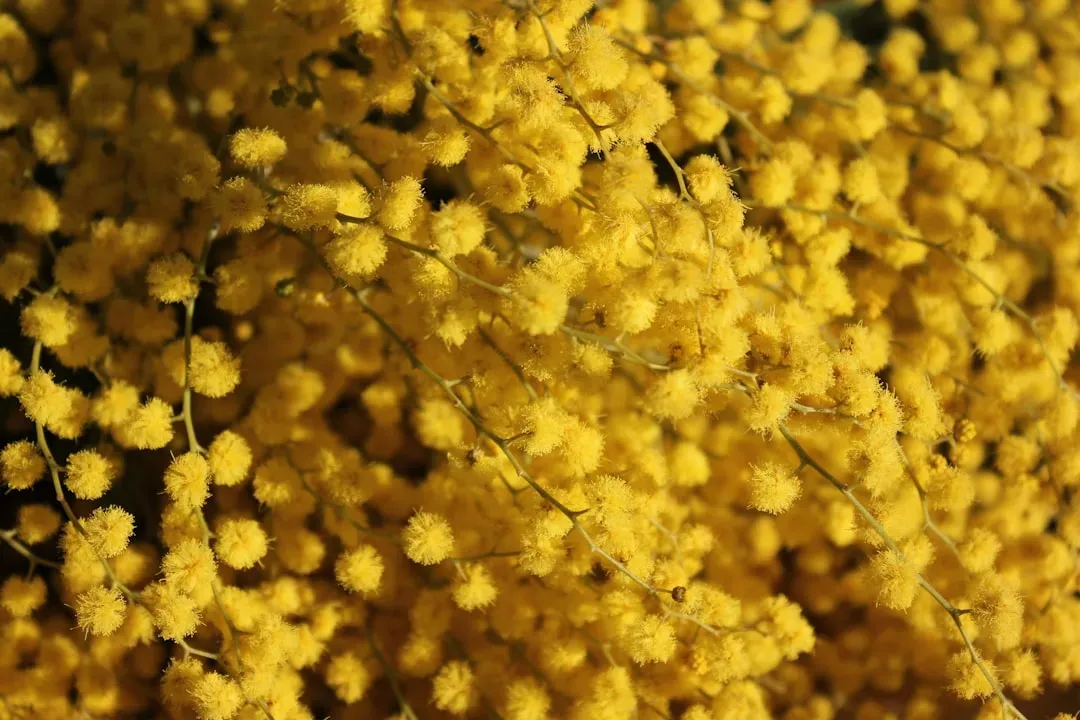
Your tough outer shell enables pollen to survive long after its parent plants have disappeared. Think about it – these specks are so resilient that they can last for hundreds of millions of years, embedded in sediment layers where they wait to be discovered. Palynology, the study of fossilized and extant spores and pollen, has become a closely related field to paleobotany.
When pollen grains become trapped in sediments at the bottom of lakes, oceans and riverbeds, fossil pollen can provide scientists with a unique history of the environments those pollen-producing plants were born into. What makes this even more fascinating is that each grain carries a distinct shape and texture specific to its plant species. Researchers can identify exactly which plants existed alongside dinosaurs by examining these preserved grains under powerful microscopes.
Coprolites Reveal What Dinosaurs Actually Digested
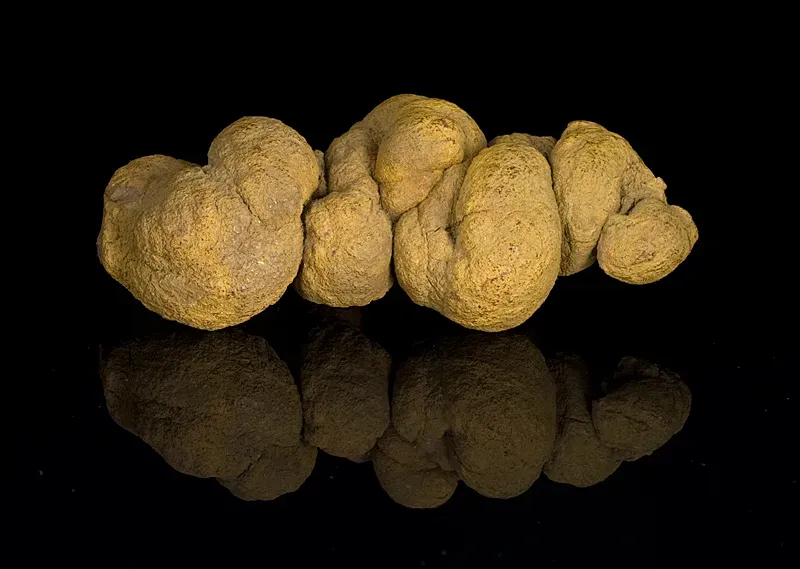
Your herbivorous coprolites might be packed with fibrous plant remains, seeds, or pollen. Fossilized droppings, known as coprolites, offer direct evidence of dinosaur meals in ways that skeletal remains simply cannot match. When dissecting fossilized droppings, researchers found tiny silica structures called phytoliths.
Here’s where things get wild. Dinosaur dung from 65 million years ago revealed that dinosaurs munched on grass – a surprising discovery, given scientists previously thought that grasses co-evolved with mammals and weren’t present during the dinosaur age. This discovery also shows that grass is 10 million years older than was known, and until then there was no firm evidence that dinosaurs and grasses coexisted. The entire timeline had to be rewritten because of what researchers found in ancient poop.
Stomach Contents Provide Direct Dietary Evidence
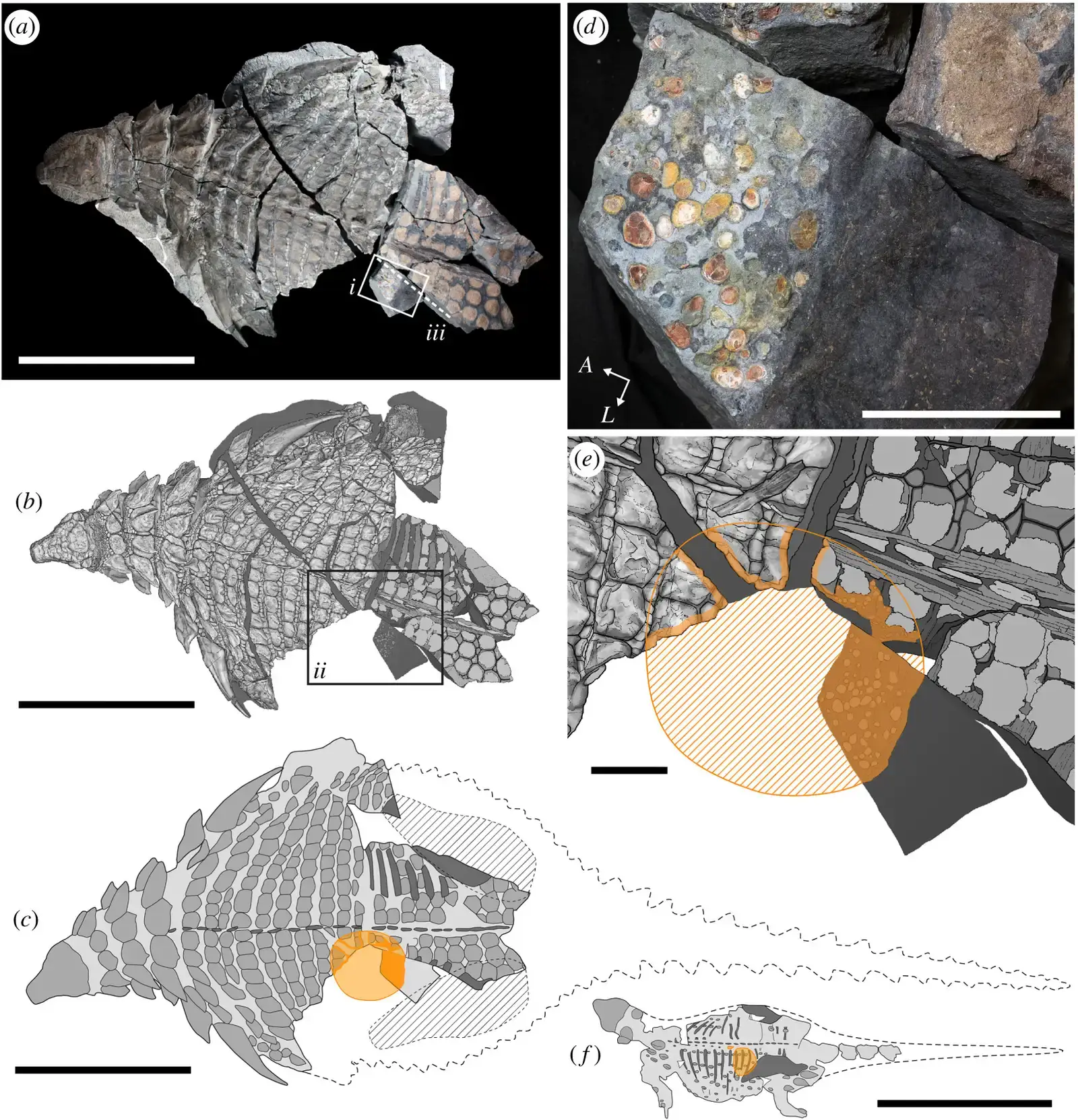
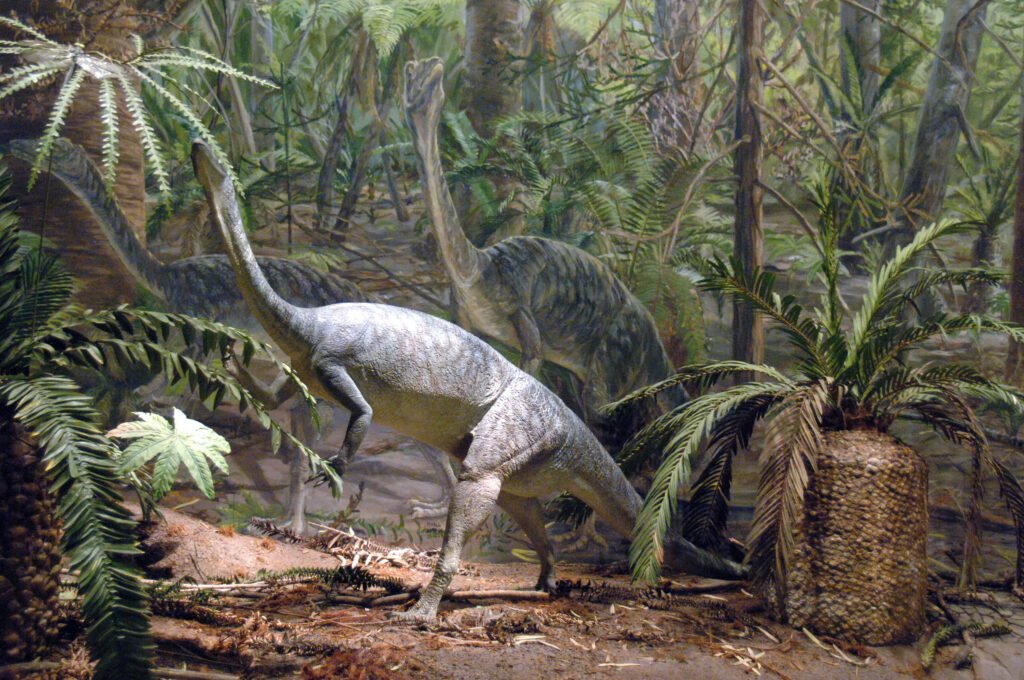
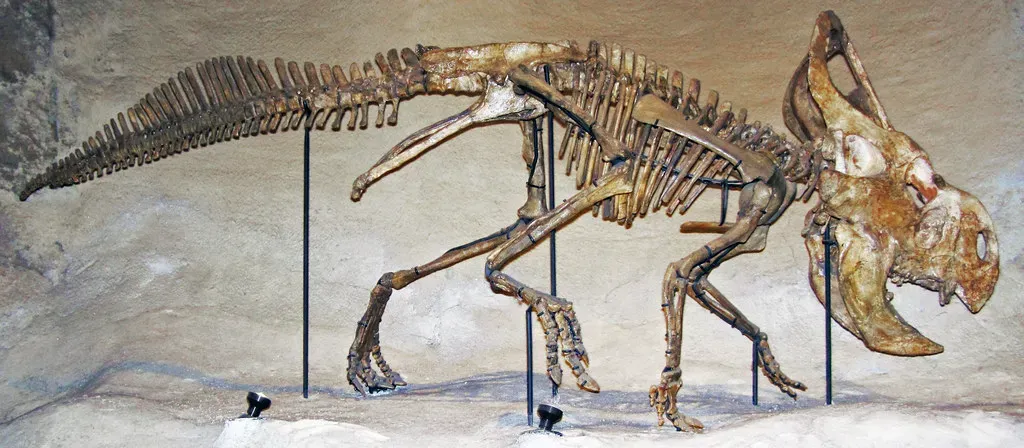
In rare cases, a muddy tomb encased and preserved dinosaurs so well that even stomach contents remain to tell us they were picky eaters. The nodosaur Borealopelta markmitchelli is one such incredible find. The exceptionally well-preserved holotype from the Early Cretaceous of northern Alberta preserves a distinct mass within the abdominal cavity, with fourteen independent criteria supporting the interpretation of this mass as ingested stomach contents – a cololite.
When chunks of the mass were encased in resin, sliced and examined under the microscope, researchers could see well-preserved twigs, leaves, mosses, pollen and spores, and to get help at identifying the plant material, dinosaur researchers turned to paleobotanists. Analysis of the cololite documents well-preserved plant material dominated by leaf tissue, including intact sporangia and leaf cross-sections, with the leaf fraction dominated by leptosporangiate ferns. It turns out this armored dinosaur had very selective tastes.
Flowering Plants Appeared Earlier Than Expected
Six different types of pollen were found in ancient samples, revealing that flowering plants back then may have been considerably diverse, and researchers have seen these pollen grains in both Switzerland and the Barents Sea, suggesting that the flowering plants spanned a broad range of environments. This discovery completely disrupted established evolutionary timelines.
European scientists now report the discovery of flowering plant fossils in Middle-Triassic rocks – conventionally assumed to be around 240 million years old, and according to secular age assignments, flowering plants were not supposed to have evolved until 100 million years later! Scientists had assumed that angiosperms only emerged during the Cretaceous period, roughly 135 million years ago. The pollen evidence suggests otherwise. This sudden appearance has bothered scientists ever since Darwin, who called the origin of flowering plants an ‘abominable mystery’.
Ferns Dominated Dinosaur Diets More Than Previously Thought
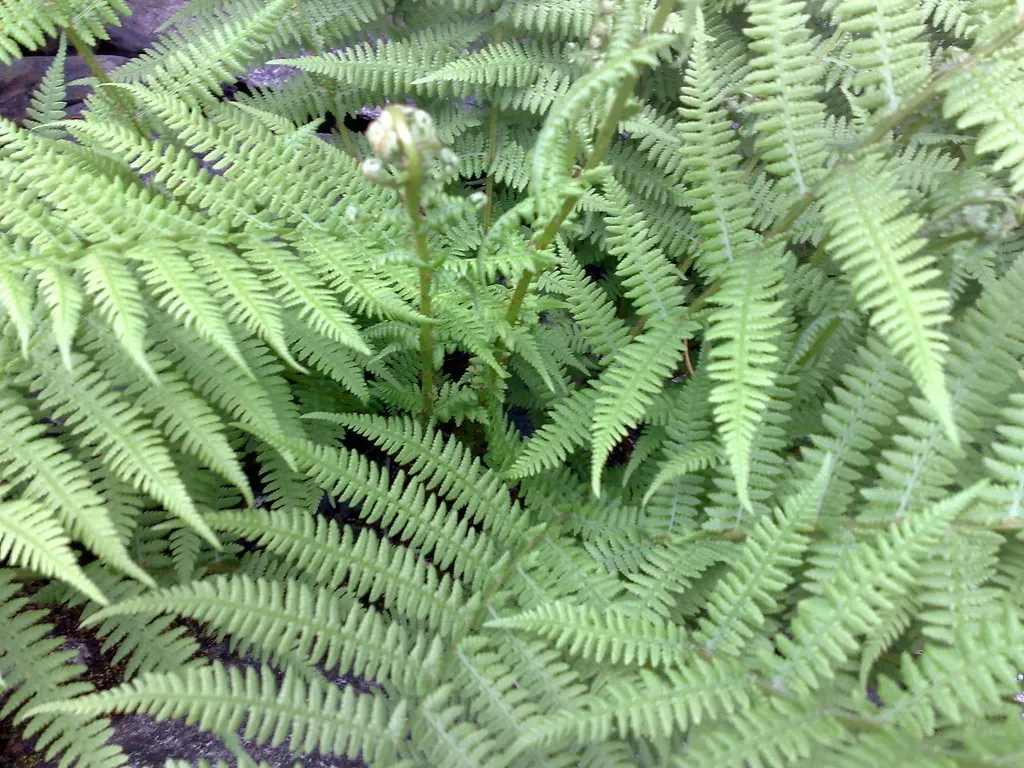
Your nodosaur specifically ate the soft leaves of certain ferns and largely neglected common cycad and conifer leaves. This level of selectivity was unexpected. A new study shows that Borealopelta ate almost exclusively ferns.
The diet of the Early Cretaceous nodosaurid ankylosaur Borealopelta markmitchelli was dominated by approximately 88 percent leaf material, with only a minor stem component at around 7 percent, consistent with the hypothesis that nodosaurs were selective feeders, analogous to extant large mammal herbivores such as cervids. Honestly, this paints a picture of dinosaurs as discerning grazers rather than indiscriminate eating machines. They knew what they liked and went for it.
Pollen Analysis Reconstructs Ancient Ecosystems
Coprolites have proven invaluable in paleoenvironmental reconstructions because feces often contain material from both animal and plant sources, serving as composite samples of the broader ecosystem, and they may include pollen from distant regions, suggesting travel or wind patterns. This means that a single fossilized dropping can tell you about climate, geography, and seasonal changes all at once.
Pollen reveals how ecosystems were instantly disrupted at the time of asteroid impacts, before gradually rebounding over hundreds to thousands of years, showing how ecosystems transformed at the time of catastrophic events. A series of dung fossils from a herbivorous dinosaur might show an abundance of flowering plant material during certain times of the year and conifer needles at others, indicating seasonal variance that is critical in understanding how ancient animals migrated, bred, and survived environmental pressures.
Modern Technology Unlocks Prehistoric Secrets
Analysis documents well-preserved plant material including intact sporangia, leaf cross-sections and cuticle, but also including stems, wood and charcoal. Microscopic examination has become incredibly sophisticated. Seven thin sections of cololites were prepared to microscopically analyse contents, including mineralogy of the matrix and gastroliths, as well as to allow analysis of any preserved organic matter.
A cololite associated with the sauropod Diamantinasaurus matildae from the mid-Cretaceous of Queensland preserves conifer pinnules, angiosperm leaves, and seed-fern fruiting bodies within, as are chemical biomarkers consistent with gymnosperms and angiosperms. Chemical analysis can now detect specific compounds that indicate which plant families dinosaurs consumed. It’s like having a receipt from a meal eaten 100 million years ago.
These discoveries remind us how much we still don’t know about the past. Every new pollen sample analyzed adds another piece to the puzzle of how dinosaurs lived, what they ate, and how their world functioned. The field continues to evolve as technology improves and more fossils are examined with fresh eyes.
What’s remarkable is how something as small as a pollen grain can rewrite entire chapters of prehistory. These microscopic witnesses survived catastrophic events and geological transformations to tell their stories. Next time you sneeze during allergy season, remember that pollen isn’t just annoying – it’s also one of the most powerful tools scientists have for understanding life on Earth millions of years before humans existed. What other secrets might be hiding in the fossil record, waiting for the right technology to reveal them?