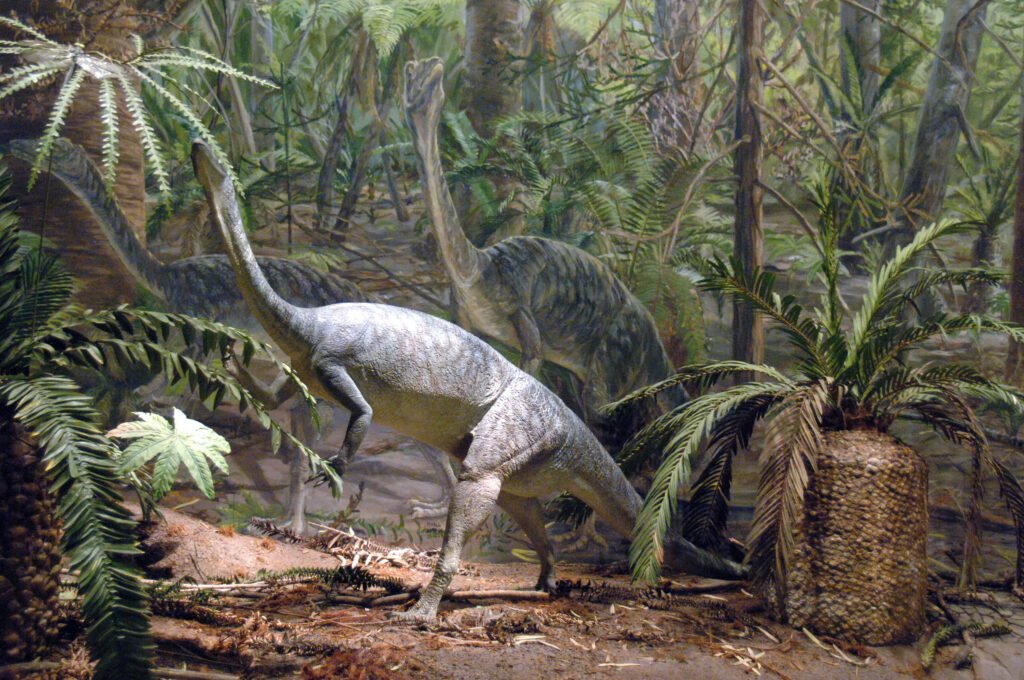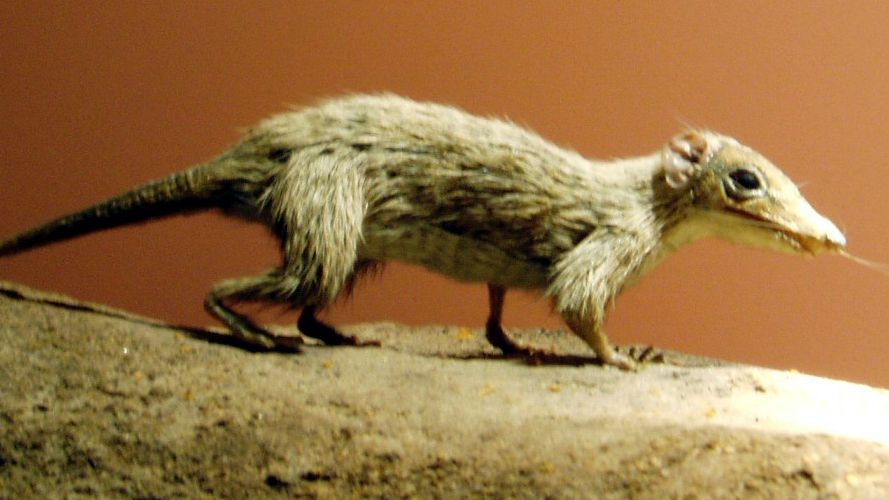
You probably grew up thinking of dinosaurs as the undisputed rulers of the Mesozoic world, with small furry mammals cowering in burrows and scurrying through the underbrush just to survive another day. That’s the story many of us learned in school. Here’s the thing, though: the fossil record keeps throwing us curveballs that challenge this neat little narrative.
What if I told you that some mammals didn’t just tolerate their giant reptilian neighbors but actually went toe to toe with them? The relationship between early mammals and dinosaurs was far more complex than a simple tale of predator and prey. You’re about to discover a world where the lines between hunter and hunted blurred in surprising ways.
The Traditional View Gets a Major Shakeup
For decades, scientists portrayed Mesozoic mammals as shrew or rat-sized animals that were mainly insectivorous, probably nocturnal and lived in the shadow of dinosaurs. That image dominated textbooks and museum displays for generations. It made sense at first glance, after all.
The reality turned out to be considerably messier and more fascinating. An explosion of fossil finds reveals that ancient mammals evolved a wide variety of adaptations allowing them to exploit the skies, rivers and underground lairs. These discoveries, particularly from China and other sites with exceptional preservation, have fundamentally rewritten what we thought we knew.
When Mammals Turned the Tables on Dinosaurs
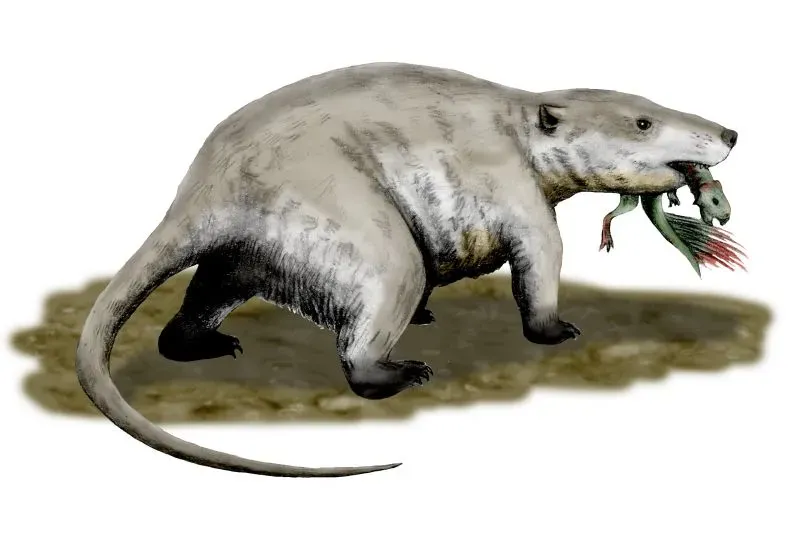
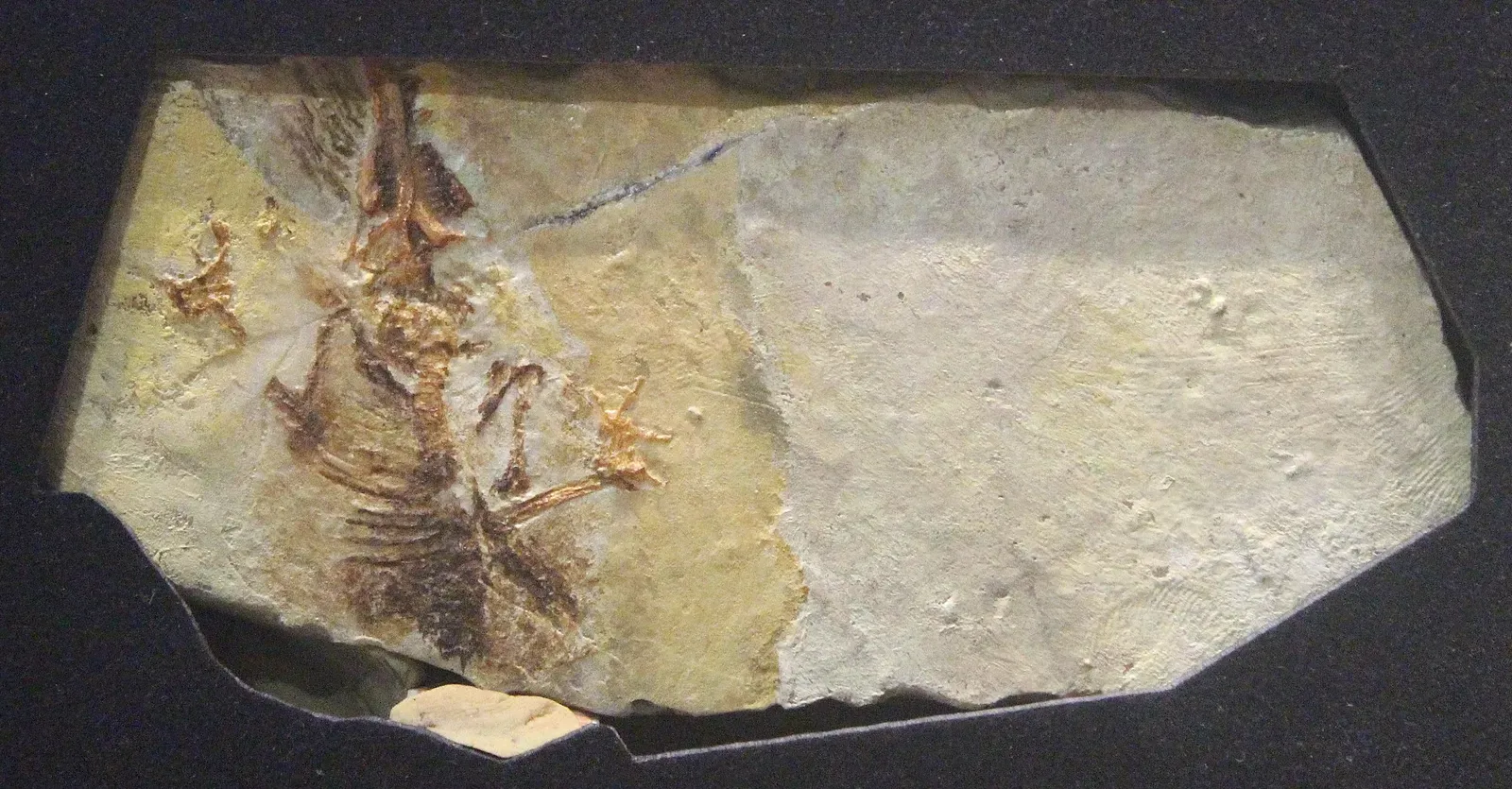
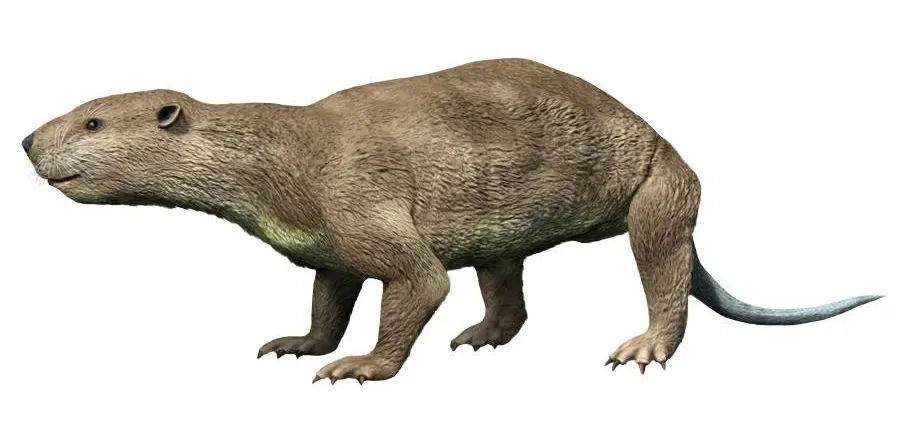
Picture this: roughly a hundred and twenty five million years ago in what’s now China, a badger-like mammal called Repenomamus robustus attacked a plant-eating dinosaur three times its size. The remarkable fossil offers researchers the first glimpse of a Mesozoic mammal actively hunting a much larger dinosaur.
A badger-like mammal was sinking its teeth into the ribs of a dinosaur three times its size when they were buried in volcanic ash 125 million years ago, capturing the pair in a deadly embrace. This isn’t speculation based on scattered bones. The two creatures were literally frozen in combat, with the mammal’s jaws clenched around the dinosaur’s ribs. Let’s be real, nobody saw that coming.
The Night Shift Strategy That Changed Everything
In order to avoid predation and competition with the large dinosaurs, the mammals were forced to become nocturnal. This wasn’t just a minor lifestyle adjustment. It represented a fundamental survival strategy that would shape mammalian evolution for millions of years.
Researchers have long suspected that Mesozoic mammals were mostly nocturnal to avoid the giant dinosaurs that were active during the day, and the findings affirm this understanding. The evidence goes beyond guesswork, too. Studies of eye structure, fur coloration in fossils, and modern mammal behavior patterns all point to the same conclusion. Think about it: if you’re the size of a mouse and there are forty-foot predators stomping around in daylight, you’d probably prefer the cover of darkness as well.
Size Wasn’t Everything in the Mesozoic
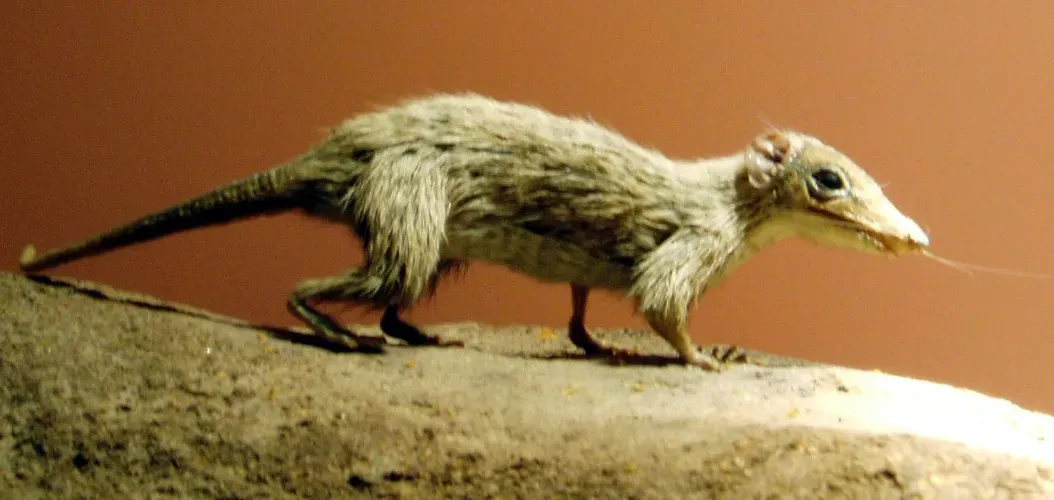
Most early mammals stayed small throughout the dinosaur age, but that doesn’t mean they were struggling or unsuccessful. An entire menagerie of mammals flourished alongside dinosaurs, including some that even ate baby dinosaurs for lunch. Small size actually offered significant advantages in a world dominated by giants.
Small body size allowed mammals to occupy ecological niches that larger animals could not. For example, small mammals could hide from predators in small crevices and could consume food resources that were unattainable to larger creatures. They needed fewer resources, could reproduce faster, and accessed habitats where dinosaurs simply couldn’t follow. It’s a bit like being the only person who can fit through the secret door at a party.
The Competition You Didn’t Expect
Here’s where things get really interesting. The results suggest that it may not have been the dinosaurs that were placing the biggest constraints on the ancestors of modern mammals, but their closest relatives. That’s right: mammals were being held back by other mammals, not necessarily by dinosaurs.
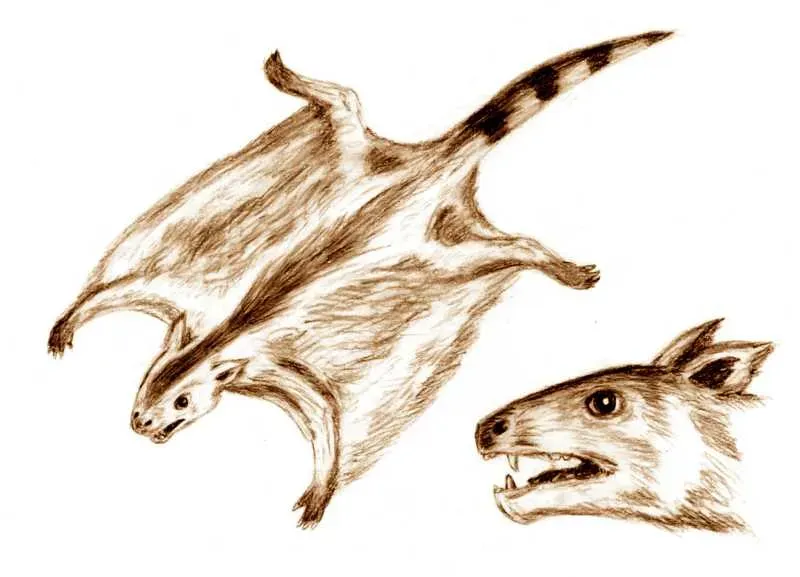
While their relatives were exploring larger body sizes, different diets, and novel ways of life such as climbing and gliding, they were excluding modern mammals from these lifestyles, keeping them small and generalist in their habits. The ancestors of today’s mammals faced fierce competition from now-extinct mammal groups that occupied ecological niches the modern lineages couldn’t access. It’s almost ironic when you think about it.
Mammals Got Creative With Their Lifestyles
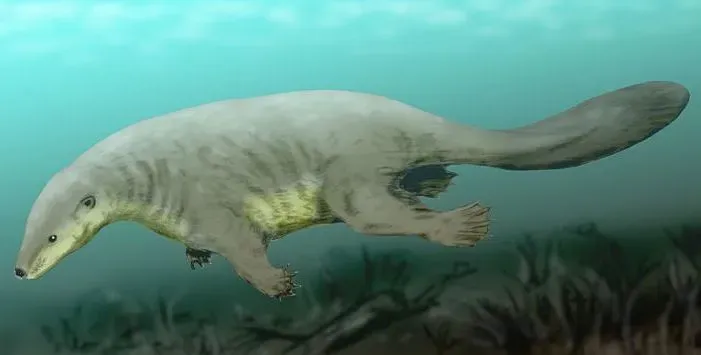
Through swimming, gliding, climbing and burrowing, mammals often expanded into ecological roles that dinosaurs did not, undoubtedly assisted by how wonderfully variable mammal teeth can be. This ecological diversity developed surprisingly early in mammalian history.
Many of the diverse forms that arose during the Jurassic and Cretaceous resemble species alive today, such as badgers, flying squirrels and even anteaters. We’re talking about beaver-like swimmers, gliding tree dwellers, and underground burrowers all coexisting with dinosaurs. The Mesozoic wasn’t just the Age of Dinosaurs. Honestly, it was also the age of incredibly inventive mammals finding their own ways to thrive.
The Social Side of Ancient Mammal Life
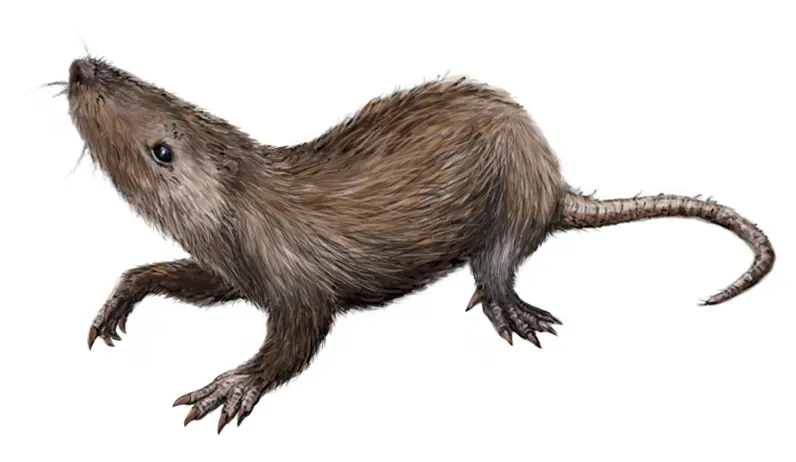
The fossils, which are about 75.5 million years old but exquisitely preserved, offer a rare glimpse into mammalian behavior during the Late Cretaceous Period when dinosaurs dominated, and indicate that mammals developed sociality much earlier than previously thought. These weren’t solitary creatures just trying to survive until morning.
The multituberculate Filikomys primaevus engaged in multi-generational, group-nesting and burrowing behavior, and possibly lived in colonies, some 75.5 million years ago. Multiple individuals were found together in what appear to be communal burrows. They were living in groups similar to modern ground squirrels, with multiple generations sharing space. That level of social complexity was supposed to have evolved much later, according to conventional wisdom.
What This All Means for the Bigger Picture
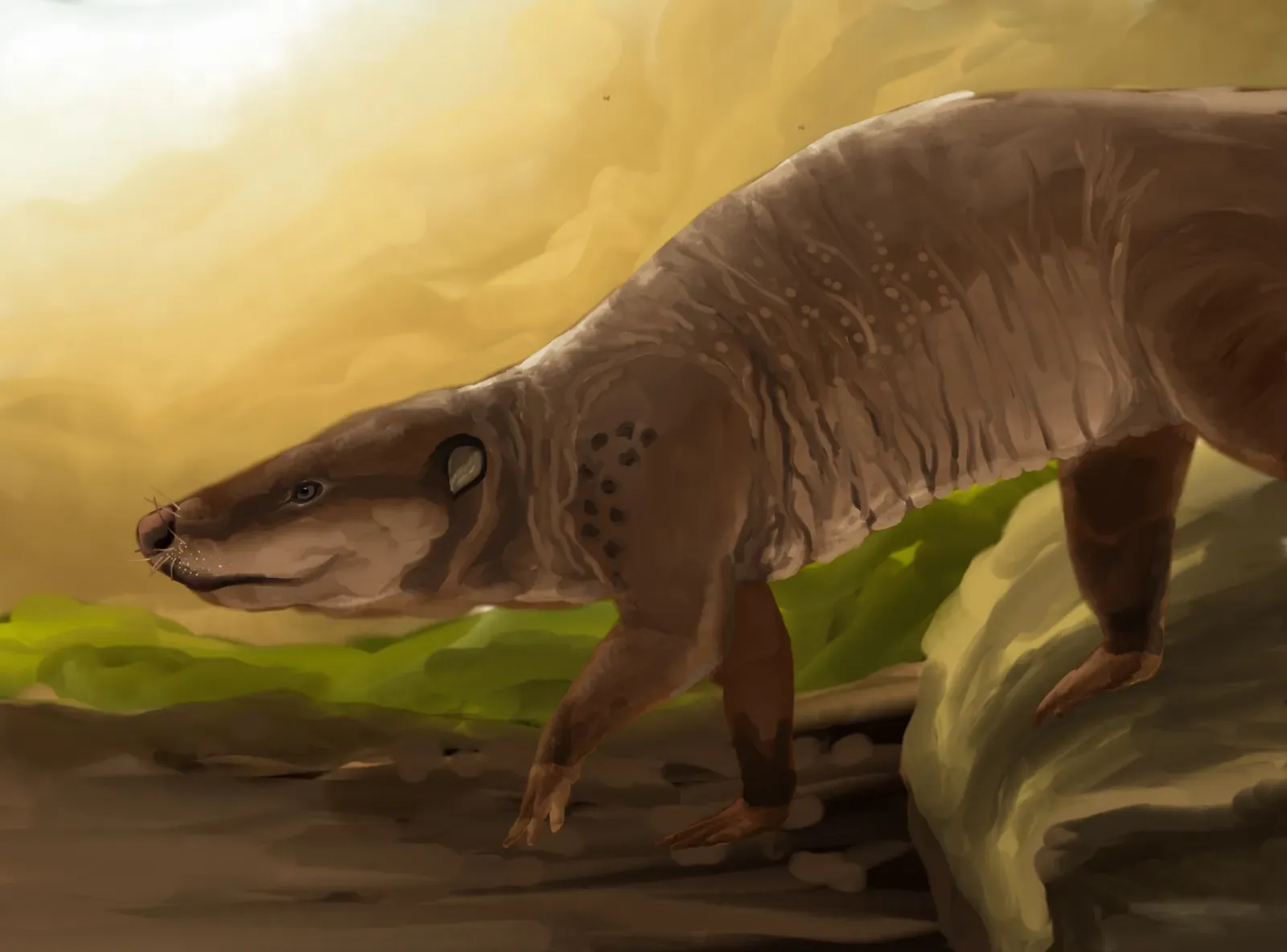
Mesozoic food webs were more complex than we had imagined. The old story of dinosaurs ruling everything while mammals scraped by in the margins simply doesn’t hold up under scrutiny anymore. The evidence shows a dynamic, intricate ecosystem where mammals carved out successful niches and occasionally challenged even their larger neighbors.
The myth posits that mammals didn’t evolve diverse shapes, diets, behaviors and ecological roles until the K-Pg mass extinction event 66 million years ago killed off the dinosaurs and “freed up” space for mammals. That myth is thoroughly debunked now. Mammals were already diversifying, experimenting with different lifestyles, and yes, sometimes even predating on dinosaurs long before the asteroid hit.
Did early mammals coexist peacefully with dinosaurs? The answer is nuanced. They coexisted, certainly, but peaceful might not be the right word. They competed, they adapted, they found ingenious ways to survive and even thrive. Some stayed out of the dinosaurs’ way by adopting nocturnal lifestyles. Others got bold enough to hunt juvenile dinosaurs or scavenge their remains. What do you think about it? Tell us in the comments.