
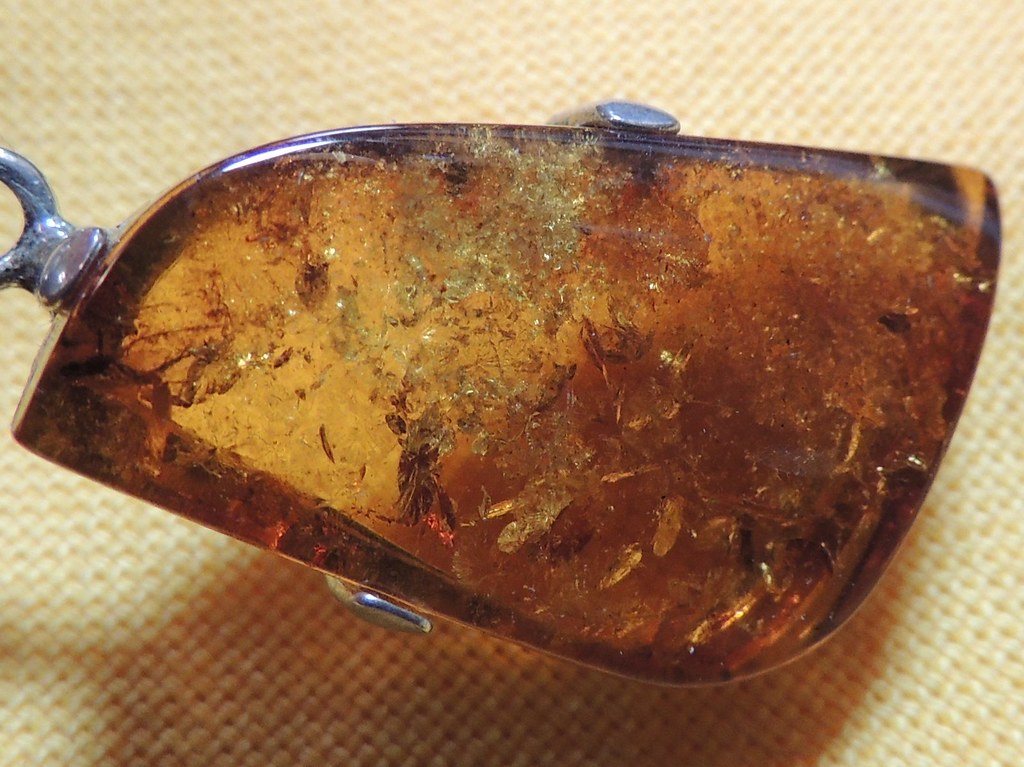
Have you ever thought about how tiny specks of dust could unlock secrets millions of years old? Ancient pollen grains, though microscopic and often dismissed as nothing more than allergy culprits, hold an astonishing amount of information about our planet’s past. These resilient little time capsules can survive for hundreds of millions of years, preserving clues about prehistoric landscapes that would otherwise remain hidden.
Scientists have discovered that pollen is a particularly good environmental time capsule, as plants have produced it for hundreds of millions of years. These grains are remarkably durable and can survive in sediments for thousands to millions of years. Honestly, it’s fascinating to think that something so small can tell us what Earth looked like when dinosaurs roamed or when ice sheets covered much of North America. Let’s explore the incredible ways these ancient grains reveal the hidden story of prehistoric vegetation.
The Indestructible Nature of Pollen Grains
Pollen grains have walls made of a substance known as sporopollenin, which is very chemically stable and strong. Think about that for a moment. While leaves decay and tree trunks rot away, these microscopic structures persist through millennia.
Plants release large amounts of pollen and these grains are incredibly tough, difficult to destroy, not easily crushed even by rocks, and don’t often dissolve. This remarkable durability means that even when other plant fossils disappear entirely, pollen remains behind in lake beds, ocean sediments, and even ice cores. In the right setting, spore grains from ferns that are fairly unaltered can date back to 470 million years ago and pollen from seed plants back 375 million years.
How Scientists Extract Ancient Pollen From Sediment Layers
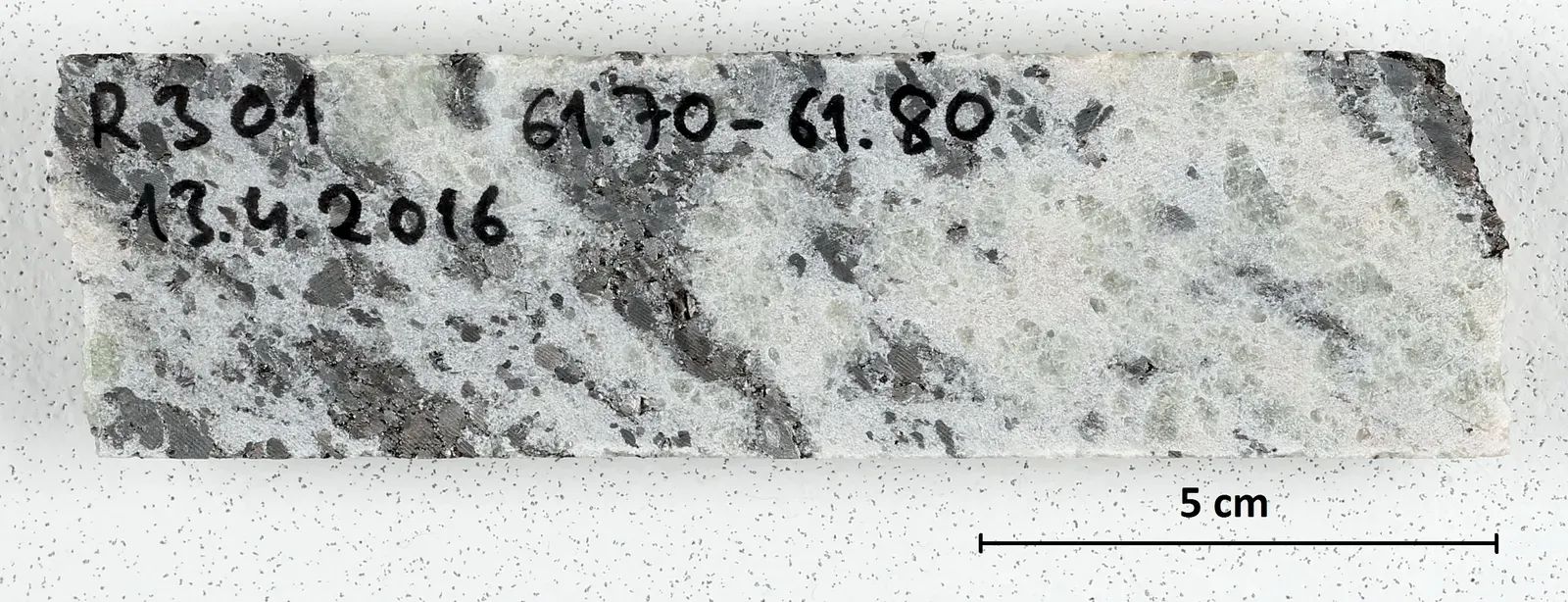
You might wonder how researchers actually get their hands on these ancient grains. Pollen grains landing on lakes eventually sunk and became preserved in new layers of sediment, and scientists can core these lake bottoms to uncover a muddy timeline dating back thousands of years. Picture a long tube being pushed deep into the lake bottom, pulling up a cylinder of mud that contains layer upon layer of history.
Most scientists obtain cores of sediments using a square-rod piston corer, a device that consists of a meter-long tube fitted with a piston, and several cores from various spots are obtained from a study area. Scientists isolate the pollen and spores from the sediments and rocks using both chemical and physical means, requiring mounting them on microscope slides for examination as the grains are very small, typically between 10 and 200 micrometers. I find it remarkable that roughly half a million species worldwide make pollen, each with its own distinctive shape that can be identified under a microscope.
Reading the Timeline of Plant Communities

Palynologists search samples of lake sediment, river sediment, or bog peat of known age, carefully identifying and counting the microscopic pollen, with identification serving to place each specimen into whatever fossil group it belongs. The deeper the core sample goes, the older the pollen becomes. It’s like reading a book from the bottom up.
Studies of lake sediment might indicate that about 15,000 years ago the local environment around a particular lake in Minnesota used to support species that are now typical of northern tundra, while 10,000 years ago the vegetation was a boreal forest of spruces and fir, with more recent pollen assemblages dominated by species such as oaks and maples. This chronological layering allows scientists to track exactly when plant communities shifted, revealing how forests migrated or disappeared entirely.
Unlocking Ancient Climate Secrets Through Plant Distribution
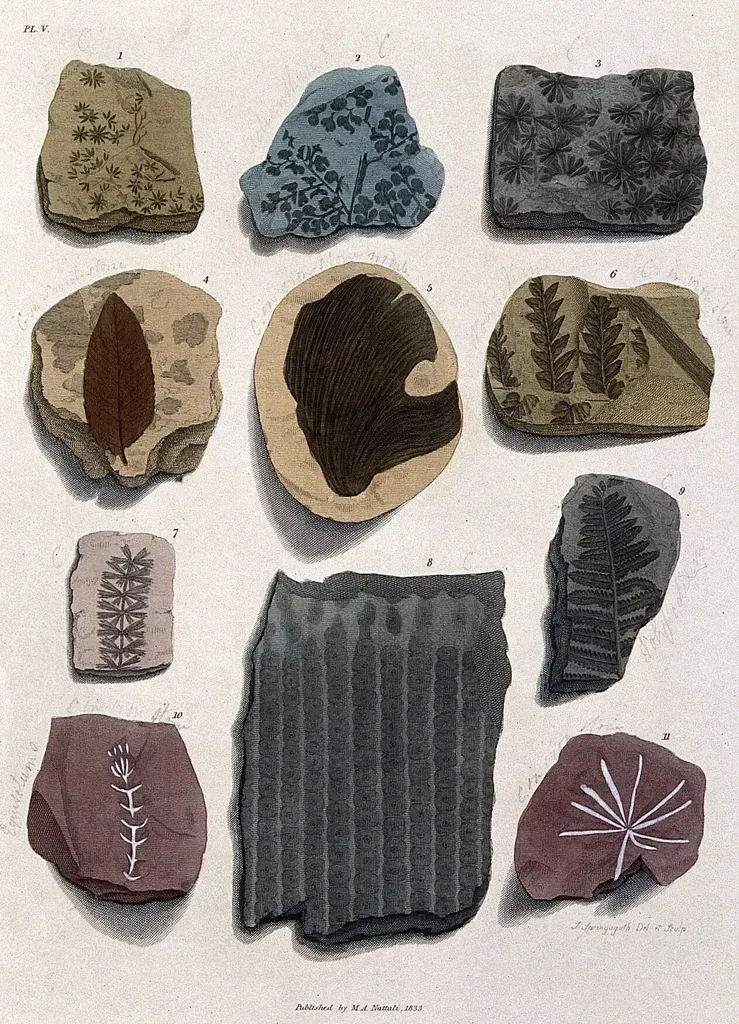
Here’s the thing about plants. They’re incredibly picky about where they grow. Palm trees won’t survive freezing winters, and arctic mosses can’t handle tropical heat. Knowing what types of plants were growing in the area allows scientists to make inferences about the climate at that time by using knowledge about modern and historical distributions of plants in relation to climate.
Paleobotany endeavors to reconstruct past climates and regional vegetation systems by studying fossilized remains of plants or preserved pollen samples, yielding information regarding global climate change and its effects on specific environments. Around 56 million years ago, Earth’s climate underwent a major climatic transition when a huge release of carbon into the ocean and atmosphere raised atmospheric carbon dioxide concentrations, with temperatures going up by 5 to 8°C. Scientists discovered this dramatic warming event largely through studying pollen from that period.
Tracking Prehistoric Vegetation Migrations Across Continents
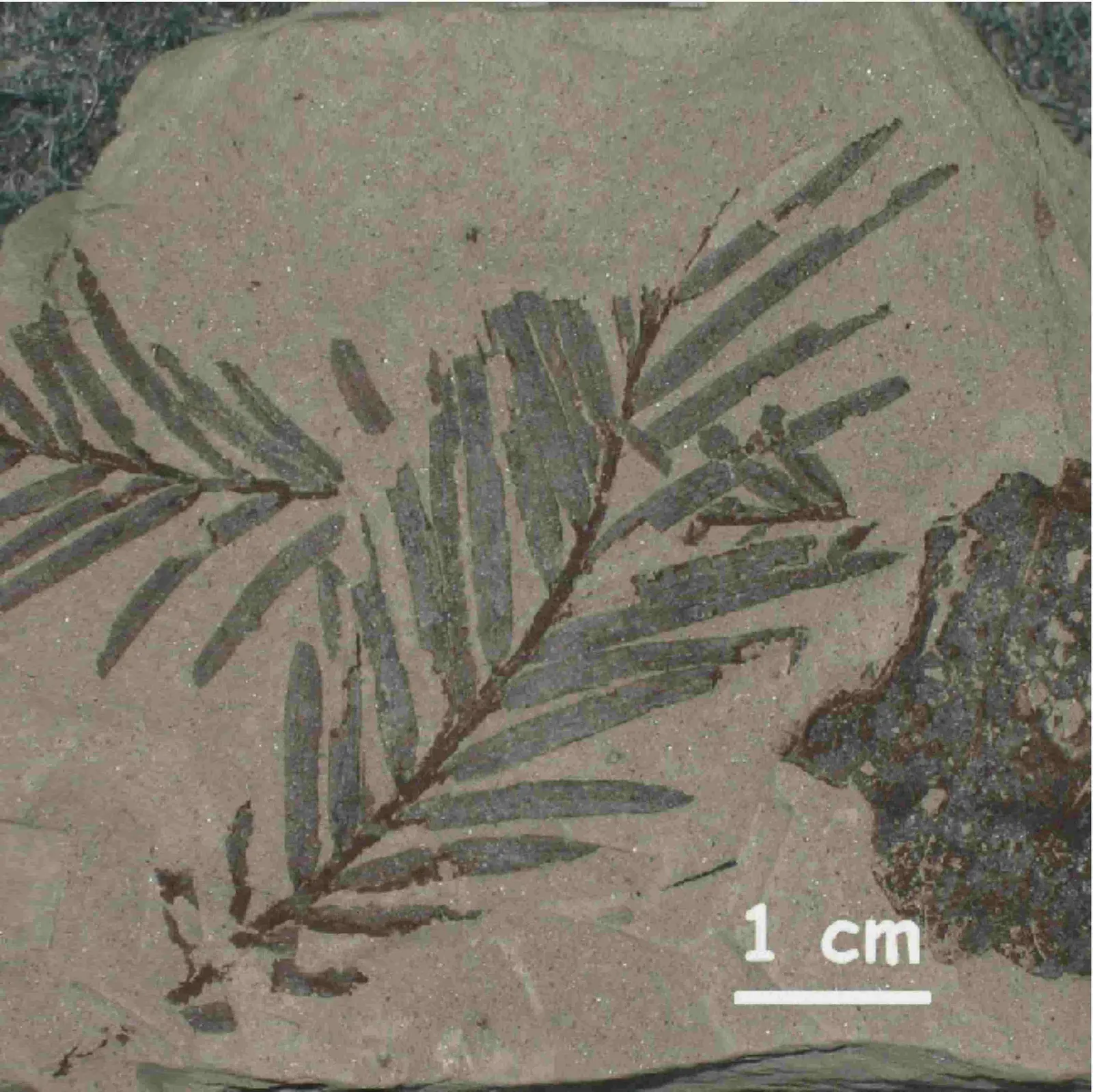
During the PETM, some plants were able to move 15 degrees northward within 10,000 years to keep pace with the warming temperatures. That’s pretty incredible when you think about it. Plants don’t walk, obviously, but their seeds do travel, allowing entire forests to gradually shift their range across continents.
New pollen analysis shows that PETM plant communities are distinct from pre-PETM plant communities at the same sites, with shifts in floral composition due to massive plant migrations indicating that changes in vegetation as a result of climate change were global. What researchers found was evidence of fruit trees, indicating that people who inhabited the land intentionally cleared it of forest vegetation and planted sources of food in its place. This demonstrates that pollen can reveal not just natural climate changes, but also human impacts on prehistoric landscapes.
Understanding Prehistoric Ecosystems and Biodiversity
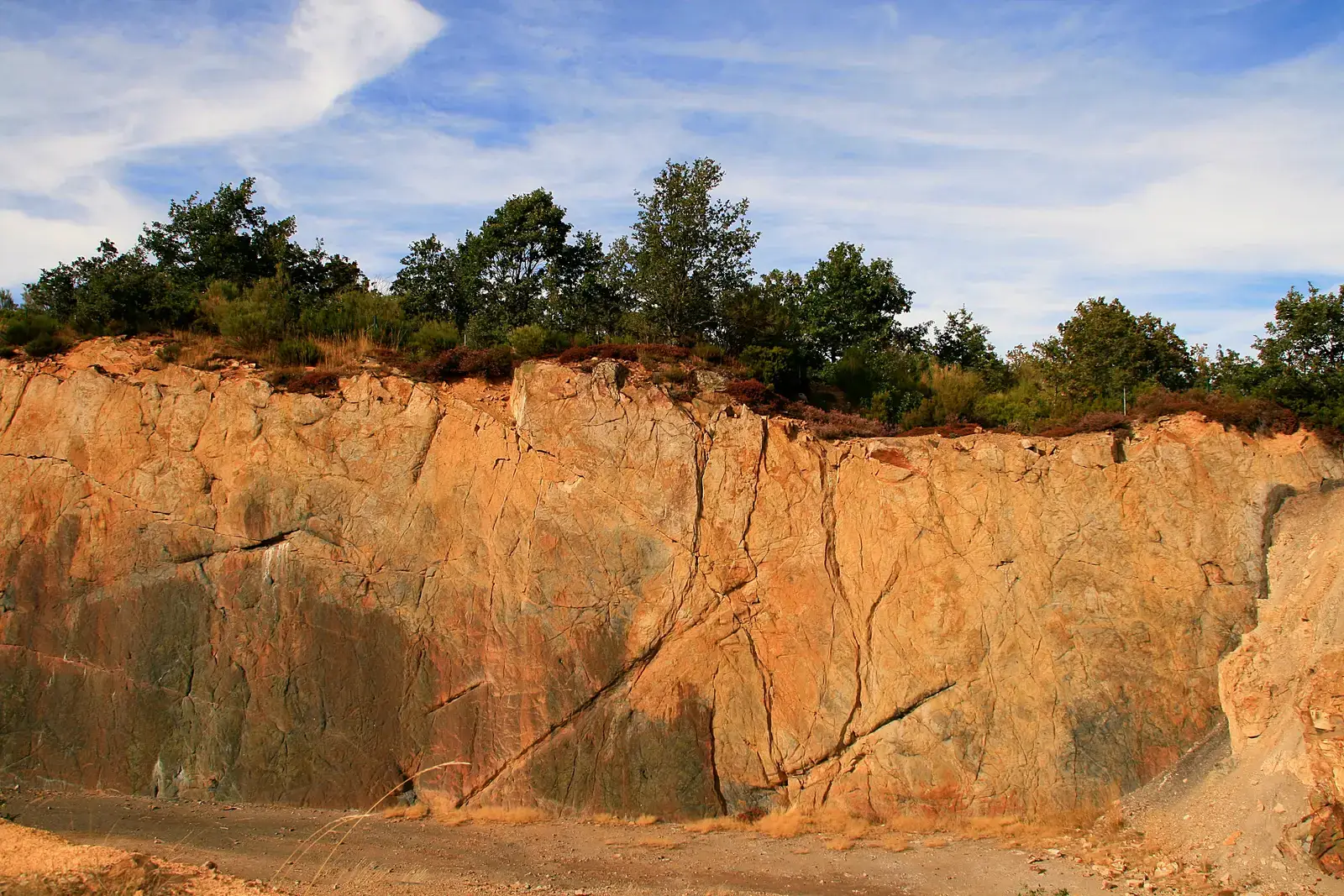
By examining fossils like leaves, seeds, pollen, and wood, paleobotanists can piece together the biodiversity and environmental conditions of ancient Earth. Let’s be real, without pollen records, we’d be mostly guessing about what ancient ecosystems actually looked like. These microscopic grains provide concrete evidence of which species existed where and when.
During the Carboniferous period, about 359 to 299 million years ago, dense forests of ferns, horsetails, and lycopods dominated much of Earth’s landmasses, flourishing in a warm, wet climate and contributing to the formation of vast coal deposits. Fossil pollen from this era helps scientists understand how drastically different Earth’s plant life once was. The dominance of giant ferns and tree-sized mosses would have created landscapes utterly alien to modern eyes.
Modern Applications and Future Climate Predictions
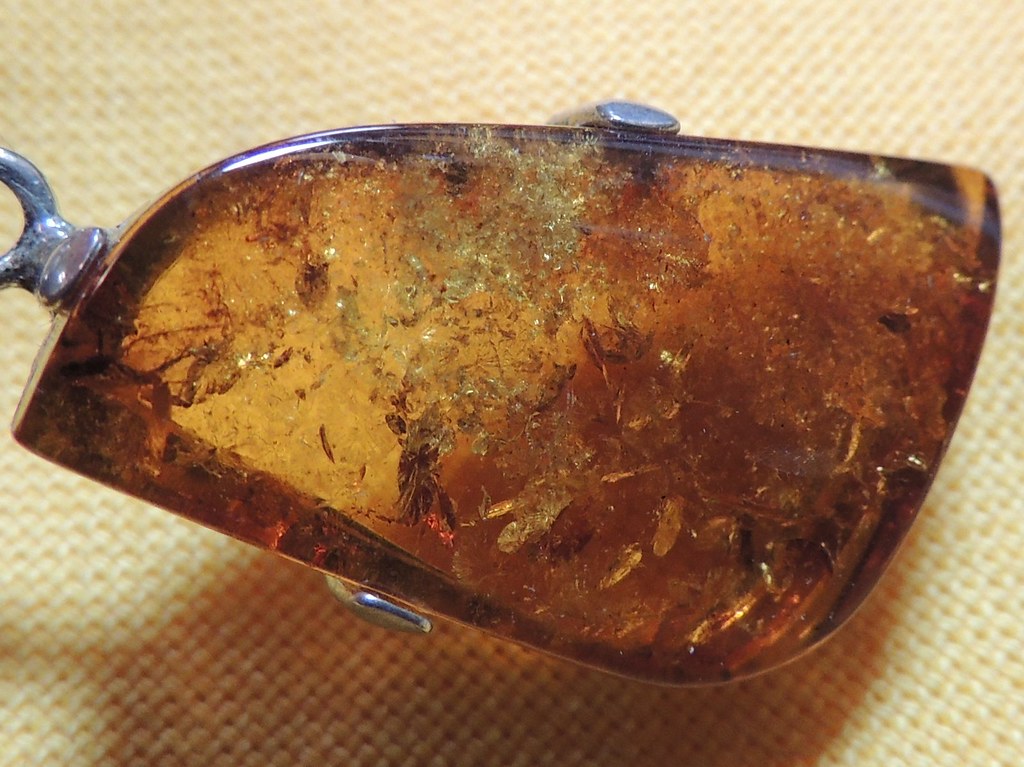
The goal is to use fossil pollen to reconstruct North America’s climate during the Eocene and test computer models against those reconstructions, since ensuring these models accurately simulate ancient warm climates is critical as this is the same tool scientists rely on to predict how Earth will respond to future increases in greenhouse gases. It’s hard to say for sure, but studying past warm periods might be our best guide to what’s coming.
Fossil pollen records are well-established indicators of past vegetation changes, and the prevalence of pollen across environmental settings including lakes, wetlands, and marine sediments has made palynology one of the most ubiquitous and valuable tools for studying past environmental and climatic change globally. Modern climate change far outpaces even the prehistoric temperature spike from 56 million years ago, with researchers estimating that the rate of carbon dioxide entering the atmosphere today is 10 to 20 times faster than it did during the PETM, threatening to outpace the speed at which some plants can migrate.
Conclusion
Ancient pollen grains are far more than botanical leftovers. They’re microscopic historians that document the ever-changing face of Earth’s vegetation across hundreds of millions of years. From revealing extinct forests that once covered Antarctica to tracking how plants responded to ancient warming events, these resilient specks provide irreplaceable insights into our planet’s prehistoric past.
The lessons contained within these tiny time capsules grow more relevant each day. As our own climate undergoes rapid transformation, understanding how prehistoric vegetation responded to past changes helps scientists predict what might happen to modern ecosystems. Perhaps the most humbling realization is that the very same processes that shaped ancient plant communities are still at work today, just moving at unprecedented speed. What patterns do you think future scientists might discover when they study pollen from our current era?