
You probably never think about it, right? That bizarre, almost impossible leap from microscopic blobs floating in ancient oceans to massive creatures thundering across prehistoric landscapes. It’s a journey that spanned billions of years, filled with dramatic transformations, catastrophic extinctions, and incredible innovation. This is a story that rewrites everything you thought you knew about how life conquered our planet.
Think of it like watching the ultimate transformation movie, except it took longer than any Hollywood epic. So let’s dive into this remarkable adventure and discover how the tiniest forms of life eventually gave rise to the most dominant land animals Earth has ever seen.
The Dawn of Life: When the First Cells Appeared
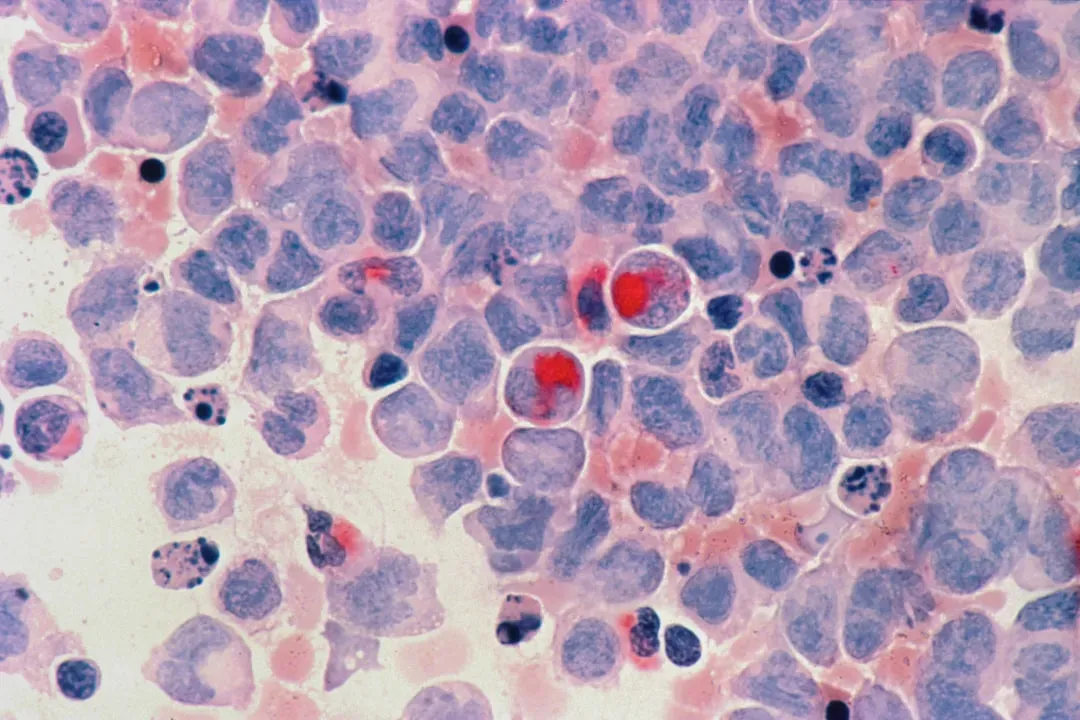
Life first emerged at least 3.8 billion years ago, approximately 750 million years after Earth was formed. That’s honestly mind-blowing when you really pause to consider it. The first known single-celled organisms appeared on Earth about 3.5 billion years ago, roughly a billion years after Earth formed. Picture the planet then: volcanic, hostile, with an atmosphere you couldn’t breathe and oceans that would seem alien by today’s standards.
From 3.9 to about 1.2 billion years ago, life was confined to microbes, or single-celled organisms. During this time, the microbes prospered, gradually altering their surroundings. These tiny pioneers were essentially remaking the planet from scratch. Every form of life on this planet arose from a universal common ancestor, billions of years ago, a single-celled organism with its own unique genetic code that could convert DNA to RNA to proteins.
The Great Oxygenation: Cyanobacteria Transform the World
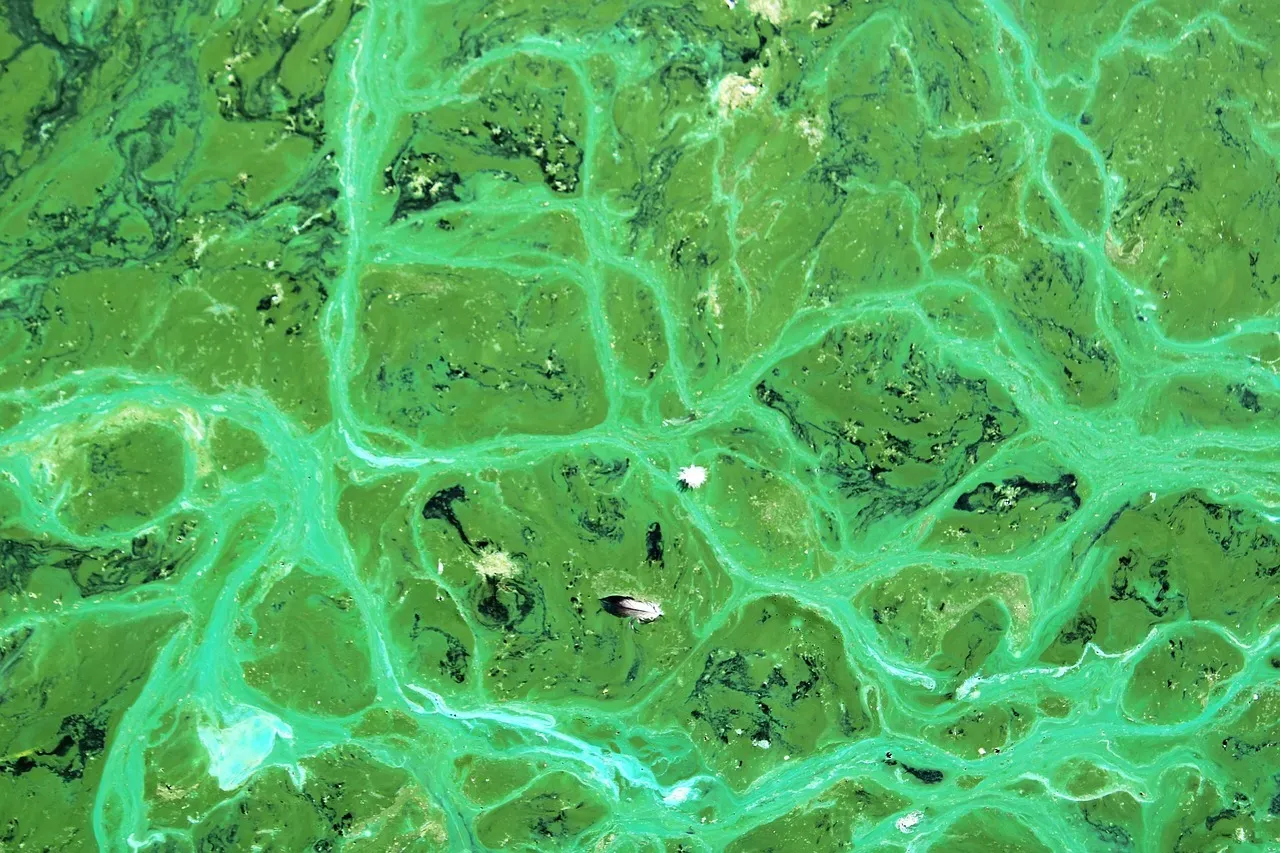
Here’s where things get interesting. A little more than 2 billion years ago, single-celled cyanobacteria began to flood the atmosphere with oxygen. That era, known as the Great Oxidation Event, set the stage for the rise of multicellularity. Imagine that for a second: bacteria literally changed the composition of Earth’s entire atmosphere.
The evolution of photosynthesis by cyanobacteria, around 3.5 Ga, eventually led to a buildup of oxygen. After free oxygen saturated all available reductant substances on the Earth’s surface, it built up in the atmosphere, leading to the Great Oxygenation Event around 2.4 Ga. This was both a blessing and a curse. Sure, it paved the way for more complex life forms. Yet for many existing organisms, this oxygen was downright toxic, wiping them out completely.
The Leap to Multicellularity: Cells Learning to Cooperate
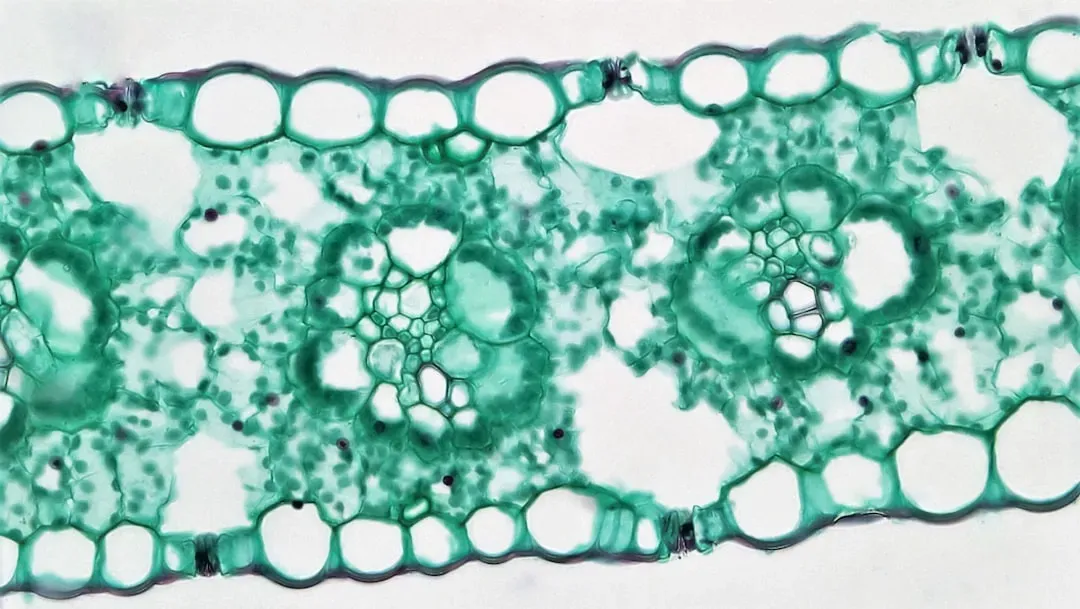
For billions of years, single cells ruled supreme. Most experts agree that unicellular life arose 4.1-3.5 billion years ago, while the first complex form of multicellular life first formed around 600 million years ago. Generally, it is believed that unicellular life reigned supreme for more than 2 billion years before the evolution and spread of multicellularity. Let’s be real: that’s an extraordinarily long time for life to remain simple.
The evolution from unicellular to multicellular life was a big deal. It changed the way the planet would be forever. Think about it: cells had to learn cooperation, specialization, and division of labor. The single-celled ancestor of all animals likely possessed these systems and was more complex than scientists have previously given it credit for. Life wasn’t just making a minor adjustment here – it was essentially inventing entirely new ways of existing.
The Cambrian Explosion: When Life Got Creative
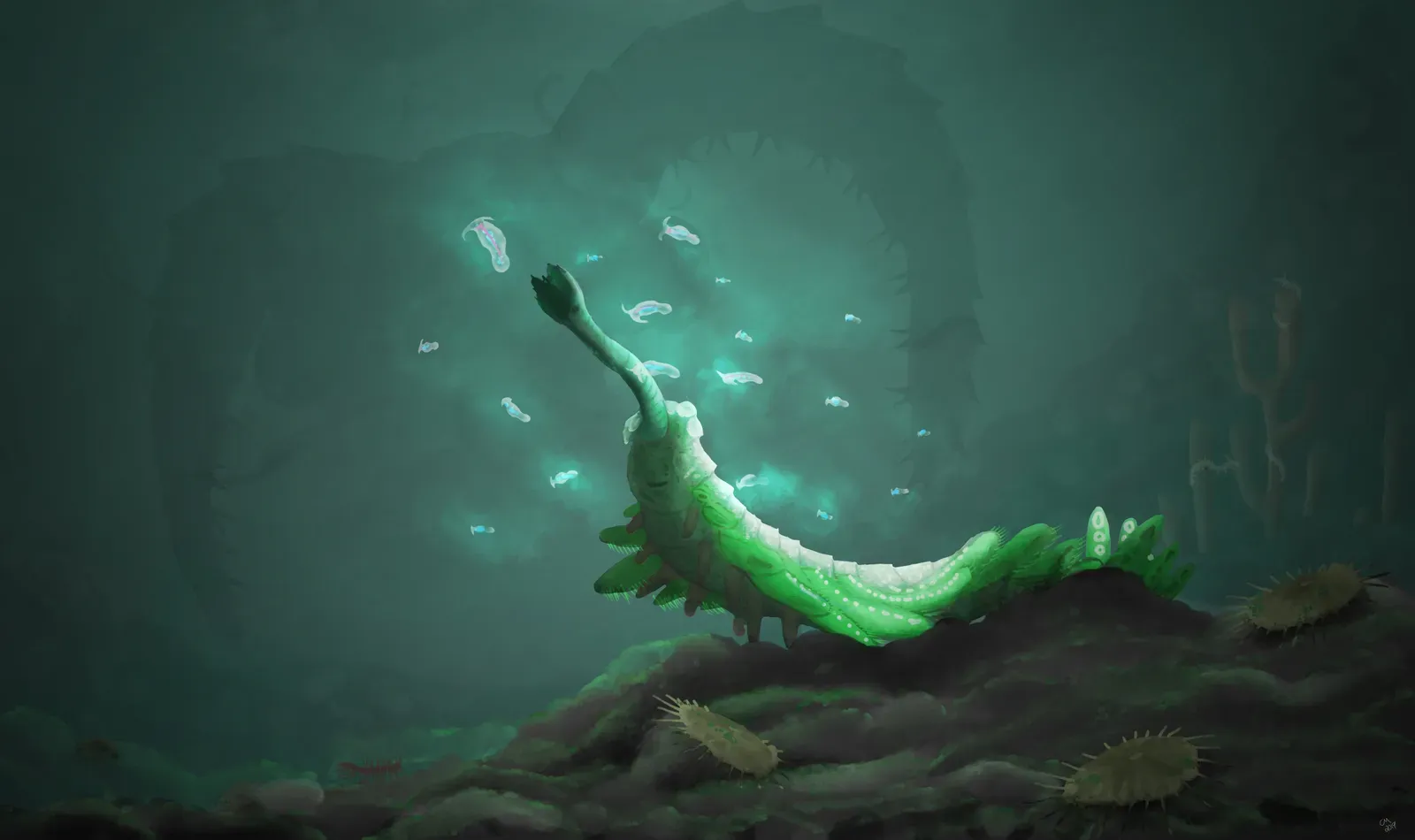
The Cambrian explosion is an interval of time beginning approximately 538.8 million years ago in the Cambrian period when a sudden radiation of complex life occurred. It lasted for about 13 to 25 million years and resulted in the divergence of most modern metazoan phyla. This is evolution on steroids, folks. Around 530 million years ago, a wide variety of animals burst onto the evolutionary scene. In perhaps as few as 10 million years, marine animals evolved most of the basic body forms that we observe in modern groups.
What triggered this incredible burst of diversity? Scientists suggest several factors. Rising oxygen levels allowed for larger and more active organisms; genetic innovations like the evolution of Hox genes enabled complex body structures; and ecological competition drove an evolutionary arms race of predators and prey. Honestly, it’s hard to say for sure. Before early Cambrian diversification, most organisms were relatively simple, composed of individual cells or small multicellular organisms. As the rate of diversification subsequently accelerated, the variety of life became much more complex.
From Water to Land: The Colonization of Continents
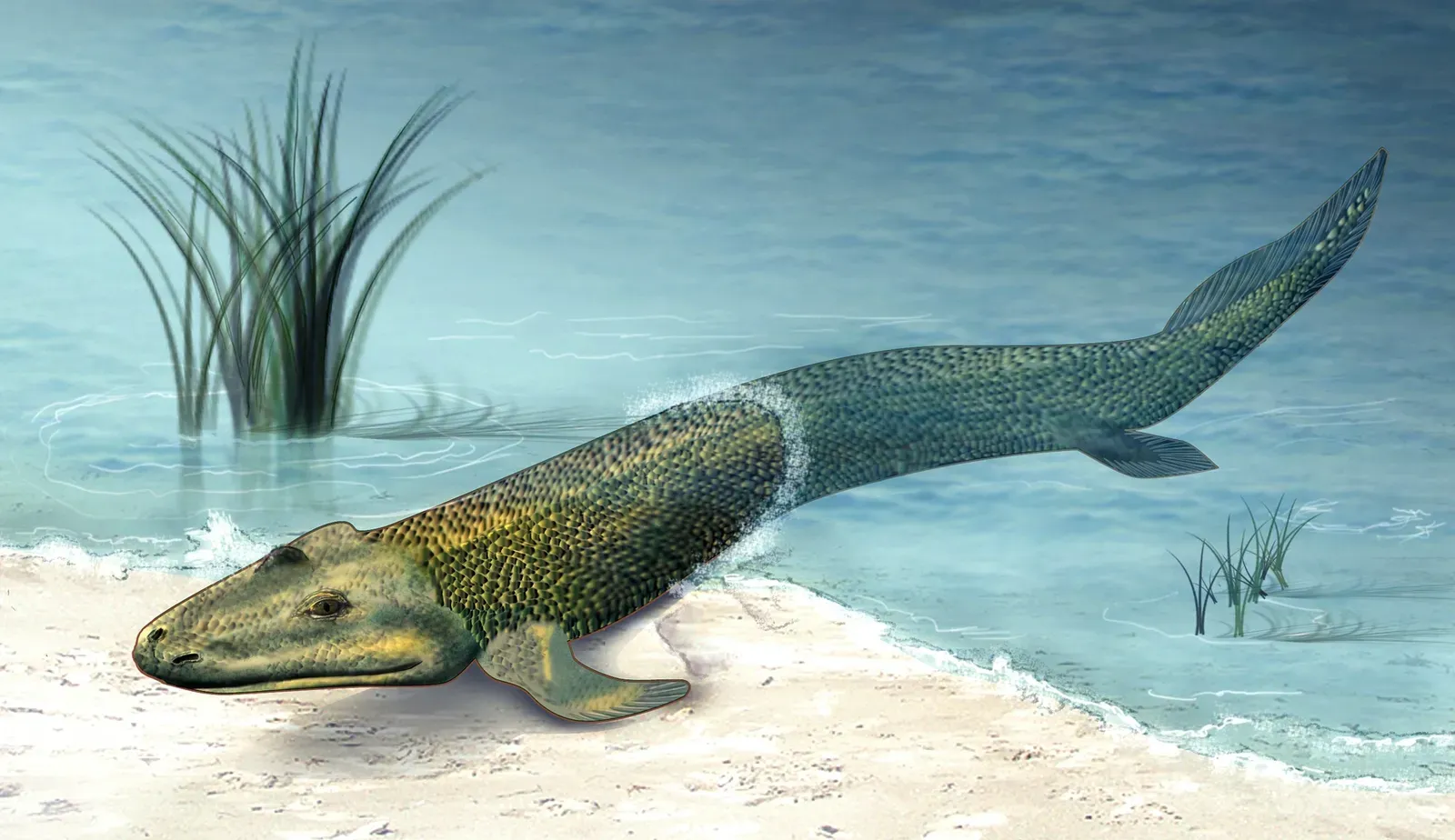
Life spent most of its existence underwater. For hundreds of millions of years, life thrived only in water. Around 470 million years ago, pioneering plants ventured onto land. Moss-like ancestors crept across damp shorelines, anchoring themselves with primitive roots. This was another massive transition that completely reshaped our planet’s appearance.
Arthropods like millipedes and scorpions crawled onto land first, feeding on decaying plants. Insects evolved wings, becoming masters of terrestrial habitats. Eventually, vertebrates made their own journey ashore. Picture those first brave creatures dragging themselves out of primordial pools onto barren rocks – a landscape that had never known footsteps before.
The Permian Catastrophe: Setting the Stage for Dinosaurs
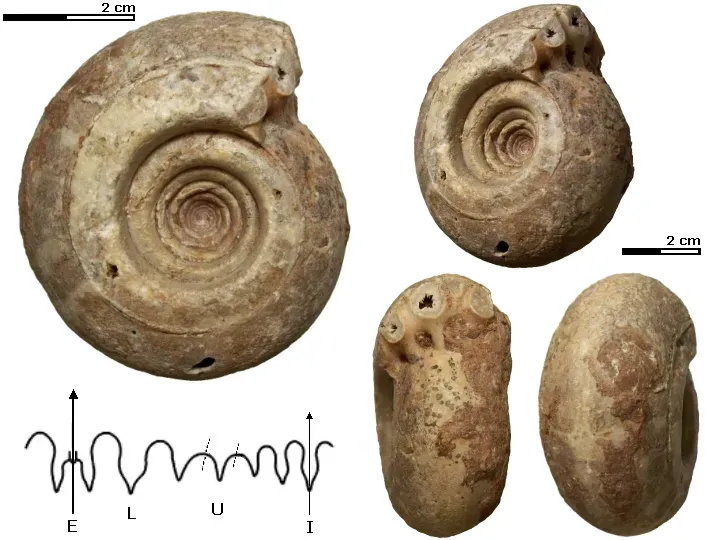
The Triassic Period began after Earth’s worst-ever extinction event devastated life. The Permian-Triassic extinction event, also known as the Great Dying, took place roughly 252 million years ago. This wasn’t just any extinction – it was the biggest massacre in Earth’s entire history. Volcanic eruptions, climate change, or perhaps a fatal run-in with a comet or asteroid triggered the extinction of more than 90 percent of Earth’s species.
Yet from absolute devastation came opportunity. The survivors included the ancestors of the dinosaurs, dinosaurmorphs. These dinosaur ancestors were small reptiles – extremely fast and very agile – that quickly took advantage of the new world that followed. Palaeontologists have found footprint and handprint fossils of tiny dinosaurmorphs that date to within a million years of the mega volcano eruptions. Life, as they say, finds a way.
The Triassic Rise: Early Dinosaurs Emerge
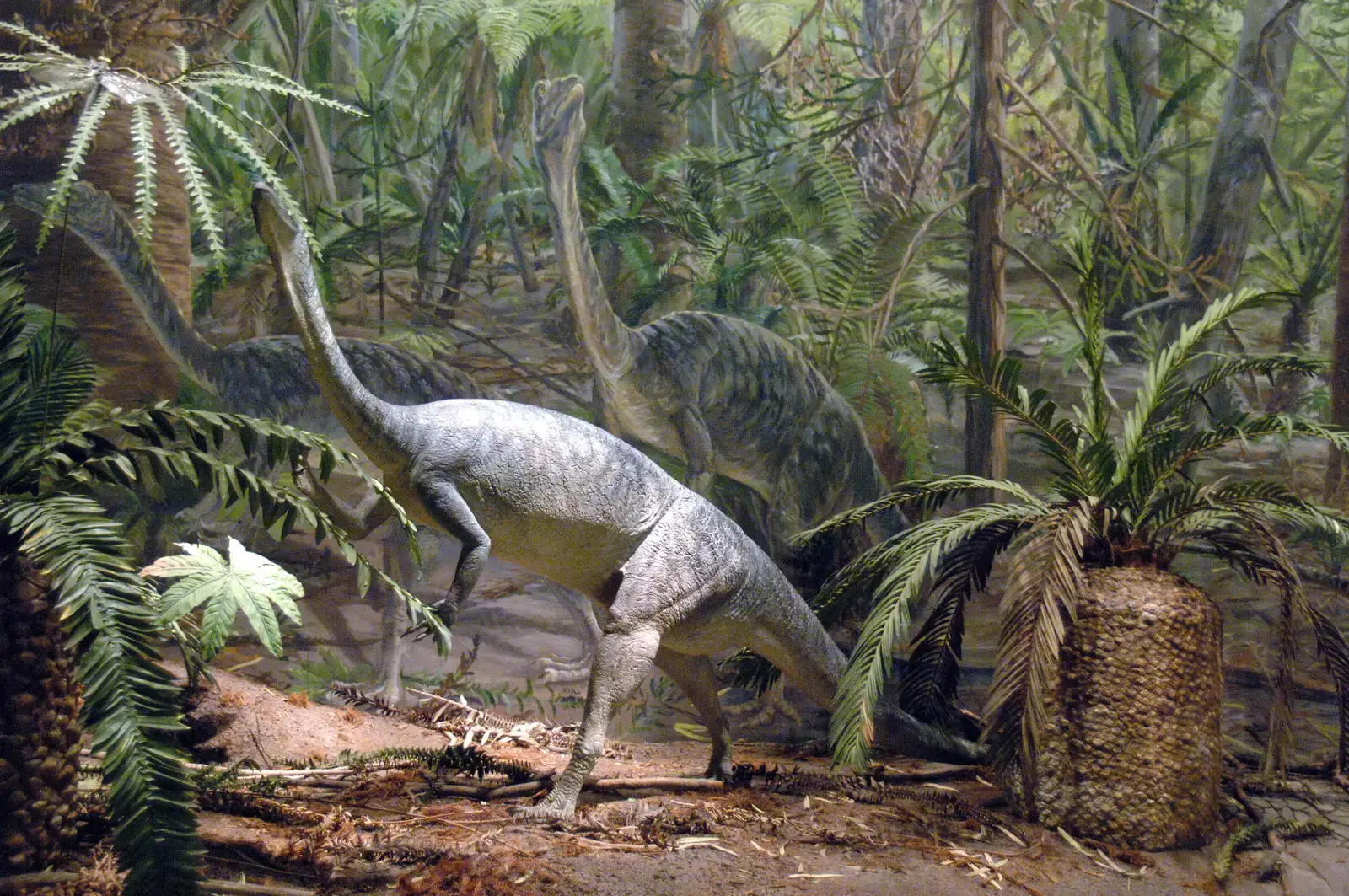
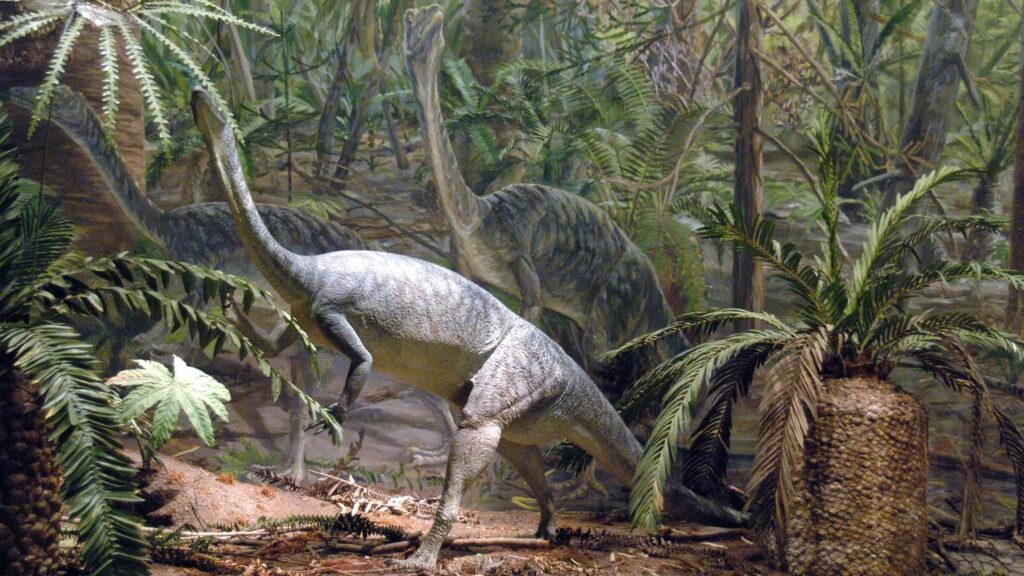
It was around 240 million years ago that the first dinosaurs appear in the fossil record. These dinosaurs were small, bipedal creatures that would have darted across the variable landscape. They weren’t the monsters we typically imagine. Think more chicken-sized, quick-moving reptiles trying to survive in a world still dominated by other creatures.
During the Triassic Period, the dinosaurs were still to become the dominant land animals. Instead, it was a group of crocodile-like reptiles known as pseudosuchians that were the top predators. Dinosaurs were basically the underdogs for millions of years. While the non-dinosaurian archosaurs continued to dominate most environments, the dinosaurs rapidly started to diversify. Not long after they first appeared, the dinosaurs may have already diverged into two main groups.
The Jurassic Dominance: When Dinosaurs Finally Ruled
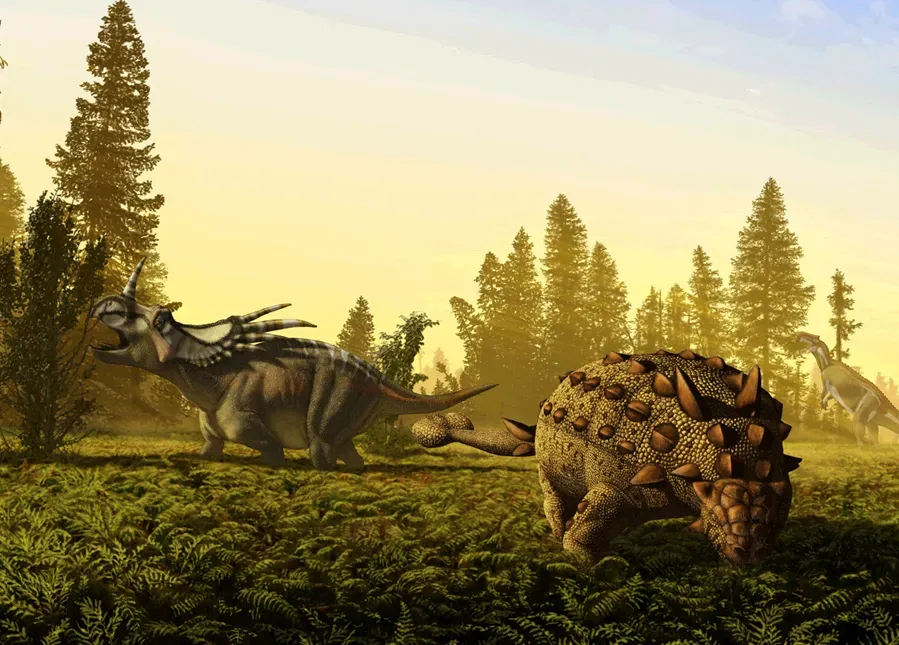
The end of the period was marked by yet another major mass extinction, the Triassic–Jurassic extinction event, that wiped out many groups, including most pseudosuchians, and allowed dinosaurs to assume dominance in the Jurassic. Finally, their moment had arrived. These extinctions within the Triassic and at its end allowed the dinosaurs to expand into many niches that had become unoccupied. Dinosaurs became increasingly dominant, abundant and diverse, and remained that way for the next 150 million years.
On land, dinosaurs and other archosaurs staked their claim as the dominant race, with theropods at the top of the food chain. All-in-all, archosaurs rose to rule the world. The Jurassic and Cretaceous periods that followed witnessed dinosaurs at their absolute peak – from massive sauropods to fearsome predators. They had finally achieved what took billions of years of evolutionary history to make possible: total dominance of terrestrial ecosystems.
Conclusion: A Journey Beyond Imagination
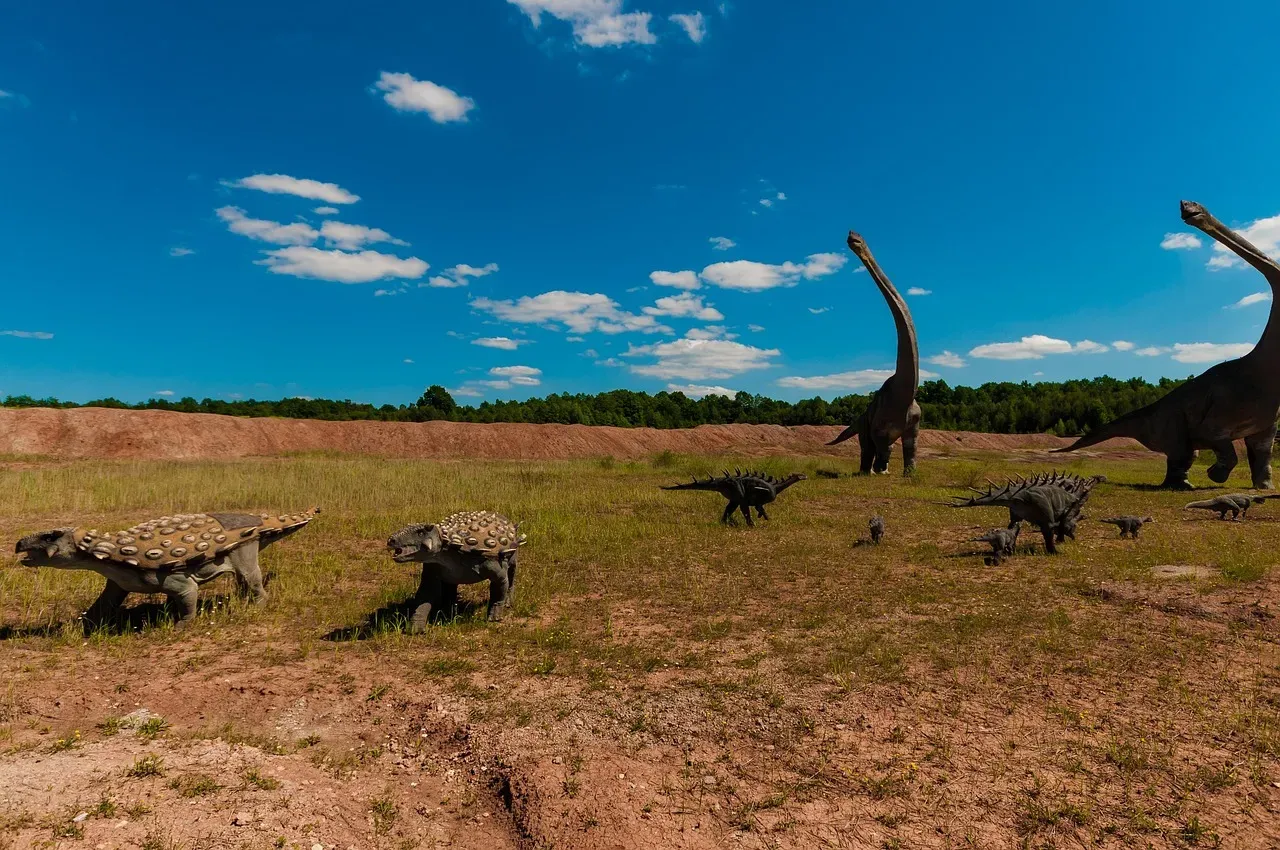
From microscopic single cells drifting in ancient seas to towering dinosaurs dominating vast continents, life’s evolutionary journey represents the most remarkable transformation story ever told. This wasn’t a smooth, predictable path. It was chaotic, punctuated by catastrophic extinctions, breathtaking innovations, and countless dead ends.
Every creature alive today carries within it the legacy of this incredible four-billion-year adventure. The journey from those first simple cells to complex dinosaurs proves that given enough time, life doesn’t just adapt – it conquers, transforms, and reimagines what’s possible. What do you think drove these incredible changes? Was it pure chance, environmental pressure, or something we still don’t fully understand?