
You might think we know everything about dinosaurs. Yet these ancient beasts keep surprising us. The truth is, paleontologists are discovering layers of behavior that go far beyond our assumptions about cold, reptilian indifference. When scientists first unearthed dinosaur nests decades ago, many dismissed them as simple geological curiosities. Today, those fossil finds are rewriting our understanding of how these creatures lived, loved, and protected their young.
Buried in sediment for millions of years, fossilized eggs and nests tell stories that bones alone never could. They capture fleeting moments frozen in time, revealing tender acts of care and complex social structures. Let’s dive into the remarkable evidence showing that dinosaurs weren’t just powerful predators or massive herbivores. They were, in many cases, devoted parents.
The Smoking Gun: Brooding Dinosaurs Caught in the Act
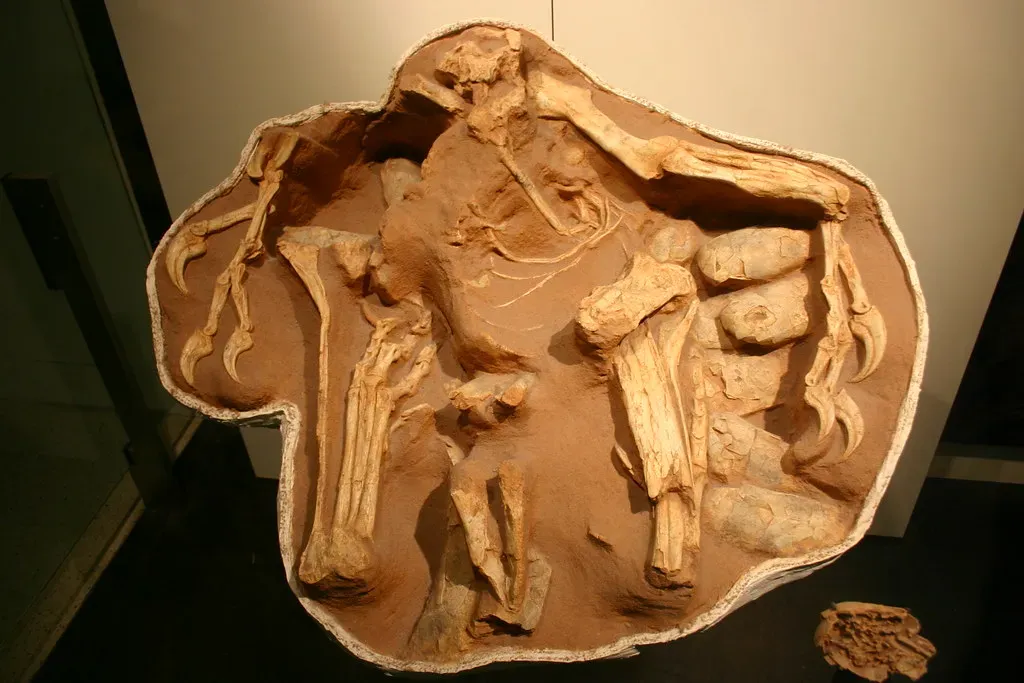
The discovery of Citipati osmolskae, nicknamed ‘Big Mama,’ provided what researchers call a smoking gun fossil – a 75-million-year-old oviraptorid found sitting atop a nest of eggs. This fossil from Mongolia changed everything. The dinosaur was caught curled up on its nest, likely buried by a sandstorm or mudslide while protecting its eggs to its own detriment.
Here’s the thing: this wasn’t some random positioning. The large adult skeleton was preserved at the center of a ring of eggs, with its arms wrapped around the clutch, shielding the eggs when it perished in a sandstorm. Think about that level of devotion. The parent stayed with those eggs even as disaster struck, choosing protection over escape. Researchers have found a large number of oviraptorosaur nests with adult dinosaur skeletons nearby, suggesting these dinosaurs were completely obsessed with their eggs.
Nesting Colonies Show Sophisticated Social Structures
Paleontologists discovered evidence of dinosaurs coming together to establish colonies they likely protected, including fossils of 15 nests and more than 50 eggs that are roughly 80 million years old. This site in Mongolia revealed something remarkable about dinosaur society. Instead of nesting alone and burying their eggs as previously thought, some dinosaurs were much more gregarious, coming together and establishing colonies they likely protected.
The geological evidence at this site is particularly compelling. A thin veneer of sediment connects all of the eggs in a relatively undisturbed pattern, suggesting the dinosaurs laid them in a single breeding season. Over half of the nests had at least one successful hatch based on fragmented eggs, mirroring the hatching success of modern birds and crocodiles that guard their nests. That’s a success rate you don’t see when parents abandon their eggs.
Maiasaura: The Good Mother Lizard
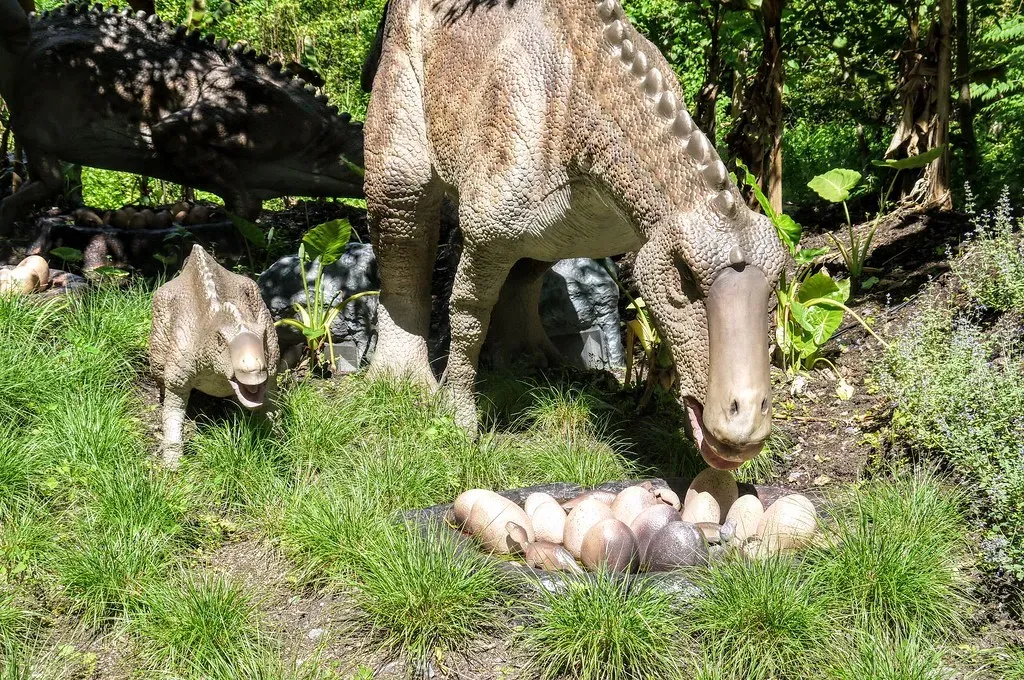
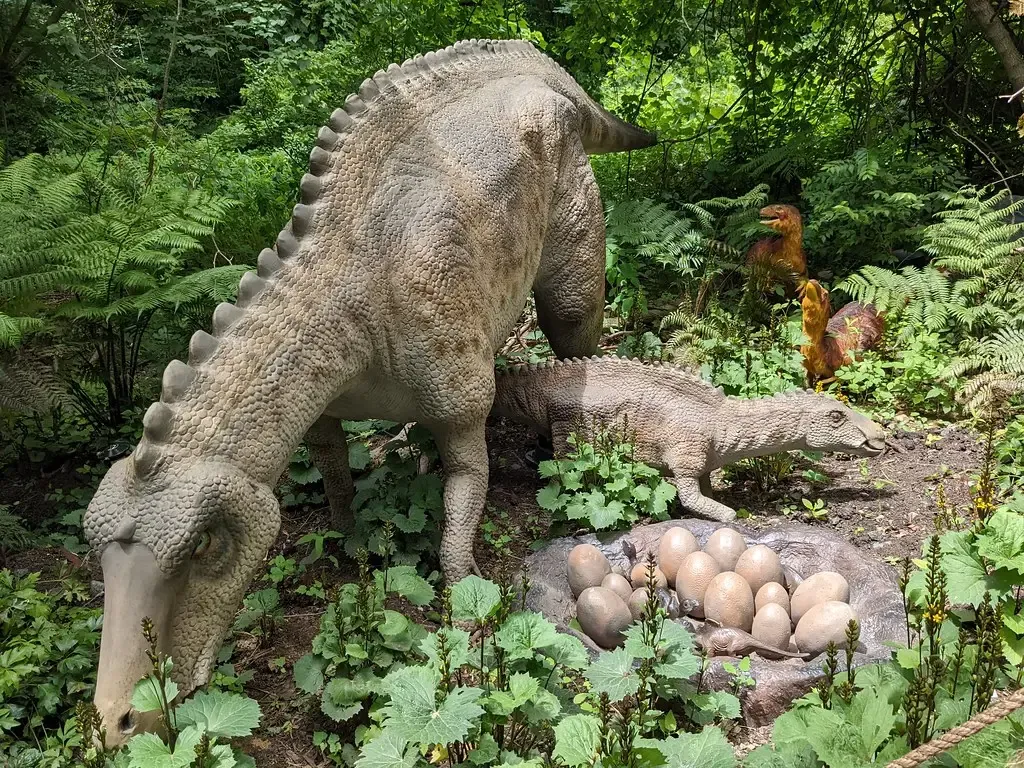
Maiasaura, meaning ‘good mother lizard,’ lived around 80 to 75 million years ago and is thought to have nested in large colonies, with parents possibly providing extensive food and protection for their hatchlings. The name itself tells you everything about how paleontologists view this species. The dinosaur got its name partly from a discovery of a nest containing baby dinosaurs too developed to be newborns, becoming one of the earliest and best examples of dinosaurs watching over their offspring for an extended period after hatching.
Let’s be real, this level of care required commitment. Lots of broken eggshell in nests has been interpreted as evidence that hatchling dinosaurs remained in the nest for extended periods, with the eggshell broken because it was trampled by nest-bound hatchlings. These babies weren’t immediately ready for the world. They needed their parents, and their parents stayed.
Egg Arrangements Reveal Meticulous Parenting Behavior
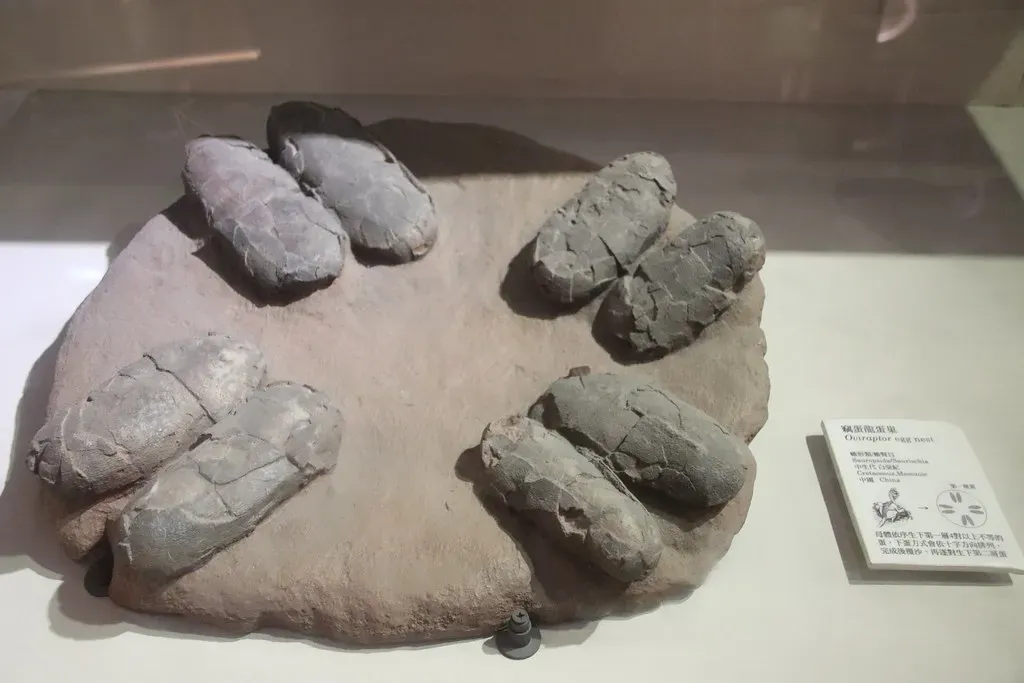
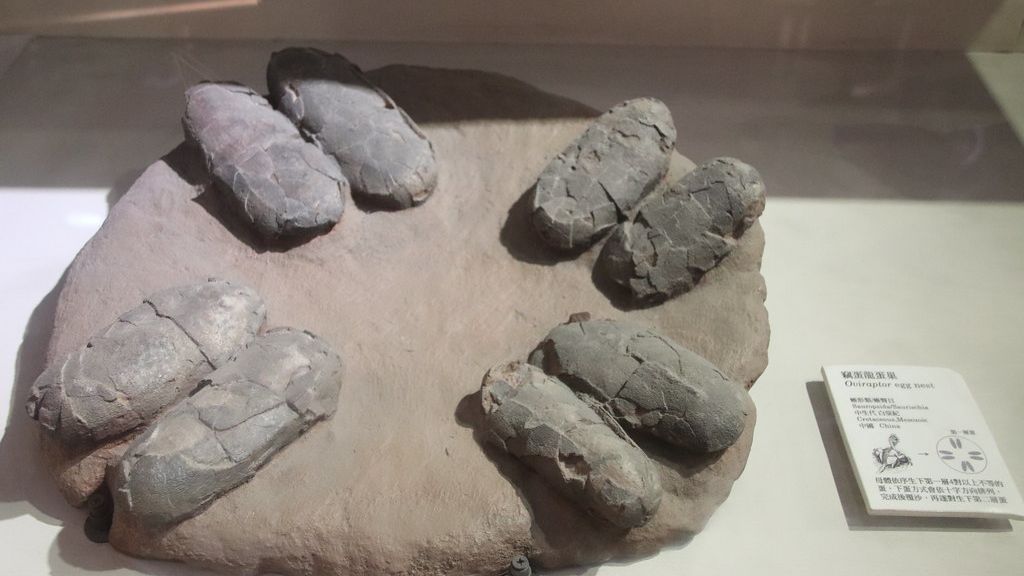
Not all dinosaur nests were created equal. Some species laid lots of round, hard eggs in a pile, while others laid eggs two-by-two and arranged them carefully, with different egg types relating to the ways adult dinosaurs behaved. The care taken in arranging these eggs speaks volumes about parental investment.
Oviraptorids laid two eggs at a time in clutches of 30 or more, meaning the mother would have to stay with or return to the nest, lay her pair of eggs, arrange them carefully in a circle, and bury them appropriately every day for two weeks to a month. Imagine the dedication required for that process. This wasn’t instinct alone – this was deliberate, repeated care. Heavier dinosaurs could incubate their eggs without crushing them by laying their eggs in a ring around themselves.
Herding Behavior Protected Vulnerable Young
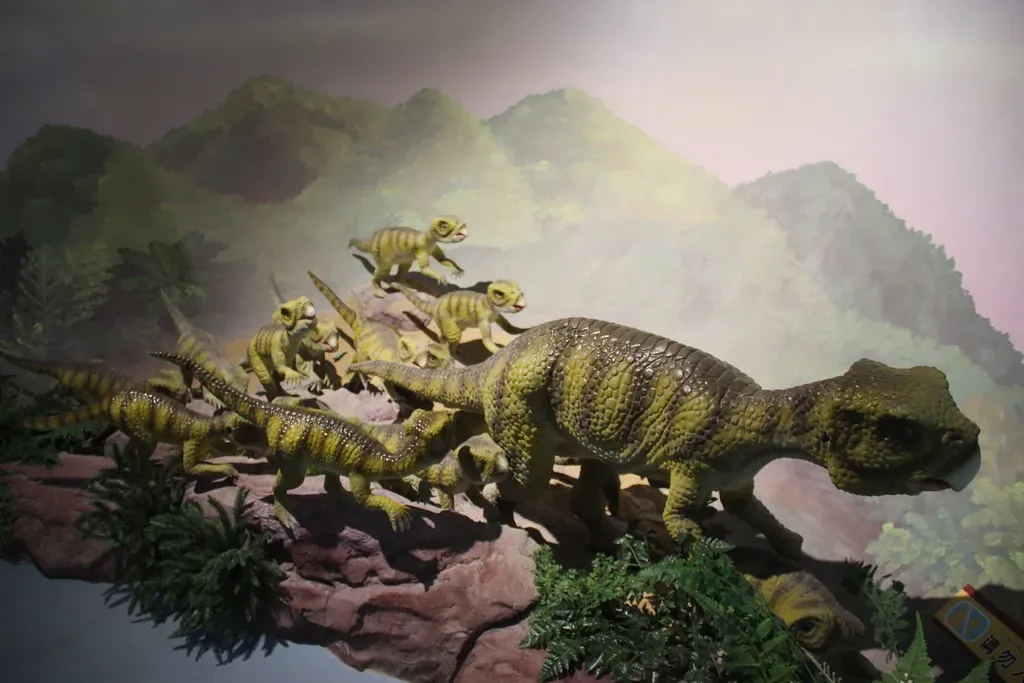
Researchers discovered an exceptionally preserved group of early dinosaurs showing signs of complex herd behavior as early as 193 million years ago, 40 million years earlier than other records of dinosaur herding. Discoveries of hatchlings, juveniles, and fully grown adults of Mussaurus all in the same place means multifamily groups got together not just for breeding and nesting but potentially formed life-long herds.
Herding behavior could have protected tiny hatchlings from predation until they grew from hand-sized eggs into ten-foot-tall adults. It’s hard to say for sure, but living in groups provided clear evolutionary advantages. Dinosaurs exhibited limited parental care compared to mammals, with juveniles quickly becoming independent and often traveling together in groups of similarly aged individuals, with fossil evidence showing pods of youngsters preserved together with no traces of adults nearby.
Colorful Eggs and Open Nests Signal Evolutionary Shifts
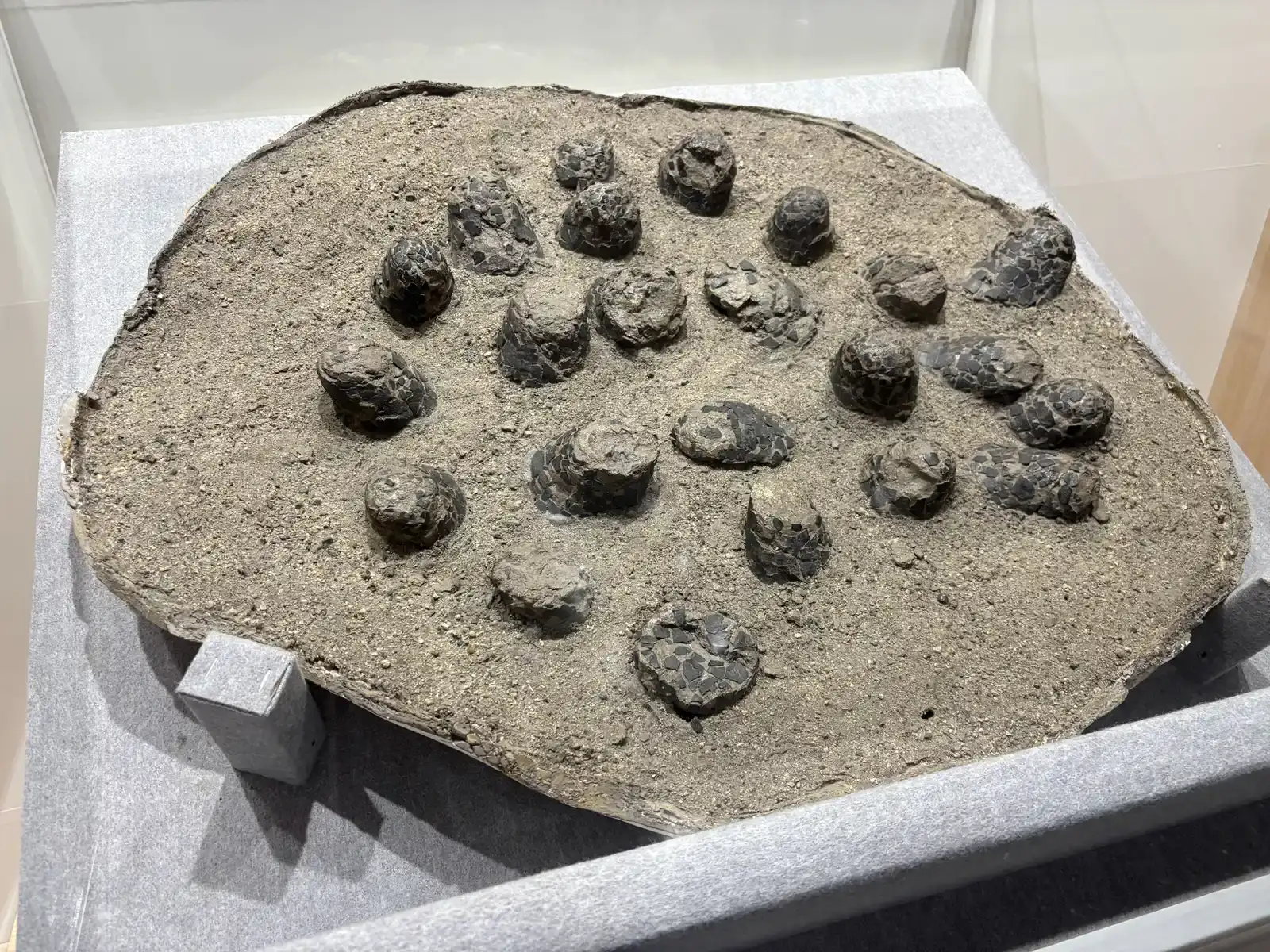
Modern birds inherited their knack for vibrant eggshells from their dinosaur ancestors, which first gained the trait more than 145 million years ago. These weren’t just functional eggs – they were colorful, suggesting visibility and parental attention. The common ancestor of all dinosaurs laid soft-shelled eggs buried in moist soil, and hard-shelled eggs evolved multiple times in several lineages, with the rise of colored eggs coinciding with the shift to partially open nests that dinosaurs incubated by sitting on them.
That shift from buried to open nests is huge. Eumaniraptoran eggs didn’t have many pores, a sign that eggs were kept in open, birdlike nests, and some fossilized egg clusters even preserve adult dinosaurs sitting atop them. This represents a fundamental change in reproductive strategy, one that required parents to actively guard and warm their eggs rather than just laying them and walking away.
When Parents Stayed Away: Not All Dinosaurs Were Doting
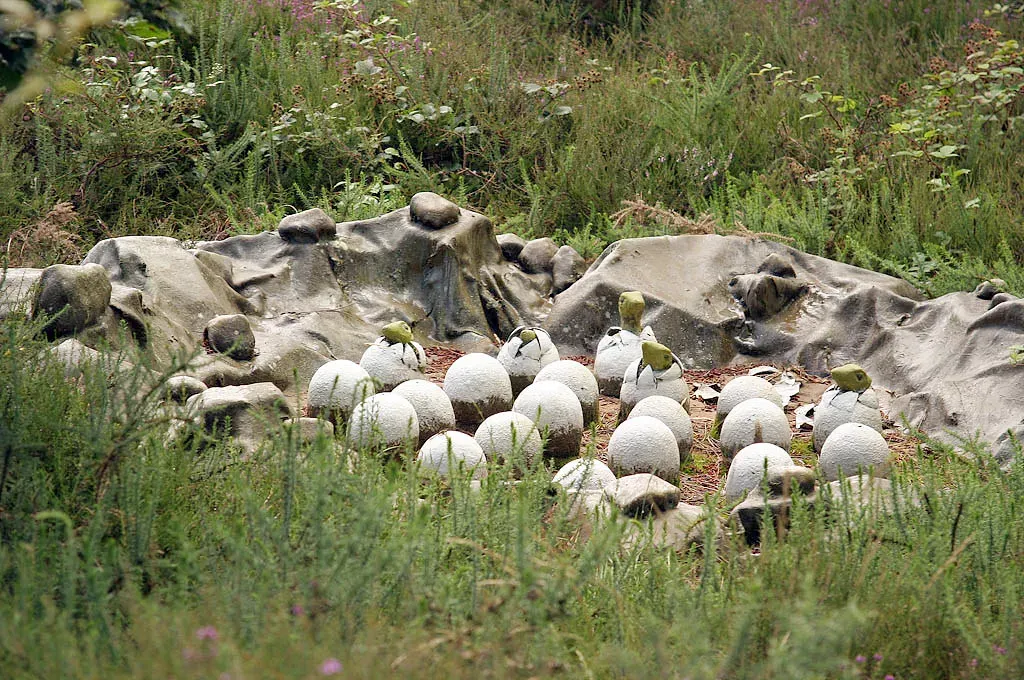
Honestly, not every dinosaur was a devoted parent. While parental care has been shown in distantly related dinosaurs, for some groups like sauropods – the long-necked giants like Apatosaurus and Brachiosaurus – there’s no evidence of post-laying care. Dinosaurs that laid soft-shelled eggs like Protoceratops and Mussaurus had to cover their eggs so they wouldn’t dry out, but the eggs were too thin to support the weight of a parent, so they probably didn’t do anything more than watch over the nest area.
Different strategies worked for different species. Fossil records indicate that some dinosaur parents like Brachiosaurus left the nest shortly after laying their eggs, since experts have never found fossils of adult Brachiosaurus bones by nests. Still, even this tells us something important: parental care wasn’t universal, but it existed across multiple dinosaur lineages, making it a significant and recurring evolutionary development.
These fossilized secrets have transformed our view of dinosaurs from cold, distant reptiles into creatures capable of complex emotions and behaviors. The evidence is there in the fossils – parents who died protecting their eggs, colonies organized for mutual defense, hatchlings cared for in nests long after birth. You have to wonder what other surprises these ancient bones still have in store. What do you think about these devoted dinosaur parents? Does it change how you imagine the prehistoric world?