Have you ever wondered where dinosaurs really lived? Beyond the movies and museum dioramas, these ancient creatures inhabited worlds that seem almost alien today. Some roamed scorching deserts while others thrived in polar darkness.
The truth is, dinosaurs were remarkably adaptable. They conquered nearly every corner of Earth during their reign, which stretched across an astonishing 165 million years. Each ecosystem presented its own challenges and opportunities, shaping the incredible diversity we see in the fossil record. From towering sauropods grazing in lush Jurassic forests to feathered raptors hunting in Arctic twilight, these lost worlds tell stories of evolution, survival, and adaptation that continue to surprise us. Let’s dive into nine remarkable prehistoric ecosystems that defined how dinosaurs lived, evolved, and ultimately dominated the Mesozoic Era.
The Hell Creek Floodplains: Where Giants Made Their Last Stand
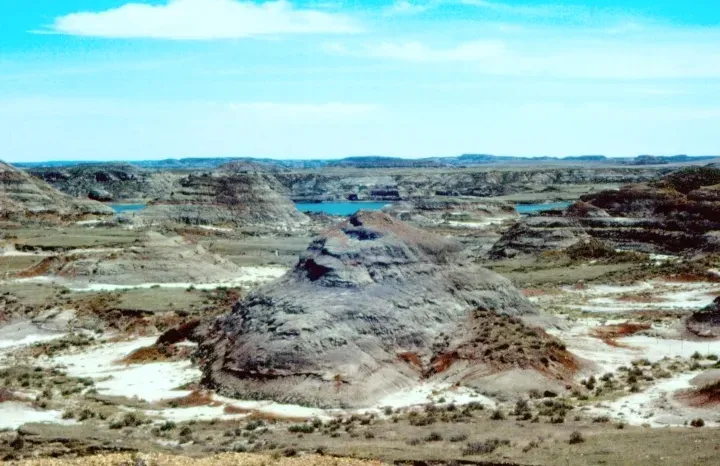
The Hell Creek Formation represents one of the most famous dinosaur ecosystems, stretching across Montana, North Dakota, South Dakota, and Wyoming, dating back to the end of the Cretaceous period around 66 million years ago and famous for yielding fossils of the last non-avian dinosaurs, including Tyrannosaurus and Triceratops. This landscape was far from the tropical paradise you might imagine.
The climate was warm, humid, and subtropical, with Hell Creek consisting largely of swamp, floodplain, estuarine, and coastal plain habitats. Picture a world of slow-moving rivers, dense forests, and wide floodplains where the most iconic dinosaurs of all time lived out their final days. Triceratops was the most common dinosaur, while Tyrannosaurus was surprisingly abundant. This challenges everything we thought about predator-prey ratios. Ceratopsians preferred mudstone floodplain environments farther from rivers, while hadrosaurs showed a strong association with sandstone river environments, suggesting spatial niche partitioning helped reduce competition.
Morrison Formation Mega-Sauropod Territory: The Jurassic Giant Factory
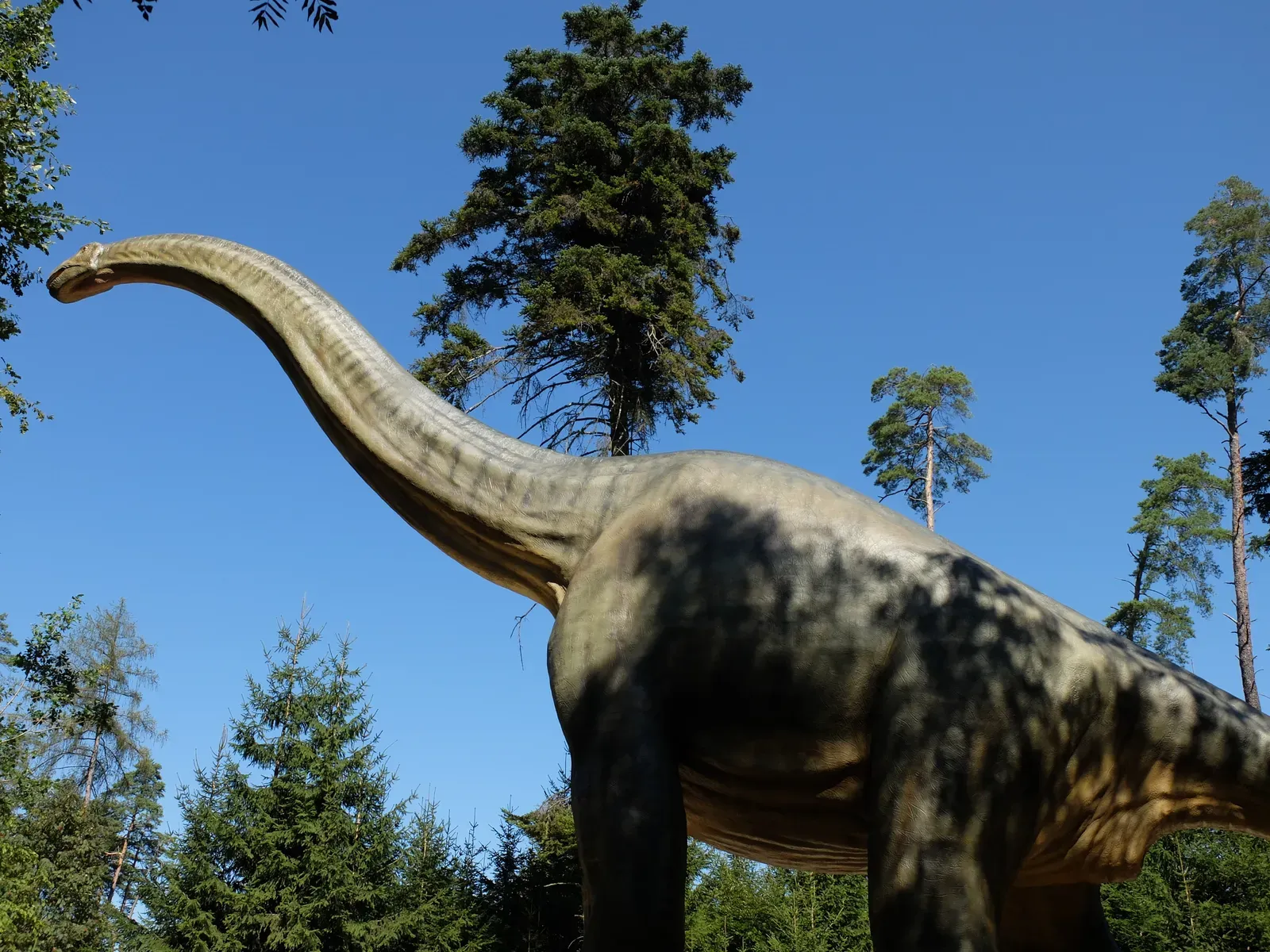
The Morrison Formation of western North America represents the golden age of sauropods. Dating from the Jurassic Period around 201 to 145 million years ago, this era was warm and humid, with vast forests, swamps and wetlands. This wasn’t just any forest. Imagine trees so tall they blocked out the sun, creating a verdant cathedral where the largest land animals ever to walk Earth could find endless food.
Sauropods became the dominant large herbivores in terrestrial ecosystems during the Jurassic, with some reaching gigantic sizes and becoming the largest organisms to have ever lived on land. The lush vegetation and stable climate created perfect conditions for these gentle giants to evolve to unprecedented sizes. Think about it: a single Brachiosaurus could weigh as much as ten elephants. The ecosystem had to support that kind of biomass, which tells us just how productive these Jurassic forests really were.
The Gobi Desert Badlands: Where Raptors Ruled the Sands
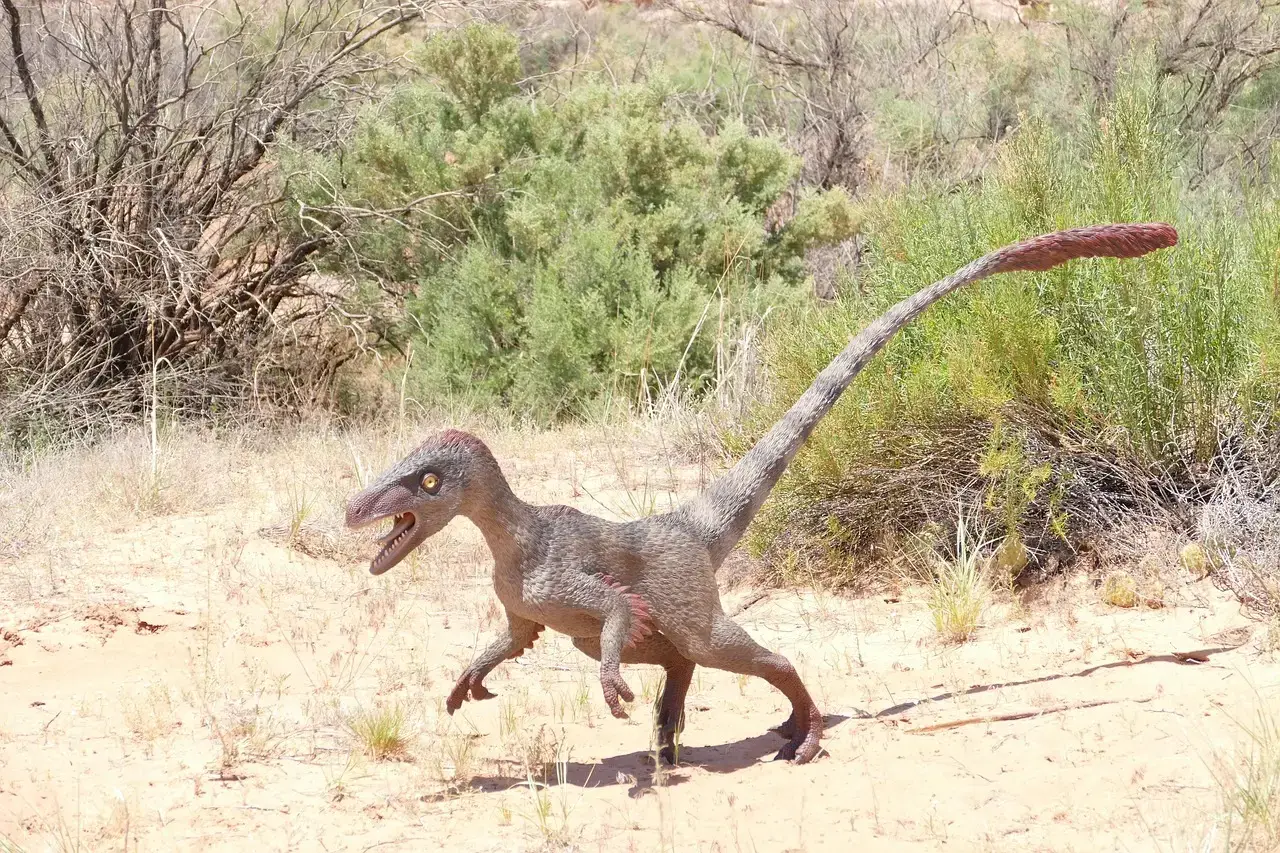
Let’s be real, when you think dinosaurs, you probably don’t picture deserts. The Gobi Desert yielded some of the world’s most recognized dinosaurs like Velociraptor, Oviraptor, and Protoceratops. An entwined fossil of a Protoceratops fighting a Velociraptor was preserved by a violent sandstorm during the late Cretaceous period. That’s not just a fossil. It’s a snapshot of prehistoric combat frozen in time.
Deserts were home to certain dinosaur species, with fast runners like Gallimimus believed to have lived in arid environments, requiring specialized adaptations to survive in tough habitats for both herbivores and carnivores. These weren’t the massive dinosaurs from wetter regions. Desert dwellers needed speed, efficiency, and clever strategies to find water and avoid overheating. The smaller, more agile dinosaurs that thrived here show evolution’s creative solutions to harsh conditions.
Gondwana’s Southern Realm: The Birthplace Hypothesis
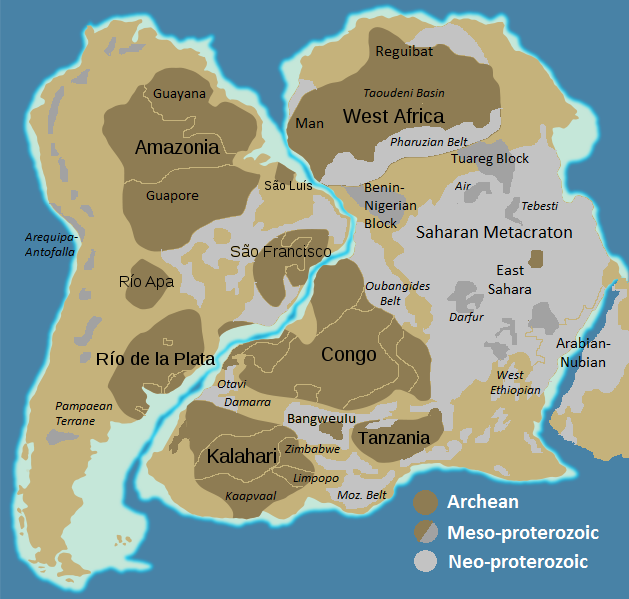
Recent research suggests the earliest dinosaurs likely emerged in a hot equatorial region in what was then the supercontinent Gondwana, encompassing areas that are now the Amazon, Congo basin, and Sahara Desert. This is fascinating because it completely reframes where we should be looking for the earliest dinosaur fossils.
The earliest unequivocal dinosaur fossils appear in southern South America and Africa 230 million years ago, but the high diversity of these earliest assemblages suggests a more ancient evolutionary history. While plants had a cosmopolitan distribution, dinosaurs evolved and diversified in a pattern that reflects the Jurassic break-up of Pangaea. Gondwana included massive landmasses that would eventually become South America, Africa, Madagascar, India, Antarctica, and Australia. The Cretaceous saw the arrival of angiosperms, or flowering plants, a group that probably evolved in western Gondwana, fundamentally changing what herbivorous dinosaurs could eat.
Laurasia’s Northern Forests: Where East Met West
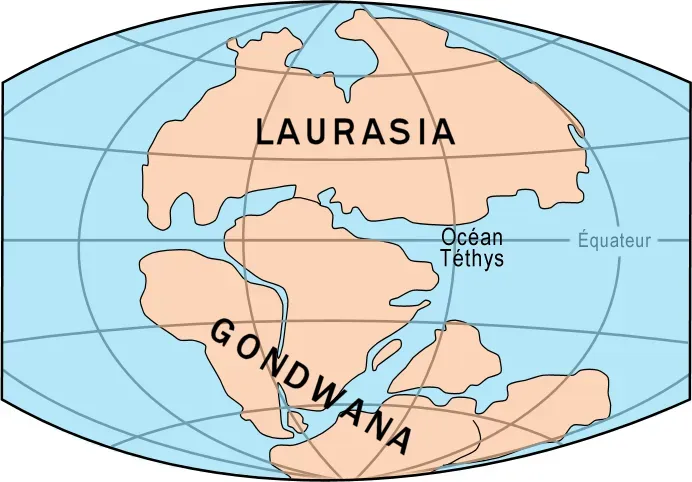
Laurasia was the northern of two large landmasses that formed part of Pangaea from around 335 to 175 million years ago, separating from Gondwana during the late Triassic period. This northern supercontinent would eventually fragment into North America, Europe, and Asia. The separation created distinct evolutionary pathways.
Laurasia and Gondwana began to split apart around 230 million years ago and were well separated in Jurassic time, with Jurassic dinosaurs in Laurasia evolving differently from their relatives in Gondwana, explaining why dinosaur fossils from Africa, South America, and Australia differ markedly from species uncovered in North America, Europe, and Asia. East Asia remained isolated with endemic species including psittacosaurs and Ankylosauridae. It’s like two parallel experiments in evolution running simultaneously on opposite sides of the planet.
Polar Forests of the Cretaceous Arctic: Dinosaurs in Darkness
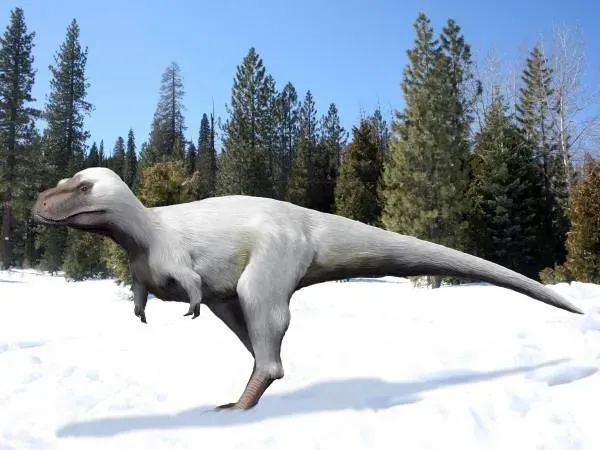
Here’s something that sounds crazy: dinosaurs lived near the North Pole. The 70 million-year-old rock of Alaska’s Prince Creek Formation contains fossils of horned dinosaurs, tyrannosaurs, duckbilled dinosaurs, raptors and more that lived within the Arctic Circle. These weren’t just passing through – they lived there year-round.
Polar dinosaurs had to endure prolonged darkness up to six months each winter, and evidence suggests they braved the cold, maybe even scrunched through snow and slid on ice. Evidence from their bones indicates these dinosaurs stayed year-round, growing fast when young but switching to a stop-and-start pattern as they aged, with faster growth during lush summers and the ground not freezing during winter. Alaskan winters still had a good deal of snowfall despite the lack of ice caps. Honestly, it’s hard to say for sure exactly how they managed, but the fossil evidence is undeniable.
Antarctic Temperate Rainforests: The Southern Polar Ecosystem
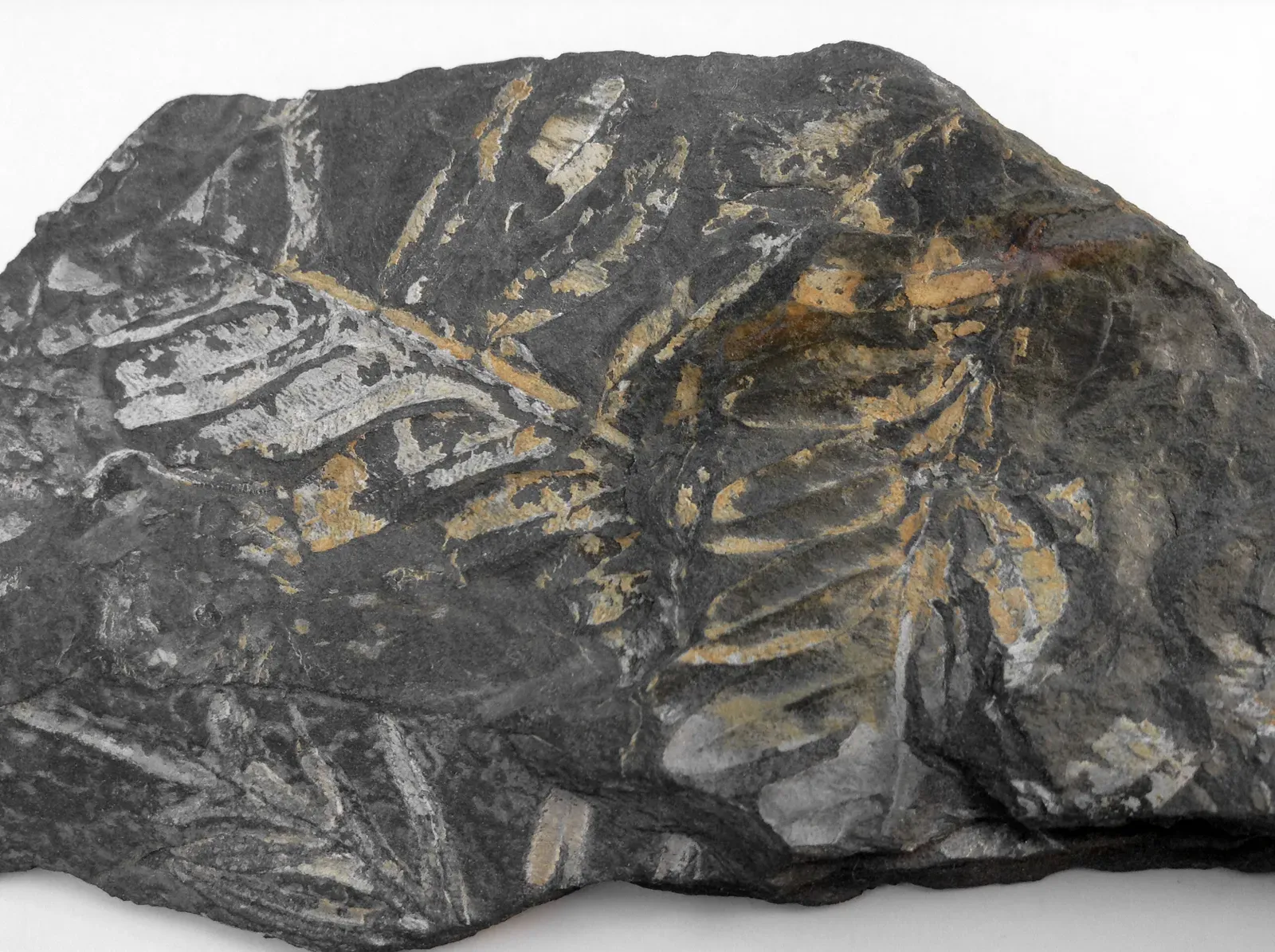
Fossilized leaves and other plant remains suggest that during the dinosaurs’ day Antarctica had a temperate climate, with the area being a temperate rainforest carpeted with ferns and bushy-looking conifers called podocarps over 110 million years ago. No ice caps existed during much of the Mesozoic. Instead, forests stretched all the way to the South Pole.
Different types of dinosaurs are found in cooler places versus those that are missing, with theropods, ornithopods, and ankylosaurs able to withstand cold and dark months, but long-necked sauropods missing from the same sites, suggesting they couldn’t survive or adapt to colder environments. The most diverse were the small hypsilophodont-like dinosaurs in these southern polar regions. These smaller, more adaptable creatures flourished where the giants couldn’t.
Coastal Lagoons and Wetlands: Prehistoric Paradise
Lagoons played a significant role in Mesozoic ecosystems as large bodies of calm water trapped behind reefs, home to a variety of prehistoric creatures, with the Solnhofen lagoon in Germany yielding numerous fossils of dinosaurs and pterosaurs. These unique environments offered both land and water resources.
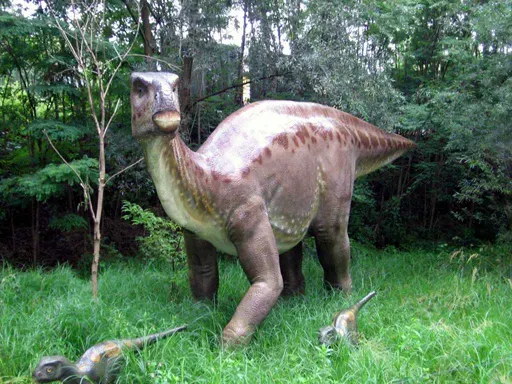
Wetlands covered most of Europe during the early Cretaceous period and were inhabited by herbivores such as Iguanodon, Polacanthus and Hypsilophodon. Wetlands were characterized by both land and water, with unique traits enabling some to have more plants while others had more trees, with moss and grass also growing, helping Hypsilophodons and Iguanodons thrive. The rich vegetation and abundant water created hotspots of biodiversity. These transition zones between aquatic and terrestrial environments supported an incredible diversity of life.
Triassic Rift Valleys: Where Dinosaurs First Emerged
The Triassic Period lasted from 252 million to 201 million years ago and marked the beginning of major changes throughout the Mesozoic Era, particularly in the evolution of life and distribution of continents and living things. This was when dinosaurs first appeared on the scene.
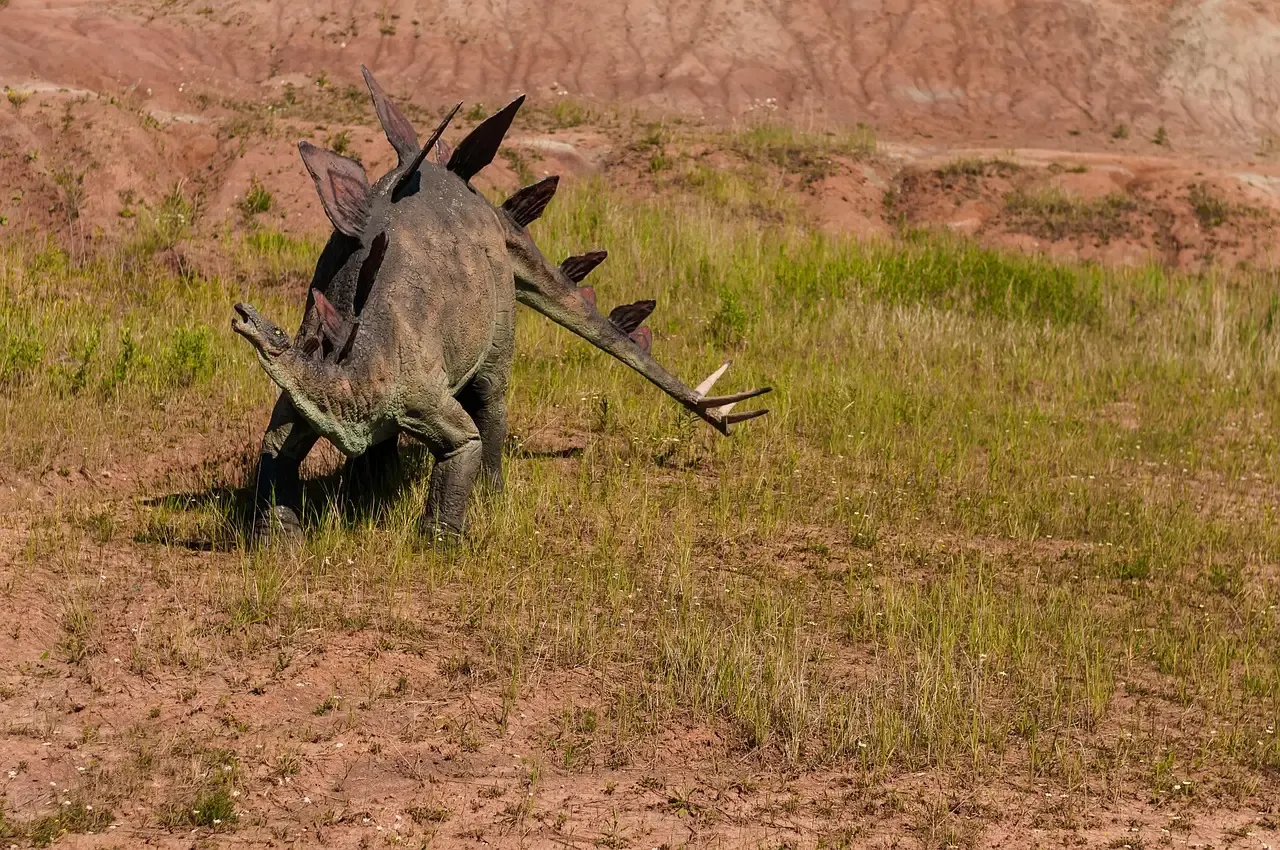
Reptiles increased in diversity and number, and the first dinosaurs appeared, heralding the great radiation that would characterize this group during the Jurassic and Cretaceous periods. Rift valleys were prominent Jurassic habitats characterized by elongated depressions, often filled with lush riparian forests where tree ferns and horsetails thrived, providing a rich food source for herbivorous dinosaurs like Stegosaurus. These valleys created corridors of life cutting through otherwise harsh landscapes, serving as evolutionary incubators for early dinosaur lineages.
Cretaceous Flowering Plant Revolution: A Changing Menu
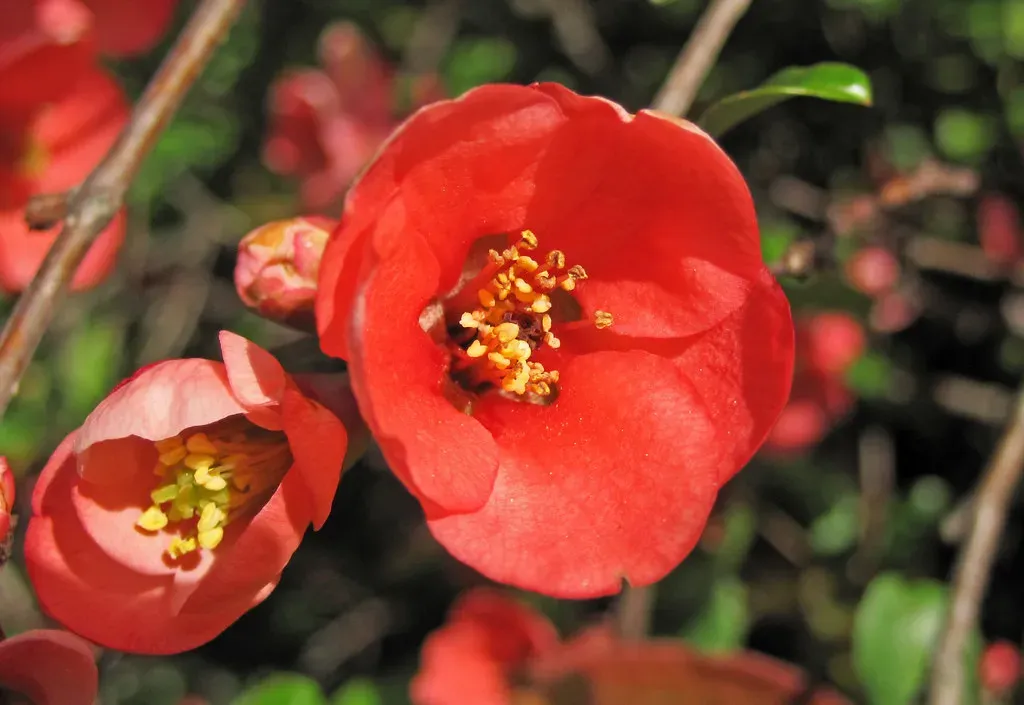
The rise of angiosperms contributed greatly to dramatic transformation of biodiversity and landscapes, with flowers evolving alongside insects, bees, birds, and other land animals, in a crucial period called the Great Divergence or Cretaceous Terrestrial Revolution. This wasn’t just about pretty flowers. It fundamentally changed what dinosaurs ate and how ecosystems functioned.
As angiosperms diversified, conifers, bennettitaleans and pentoxylaleans disappeared from Gondwana around 115 million years ago along with specialised herbivorous ornithischians, whilst generalist browsers like several families of sauropodomorph Saurischia prevailed. The dinosaurs that could adapt to this new food source thrived. Those that couldn’t went extinct long before the asteroid ever arrived. It’s a reminder that ecosystems are always changing, and adaptability is key to survival.
Conclusion
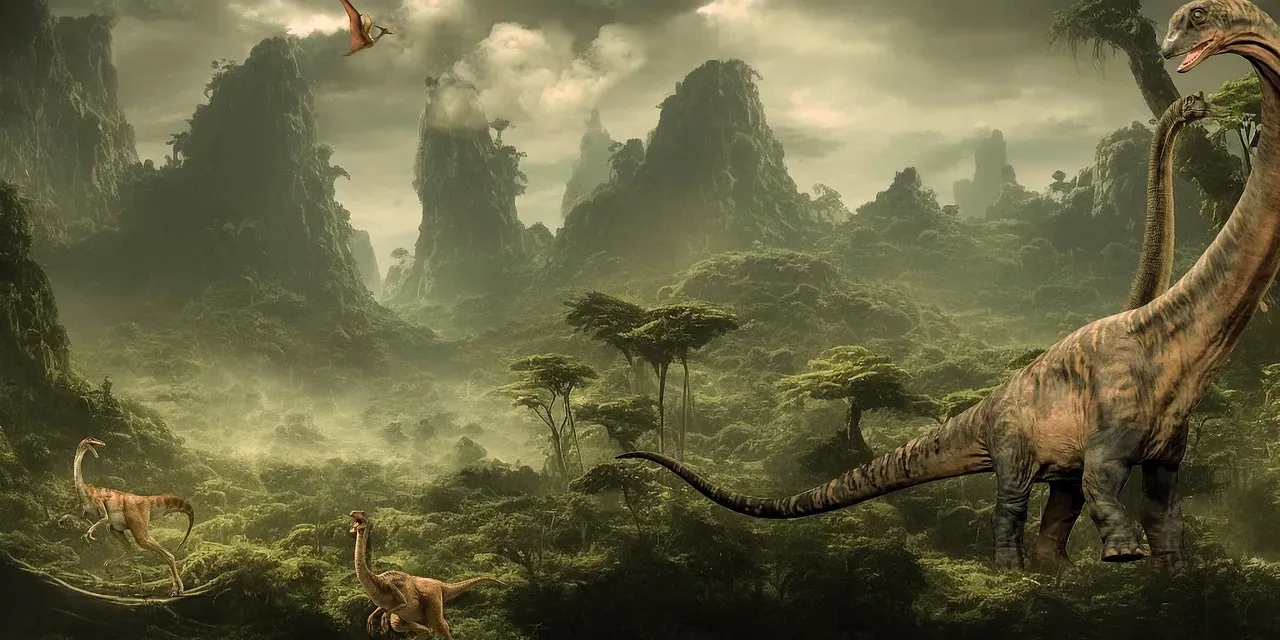
These nine prehistoric ecosystems reveal something profound about dinosaurs: they weren’t just lucky reptiles that happened to dominate for millions of years. They were incredibly versatile, adapting to environments from scorching deserts to frozen polar forests, from coastal wetlands to high mountain valleys.
Each lost world shaped dinosaur evolution in unique ways, creating the stunning diversity we continue to uncover in the fossil record. From the Hell Creek floodplains where Tyrannosaurus made its last stand, to the Arctic forests where dinosaurs somehow survived months of darkness, these ancient ecosystems challenge everything we thought we knew about prehistoric life. The next time you see a dinosaur skeleton in a museum, remember it’s not just bones. It’s a window into an entire lost world, complete with its own climate, vegetation, and ecological relationships that we’re only beginning to understand. What other secrets might these ancient ecosystems still be hiding? The fossil record keeps surprising us, and there are surely more revelations yet to come.