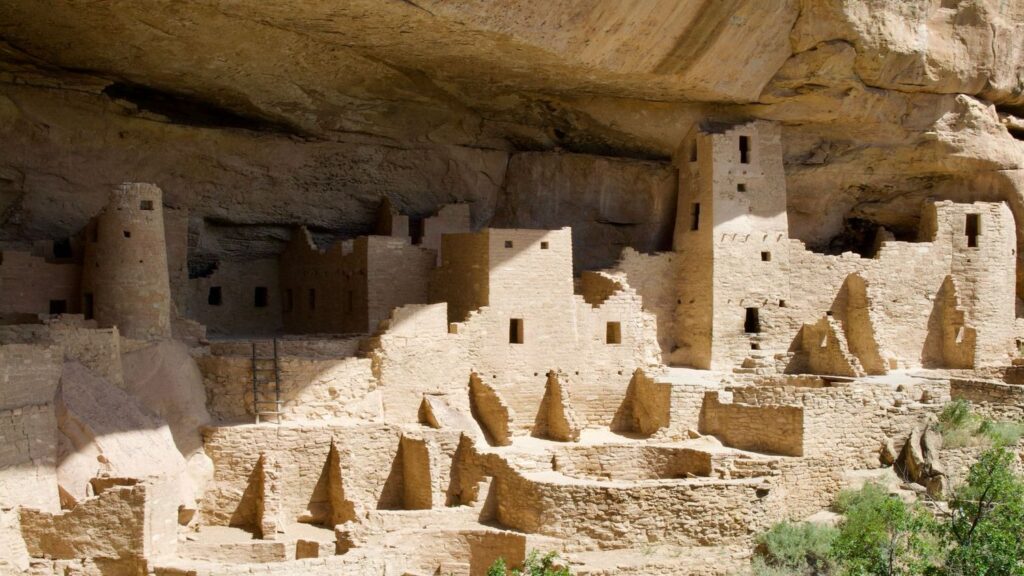
Have you ever stood in a place so silent, so abandoned, that you could almost hear the echoes of thousands of voices from centuries ago? The Americas are scattered with such places. Ghost cities built by hands we’ll never shake. Civilizations that thrived, flourished, and then simply faded away, leaving behind only stone and questions.
From cliff dwellings carved into impossible rock faces to towering earthen pyramids that rival anything in Egypt, these vanished societies built wonders. Then they walked away. The reasons remain frustratingly unclear, wrapped in theories about drought, war, disease, and mystery. What drove entire populations to abandon their homes? Where did they go? Let’s explore seven ancient American civilizations that disappeared, leaving us with ruins and riddles.
The Ancestral Puebloans: Masters of the Cliffs
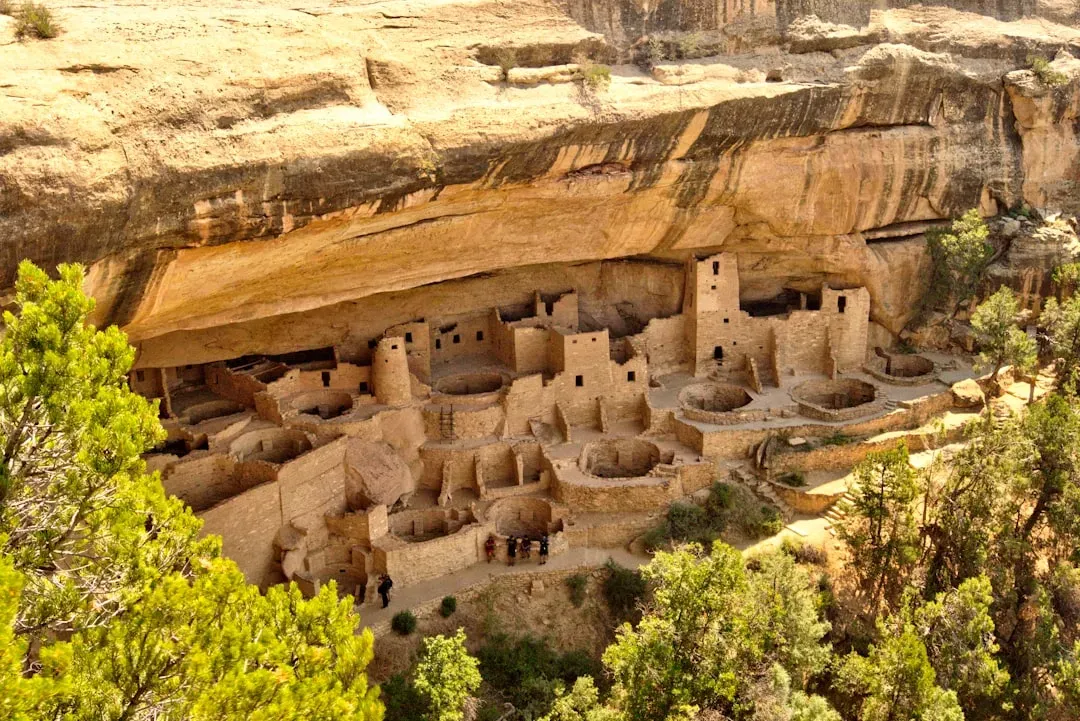
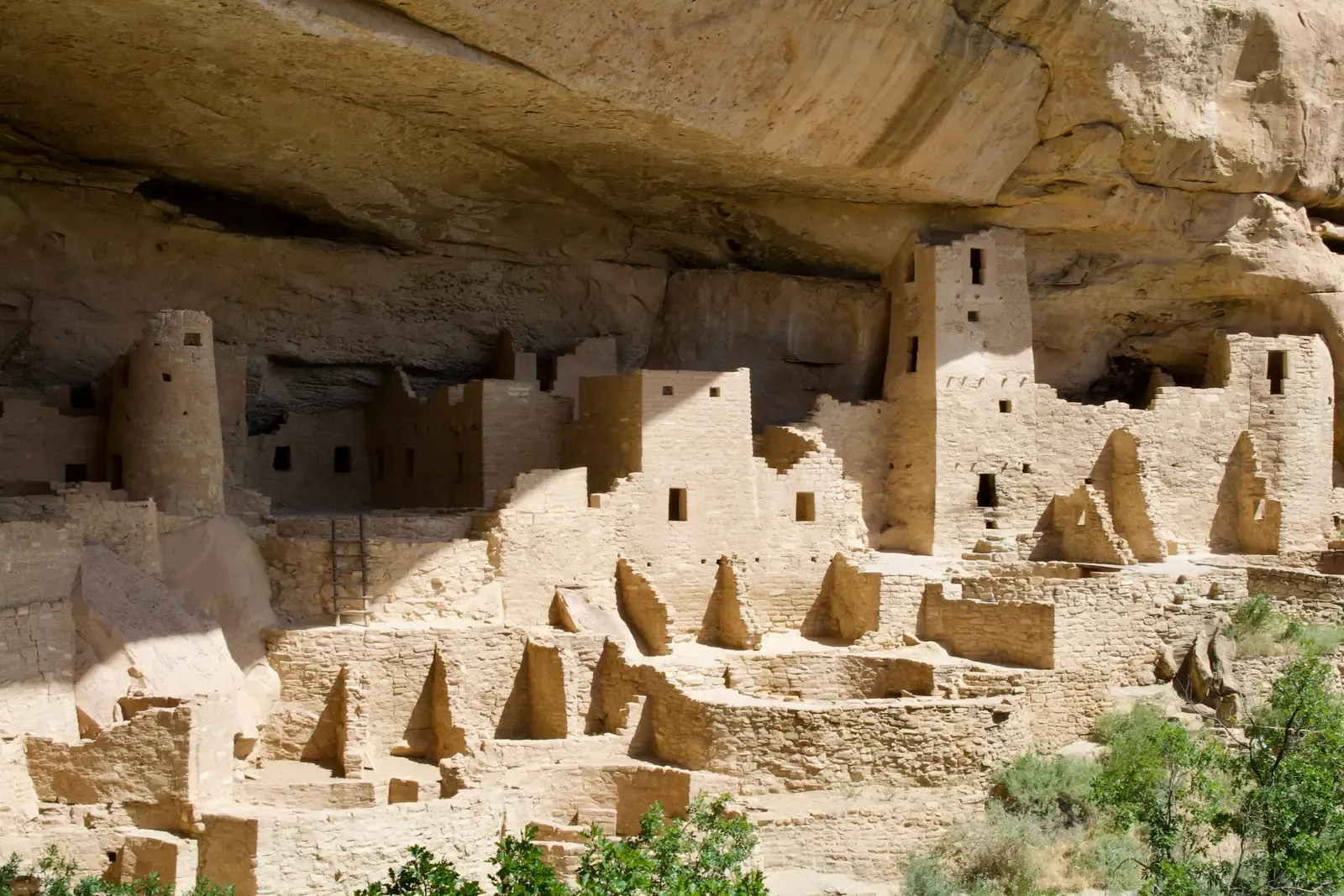
The Ancestral Puebloans once built great cities across Utah, Arizona, New Mexico, and Colorado, but by the end of the 13th century, these cities were largely abandoned. You can still visit their cliff dwellings today, carved into impossible canyon walls. These weren’t primitive shelters. They built astoundingly complex and impressive housing blocks into the sides of cliffs and mountains, and some of these structures could house hundreds, if not thousands of people at one time.
They made significant architectural advancements, produced pottery, and built extensive networks of roads, then suddenly, around 1250 AD, they vanished. Scientists think the primary culprit was a megadrought that would have made it impossible to grow enough food to feed the tens of thousands of people living in the region. Still, these people had survived droughts before. Several archaeologists and historians agree that environmental factors played a major part, and the drought and resultant crop failure may have forced them to leave in search of water.
The Olmec: America’s Mother Culture
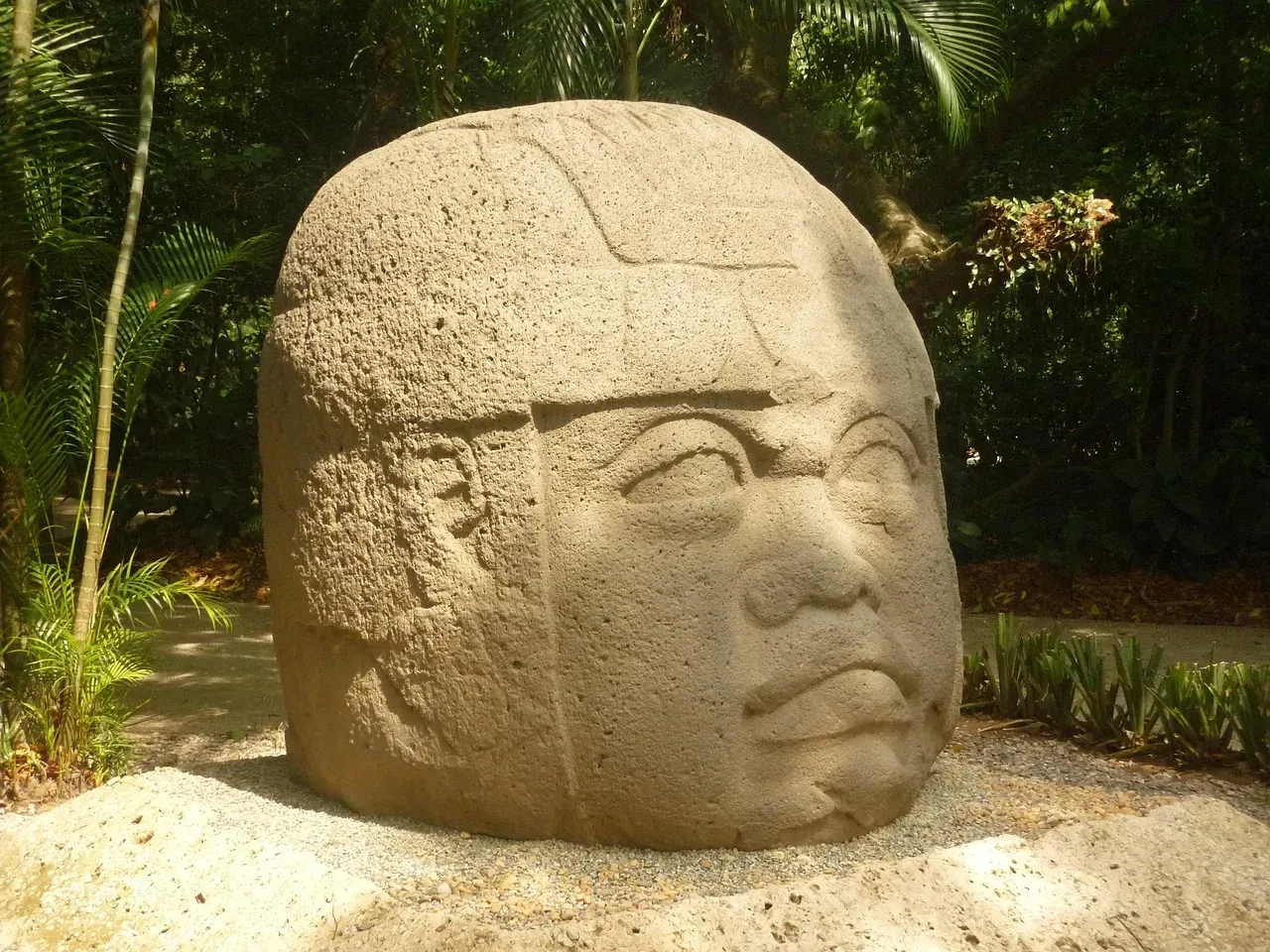
The Olmecs flourished in the modern-day Mexican states of Veracruz and Tabasco from roughly 1200 to 400 BC. They’re famous for those massive stone heads, weighing tons, with distinctive African-looking features that have sparked countless wild theories. The Olmec are known as the “mother culture” of Mesoamerica, and as the first major culture in the region, many of their developments and discoveries were used as inspiration in later civilizations.
By about 400 BC the major centres of the Olmec civilization had been abandoned, and the population of the eastern half of the Olmec heartland dropped precipitously. What happened? Nobody really knows for sure. Historians do not know much about the collapse, but what is known is that it likely occurred in waves as sites were gradually abandoned, with climate change and internal strife possibly being factors. One reason why this great Mesoamerican culture disappeared was the rise of the Maya cacao trade in 800 BC, which diverted the routes that brought prized cacao into the Olmec-dominated area.
Cahokia: The Forgotten American Metropolis
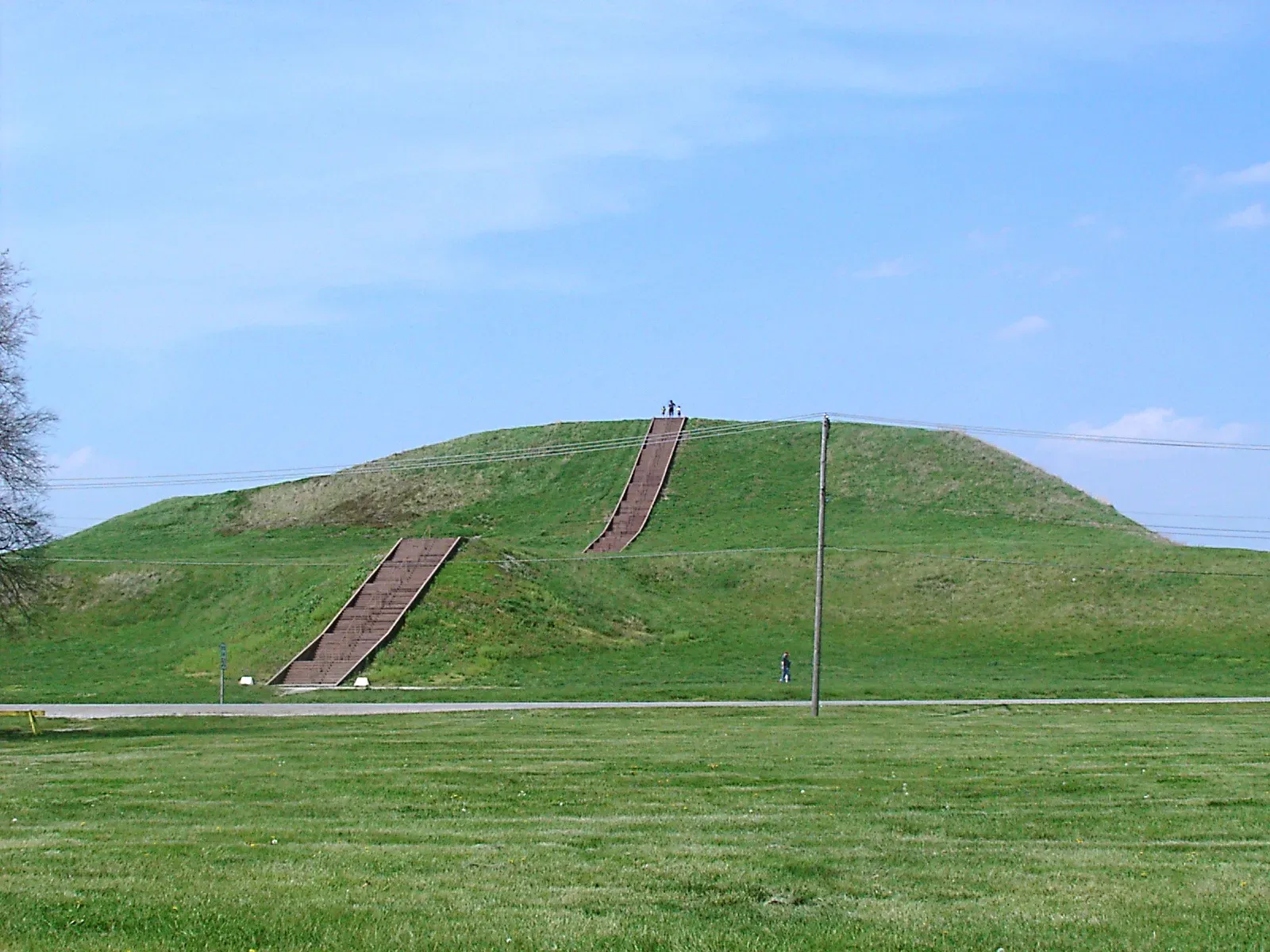
Here’s something that should blow your mind. Cahokia was located a few miles from present-day St. Louis, Missouri, and at its peak hosted a population of up to 20,000, similar to that of London at the time. Yes, you read that right. Cahokia was larger than Paris and London at the time of its peak occupation, and there was not another city of Cahokia’s size in what is now the United States until Philadelphia in the 19th century.
Surrounded by a high wooden stockade, this inaugural U.S. city featured many plazas and at least 120 earthen mounds, the largest of which, known as Monks Mound, stood 100 feet tall. Cahokia’s decline began around 1250 or 1300, and culminated in the site’s mysterious abandonment by 1350. One popular theory is that the Cahokia residents abandoned the settlement after a massive crop failure brought on by a prolonged drought, but new studies suggest the Cahokians likely had other reasons to leave town. The truth is, we still don’t know. Maybe they just decided city life wasn’t for them anymore.
Tiwanaku: The Andean Enigma
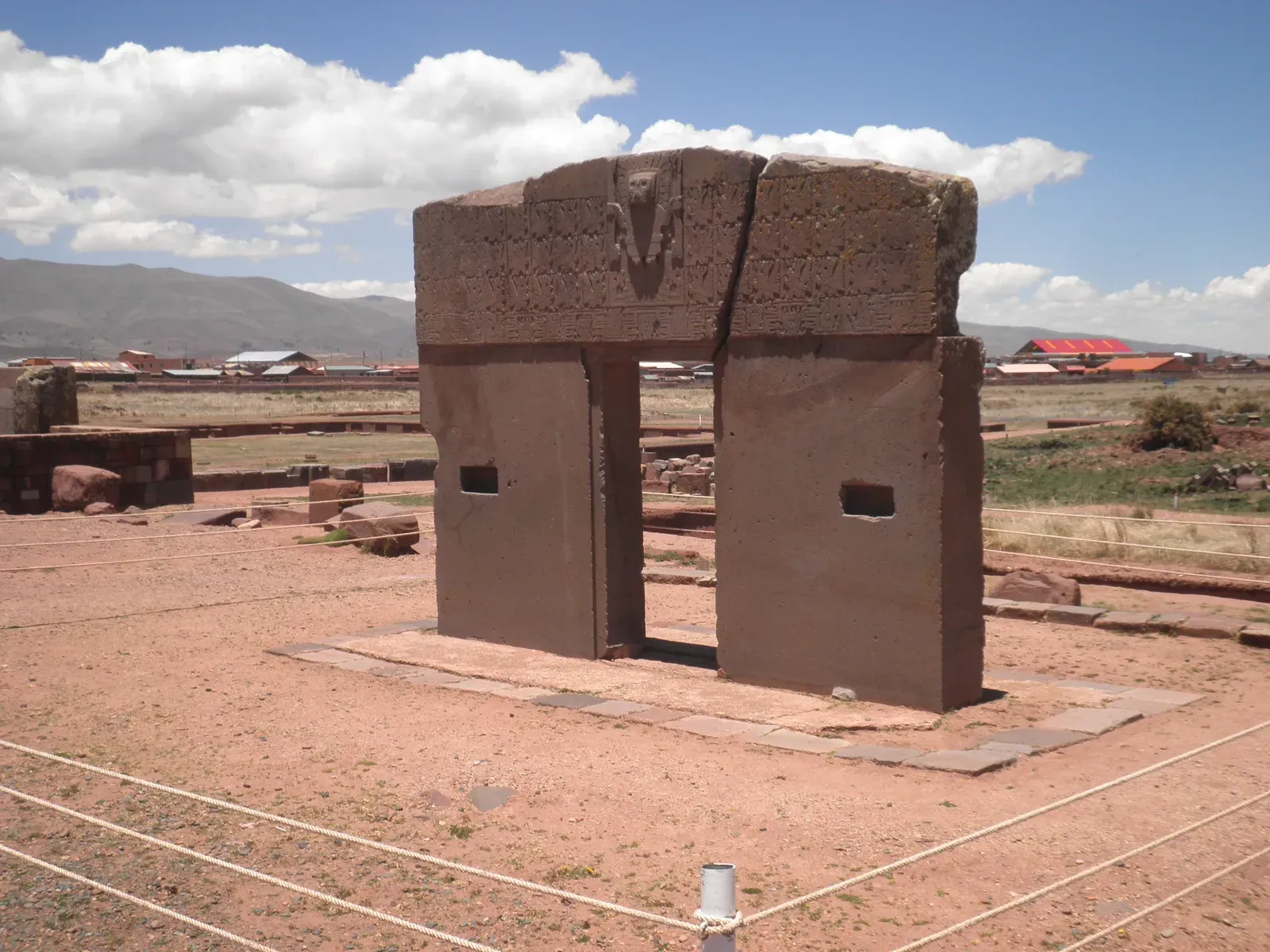
High in the Bolivian Altiplano, near Lake Titicaca, sit the ruins of Tiwanaku. This Pre-Columbian archaeological site in western Bolivia is one of the largest sites in South America, with surface remains covering around 4 square kilometers, and it is estimated that the site was inhabited by 10,000 to 20,000 people in AD 800. The stonework here is absolutely mind-blowing. Massive blocks fitted together with precision that makes you wonder what tools they had.
Known as Tiwanaku, the ancient society is widely considered one of the earliest examples of civilization in the Andes and a precursor of the Inca empire, but it mysteriously disappeared about a thousand years ago, with their society collapsing sometime around 1000 CE and becoming a ruin by the time the Incas conquered the Andes in the 15th century. A centuries-long period of aridity during the Medieval Climate Anomaly corresponds with the collapse of the Tiwanaku Civilization. There is no evidence of a foreign invasion or mass conflict, which implies that the collapse was internal and accelerated by environmental and political crises.
The Hohokam: Desert Engineers
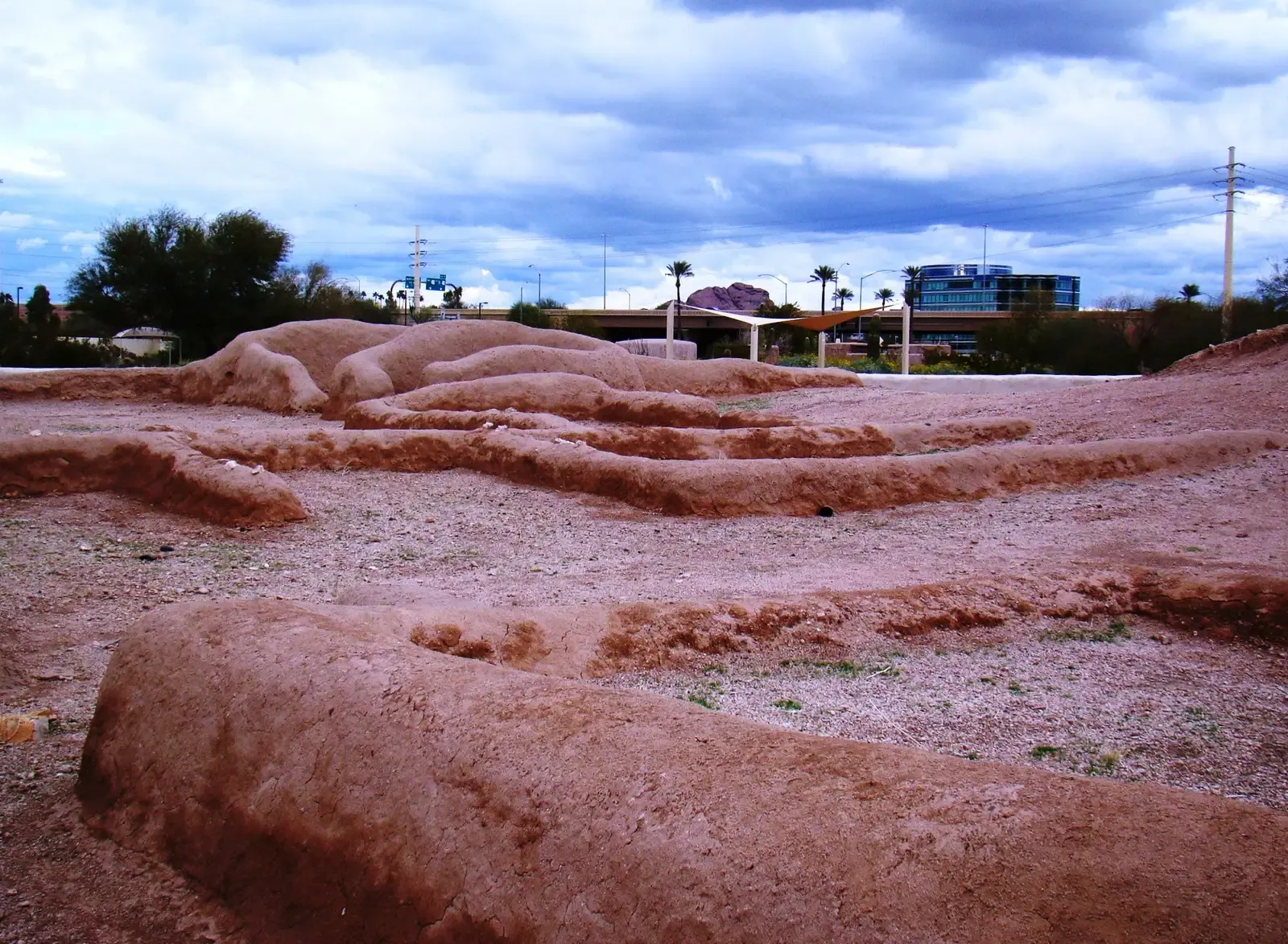
While less famous than some others on this list, the Hohokam civilization thrived in the scorching deserts of what’s now Arizona from roughly 300 to 1500 CE. These people were absolute geniuses when it came to water management. They built hundreds of miles of irrigation canals, some as wide as modern roads, channeling water from rivers to transform the desert into farmland.
The Hohokam constructed massive platform mounds and ball courts, showing clear connections to Mesoamerican cultures to the south. Their craftsmanship in pottery, jewelry, and shell work was extraordinary. Then, around 1450 CE, their major settlements were abandoned. The reasons remain unclear, though prolonged drought, salinization of their farmland from over-irrigation, and social upheaval all likely played roles. Their descendants may include the modern Tohono O’odham and Pima peoples, but the connection remains debated.
The Fremont Culture: Mysterious Desert Dwellers
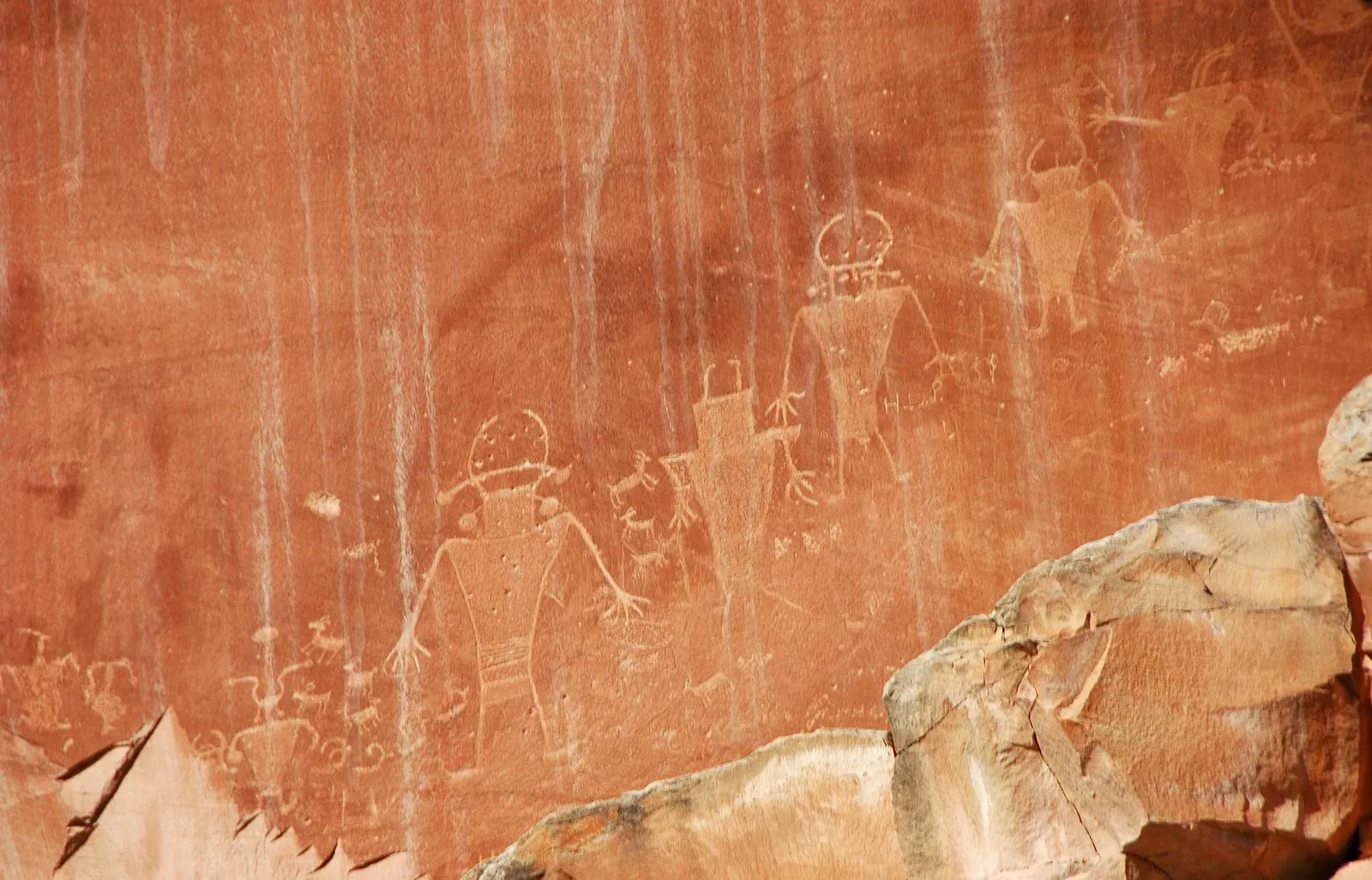
Stretching across much of modern-day Utah and parts of neighboring states, the Fremont culture existed roughly between 400 and 1350 CE. These people lived in one of the harshest environments imaginable, yet they managed to build pit houses, granaries, and create distinctive rock art that still decorates canyon walls today. Their petroglyphs show figures with elaborate headdresses, broad shoulders, and mysterious symbols.
The Fremont were neighbors to the Ancestral Puebloans but developed their own distinct culture, mixing farming with hunting and gathering in ways that showed remarkable adaptation to desert life. They made unique clay figurines, moccasins, and baskets. Around 1350 CE, they vanished from the archaeological record. Climate change likely played a role, making farming impossible in their marginal lands. Some researchers believe they migrated and merged with other groups, possibly becoming ancestors to some modern Native American tribes.
The Poverty Point Culture: Ancient Louisiana Builders
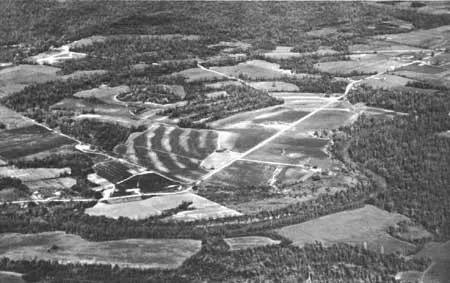
Long before European contact, roughly 1700 to 1100 BCE, a sophisticated culture flourished in what’s now Louisiana. The Poverty Point site features massive earthworks, including concentric ridges and a bird-shaped mound that covers acres. These weren’t simple villages. The engineering and labor required to build these structures suggest a complex, organized society with thousands of inhabitants.
The Poverty Point people created intricate trade networks spanning hundreds of miles, bringing in raw materials from as far as the Great Lakes and the Gulf Coast. They made cooking balls from clay to heat food, crafted beautiful stone tools, and clearly had social organization sophisticated enough to coordinate massive building projects. Then, around 1100 BCE, the site was largely abandoned. The reasons remain mysterious. Climate change, shifts in trade routes, or simply a decision to move elsewhere could all explain it. The silence they left behind haunts the swampy Louisiana landscape still.
What These Vanished Civilizations Tell Us
Standing among these ruins today, it’s hard not to feel humbled. These weren’t primitive peoples who failed. They built cities, engineered water systems, created art, and sustained large populations in challenging environments. Many thrived for centuries longer than our current civilization has existed.
The patterns of collapse share common threads. Drought appears repeatedly, suggesting climate change played crucial roles. Yet people had survived droughts before, which means other factors mattered too. Internal conflict, resource depletion, disease, shifts in trade networks, and simple human choice all likely contributed. We’re moving away from Western explanations that they overused resources or failed, and instead appreciating that they related to their environment differently, and there is a tendency for people to want monocausal explanations, but these are likely more complex.
These civilizations didn’t truly vanish. Their descendants walk among us. Modern Pueblo peoples trace their lineage to the Ancestral Puebloans. Indigenous communities across the Americas carry forward traditions, languages, and knowledge from these ancient societies. The stones may be silent, but the people endure. What do you think drove these civilizations to abandon their homes? Could we face similar challenges today?