Have you ever wondered what survival really looked like millions of years ago? Long before humans walked the earth, the prehistoric world was a brutal stage where predators hunted with ruthless efficiency and prey evolved ingenious tricks to stay alive. Camouflage and deception weren’t just neat features back then. They were survival tools that separated the living from the extinct. The creatures we’re about to explore didn’t just blend into their environment like a chameleon on a branch. Some mimicked the appearance of dangerous animals, others wore armor disguised as forest debris, and a few became so good at hiding that their fossils stunned researchers when they were finally discovered. Let’s dive into this fascinating world of ancient tricksters and masters of illusion.
Psittacosaurus: The Forest Shadow
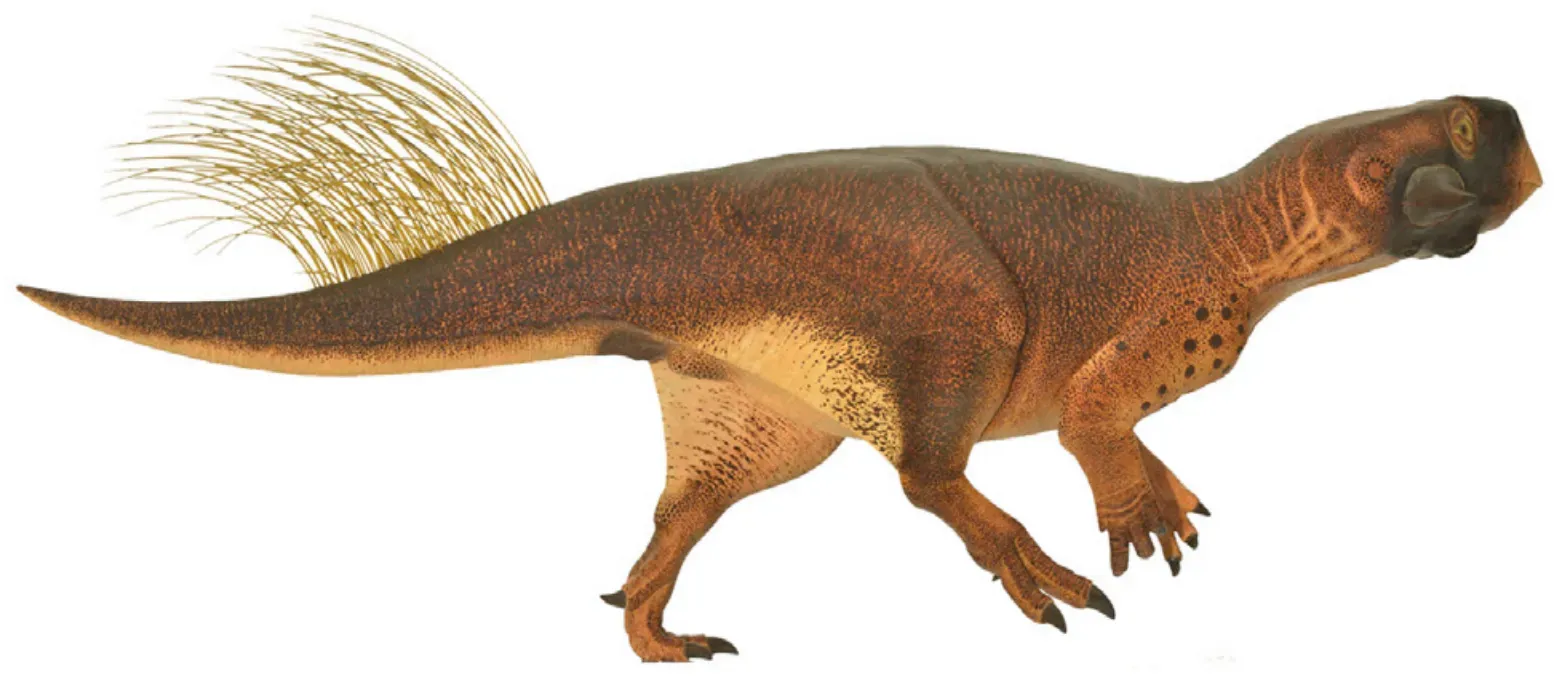
This small dinosaur, roughly the size of a golden retriever, lived around 120 million years ago in what is now China. What makes it remarkable wasn’t its size but its extraordinary color pattern. Analysis of exceptionally preserved fossil remains revealed an elaborate paint job, including a brown back and a lighter belly.
The coloring provided the best camouflage in diffuse light rather than full sun, suggesting the reptile probably lived in forests instead of open savannas. This countershading camouflage used a dark-to-light gradient from back to belly to counter the light-to-dark gradient created by illumination, making the body appear flatter and less conspicuous. Honestly, it’s hard to say for sure, but this little dinosaur was probably a genius at staying invisible to massive predators like Yutyrannus that weighed more than a ton.
Hallucinochrysa Diogenesi: The Trash-Carrying Trickster
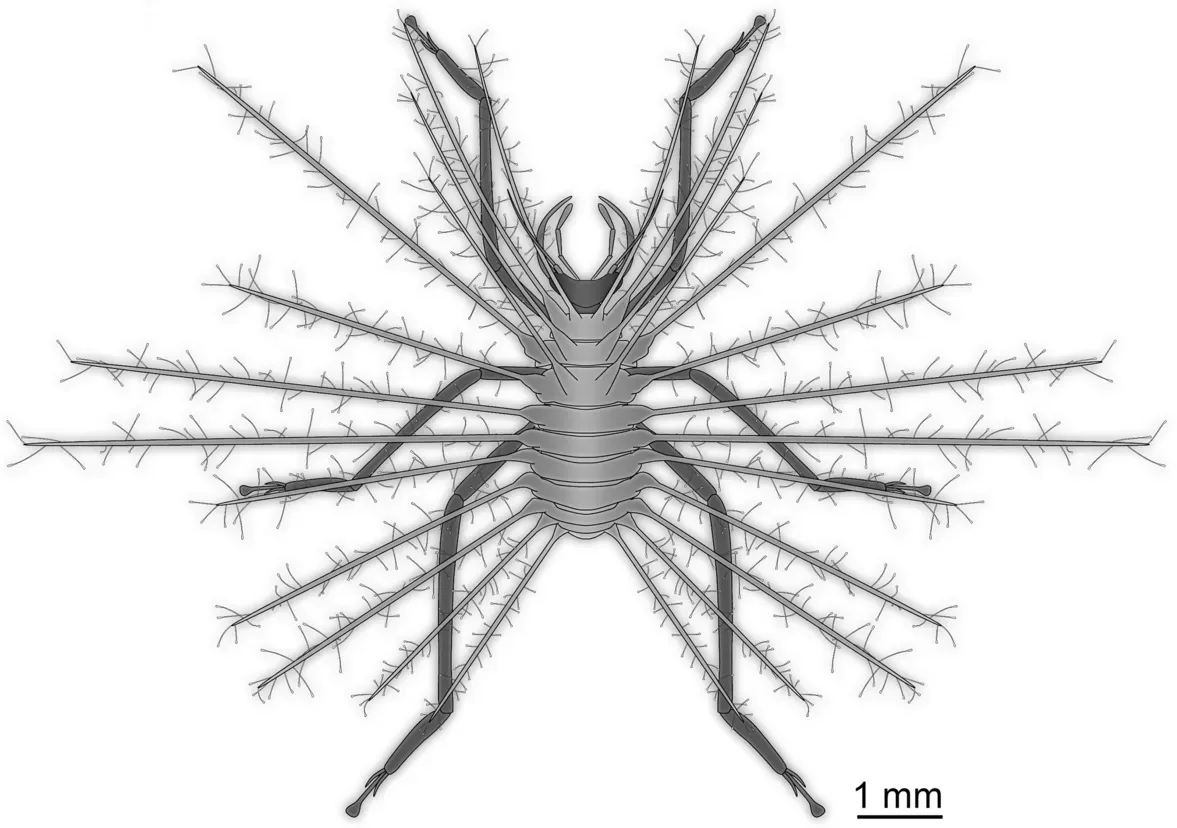
An insect larva covered by plant remains that lived in the Early Cretaceous, about 110 million years ago, evidences the most ancient known insect camouflage. This tiny predator, barely four millimeters long, developed a survival strategy that would make modern survivalists jealous.
The fossil was a predatory larva of the order Neuroptera, covered by a tangle of filamentous plant remains that it collected with its jaws to form a defensive shield and camouflage itself. Think about it. This creature literally decorated itself with debris from its surroundings, creating a wearable disguise. This survival strategy, sometimes called trash carrying, is observed in current species to render them nearly undetectable to predators and prey. The level of sophistication here is honestly surprising for something so ancient.
Borealopelta Markmitchelli: The Armored Giant That Still Needed to Hide
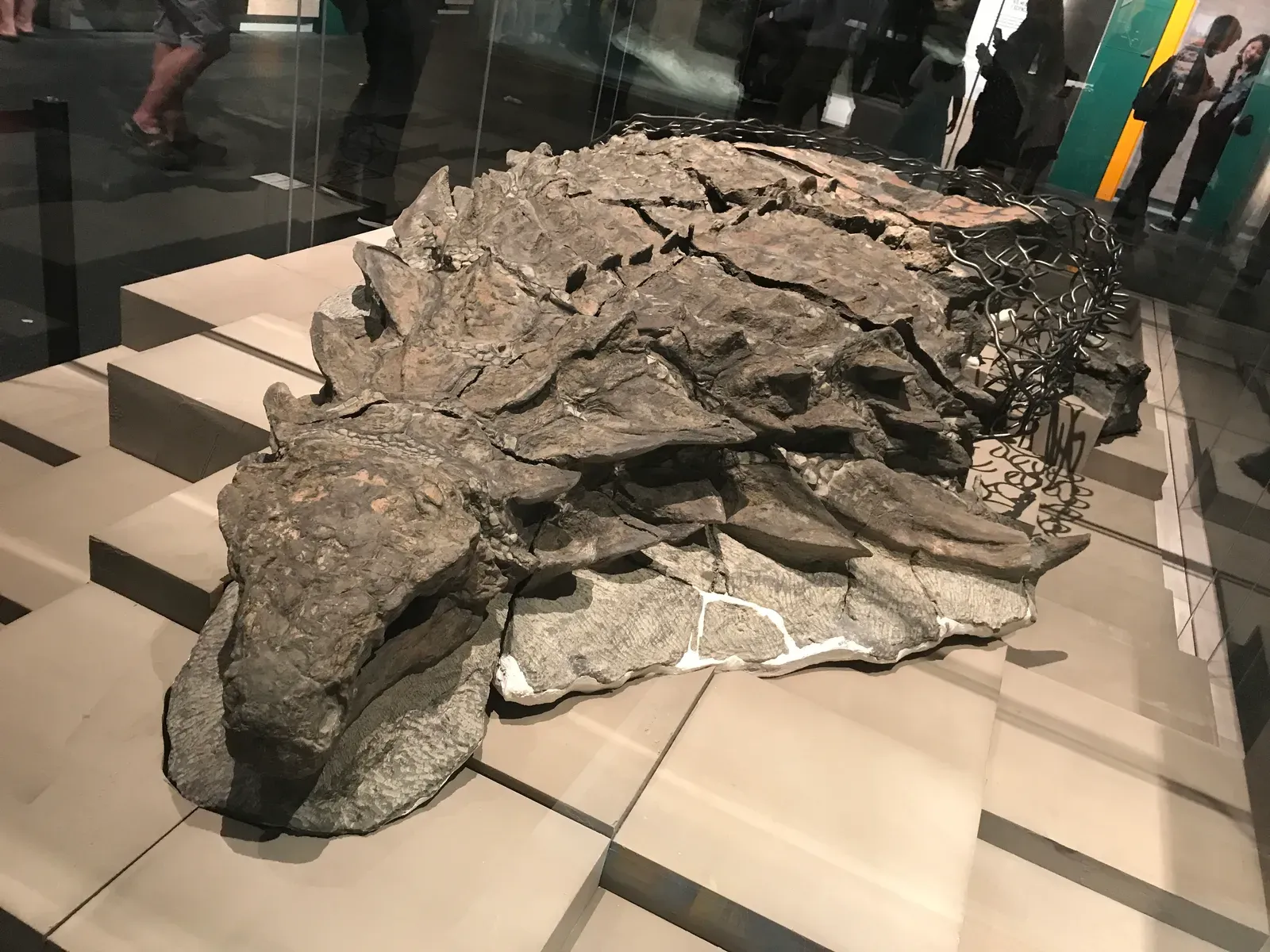
You would think a creature weighing over a ton with heavy armor plating wouldn’t need camouflage. Yet the 1300-kilogram Borealopelta markmitchelli, which roamed North America more than a hundred million years ago, may have used camouflage to hide from its enemies. This challenges everything we thought we knew about large dinosaurs.
The variation in color would have been effective camouflage, keeping the animal’s top half darker even in direct sunlight, allowing it to blend in with the ground. If Borealopelta was indeed camouflaged, it would significantly change thinking about prey-predator dynamics in the time of dinosaurs, since large attack-proof animals like elephants and rhinos today do not use camouflaging. The fact that such a massive, armored beast needed to hide speaks volumes about the predators it faced.
Sinosauropteryx: The Bandit-Masked Hunter
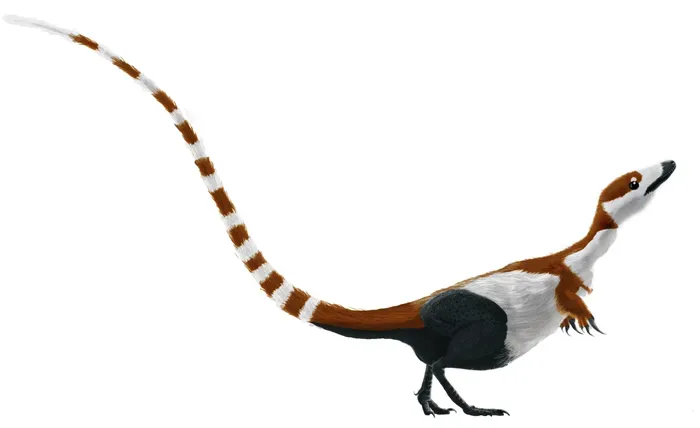
This carnivorous dinosaur lived in what is now eastern China during the Early Cretaceous period, and since it lived in open areas as well as some forests, its bandit mask marking reduced glare, giving it a clearer line of sight. The dark facial markings weren’t just for show.
Dark markings around the eyes helped break up natural facial lines, increased intraspecies recognition, and reduced glare from the sun, making it easier for dinosaurs and modern animals to see the world around them. Modern raccoons wear similar masks for comparable reasons. It’s almost poetic how evolution recycled the same brilliant design millions of years apart. This feature gave Sinosauropteryx a genuine hunting advantage in varied lighting conditions.
Cambrian Brachiopods: Ancient Imposters
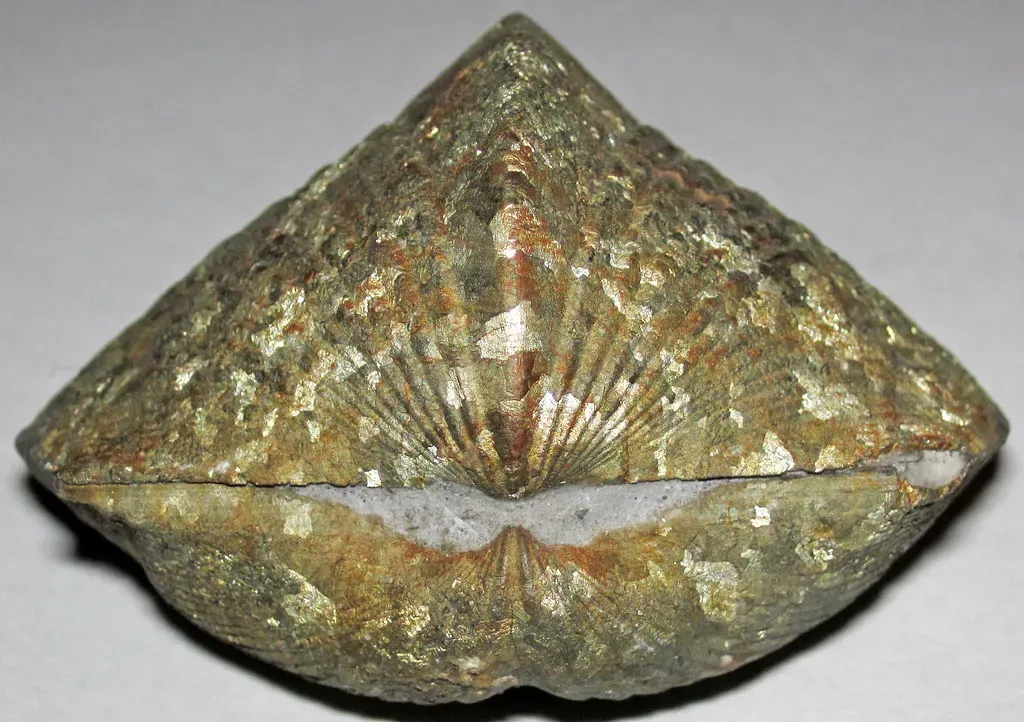
During the Cambrian period, a species of brachiopod, which were clam-like marine animals, mimicked the appearance of a foul-tasting sponge to trick predators. This marks one of the earliest known examples of mimicry in the fossil record, dating back over 500 million years.
These small marine creatures essentially wore a costume that screamed “I taste terrible” to any would-be predator swimming by. The strategy was simple but devastatingly effective. By copying the appearance of something genuinely unpalatable, these brachiopods avoided becoming lunch. Let’s be real, pretending to be something disgusting is a survival tactic that clearly works, considering these creatures thrived during one of the most explosive periods of animal evolution.
Meganeura: The Dragonfly That Ruled the Skies
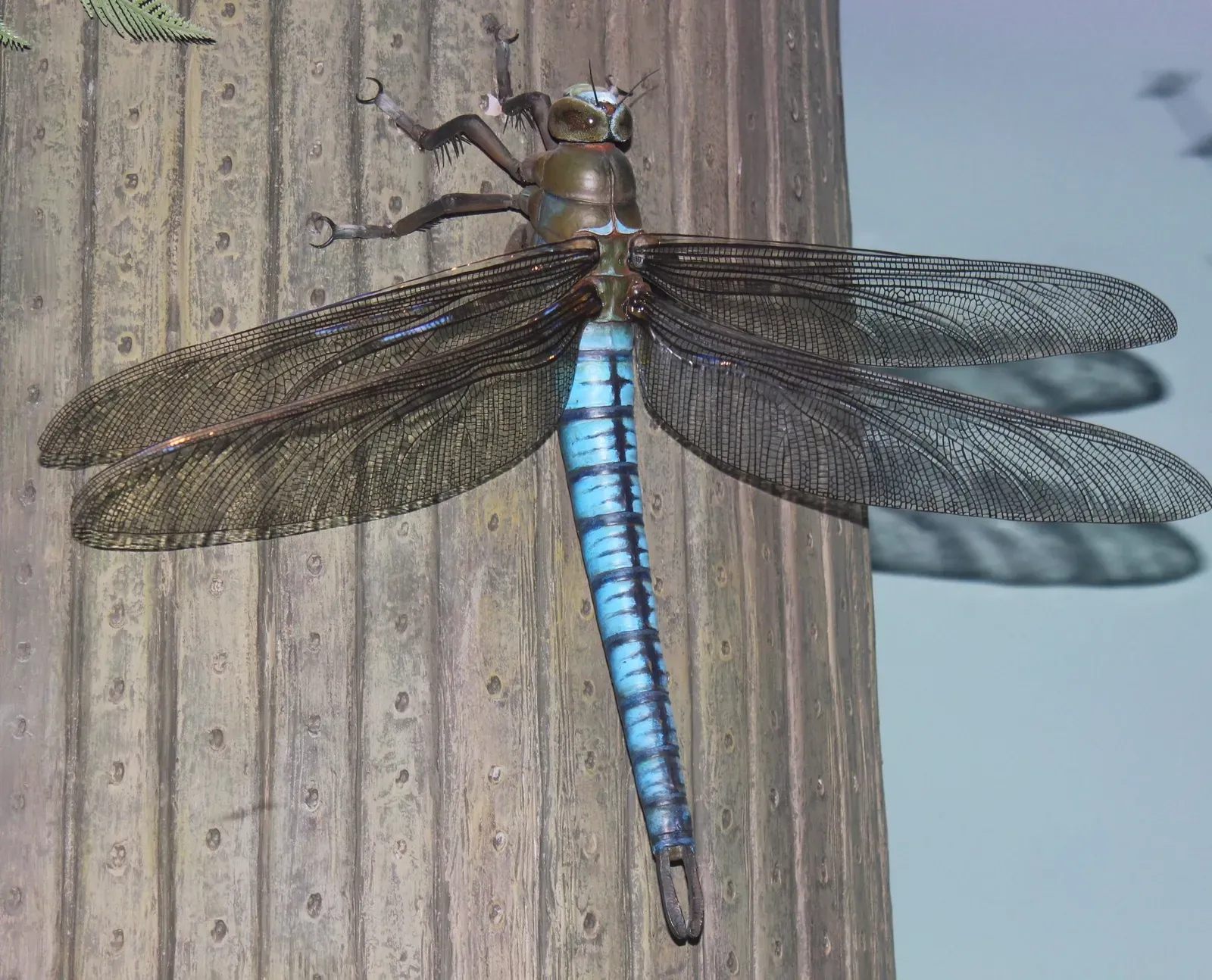
Fossil records show that a giant dragonfly from the genus Meganeura Monyi had a wingspan of up to 28 inches and fed off smaller insects, likely living in open areas that allowed the wings to stretch while growing oversized eyes to hawk its prey and use spine-like legs to capture it. This wasn’t just a big insect. It was an apex predator of its time.
The giant insects really got going during the Devonian Period and Carboniferous Period more than 300 million years ago, when Earth hosted many more trees and plants that released oxygen. While Meganeura didn’t use traditional camouflage, its predatory success came from superior vision and ambush tactics. Those massive eyes could spot movement from incredible distances, giving prey almost no chance of escape once targeted.
Trilobites: The Hide-and-Seek Champions
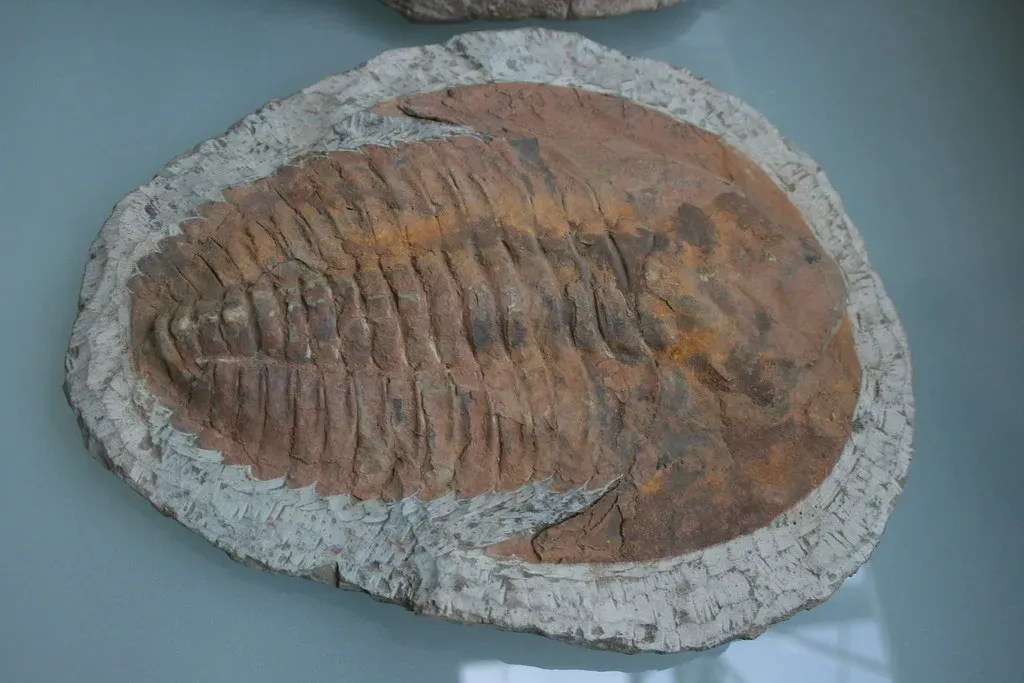
Fossil evidence shows that early Cambrian animals like trilobites had compound eyes, which meant they could detect shapes and motion. These ancient marine arthropods didn’t just see the world around them; they understood how to disappear within it.
Trilobites are extinct marine animals that were around about 540 million years ago, and researchers have found trilobite fossils in tight spaces where they might have been hiding from predators. They sought out cracks, crevices, and shadowed areas on the seafloor where their segmented bodies could press flat against the rock. Their strategy combined behavioral camouflage with body morphology that helped them vanish into their surroundings. I know it sounds crazy, but these creatures were playing hide-and-seek hundreds of millions of years before we invented the game.
Mystery Magnetofossil Creatures: Navigators Using Earth’s Hidden Forces
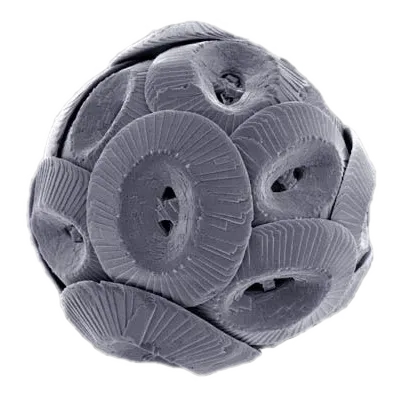
Scientists have uncovered what appears to be the oldest direct evidence of creatures using Earth’s magnetic field to orient themselves, dating back roughly 97 million years to the age of dinosaurs. While not traditional camouflage, this sensory deception allowed creatures to navigate with precision.
These magnetofossils, chains of magnetic crystals, bear the unmistakable structural signatures of the same biological compass that allows modern salmon, sea turtles and migratory birds to cross oceans with uncanny precision. However, the identity of this creature remains a mystery. The ability to sense magnetic fields gave these organisms a hidden advantage, essentially reading invisible maps that predators couldn’t detect. This kind of deception operated on a completely different level from visual camouflage.
Ancient Lacewing Larvae: Masters of Debris Decoration
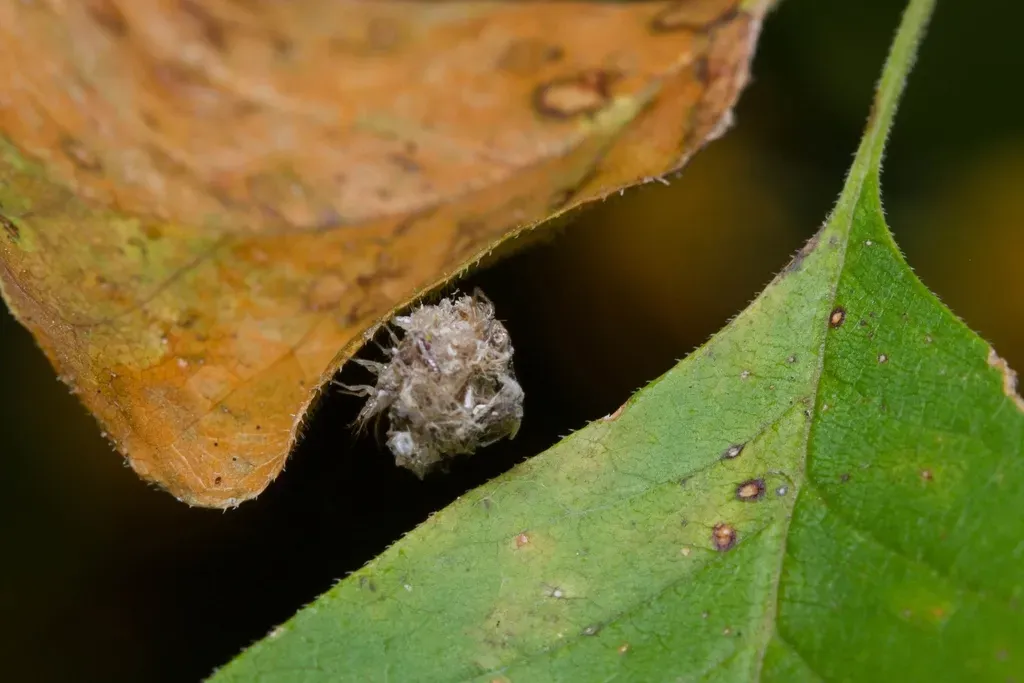
The prehistoric lacewing larvae took camouflage to an artistic level that modern insects still practice today. These tiny predators understood that the best disguise isn’t just blending in but actually becoming part of the scenery.
Similar to Hallucinochrysa diogenesi, various lacewing species throughout prehistoric times collected bits of plant material, dead prey exoskeletons, and environmental debris to construct elaborate costumes. They attached these materials to specialized hairs on their backs, creating three-dimensional camouflage that fooled both predators and prey. Here’s the thing: this wasn’t random decoration. Each piece was carefully selected and positioned to match the specific environment where the larva hunted. Some modern lacewing larvae still use this exact technique, proving its effectiveness across millions of years.
Cretaceous Period Insects: The Original Copycats
Camouflage strategy and its necessary morphological adaptations early appeared in insects and already existed in the era of the dinosaurs. The Cretaceous period was essentially an evolutionary laboratory where insects perfected the art of disguise.
During this time, insects developed remarkable abilities to mimic leaves, twigs, bark, and even bird droppings. Stick insects are the classic example, with elongated bodies and jointed legs that look exactly like twigs, and some even sway in the breeze, mimicking the motion of branches. The fossil record from this period shows that these deceptive strategies emerged alongside the rise of predatory dinosaurs and early birds. Insects essentially engaged in an arms race with their predators, developing increasingly sophisticated disguises as hunters evolved better detection abilities.
Conclusion
The prehistoric world was far more complex and clever than we often imagine. These ten creatures prove that survival has always demanded creativity, adaptation, and sometimes outright trickery. From tiny insects wearing trash as armor to massive dinosaurs hiding in plain sight despite their size, the fossil record reveals an ancient world where deception was currency and camouflage meant life.
What strikes me most is how many of these strategies still exist today in modified forms. Evolution clearly found winning formulas millions of years ago and kept refining them. The next time you spot a modern insect camouflaged against tree bark or watch a documentary about countershaded animals, remember that you’re witnessing survival techniques perfected long before humans existed. Which of these ancient masters of disguise surprises you the most? The armored giant that still needed to hide, or the tiny larva that invented wearable camouflage?