Have you ever wondered how the very first spark of life ignited on our planet? It’s the ultimate mystery, really. Here we are, billions of years removed from whatever happened on primitive Earth, trying to piece together how non-living chemicals somehow crossed that invisible threshold into living organisms. Think about it: at some point, lifeless molecules began to organize, replicate, and evolve.
The origin of life on Earth stands as one of the great mysteries of science. While scientists have discovered clues in ancient rocks and experimental laboratories, there is no single generally accepted model for the origin of life. Yet across disciplines from chemistry to geology to astrobiology, researchers have developed compelling theories about where and how this transition might have occurred. Let’s be real: we may never know with absolute certainty what happened roughly four billion years ago. Still, these eight theories offer fascinating glimpses into the possible pathways that led to you reading these words right now.
The Primordial Soup: Lightning Strikes and Chemical Magic
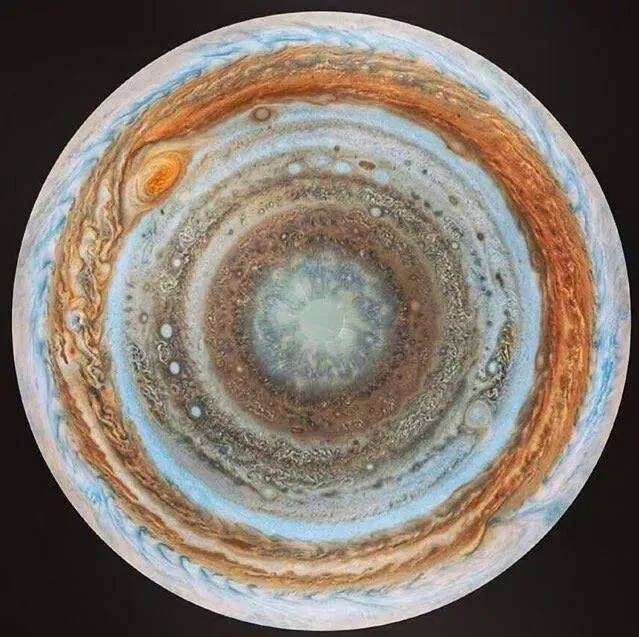
Picture Earth around four billion years ago. The primordial soup is the hypothetical set of conditions present on the Earth around 3.7 to 4.0 billion years ago, an aspect of the heterotrophic theory concerning the origin of life, first proposed by Alexander Oparin in 1924, and J. B. S. Haldane in 1929. The basic idea seems almost poetic in its simplicity: life emerged from a rich broth of organic molecules floating in Earth’s ancient oceans.
Here’s the thing: Stanley Miller and Harold Urey performed a famous experiment that injected ammonia, methane and water vapor into an enclosed glass container to simulate what were believed to be the conditions of Earth’s early atmosphere, then passed electrical sparks through the container to simulate lightning. Amino acids, the building blocks of proteins, soon formed, and Miller and Urey realized that this process could have paved the way for the molecules needed to produce life. The experiment electrified the scientific world.
Scientists now believe that Earth’s early atmosphere had a different chemical makeup from Miller and Urey’s recipe, though the experiment gave rise to a new scientific field called prebiotic or abiotic chemistry. Think of it like discovering that your grandmother’s famous recipe isn’t quite how she originally made it, yet it still taught you fundamental cooking techniques. The principles remain sound even if the exact ingredients have been revised over time.
The RNA World: When Genetic Material Came First
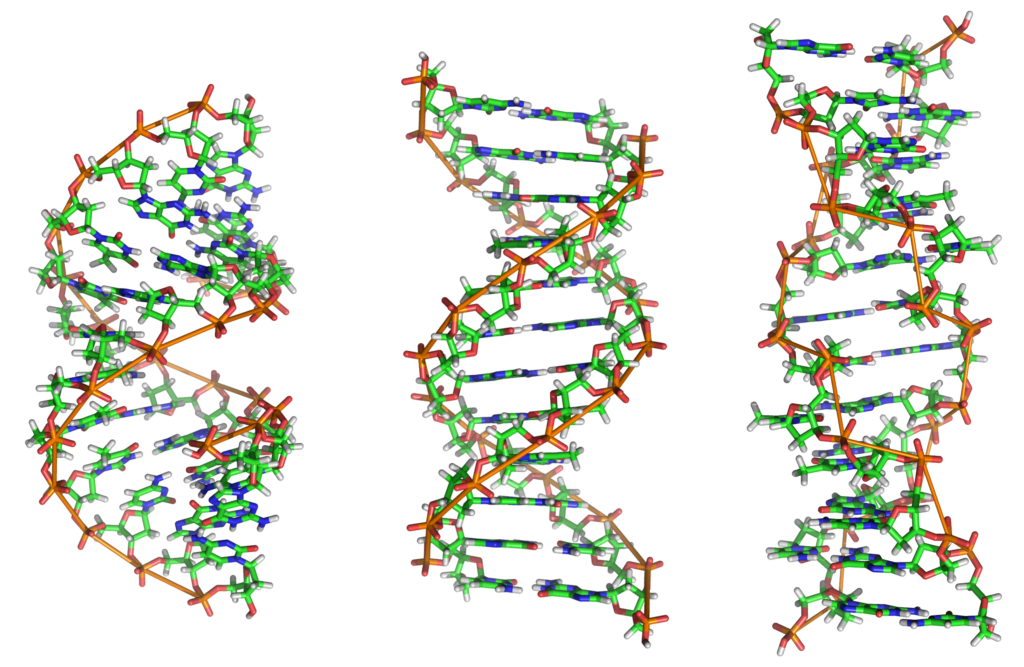
The RNA world is a hypothetical stage in the evolutionary history of life on Earth in which self-replicating RNA molecules proliferated before the evolution of DNA and proteins. Alexander Rich first proposed the concept in 1962, and Walter Gilbert coined the term in 1986. It’s an elegant solution to a chicken-and-egg problem that plagued origin-of-life researchers for decades.
Modern life depends on three interconnected systems: DNA stores genetic information, RNA carries messages, and proteins do most of the cellular work. This system involves three distinct types of interdependent macromolecules, none of which can function and reproduce without the others, suggesting that life could not have arisen in its current form. Enter RNA: a molecule that can both store information and catalyze chemical reactions.
Electrical discharges in the earth’s atmosphere helped form ribonucleotides and other energy-rich molecules in the primordial soup, which polymerized into RNA molecules with catalytic capability. Then, natural selection gave rise to more complex RNA with diverse abilities and larger genomes. Eventually these RNA molecules built proteins from amino acids and outsourced their genetic storage to the more stable DNA molecule. Honestly, it’s like watching evolution happen in fast-forward when you think about it.
Deep-Sea Hydrothermal Vents: Life from the Ocean Floor
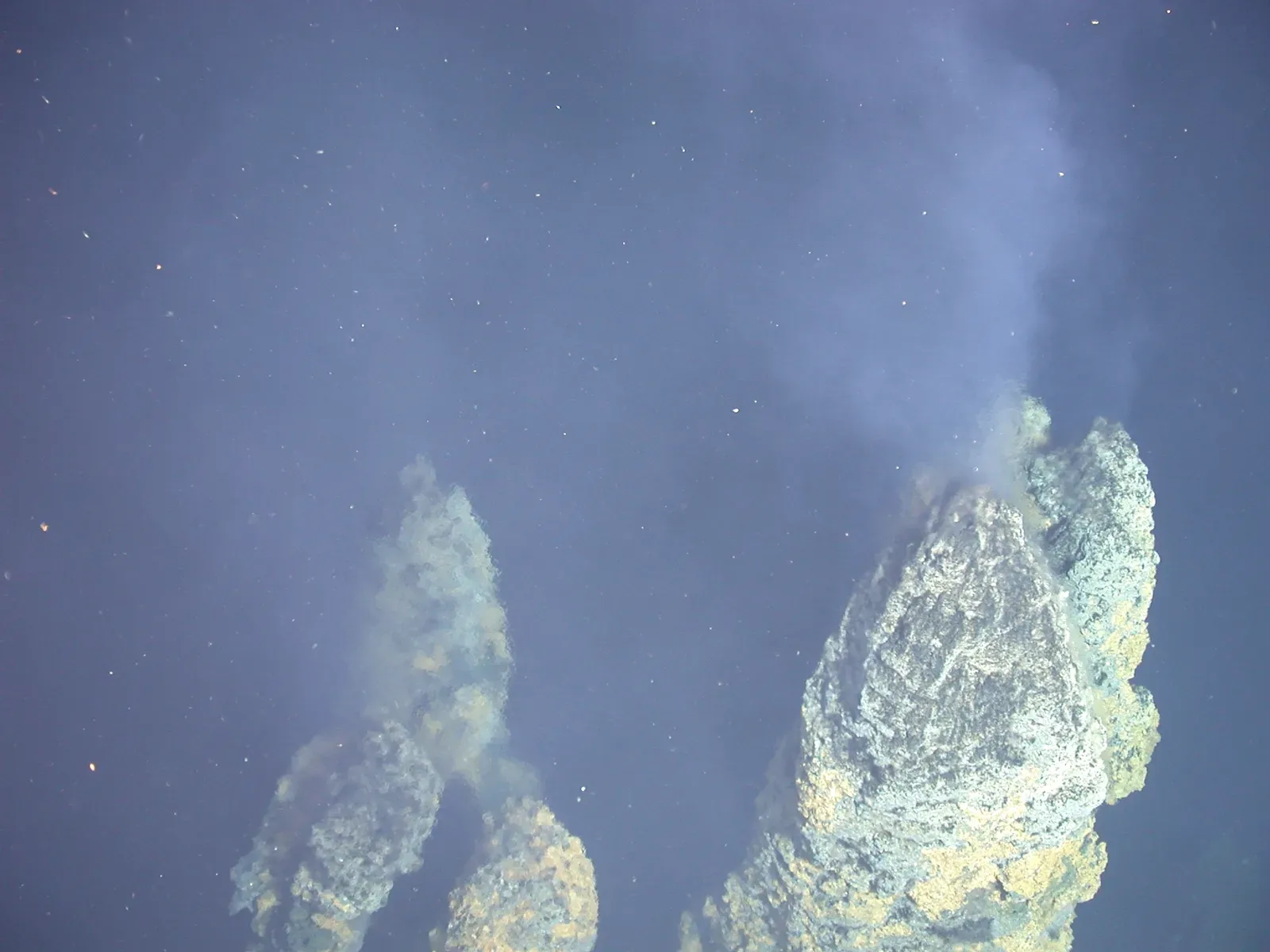
Imagine pitch-black water, crushing pressure, and superheated chemical-rich fluids spewing from cracks in the ocean floor. Sounds like the last place you’d expect life to begin, right? These vents, rich in chemical and thermal energy, sustain vibrant ecosystems, and abiogenesis by way of hydrothermal vents continues to be investigated as a plausible cause of life on Earth.
The submarine hydrothermal vent hypothesis states that chemical energy available in submarine hydrothermal vents supported the formation of organic compounds and initiated primitive metabolic pathways which became incorporated in the earliest cells. Geochemist Michael Russell suggested a mechanism by which life could have started at alkaline vents when alkaline vent water mixes with more acidic seawater.
Carbon fixation by reaction of CO2 with H2S via iron-sulfur chemistry is favorable at neutral pH and 100 °C, and iron-sulfur surfaces can drive the production of small amounts of amino acids and other biomolecules. In 2019, scientists successfully created protocells under similar hot, alkaline environmental conditions to hydrothermal vents. The microscopic pores in the vent chimneys might have even served as natural compartments, proto-cells before actual cells existed.
Panspermia: Did Life Hitch a Ride from Space?
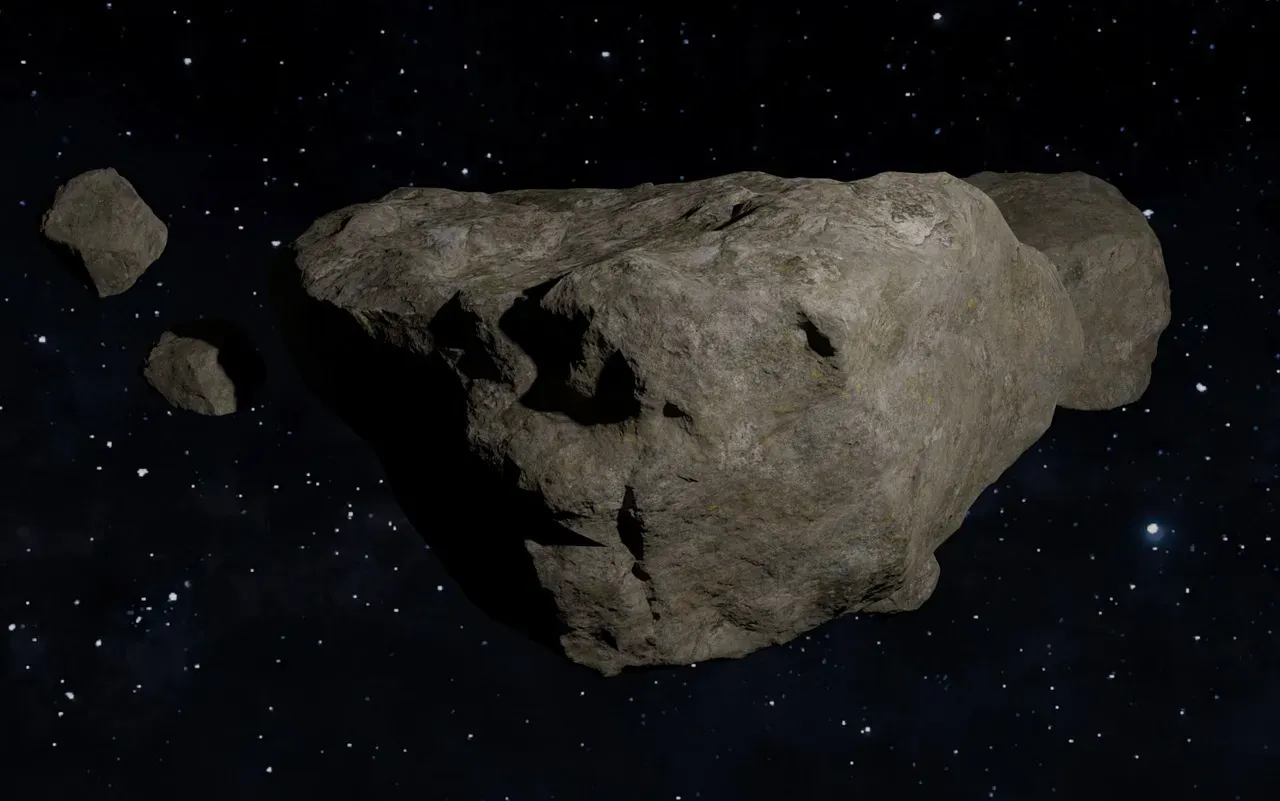
Let’s get a little sci-fi here, though this theory is taken seriously by many scientists. Panspermia is the hypothesis that life exists throughout the universe, distributed by meteoroids, asteroids, comets and planetoids. It does not attempt to explain how life originated, but shifts the origin to another heavenly body. Essentially, the building blocks of life – or even primitive organisms themselves – might have crash-landed on Earth from elsewhere in the cosmos.
Amino acids, as well as some of the other key building blocks of life such as carbon and water, may have been brought to early Earth from outer space. Comets and meteorites have been found to contain some of the same organic building blocks of life. Evidence finds some support in studies of Martian meteorites found in Antarctica and of extremophile microbes’ survival in outer space tests.
I know it sounds crazy, but some organisms on Earth can already survive extreme conditions that would kill most life forms instantly. Terrestrial bacteria, particularly Deinococcus radiodurans, could survive for at least three years in outer space. Still, panspermia doesn’t solve the ultimate question – it just moves the mystery to a different location. Somewhere, somehow, life still had to emerge from non-life. Whether that happened here or on a distant planet remains the puzzle.
The Iron-Sulfur World: Metabolism on Mineral Surfaces
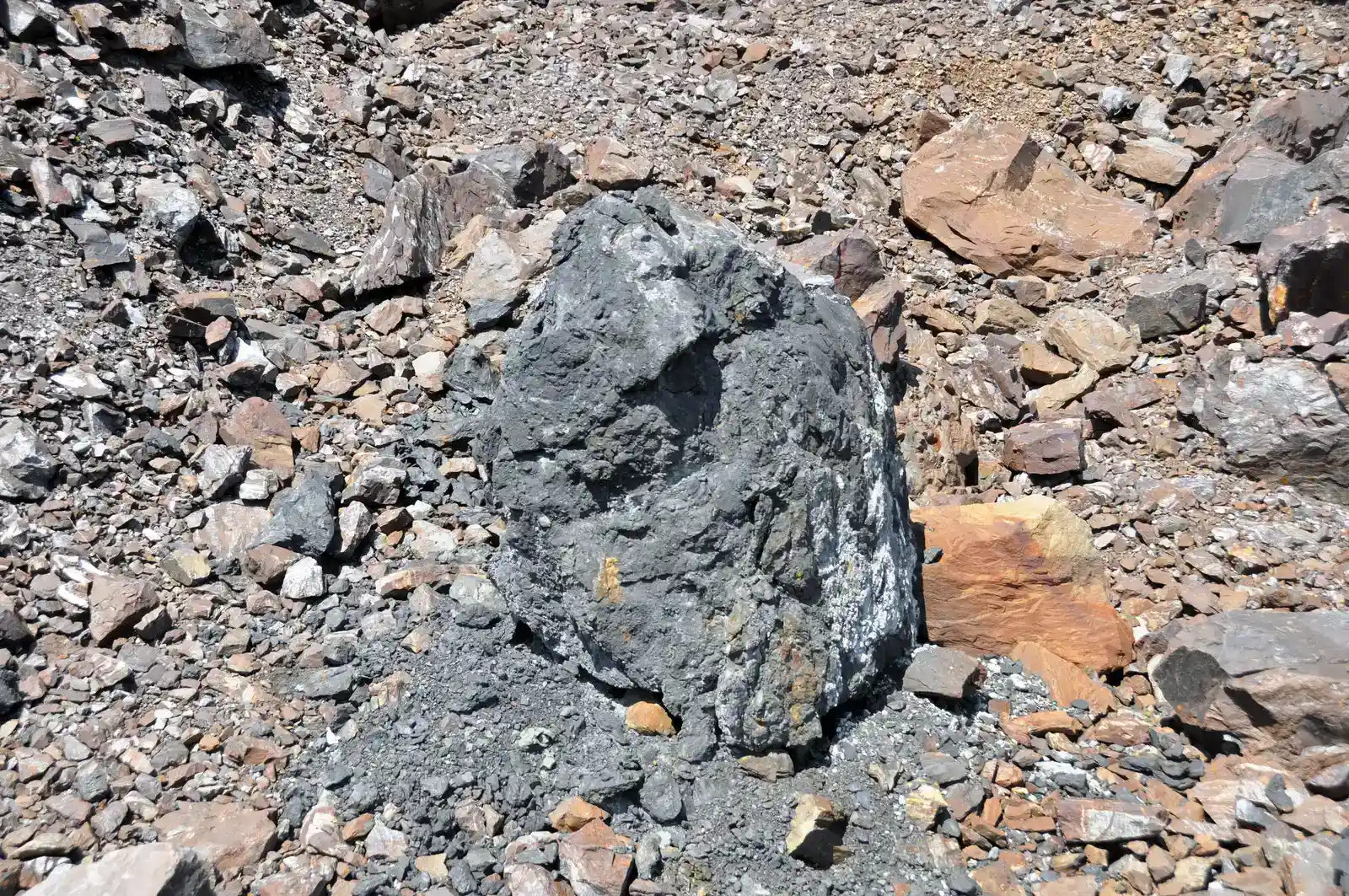
The iron-sulfur world hypothesis proposes that early life may have formed on the surface of iron sulfide minerals, developed by retrodiction from extant biochemistry in conjunction with chemical experiments. Günter Wächtershäuser, a Munich chemist and patent lawyer, advanced this theory, proposing that an early form of metabolism predated genetics.
The catalytic centers catalyzed autotrophic carbon fixation pathways generating small molecule organic compounds from inorganic gases like carbon monoxide, carbon dioxide, and hydrogen sulfide. These organic compounds were retained on or in the mineral base as organic ligands. Think of these mineral surfaces as nature’s first laboratories, concentrating and organizing chemical reactions that would have been too diluted in open water.
In 1997, Wächtershäuser and Claudia Huber mixed carbon monoxide, hydrogen sulfide, nickel sulfide, and iron sulfide particles at 100°C and demonstrated that amino acids could form. The following year, using the same ingredients, they were able to produce peptides. The fascinating part is how modern enzymes still contain iron-sulfur clusters at their core, like molecular fossils pointing back to Earth’s earliest chemistry.
The Clay Hypothesis: Life Crystallizing on Mineral Templates
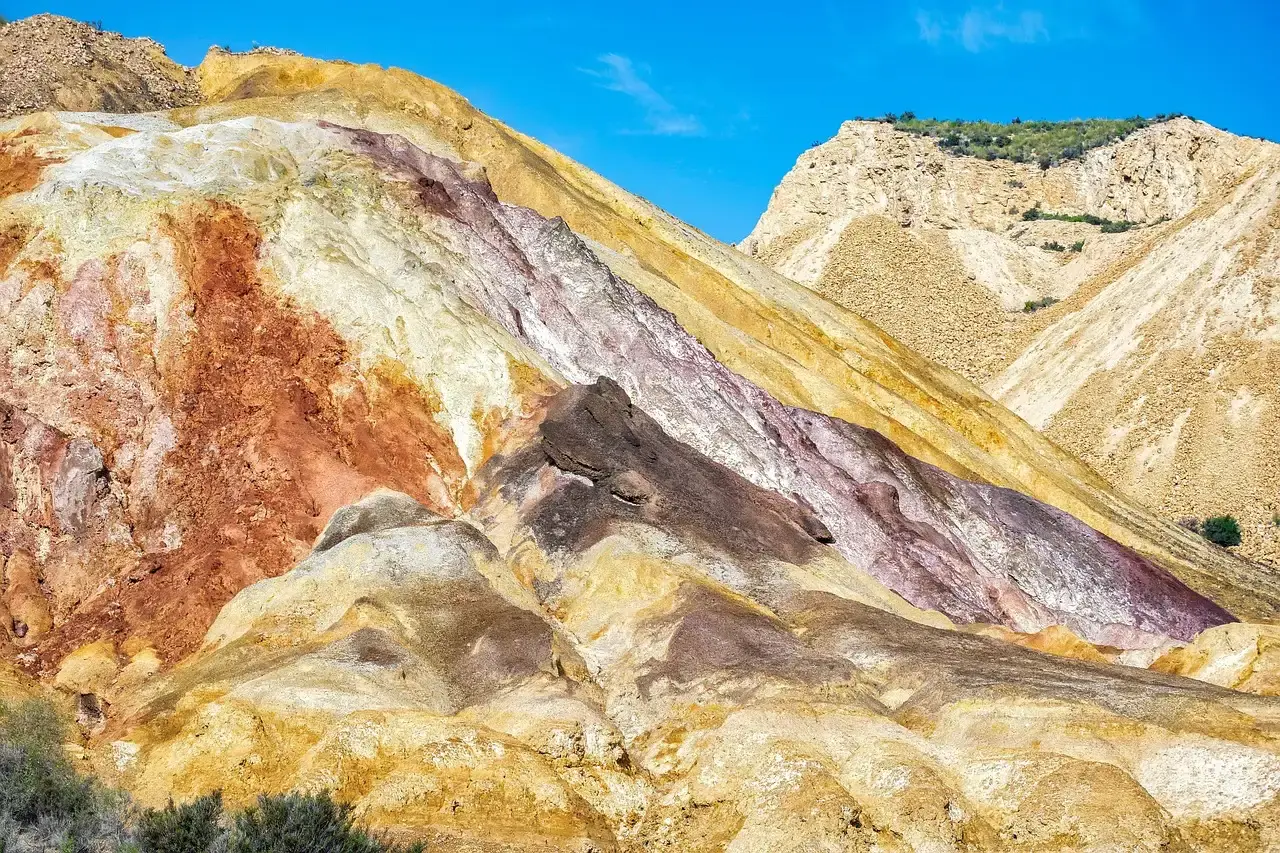
Clay minerals might seem like humble dirt, yet they possess remarkable properties. The clay hypothesis for the origin of life was proposed by Graham Cairns-Smith in 1985, postulating that complex organic molecules arose gradually on pre-existing, non-organic replication surfaces of silicate crystals in contact with an aqueous solution. It’s an unconventional idea that challenges our assumptions about what the first replicators looked like.
It was on the surfaces of iron minerals where the fixation of CO2 and N2 occurred, resulting in carboxylic acids, amino acids, sugars and bases. The clay mineral montmorillonite has been shown to catalyze the polymerization of RNA in aqueous solution from nucleotide monomers, and the formation of membranes from lipids. Clay particles could concentrate organic molecules, protect them from degradation, and even provide templates for their assembly.
Clays are full of irregularities of various sorts, and information might be encoded in the substitutions of one ion by another ion or by dislocations. Picture clay minerals as nature’s first hard drives, storing information not in digital bits but in the arrangement of atoms within crystal structures. Eventually, these mineral-based systems might have given way to the carbon-based life we know today.
The Lipid World: Fatty Bubbles as First Cells
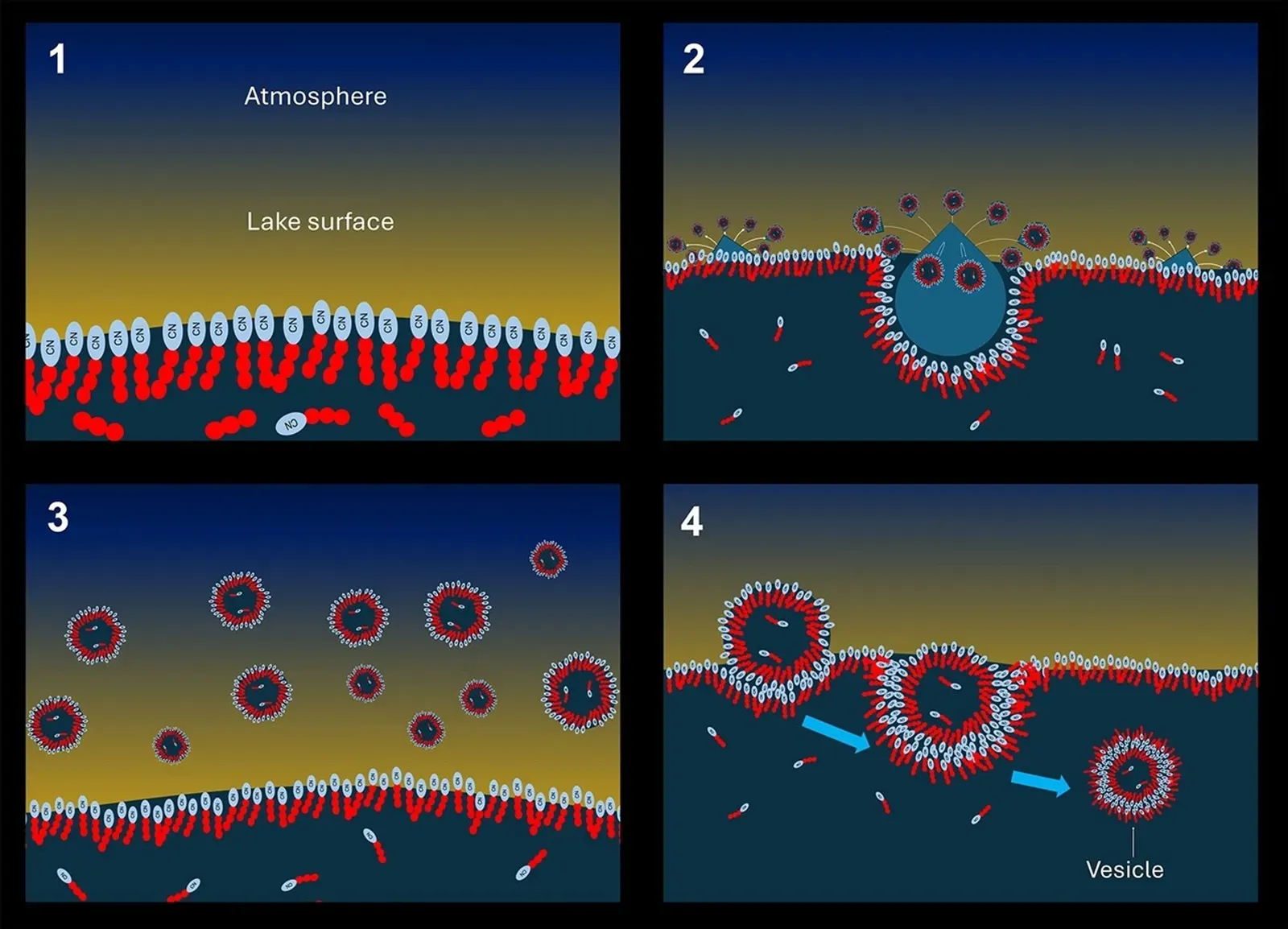
The lipid world theory postulates that the first self-replicating object was lipid-like. Every cell today is wrapped in a lipid membrane, a double layer of fatty molecules that separates the inside from the outside. What if membranes came first, before genetic material or proteins?
Phospholipids form lipid bilayers in water while under agitation. These molecules were not present on early Earth, but other membrane-forming amphiphilic long-chain molecules were. These bodies may expand by insertion of additional lipids, and may spontaneously split into two offspring of similar size and composition. It’s like watching cell division happen without any of the complex molecular machinery cells use today.
Catalytic networks within lipid micelles might have enabled self-reproduction, meaning micelles could reproduce themselves by a mechanism analogous to metabolism in living cells. Detailed analyses show attractor-like transitions from random assemblies to self-organized composomes, with negative entropy change, thus establishing composomes as dissipative systems – hallmarks of life. These lipid assemblies could have provided protective environments where more complex molecules like RNA eventually evolved.
Bioelectric Field Theory: The Spark That Organized Chemistry
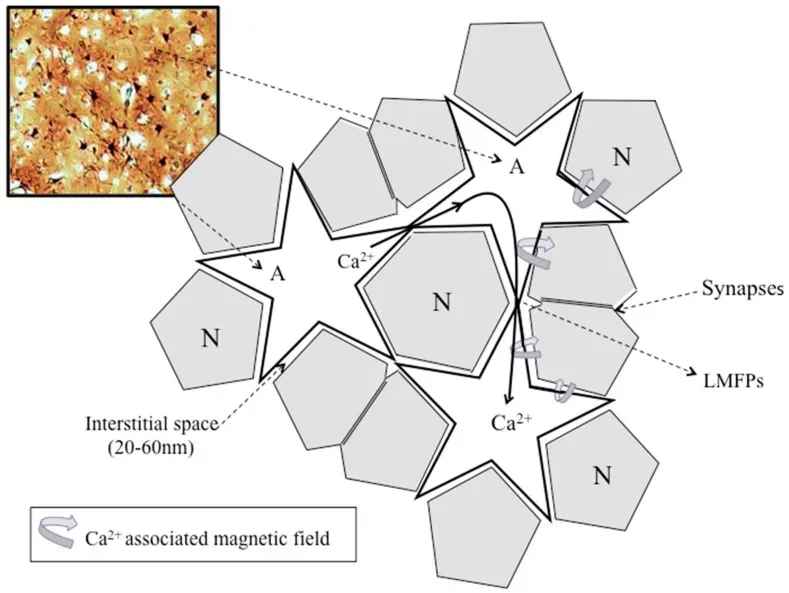
Here’s something you might not have considered: what if electrical fields played a crucial role in organizing the chemistry of early life? Leading theories tend to be chemistry-centric, revolving around either metabolism or information-containing polymers first. However, experimental data also suggest that bioelectricity and quantum effects play an important role in biology.
Conditions characterized by the movement of ions may have been present in alkaline thermal vents on the immediate post-Hadean earth resulting in large electrochemical potential. These fields could have been pivotal in organizing the chemicals and water present to form far from equilibrium dissipative structures that could have held information about the environment.
Think of it as nature’s first battery. When superheated alkaline vent water mixes with cooler and more acidic seawater, it creates a gradient similar to that in a battery with enough charge to allow catalytic metals in the vent water to fix CO2 into organic molecules. Modern cells still use proton gradients to generate energy, suggesting that this electrical aspect might trace back to the very beginning. It’s hard to say for sure, but the universality of bioelectricity across all life today hints at something fundamental.
Conclusion
So where does all this leave us? Standing on the shoulders of centuries of scientific inquiry, we’ve assembled eight compelling theories about life’s emergence on ancient Earth. From Miller and Urey’s electrified flasks to deep-sea vents spewing mineral-rich water, from space-faring meteorites to self-replicating RNA molecules, each theory offers a different window into that profound moment when chemistry became biology.
Here’s the thing, though: these theories aren’t necessarily mutually exclusive. Life’s origin might have involved elements from several of these scenarios. Perhaps organic molecules arrived from space and accumulated in hydrothermal vents, where clay minerals concentrated them and lipid membranes enclosed them, while RNA began storing information and bioelectric fields organized the whole process. The truth could be a fascinating synthesis of multiple pathways.
What strikes me most is how creative nature must have been. On a hostile, barren planet devoid of life, somehow chemistry found a way forward. Whether it happened in a warm tidal pool, a deep-sea vent, between layers of clay, or in a lipid bubble, that first successful protocell set in motion an unbroken chain of reproduction and evolution spanning billions of years. What do you think is the most likely scenario? The mystery continues to captivate scientists today, and who knows what discoveries tomorrow might bring.