Ever wonder why the ground suddenly shakes beneath your feet or why certain mountain ranges seem to scrape the sky? Here’s the thing: our planet carries scars and gifts from events that happened millions, even billions, of years ago. These ancient dramas don’t just live in the fossil record or geology textbooks.
They’re active forces that continue to mold our world right now. Think about it this way. The Earth you’re standing on isn’t some static rock floating through space. It’s a living archive of catastrophic collisions, shifting landmasses, and extinction events that nearly wiped out all life. What’s truly wild is that these prehistoric phenomena didn’t just reshape the planet once and disappear into history. They set processes in motion that are still unfolding today, influencing everything from where you can build a house to which species thrive in your backyard. So let’s dive in and explore five ancient events that refuse to stay in the past.
The Restless Dance of Plate Tectonics
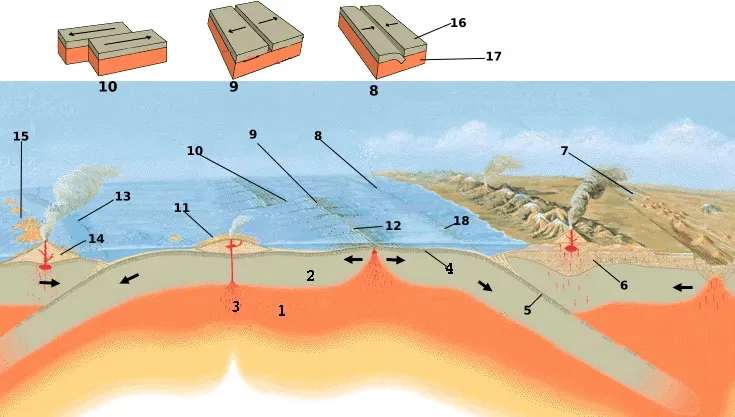
You might not feel it, but the continents beneath your feet are moving right now. The movement of tectonic plates helps explain many dramatic features we see today, from towering mountains and volcanic islands to undersea ridges and powerful earthquakes, shaping the landscape over millions of years. This isn’t some new geological quirk. The supercontinent Pangaea began to break up roughly 225 to 200 million years ago, eventually fragmenting into the continents we recognize today.
The movement of tectonic plates is likely caused by convection currents in the molten rock within Earth’s mantle below the crust, and earthquakes and volcanoes are the short-term results of this tectonic movement. Plate tectonics also explained how the movement creates volcanoes and earthquakes, and how the collision between continents gave rise to huge mountain ranges. Let’s be real, without this ancient continental breakup and the ongoing dance of these massive plates, the world map would look entirely different. The continents rest on massive slabs of rock called tectonic plates, and these plates are always moving and interacting in a process called plate tectonics.
Mass Extinctions That Rewrote Life’s Rulebook
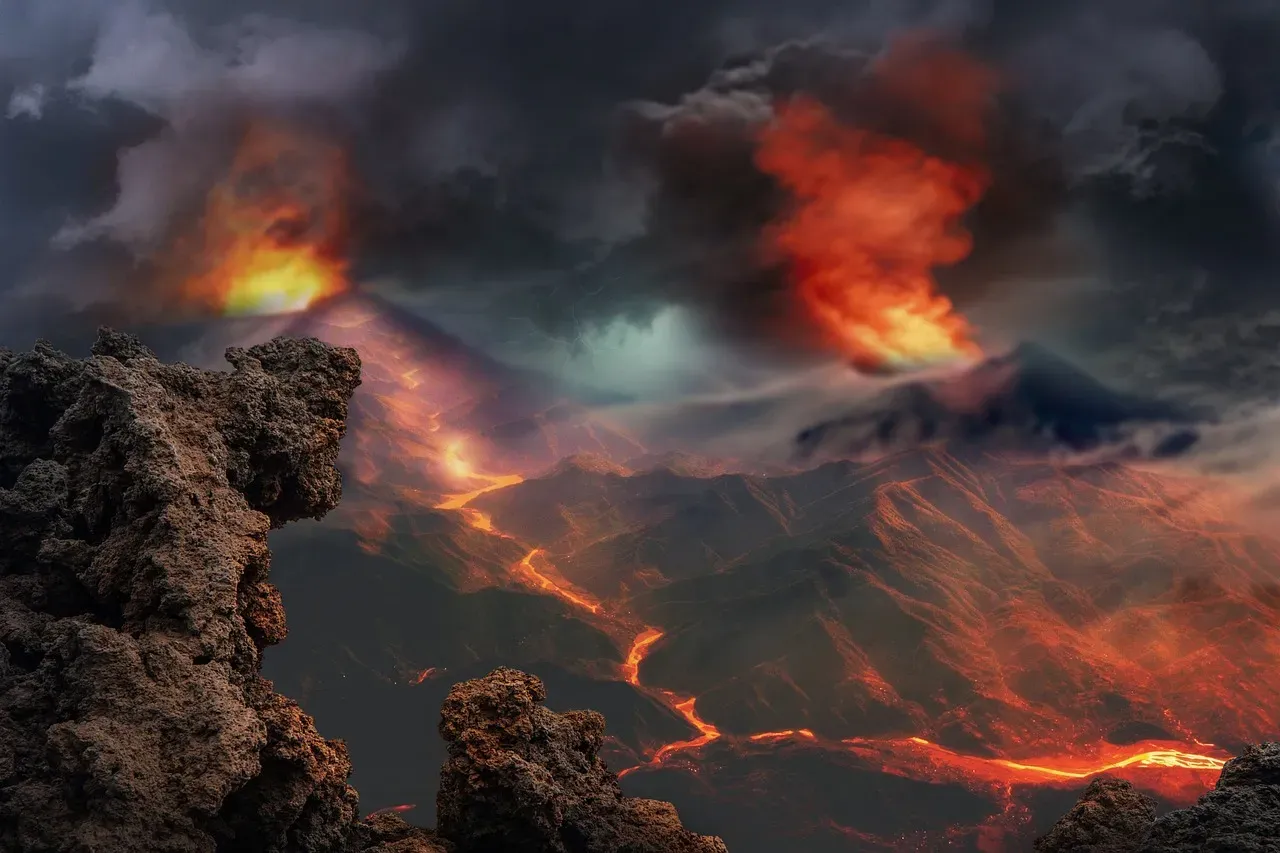
Life on Earth has faced some truly horrific moments. The Permian Age extinction around 250 million years ago is believed to have wiped 95 percent of life from the planet. That’s not a typo. Roughly ninety-five percent of everything that lived simply vanished. The Permian-Triassic Extinction was the largest mass extinction event in Earth’s history, affecting a range of species including many vertebrates.
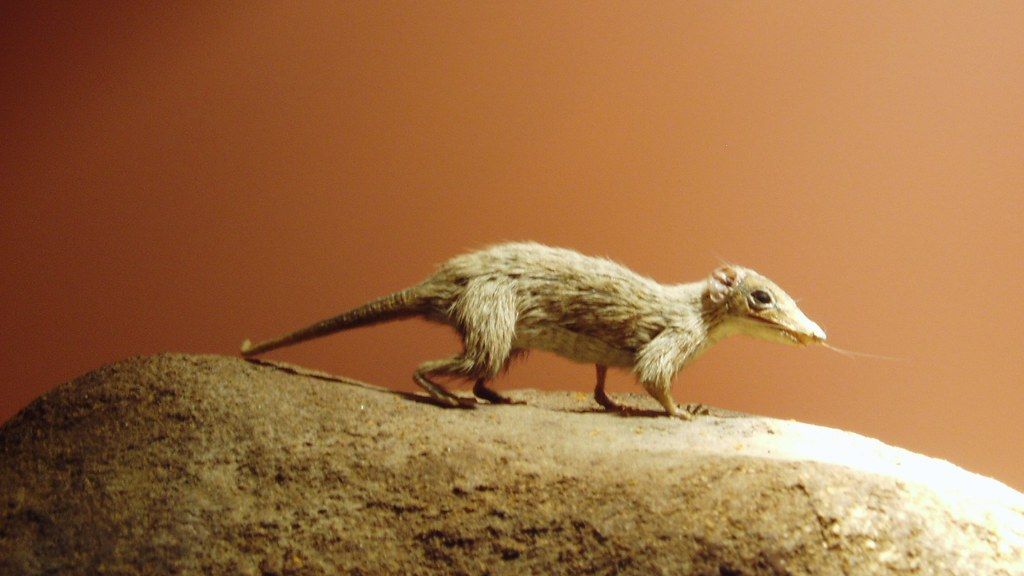
Here’s what most people don’t realize: these catastrophes didn’t just kill. Life bounced back rapidly after mass extinctions, with mammals recovering within 300,000 years after the asteroid impact and going on to evolve into horses, whales, bats and primate ancestors, while birds and fish experienced similarly rapid recovery and radiation. Although a mass extinction ended the dinosaurs, they only evolved in the first place because of mass extinction. Without that ancient Permian catastrophe, without the asteroid that ended the dinosaur reign, you and I wouldn’t be here contemplating any of this. The ecological vacuum left behind created space for mammals to experiment, evolve, and eventually dominate.
Ancient Asteroid Bombardments and Their Lasting Echoes
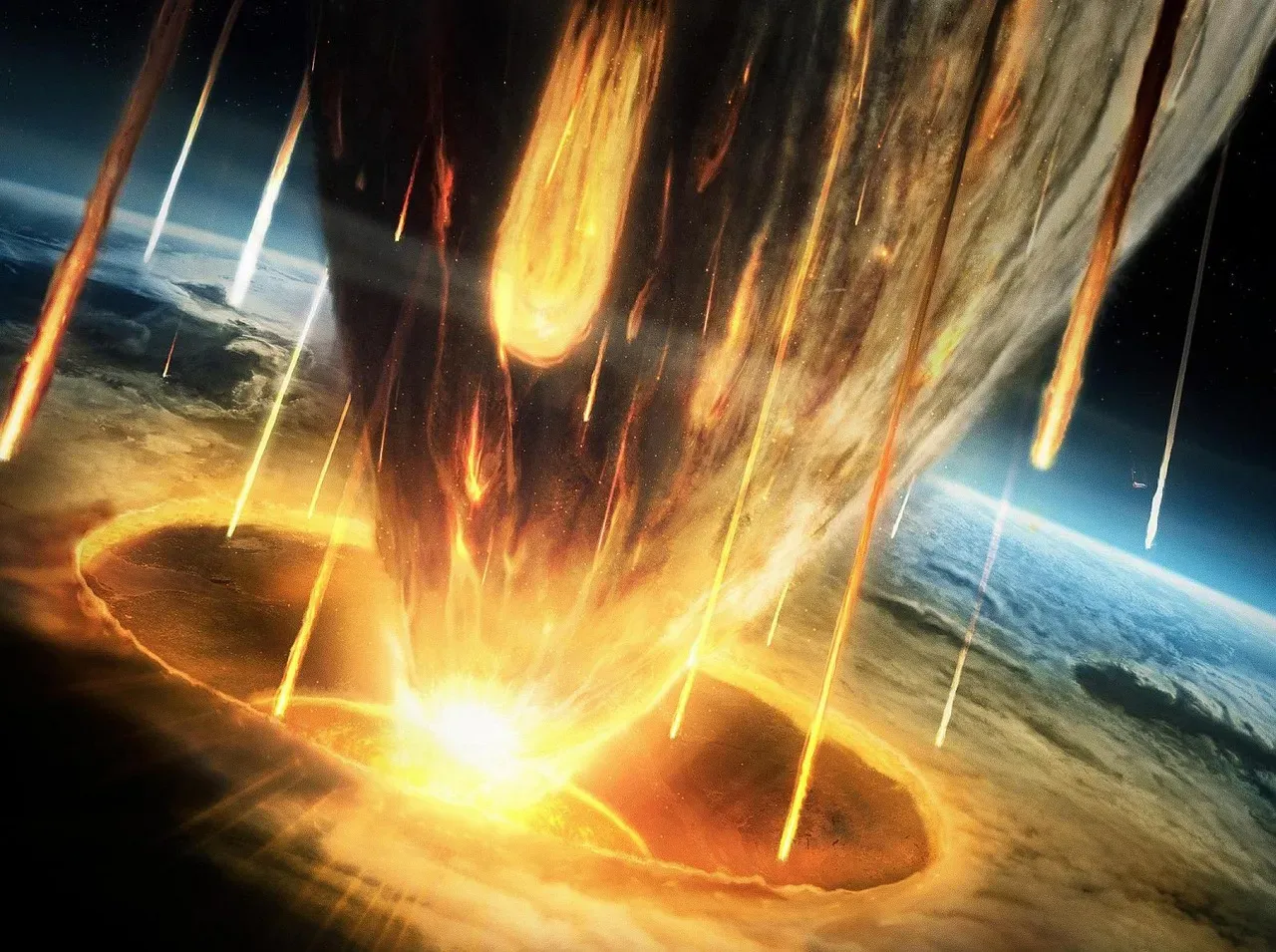
An extinction-level event wiped out up to 75 percent of all life on Earth during the Cretaceous Period. Sixty-six million years ago, a mountain-sized asteroid struck the tip of what’s now the Yucatán Peninsula with an impact so disastrous it wiped out 70 percent of all species on our planet, including most dinosaurs, carving a 120-mile-wide crater named Chicxulub. The aftermath is believed to have caused mass extinction and produced a worldwide blackout and freezing temperatures which persisted for at least a decade.
What’s fascinating is that not all impacts spelled doom. Research suggests that vastly greater and more ancient asteroid collisions also had an upside, giving Earth’s early biosphere a powerful boost. An asteroid that struck Earth 3.26 billion years ago during the Archean eon was 50 to 200 times larger than the dinosaur killer. Honestly, it’s hard to say for sure, but these ancient impacts might have stirred up nutrients, created new habitats, and jumpstarted evolutionary innovations that still influence biodiversity patterns today. During the last 600 million years, Earth has been struck by 60 objects of a diameter of five kilometers or more, with asteroids of one kilometer diameter striking every 500,000 years on average and large collisions with five-kilometer objects happening approximately once every twenty million years.
The Oxygen Revolution and Its Atmospheric Legacy
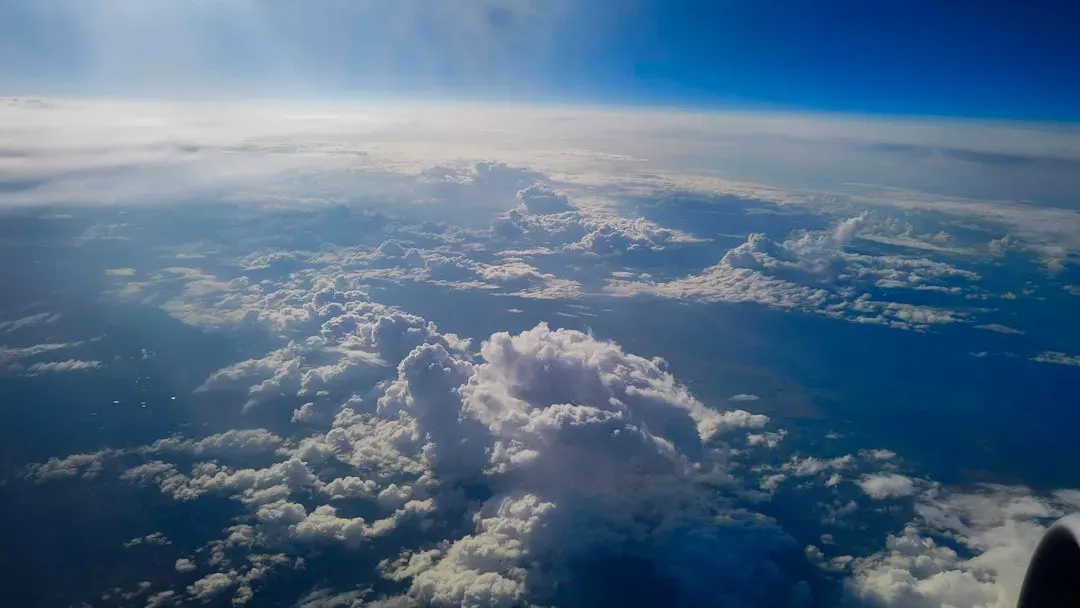
The combined metabolism of many cells over a vast time transformed Earth’s atmosphere to its current state, creating Earth’s third atmosphere. This wasn’t an overnight shift. Some oxygen was stimulated by solar ultraviolet radiation to form ozone, which collected near the upper atmosphere and absorbed ultraviolet radiation, allowing cells to colonize the surface of the ocean and eventually the land. Think about that for a moment. Without those ancient microbes pumping out oxygen as waste, complex life couldn’t exist.
During the Carboniferous period, sprawling rainforests acted as Earth’s lungs, drawing in carbon dioxide and breathing out masses of oxygen, and it’s thought there was five to ten percent more oxygen in the air during this time. That extra oxygen allowed giant insects and other bizarre creatures to thrive. While oxygen levels have since stabilized, the entire chemical balance of our atmosphere remains a direct inheritance from these prehistoric biological revolutions. We’re literally breathing the legacy of ancient lifeforms every single day.
Post-Glacial Rebound Still Lifting the Earth
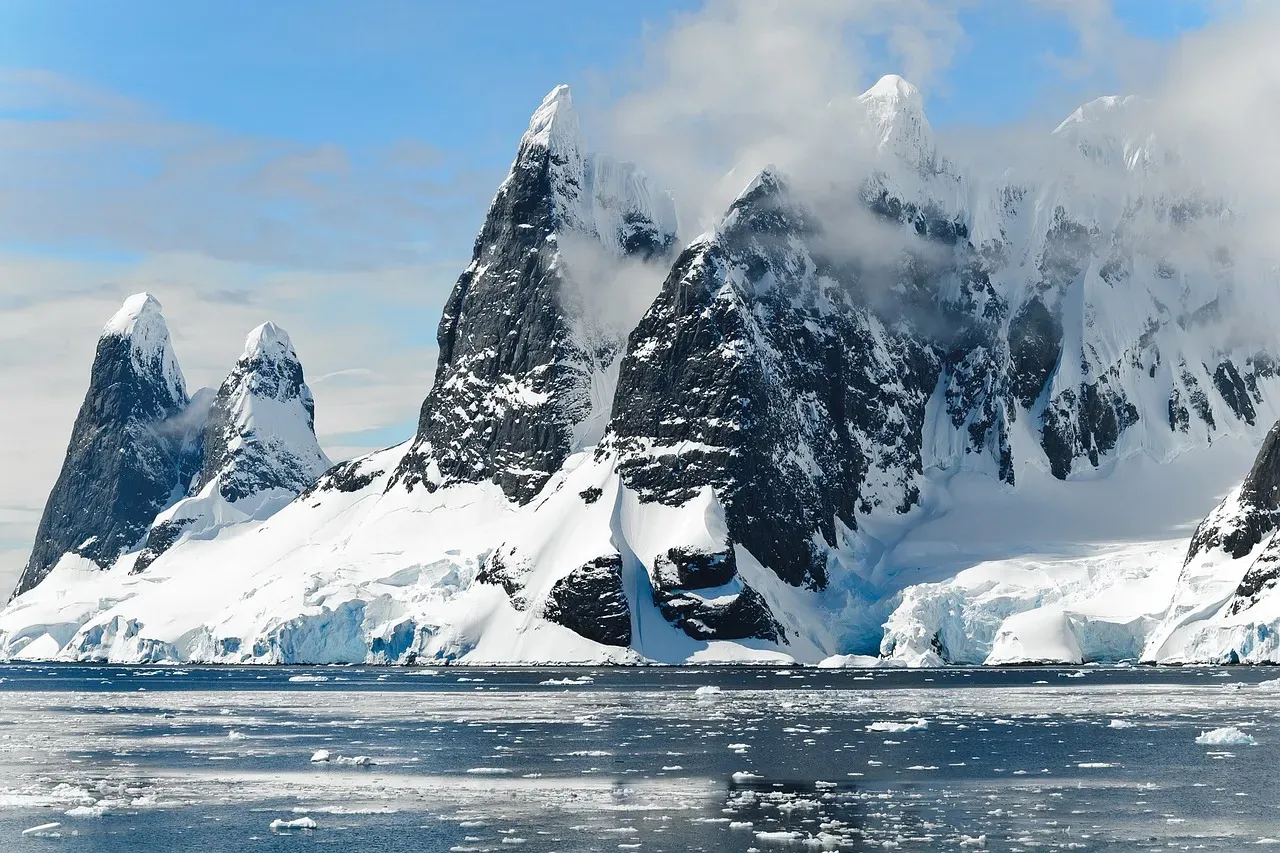
Many areas above about 40 degrees north latitude had been depressed by the weight of Pleistocene glaciers and rose as much as 180 meters over the late Pleistocene and Holocene, and are still rising today. Post-glacial rebound in Scandinavia resulted in the emergence of coastal areas around the Baltic Sea, including much of Finland, and the region continues to rise, still causing weak earthquakes across Northern Europe. Ice sheets weighing unimaginable amounts pressed down on the Earth’s crust like a thumb on soft dough.
When those glaciers melted, the land didn’t just snap back. It’s been slowly bouncing upward for thousands of years, and it’s not done yet. The sea level rise and temporary land depression allowed temporary marine incursions into areas that are now far from the sea, with Holocene marine fossils known from Vermont, Quebec, Ontario and Michigan. This ongoing geological rebound affects everything from coastal construction to earthquake risk. The weight of ancient ice continues to shape the physical geography of entire regions, proving that even the absence of something prehistoric can have powerful modern consequences.
Conclusion
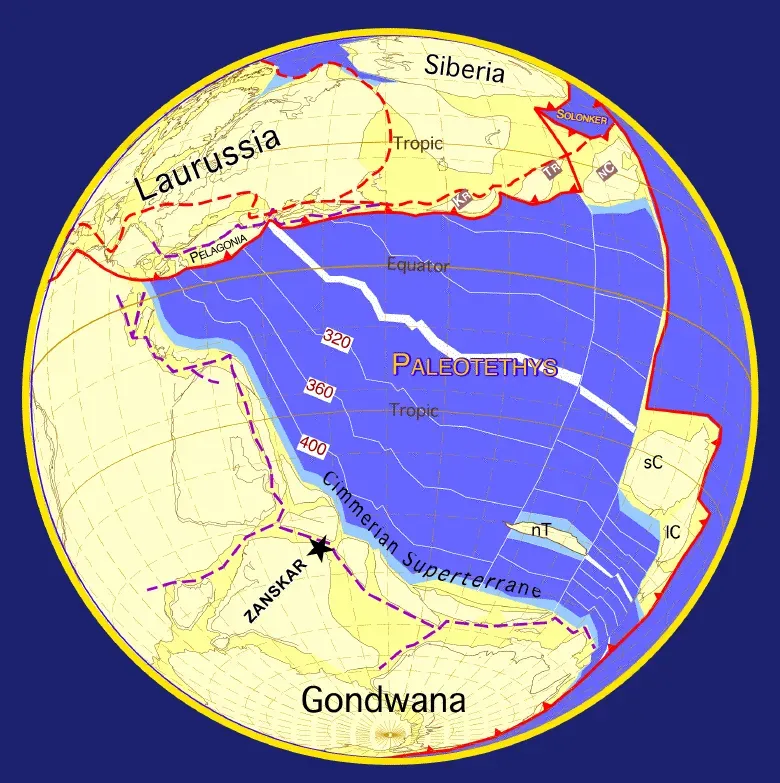
Looking back at these five phenomena, it’s clear the Earth never forgets. The theories of Continental Drift and Plate Tectonics show that the Earth is not static but constantly evolving. From plates grinding beneath our cities to atmospheric oxygen we take for granted, the deep past remains stubbornly present. These aren’t just academic curiosities for geology nerds. They’re active, ongoing processes that determine where we can safely live, what resources we can access, and how ecosystems function around us.
The next time you feel an earthquake tremor or marvel at a mountain range, remember you’re witnessing the continuation of dramas that began when dinosaurs roamed or even before life crawled onto land. Our planet is a work in progress, forever shaped by events that happened long before humans existed. What do you think about it? Does it change how you see the ground beneath your feet?