You know how we always say records are made to be broken? Well, when it comes to vertebrate longevity, one creature has set a benchmark that’s almost impossible to beat. Swimming through the Arctic’s icy depths is a shark that was alive when Shakespeare was penning his plays. Think about that for a second. This mysterious leviathan has been gliding through frigid waters for centuries, witnessing more history than any human ever could. Let’s be real, we’re barely getting started with this fascinating creature’s story.
The Greenland shark isn’t your typical ocean predator. It’s not flashy or fast, and you won’t see it jumping out of the water like some of its sportier cousins. Instead, this giant moves through life at a pace that makes sloths look hyperactive. Yet somehow, despite all odds, it’s become one of nature’s most remarkable success stories.
They Can Live for Four Centuries or More
The Greenland shark holds the title as the longest-lived vertebrate, with a lifespan that can reach at least 272 years, and scientists estimate the oldest individual found was around 392 years old, give or take about 120 years. There could be an individual in the ocean today that was alive during the 1665 Great Plague of London and George Washington’s presidential inauguration in 1789. That’s genuinely mind-blowing when you stop to think about it.
Scientists use carbon dating to estimate the age of Greenland sharks by examining proteins inside their eyes that are formed before birth and do not degrade with age, like a fossil preserved in amber. The next oldest vertebrate is the bowhead whale, which lives about 211 years old, making Greenland sharks the longest lived vertebrates on record by a huge margin. This isn’t just impressive; it’s downright extraordinary in the animal kingdom.
They Don’t Reach Sexual Maturity Until Around 150 Years Old
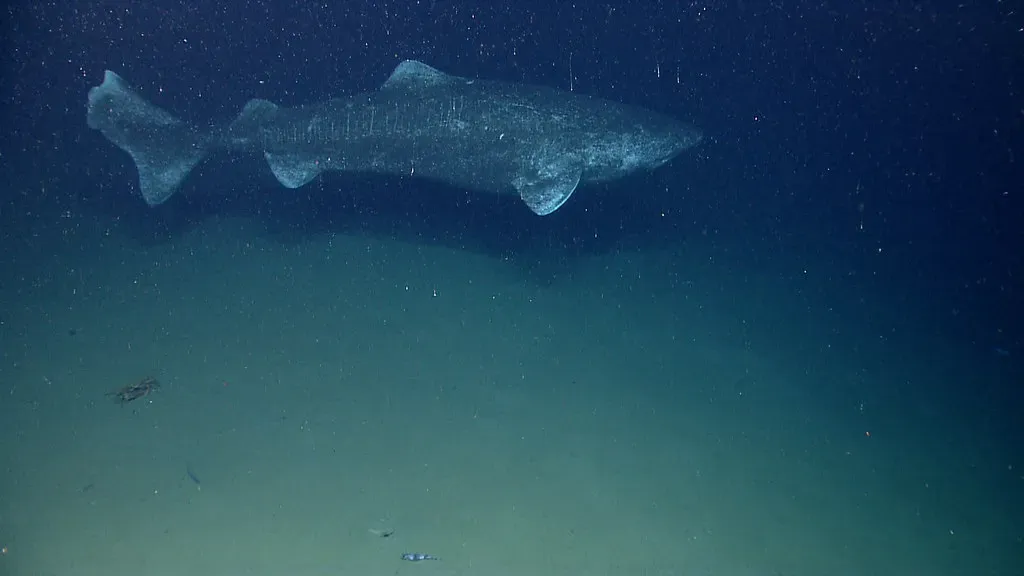
Imagine waiting a century and a half before you’re ready to reproduce. Because the sharks grow so slowly, they aren’t thought to reach sexual maturity until they’re over a century old. Females reach sexual maturity around 150 years of age when they measure around 4.19 meters, while males reach maturity when they measure around 2.84 meters. That’s patience on a scale we can barely comprehend.
Their pups are born alive after an estimated gestation period of 8 to 18 years, which might be the longest pregnancy in the animal kingdom. This extremely slow reproductive cycle makes conservation of these sharks particularly important. Think about it: if you remove a mature shark from the ocean, you’re impacting a population that won’t replace that individual for well over a century.
These Giants Grow Incredibly Slowly
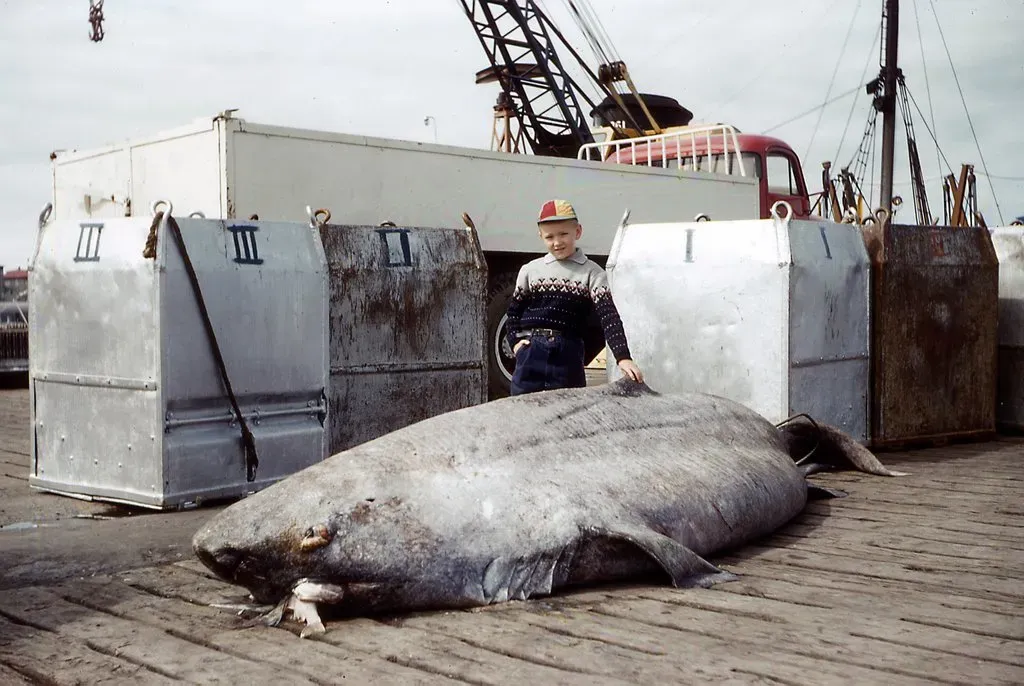
Greenland sharks grow at a rate of 0.5 to 1 centimeter per year. One shark tagged in 1936 had only grown 2.3 inches when it reappeared 16 years later. That’s slower than watching paint dry, honestly. Yet this glacial pace of growth is precisely what allows them to live so long.
They are among the largest extant shark species, reaching a maximum confirmed length of 6.4 meters long and weighing around 1,023 kilograms. For a creature that adds less than half an inch to its body each year, reaching lengths of over 20 feet is an achievement that takes literal centuries. Their size is a testament to their extraordinary lifespans.
They’re One of the Slowest Sharks in the Ocean
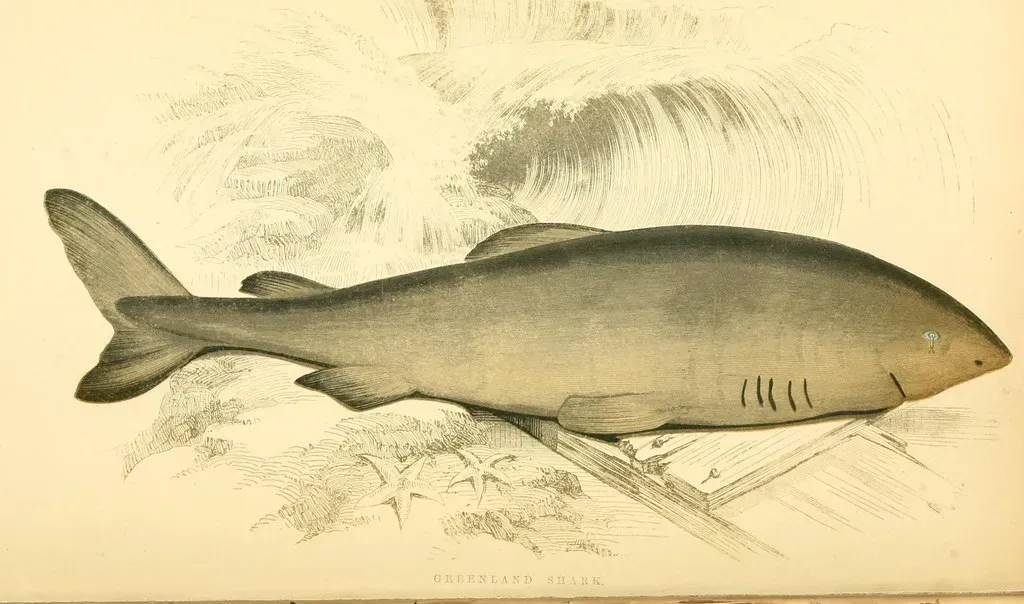
As an ectotherm living in a just-above-freezing environment, this species is sluggish and slow moving, with the lowest swim speed and tail-beat frequency for its size across all fish species, swimming at an average of 0.34 meters per second, with its fastest cruising speed only reaching 0.74 meters per second. That’s less than two miles per hour at best. You could literally walk faster than a Greenland shark can swim.
Their scientific name, Somniosus microcephalus, roughly translates to “sleepy small-head”, which perfectly captures their lethargic nature. The slow metabolism could explain the shark’s slow growth, slow aging, and sluggish movement. Living in frigid Arctic waters means their entire biological system operates in the slowest lane possible.
Most Are Partially or Completely Blind Due to Parasites
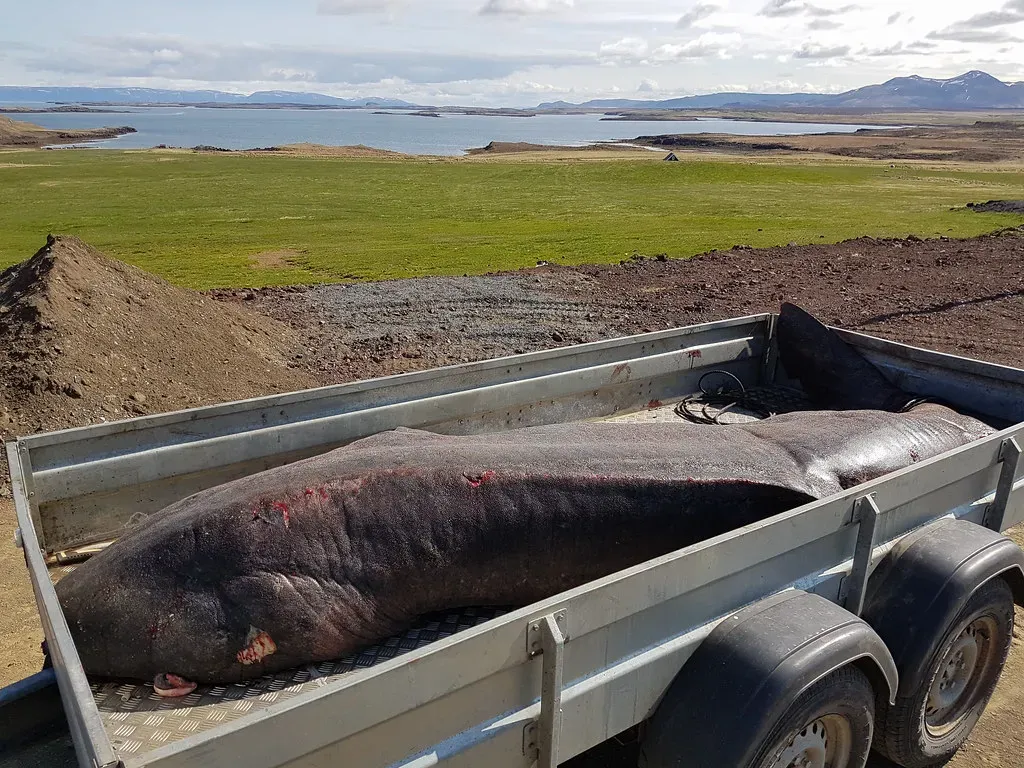
Here’s where things get a bit unsettling. In the waters surrounding Greenland, their eyes are frequently parasitized by copepods called Ommatokoita elongata, which are thought to obscure vision by attaching to the cornea. These parasites are pinkish-white, about 30 millimeters long, and cause severe visual impairment, though it is thought that the sharks do not rely on keen eyesight for their survival.
This tiny crustacean latches onto the shark’s eye, damaging the cornea and leaving scar tissue with each infection, but the shark is not debilitated by its blindness as it relies heavily on other senses in its dark habitat far beneath the ice. In the deep, dark waters where Greenland sharks spend most of their time, vision isn’t as crucial as you might think. They’ve adapted remarkably well to life without sight.
They Hunt Surprisingly Fast Prey Despite Being So Slow
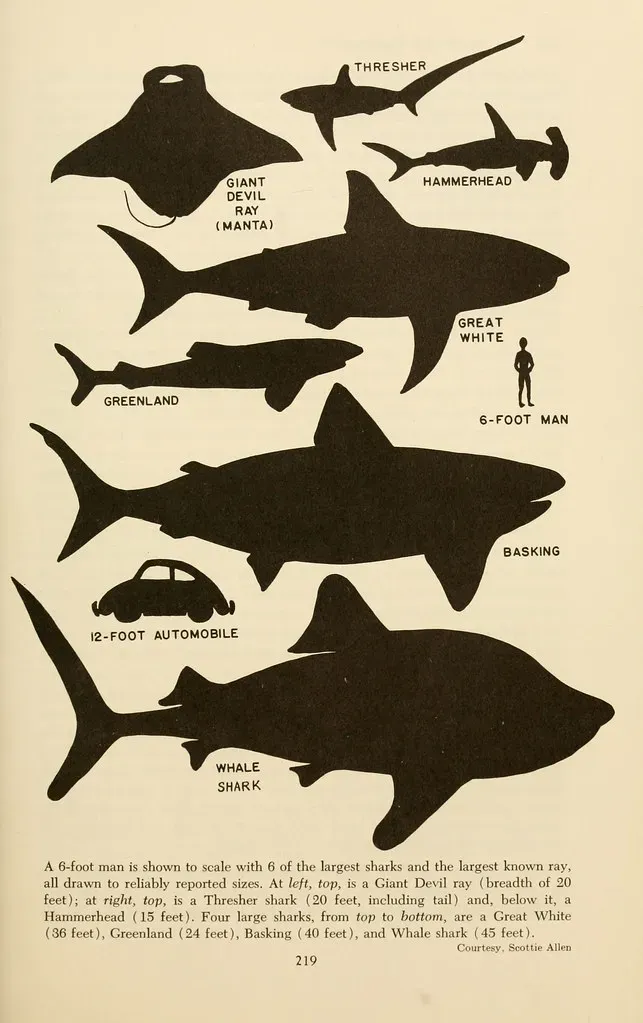
Because their speed is a fraction of the speed seals can reach, biologists are uncertain how the sharks are able to prey on the seals, though they are thought to ambush them while they sleep. Despite their slow-moving nature, Greenland sharks are opportunistic feeders, consuming a range of prey, from fish and squid to seals and large carrion, such as whale carcasses. Let’s be real, the idea of a nearly blind, slow-moving shark catching agile seals sounds impossible.
While small and younger Greenland sharks eat a squid-rich diet, larger and older Greenland sharks target fish and seals, which is surprising because these slow-moving sharks might have been thought to be scavengers. Observations of Greenland shark feeding show that this species uses a powerful inertial suction mode of feeding and was able to draw bait into the mouth from a distance of 25 to 35 centimeters. They’re far more capable hunters than their reputation suggests.
Their Habitat Ranges from Shallow Arctic Waters to Extreme Depths
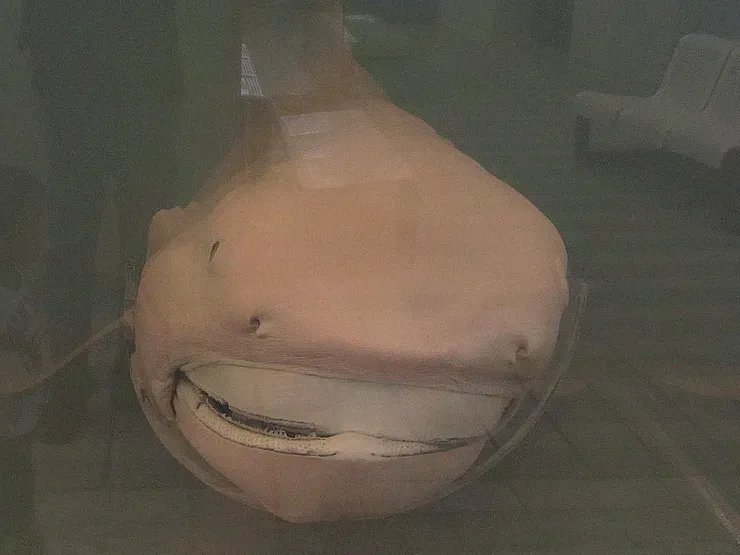
The Greenland shark prefers cold water temperatures ranging from minus 1.1 to 7.4 degrees Celsius and deep water from 100 to 1,200 meters. This deep-sea shark inhabits regions from the temperate North Atlantic to the frigid waters of the Arctic Ocean, enduring temperatures as low as minus 1.1 degrees Celsius and depths approaching 3,000 meters. That’s an environment where most creatures simply couldn’t survive.
They are usually spotted near the surface during the winter and retreat to depths of 591 to 1,804 feet during the summer, and in southern waters the shark is found near continental shelves and slopes at a depth of about 3,937 feet. Despite its name, the Greenland shark is not only found in Greenland and has been spotted as far away as the western Caribbean. Their range is far more extensive than scientists originally thought.
Their Flesh Is Toxic to Humans and Animals
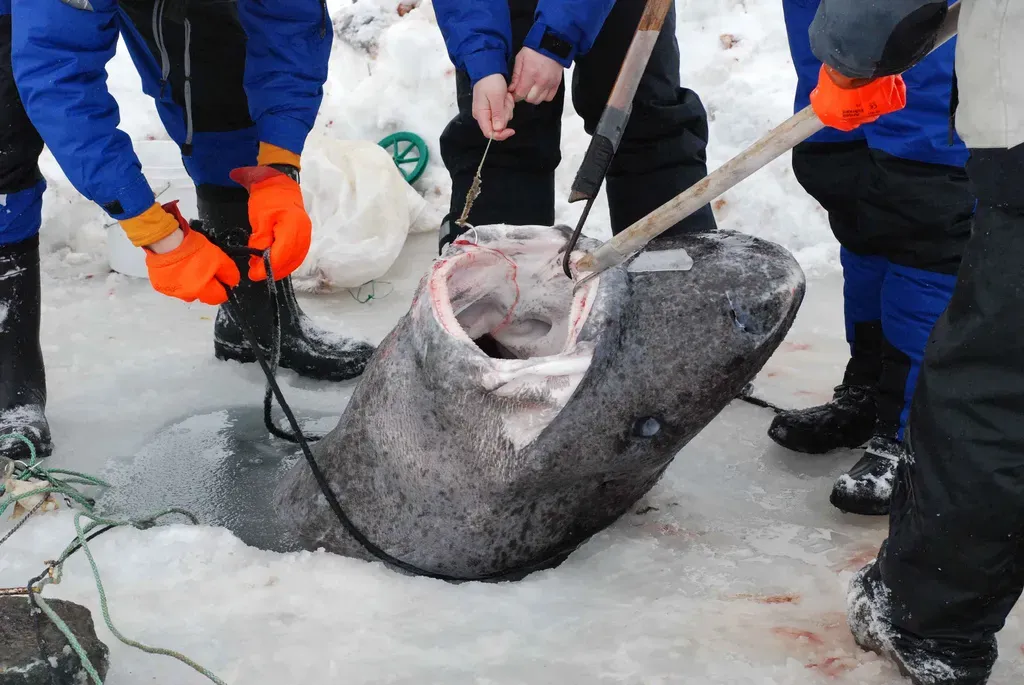
The flesh of the Greenland shark is toxic because of the presence of high concentrations of urea and trimethylamine oxide. Eating it can cause diarrhea, vomiting, stumbling, and convulsions, also known as getting “shark drunk”. Yes, you read that right. These sharks can literally intoxicate you if you’re not careful.
The flesh can be made safe by drying, fermenting or boiling in several changes of water. A treated form of it is eaten in Iceland as a delicacy known as kæstur hákarl. I know it sounds crazy, but this traditional Icelandic dish involves burying the shark meat for months to break down the toxins. It’s definitely an acquired taste, to put it mildly.
Their Genome May Hold Secrets to Longevity
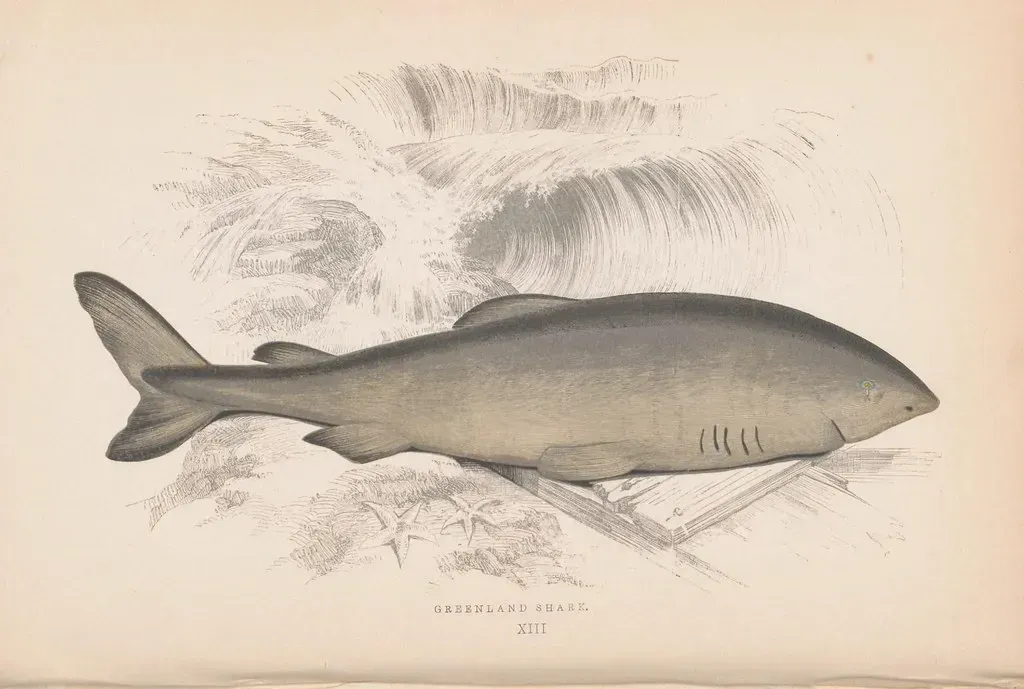
The shark’s genome was found to be extraordinarily large, twice as long as a human’s and bigger than any other shark genome sequenced to date. Researchers found multiple copies of 81 genes involved in DNA repair, and in particular, they found that the sharks carried an altered version of the TP53 gene, which helps suppress tumors and repair DNA. This could be the key to understanding their incredible lifespans.
One reason for a longer genome might come down to the shark’s ability to repair its DNA, a trait that has commonly been seen in other species with exceptional lifespans, including the naked mole rat and certain species of tortoises. Understanding the genetic mechanisms at play in Greenland sharks could eventually lead to advancements in human medicine, such as new pharmaceuticals or gene therapies to promote healthy aging. Scientists are genuinely excited about what these ancient creatures might teach us.
They’re Vulnerable to Extinction Despite Their Long Lives
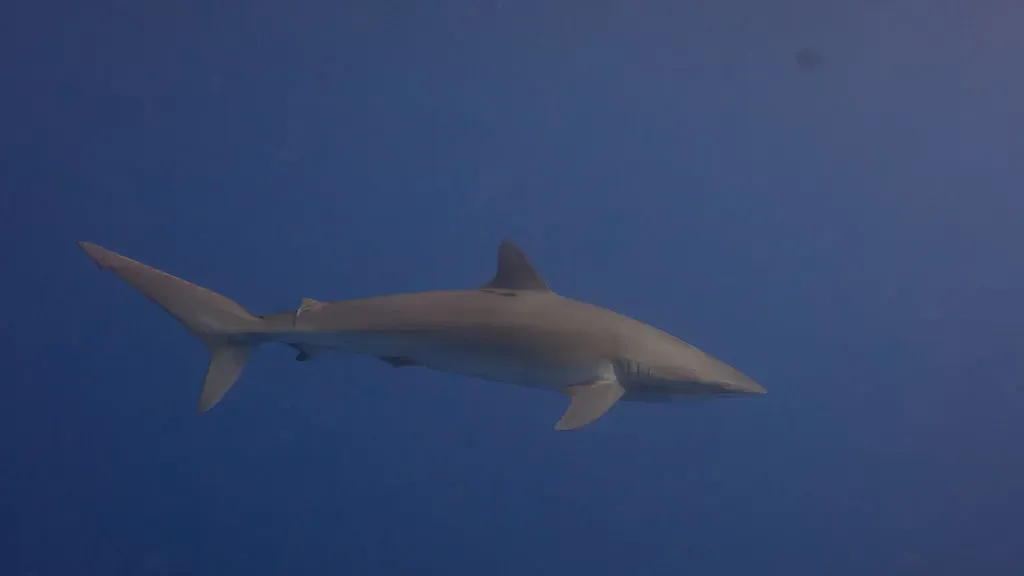
The International Union for the Conservation of Nature lists the Greenland shark as vulnerable to extinction, as the animal’s slow growth rate, late maturity, and low reproduction rate make it vulnerable to threats such as fishing, pollution, and climate change. While about 25 are caught per year by artisanal fisheries targeting the species in Iceland, 3,500 are caught annually as bycatch in the Arctic and Atlantic Oceans.
Until the 1960s they were hunted for the oil in their livers, which was used as industrial lubricant or for lamp oil, and although they are no longer targeted by fisheries, Greenland sharks are still caught accidentally and often become entangled with fishing gear. Removing mature Greenland sharks from the ocean affects the species and the ecosystem for many decades. Their extraordinary lifespan, ironically, makes them particularly vulnerable to human activities. When a species takes 150 years just to reach reproductive age, every individual lost is a significant blow to the population.
Conclusion
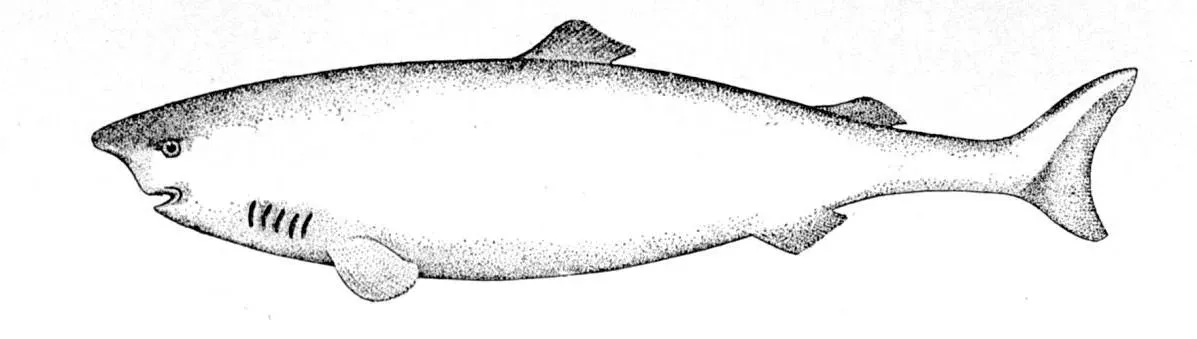
The Greenland shark challenges everything we thought we knew about vertebrate aging and survival. These ancient mariners have mastered the art of living slow and long, thriving in one of Earth’s harshest environments while carrying secrets in their DNA that scientists are only beginning to unravel. From their century-long childhoods to their toxic flesh and mysterious hunting abilities, every aspect of their biology seems almost alien to us.
What strikes me most is how much we still don’t know about these creatures. They’ve been swimming through our oceans for millions of years, with individuals alive today that predate modern history, yet they remain largely mysterious. As climate change threatens their icy habitat and fishing nets continue to catch them accidentally, we’re racing against time to understand and protect these remarkable animals. What do you think about these slow-motion giants of the deep? Share your thoughts in the comments below.