You’ve probably seen the movies where dinosaurs are massive, scaly lizards stomping around ancient forests. That image has dominated our imagination for decades. Here’s the thing though, the real story of how feathers evolved among these prehistoric giants is so much stranger, more fascinating, and honestly more beautiful than any Hollywood blockbuster could capture.
Scientists have completely rewritten the narrative about dinosaur appearance and behavior over the past few decades. The discoveries coming out of fossil beds, especially in China, have transformed everything we thought we knew about these ancient creatures and their evolutionary journey toward becoming the birds we see today.
Feathers Existed Long Before Flight Ever Happened
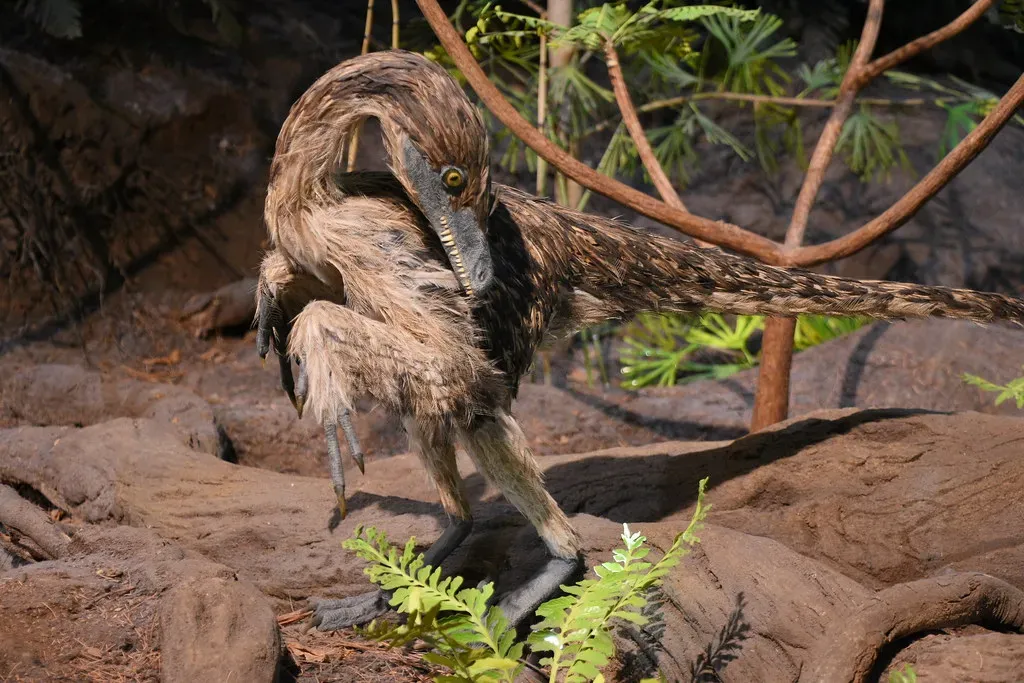
You might think feathers evolved specifically for flight, but the evidence shows that feathers originated and evolved their essentially modern structure in a lineage of terrestrial, bipedal, carnivorous dinosaurs before the appearance of birds or flight. Let me repeat that: feathers came first, flying came much later.
The leading hypothesis is that the earliest feathers evolved for some form of thermoregulation, basically to help keep the animals warm. Those simple feathers had nothing to do with flight, instead serving as insulation to keep dinosaurs warm. Think about it like nature trying out different solutions to the same problem: staying cozy in variable climates. Only later did evolution co-opt these structures for display, and eventually, for powered flight.
The Very First Feathers Were Just Simple Fuzzy Tubes
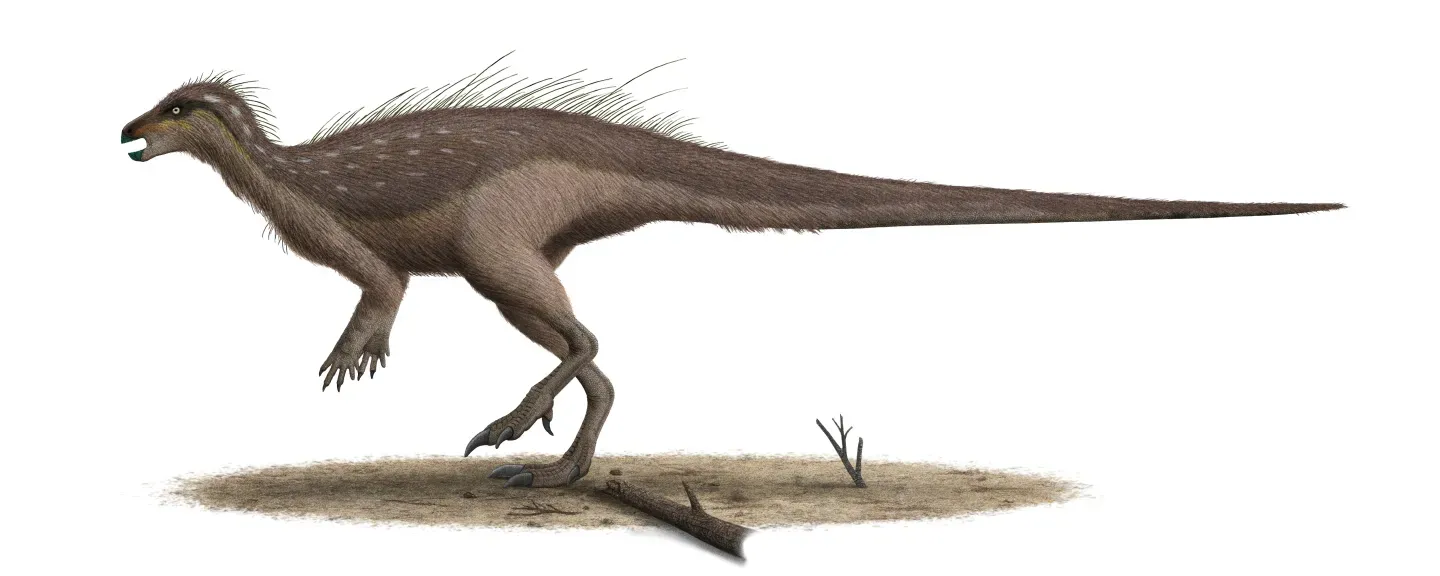
The precursors of bird feathers were straight, dense, filament-like structures, which were mostly made of keratin, the same stuff your hair and fingernails are made of. Picture them more like hair than what you’d see on a modern chicken. They weren’t complex or branching, just hollow tubes sticking out of the skin.
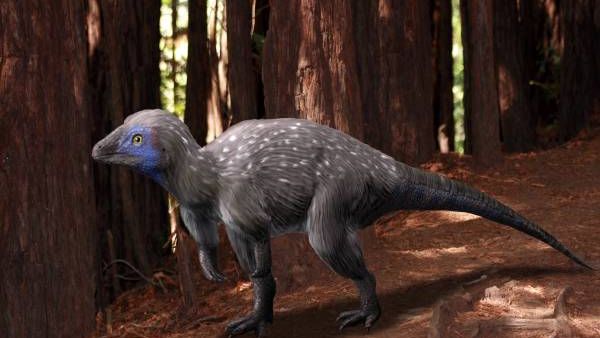
The most primitive feathers known – those of Sinosauropteryx – are the simplest tubular structures and are remarkably like the predicted stage 1 of the developmental model. Over millions of years, these simple filaments gradually developed branches, then a central shaft, then smaller branches off those branches, eventually creating the intricate structures birds sport today. Evolution doesn’t leap; it tinkers, slowly transforming what already exists into something more elaborate.
China’s Fossil Beds Changed Everything We Knew
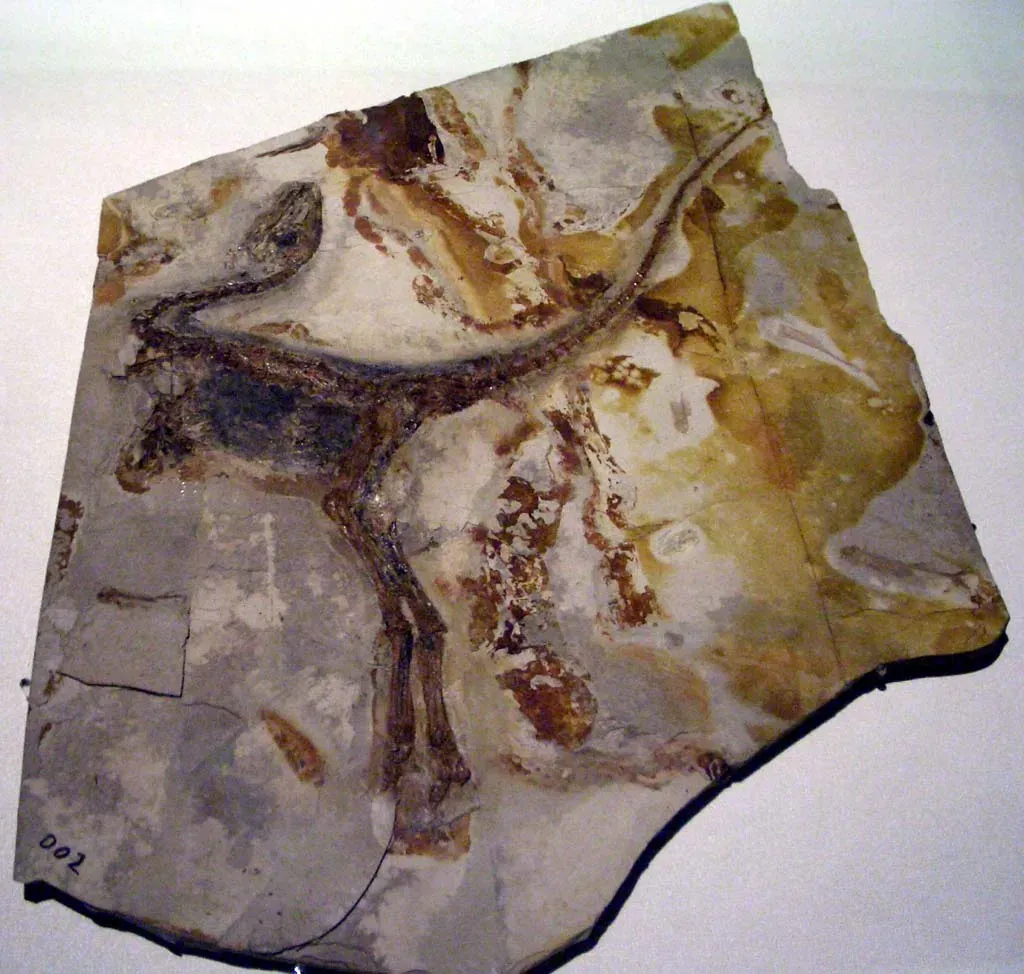
In the mid-1990s, on a hillside in Sihetun, a farmer stumbled onto the world’s first known feathered dinosaur, a creature now named Sinosauropteryx. That discovery kicked off what can only be described as a fossil gold rush. The most important discoveries at Liaoning have been a host of feathered dinosaur fossils, with a steady stream of new finds filling in the picture of the dinosaur–bird connection and adding more to theories of the evolutionary development of feathers and flight.
The Liaoning Province in northeastern China became the epicenter of feathered dinosaur research. It’s produced the majority of the spectacular feathered dinosaurs of China. These flattened fossils are very well preserved. Honestly, it’s hard to overstate how revolutionary these finds have been for paleontology.
Feathers May Have First Evolved Over 250 Million Years Ago
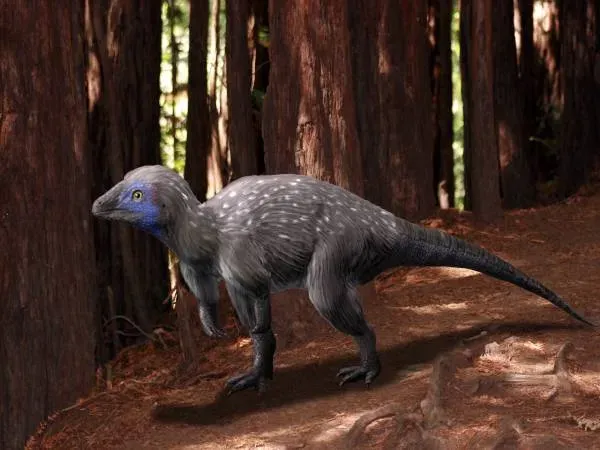
Feathers likely developed about 250 million years ago. That’s way earlier than most people would guess. These feathers appeared in tufts; they were not simple and straight, which suggests that the origin of feathers predated both the pterosaurs and the dinosaurs and occurred in a common ancestor some 250 million years old or older.
This means feathers weren’t even a dinosaur innovation exclusively. They might have evolved in a common ancestor shared by several reptile groups. The implications are staggering when you really think about it. We’re talking about a feature that existed before the first dinosaurs even walked the Earth.
Dinosaurs Retained Scaly Skin While Growing Feathers
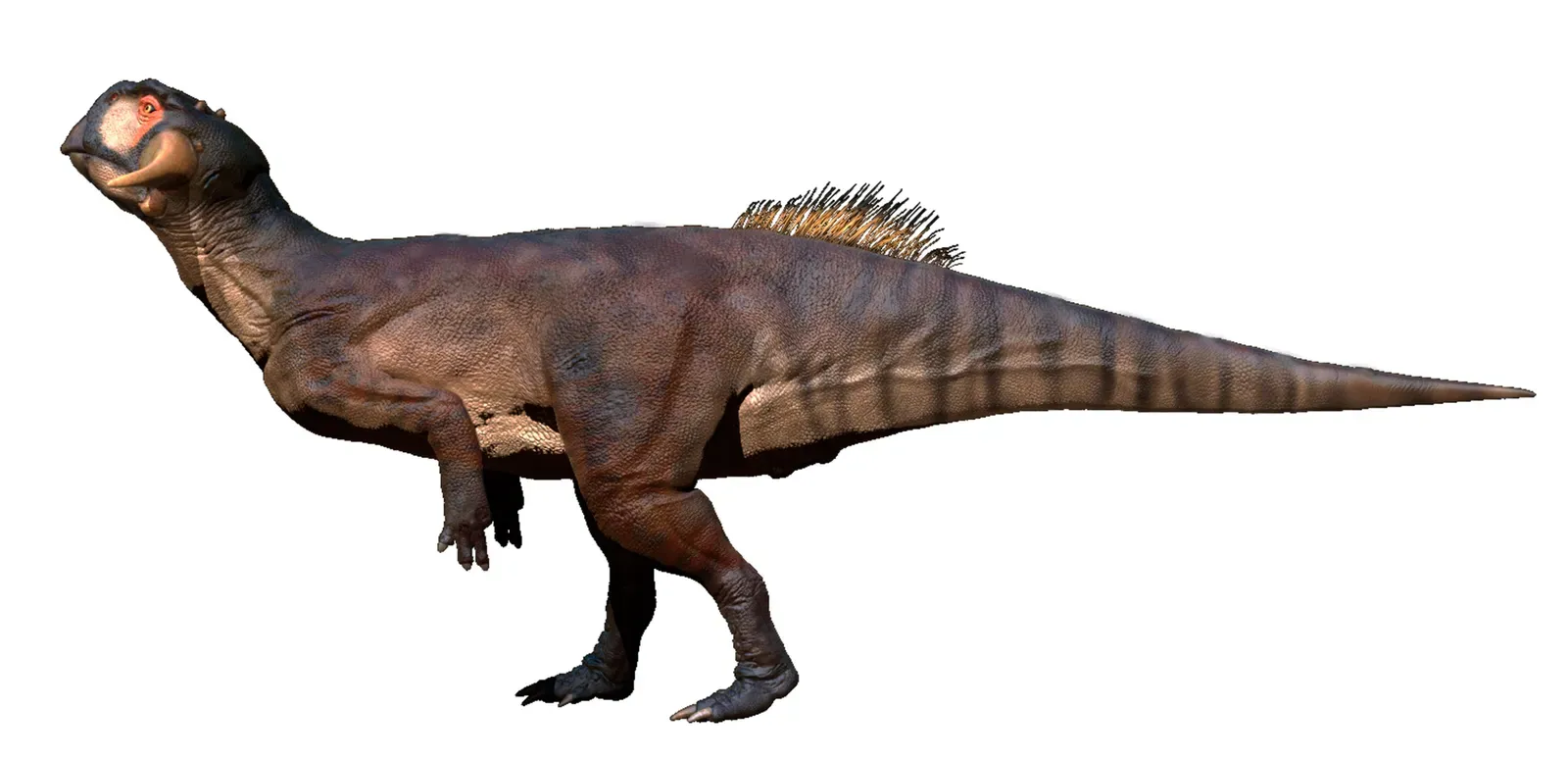
Here’s where things get weird. The discovery suggests that soft, bird-like skin initially developed only in feathered regions of the body, while the rest of the skin was still scaly, like in modern reptiles. This zoned development would have maintained essential skin functions, such as protection against abrasion, dehydration and parasites.
Picture a dinosaur with patches of fluffy fuzz mixed with rough, reptilian scales. The first dinosaur to experiment with feathers could therefore survive and pass down the genes for feathers to their offspring. Evolution doesn’t demand perfection; it just needs to be good enough to not get eaten before reproducing. This mixed skin type allowed dinosaurs to gradually transition from scales to feathers without losing the protective benefits their skin provided.
The Real Purpose Was Probably Showing Off to Mates
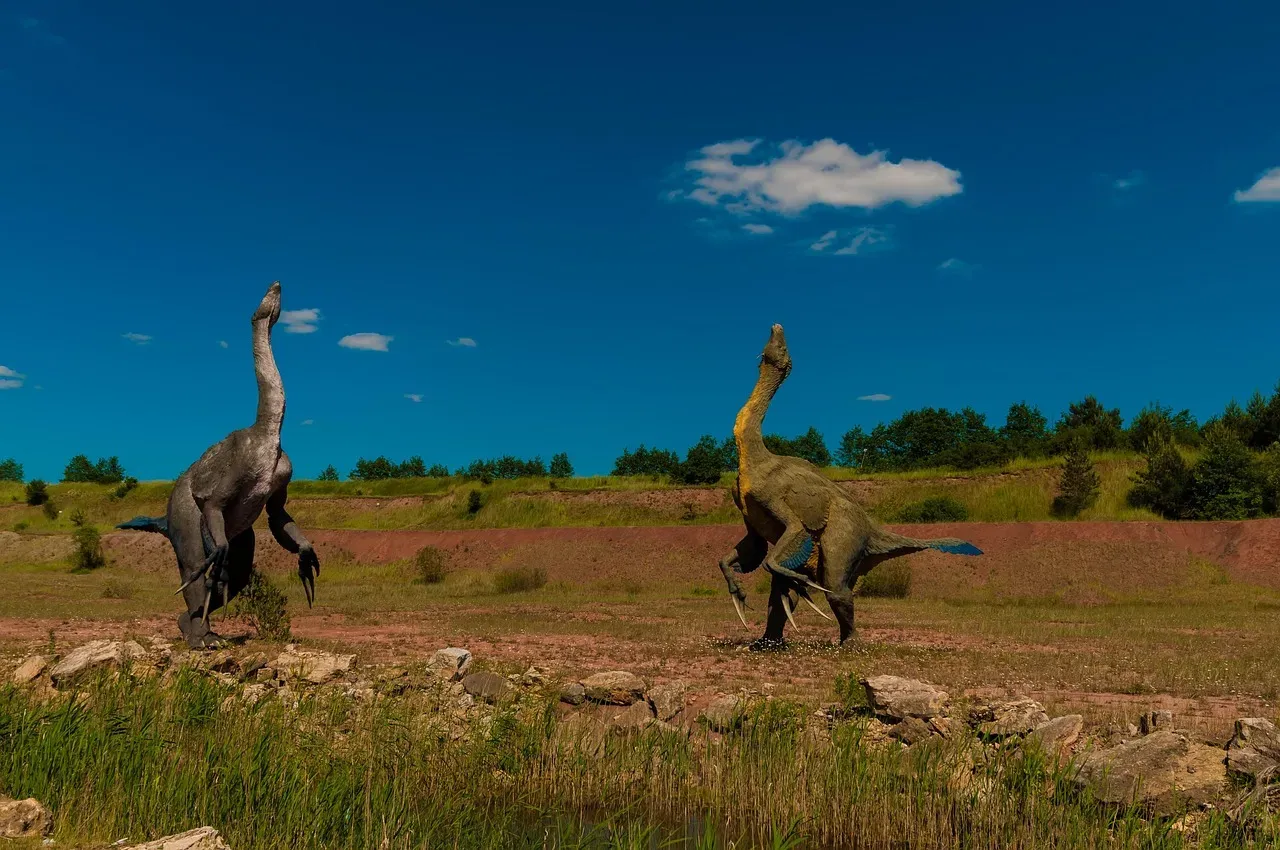
There is an increasing body of evidence that supports the display hypothesis, which states that early feathers were colored and increased reproductive success. Coloration could have provided the original adaptation of feathers, implying that all later functions of feathers, such as thermoregulation and flight, were co-opted. In other words, dinosaurs may have evolved increasingly fancy feathers because the opposite sex found them attractive.
Some specimens have iridescent feathers. Pigmented and iridescent feathers may have provided greater attractiveness to mates, providing enhanced reproductive success when compared to non-colored feathers. Think peacocks. Those ridiculous tail feathers serve no practical purpose for survival, yet they persist because peahens find them irresistible. Ancient dinosaurs likely played the same evolutionary game.
Not All Dinosaurs Had Feathers Despite Popular Belief
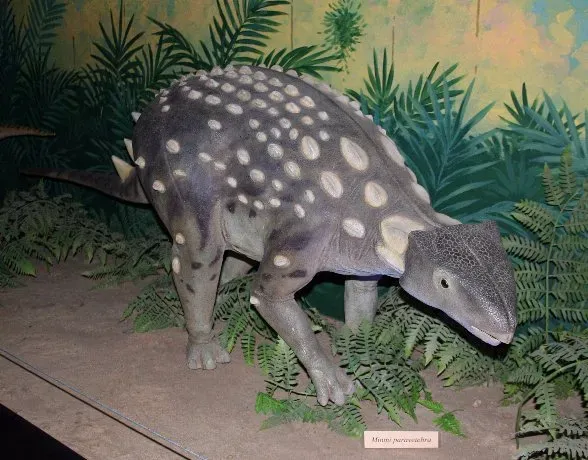
We have really strong evidence that animals like the duck-billed dinosaurs, horned dinosaurs and armoured dinosaurs did not have feathers because we have lots of skin impressions of these animals that clearly show they had scaly coverings. We also have zero evidence of any feather like structures in the long-necked dinosaurs, the sauropodomorphs. So if you’re picturing a feathered Triceratops or Brachiosaurus, you can erase that image right now.
It seems to indicate that feathers were an important part of the theropod story but not necessarily so for dinosaurs as a whole. Most examples of dinosaur feathers have been found in the meat-eating dinosaurs, known as theropods, which is the group that also includes birds. Feathers appear to have been primarily a theropod thing, the two-legged carnivores and their descendants.
Some Giant Dinosaurs Were Surprisingly Fluffy
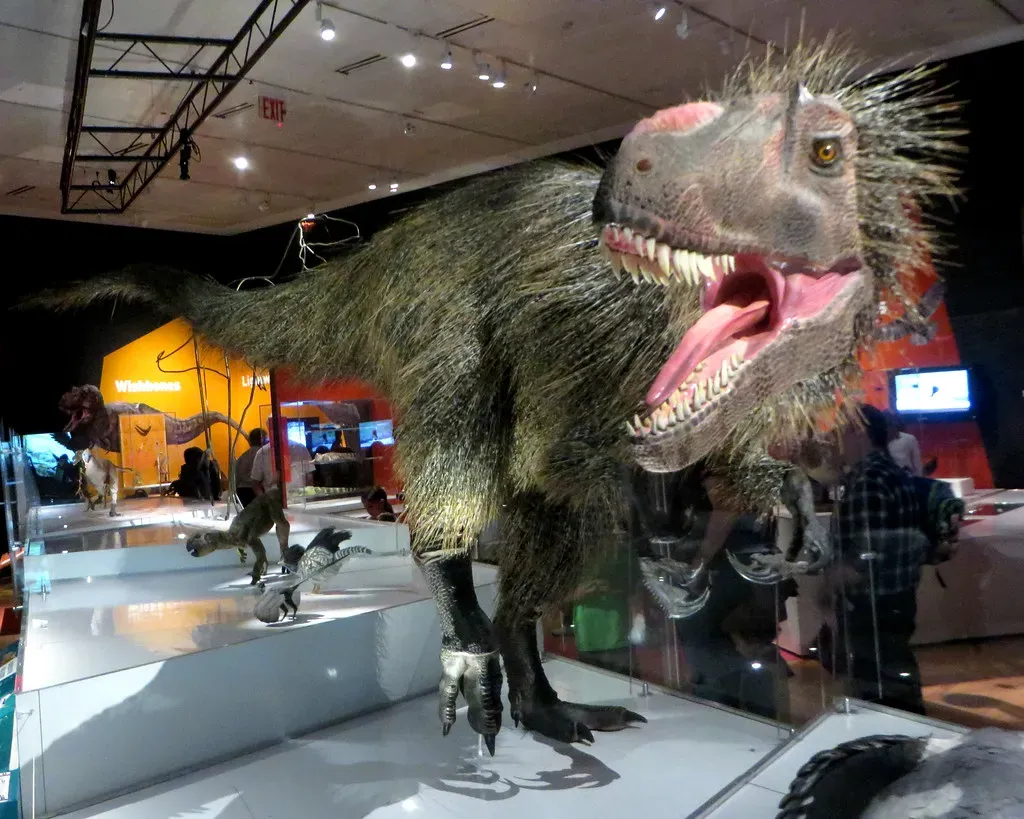
Yutyrannus huali lived in northeastern China 125 million years ago. Only a meter shorter than Tyrannosaurus rex, Yutyrannus weighed at least 1,400 kilograms and was nine meters long, with filamentous plumage at least on its neck, pelvis and legs. That’s roughly the length of a school bus, covered in feathers.
Paleontologists have also found feathers and related structures on many other dinosaurs that never would have flapped into the air, like the 30-foot-long Yutyrannus. Among these flightless dinosaurs, plumage had a variety of other functions – from keeping warm to camouflage. It challenges our assumption that big animals don’t need insulation. Maybe the climate was cooler, or maybe they just kept their feathers for other reasons evolution deemed useful.
Baby T. Rex Was Almost Certainly Fluffy
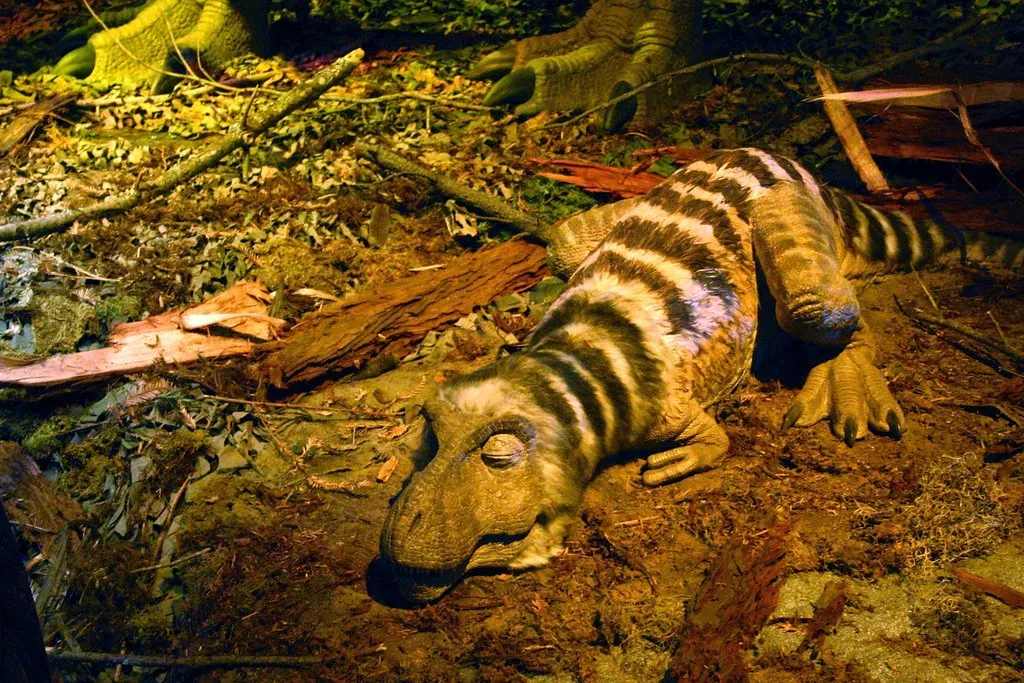
Each baby T. rex was covered in a coat of downy feathers. What’s more, T. rex’s feathers likely grew along the animal’s head and tail into adulthood, according to new reconstructions that represent the most accurate models of the dinosaur to date. Picture something closer to a very angry, carnivorous chick than the scaly monster from Jurassic Park.
While a young T. rex probably had a thin coat of downy feathers, an adult T. rex would not have needed feathers to stay warm. Paleontologists think feathers may have first evolved to keep dinosaurs warm. As these animals grew into multi-ton adults, they likely shed most of their feathery covering because their massive bodies generated enough heat on their own, similar to how elephants don’t need thick fur despite being mammals.
Feather Evolution Paved the Way for Modern Birds
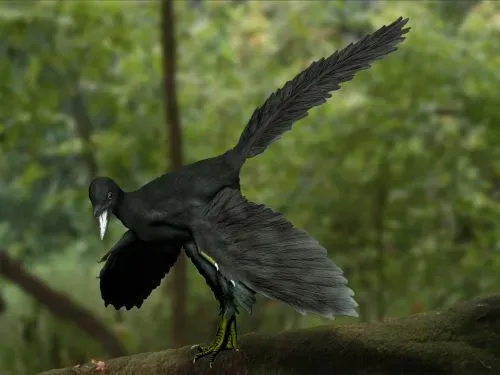
Feathers evolved and diversified in theropod dinosaurs before the origin of birds and discovered that even some aspects of avian flight may not be unique to birds. Both of the historical claims to the status of the birds as a special class of vertebrates – feathers and flight – have evaporated. Birds aren’t special in the way we once thought. They’re simply the dinosaurs that survived.
The roughly 10,000 bird species alive today are the living descendants of feathered dinosaurs. Every time you see a sparrow hopping around your yard or hear a crow cawing from a tree, you’re witnessing the continuation of a story that began hundreds of millions of years ago, when small fuzzy dinosaurs first developed simple filaments to stay warm. It’s hard not to feel a sense of wonder thinking about that connection.
Conclusion: A More Colorful Prehistoric World
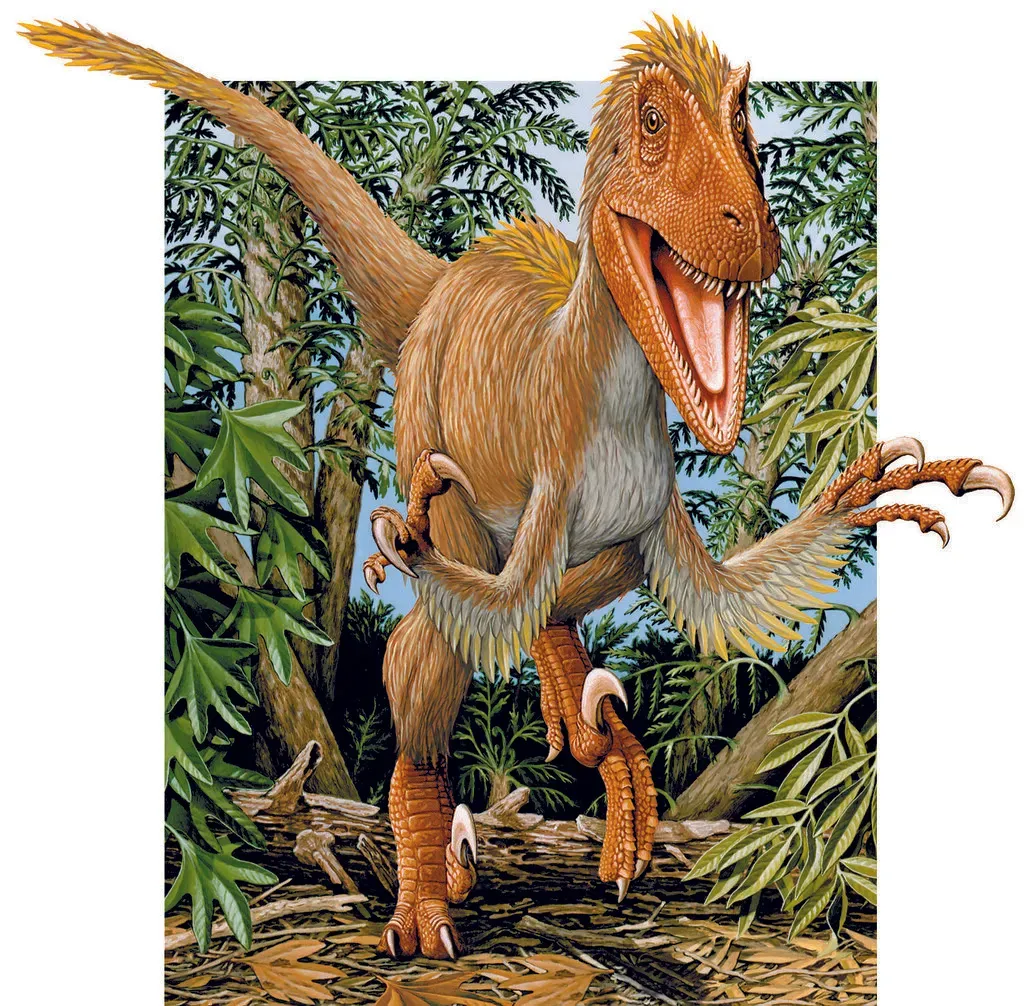
tells us that the ancient world was far more vibrant, strange, and bird-like than we ever imagined from old museum displays and movies. These weren’t just giant scaly monsters; they were often colorful, displaying creatures with complex behaviors and spectacular plumage.
What we’ve learned over the past few decades has fundamentally changed paleontology. Every new fossil discovery adds another piece to the puzzle, revealing more about how these incredible structures evolved and diversified long before birds took their first flight. The story isn’t over either; paleontologists are still uncovering new feathered dinosaur species and refining our understanding of how modern birds inherited their magnificent covering.
Did you expect dinosaurs to be so fluffy? What do you think about it? Tell us in the comments.