You’ve probably seen modern birds building nests or elephants traveling in herds and thought these were behaviors unique to contemporary species. Yet millions of years ago, massive creatures weighing several tons were doing remarkably similar things. The dinosaurs that once dominated Earth weren’t the mindless monsters popular culture sometimes portrays them as.
Recent discoveries have revealed something absolutely fascinating. These prehistoric giants displayed surprisingly sophisticated behaviors that you can witness today in living animals. From how they cared for their babies to the way they communicated with potential mates, dinosaurs were far more complex than we ever imagined. Let’s be real, the connections between ancient reptiles and your backyard birds are more than just evolutionary, they’re behavioral too.
Nest Building and Parental Protection
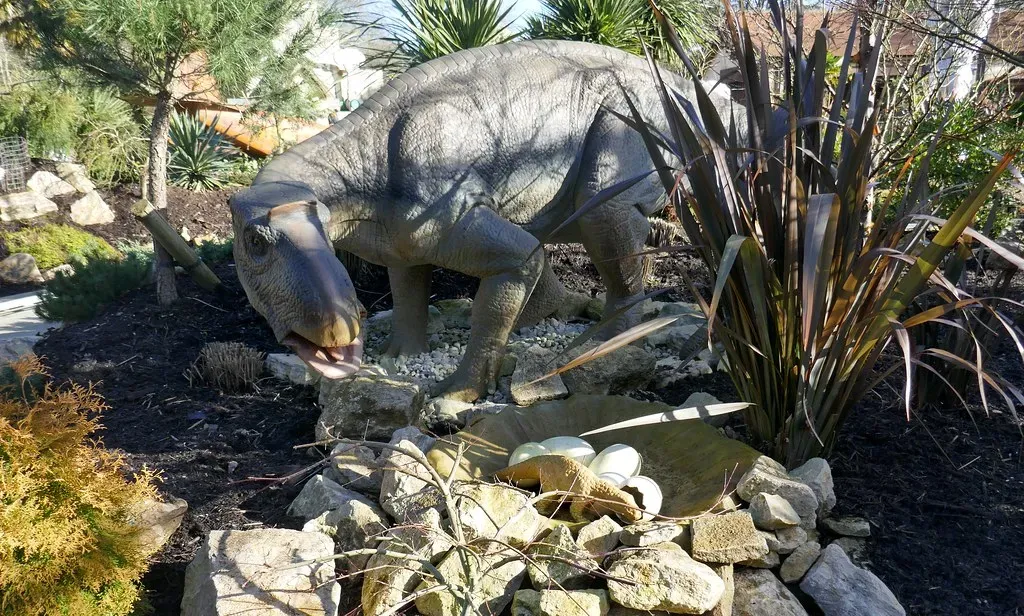
You’d find it remarkable that nests and eggs have been discovered for most major groups of dinosaurs, showing they communicated with their young in ways similar to modern birds and crocodiles. Think about that for a moment. These massive beasts, some weighing tons, carefully constructed nests and tended to their vulnerable offspring. Some ancient dinosaurs made nests, laid eggs, and tended to their babies just like today’s birds and crocodiles.
Paleontologists have found gorgeous skeletons of oviraptorids preserved sitting over nests of eggs, though it’s still uncertain if this was truly brooding behavior. Still, the details suggest something genuinely touching. Studies of egg position within nests indicate some dinosaurs may have regularly turned their eggs, a behavior critical for proper embryonic development that is observed in modern birds. The level of care required for that kind of attention challenges everything we thought we knew about reptilian parenting.
Sleeping Postures Inherited by Birds
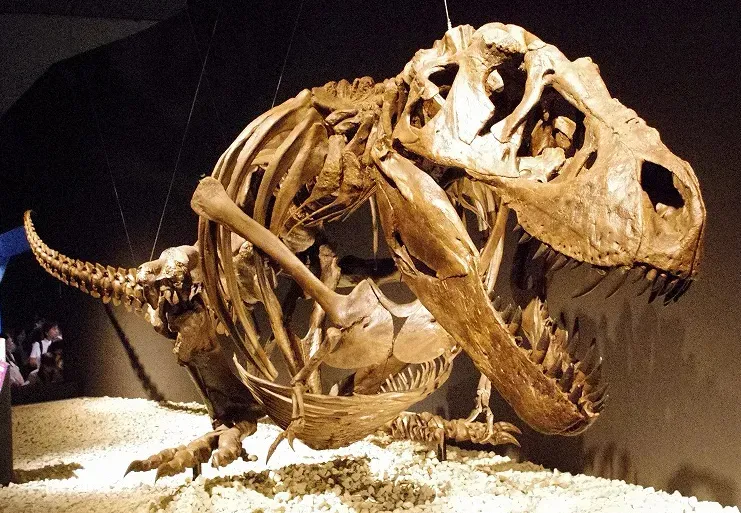
Here’s something that honestly gave me chills when I first learned about it. Fossils of the troodonts Mei and Sinornithoides show that some dinosaurs slept with their heads tucked under their arms, a behavior that may have helped keep the head warm and is also characteristic of modern birds. Imagine stumbling upon a fossilized creature frozen in what looks exactly like your pet parakeet’s sleeping position.
This isn’t just coincidence or convergent evolution. It’s direct evidence of behavioral continuity spanning over 150 million years. The small Chinese dinosaur Mei was preserved in a resting posture extremely similar to modern birds. When you watch a chicken settling down for the night, you’re essentially watching a dinosaur behavior that survived the ages. It’s hard to say for sure, but this suggests that comfort behaviors evolved much earlier than anyone expected.
Herding for Protection and Migration
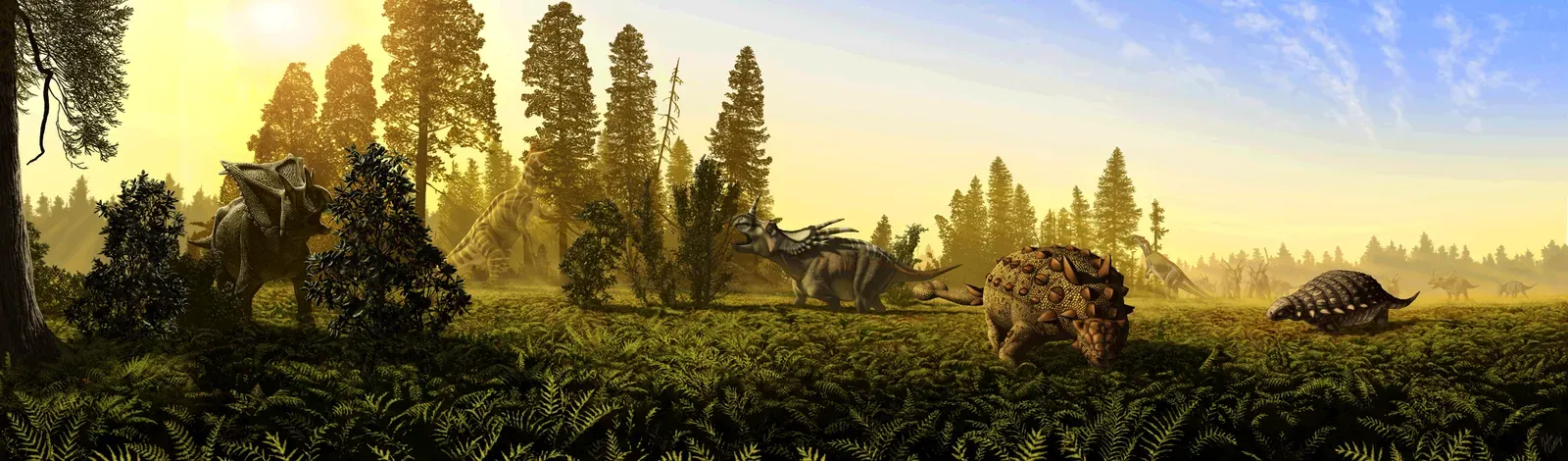
Gregarious behavior was common in many dinosaur species, as they may have congregated in herds for defense, migratory purposes, or to provide protection for their young. Picture vast herds of hadrosaurs moving across ancient floodplains, much like wildebeest crossing the Serengeti today. Trackways found at sites from the Late Triassic to the latest Cretaceous document herding as common behavior among various dinosaur types, because tracks are nearly parallel and progress in the same direction.
The scale of these movements was staggering. Some dinosaur trackways record hundreds, perhaps even thousands, of animals, possibly indicating mass migrations. The impact of such large herds on plant life must have been great, suggesting constant migration in search of food, with nesting sites also establishing herding among dinosaurs. This pattern makes perfect sense when you think about it. Safety in numbers worked just as well in the Cretaceous as it does in Africa’s savannas today.
Territorial Displays and Mating Rituals
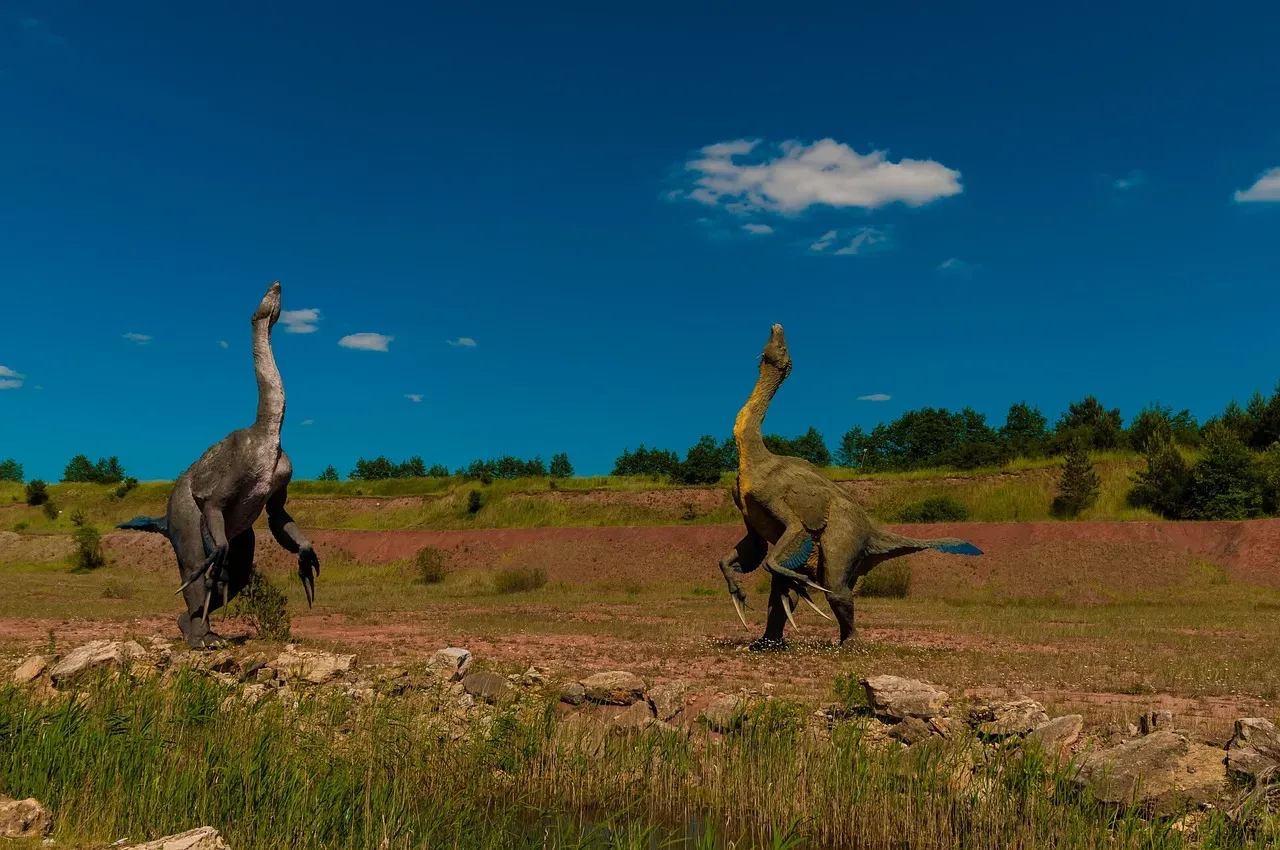
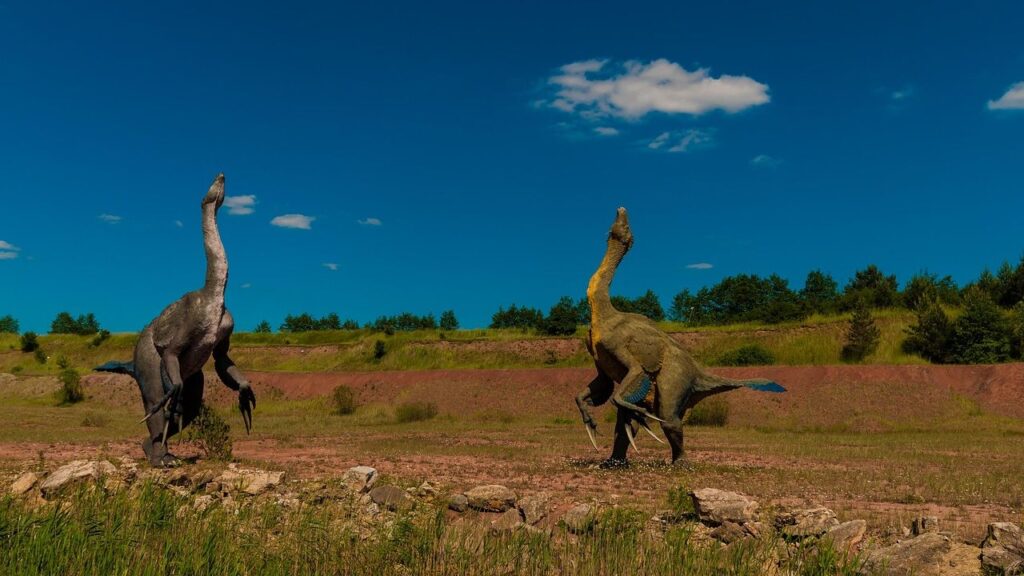
Now this is where dinosaur behavior gets really interesting. About 100 million years ago near Denver, large groups of male dinosaurs gathered to dance, twisting and kicking in what may have been one of the most elaborate mating rituals in the ancient world. The fossil evidence for these displays is absolutely stunning. The traces were generated by backward kicking movements repeated by both feet, with some impressions suggesting the dinosaurs turned clockwise as they scraped their claws through sand, indicating a unique, repetitious dance.
Modern leks are common in many bird species like grouse and bustards, where groups of male birds gather together and kick up sediments to entice female spectators, typically organized around high-status males with lower status males on the periphery. Honestly, imagining a T. rex relative doing essentially the same dance as a modern sage grouse is both bizarre and wonderful. Many ornate dinosaur features paleontologists used to think of as defensive, such as horns and armor, had at least a dual role as visual display structures, suggesting features were meant to signal and communicate to other members of the same species.
Complex Communication Within Groups
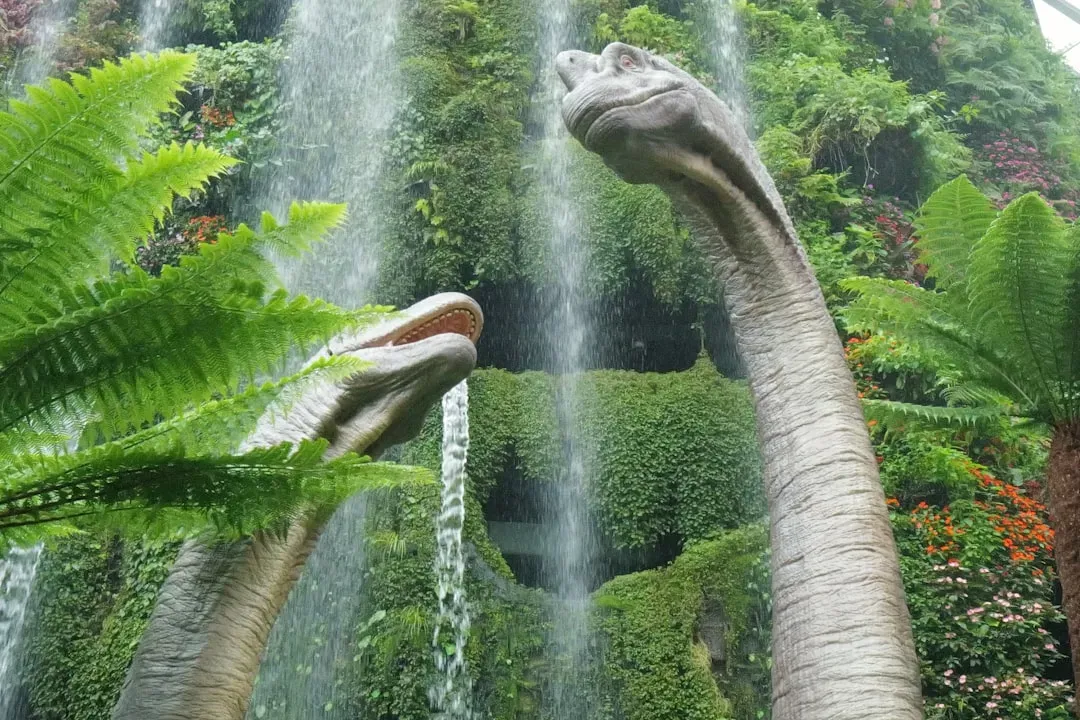
Communication wasn’t limited to visual displays. The crests and frills of some dinosaurs like marginocephalians and lambeosaurines may have been too fragile for active defense, so they were likely used for sexual or aggressive displays, though little is known about dinosaur mating and territorialism. Let’s think about the hadrosaurs with their elaborate hollow crests for a moment.
These structures could have produced resonant calls audible over great distances, potentially allowing herds to maintain contact across expansive landscapes. Since certain species of crocodiles and birds dance to attract mates, it’s likely that certain species of dinosaurs also did the same. The diversity of crest shapes among different hadrosaur species suggests each might have produced unique sounds, similar to how different bird species have distinct calls today.
Feeding and Foraging Strategies
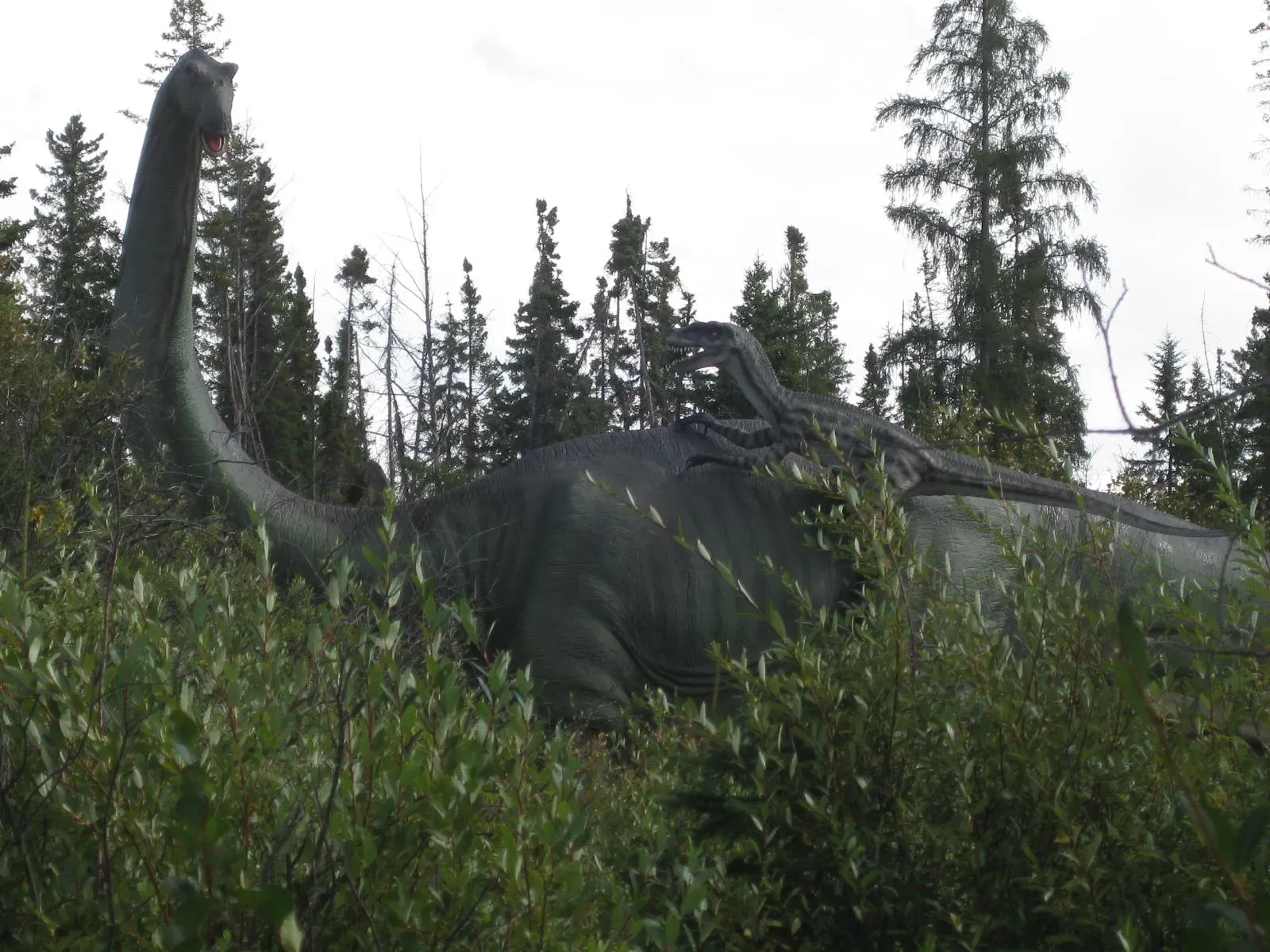
The question of whether dinosaurs hunted cooperatively has sparked intense debate. Living dinosaurs (birds) and their relatives (crocodilians) do not usually hunt in groups and rarely hunt prey larger than themselves, since behavior like pack hunting does not fossilize so we can’t directly test whether animals actually worked together. Recent research challenges the Hollywood portrayal of coordinated raptor packs.
Scientists have proposed a different model for behavior in raptors thought to be more like Komodo dragons, in which individuals may attack the same animal but cooperation is limited. They conclude that Deinonychus probably did not hunt in a cooperative, coordinated manner, suggesting these raptors were probably not complex social hunters. Instead, multiple predators might have simply converged on the same prey opportunity, more like modern crocodiles than wolves. Still, herbivorous dinosaurs showed clear evidence of group foraging, traveling together to locate and exploit food resources efficiently.
Age-Segregated Social Structures
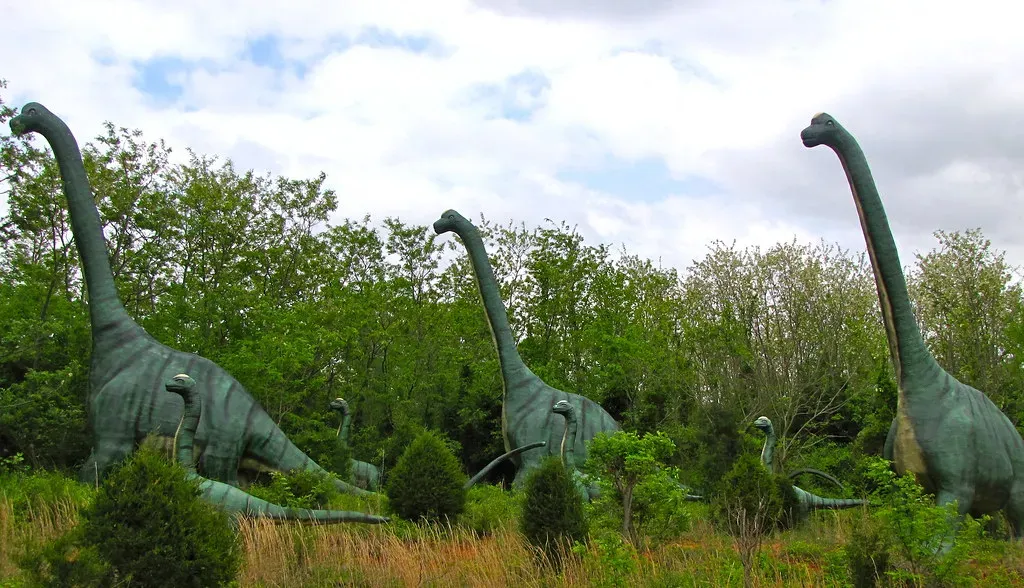
Perhaps one of the most unexpected discoveries involves how dinosaurs organized their social groups. After baby dinosaurs left the nest, they seemed to have traveled together, with packs of baby ankylosaurids, ceratopsians, and ornithomimosaurs known, and in cases like Psittacosaurus and Sinornithomimus, these herds could include individuals of different ages including adults. This suggests complex multigenerational family structures.
Evidence shows many types of dinosaurs, including various theropods, sauropods, ankylosaurians, ornithopods, and ceratopsians, formed aggregations of immature individuals. What’s fascinating is that some bone beds reveal assemblages composed almost entirely of juveniles or subadults of similar age, mirroring behavior seen in modern animals where adolescents form groups separate from adults. This age segregation may have served specialized feeding requirements or provided protection from cannibalistic adults, much like how young elephants sometimes form bachelor herds before reaching full maturity.
Conclusion
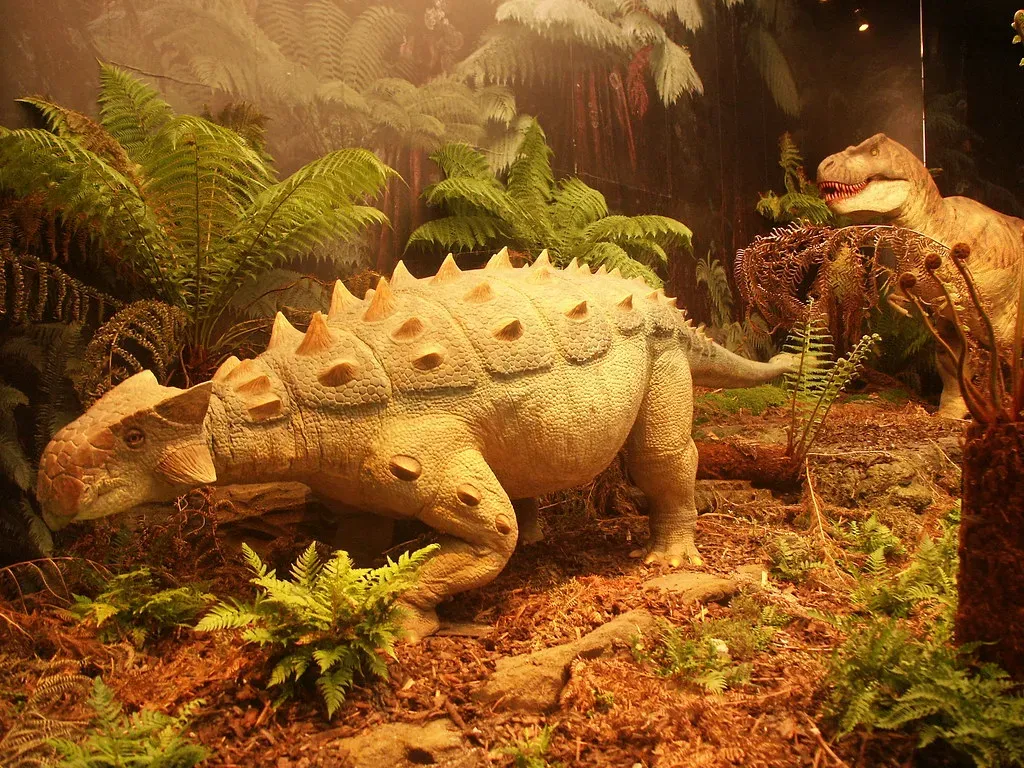
The behavioral parallels between dinosaurs and modern animals reveal something profound about evolution and instinct. From the devoted parent brooding eggs to the elaborate mating displays, these ancient creatures weren’t so different from the animals you observe today. The next time you watch birds at your feeder or see a nature documentary about elephant herds, remember that you’re witnessing behavioral patterns perfected over 200 million years ago.
These discoveries fundamentally change how we view prehistoric life. Dinosaurs weren’t simple, instinct-driven brutes but sophisticated animals with complex social lives, communication systems, and survival strategies that continue to influence their descendants today. The fossil record keeps revealing new surprises, and what we’ve learned so far suggests there’s still much more to discover about how these magnificent creatures actually lived.
What surprises you most about these ancient behaviors? Does it change how you imagine dinosaurs moved through their world?