Have you ever wondered how dinosaurs managed to rule Earth for over 160 million years? These ancient creatures weren’t just lucky. They developed some seriously impressive features that set them apart from every other animal competing for survival during the Mesozoic Era. From the scorching deserts to frozen polar regions, these reptiles conquered nearly every habitat on the planet.
What made them so successful goes way beyond their size or scary teeth. Scientists have uncovered adaptations so clever, so perfectly tuned to survival, that they basically wrote the playbook for evolutionary success. Let’s dive into the remarkable features that made dinosaurs the undisputed champions of their world.
Hollow Bones Filled With Air Sacs
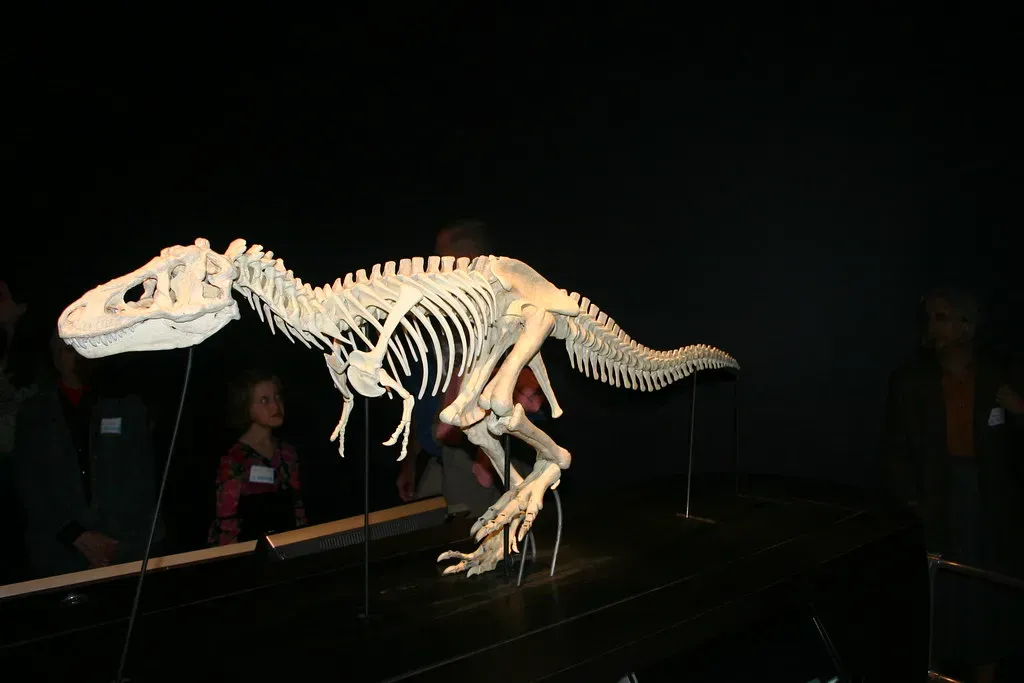
Think about those Amazon boxes that arrive at your door. They’re light yet surprisingly strong, right? Dinosaurs evolved hollow bones filled with little air sacs independently several times in different lineages, which tells us just how important this adaptation was. These aerated vertebrae bones enhanced dinosaurs’ strength while reducing their body weight.
This wasn’t just about being lighter. The air sacs probably enhanced oxygen levels in the dinosaurs’ blood, allowing them to cool their bodies more efficiently and move faster. During the scorching Triassic period, this gave them a massive advantage. The system worked so well that modern birds still use it today to achieve flight.
Upright Leg Posture Under The Body
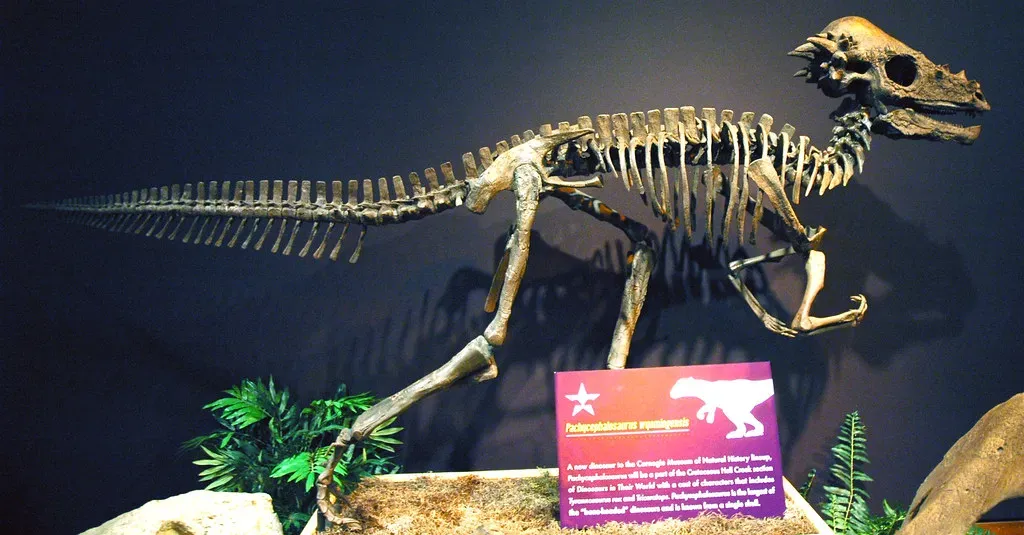
Dinosaurs had straight back legs perpendicular to their bodies, which allowed them to use less energy to move than other reptiles with a sprawling stance. Picture doing pushups versus standing upright. One is exhausting, the other lets you go for miles. That’s essentially what dinosaurs figured out millions of years ago.
With their legs positioned under their bodies rather than sticking out to the side, dinosaurs’ weight was also better supported. This simple shift in anatomy unlocked enormous possibilities. It meant they could grow larger, move faster, and travel farther than their competitors without burning through energy reserves.
Remarkable Bipedal And Quadrupedal Versatility
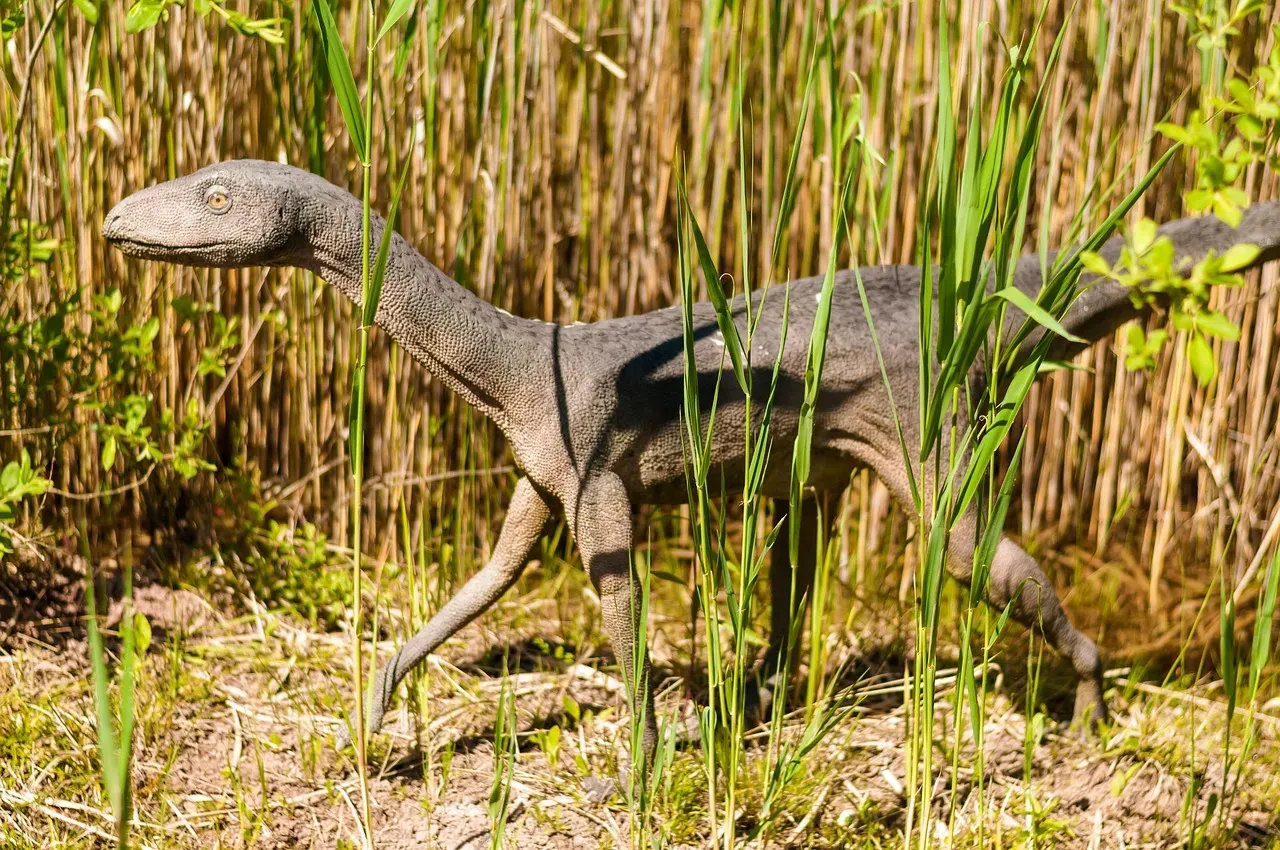
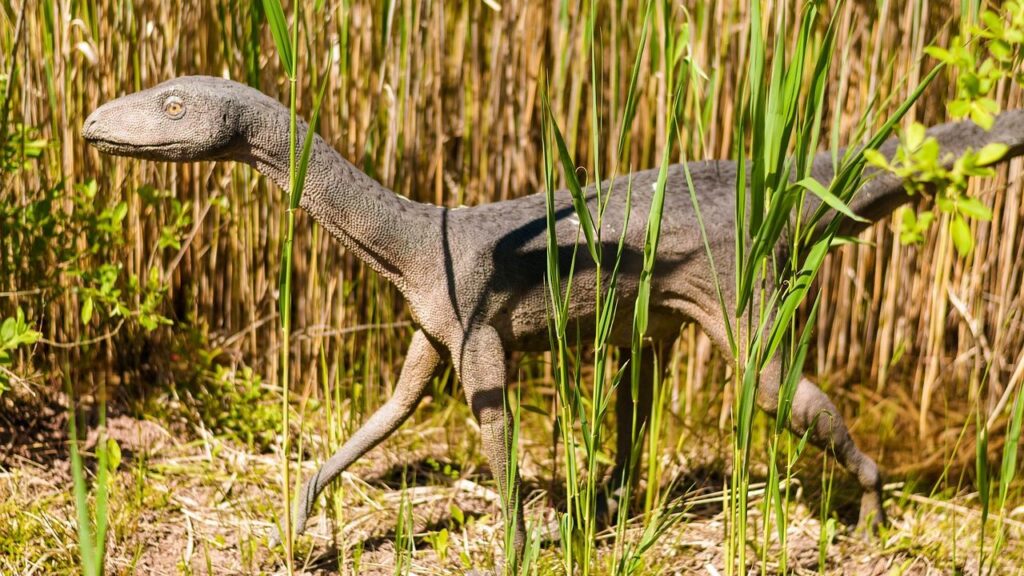
Dinosaurs and their close relatives were inherently bipedal and cursorial, with limbs evolutionarily fashioned for running, which allowed them a broader spectrum of running styles than their rivals. Some started on two legs and later adapted to walking on four. Others stayed bipedal their entire evolutionary history.
The diversity of their posture and gait meant they were immensely adaptable, ensuring strong success on Earth for so long. When the environment changed, dinosaurs could adjust. Some became armored tanks on four legs, others remained swift hunters on two. This flexibility was like having multiple tools in one evolutionary toolkit.
Feathers For Insulation And Display
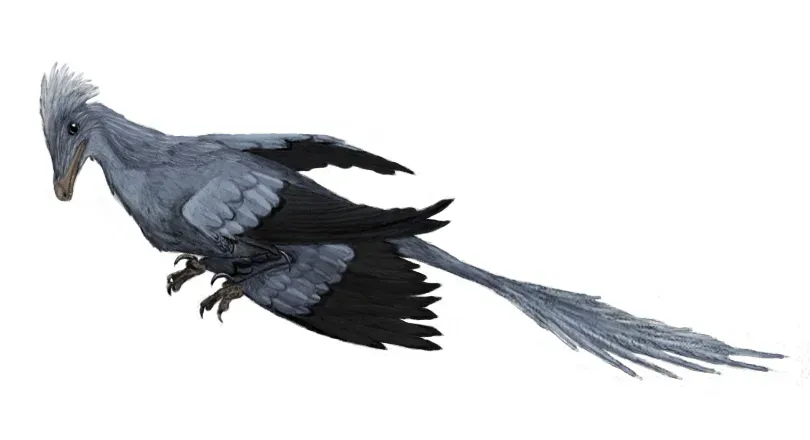
Feathers evolved before flight and may have functioned as insulation to keep dinosaurs warm, or for display as a way to attract mates. Let’s be real, finding feathers on dinosaurs was one of the coolest paleontological discoveries ever. It completely changed how we picture these animals.
Feathers and the ability to withstand freezing conditions highlight their adaptability to cold climates, challenging our perception of these ancient creatures. Forget the old image of dinosaurs lounging in tropical swamps. Many species thrived in polar regions, using their feathered coats to survive conditions that would have frozen their competitors solid.
Advanced Respiratory Systems With Unidirectional Airflow
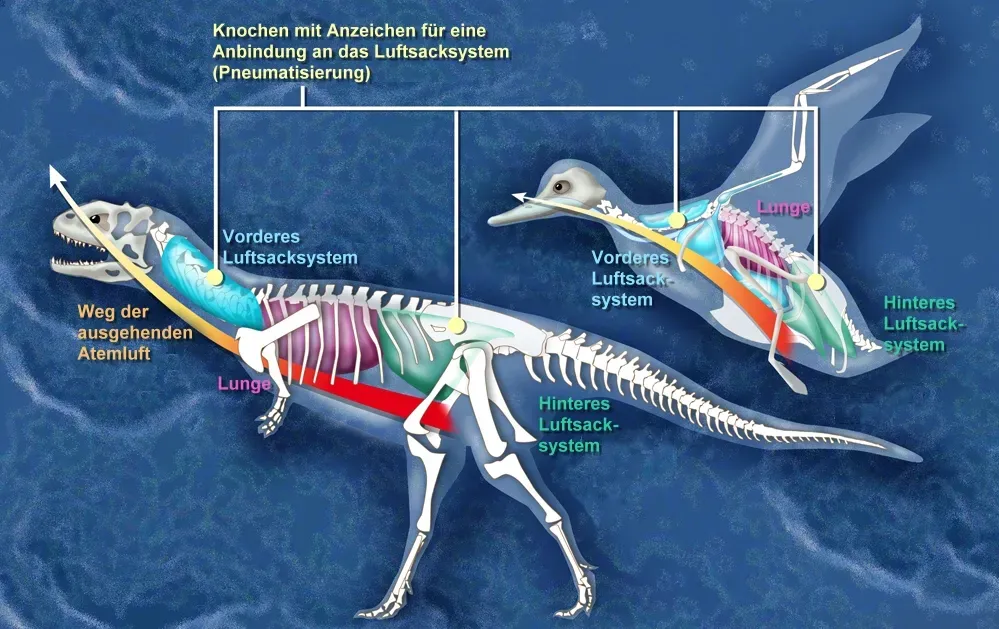
Large meat-eating dinosaurs had a complex system of air sacs similar to those found in modern birds, with lungs that likely pumped air into hollow sacs in their skeletons. This is where things get really sophisticated. Most animals breathe in, then breathe out through the same path. Dinosaurs developed something far more efficient.
This unidirectional flow meant fresh oxygen constantly passed through their lungs during both inhalation and exhalation. The result? Better oxygen extraction, higher activity levels, and sustained endurance that cold-blooded reptiles simply couldn’t match. It was like upgrading from a regular engine to a turbo-charged one.
Enormous Size As Protection
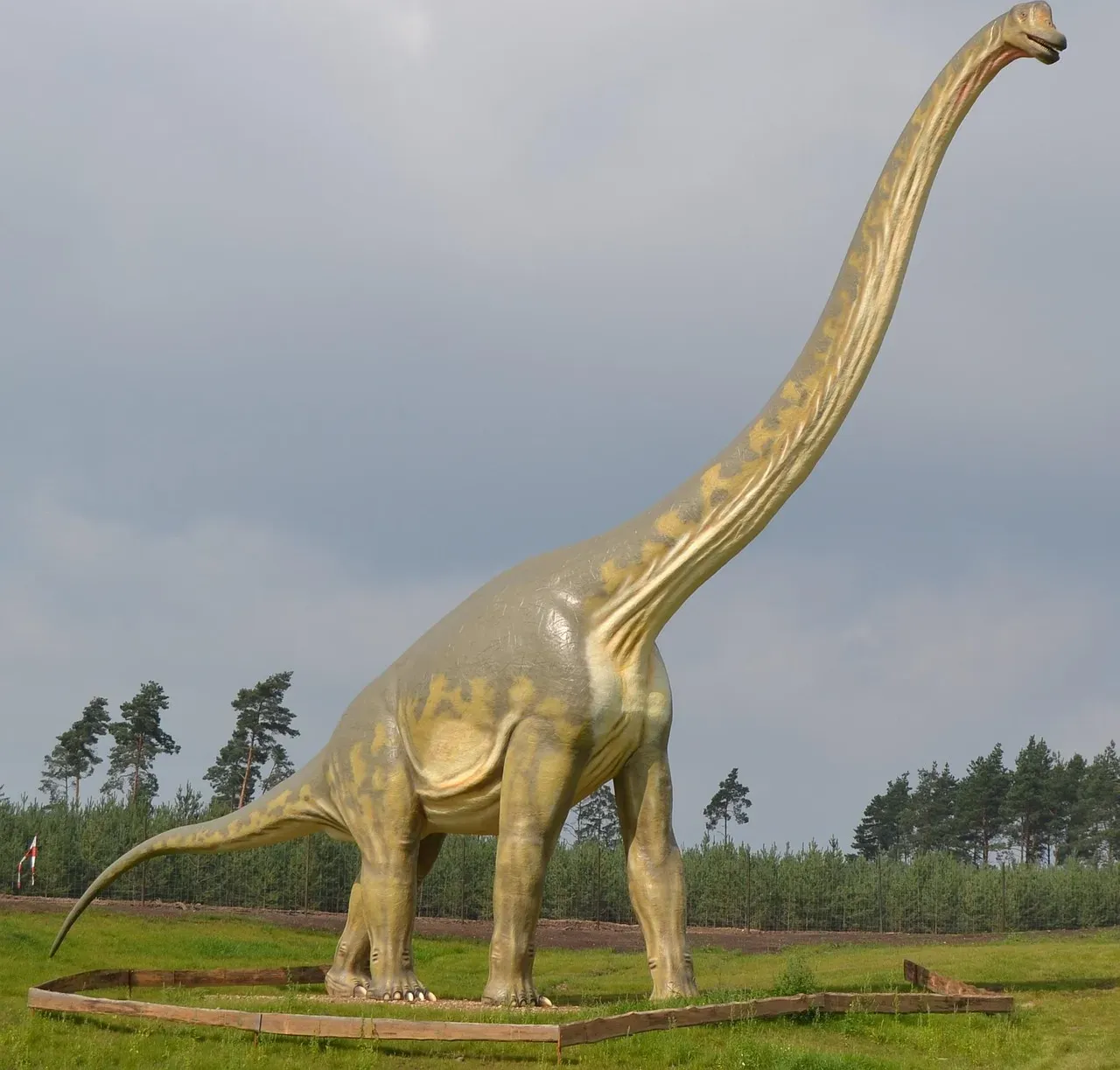
Sauropods were the largest and heaviest dinosaurs, and for much of the dinosaur era, the smallest sauropods were larger than anything else in their habitat. Size matters when you’re trying not to get eaten. Once a sauropod reached adulthood, practically nothing could take it down.
Large animals are more efficient at digestion than small animals because food spends more time in their digestive systems, permitting them to subsist on food with lower nutritive value. So being gigantic wasn’t just about defense. It allowed these dinosaurs to survive on low-quality vegetation that smaller herbivores couldn’t efficiently process.
Defensive Armor And Weaponry
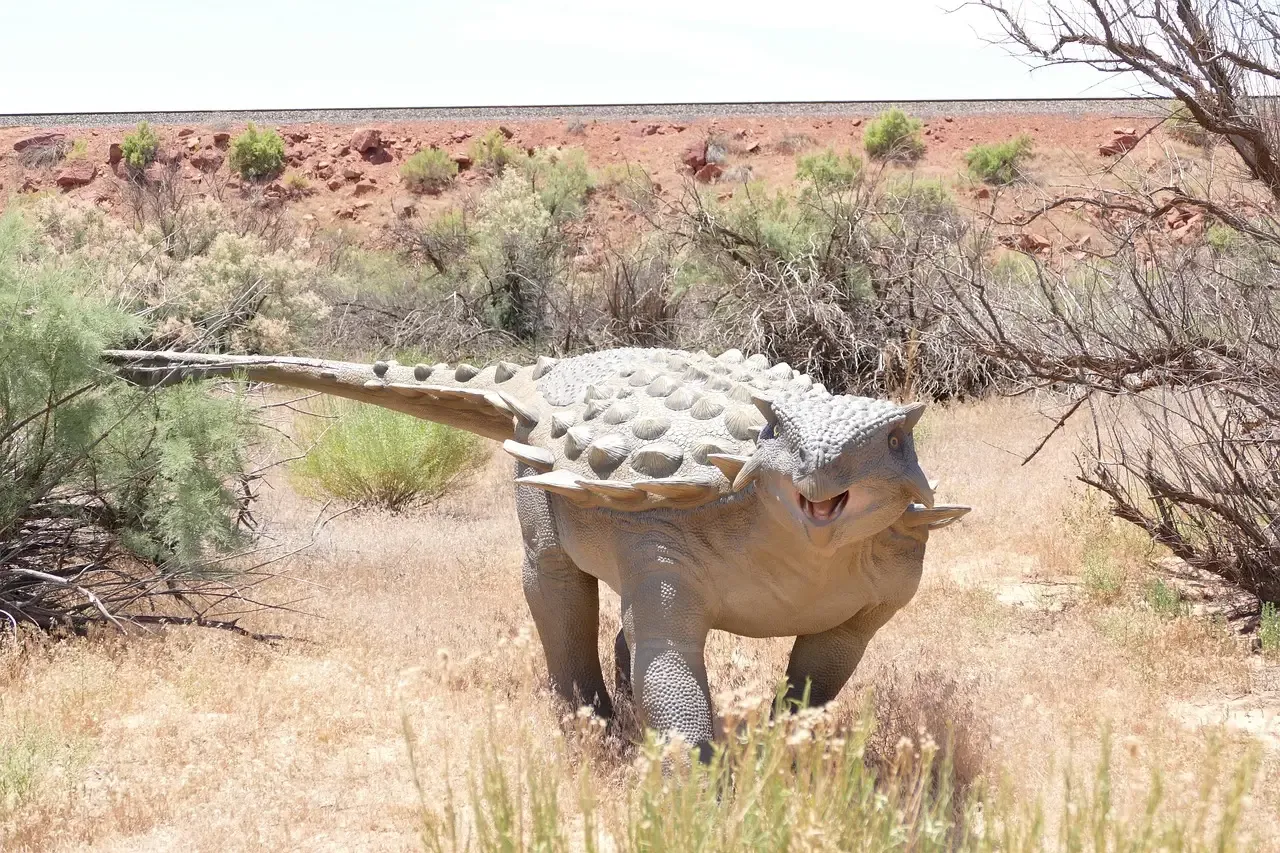
Ankylosaurus had thick, bony plates providing formidable protection against predators, with spikes protruding from various parts of its body to improve its defensive behavior. These walking tanks were basically impossible to attack successfully. Every angle was protected.
The most notable feature was its tail club, a strong weapon capable of delivering devastating blows to would-be attackers. Imagine a creature that could break bones with a single swing of its tail. Predators quickly learned that attacking an ankylosaur was a losing proposition. This kind of defense system allowed heavily armored species to thrive even among the fiercest carnivores.
Highly Efficient Metabolic Rates
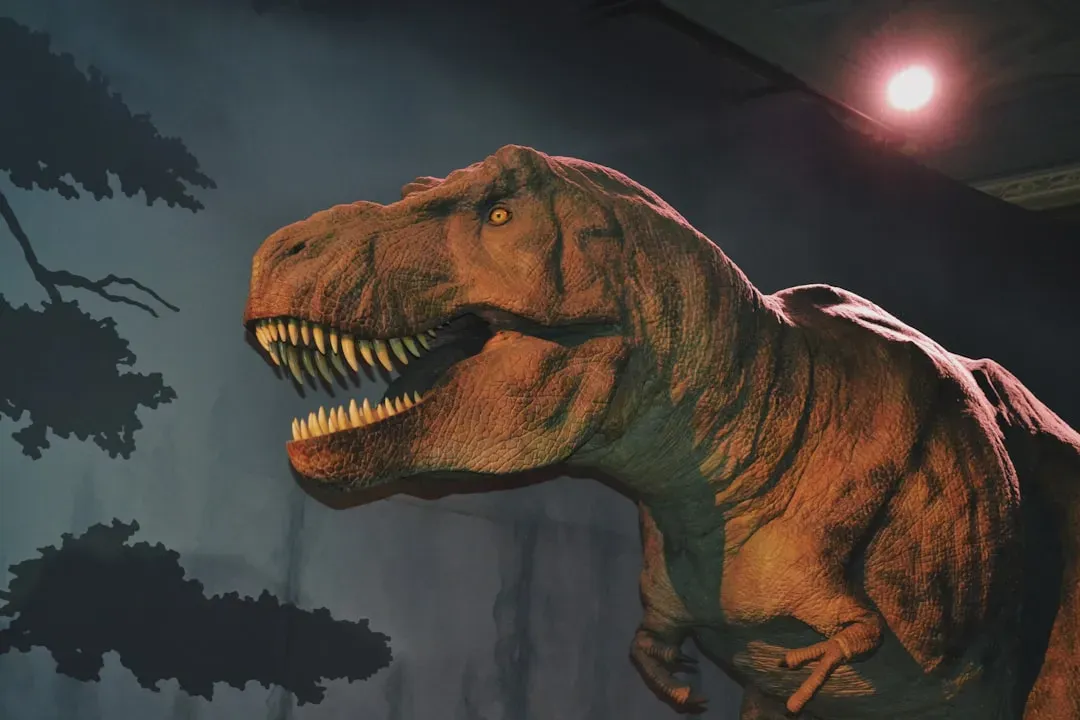
The earliest dinosaurs and pterosaurs had exceptionally high metabolic rates and were warm-blooded animals. This revelation flipped decades of assumptions on their head. For years, scientists pictured dinosaurs as sluggish, cold-blooded creatures. New evidence tells a completely different story.
High metabolic rates meant dinosaurs could sustain activity levels comparable to modern mammals. They could hunt actively, defend territories, and migrate long distances without needing to constantly bask in the sun. This internal heat production gave them independence from environmental temperatures that their ectothermic competitors lacked.
Adaptability To Diverse Environments
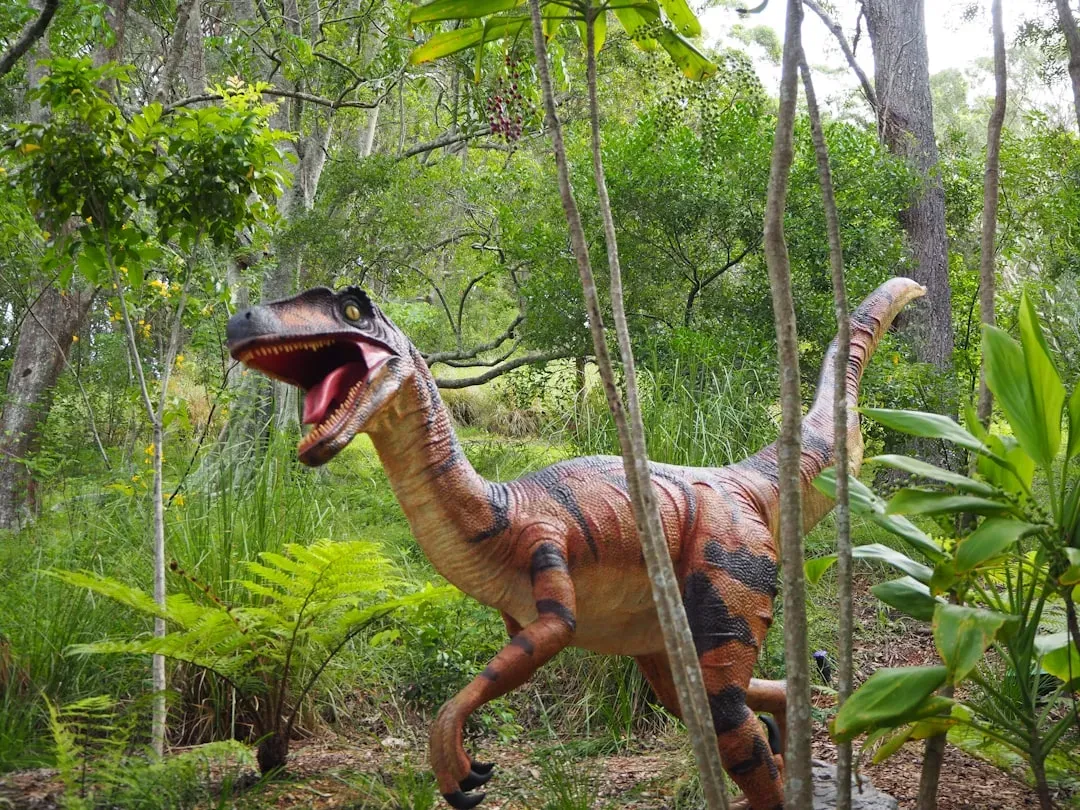
Adaptability was a cornerstone of dinosaur success, with early herbivorous dinosaurs diversifying their diets to survive in fluctuating environments. When climates shifted from wet to dry, when food sources changed, dinosaurs adjusted. They didn’t stick rigidly to one ecological role.
Dinosaurs’ dominance was attributable to their extraordinary ability to adapt to a wide range of climates, including cold and inhospitable environments. From tropical forests to arid deserts, from temperate woodlands to frozen tundra, dinosaurs found ways to survive and thrive. This environmental flexibility ensured that no matter what the planet threw at them, some dinosaur species would figure out how to make it work.
Social Behavior And Parental Care
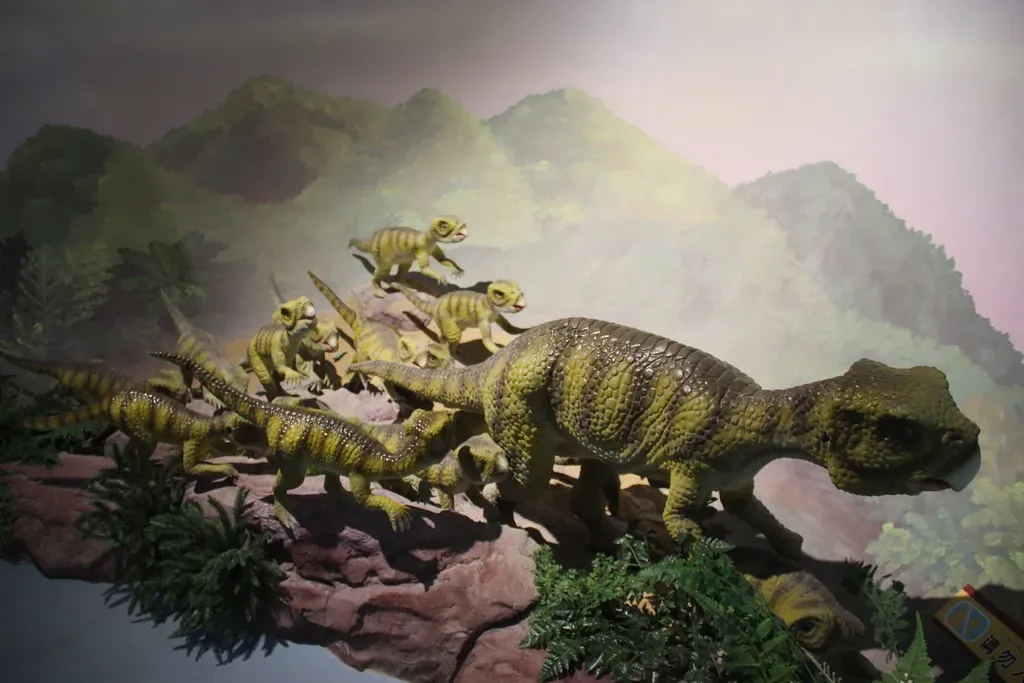
Nest-building was a trait shared by many dinosaurs, both avian and non-avian. Caring for offspring might not seem as flashy as giant claws or armored plates, but it was absolutely crucial to evolutionary success. Species that protected and nurtured their young had better survival rates.
Some dinosaurs lived in large herds with communal nesting sites, indicating complex social structures. Parents likely guarded eggs and cared for hatchlings, teaching them survival skills. This investment in the next generation meant juveniles had a fighting chance in a dangerous world, rather than being left to fend for themselves immediately after hatching.
Conclusion
The story of dinosaur dominance isn’t about one single magic adaptation. It’s about a suite of evolutionary innovations working together. Hollow bones, upright posture, versatile locomotion, specialized diets, protective armor, advanced respiratory systems, impressive size, high metabolism, environmental adaptability, and social behavior all combined to create animals perfectly suited to their world. These adaptations didn’t guarantee survival against a massive asteroid, obviously. Nothing could have.
What they did accomplish was 160 million years of unprecedented success. That’s longer than mammals have dominated Earth so far. So the next time you see a bird at your feeder, remember you’re looking at a living dinosaur, still carrying forward some of those incredible adaptations that once ruled the planet. What do you think was the most crucial adaptation for their success?