You’ve probably imagined what lurks beneath the ocean’s surface today, but have you ever wondered what swam through those same waters millions of years ago? Long before whales and sharks ruled the seas, Earth’s ancient oceans were home to predators so bizarre and terrifying that they make modern marine life seem almost tame by comparison. These weren’t the dinosaurs you learned about in school – they were something altogether different.
From armored fish with bone-crushing jaws to reptilian giants longer than a city bus, the prehistoric seas teemed with creatures that would make your blood run cold. Some had teeth as big as your hand. Others possessed sensory abilities we’re only beginning to understand. What’s really wild is how these monsters dominated their environments for tens of millions of years, evolving into forms that seem almost alien to us now. Ready to dive into a world where nightmare fuel was just another Tuesday? Let’s explore the apex predators that once made Earth’s oceans the most dangerous places on the planet.
Anomalocaris: The Dawn of Ocean Terror
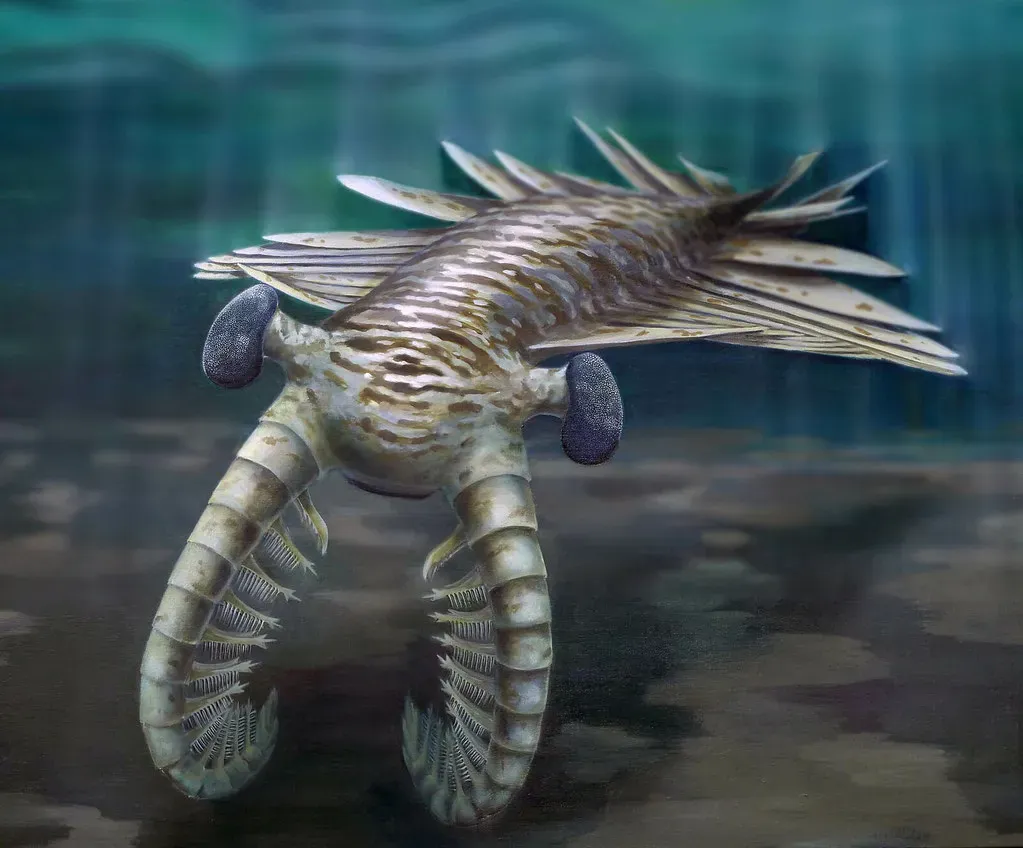
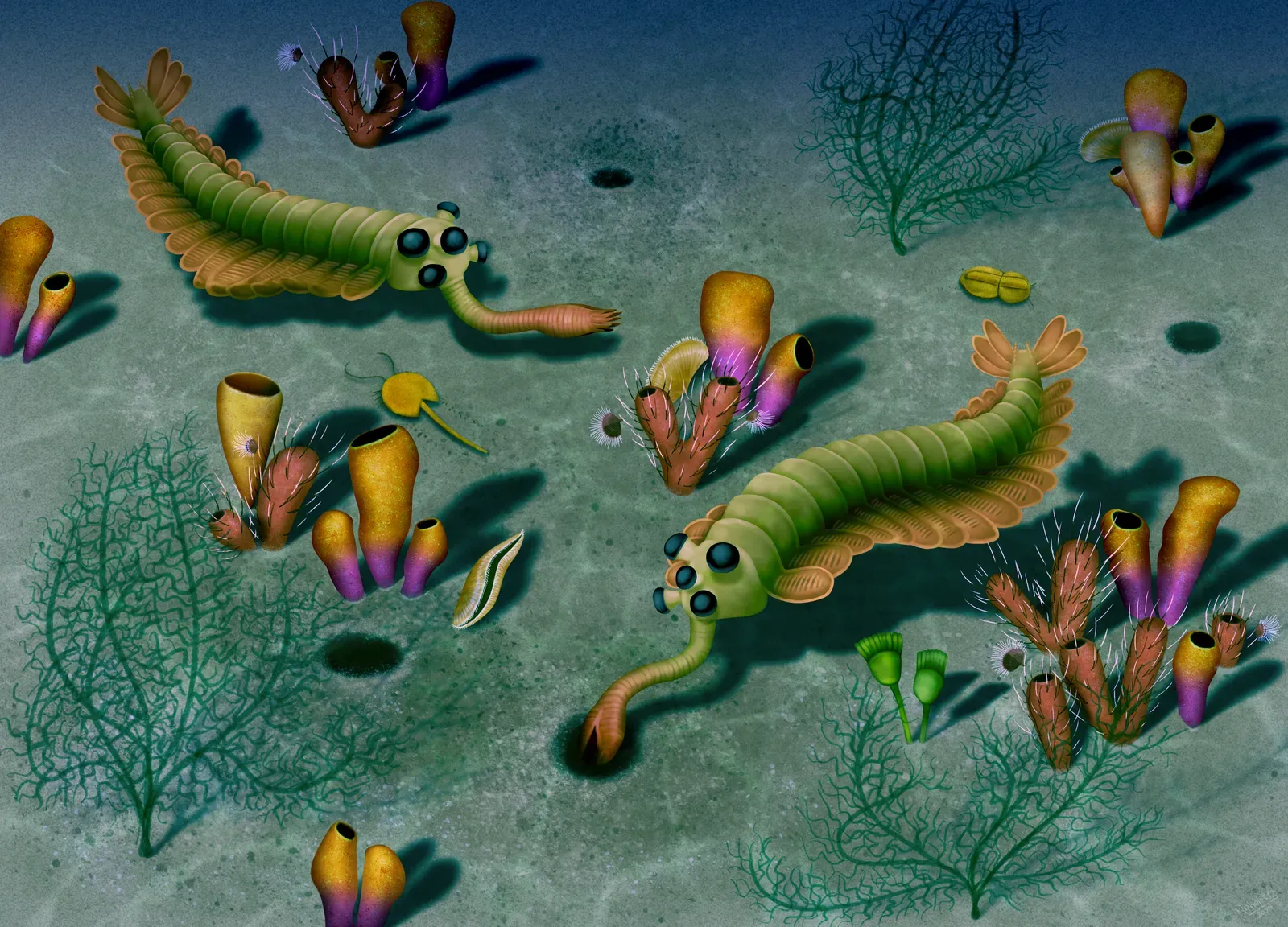
Picture this: you’re swimming in the Cambrian seas roughly half a billion years ago, and suddenly you encounter what looks like a shrimp on steroids with clawed arms and a mouth like a pineapple ring filled with teeth. Estimated to reach around 35 centimeters long excluding the frontal appendages and tail fan, Anomalocaris is one of the largest animals of the Cambrian, and thought to be one of the earliest examples of an apex predator. This creature basically invented the concept of being a super predator in the ocean.
What made Anomalocaris so successful wasn’t just its size – though being ten times bigger than anything else around certainly helped. Exceptional preservation of the eyes revealed that they were composed of over 16,000 tiny lenses, giving it vision that rivaled or exceeded most arthropods living today. These animals are the Earth’s oldest super predators, found in marine environments worldwide in Cambrian and Early Ordovician times, about 520 to 480 million years ago. Honestly, it’s hard to imagine how terrifying it must have been to be on the menu when this thing came swimming by with its spiked appendages outstretched.
Dunkleosteus: The Armored Nightmare
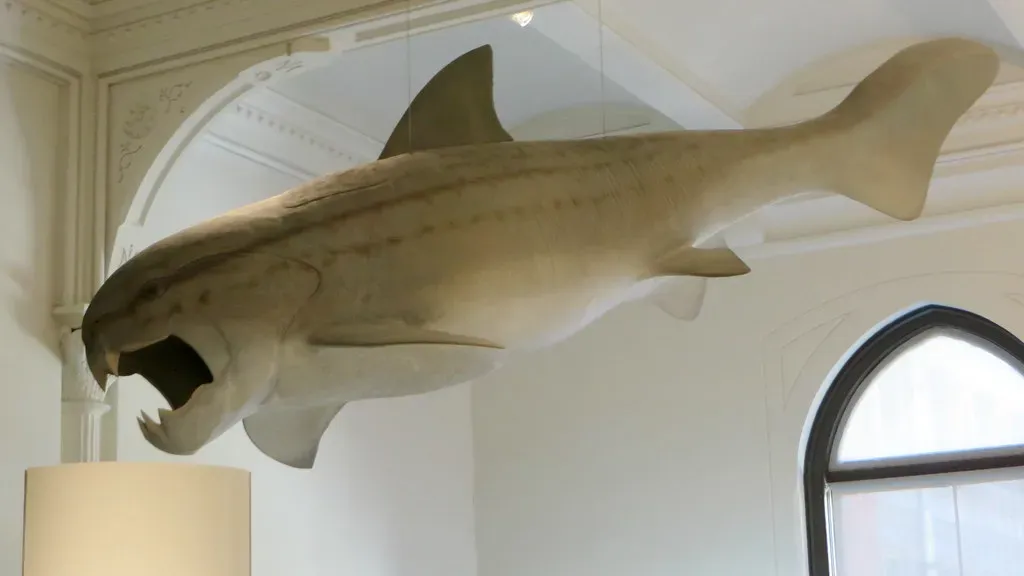
If Anomalocaris was scary, then Dunkleosteus was absolutely nightmarish. This wasn’t some soft-bodied invertebrate – this was a heavily armored fish from the Devonian period that took no prisoners. Dunkleosteus was one of the largest and most fearsome prehistoric fish, with a heavily armored head and thorax, its jaws equipped with sharp, bony plates that acted like shears, capable of cutting through the toughest prey. Instead of teeth, it had bone plates that functioned like guillotine blades.
Here’s the thing that really gets me: This fearsome prehistoric fish is thought to have had one of the strongest bite forces of any known animal, with estimates of the maximum length ranging from around 5 meters to up to 10 meters. The creature could open its mouth and snap it shut in a fraction of a second, creating suction that pulled prey directly into those bone-crushing jaws. Nothing in the Devonian seas was safe from this beast, and its armored plating meant it had virtually no natural predators itself.
Liopleurodon: The Jurassic Ambush Hunter
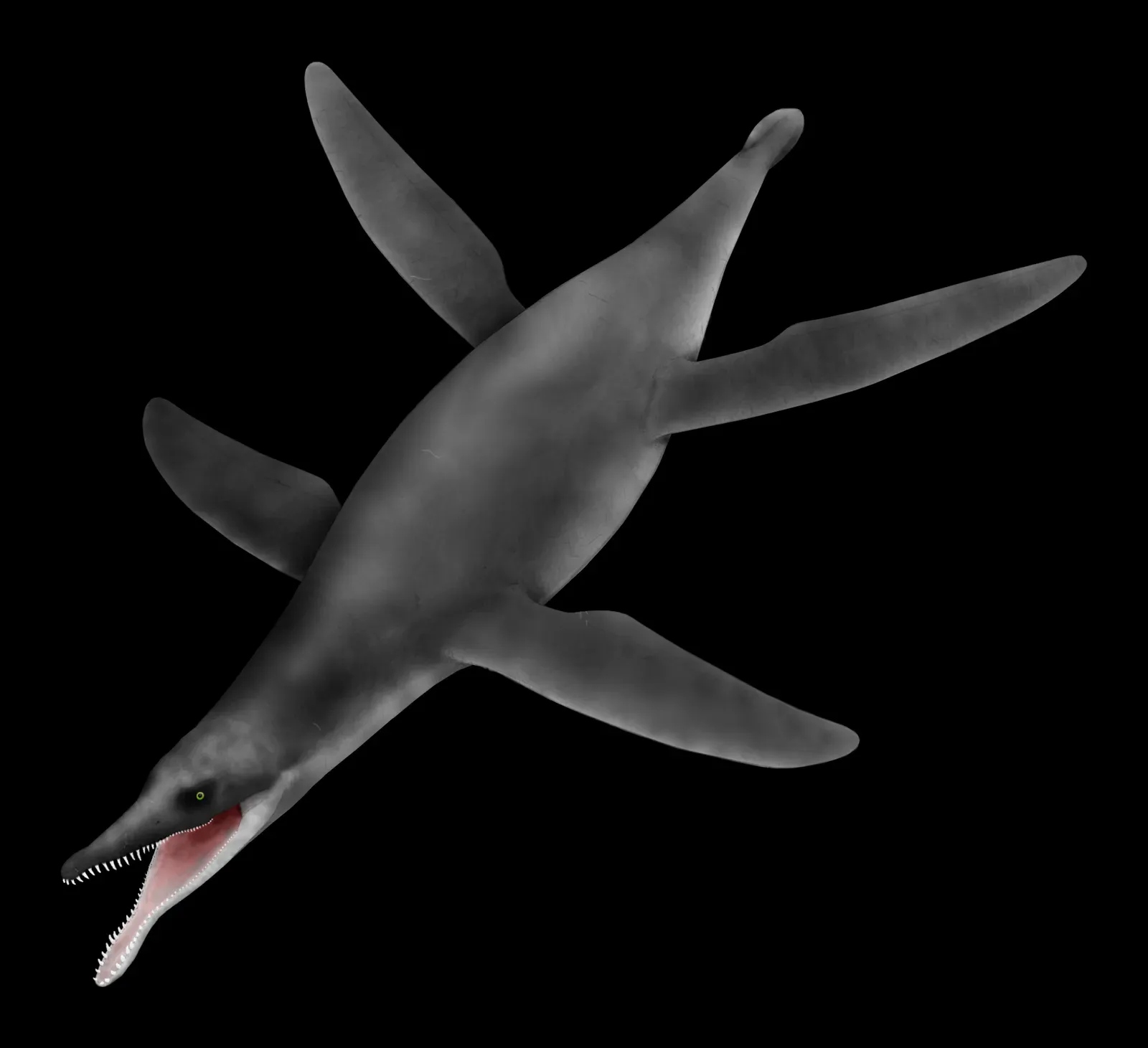
Moving forward in time to the Jurassic period, we encounter Liopleurodon, a pliosaur that exemplified speed and stealth. This sea reptile lived around 166 to 155 million years ago, with scientists believing it could have been anywhere between 20 to 40 feet long. Unlike the lumbering giants you might imagine, this was a precision killing machine built for ambush attacks.
Some anatomical studies have found that Liopleurodon was likely a very fast and agile swimmer, built for ambushing its prey from below. With four powerful flippers and a keen sense of smell, it could detect prey from remarkable distances and strike with devastating speed. For millions of years, Liopleurodon was the apex predator in its environment, hunting large fish, squid, and other marine reptiles. The seas of what is now Europe were its personal hunting grounds, and few creatures could escape once it locked onto its target.
Mosasaurus: The Late Cretaceous Leviathan
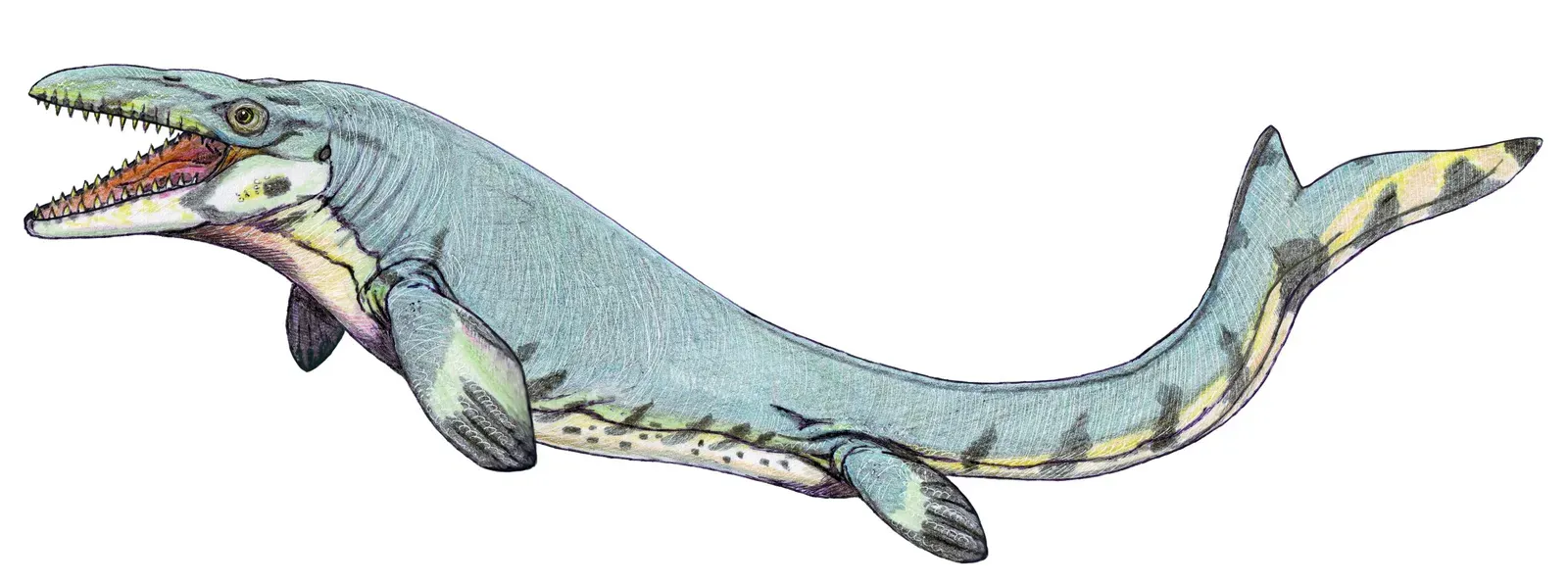
Let’s be real – if you’ve seen Jurassic World, you’ve already met this beast in Hollywood fashion. Mosasaurus hoffmannii was the apex predator of the Late Cretaceous oceans, reaching 11 metres in length and 3.8 metric tons in body mass. What the movies didn’t fully capture was how utterly dominant these marine reptiles were across virtually every ocean on Earth.
Mosasaurus was a common large predator in these oceans and was positioned at the top of the food chain, with paleontologists believing its diet would have included virtually any animal. These weren’t picky eaters – bony fish, sharks, seabirds, sea turtles, and even other mosasaurs were fair game. During the last 20 million years of the Cretaceous period, with the extinction of the ichthyosaurs and pliosaurs, mosasaurids became the dominant marine predators before they themselves became extinct as a result of the K-Pg event about 66 million years ago. Their reign was absolute until that asteroid said otherwise.
Megalodon: The Ultimate Shark
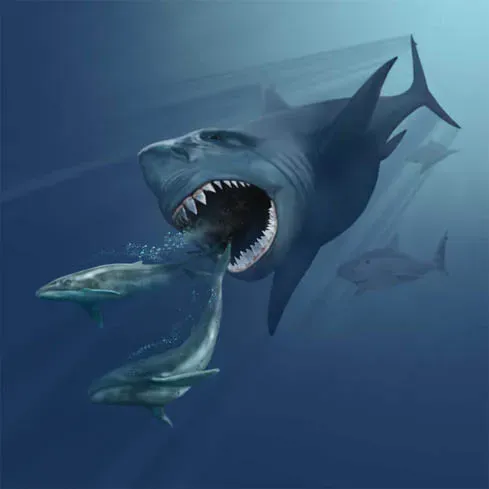
You can’t talk about ancient sea monsters without mentioning the most famous one of all. Megalodon became extinct roughly 3.6 million years ago, during a time when our planet was plunged into a series of long ice ages. This massive shark has captured imaginations worldwide, and for good reason – it was essentially a great white shark scaled up to absolutely terrifying proportions.
Megalodon’s great size, high-speed swimming capability, and powerful jaws, coupled with an impressive feeding apparatus, made it an apex predator capable of consuming a broad spectrum of animals – it was probably one of the most powerful predators to have existed. Recent research reveals something even more astonishing: Megalodon sharks were three times longer than modern great white sharks and were apex predators at the highest trophic level ever measured. That means it wasn’t just eating fish and seals – it was eating other predators that ate predators. The food chain had to stack several levels higher just to accommodate where Megalodon sat.
Basilosaurus: The Serpentine Whale
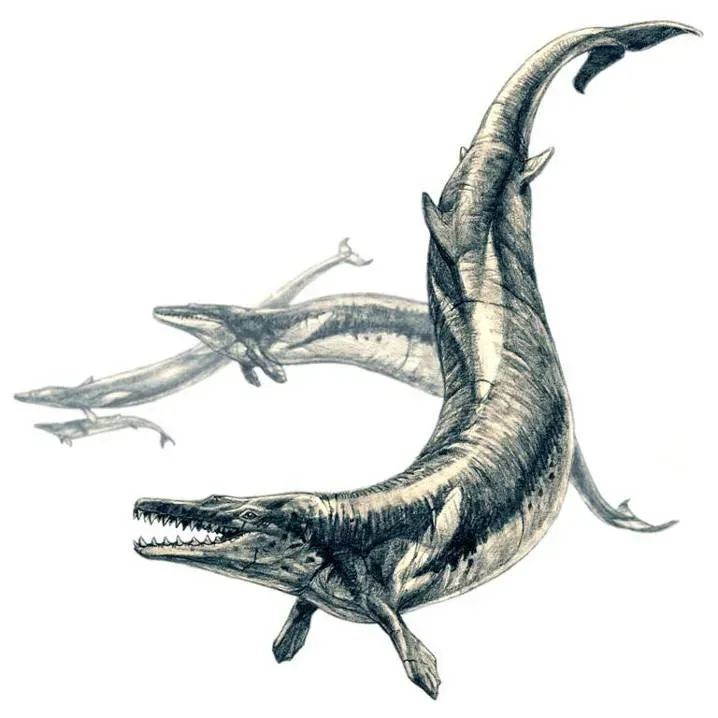
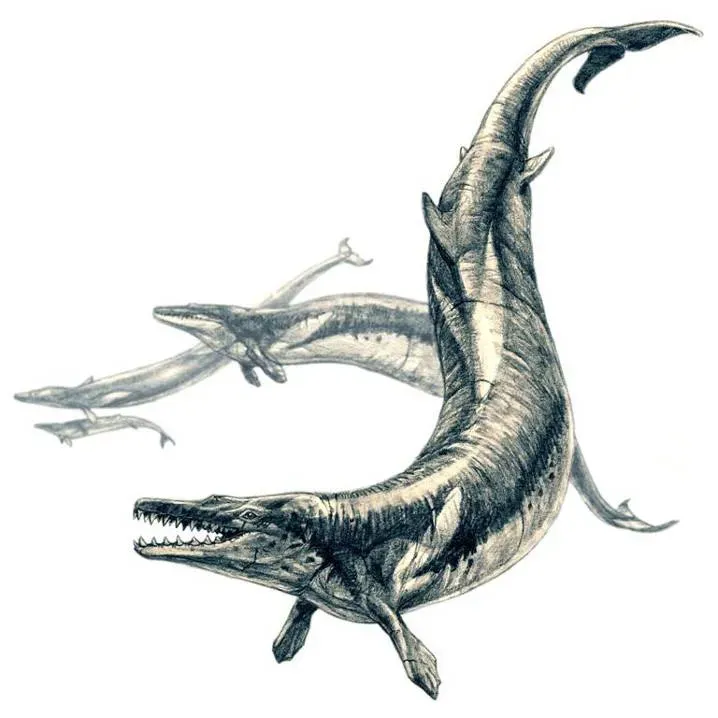
Despite its name suggesting a reptile, Basilosaurus was actually a mammal – one of the earliest whales, in fact. Basilosaurus, meaning “king lizard,” is a prehistoric sea creature with a deceptive name, actually one of the earliest whales evolving from land-dwelling mammals during the Eocene epoch, reaching an average length of 18 meters. Imagine a whale shaped like a giant eel with a mouth full of sharp teeth designed for one thing: killing.
Basilosaurus was likely a top predator in its marine environment, feeding on fish, sharks, and possibly other marine mammals, with its elongated body and large size making it a formidable hunter. It lived around 40 million years ago, and honestly, it looked like something out of a fever dream. Its serpentine body and predatory lifestyle made it unlike any whale you’d recognize today. The creature was pure nightmare fuel even before considering how it crushed the skulls of its prey with terrifying force.
Eurypterids: The Sea Scorpion Menace
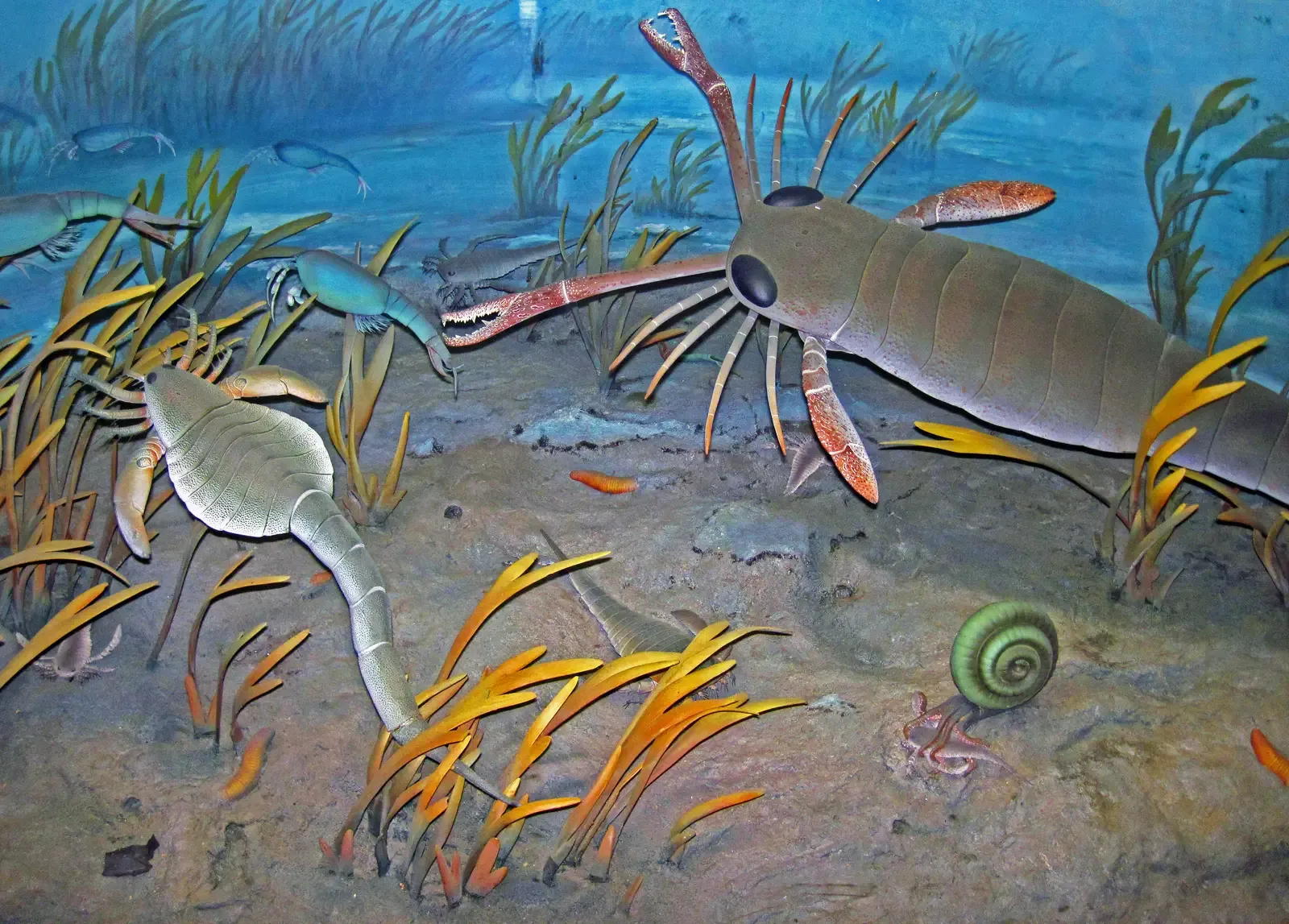
While not as massive as some entries on this list, eurypterids – or sea scorpions – deserve recognition for pure intimidation factor. Just over 400 million years ago, during a time when scorpions, spiders, and insects ruled over the land, predatory invertebrates known as eurypterids stalked the silty, estuarine environments, and the largest amongst them was a 2.5-meter-long monstrosity known as Jaekelopterus. That’s roughly eight feet of armored arthropod with claws.
These creatures weren’t even exclusively marine – they could thrive in brackish and freshwater environments too. As the largest arthropods ever discovered, they commanded respect wherever they swam. Their size alone made them apex predators in their ecosystems, and their powerful claws could make short work of anything unlucky enough to cross their path. It’s fascinating to think that bugs once ruled portions of Earth’s waterways with such dominance.
The Evolutionary Arms Race That Shaped Our Oceans
Sea monsters ruled the oceans for over 180 million years (modern humans have only been around for about 300,000 years). That staggering timeline puts our existence into perspective. These predators didn’t just randomly appear – they evolved in response to changing ocean chemistry, prey adaptations, and competition with other apex hunters.
Researchers have discovered ancient marine predators were far more powerful than any seen today, dominating waters at the very top of an extraordinary food chain. Some recent studies have even identified hyper-apex predators – creatures that occupied a seventh trophic level never before documented. From the soft-bodied, alien lookalikes of the Cambrian to the murderous marine reptiles of the Triassic and Jurassic, our underwater realm has seen a lot of monsters come and go. Each extinction event reshaped the ocean’s power structure, allowing new predators to rise and dominate until the next catastrophic change.
What strikes me most about these ancient sea monsters is how utterly foreign they seem compared to today’s ocean life. Modern great white sharks and orcas are impressive, sure, but they’re operating in ecosystems fundamentally different from those ancient seas. The diversity of predatory strategies – from Anomalocaris’s compound eyes and grasping claws to Megalodon’s impossible bite force – shows us that evolution experimented with countless ways to be the ocean’s top killer. These creatures remind us that our planet’s history is far stranger and more wonderful than we often imagine, and that the oceans have always been testing grounds for nature’s most extreme predators. What would you have done if you encountered one of these monsters in their prime?