You know that feeling when you stumble upon something that just doesn’t make sense? Something that challenges everything you thought you knew about history? Well, imagine standing before structures so massive, so perfectly crafted, that even with our modern technology, we’d struggle to recreate them today. These aren’t just old buildings or forgotten monuments. These are places that whisper secrets from civilizations long vanished, leaving behind puzzles that continue to baffle the brightest minds of our time.
Think about it for a moment. Our ancestors supposedly lacked advanced tools, computers, or engineering degrees. Yet somehow, they moved stones weighing hundreds of tons, carved underground cities into solid rock, and created artworks visible only from the sky. How did they do it? That’s the million-dollar question. Let’s dive into twelve of the most perplexing ancient wonders scattered across our planet, each one holding mysteries that refuse to be solved. Be prepared to question what you think is possible.
Göbekli Tepe: The Temple That Shouldn’t Exist
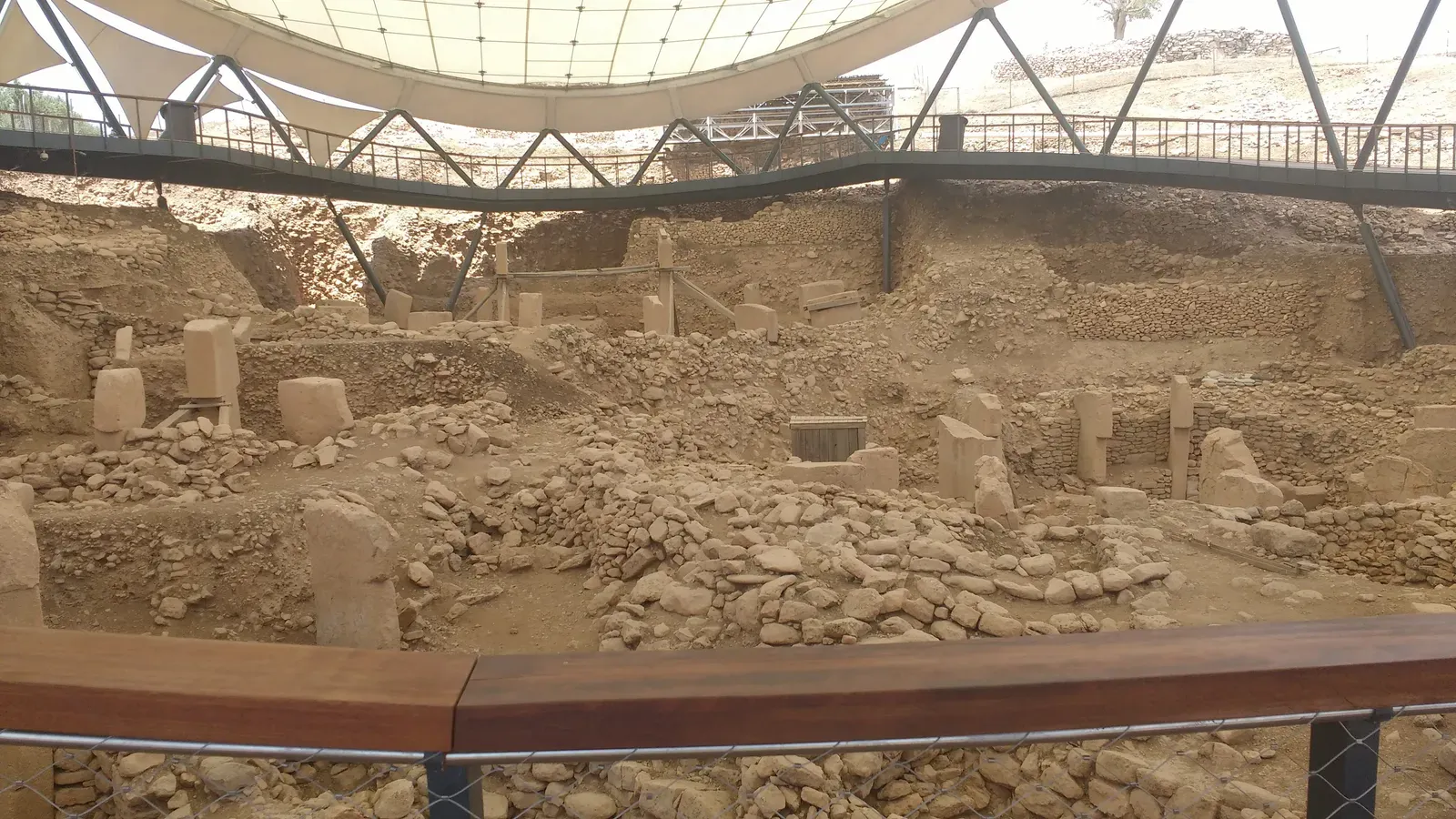
Located deep in Turkey’s Anatolian plains, Göbekli Tepe stands as one of the most perplexing archaeological discoveries, dating back over eleven thousand years. Here’s the thing though: this site predates Stonehenge and the Egyptian Pyramids by thousands of years, built at a time when humans were supposedly primitive hunter-gatherers who hadn’t even figured out farming yet. The construction dates back almost twelve thousand years, which puts it at a time period considered to be pre-civilization.
The intricate carvings and massive pillars suggest it was a place of ritual, but why it was suddenly buried and abandoned remains a mystery, with the civilization that built it leaving no known written records. The limestone columns used for this construction, weighing between fifteen and twenty-two tons, were cut from huge blocks of rock, with archaeologists finding two hundred massive columns arranged in several rings carved with animal scenes dating from the tenth millennium BC. Who were these people, and what drove them to create something so sophisticated?
Derinkuyu: The Underground City That Housed Thousands
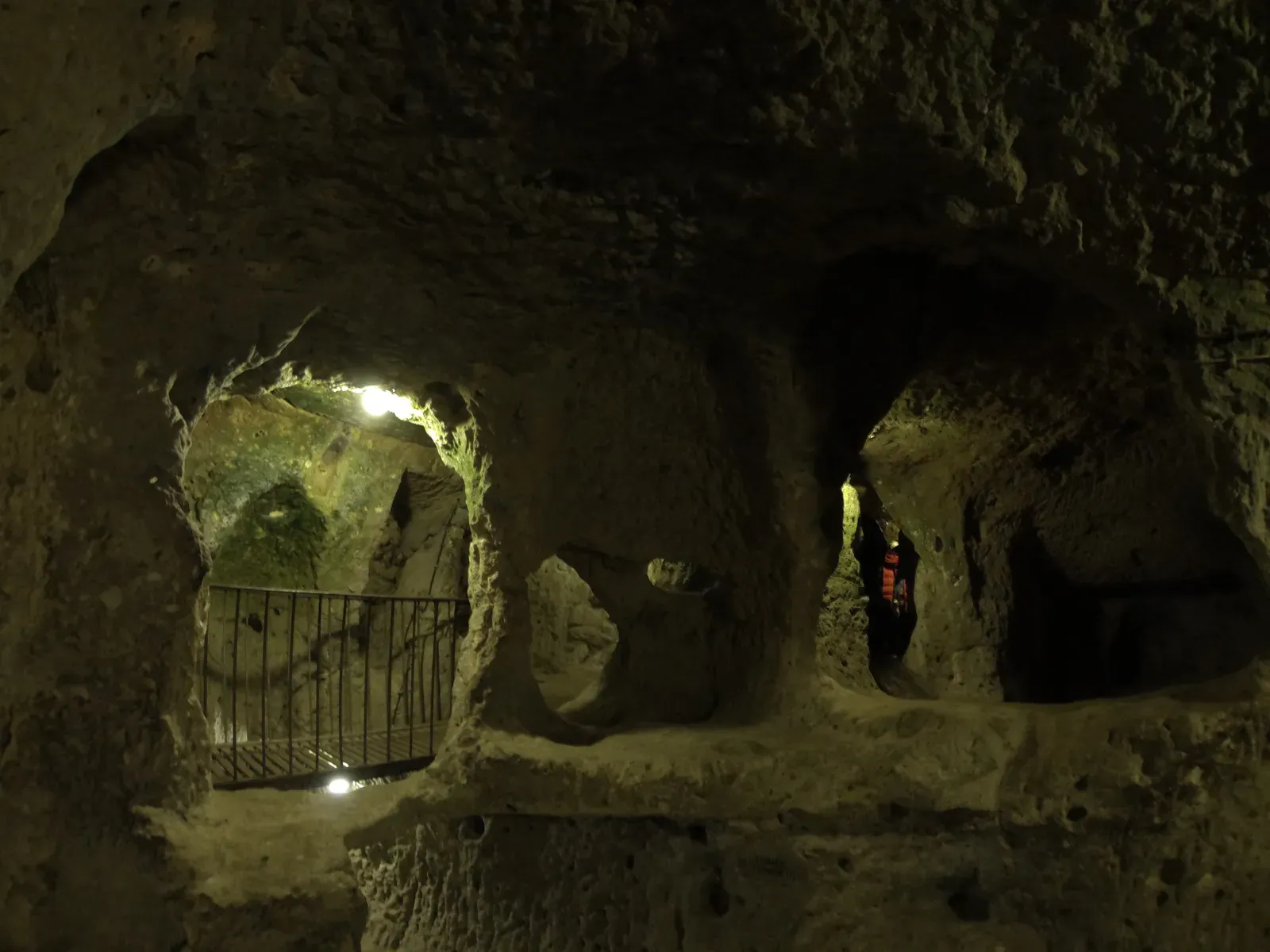
Deep under the Turkish town of Derinkuyu, there’s an entire world reaching eighty-five meters into the earth, discovered by accident in 1963 when a man found a tunnel behind one of the walls of his house, revealing an underground city eighteen stories deep with wells, chapels, stables, schools and more, capable of accommodating up to twenty thousand people. Imagine renovating your basement and discovering a secret passage to an ancient civilization. That’s essentially what happened here.
The passageways are secured by thousand-pound stone doors that could only be opened from the inside. This ancient underground complex has fifteen thousand ventilation shafts, which is just mind-boggling when you think about the planning involved. The real mystery? Some claim the underground city was built by Anatolian Hittites in the fifteenth century BC to flee enemies, while others hypothesize it was created during the Younger Dryas Event about fourteen thousand five hundred years ago. The truth remains buried along with much of this subterranean marvel.
Yonaguni Monument: Japan’s Underwater Enigma
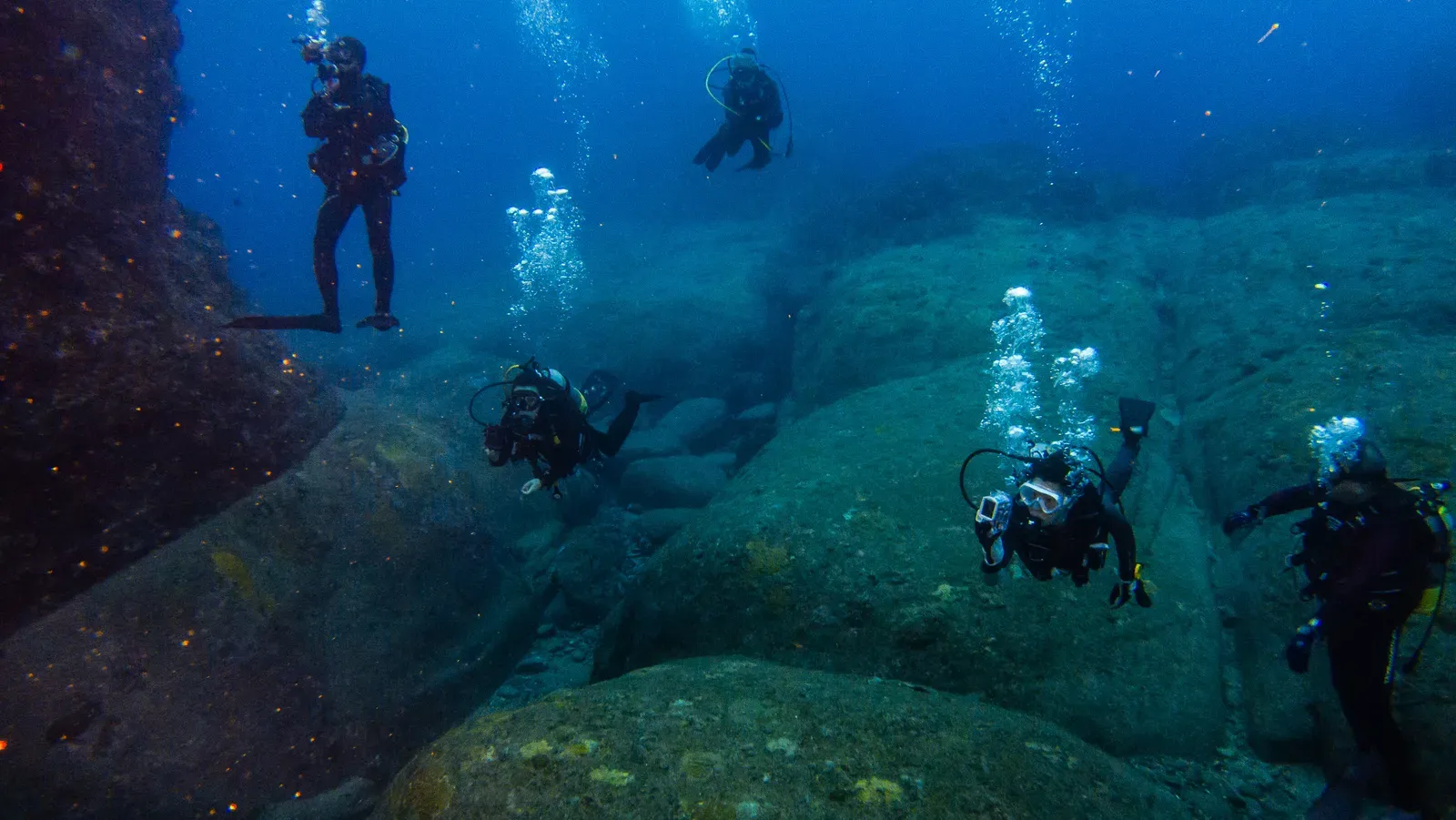
Off the coast of Japan’s Yonaguni Island lies an underwater rock structure, at least one hundred sixty-five feet long and sixty-five feet wide, that resembles a manmade step pyramid, discovered in the 1980s and believed by some researchers to be the ruins of an ancient civilization. Let’s be real, when you see perfectly right angles and what appear to be carved steps underwater, it’s hard to believe Mother Nature did all that by herself.
These large stone structures appear to be large stepped monoliths, with some ruins having walls that are thirty-three feet tall and columns that rise to within eight feet of the surface, featuring square shapes and formations that look like figures such as the turtle and the giant face. Many researchers, however, contend that Japan’s Atlantis is nothing more than a curious natural phenomenon shaped by tectonic uplift and ocean currents. Still, the debate rages on, and honestly, once you see photos of this site, you’ll understand why people remain skeptical of the natural formation theory.
Puma Punku: Precision That Defies Ancient Technology
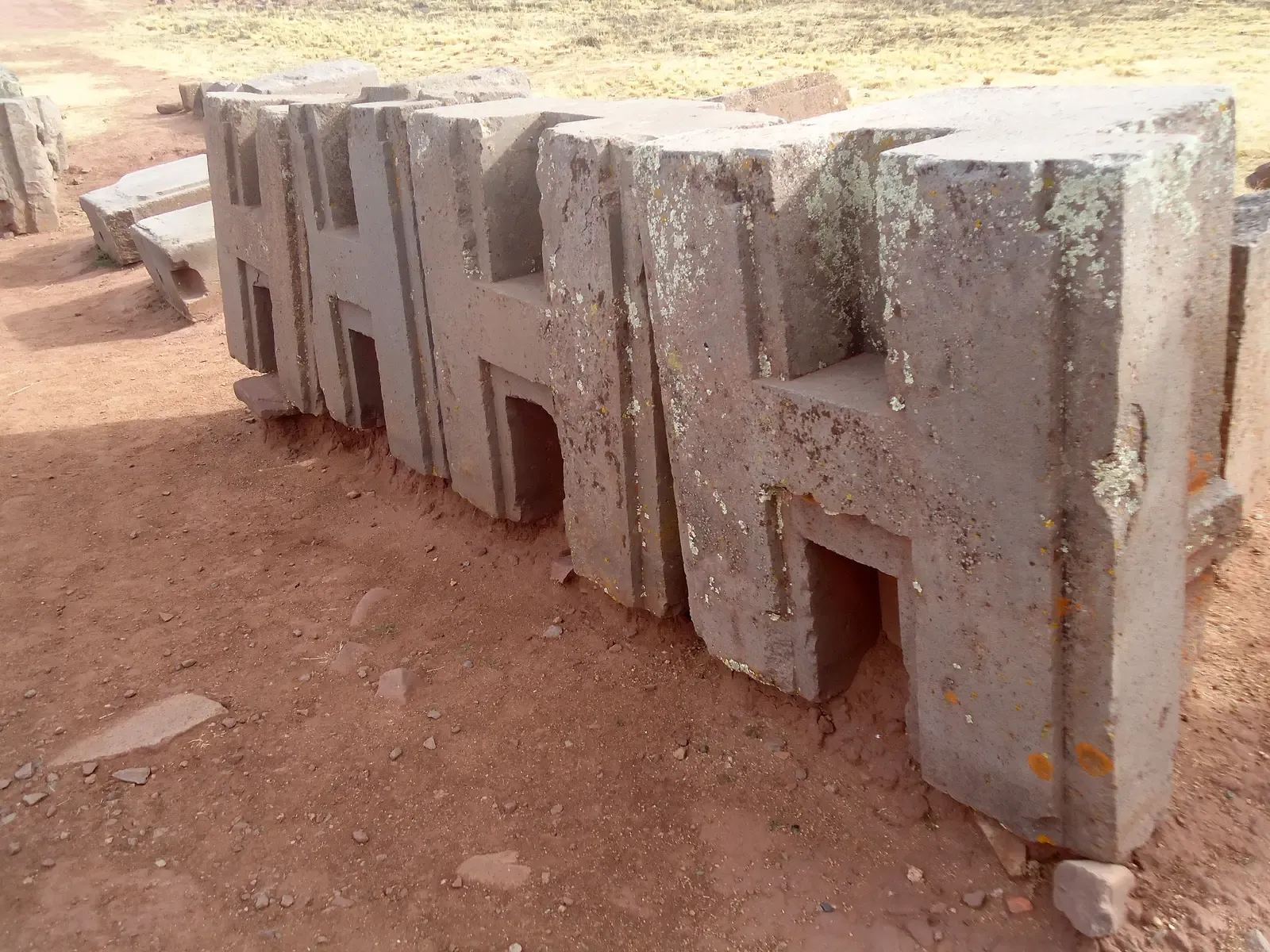
Pumapunku is part of the Tiwanaku temple complex dating to 536 CE near Illimani mountain, a sacred peak, and while it may lie in ruins, it was once a wondrous construction faced with polished metal, with the mystery being how the builders calculated and cut such precise stonework working only with stone tools. I know it sounds crazy, but some of these cuts are so perfect that modern engineers scratch their heads wondering how it was done.
The red sandstone and andesite stones were cut in such a precise way that they fit perfectly into and lock with each other without using mortar, with the technical finesse and precision displayed in these stone blocks being astounding. Many of the joints are so precise that not even a razor blade will fit between the stones. The largest of these blocks is over twenty-five feet long, seventeen feet wide and over three feet thick, estimated to weigh one hundred thirty-one metric tons, transported from quarries roughly ten kilometers away. How they moved these behemoths remains one of archaeology’s greatest puzzles.
Baalbek’s Trilithon: The Stones That Challenge Physics
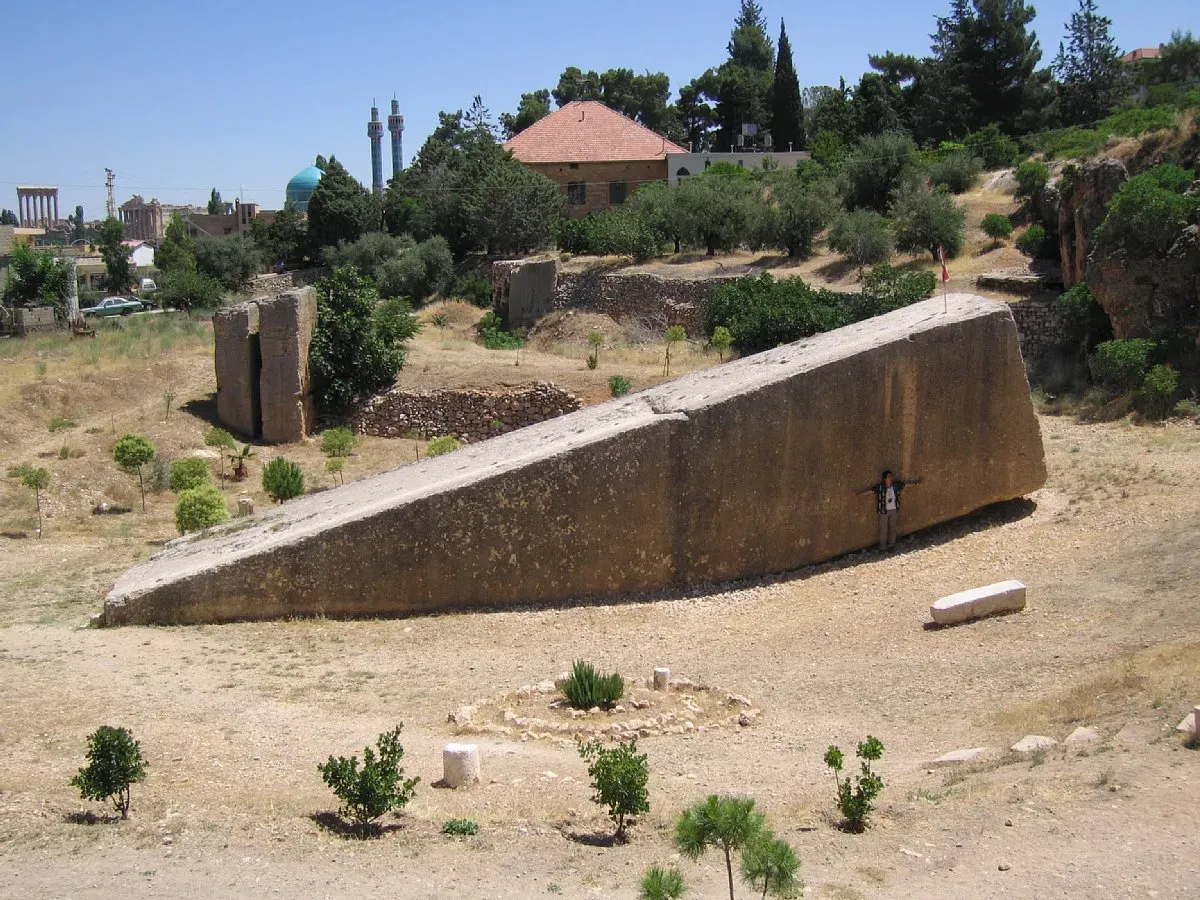
The Baalbek Stones are six massive Roman worked stone blocks in Baalbek, Lebanon, characterized by megalithic gigantism unparalleled in antiquity, with the smaller three known as the Trilithon being part of a podium wall in the Temple of Jupiter Baal, each estimated at seven hundred fifty to eight hundred tonnes. Let me put that in perspective for you: that’s heavier than roughly one hundred sixty adult elephants per stone.
The remaining three are Roman monoliths not part of a larger structure, known as the Stone of the Pregnant Woman estimated at one thousand tonnes, the Stone of the South estimated at one thousand two hundred forty-two tonnes, and the Forgotten Stone estimated at one thousand six hundred fifty tonnes, which are the first, third, and tied fifth largest known stones ever quarried in human history. How the stones were moved from where they were quarried to their final locations is uncertain. Even with all our modern cranes and technology, moving stones of this magnitude would be a monumental engineering challenge today.
Longyou Caves: China’s Man-Made Underground Marvel
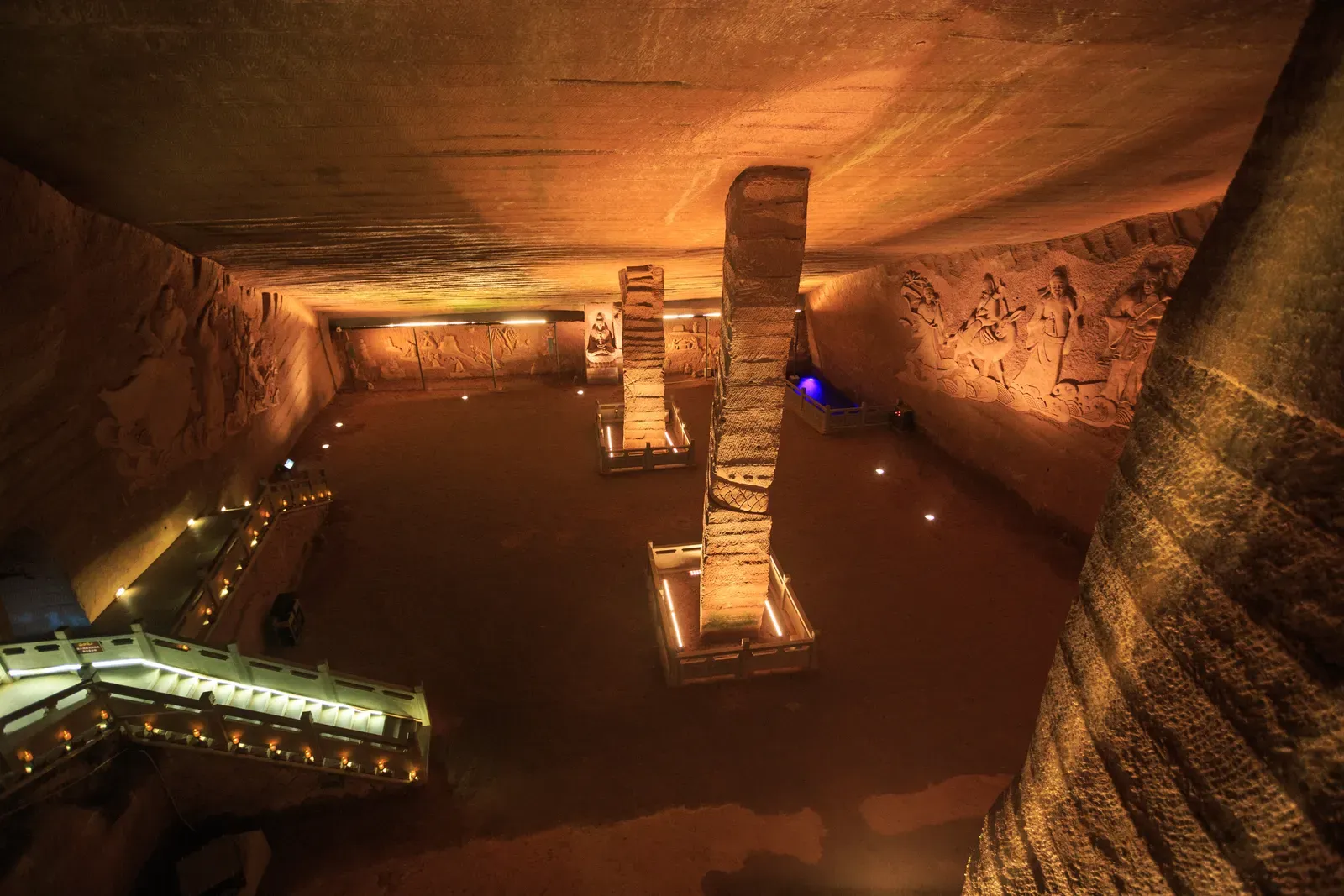
There is an extensive ancient underground world near the village of Shiyan Beicun in Zhejiang province, China, with the Longyou Caves believed to date back some two thousand years, first discovered in 1992 and covering a massive thirty meters, with stone rooms, bridges, gutters, and even pools, and experts from all over the world still having no idea who built the caves and why. The scale of this excavation is absolutely staggering when you consider it was all done manually.
The caves are advanced, with pillars supporting the ceiling and columns uniformly decorated with chisel marks, and scientists claim that the Longyou Caves could not have been built by regular village people, but possibly commissioned by an Emperor. Yet there’s no historical record of such a massive undertaking. It’s hard to say for sure, but the sheer volume of rock removed from these caverns suggests a workforce and organization that seems almost impossible for the time period. Where did all that excavated material go?
Sacsayhuaman: The Fortress of Impossible Stones
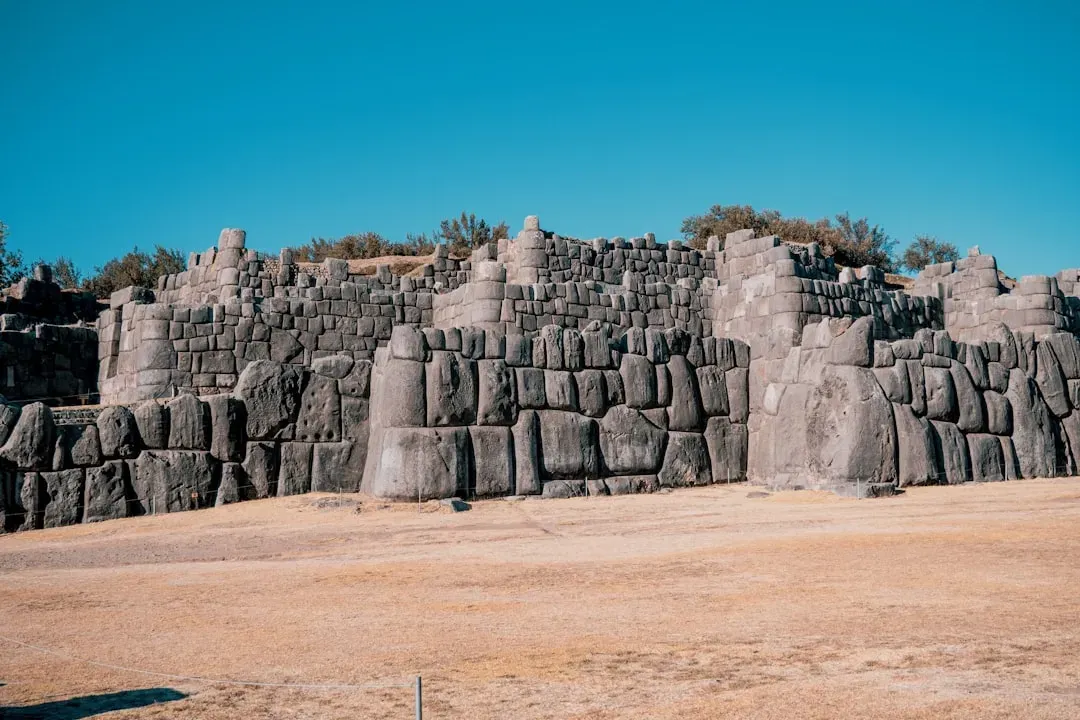
Sacsayhuaman is an old walled complex near Machu Picchu, Peru, built during the reign of Pachacuti, representing the largest structure built by the Incas on a raised ledge overlooking the northern swampy ground outside the Incan capital Cuzco, with later rulers replacing walls with magnificent masonry using huge finely cut polygonal blocks, many over four meters high and weighing over one hundred tons. The precision fit of these massive irregular stones is something that still amazes visitors today.
Spanish colonizers dismantled much of the site for building materials, yet Sacsayhuaman has remained structurally sound enough to withstand large earthquakes and other ravages of time. Huge boulders were mined and shaped with nothing more than harder stones and bronze tools. Think about that for a second. Bronze tools shaping stones weighing over one hundred tons into perfectly interlocking pieces. The mathematics and engineering knowledge required for this feat suggests a sophistication that challenges our understanding of Incan capabilities.
The Nazca Lines: Messages Drawn for the Sky
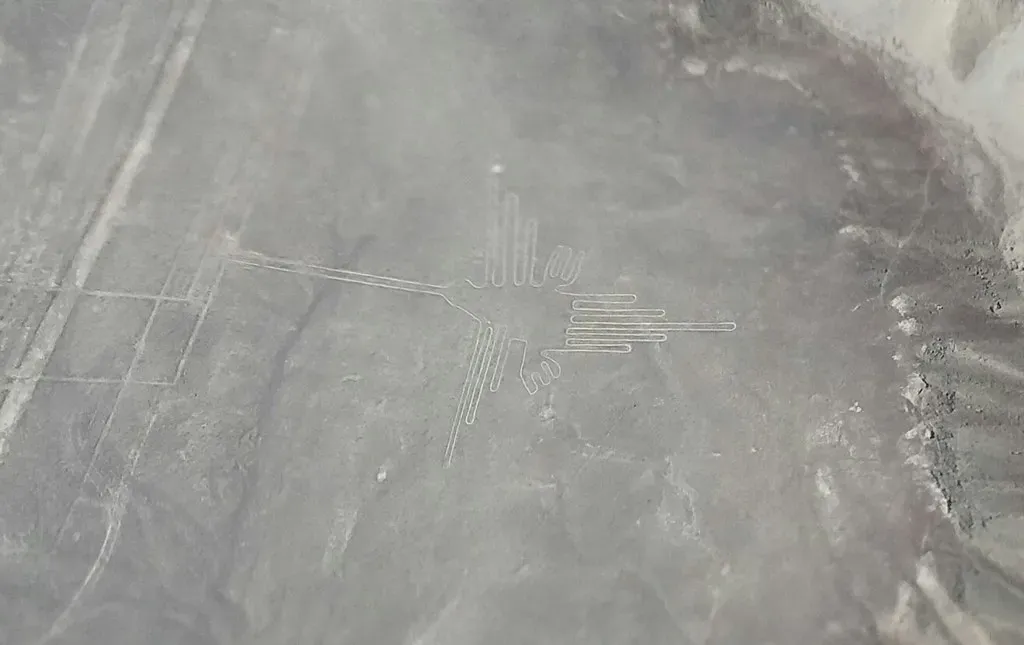
Between AD 1 and 700, the Nazca people of Peru carved twelve to fifteen inches out of rust-colored rock, revealing lighter-colored stone in deeper layers, creating massive in-ground pictures of animals, plants, humans and geometric shapes that are best seen from an airplane. Here’s what really gets me: they had no way to see these designs from above, yet they created them with stunning accuracy.
In southern Peru, you will find the Nazca Lines, a series of ancient geoglyphs in the Nazca Desert with the largest figure being one thousand two hundred feet long, believed to have been created by the Nazca culture between 500 BCE and 500 CE, with many large geoglyphs being simple lines and shapes while others are more complex resembling animals including birds, llamas, fish, monkeys, and even human figures. There isn’t any real reason as to why these lines were created; however, scholars believe they have religious purposes. Maybe they did. Or maybe there’s something we’re still missing about these incredible desert artworks.
The Plain of Jars: Laos’s Stone Vessel Mystery
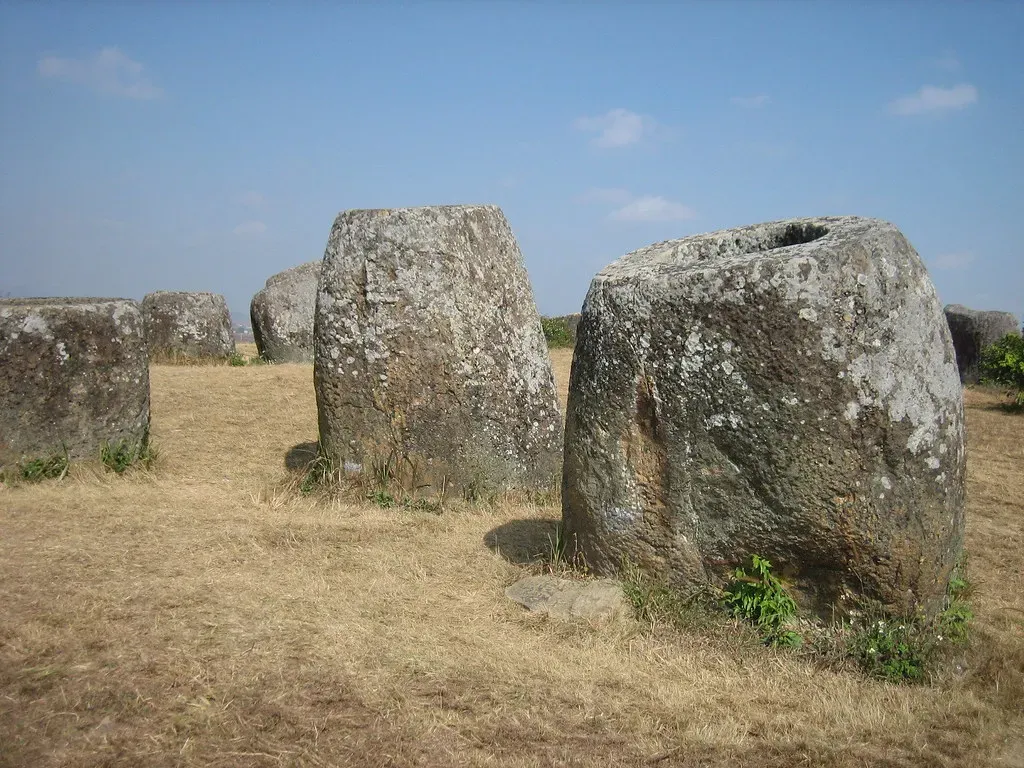
More than two thousand large ancient stone jars are spread across a plateau in the Xiengkhouang province of central Laos, with some standing ten feet tall and weighing several tons, with archaeologists estimating the jars are two thousand years old, but their purpose is unclear. Walking among these massive stone vessels feels like stumbling into a giant’s abandoned kitchen, honestly.
The most common theories are that they were used as funeral urns, but nothing’s been proven definitively. The sheer number of jars and the effort required to create and position them suggests they held significant importance to the ancient inhabitants. What’s particularly frustrating for researchers is that we may never know their true purpose, as so much time has passed and the culture that created them left no clear explanation behind.
Stone Spheres of Costa Rica: Perfect Orbs of Ancient Mystery
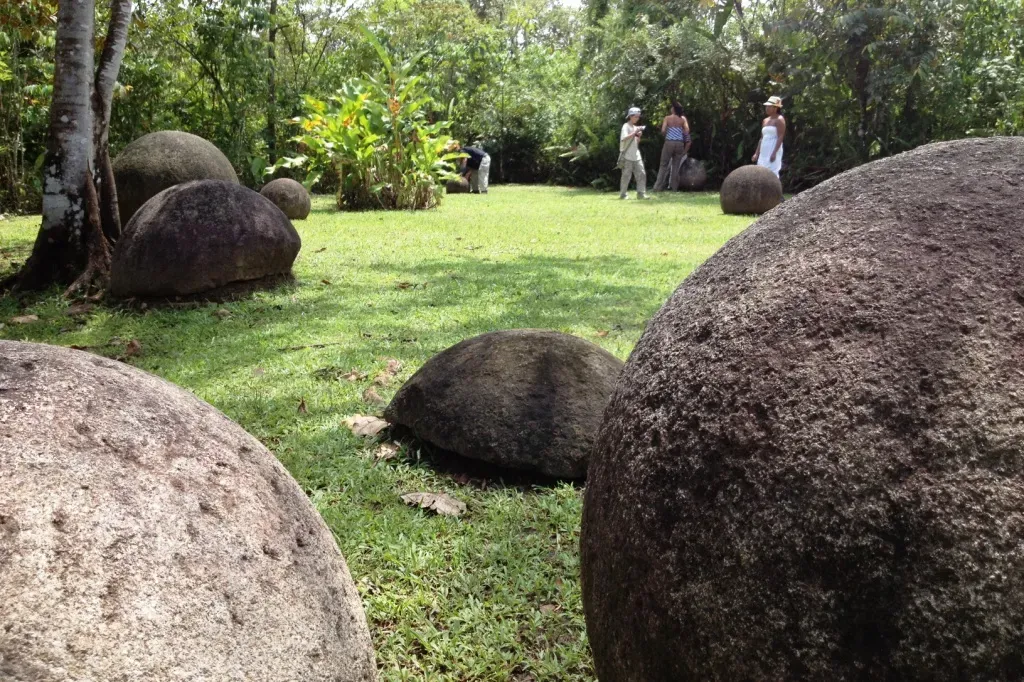
The Stone Spheres of Costa Rica, also called the Stone Spheres of the Diquís or simply Las Balos, remain one of the biggest mysteries in archaeology, with more than three hundred spheres that are almost perfectly round unearthed by workers clearing a field in the 1930s, ranging in size and weighing up to sixteen tons, created by an ancient indigenous culture, but no one really knows how or why they were made.
Scattered across the jungles of Costa Rica, these massive stone spheres with astonishingly smooth surfaces perplex experts, with some believing they were status symbols while others think they held astronomical significance. The precision required to create such perfectly round spheres from hard stone using primitive tools is genuinely baffling. Were they markers? Symbols of power? Astronomical tools? Your guess is probably as good as any expert’s at this point.
Thonis-Heracleion: The Sunken Egyptian Gateway
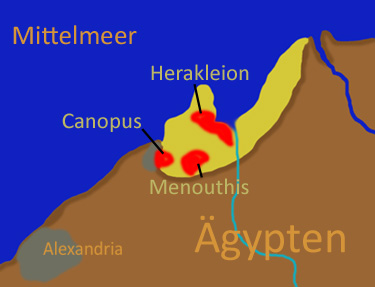
About two thousand seven hundred years ago, the Egyptian port city Thonis-Heracleion served as the gateway to the Mediterranean, but the urban center was lost in time for thousands of years until the early 2000s when a group of divers stumbled upon ancient artifacts, eventually discovering that an entire city was buried underwater off the Egyptian coast, complete with bridges, sixteen-foot statues, animal sarcophagi and other ancient marvels.
An Egyptian port city on the Mediterranean Sea, Thonis-Heracleion served as a major trading hub prior to the founding of nearby Alexandria around 331 BC, where mythical hero Heracles and Helen of Troy both supposedly spent time. The city just vanished from historical records for millennia, swallowed by the sea. What caused this thriving metropolis to sink beneath the waves? Natural disaster? Earthquakes? Rising sea levels? The answers remain submerged along with the ruins themselves.
Hypogeum of Ħal-Saflieni: Malta’s Underground Acoustic Wonder
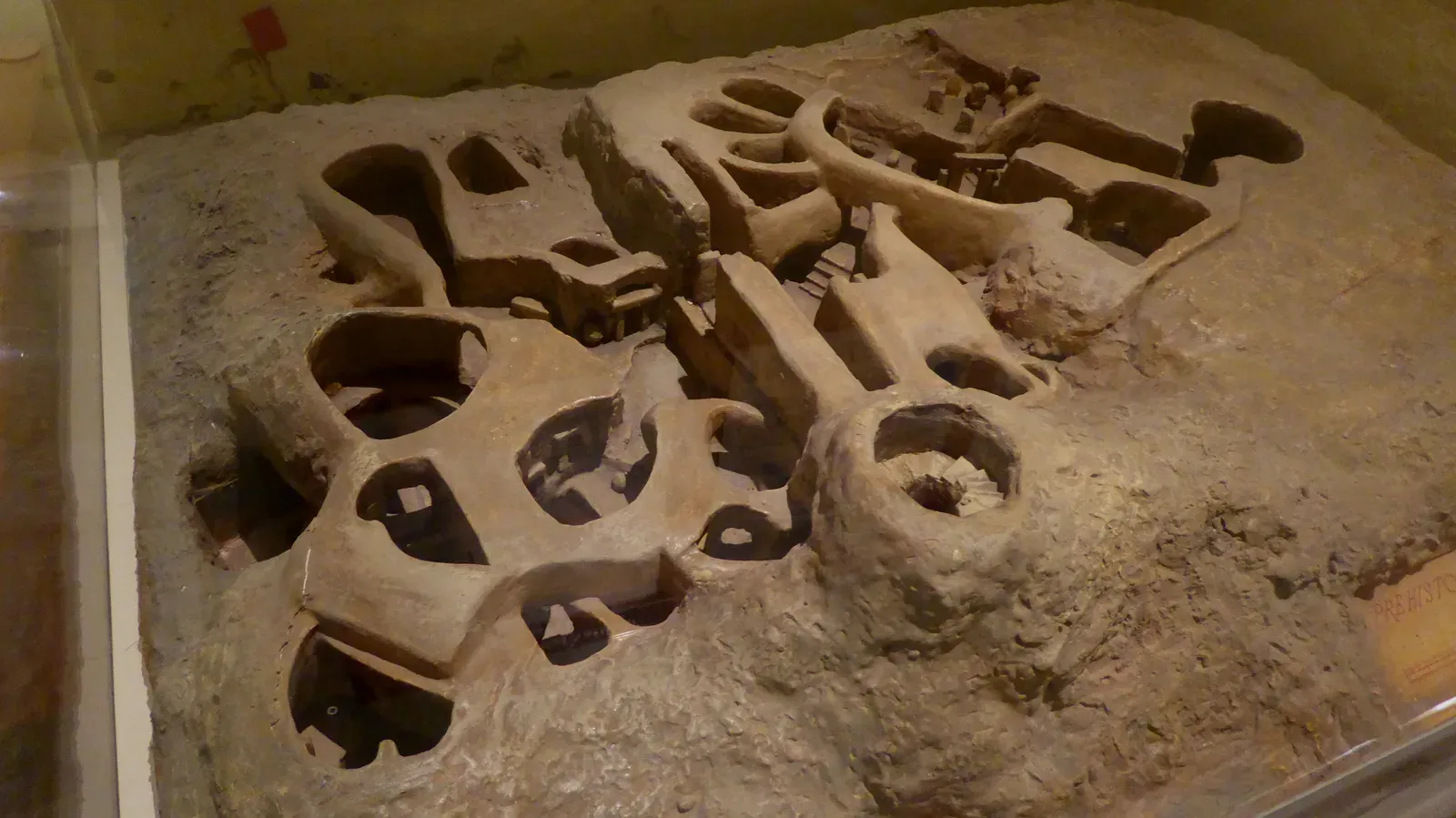
The Hypogeum of Hal Saflieni in Malta is a UNESCO World Heritage Site believed to be the oldest prehistoric underground temple in the world, shrouded in mystery from the discovery of elongated skulls to stories of paranormal phenomena, with the characteristic that has been attracting experts from around the globe being the unique acoustic properties found within the underground chambers, and although not known for certain, it is believed that the hypogeum was originally used as a sanctuary, possibly for an oracle.
The Hypogeum features elaborate chambers, including a speaking chamber where sound carries in a strange and amplified way, with over seven thousand skeletons found inside, many exhibiting elongated skulls. The acoustic design seems intentional, suggesting whoever built this understood sound engineering in ways we’re only beginning to appreciate. Standing in that chamber and hearing your voice resonate in impossible ways makes you wonder what rituals once echoed through these ancient halls.
Conclusion
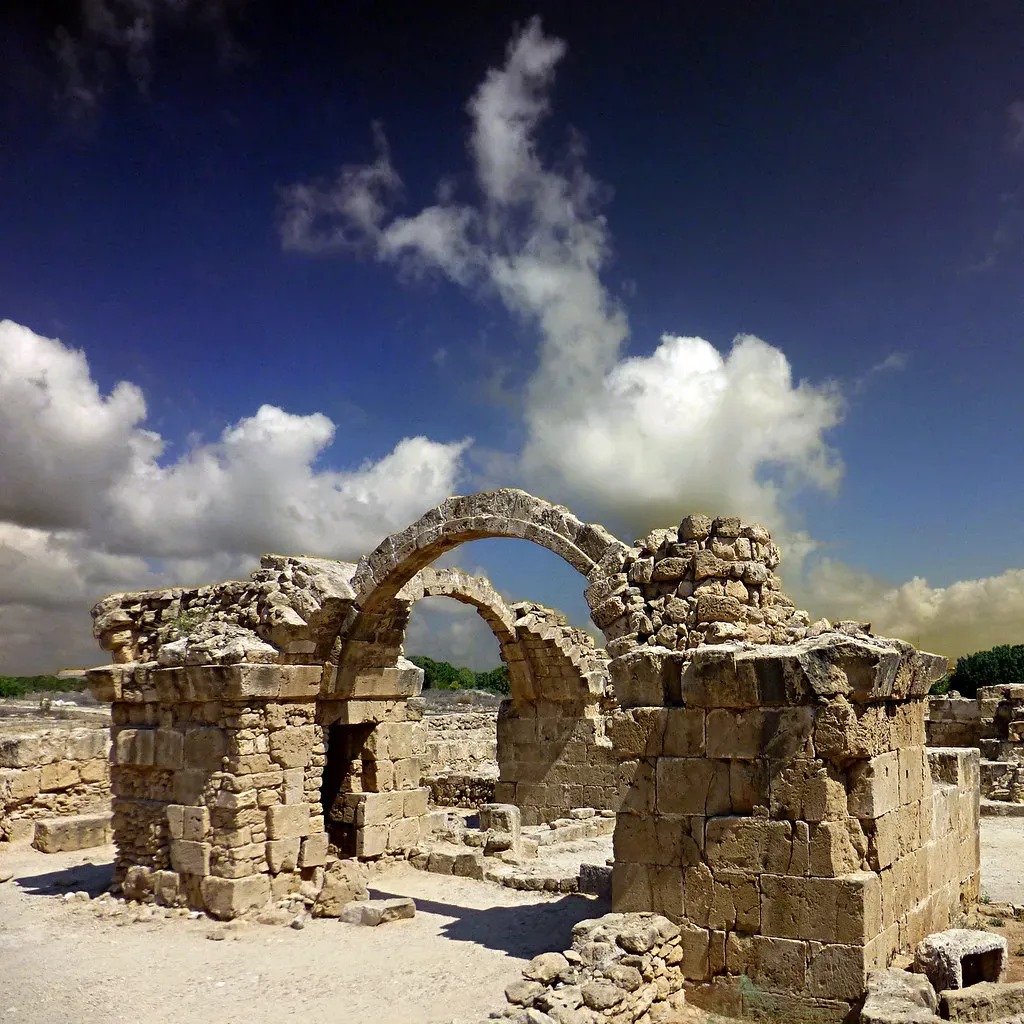
These twelve sites represent just a fraction of the ancient mysteries scattered across our planet, each one challenging our understanding of what early civilizations could achieve. From underground cities housing thousands to perfectly carved megaliths weighing hundreds of tons, from underwater ruins to desert drawings visible only from the sky, these wonders remind us how much we still don’t know about our ancestors.
The more we dig, the more questions arise. Perhaps that’s the real beauty of archaeology. Every answer leads to ten more mysteries. These ancient engineers, artists, and visionaries accomplished feats that we struggle to explain even with our modern technology and scientific knowledge. They’ve left us breadcrumbs of brilliance scattered across continents, daring us to figure out their secrets.
So what do you think? Did ancient civilizations possess knowledge that was lost to time? Or are we simply underestimating human ingenuity and determination? One thing’s certain: these sites aren’t giving up their secrets easily, and honestly, maybe that’s how it should be. Some mysteries are meant to inspire wonder rather than provide easy answers.