You ever wonder why some people just seem to handle life’s curveballs better than others? It’s not luck or genetics alone. The real secret lies in the quiet habits they practice every single day, often without even realizing it. These aren’t dramatic lifestyle changes or expensive therapy sessions, just subtle shifts in how you think, respond, and take care of yourself.
Resilience is actually something you can cultivate through daily habits, self-awareness, and intentional choices. Think of it like building muscle at the gym. You wouldn’t expect results from one workout, right? Same principle applies here. Let’s be real, life in 2026 hasn’t gotten any easier. The way people work has changed, expectations haven’t slowed down, and hybrid work has blurred boundaries that once protected recovery time, causing stress to show up earlier and last longer.
So let’s dive in and explore the small but mighty habits that can transform how you bounce back from whatever life throws your way.
They Name Their Emotions Without Judgment

Here’s the thing most people miss: you can’t manage what you don’t acknowledge. When you name your feelings, you turn noise into information, like saying “I feel anxious before this call,” and that short sentence gives your brain a handle, with studies showing that labeling emotions often dips their intensity. Instead of drowning in a vague sense of overwhelm, resilient people get specific.
The magic happens when you use plain words instead of complicated psychological jargon. Sad, tense, tired, proud, hopeful. That’s it. One simple habit is naming what you feel, and research from many psychology labs suggests that putting feelings into words can lower their intensity. It’s almost silly how effective this is, yet most of us skip right over it and wonder why we feel stuck.
They Build Tiny Wins Into Every Morning

Big goals are built from small moments, and resilient people look for actions that are so easy they feel almost silly because those steps create proof, and proof feeds belief. Maybe it’s drinking a glass of water before coffee, writing three lines in a notebook, or just making your bed. The specific action doesn’t matter as much as the consistency.
Think about it this way: you’re not chasing perfection or even visible progress at first. You’re not chasing a perfect streak, you’re building identity. When you stack these mini accomplishments, you’re essentially telling your brain, “Hey, we got this.” Over time, that inner dialogue shifts from doubt to quiet confidence, especially when bigger challenges arrive.
They Practice the Power of the Pause

A tiny pause can prevent a giant mess, as counting to five, feeling your feet on the floor, or taking two slow breaths breaks the autopilot and is the gap between the spark and the wildfire where emotion regulation lives. Resilient people have mastered this almost invisible habit. They don’t react instantly to every trigger.
I know it sounds crazy, but even a five-second delay can completely change the outcome of a conversation or decision. When the moment slows, you can pick a response that fits your values instead of your first impulse. Next time someone says something that irritates you, try waiting just a breath before responding. You might be surprised how often your initial reaction wasn’t the best one anyway.
They Move Their Bodies Regularly

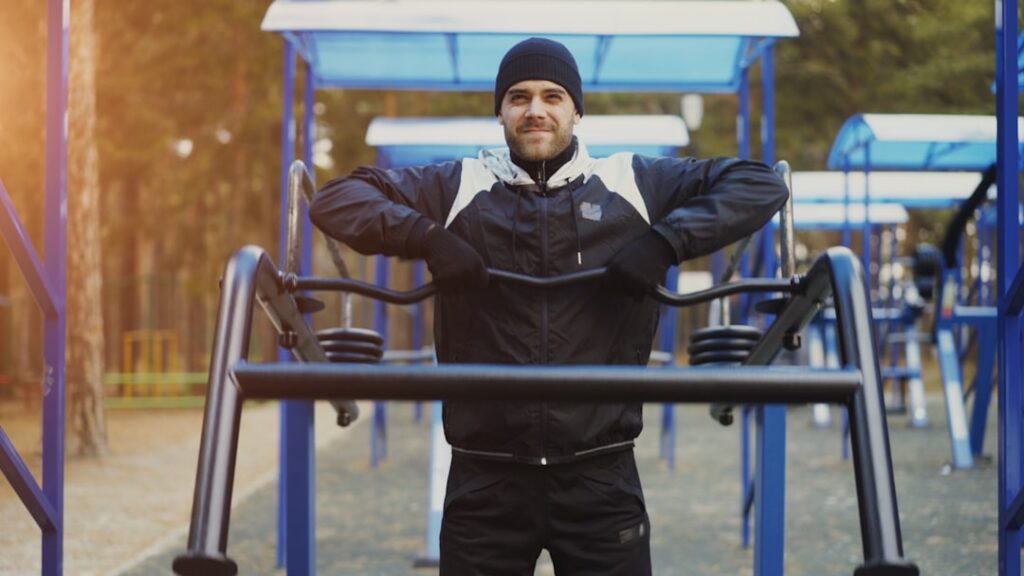
Resilient people are not always gym lovers, many just choose to move a little more often than not, and walking, dancing in the kitchen, or doing a few squats while the kettle boils all counts. The key word here is regular, not intense. You don’t need to become a marathon runner or hire a personal trainer.
Movement changes your inner weather by lowering stress hormones, lifting your mood, and helping your thoughts feel less heavy, and even five to ten minutes can create a shift. Research shows that physical activity has a significant impact on psychological resilience and mental well-being, and regular exercise helps you recover from challenges faster. On tough days, even a walk around the block keeps the habit alive.
They Seek Support Instead of Going Solo

There’s this weird myth that resilience means toughing it out alone. Actually, the opposite is true. Highly resilient people understand the importance of having supportive relationships, they don’t isolate themselves during hard times, and instead they reach out, share their struggles, and draw strength from their loved ones. Honestly, asking for help is one of the bravest things you can do.
Social support and sense of community consistently show up in research as one of the top resilience factors. Maybe you text a friend when you’re struggling, or you join a group of people dealing with similar challenges. Strong social connections are essential for maintaining mental resilience, associated with reduced risk of mental health disorders and enhanced emotional wellbeing. Connection isn’t weakness, it’s actually your secret weapon.
They Practice Self-Care Without Apology

Self-care is not just about spa days and indulgent treats, it’s about taking care of your mental, physical, and emotional wellbeing consistently. Resilient individuals treat self-care like brushing their teeth, not like an optional luxury they only indulge in once a year. They understand that maintaining their own wellbeing isn’t selfish.
Individuals who regularly practiced self-care activities like exercise, mindfulness, and healthy eating showed higher levels of resilience and were better equipped to handle stress. Healthy habits like getting enough sleep, eating well, and exercising can reduce stress, which may in turn boost resilience. It’s really that straightforward, though somehow we all manage to complicate it.
They Keep Flexible Goals Instead of Rigid Ones

Rigid goals snap under pressure while flexible goals bend then rebound, and you still care about the finish line but you allow several routes. Life rarely follows the exact script you write for it. Resilient people get that. They adjust their path without abandoning their destination.
This doesn’t mean lowering your standards or giving up easily. It’s not lowering the bar, it’s smart planning for real life, and if your kid gets sick or the project scope shifts, you adjust the path and keep your morale. The most resilient people I know have backup plans and aren’t emotionally destroyed when Plan A falls apart. They just pivot to Plan B without the drama.
They Embrace Failure as Feedback
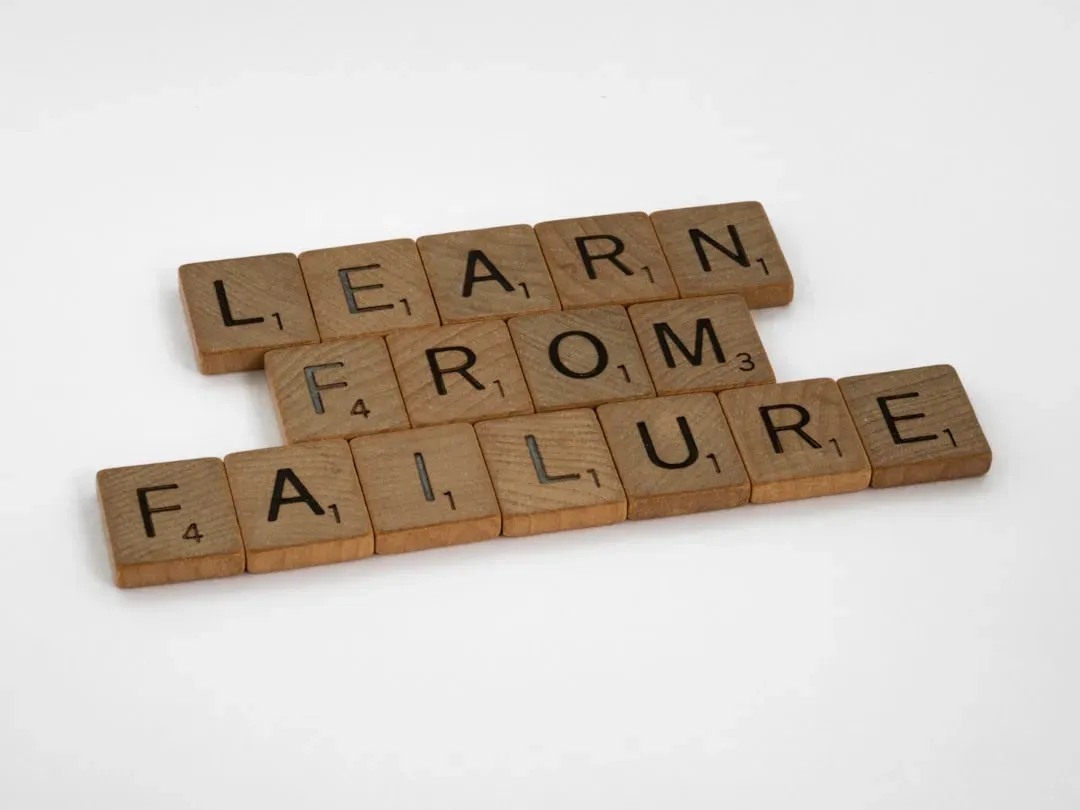
Resilient people embrace failure, and instead of seeing failure as the end of the road, they view it as a stepping stone to success, understanding that failure is not a reflection of their worth but rather an opportunity for growth. Yeah, I know failure sucks. Nobody likes it. The difference is that resilient people don’t let it define them.
Resilient people accept failure as an essential stepping stone to success and give themselves permission to make mistakes. They don’t let failure define them, they tend to recover from mistakes and setbacks quickly, learning from failure and keeping moving onward and upward. Every setback becomes data for the next attempt. When you shift your perspective like that, failure loses its sting.
They Focus on What They Can Control
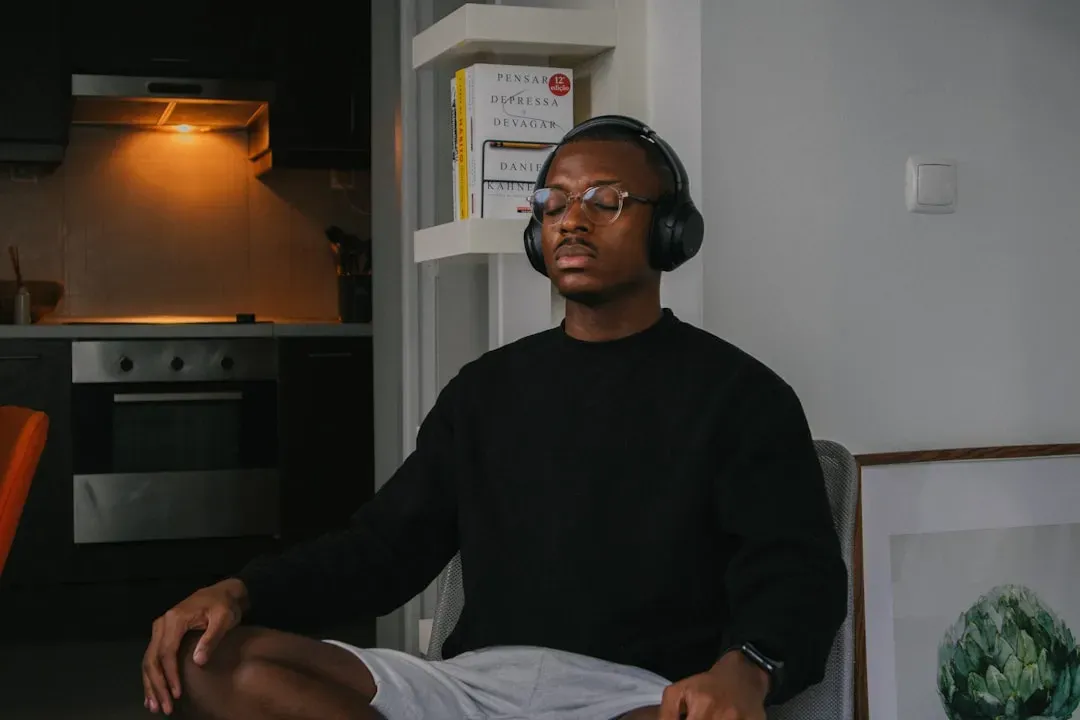
Resilient people feel stress like anyone else but they don’t stay stuck in it, they notice what is outside their control then shift their attention to what is in their hands right now. This might be the most valuable mental shift on this entire list. So much anxiety comes from worrying about things completely beyond your influence.
Focusing on what you can control protects your energy, you stop pouring mental fuel into things you cannot move and invest it in actions that slowly move you forward. Ask yourself in stressful moments: what part of this situation can I actually influence? Then put your energy there. Let the rest go. Easier said than done, sure, but it gets simpler with practice.
They Protect Their Sleep Like It’s Sacred

If resilience had a secret weapon it would be sleep, as rested brains handle stress better, solve problems faster, and bounce back from emotional hits with more steady mood, with studies showing that people who protect their sleep cope better with daily challenges. Yet somehow sleep is the first thing most of us sacrifice when life gets busy.
Without a proper sleep schedule, you cannot have mental strength or emotional resiliency. Resilience is not just about pushing forward, it’s equally about recovery, and the brain and body heal during rest with inadequate sleep undermining emotional regulation. Resilient people create bedtime routines, keep consistent sleep schedules, and refuse to feel guilty about prioritizing rest. Because without it, everything else falls apart anyway.
Conclusion
Building resilience isn’t about transforming into some superhuman who never feels stress or pain. It’s about developing these small, almost invisible habits that help you navigate difficulty without falling apart completely. It is not magic, it is habit, quiet often boring habits that stack up over time until a person becomes almost unshakeable.
The beautiful thing about these ten habits? You can start any of them today. Pick one that resonates most with you right now. Maybe it’s naming your emotions more clearly, or perhaps it’s finally prioritizing that eight hours of sleep. Resilience isn’t something we inherit at birth, it’s a skill we develop and strengthen through daily practice. Start small, stay consistent, and watch how these subtle shifts create profound changes in how you handle whatever 2026 throws at you. What habit will you try first?