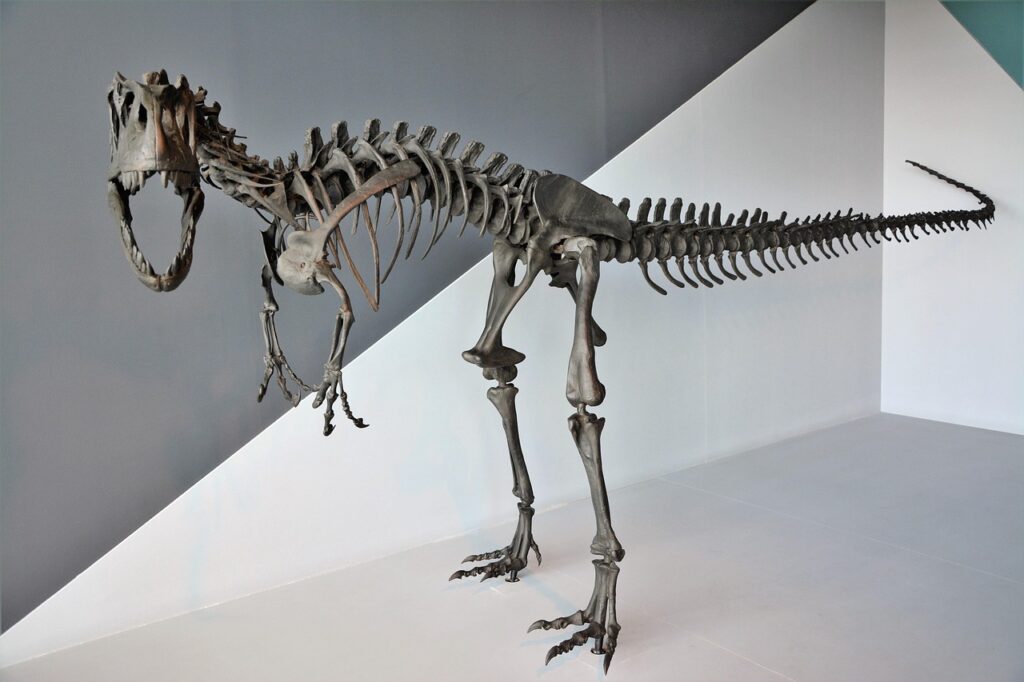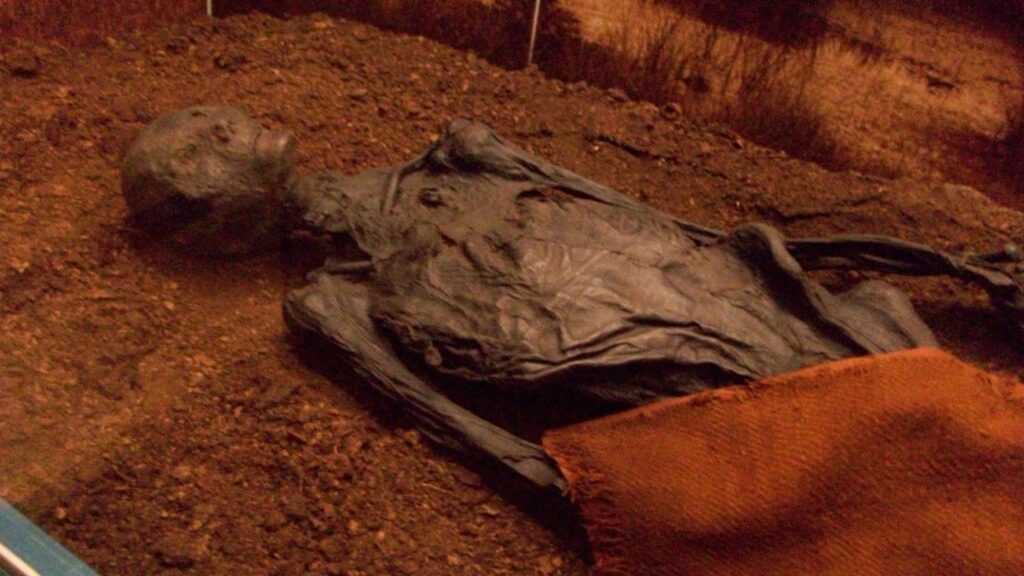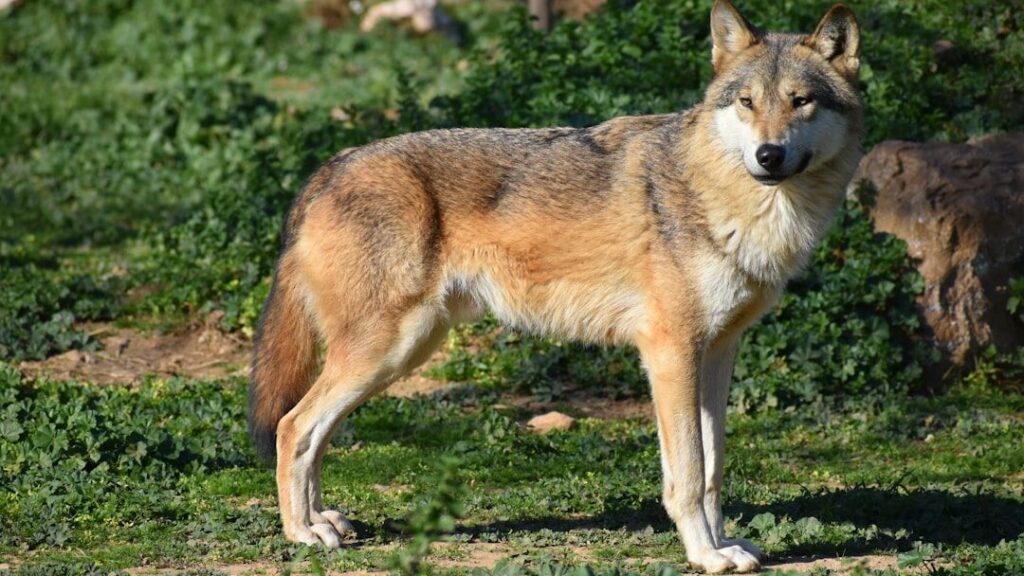
The clock is ticking for countless species across the globe. We’re witnessing a biodiversity crisis of staggering proportions, with extinction rates accelerating at an alarming pace. Yet hope isn’t lost. While traditional conservation methods remain important, a technological revolution is quietly transforming how we protect Earth’s most vulnerable creatures.
From drones soaring above remote forests to artificial intelligence analyzing whale songs, cutting edge tools are giving conservationists unprecedented abilities to monitor, protect, and even genetically rescue species on the brink of disappearance. These innovations aren’t just fancy gadgets. They’re becoming essential weapons in the fight to preserve biodiversity. So let’s dive in and explore six groundbreaking technologies that are reshaping conservation as we know it.
AI-Powered Drones Taking Wildlife Monitoring to New Heights
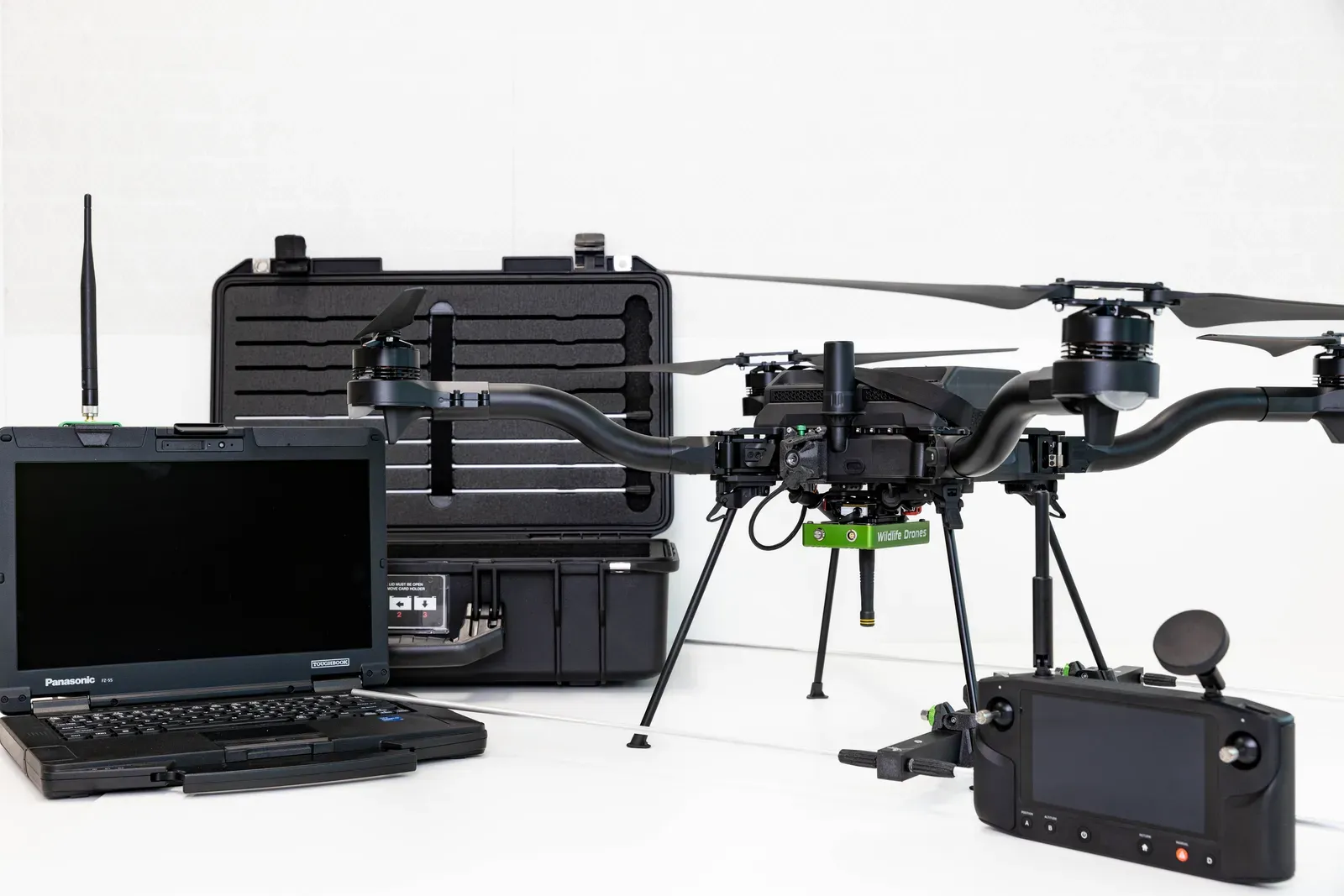
Wildlife monitoring has entered a transformative era with the convergence of drone technology and artificial intelligence, with drones providing access to remote and dangerous habitats while AI unlocks the potential to process vast amounts of wildlife data. Think about it for a second. Traditional monitoring required conservationists to trek through dangerous terrain or spend thousands on helicopter flights, often disturbing the very animals they were trying to study.
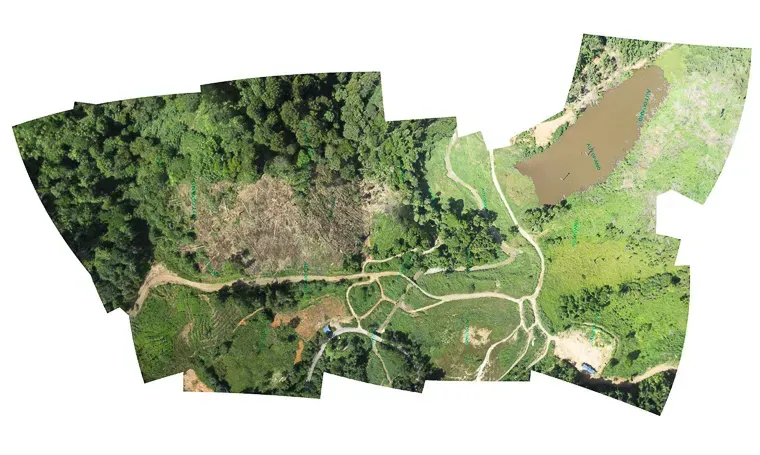
Autonomous drones equipped with AI now cover vast landscapes, analyze wildlife and collect crucial data, with AI-powered image recognition automatically identifying species and individuals, distinguishing between elephants, rhinos, lions and more, while tracking individual characteristics such as size, weight and markings. Each species has a unique thermal fingerprint, so once an animal is detected by drone-mounted infrared cameras, machine learning can be used to tell them apart, with researchers finding this system identified spider monkeys more accurately than on-the-ground surveys in 83% of cases. It’s hard to say for sure, but this combination of thermal imaging and AI might become the new standard for wildlife surveys within just a few years.
Genetic Rescue Technologies Breathing New Life Into Struggling Populations
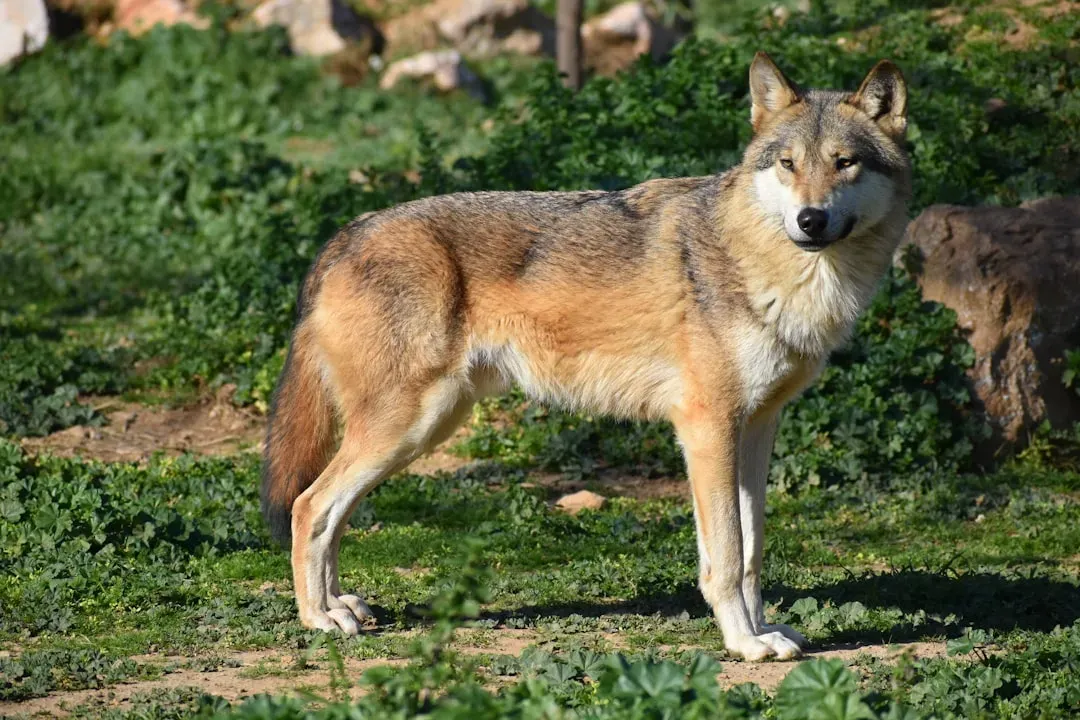
Here’s the thing about endangered species that most people don’t realize. Often their biggest threat isn’t just shrinking habitat or poaching. It’s genetic poverty. When populations become too small, inbreeding becomes inevitable, weakening the gene pool and making species less adaptable to environmental changes.
Genetic rescue is a strategy aimed at improving the genetic diversity and fitness of a small, inbred population by introducing individuals from another population, helping to reduce inbreeding depression and increase the population’s adaptability and resilience to environmental changes. Cloning and gene editing technologies have introduced new paths for genetic rescue in wildlife species, and paired with conventional captive breeding and translocation efforts, have the potential to rapidly accelerate genetic rescue in endangered and inbred species, with the increasing affordability of genomic sequencing creating opportunities to develop new genetic rescue tools. Scientists successfully cloned a Przewalski’s horse from cells preserved 40 years earlier in 2020, and similar success has been achieved with black-footed ferrets, demonstrating that cryopreserved cells can help restore genetic diversity to endangered populations.
Bioacoustic Monitoring Listening to Nature’s Hidden Stories
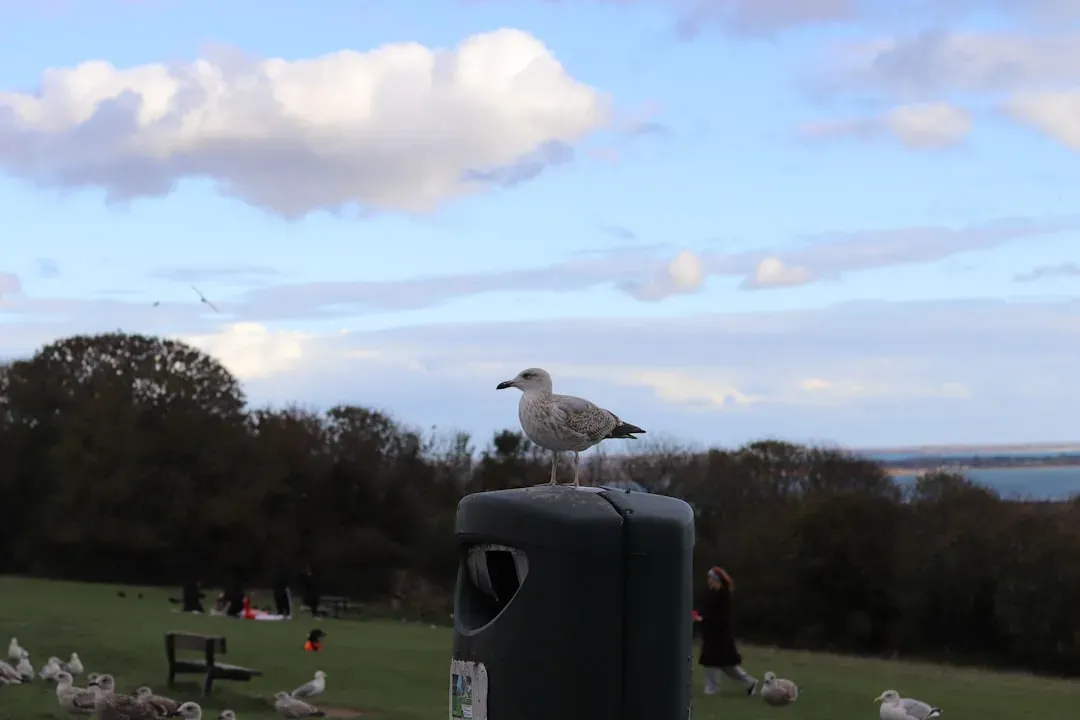
Imagine being able to monitor an entire ecosystem without ever setting foot inside it. That’s essentially what bioacoustic monitoring allows conservationists to do. Animals use sound for communication, echolocation, sexual display, and territorial defence, and bioacoustic monitoring involves the recording of those sounds to infer animal distribution, physiological state, abundance, and behaviour.
Cheap audio recorders designed specifically to monitor animals are now available, with the AudioMoth recorder about the size of a credit card costing only $70, being power-efficient and open source, and able to record everything from extremely low-frequency gunshots to extremely high-frequency bat vocalizations far beyond human hearing. Let’s be real, compared to sending teams of researchers into the field for weeks on end, this is revolutionary. Remote sound recorders, or acoustic sensors, are a potentially useful, cost-effective way for ecologists to survey wildlife populations, animal behaviour and ecological communities, and the popularity of passive acoustic monitoring has grown very rapidly in recent years. The best part? These devices can run continuously for months, capturing data that human observers would simply miss.
GPS and Satellite Tracking Collars Following Every Move
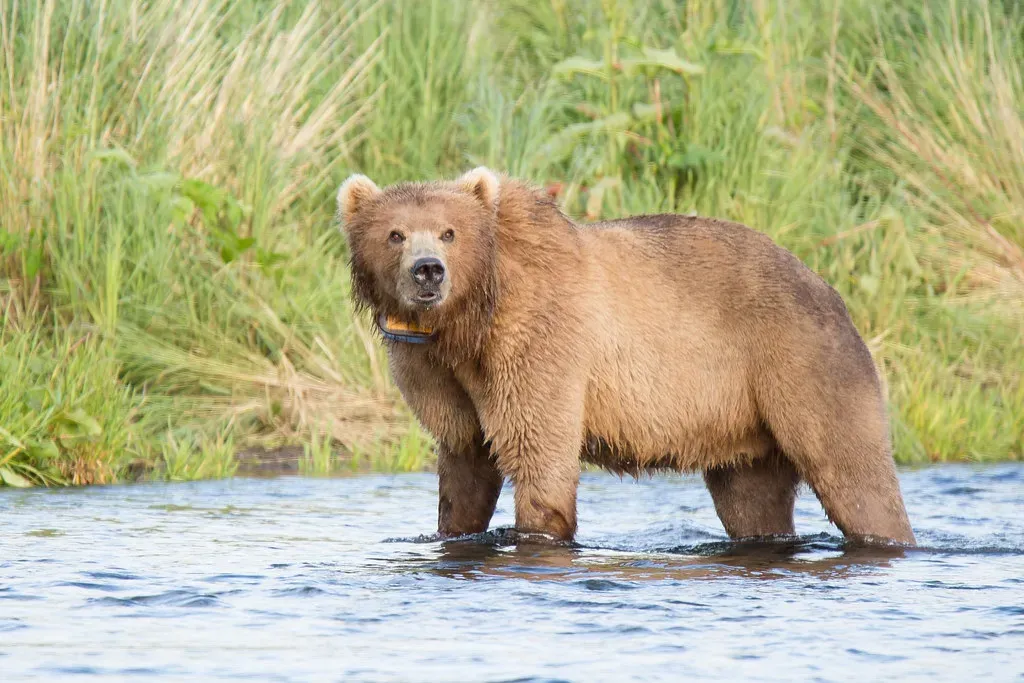
GPS collars rely on GPS satellites to calculate the exact location of an animal and have become essential for researchers, conservationists, and organizations working to protect endangered species and better understand animal behavior. These aren’t your grandfather’s radio collars that required researchers to trudge through wilderness with bulky antennas, hoping to pick up a faint signal.
By fitting endangered animals with GPS collars, conservationists can monitor individuals through satellites from all over the world using Google Maps, with collars programmed to transmit live data including location, activity and ambient temperature every four hours, sending a total of 2,190 locations over a battery life of one year. The GPS collars provide crucial data used to identify important habitats and pathways linking these habitats to develop science-based conservation strategies, with identification of important habitat areas helping inform anti-poaching strategies by determining where, when and how often tracked animals make kills, which helps identify areas important for prey that require protection. Honestly, the amount of ecological insight packed into these tiny devices is staggering.
Environmental DNA Analysis Detecting the Invisible
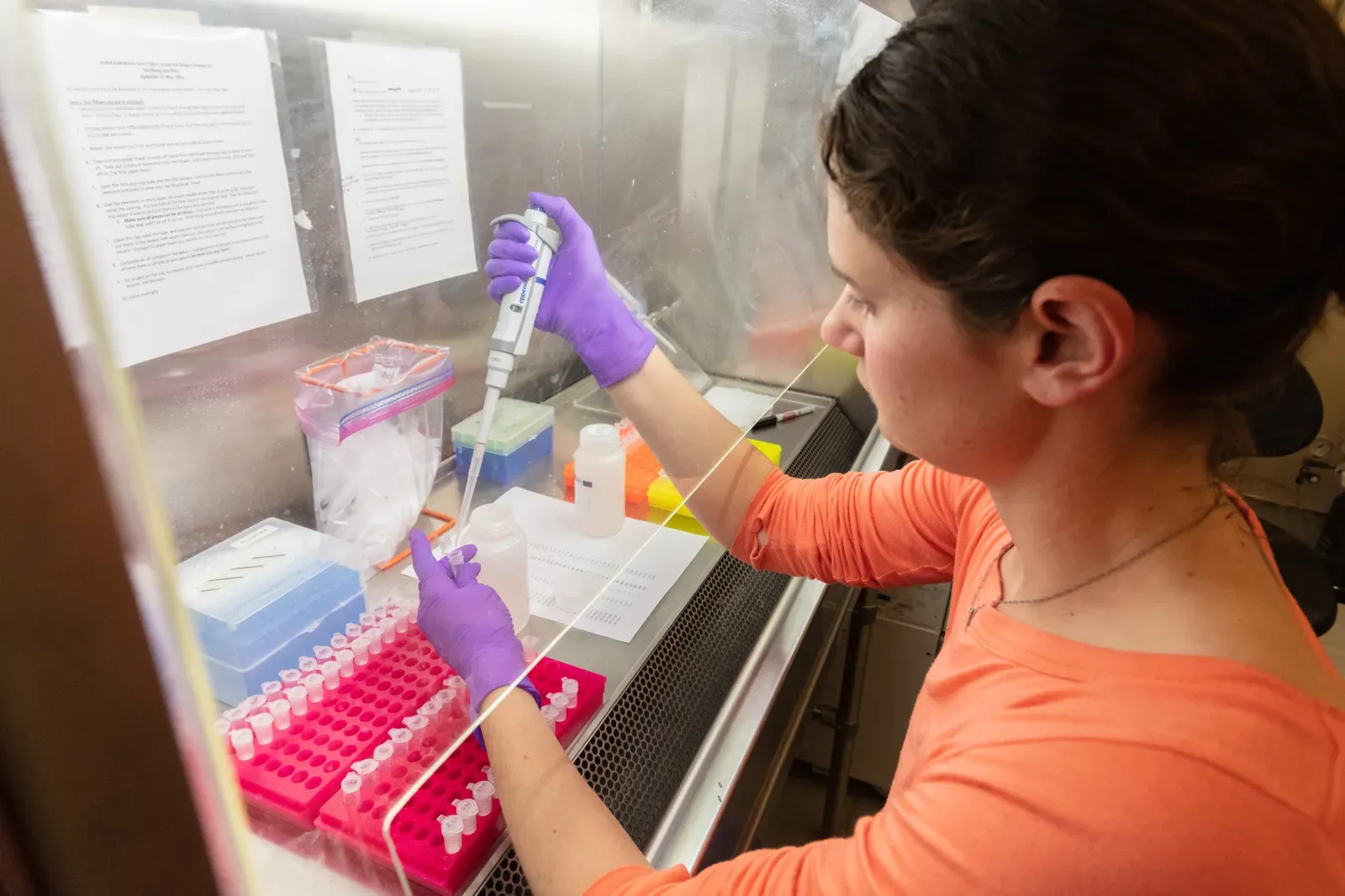
What if you could confirm a species’ presence without ever seeing the animal? That’s the promise of environmental DNA, or eDNA. Every creature sheds genetic material into its surroundings through skin cells, scales, feces, or even mucus. This genetic fingerprint lingers in water, soil, or air, waiting to be detected.
Scientists and partners use time-tested and advanced technologies including satellite tagging, artificial intelligence, statistical models, and biomolecular sampling to study and monitor marine and anadromous species, which improves conservation management. The technique is particularly powerful in aquatic ecosystems. Simply collecting water samples from a stream or lake can reveal which fish, amphibians, or even mammals have recently been present. For critically endangered species that are notoriously elusive or nocturnal, this noninvasive approach represents a game changer. You’re not disturbing habitats, not stressing animals, just quietly gathering evidence of their existence.
Cryopreservation and BioVaults Backing Up Biodiversity
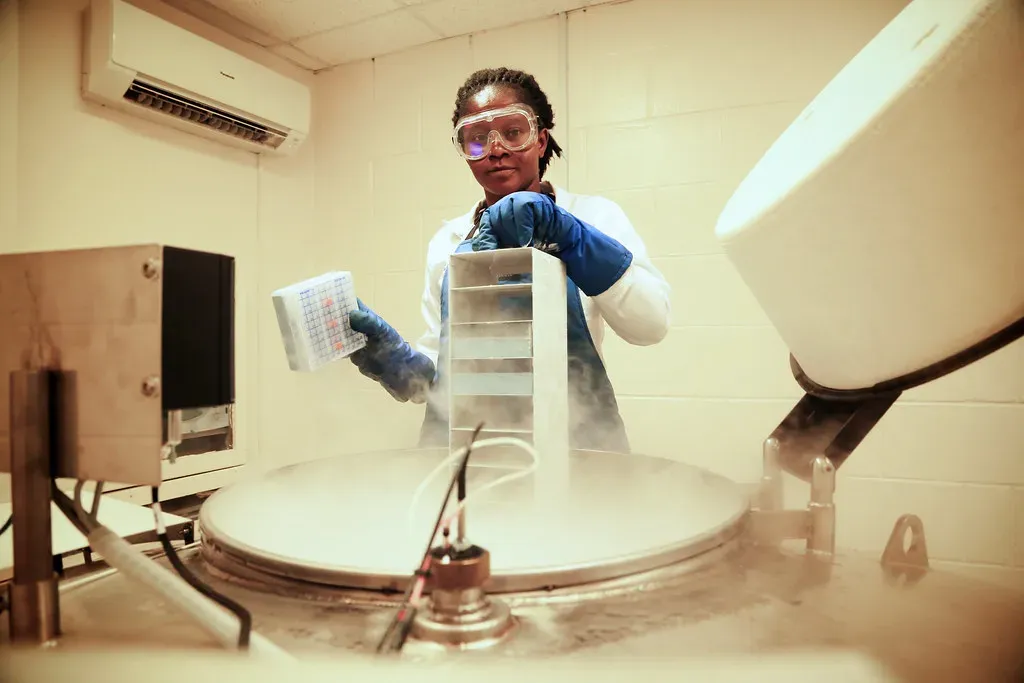
A nine-figure collaboration aims to protect life on Earth by cryogenically storing living cell lines and genetic data from endangered species, with the partnership unveiled at the World Governments Summit in Dubai. Think of it as a biological insurance policy for the planet. The plan is to build a distributed network of BioVaults across multiple countries, creating redundant backup systems to safeguard endangered and keystone species worldwide, with the company actively recruiting other nations to contribute their unique biodiversity to the initiative.
Biobanking, the cryopreservation of genetic materials, provides the essential raw materials upon which cloning and stem cell technologies depend, and its expansion goes hand-in-hand with progress in both de-extinction science and conservation biology. Biobanks store biological samples for research and as a backup resource to preserve genetic diversity, with examples including the San Diego Frozen Zoo and the Frozen Ark projects, and samples provide tissues, cell lines, and genetic information that can form the basis for restoring and recovering endangered wildlife through genomic insight and reproductive technologies. What’s particularly exciting is that these frozen cells can remain viable for decades, potentially centuries, offering future generations tools we can’t even imagine yet.
Conclusion
The convergence of technology and conservation is giving us tools our predecessors could only dream about. From drones that see in the dark to genetic archives frozen in time, these six innovations represent more than just scientific progress. They represent hope in an age of unprecedented biodiversity loss.
Yet technology alone won’t save endangered species. These tools are only as effective as the people wielding them and the commitment of societies to protect the natural world. The real magic happens when cutting edge innovation meets passionate conservation efforts on the ground. What impresses me most is how these technologies democratize conservation, making it more accessible, affordable, and scalable than ever before.
Did you think conservation would become this high tech? What excites you most about these innovations?