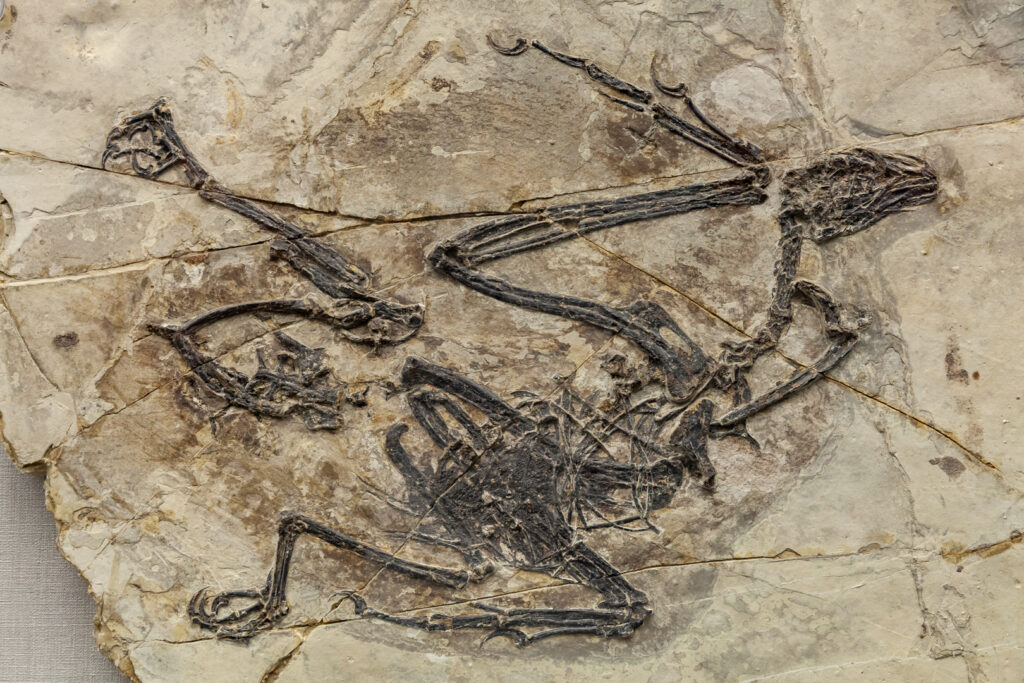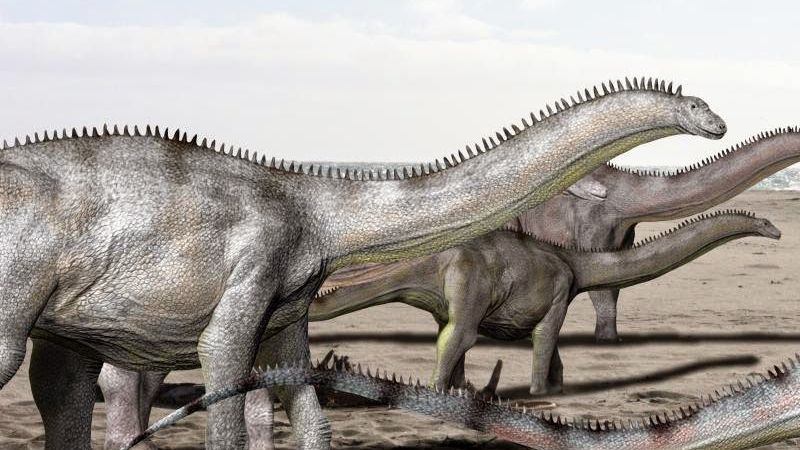
For most of the twentieth century, the public image of a dinosaur was a solitary, cold-blooded killing machine wandering a barren landscape completely alone. Lumbering. Mindless. A reptile scaled up to nightmare proportions, governed only by hunger. Honestly, it was a dramatic oversimplification. Science, as it tends to do, has complicated things beautifully.
The latest research paints a far richer portrait. Dinosaurs, it turns out, formed herds, raised their young communally, traveled in mixed-species groups, and possibly even stalked prey together. The prehistoric world was not a collection of lonely giants. It was a social world, layered with strategy, cooperation, and behavior that mirrors what you see in modern elephants, wildebeest, and wolves today. Prepare to rethink everything. Let’s dive in.
The Old Myth of the Solitary Giant
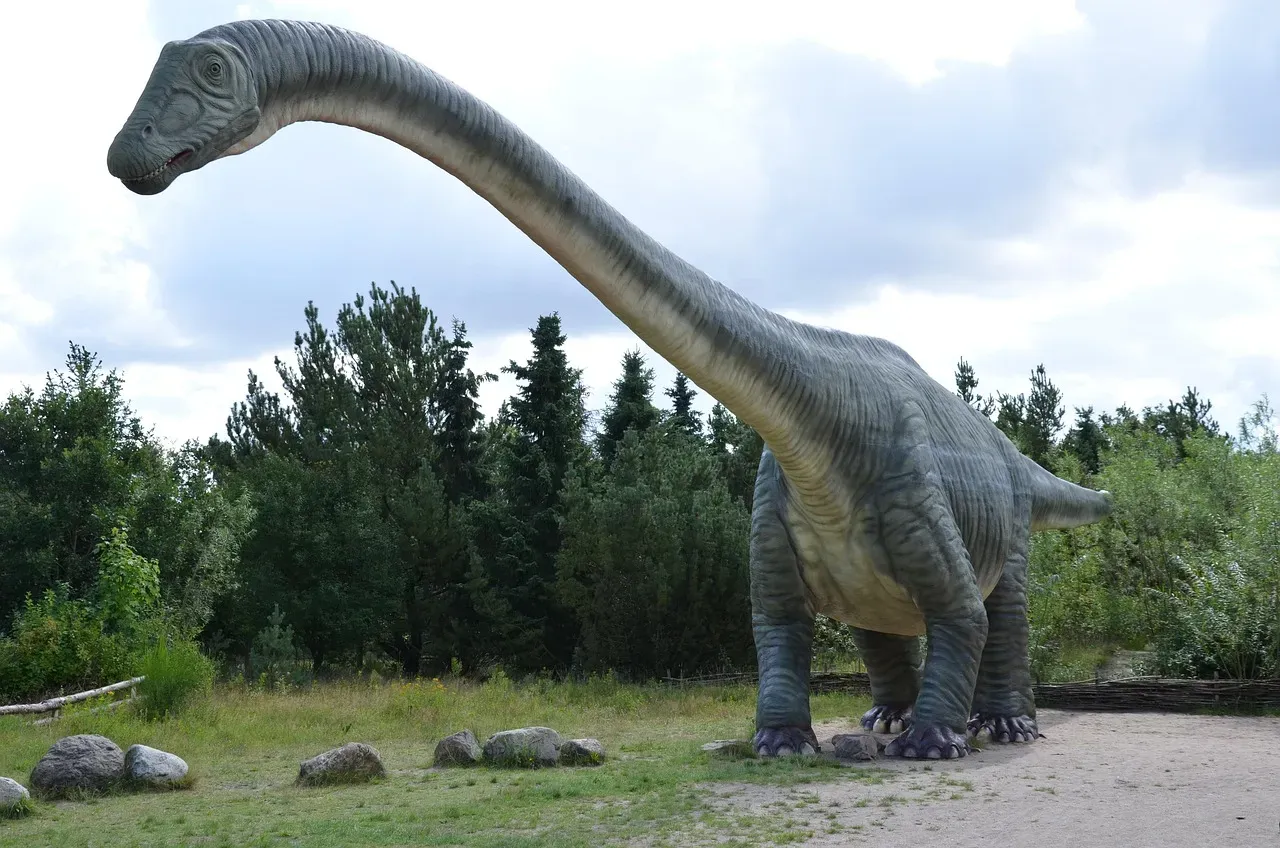
You have probably seen it a hundred times in old documentaries and museum dioramas. A single, massive dinosaur standing alone against a dramatic prehistoric backdrop. No family. No group. Just pure, isolated predatory dominance. That image was not entirely wrong, but it was never the full story either.
Interpreting behavior from fossils remains genuinely challenging due to the limitations of fossil evidence and the real risk of misapplying modern animal behavior to dinosaurs. For decades, that uncertainty led scientists to default to the simplest model possible: lone animals. It’s the safe answer when your evidence is fragmentary. Still, “safe” and “accurate” are not always the same thing. Today, a growing mountain of fossil evidence is dismantling that solitary image piece by careful piece.
When Did Dinosaurs First Start Living in Herds?
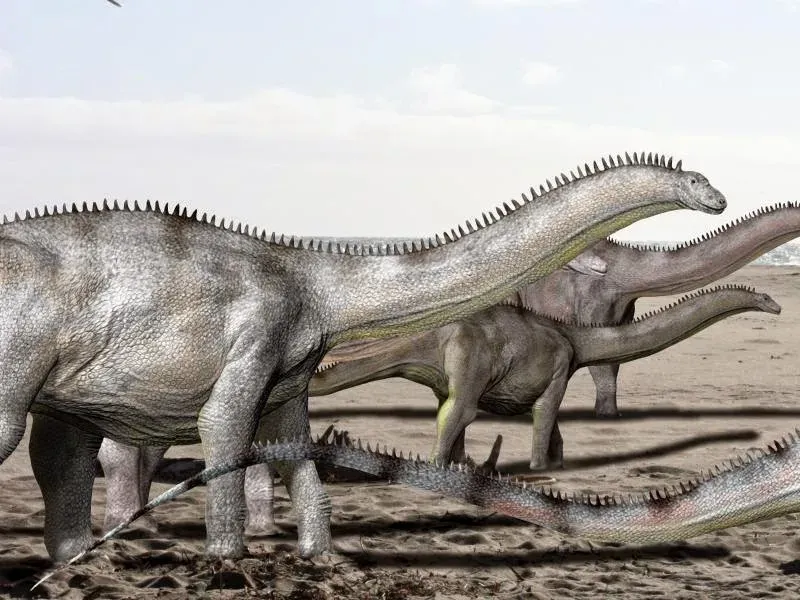
Here’s the thing – social behavior in dinosaurs did not just arrive late in the Cretaceous period like some evolutionary afterthought. It goes back much, much further than anyone suspected. The discovery that truly reshuffled the timeline came from Patagonia, Argentina.
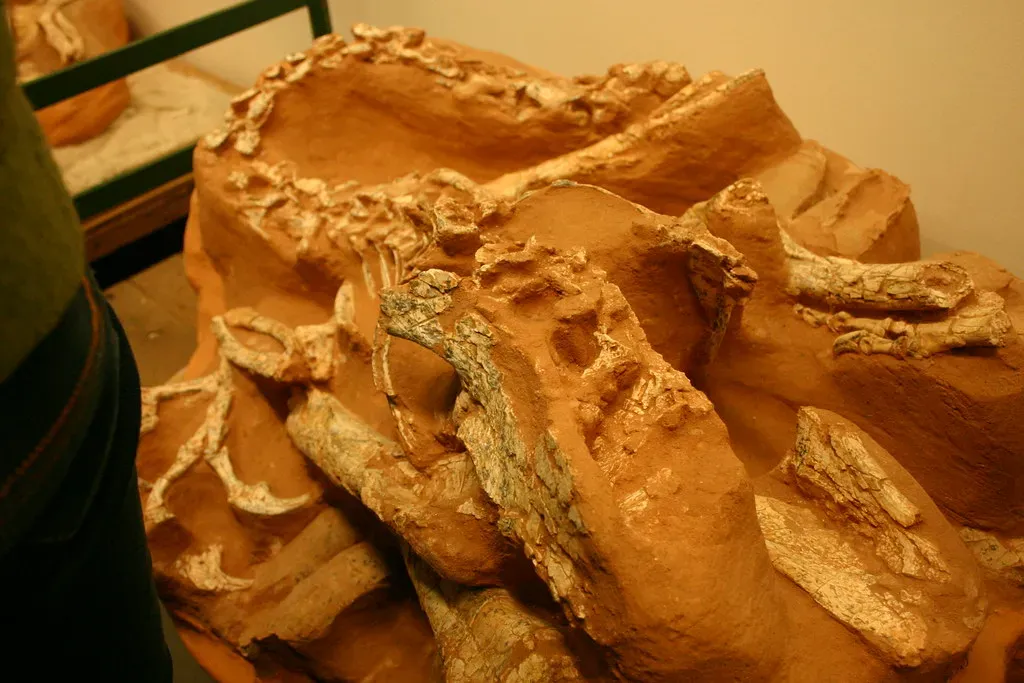
Scientists believe they have found the earliest evidence for complex herd behavior in dinosaurs, with researchers from MIT, Argentina, and South Africa saying Mussaurus patagonicus may have lived in herds as early as 193 million years ago – fully 40 million years earlier than other records of dinosaur herding. Think about that number for a moment. Forty million years earlier. That’s like discovering fire was invented before humans evolved. An exceptional fossil occurrence from Patagonia included over 100 eggs and skeletal specimens of 80 individuals of this early sauropodomorph, ranging from embryos to fully-grown adults. That is not coincidence. That is community.
Age-Segregated Herds: A Social Strategy Written in Stone
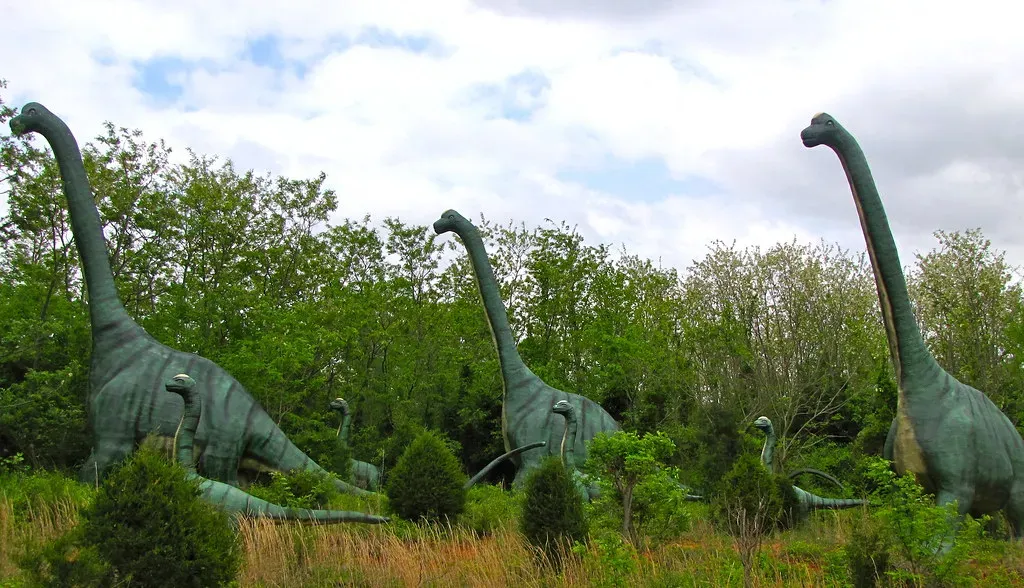
What makes the Mussaurus discovery even more compelling is not just that they lived in groups. It’s how they organized those groups. This is where things get genuinely surprising, even for scientists who study dinosaurs professionally.
Each nest was found with eight to 30 eggs in a relatively small area, suggesting that Mussaurus raised its young in a communal breeding ground. Scientists noticed how animals of a similar age were buried together: eggs and young hatchlings in one spot, teenagers in another, and adults found alone or in a pair. This phenomenon is known as “age segregation” and it’s an indication of herding behavior. I find this genuinely astonishing. The dinosaurs likely worked as a community, laying their eggs in a common nesting ground, while juveniles congregated in “schools” and adults roamed and foraged for the herd. It is a system so structured it would feel familiar to anyone watching a modern elephant herd on the African savanna.
The Nesting Colonies That Rewrote Parenting History
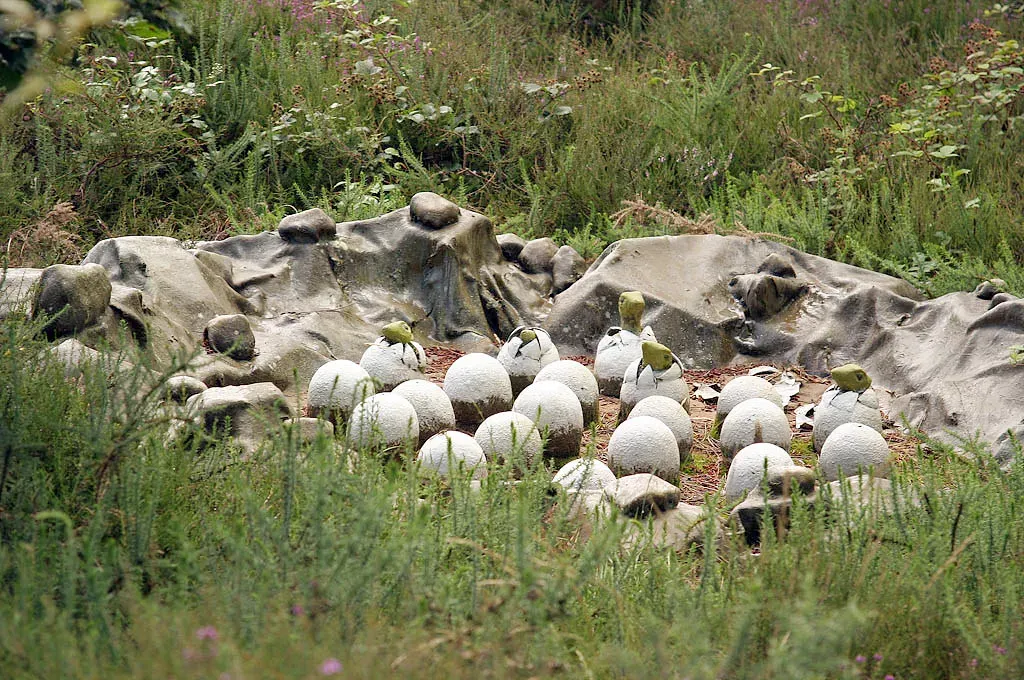
If you think of dinosaurs as negligent parents who dropped their eggs and wandered off, you need to update your mental model urgently. Fossil evidence from multiple sites tells a very different story, one of active, engaged parental care that rivals many modern animals.
The discovery of trampled eggshells and plant matter in the nests suggests that Maiasaura parents may have fed and cared for their young before they were old enough to leave the nest. The Maiasaura’s nesting colonies also indicate a social structure that involved multiple adults working together to raise the young, and this level of cooperative care is quite rare in the animal kingdom, further highlighting the advanced parental behavior exhibited by these dinosaurs.
Nesting sites discovered in the late twentieth century also establish herding among dinosaurs, with nests and eggs numbering from dozens to thousands preserved at sites that were possibly used for thousands of years by the same evolving populations of dinosaurs. Returning to the same nesting ground, generation after generation, is a behavior you’d expect from migratory birds today. Not, conventionally speaking, from ancient reptiles tens of millions of years old.
Mixed-Species Herding: The Discovery That Changed Everything in 2025
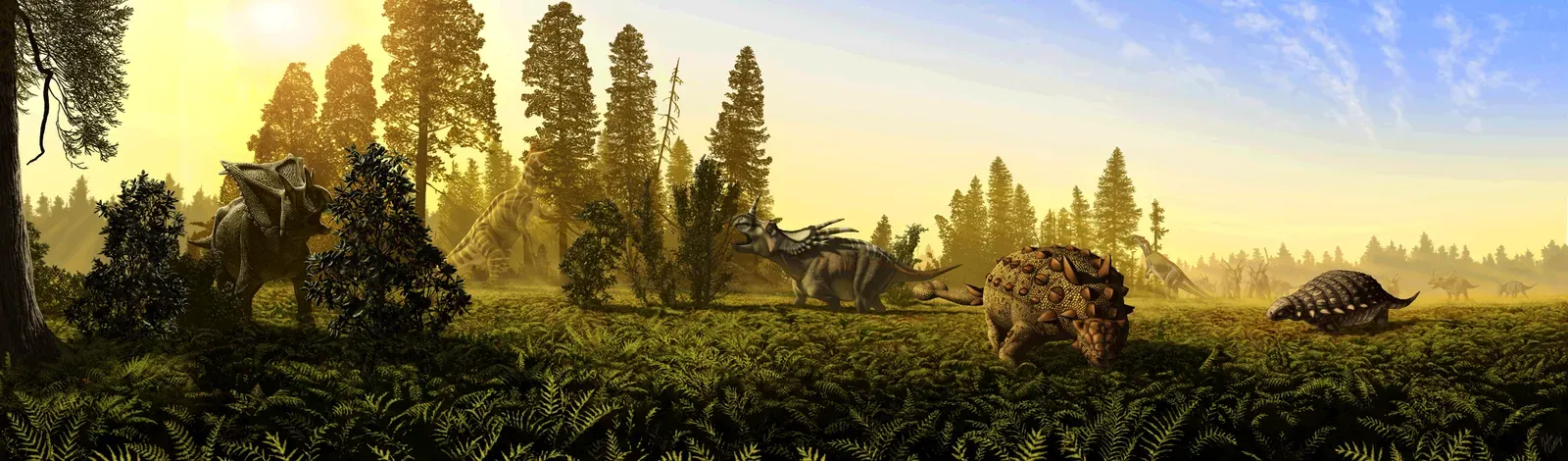
Let’s be real – if you told most people that wildly different dinosaur species traveled together in protective, coordinated herds, they’d probably think you were describing the plot of a science fiction film. Yet that is precisely what recent evidence from Alberta, Canada, has revealed.
Footprints of a multispecies herd of dinosaurs discovered in Canada demonstrate the social interaction between different dinosaur species 76 million years ago, according to findings published in the journal PLOS One. The discovery, made during an international field course in July 2024, includes footprints from multiple dinosaur species walking alongside each other, providing the first evidence of mixed-species herding behavior in dinosaurs, similar to how modern wildebeest and zebra travel together on the African plains.
What researchers found was extraordinary: 13 clear footprints from ceratopsid dinosaurs, one set likely belonging to an ankylosaur, and trackways from two tyrannosaurs, plus a smaller theropod – all preserved in just 29 square meters of sediment. Applying the logic of modern mixed herds to the Cretaceous, stocky ankylosaurs with clubbed tails could add armor, while horned ceratopsians contributed sheer numbers and vision at different heights. Survival through diversity. Remarkable.
Tyrannosaurs as Social Predators: Stalking in Pairs
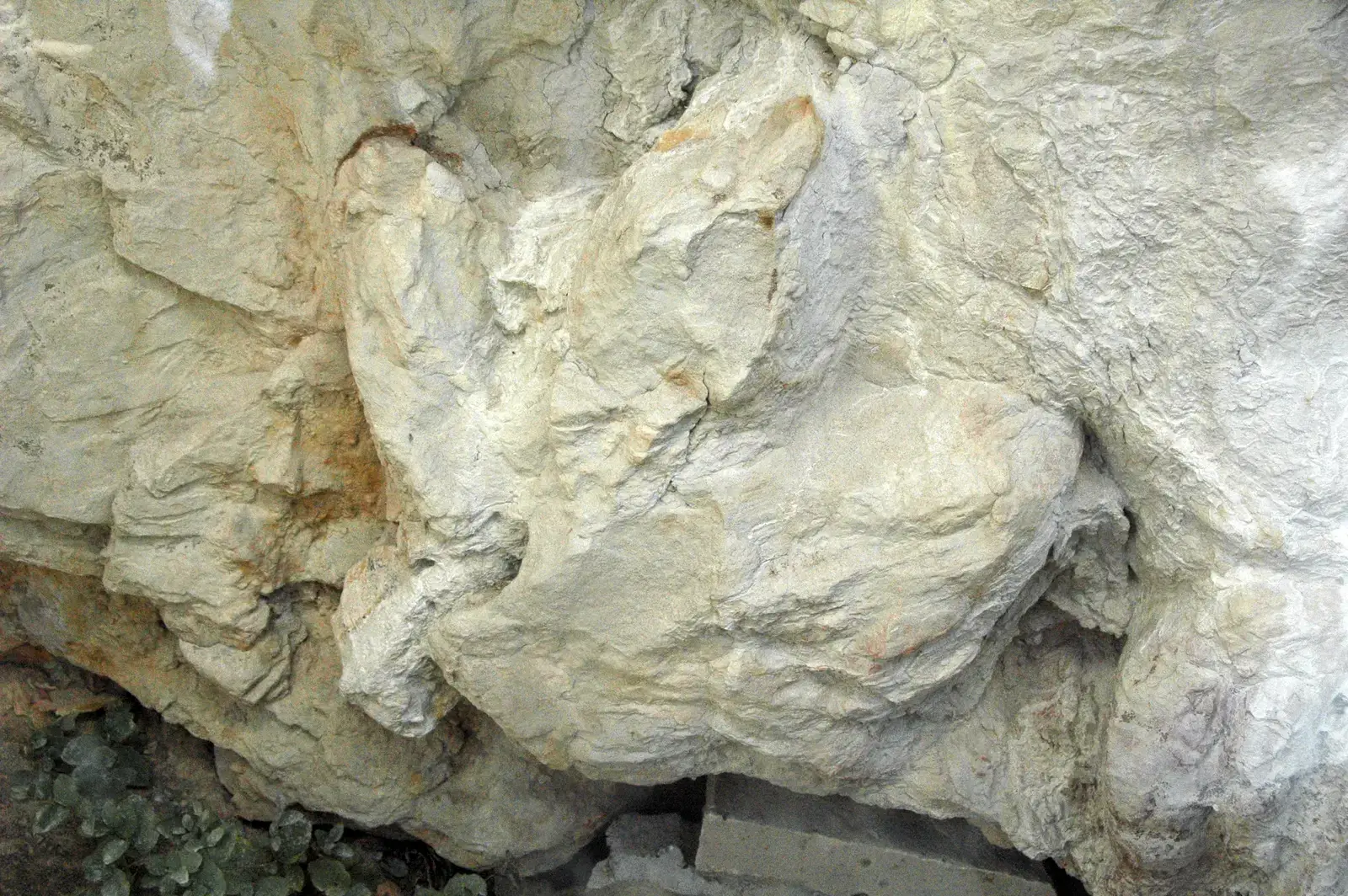
Nothing in the Alberta discovery is quite as spine-tingling as what was found running alongside the herbivore herd. Two tyrannosaur trackways, walking side by side, perpendicular to the moving group of plant-eaters. The implication is enough to make you pause and stare at the ceiling for a moment.
Published in the journal PLOS One, the study details how the Skyline Tracksite shows several dinosaur species walking side by side around 76 million years ago, and also highlights the discovery of a second set of tracks running perpendicular to the herd belonging to two large tyrannosaurs, which could suggest the apex predators were stalking the group. The tracks also add weight to theories that tyrannosaurs may have hunted or roamed in pairs or small groups, though more research is needed.
Dinosaur trackways – fossilized prints of predators moving together – can also indicate group behavior, and evidence of this kind is limited but known from some species, such as tyrannosaurs. The debate over whether large theropods coordinated hunts or simply tolerated each other’s presence is still fiercely alive among paleontologists. It’s hard to say for sure, but every new trackway nudges the evidence in a fascinating direction.
Display, Communication, and the Hidden Social Language of Dinosaurs
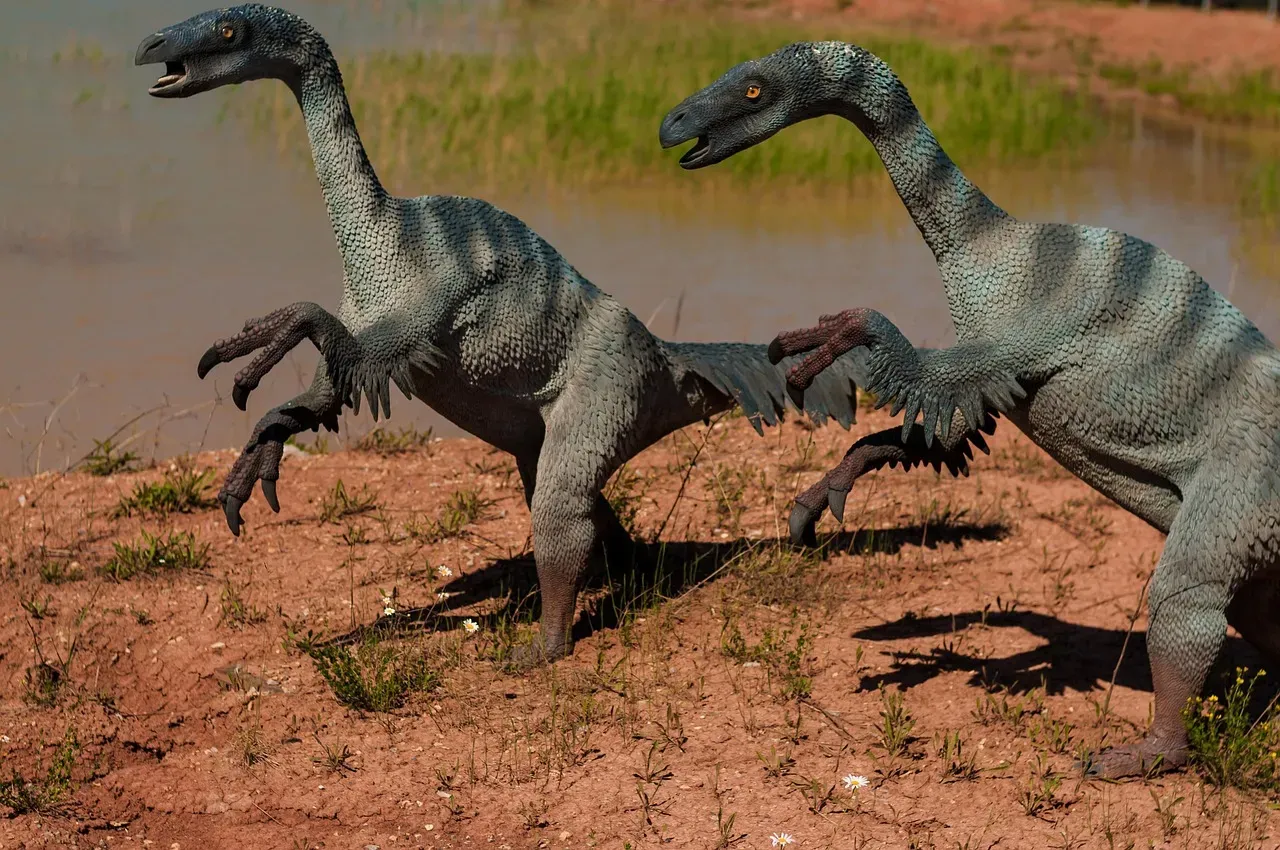
Social life requires more than just proximity. You need a way to communicate. And dinosaurs, it appears, had evolved an impressive toolkit for exactly that purpose – even if the fossil record only gives you fragments to work with.
The crests and frills of some dinosaurs, like the marginocephalians, theropods, and lambeosaurines, may have been too fragile for active defense, and so they were likely used for sexual or aggressive displays. Think of the enormous sail-like crests of hadrosaurs or the spectacular frills of ceratopsians. These were not accidental features. Communication and displays were essential components of dinosaur social interactions, with visual and vocal cues allowing them to communicate, solidify social bonds, and coordinate group activities, while males often evolved elaborate displays to attract mates, showcasing their fitness and evolutionary advantage.
Paleontologists are now advancing the study of dinosaur behavior by utilizing new techniques such as electron microscopy to determine the colors and patterns of feathered dinosaurs, which can provide insights into their camouflage, mating, and environmental adaptations. Color patterns for communication and display: it is almost eerily similar to the way modern birds use plumage today. Which, of course, makes complete evolutionary sense given that birds are living dinosaurs.
What the Fossil Record Still Cannot Tell You – and Why That Matters
Here is where intellectual honesty demands a bit of caution. The picture emerging of socially complex dinosaurs is compelling and exciting. It is also, inevitably, incomplete. Behavior does not fossilize in the way that bones do, and every interpretation carries some degree of uncertainty that good science should never conceal.
Paleontologist David Hone has pointed out that dinosaur behaviour is the one area where we see the greatest disconnect between what we know and what people think we know, and his work serves as a sobering reality check for the lay reader, suggesting that even specialists might come away wondering whether there is anything we know for sure. It remains unclear which dinosaur species was first to take up a social life, which evolutionary pressures prompted them to do so, and how social behaviors spread across the evolutionary tree.
New technologies and a growing number of researchers are enhancing our understanding of dinosaur physiology, diet, and social structures, offering promising avenues for future research. The tools are improving rapidly. What CT scanning, electron microscopy, and new tracksite detection methods have already revealed in just the past few years is genuinely staggering. The gap between what we know and what we thought we knew keeps narrowing, and each discovery sends a small shockwave through the field.
Conclusion: Ancient Giants, Modern Complexity
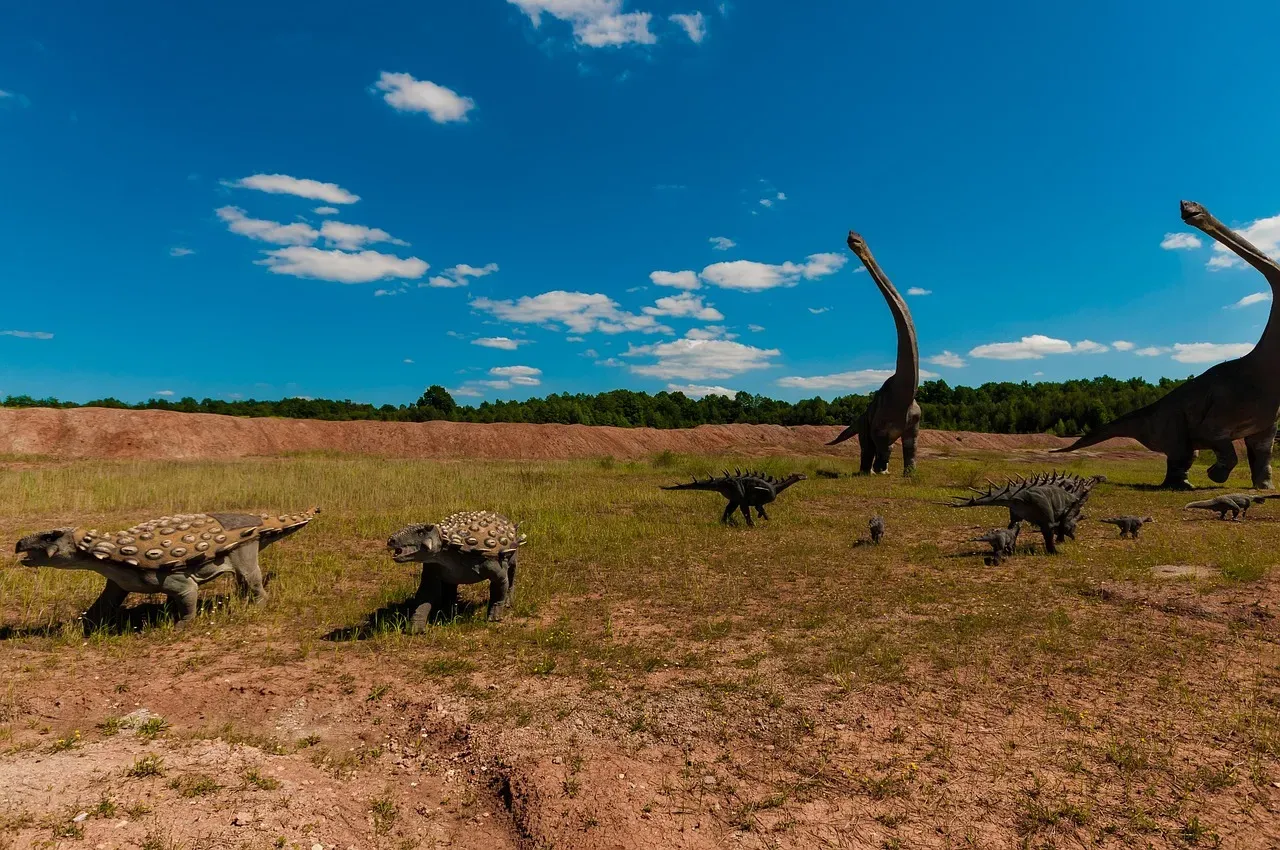
The story of dinosaur social life is one of the great reversals in the history of science. For generations, these animals were cast as isolated, instinct-driven machines. What the evidence now shows is an ancient world rich with cooperation, communal nesting, age-structured herds, interspecies alliances, and apex predators that possibly coordinated their movements.
Our understanding of dinosaurs is constantly evolving, and discoveries like these hint at far more intricate behaviors and relationships than we once imagined. The ability to live in herds allowed dinosaurs to optimize their habitat utilization and form social bonds, leading to the development of complex group structures and cooperative behaviors. These were not mindless monsters. They were, in many ways, social animals navigating a world that demanded cooperation just as much as raw power.
The footprints in Alberta, the nesting colonies of Patagonia, the communal brooding of oviraptorids – they all point to one undeniable truth. The more carefully we look at the evidence, the more familiar these ancient giants start to feel. So the next time you picture a dinosaur, try replacing that lone colossus with something a little more unexpected: a herd, a family, a community. What aspect of dinosaur social life surprises you the most? Drop your thoughts below – this conversation is just getting started.