When you picture a dinosaur, you probably imagine a towering beast stomping through a steamy jungle, somewhere hot and lush and tropical. That image, it turns out, is only a fraction of the real story. Dinosaurs didn’t just survive in paradise conditions. They conquered ice, endured volcanic winters, outlasted scorching deserts, and thrived in polar darkness that would challenge even the most well-adapted animals alive today.
The more you learn about what these creatures actually pulled off, the harder it is not to be genuinely impressed. From feathery insulation to heat-radiating back sails, dinosaurs evolved some truly wild tricks for staying alive when the climate turned brutal. Let’s dive in.
1. Proto-Feathers: Nature’s Original Winter Coat
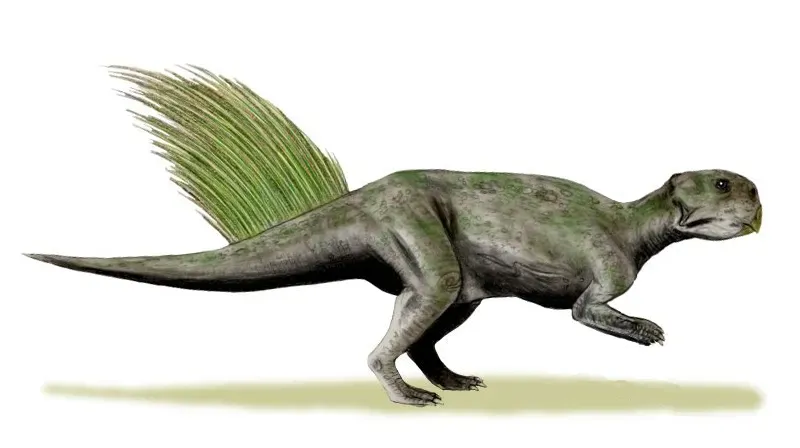
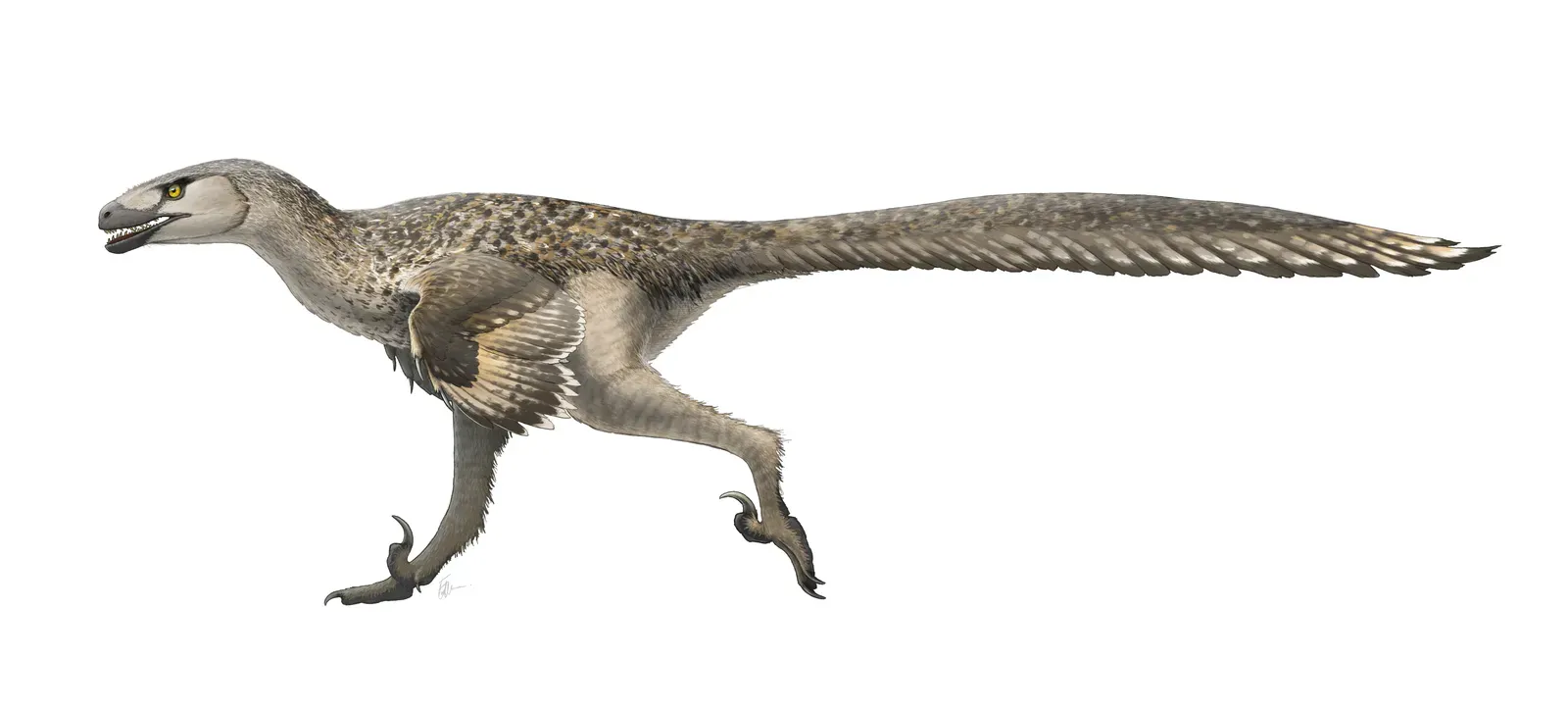
Here’s a fact that might completely reshape how you think about dinosaurs: they were wearing “coats” long before winter was even a concept in popular science. Researchers suggest that the proto-feathers found in many later groups of dinosaurs were likely primitive to all dinosaurs, and because these proto-feathers evolved in animals that could not yet fly, they must have originally been used for thermal insulation. Think of them less like bird wings and more like the fluffy down lining of a winter jacket.
Evidence of feathers has been found in the fossils of many types of dinosaurs, from carnivorous theropods to herbivorous ornithischians. Recent reports that flying reptiles called pterosaurs had feathers too now suggest that the insulating fuzz has been around for even longer than once thought, possibly appearing as early as 250 million years ago in a common ancestor of dinosaurs and pterosaurs. That is a staggering head start on one of evolution’s most useful tools.
2. Feathered Insulation as a Survival Superpower
It’s one thing to have feathers. It’s another thing entirely to have them save your entire lineage from extinction. Thanks to those insulating feathers, dinosaurs were able to survive the lengthy winters that ensued during the end-Triassic mass extinction, and dinosaurs might then have been able to spread rapidly during the Jurassic. This wasn’t just comfort, it was the difference between life and death on a planetary scale.
The insulated dinosaurs were well adapted to the period of volcanic activities and plummeting temperatures, and rapidly took over the regions formerly dominated by large non-insulated reptiles. Honestly, it’s almost poetic: while their naked, scaly competitors were freezing to death, feathered dinosaurs were simply carrying on as usual. After the biological extinction event at the end of the Triassic, dinosaurs rapidly increased in size and expanded their geographic range, with the total number of dinosaurs nearly doubling, and from then on, dinosaurs started their 135-million-year-long terrestrial domination of Earth.
3. Advanced Metabolic Rates: Built-In Body Heat
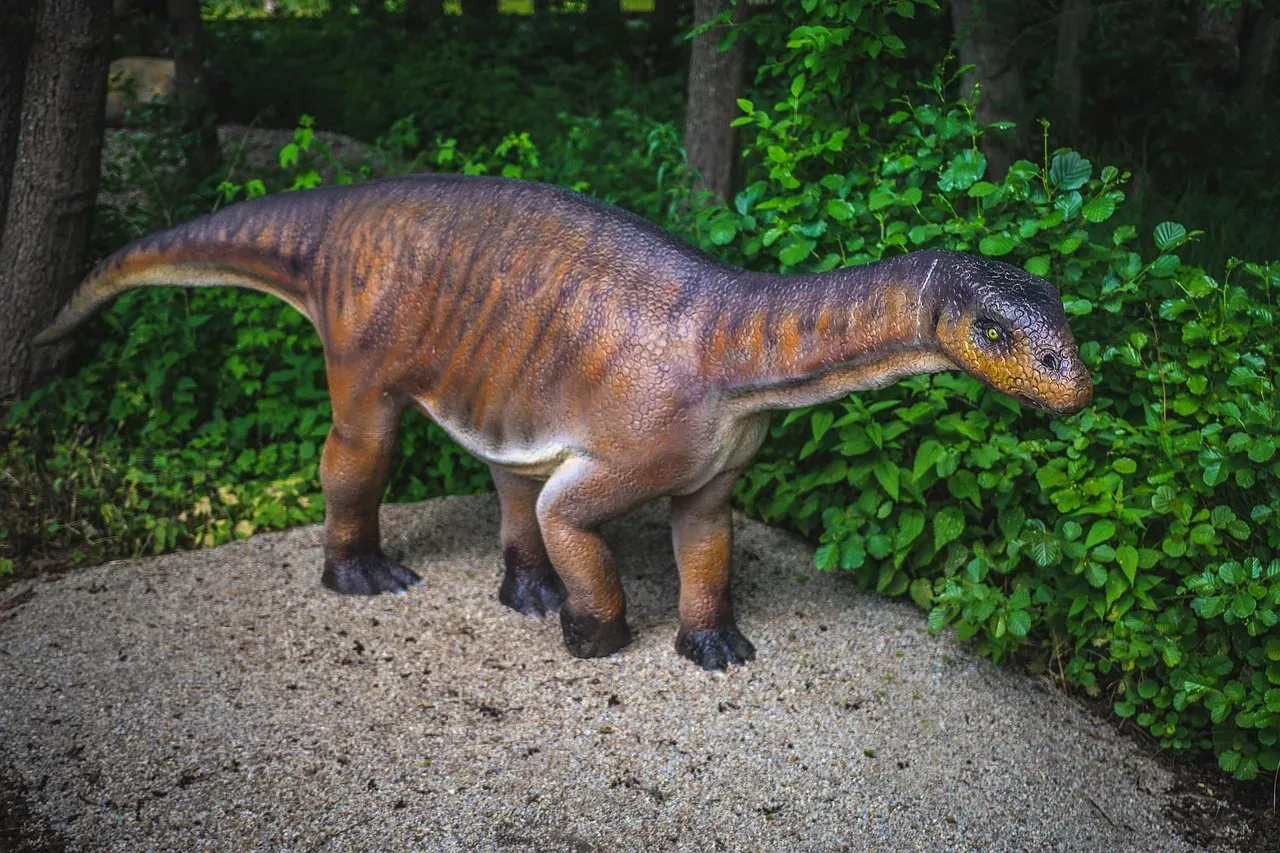
Recent research also shows that many dinosaurs were warm-blooded and had a high metabolism, traits crucial for surviving harsh winters. This is worth pausing on, because for a long time, the scientific community assumed dinosaurs were slow, cold-blooded creatures that relied entirely on sunlight to stay warm. That assumption has been steadily dismantled by modern research.
A Yale-led research team established that the earliest dinosaurs and pterosaurs had exceptionally high metabolic rates and were warm-blooded animals. The analysis showed that many early dinosaurs had a metabolic rate comparable to that of modern birds, with researchers noting that dinosaurs included remarkably swift and agile animals with energy levels like those of modern warm-blooded animals. A high metabolism is nature’s own furnace. You eat more, you burn more, you stay warmer. It’s basically the biology equivalent of running your heating system full blast.
4. Back Sails and Plates: Clever Thermoregulation Structures
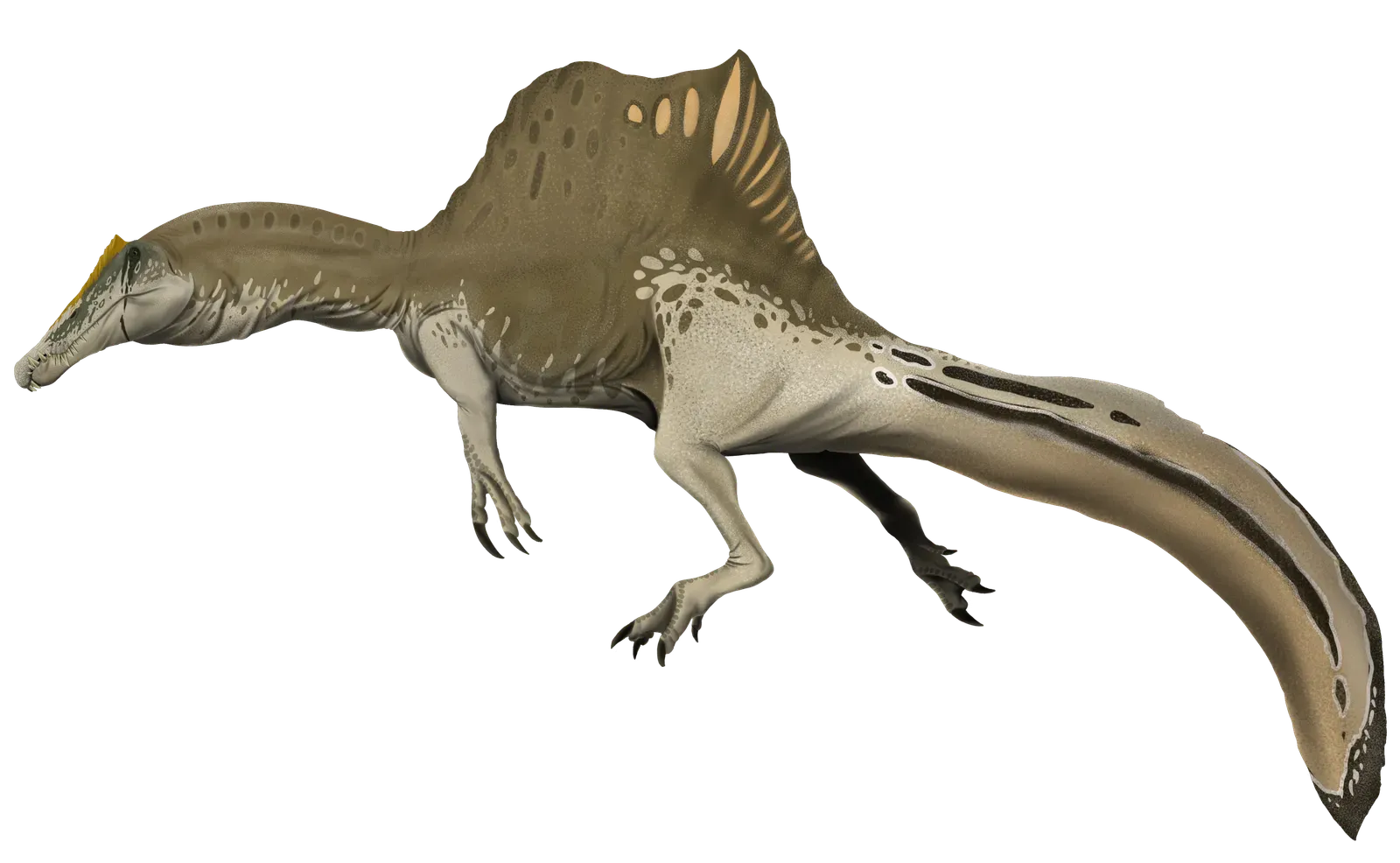
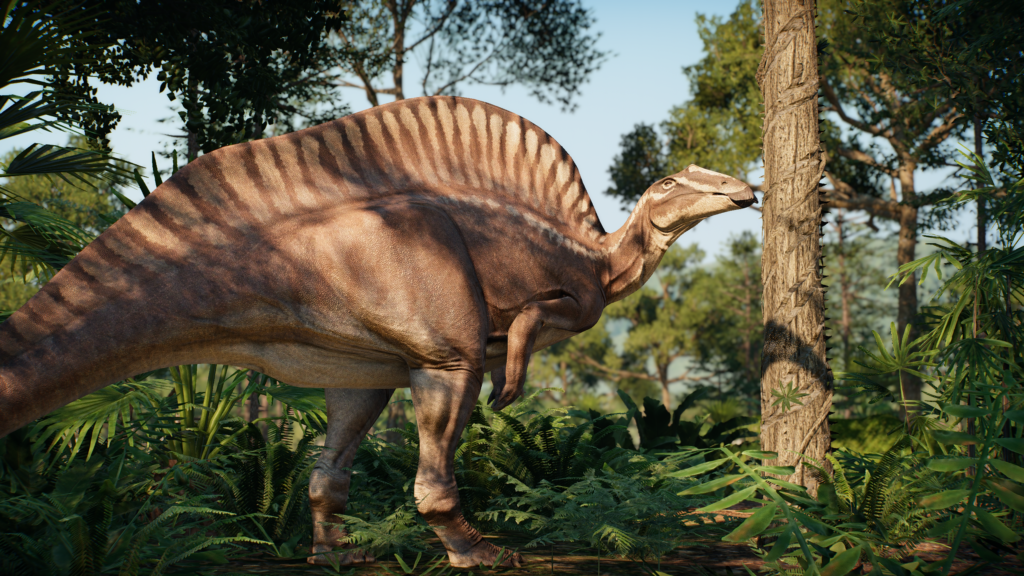
Some dinosaurs solved the temperature problem with structural engineering. Literally. Dinosaurs such as Spinosaurus and Ouranosaurus had on their backs “sails” supported by spines growing up from the vertebrae, and such dinosaurs could have used these sails to take in heat by basking with them at right angles to the sun’s rays, or to lose heat by using them as radiators while standing in the shade. It’s remarkably similar to a solar panel setup, except mounted on a living animal.
One common interpretation of the plates on Stegosaurus’s back is as heat exchangers for thermoregulation, as the plates are filled with blood vessels which, theoretically, could absorb and dissipate heat. Many species also evolved specialized body proportions featuring enlarged surface areas in certain body regions, such as elongated spines, sails, or expanded frills, that functioned as natural radiators, dissipating excess heat during scorching days and potentially absorbing warmth during cold desert nights. The Stegosaurus, then, was not just famous for those dramatic back plates. It was running a sophisticated biological climate control system.
5. Enlarged Eyes for Polar Darkness
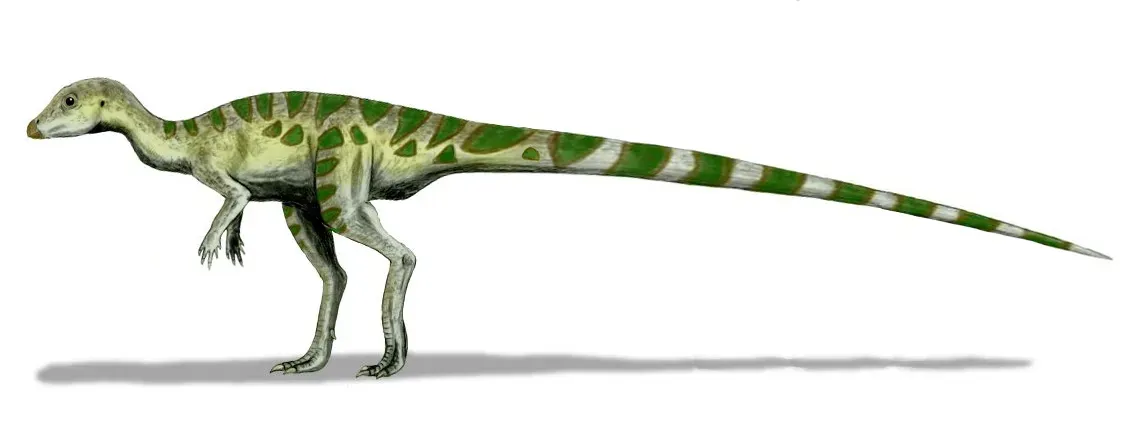
Surviving near the poles wasn’t just about staying warm. You also had to function through months of near-total darkness. You’d think that would rule out most large animals, yet some dinosaurs had a very specific answer to this challenge. Some species, such as the Australian ornithischian Leaellynasaura, had enlarged eye sockets, which indicated that they had developed a keen sense of vision, and having enhanced eyesight would have been important in helping these dinosaurs thrive during the dark polar winters.
A variety of dinosaurs survived these harsh polar conditions, including small, feathery predators with feathered bodies acting like a furry winter coat, parrot-like oviraptors, and Leaellynasaura, a small herbivore that walked on two legs and had one of the longest tails for its size of any dinosaur. Leaellynasaura is one of my personal favorites in the prehistoric world, a small, big-eyed creature quietly navigating a world of perpetual winter twilight. There’s something almost cinematic about it.
6. Burrowing Behavior: Going Underground to Escape the Cold
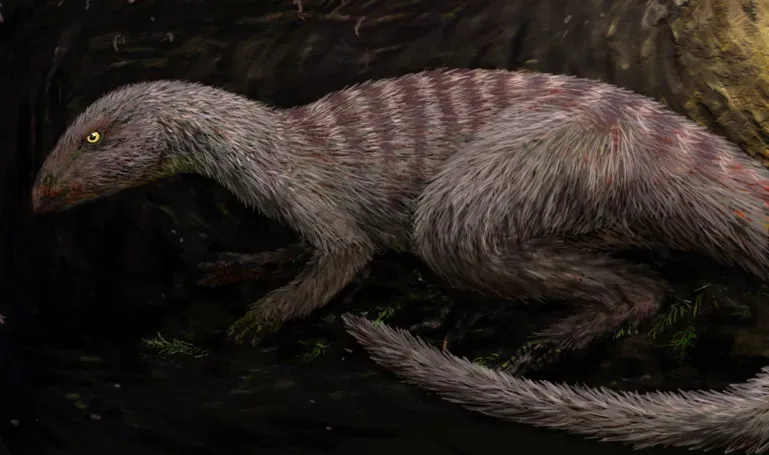
When the temperature drops below survivable levels, one practical solution is to simply go underground. Several dinosaurs appear to have done exactly that. Some dinosaurs might have dug in to survive the harshest months, and paleontologists working in southern Australia’s strata have found burrow-like structures from the age of Leaellynasaura. Finding physical evidence of ancient burrows is genuinely exciting from a research perspective, since it tells us these animals had complex behavioral strategies, not just physical ones.
Ten years ago, Australian palaeontologists found clear evidence of a 110-million-year-old “dino-burrow” in a Victorian dig site, suggesting at least some species could have gone underground to wait out the cold. Dinosaur proto-feathers would have been used for insulation, and the discovery of proto-feathers at Koonwarra therefore suggests that fluffy feather coats might have helped small dinosaurs keep warm in ancient polar habitats. It’s a combination strategy: burrow down, stay insulated, outlast the freeze. Honestly, it’s not so different from how many animals survive today.
7. Body Size Reduction: Shrinking to Survive
Here’s one that sounds counterintuitive at first. When resources are scarce and the environment is harsh and isolated, getting smaller can actually be a winning survival strategy. Insular dwarfism is the process and condition of large animals evolving to have a reduced body size when their population’s range is limited to a small environment, primarily islands. Dinosaurs were no exception to this rule.
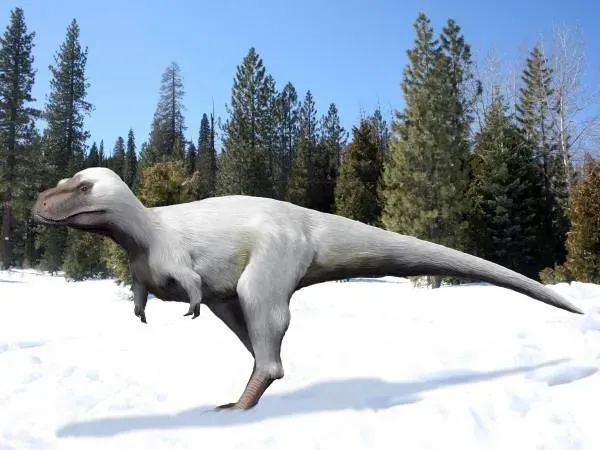
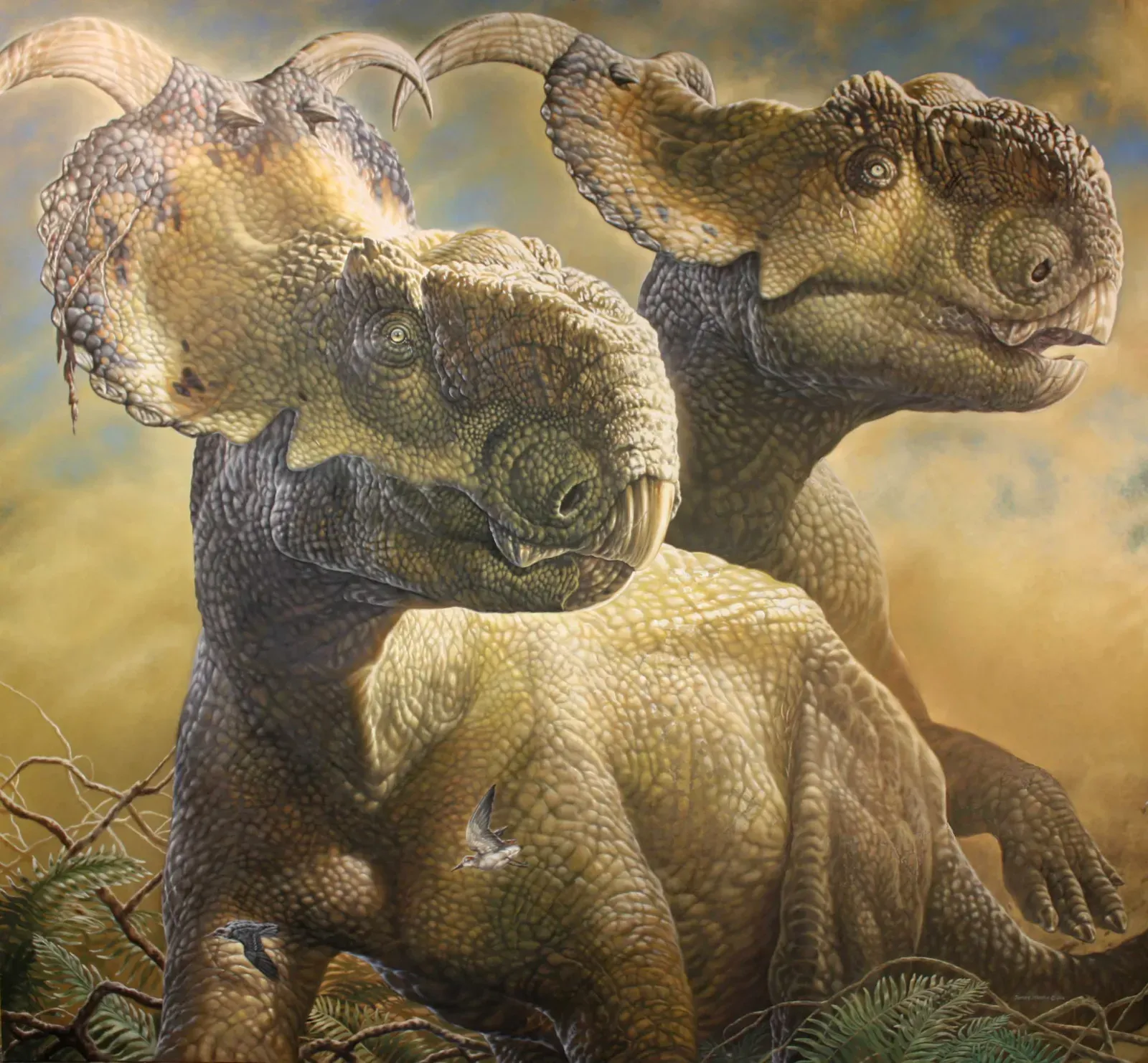
The local tyrannosaur in the Prince Creek Formation was not a familiar species seen elsewhere but a unique and smaller predator, roughly the size of a polar bear, that paleontologists dubbed Nanuqsaurus. The comparatively small stature of this dinosaur, as well as the downsized species of horned dinosaur called Pachyrhinosaurus in the area, hints that types of dinosaurs that grew big elsewhere adapted to become smaller and thereby get by on less food in the cool of ancient Alaska. A smaller body needs less food. In a lean polar environment, that’s not a limitation. It’s a serious advantage.
8. Skin Coloration Adaptations for Heat Management
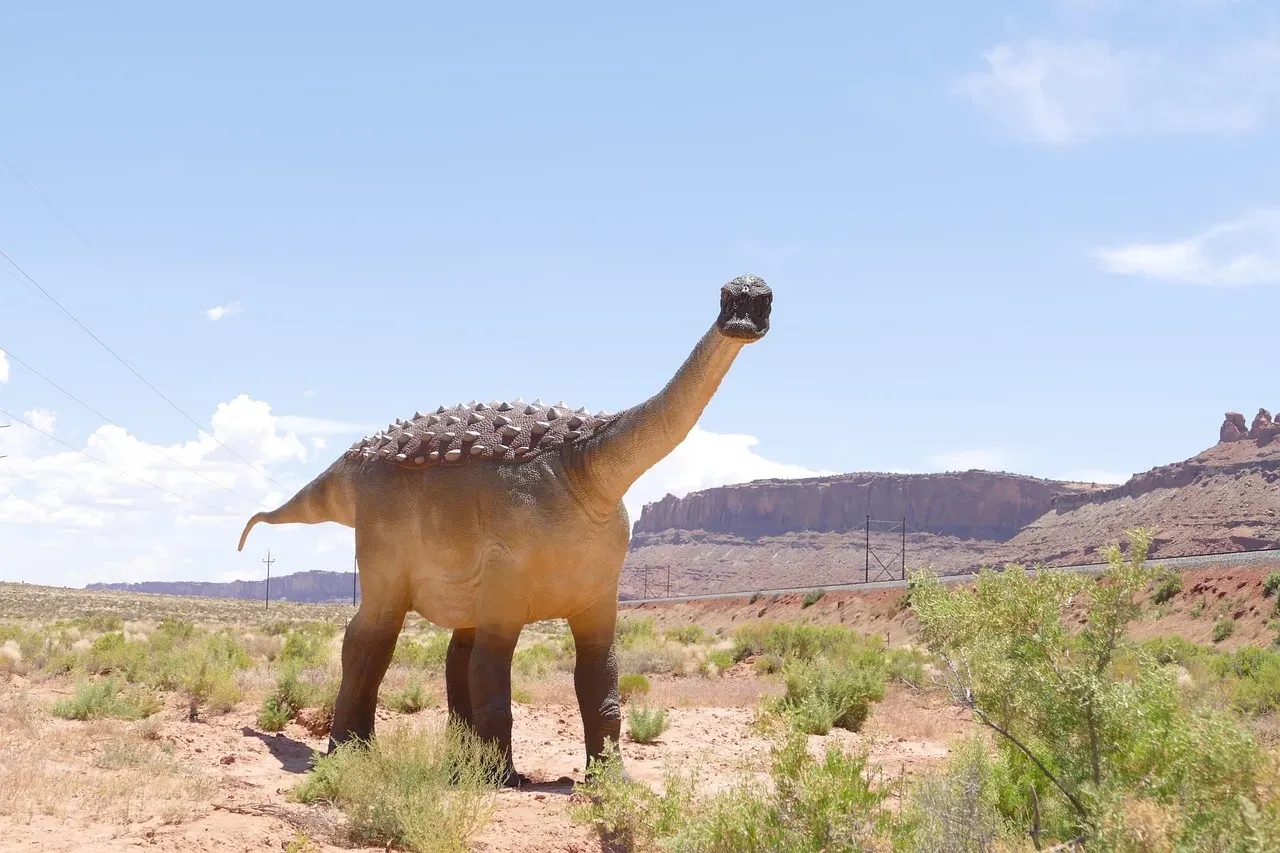
You might not immediately think of skin pigmentation as a climate survival tool, but for dinosaurs in extreme environments, color may have mattered enormously. Desert dinosaurs may have had lighter skin to beat the heat, while cooler-climate species could have gone darker to absorb more warmth from the sun. It’s the same principle as wearing a black shirt on a cold day versus a white shirt on a hot beach, just written into the evolutionary code of an animal over millions of years.
A research team also found densely packed fossil melanosomes, or pigment bodies, that indicated dark coloration in polar dinosaurs, which might have helped to absorb heat, as well as potentially helping with camouflage or communication in those dimly lit winter months. The fact that we can detect these melanosomes at all in fossil specimens is remarkable. Some species may have also developed specialized scales or skin structures that minimized water loss through evaporation, and these physiological adaptations collectively allowed desert dinosaurs to maintain critical hydration levels while consuming far less water than their counterparts in more temperate environments.
9. Seasonal Growth Slowdowns Encoded in Bone
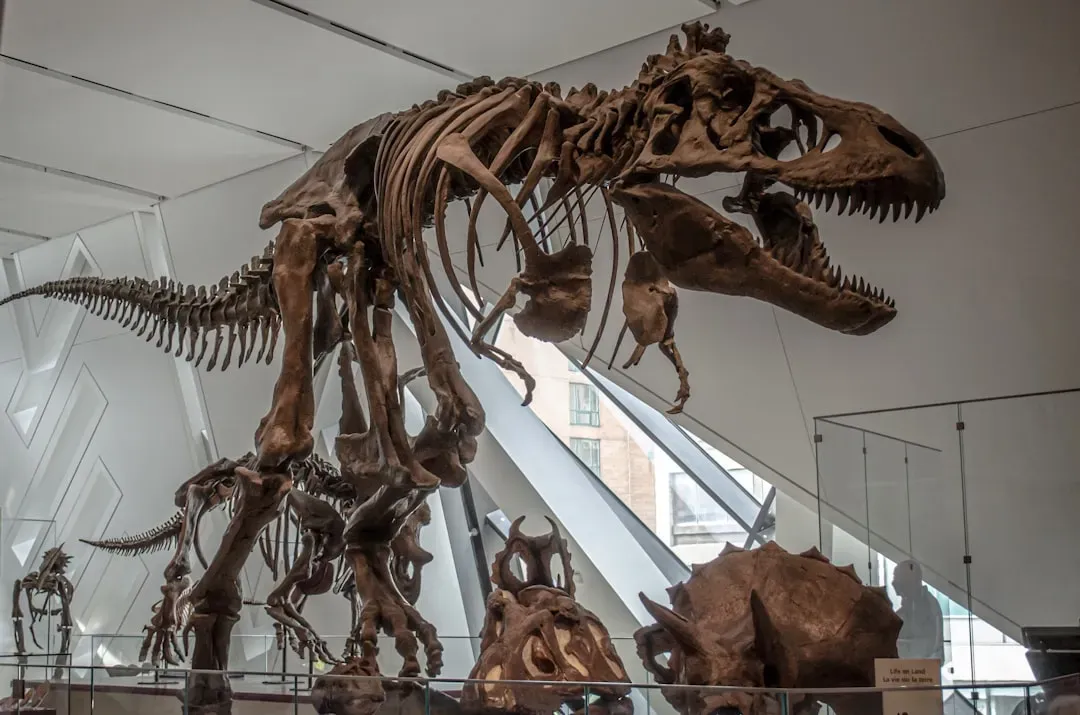
It’s hard to say for sure exactly how dinosaurs managed their energy through seasonal extremes, but the answer may literally be written in their bones. Dinosaur bones often contain lines of arrested growth, formed by alternating periods of slow and fast growth, and the formation of growth rings is usually driven by seasonal changes in temperature. These rings function almost like tree rings. You can read the history of hard years and good years right there in the fossil.
This means that polar dinosaurs were already biologically predisposed to surviving on less during the cold months, with the dinosaurs growing faster again during the lush summers. The type of bone tissue seen in between dinosaur lines of arrested growth indicates the animals grew rapidly and sustained high metabolic rates, and dinosaur bone tissue is indistinguishable from that of today’s endothermic ruminants. This boom-and-bust growth cycle was not a flaw in the dinosaur’s biology. It was a finely tuned seasonal survival mechanism.
10. Cold-Climate Colonization: Thriving Where Others Could Not
Perhaps the most extraordinary adaptation of all wasn’t a single physical feature. It was the overall capacity of certain dinosaur lineages to colonize and permanently settle in environments that other animals simply could not handle. Recent research has shed light on the astonishing ability of dinosaurs to adapt to cold climates, challenging the traditional perception of them as inhabitants of warm, tropical jungles, and fossil evidence from northern regions, such as northwest China, suggests that dinosaurs not only survived but thrived in freezing conditions.
The 70-million-year-old rock of Alaska’s Prince Creek Formation contains the fossils of horned dinosaurs, tyrannosaurs, duckbilled dinosaurs, raptors, and more that lived within the Arctic Circle. Research adds to a growing body of evidence that dinosaurs were more complex and adaptable than we typically imagine, and that these traits would have served dinosaurs well on a planet that was extraordinarily hot overall, by enabling them to avoid the tropics with their extreme and unpredictable climatic patterns, in favor of temperate zones where despite having to contend with seasonal winters they would have found more consistent food sources. The cold wasn’t a wall that stopped dinosaurs. For many of them, it was an open door.
Conclusion: Prehistoric Survivors That Rewrote the Rules
Let’s be real: the popular image of dinosaurs as lumbering tropical giants is long overdue for a serious update. The research paints a picture of animals that were breathtakingly adaptable, solving climate challenges with physical tools, behavioral strategies, and biological engineering that rivals anything we see in nature today.
From feathery insulation and heat-absorbing skin pigmentation to burrowing behavior and solar-sail back structures, dinosaurs didn’t just cope with harsh climates. They mastered them. Dinosaur research has shown that these prehistoric creatures were far more adaptable and resilient than previously thought, and their ability to survive and thrive in various environments suggests a high degree of flexibility and resourcefulness.
The next time you think about what it means for a species to be tough, remember that these animals dominated every corner of the planet for the better part of 160 million years, in heat and cold alike. So the question worth asking is: which of these ten adaptations surprised you the most? Tell us in the comments below.