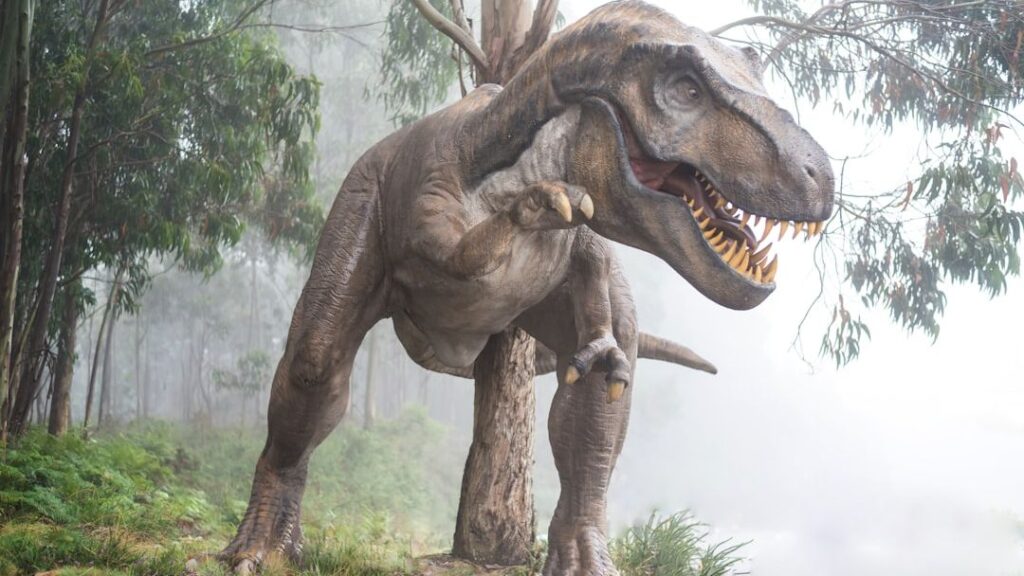
When most people picture a Tyrannosaurus rex, they imagine a single, towering beast stomping through prehistoric North America, a solitary king on a throne of bone. What they rarely picture is the sprawling, surprisingly complex family network that produced this animal over tens of millions of years. The T. rex family tree is far messier, far more global, and far more fascinating than the movies ever let on.
You might think you already know the basics. Big head, tiny arms, enormous teeth. Story over. Honestly, it’s so much richer than that. From feathered Asian cousins to a newly discovered “dragon prince” that helped pave the way for the tyrant lizard king, the real family story of T. rex is packed with twists. Let’s dive in.
The Family Tree Started With Small, Crested Creatures in Jurassic China
If you ever imagined the ancestors of T. rex as similarly enormous killers, you are in for a surprise. For most of their evolutionary history, tyrannosauroids were mostly small-bodied animals and only reached gigantic size during the final 20 million years of the Cretaceous. The lineage started humbly, almost unrecognizably so.
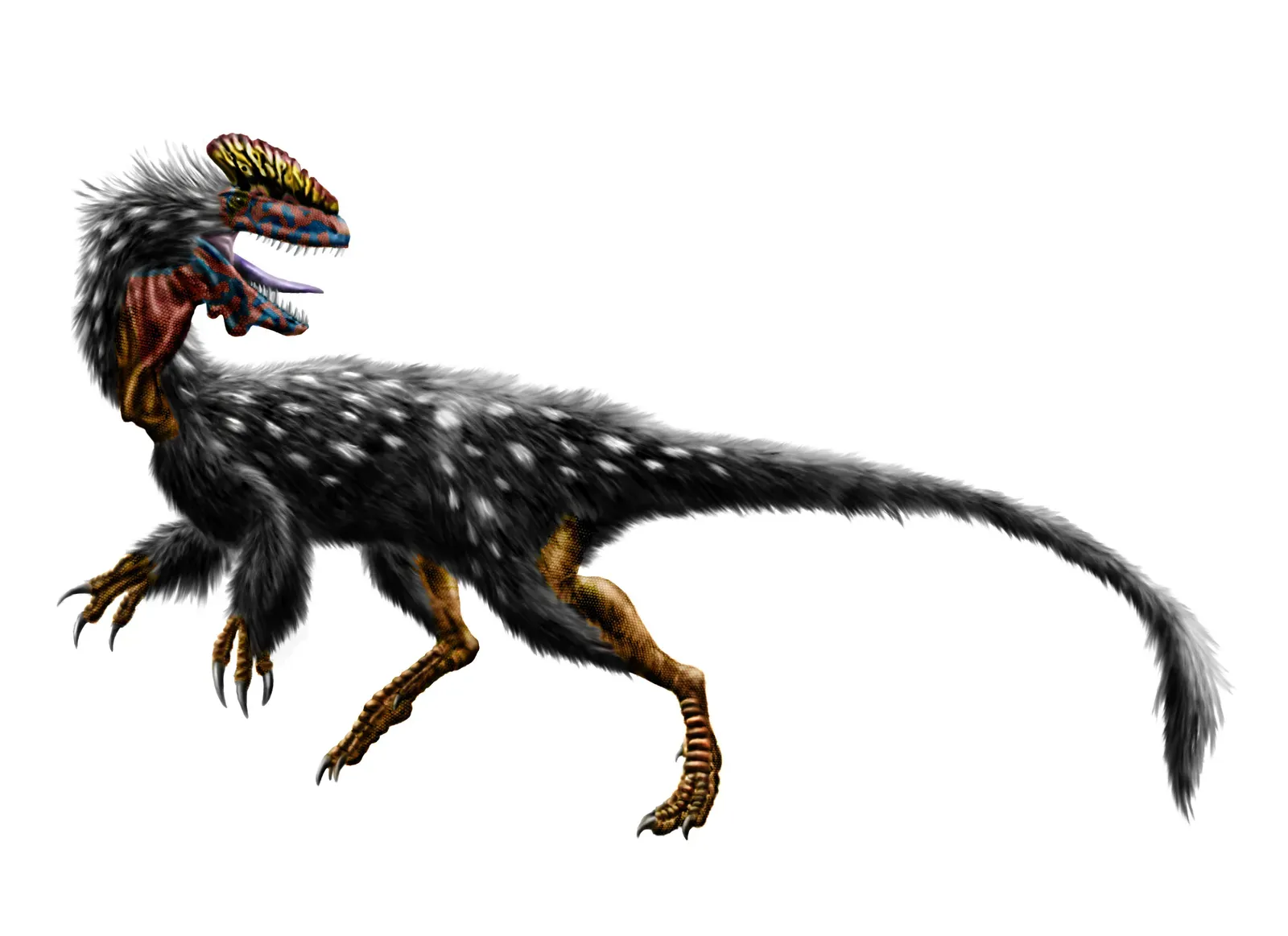
One of the earliest tyrannosauroids yet discovered, Guanlong roamed what is now Xinjiang, China, during the Late Jurassic Period, about 163 to 158 million years ago. Guanlong wucaii was not your typical tyrannosaur. It had long arms and three-fingered hands for grabbing and ripping, but the shape of its teeth and features in the skull and pelvis place it in the tyrannosauroid superfamily. Think of it like finding out your intimidating family patriarch had a great-great-grandfather who was roughly the size of a golden retriever and wore a decorative hat.
Guanlong’s head crest ran along its snout from nostrils to eye sockets. It was distinctly delicate, too flimsy for use as a weapon, and probably brightly colored. Made from fused nasal bones, the crest was filled with air sacs and reminded discoverers of the ornamental features found on some living birds, like cassowaries and hornbills. The creature was almost more flamboyant peacock than fearsome predator. Wild, right?
T. Rex Had a Feathered Relative That Was Enormous
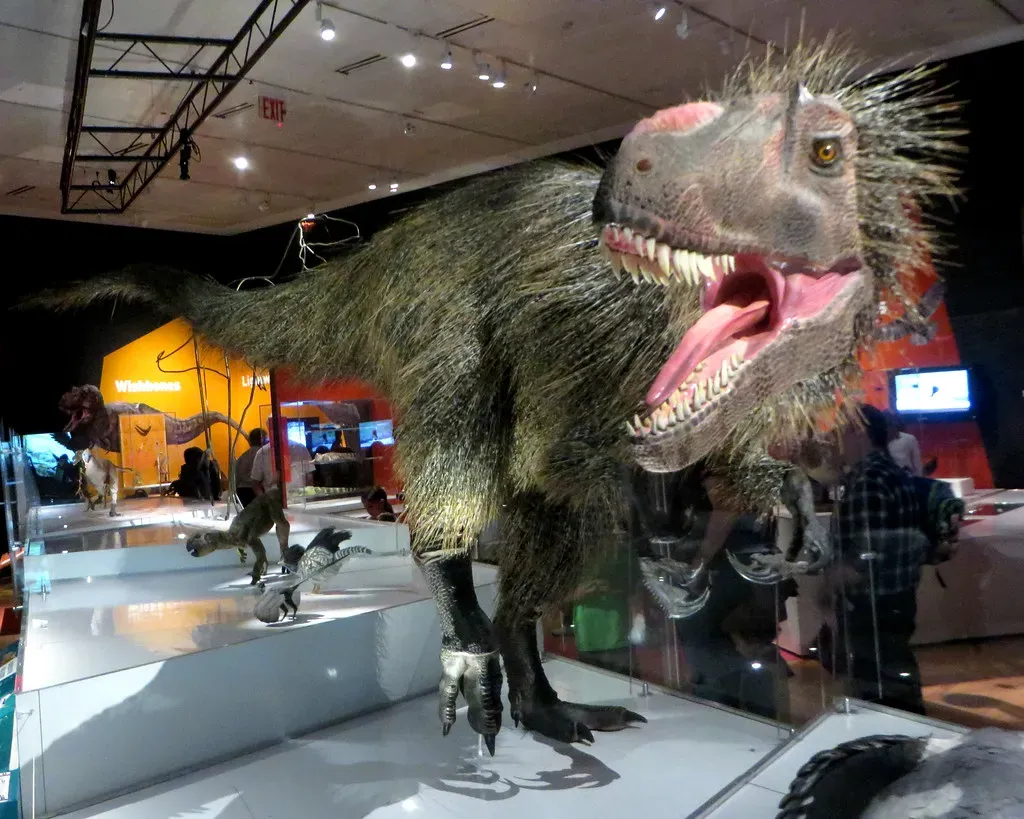
Here is where things get genuinely mind-bending. You have likely accepted the scaly, scale-covered image of T. rex from every blockbuster film you have ever seen. Now consider that one of its close relatives was essentially a giant, fluffy beast. Yutyrannus, meaning “feathered tyrant,” is a genus of proceratosaurid tyrannosauroid dinosaur that lived during the early Cretaceous period in what is now northeastern China.
Yutyrannus is known from three specimens and holds the distinction of being the largest known dinosaur with direct evidence of feathers. The feathers were filaments, so they looked like the fuzzy down of baby chicks, and likely served to keep the dinosaur warm in cooler periods. At something like nine metres in length and weighing over a tonne, this dinosaur is one of the largest feathered creatures known to science. Imagine a creature roughly the size of a school bus, covered head to tail in shaggy, downy fuzz. That was a real animal in T. rex’s family tree.
The presence of feathers on a large basal tyrannosauroid suggests the possibility that later tyrannosaurids were also feathered, even when adult, despite their size. However, scaly skin impressions have been reported from various Late Cretaceous tyrannosaurids such as Gorgosaurus, Tarbosaurus, and Tyrannosaurus on parts of the body where Yutyrannus was feathered. So the debate around a feathered T. rex remains genuinely open, even today.
T. Rex Was Likely an Immigrant From Asia, Not a True North American Native
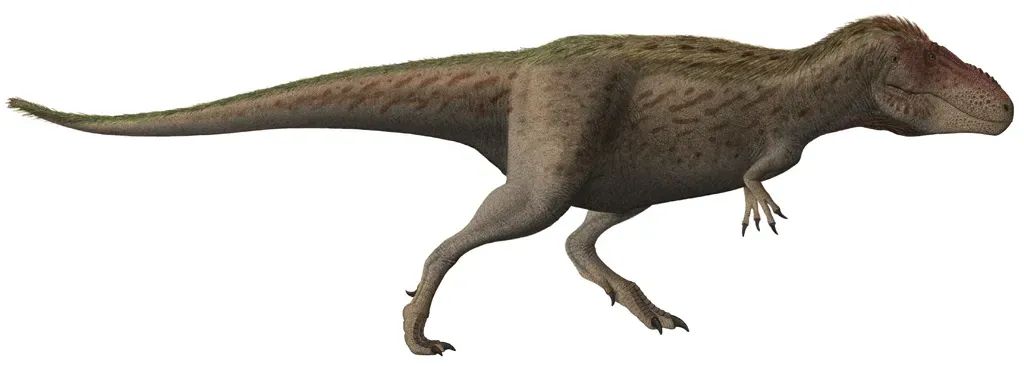
Here is a fact that tends to shock people. T. rex, the ultimate symbol of prehistoric North America, may not have evolved there at all. Phylogenetic research suggests that the body plan of the colossal species evolved piecemeal and that T. rex may have been an Asian migrant to North America. Picture the most American dinosaur ever, and then discover it was basically an immigrant. Fascinating.
Studies indicate that Tyrannosaurus might have been an immigrant from Asia, possibly a descendant of the closely related Tarbosaurus, that supplanted and outcompeted other tyrannosaurids. This theory is further supported by the fact that few to no other types of tyrannosaurid are found within Tyrannosaurus’s known range. The evidence keeps stacking up that T. rex effectively muscled out its competition after arriving on a new continent, like the apex predator equivalent of an invasive species.
New analyses provide strong support that the ancestors of T. rex evolved from a group of tyrannosaurs that ventured back to Asia after they had undergone an evolutionary radiation in North America. Ultimately, the study suggests that the rise of one of Earth’s largest carnivores was due to a back-and-forth between North America and Asia that took place over a period of 20 million years. It was a prehistoric transcontinental saga that Hollywood has so far completely ignored.
A “Dragon Prince” From Mongolia Was the Closest Known Relative
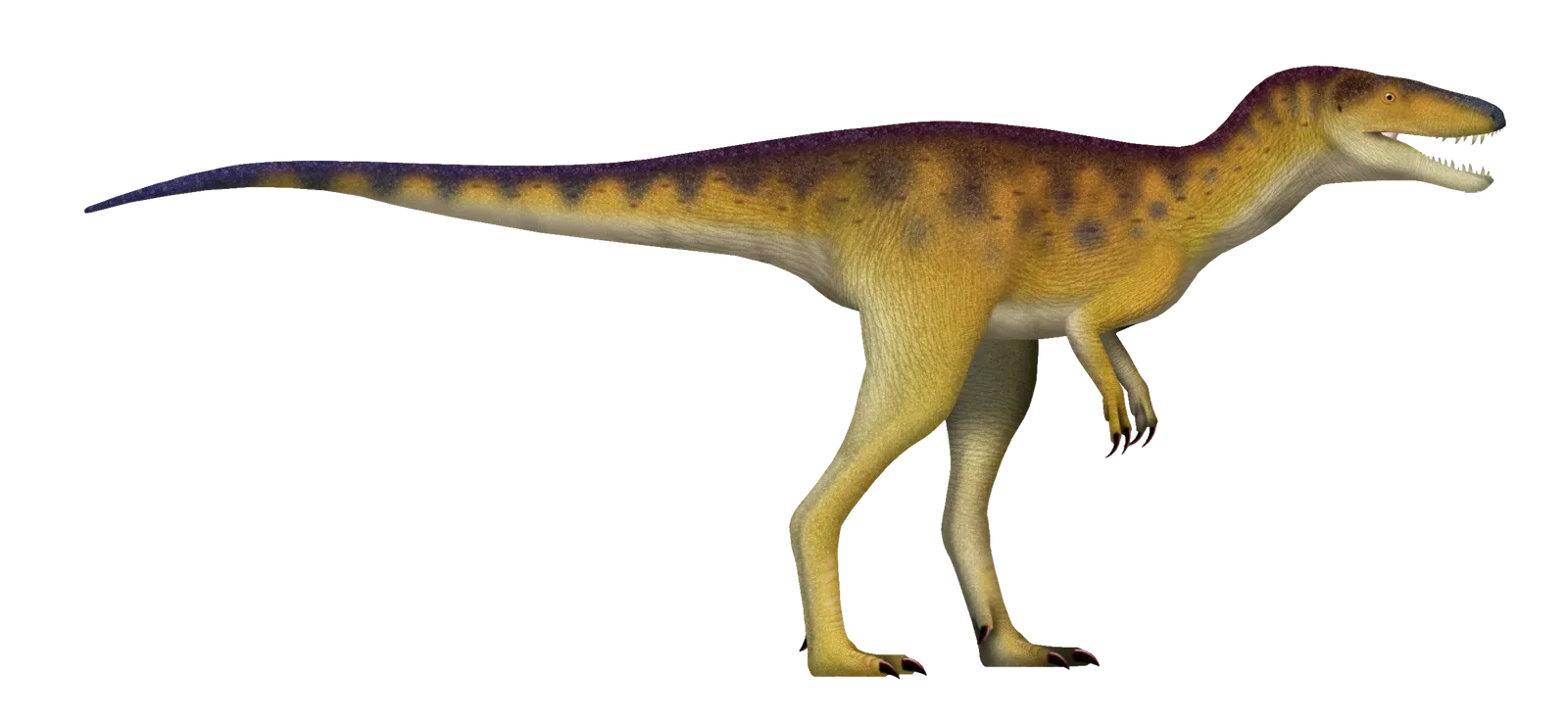
In 2025, paleontology dropped a genuinely stunning update to T. rex’s family tree. The newest addition to the tyrannosaur family tree is named Khankhuuluu mongoliensis, which translates to “dragon prince from Mongolia.” The dinosaur has been identified from two partial skeletons that include skull bones, vertebrae, part of the hips, and limb bones. Altogether, the pieces reveal a slender tyrannosaur that roamed Cretaceous Mongolia about 86 million years ago and was about 13 feet long.
Khankhuuluu was only about one-third or one-half the size of a fully grown T. rex, but it laid the foundation for its larger and more famous descendants. Instead of a simple line of evolution from early tyrannosaurs to T. rex, paleontologists have uncovered a wildly branching evolutionary bush of different tyrannosaur subgroups that came and went through the Cretaceous. The glut of new tyrannosaur species is allowing experts to piece together how big tyrannosaurs, including the gigantic T. rex, evolved and spread across vast stretches of the planet.
Perhaps Khankhuuluu’s most notable features are a pair of tiny horns just over the eye sockets. Those horns would later evolve to be much more prominent in species like Albertosaurus and Gorgosaurus, and were probably used to intimidate rivals and impress romantic interests. So even the decorative features you see on later tyrannosaurs trace back directly to this Mongolian “dragon prince.” Evolution really does leave breadcrumbs everywhere.
T. Rex Had a Slightly Older Sibling Species in North America
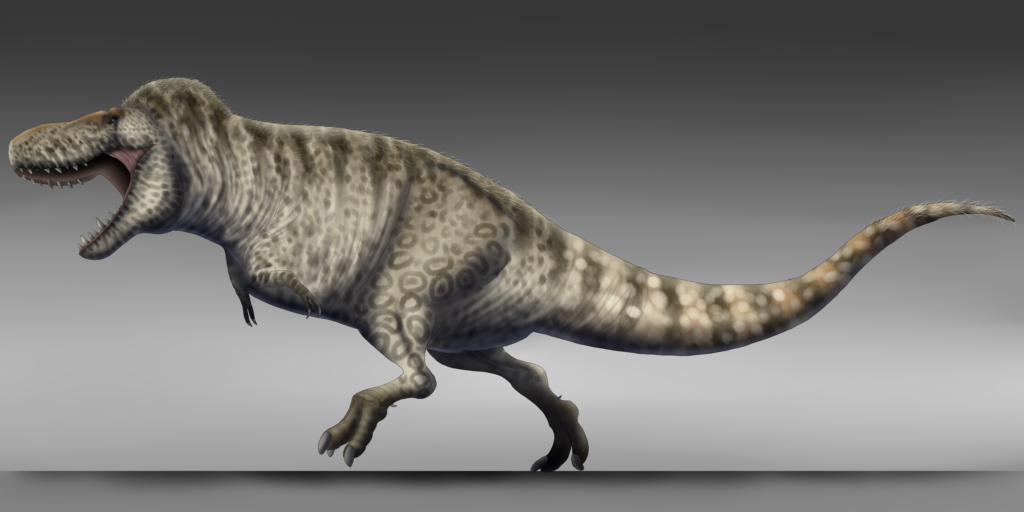
If you thought T. rex was the only game in town, science has news for you. The newly discovered Tyrannosaurus mcraeensis is the earliest known relative of Tyrannosaurus rex in North America. Tyrannosaurus rex has a sibling. The discovery rattled paleontologists and rewrote what we thought we knew about when and where the Tyrannosaurus genus first appeared.
Like T. rex, Tyrannosaurus mcraeensis was a meat eater that measured up to 40 feet in length and could reach a height of 12 feet at the hips. The researchers identified small yet significant differences. Its discovery suggests that the Tyrannosaurus genus roamed the southwestern United States about 73 million years ago, millions of years before paleontologists previously thought. That is a remarkable gap to close.
While the new discovery predates T. rex, the paper notes that subtle differences in the jaw bones make it unlikely that it was a direct ancestor. This raises the possibility that there are still more new tyrannosaur discoveries to be made. Honestly, the more researchers dig, the more the T. rex family tree expands into territory nobody expected. It is like finding out a famous historical figure had a whole shadow family nobody knew about.
Daspletosaurus May Have Been a Direct Ancestor Walking in a Straight Evolutionary Line
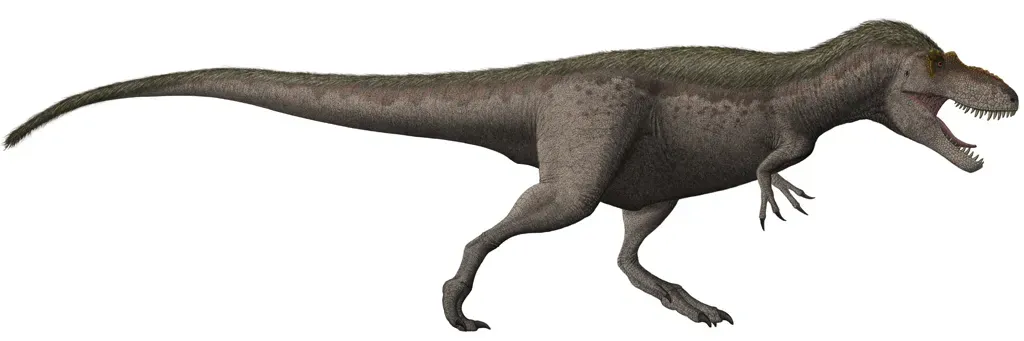
Most people assume evolution works like a tree with lots of branching. For T. rex and some of its predecessors, the story is surprisingly more like a ladder. Research supports the intriguing hypothesis that the Daspletosaurus lineage was directly ancestral to Tyrannosaurus rex. These findings suggest that previous research was correct in identifying several species of Daspletosaurus as a single evolving lineage, and supports the descent of T. rex from this group.
Researchers can now see that many of these species are actually very finely separated in time from each other, forming consecutive ladder-like steps in a single evolutionary lineage where one ancestral species evolves directly into a descendant species. This is called the “anagenesis” mode of evolution, and is contrasted with “cladogenesis,” where successive branching events produce many species. It is a rare pattern in the fossil record, and finding it repeatedly in tyrannosaurs is extraordinary.
The new study supports the addition of tyrannosaurs to a growing list of dinosaurs for which anagenesis, or linear evolution, has been proposed. This seems to suggest that linear evolution is more widespread in dinosaurs, with branching evolution being less frequent than previously thought. T. rex, in a sense, may represent the living end of a long, straight road of change rather than a branching accident of nature. That is a remarkably different way to think about the most famous predator that ever lived.
T. Rex Had a Tiny Arctic Cousin That Shrank to Survive
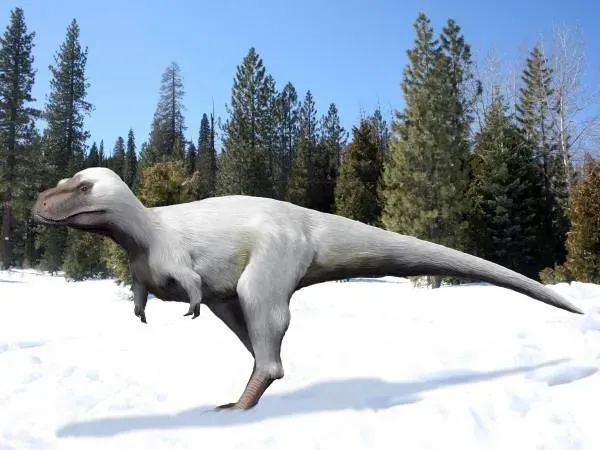
Evolution did not just make tyrannosaurs bigger over time. In at least one remarkable case, it made them significantly smaller. Nanuqsaurus hoglundi was discovered in the North Slope Borough of Alaska, adding further evidence of trans-continental distribution. Nanuqsaurus was not only the northernmost tyrannosaur but also the smallest, being a fraction of the size of Tyrannosaurus rex. Let that sink in for a moment.
At such high latitudes, Nanuqsaurus must have adapted to seasonal extremes in ancient Alaska. Though Nanuqsaurus is known from a partial skull, there are enough anatomical similarities to bridge a close relationship with Tyrannosaurus from North America and the Asian tyrannosaur, Tarbosaurus. Think of it as T. rex’s compact, cold-weather edition. Same essential blueprint, dramatically scaled down for a harsher environment.
Nanuqsaurus hoglundi was a small dinosaur discovered in Alaska in 2014. The name is a combination of “nanuq,” the Iñupiaq word for polar bear, and the Greek “sauros,” meaning lizard. Skull and jaw fragments of this dinosaur were found in the Prince Creek Formation at the Kikak-Tegoseak Quarry in Northern Alaska. The sediments the fossils came from are dated to be around 69 million years old. A polar bear lizard relative of T. rex, living in the ancient Arctic. The tyrannosaur family truly had no boundaries.
Conclusion
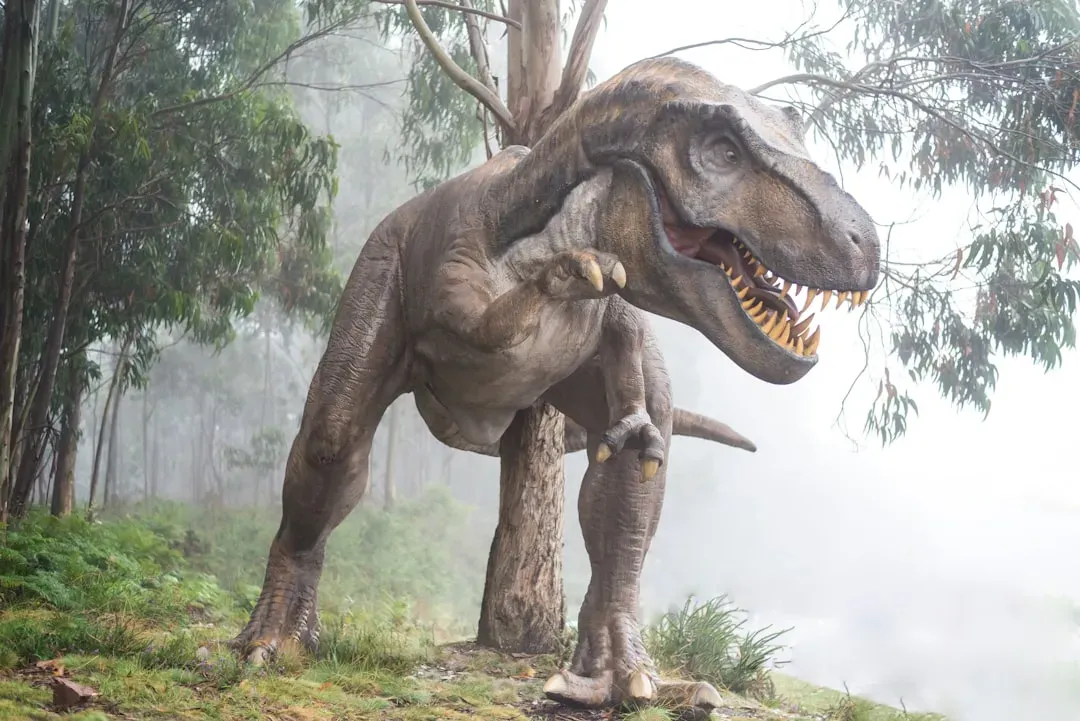
When you take a step back and look at T. rex’s family tree as a whole, you realize it is less a simple royal lineage and more a wild, continent-hopping, shape-shifting saga that lasted over 100 million years. From a small crested creature with fluffy feathers in Jurassic China to a polar specialist in prehistoric Alaska, the relatives of T. rex were breathtakingly diverse. The famous king of the dinosaurs was really the final flourish of an astonishingly long and creative evolutionary story.
Science is still rewriting the chapters. New species keep emerging from museum drawers and remote badlands, each one adding another unexpected branch to the tree. The T. rex you think you know is just one part of a family that was truly global, surprisingly varied, and far more remarkable than any blockbuster has ever dared to show. So the real question is: which relative of T. rex surprises you the most? Tell us in the comments.